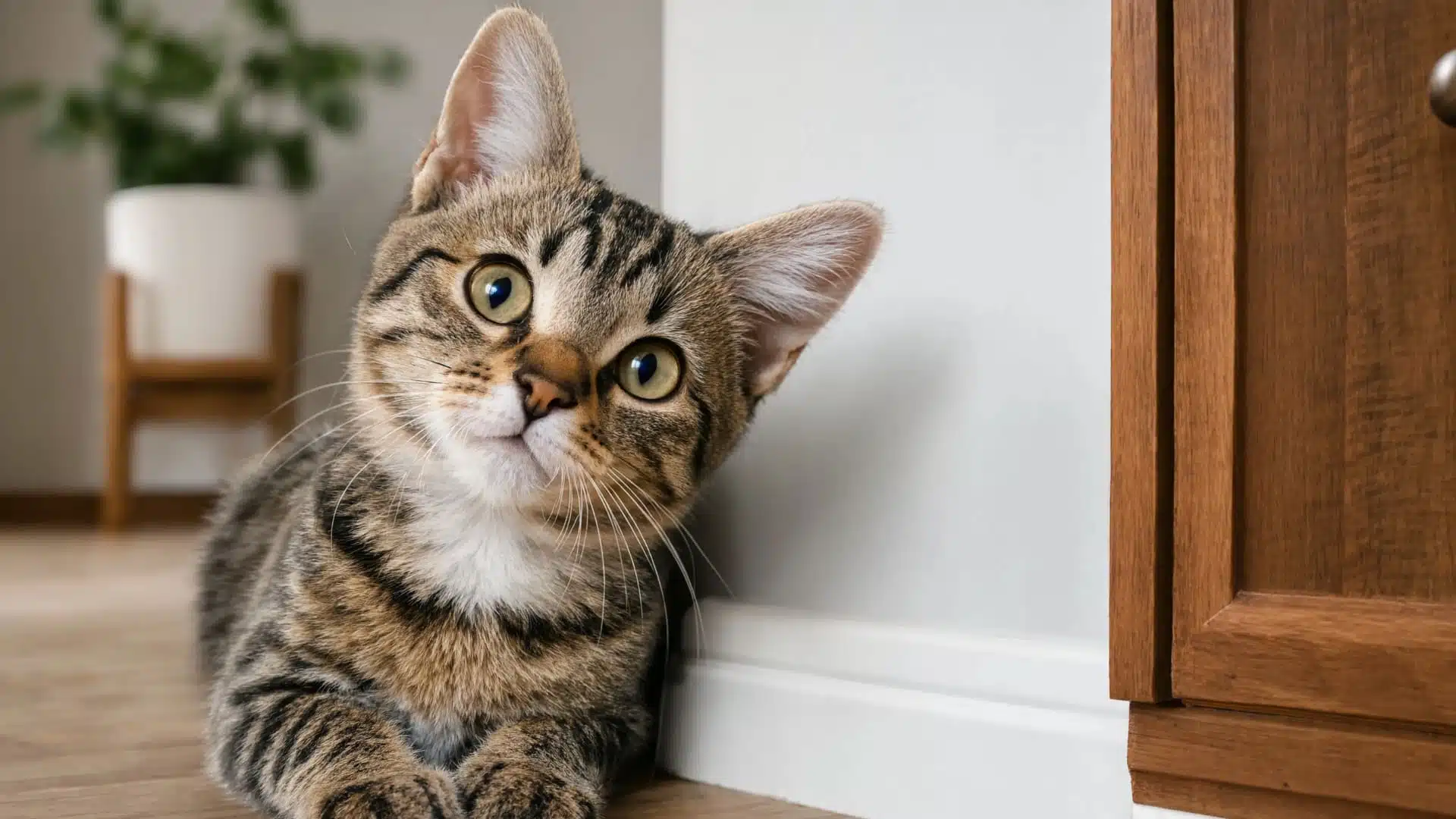
Some cats seem to move through the world in their own quiet rhythm. They may avoid touch, dislike loud sounds, follow strict routines, or bond deeply with only one person.
For many pet owners, these behaviors can spark a tender concern: could this be a cat with autism? The thought often comes from love, especially when a cat feels hard to understand.
Autism is a human diagnosis, so the answer is not as simple as placing the same label on feline behavior. Still, certain traits can look familiar enough to raise curiosity.
Cats are complex; their behaviors are often misread, and the truth behind what you’re seeing is worth understanding properly.
In this post, we cover what autism is, whether cats can actually have it, the real causes behind unusual feline behavior, and when to call your vet.
What is Autism?
Autism Spectrum Disorder (ASD) is a condition that affects communication, behavior, and how a person experiences the world.
It exists on a spectrum, meaning it affects people in different ways and at different levels of intensity.
ASD is diagnosed through behavioral observation, developmental history, and standardized assessments.
All of that is built around human cognition, human language, and the very specific ways the human brain develops.
It can influence social interaction, sensory processing, routines, learning patterns, and emotional responses in deeply personal ways.
It’s a condition rooted in how people perceive, process, and interact with the world, and that context matters a lot when we start asking whether other animals can have it.
Can Cats Have Autism?
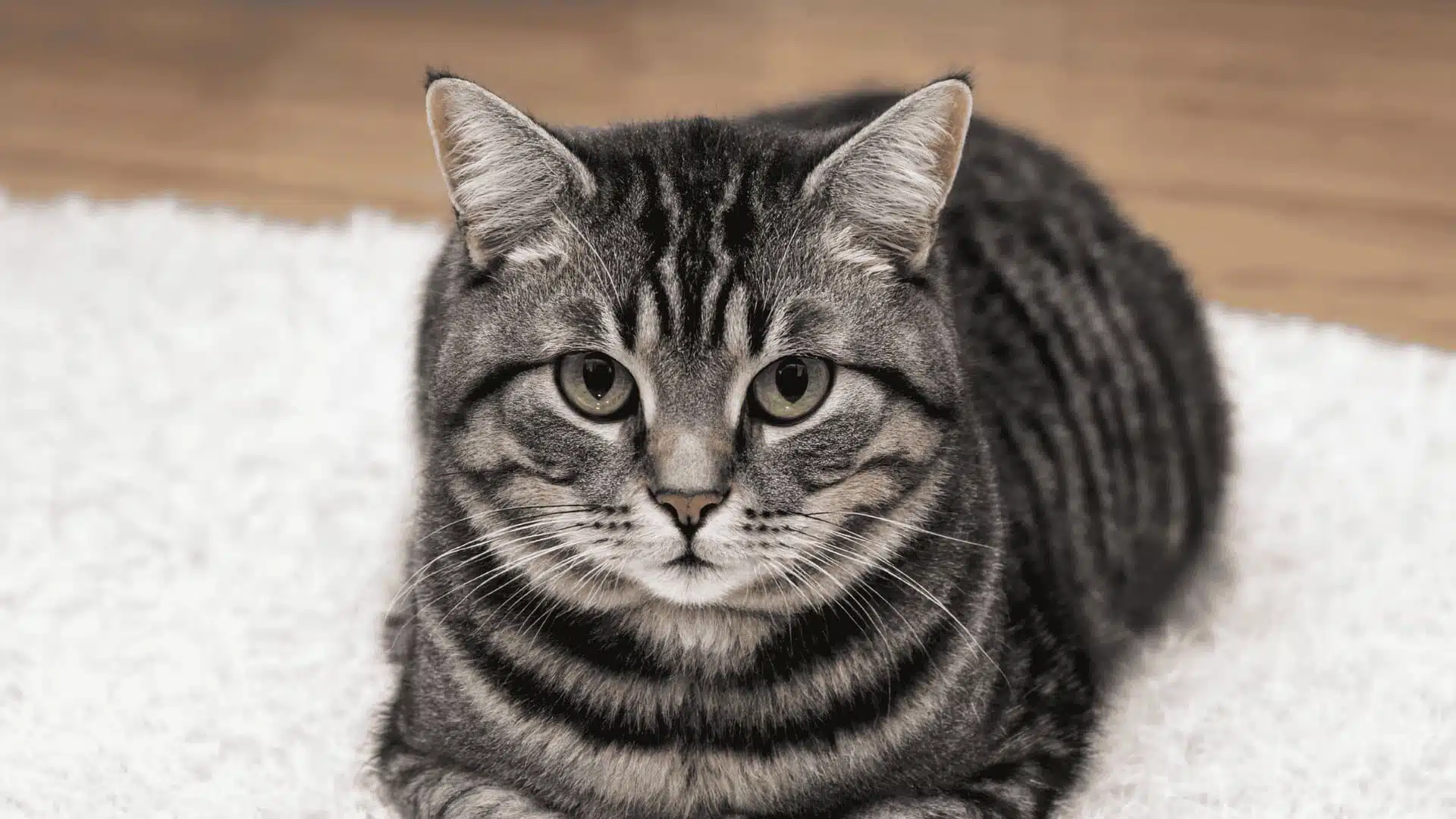
No. Cats cannot be diagnosed with autism. Veterinary medicine has no equivalent diagnostic framework for ASD in felines, and the scientific community doesn’t recognize it as a feline condition.
Cats have a fundamentally different neurological structure from humans.
They can’t self-report; they don’t share our social and cognitive framework, and their behavior is shaped by entirely different evolutionary pressures.
Some cats exhibit behaviors that resemble autistic traits in humans, but behavioral resemblance isn’t a diagnosis.
The veterinary consensus is clear: autism is a human condition, and the label doesn’t transfer to cats.
Still, unusual cat behavior deserves careful attention because stress, illness, trauma, or sensory sensitivity may explain what owners notice.
Behaviors in Cats that Can Mimic Autism
This is what most pet parents are really trying to understand. Some cats do show behaviors that, in a person, might raise flags for autism. Seeing them in your cat makes the question feel reasonable.
Here’s what those behaviors actually are:
- Excessive grooming: Licking or chewing the same spot repeatedly. This often points to cat anxiety symptoms and causes skin irritation, parasites, or pain- not a neurodevelopmental disorder.
- Sound sensitivity: Startling or hiding at noises that don’t bother other pets. Common in cats with high-strung temperaments or past trauma.
- Avoiding eye contact: Normal feline communication. Cats actually use slow blinks as a sign of trust; a cat that won’t hold your gaze isn’t being antisocial.
- Ignoring their name: Cats aren’t wired to respond to names the way dogs are. This one is almost always just cat behavior.
- Resisting touch: Some cats dislike being petted on certain areas. This can also signal pain or skin sensitivity.
- Rigid routines: Cats are creatures of habit by nature. Disruptions to feeding, sleep, or play schedules genuinely stress them out.
Do Cats Have Mental Disabilities?
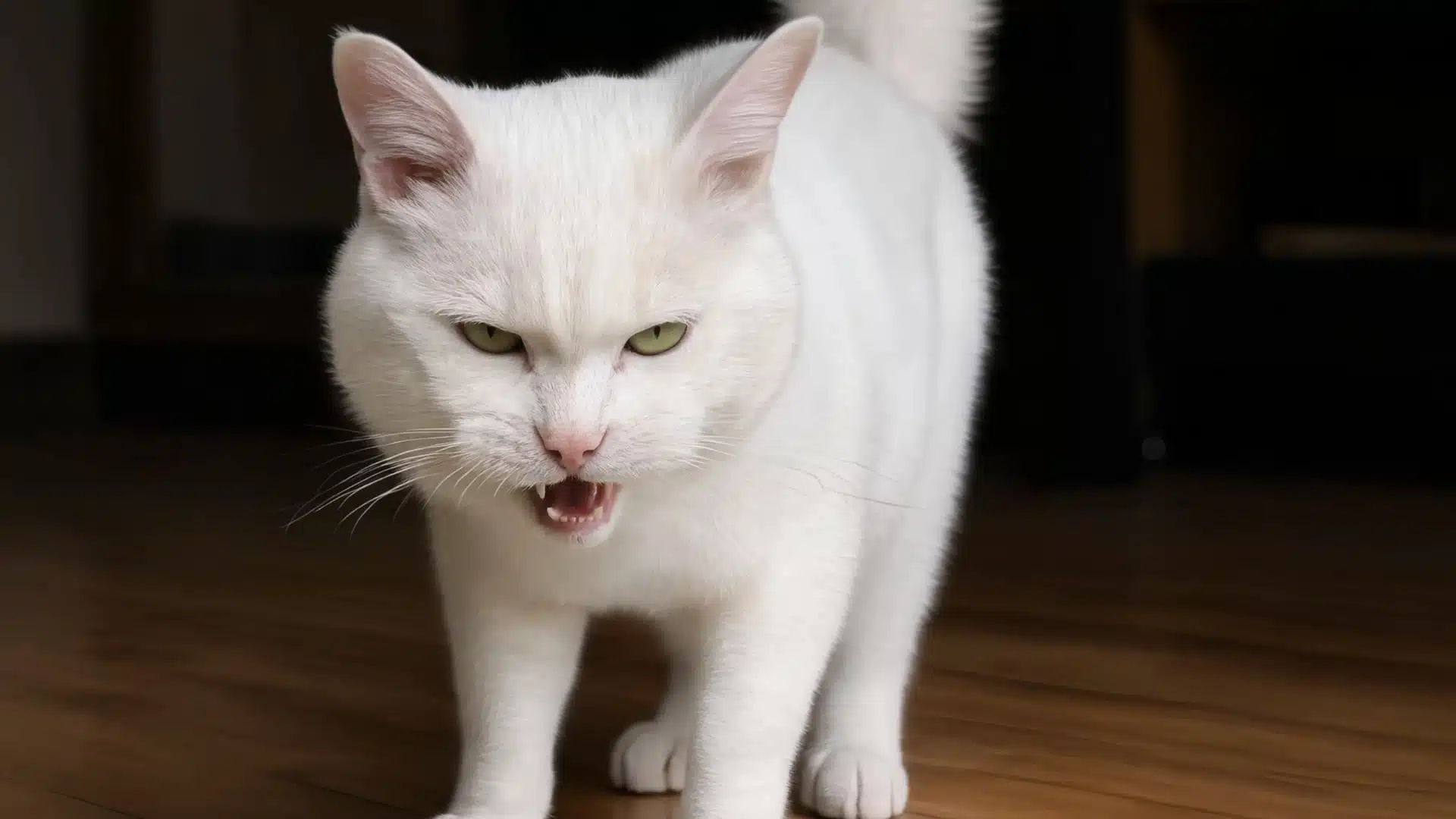
Cats don’t experience mental disabilities the way humans do, but they can develop genuine psychological and neurological conditions that affect how they think, feel, and behave.
Feline cognitive dysfunction, sometimes called cat dementia, is well-documented in older cats and causes confusion, disorientation, and changes in sleep patterns.
Anxiety disorders, compulsive behaviors, and trauma responses are also recognized in veterinary medicine.
These aren’t the same as human mental disabilities, but they’re real conditions with real impacts on a cat’s quality of life.
If your cat seems mentally “off,” that observation is worth taking to a vet rather than dismissing as a personality quirk.
What Causes Autism-Like Behavior in Cats?
If your cat’s behavior has you concerned, there’s almost certainly a real explanation, and most are treatable.
Cats can’t be diagnosed with autism, but the behaviors that prompt the question are real and usually trace back to something specific. These are the most common culprits:
- Feline hyperesthesia syndrome: Extreme skin sensitivity, muscle rippling, and frantic grooming. A real neurological diagnosis that needs vet care.
- Anxiety and stress: The most common cause. Disrupted routines, new pets, or environmental changes can all trigger withdrawn or repetitive behavior.
- Poor early socialization: Kittens with limited handling in their first weeks often grow into fearful, touch-averse adults.
- Breed temperament: Some breeds are just wired differently. Learning about the Sphynx cat breed sensitivities shows how genetics alone can explain a lot.
The good news is that most of these causes respond well to the right support.
If repetitive or stress-driven behaviors are the issue, positive reinforcement with clicker training can be genuinely effective at building your cat’s confidence and reducing anxious habits over time.
Can a Cat Be Neurodivergent?
Yes, a cat can seem neurodivergent, but vets do not use “neurodivergent” as an official diagnosis for cats.
Veterinary medicine doesn’t use this label for felines, but the idea behind it is understandable.
Some cats process their surroundings, routines, touch, sound, or social interaction in ways that feel unusual compared to other cats.
These differences can stem from genetics, early-life experiences, stress, trauma, poor socialization, aging, or medical conditions.
In some cases, a condition like feline hyperesthesia syndrome, anxiety, or neurological issues may be involved.
Only a vet can help identify whether the behavior is simply part of your cat’s personality or a sign of something that needs treatment.
Disclaimer: Autism Spectrum Disorder is a clinically defined human diagnosis with no veterinary equivalent. This article is not a substitute for professional veterinary advice. If your cat is displaying unusual or distressing behaviors, consult a licensed veterinarian for proper evaluation.
When to See a Vet About Your Cat’s Behavior?
Most cat quirks don’t need a clinic visit. Odd habits, selective affection, and a love of routine are just part of living with a cat.
The line worth paying attention to is when behavior shifts suddenly, intensifies, or starts affecting your cat’s basic quality of life.
- Self-injury from grooming: Open sores, bald patches, or bleeding from licking or chewing
- Extreme withdrawal: Refusing food, hiding for days, or not responding to any stimulus
- Seizure-like episodes: Sudden muscle rippling, dilated pupils, vocalization, or frantic running with no clear trigger
- Sudden behavior change in an adult cat: Behavior that appears out of nowhere is often medical, not behavioral
If you’re seeing any of the above, don’t wait it out. Behavioral changes in cats almost always have a physical or psychological root that a vet can identify.
The sooner you take your cat to your vet with all the necessary details, the sooner your cat gets the right support.
Tips for Talking to Your Vet About Your Cat’s Unusual Behavior
Bringing up behavioral concerns at a vet visit can feel awkward, especially when you’re not sure how to describe what you’re seeing. These tips will help you walk in prepared and walk out with real answers:
- Write it down: Track each behavior, how often it happens, what triggers it, and when the pattern first started appearing.
- Record a video: A short phone clip can show body language, sound, movement, and timing more clearly than words.
- Mention recent changes: Tell your vet about new pets, visitors, food changes, schedule shifts, moved furniture, or stressful events.
- Name specific conditions: If feline hyperesthesia, anxiety, pain, or seizures seem possible, mention them clearly during the visit.
- Don’t downplay it: Describe exactly what happened, even if it sounds strange, dramatic, embarrassing, or hard to explain.
- Ask what’s being ruled out: Pain, thyroid disease, skin irritation, neurological problems, and stress should all be considered carefully.
- Follow up if needed: If symptoms continue, ask about a feline behaviorist or specialist for deeper behavioral and medical insight.
Conclusion
Your cat can’t have autism. But that doesn’t mean what you’re observing isn’t real or worth taking seriously.
Repetitive behaviors, sensory quirks, and social withdrawal are legitimate signals that your cat may be stressed, in pain, or experiencing a specific condition.
They deserve a proper look, not a label borrowed from human medicine.
When something seems off, track what you notice, rule out medical causes, and talk to a vet you trust.
Your cat’s quirks are part of who they are. With the right support, you can make sure those quirks aren’t hiding something that needs care.
If your cat shows any of these behaviors, drop a comment below and tell us what you’ve tried.
Frequently Asked Questions
Can Cats Have ADHD or Other Neurodevelopmental Conditions?
ADHD is also a human-specific neurodevelopmental diagnosis with no veterinary equivalent. Cats can exhibit high-energy, impulsive, or easily distracted behavior, but these are better explained by age, breed, insufficient stimulation, or anxiety.
Is There a Way to Test a Cat for Neurological Differences?
Cats can’t be tested for autism or ADHD, but vets can check for medical or neurological causes behind unusual behavior.
Do Certain Cat Breeds Show More Autism-Like Behaviors than Others?
Yes, in the sense that some breeds are more anxious, reactive, or routine-dependent by nature. Siamese, Burmese, and Abyssinian cats are known to be more sensitive and vocal.