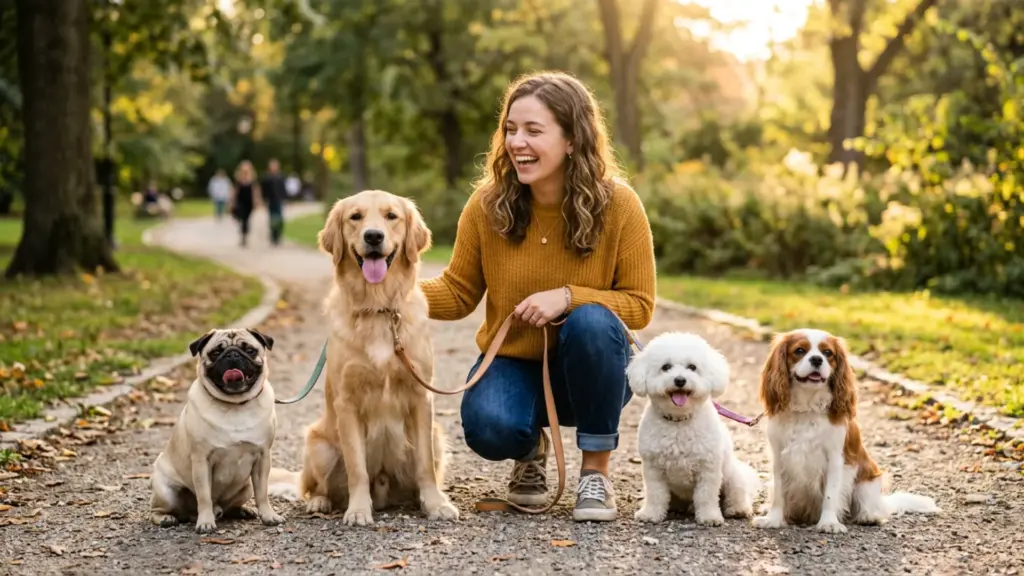
Choosing your first dog is exciting, but finding the right breed matters just as much as falling in love with its appearance.
The right match can make dog ownership enjoyable and rewarding, while the wrong one may feel challenging for a new owner.
I’ve seen many people and even made this mistake myself: choosing a dog based on looks before considering whether the breed truly fits their lifestyle.
Some breeds are naturally more beginner-friendly thanks to their temperament, adaptability, and manageable care needs.
In this blog post, you’ll find some of the best dog breeds for first-time owners, along with a few important considerations to help you make a confident choice.
How to Choose the Best Dog Breeds for First-Time Owners
Choose breeds based on real lifestyle needs, not appearance, so first-time dog ownership feels easier, safer, and more rewarding.
- Temperament: Pick breeds known for being friendly, patient, and steady around people, children, and other pets.
- Trainability: Choose dogs that respond well to positive reinforcement and can learn basic commands without needing expert handling.
- Energy Level: Match the breed’s activity needs with daily routine, whether that means short walks, playtime, or longer outdoor exercise.
- Grooming Needs: Consider coat care, shedding, brushing, and professional grooming costs before choosing a breed.
- Health Considerations: Research common breed health issues, expected vet costs, and whether pet insurance may be helpful.
Best Small Dog Breeds for First-Time Owners
Small dogs are popular with new owners for obvious reasons: they’re easier to manage physically, adapt well to apartments, and tend to have lower overall costs.
A few of them do come with big personalities, though, so read on before assuming “small” means “easy.”
1. Cavalier King Charles Spaniel
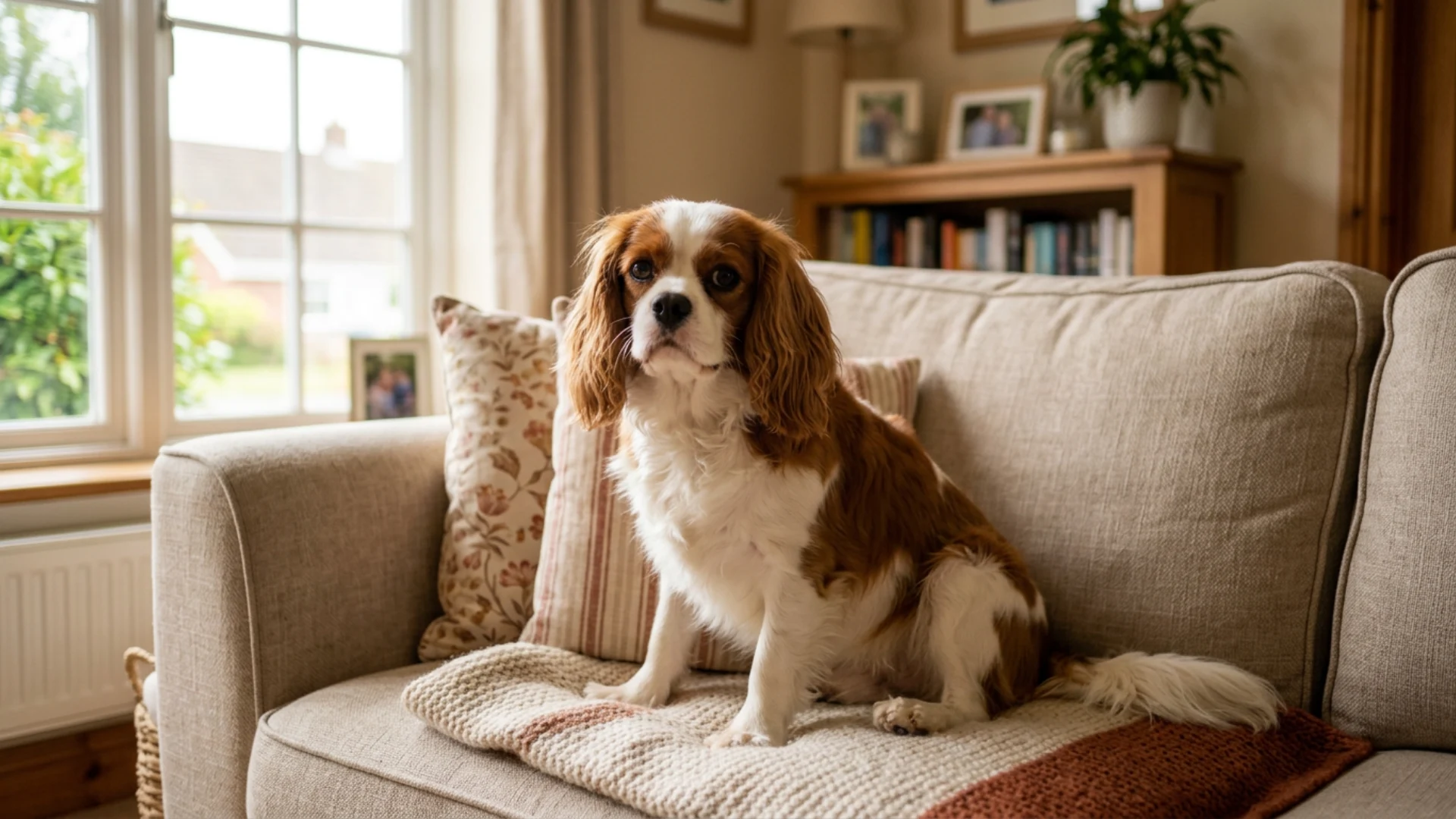
One of the most people-loving breeds out there, Cavaliers form deep bonds quickly and thrive in almost any home environment.
Their calm, forgiving nature makes them ideal for first-time owners who want a loyal, low-drama companion.
- Temperament: Affectionate and adaptable, responding beautifully to gentle, reward-based training methods.
- Care Needs: 20–30-minute daily walks plus light indoor play; silky coat needs brushing 2–3 times weekly.
- Health Note: Prone to hereditary mitral valve disease, always request cardiac clearances on both parents from breeders.
2. Bichon Frise
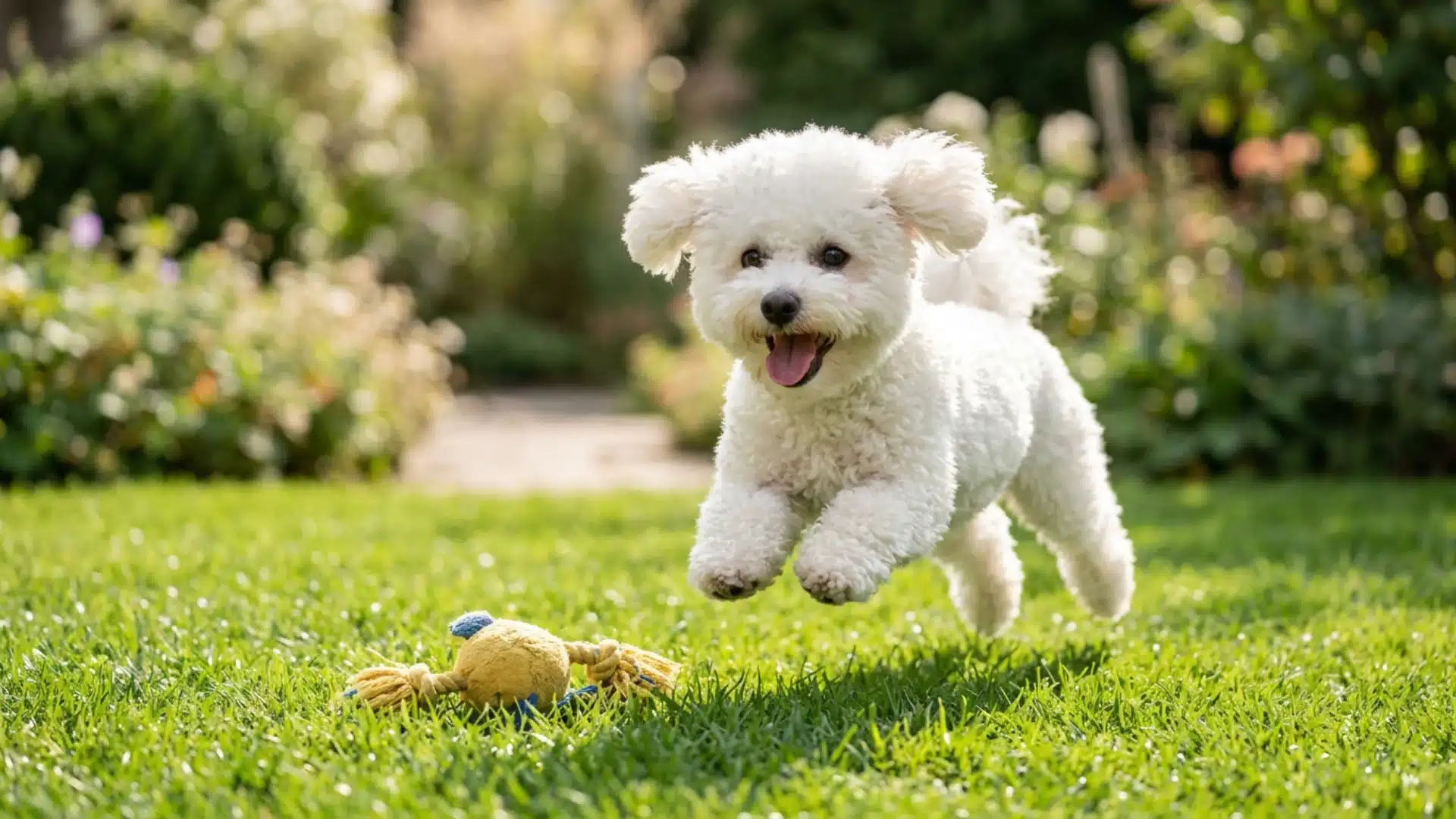
The Bichon Frise is a cheerful companion known for its happy-go-lucky personality and love of people.
Their small size, friendly temperament, and low-shedding coat make them a popular choice for families, apartment dwellers, and allergy-conscious households.
They’re intelligent, social, and generally easy to live with.
- Temperament: Bright, sociable, low-aggression, and eager to learn through positive reinforcement.
- Care Needs: Low shedding but requires professional grooming every 6–8 weeks.
- Health Note: Can develop separation anxiety if left alone for extended periods.
3. Maltese
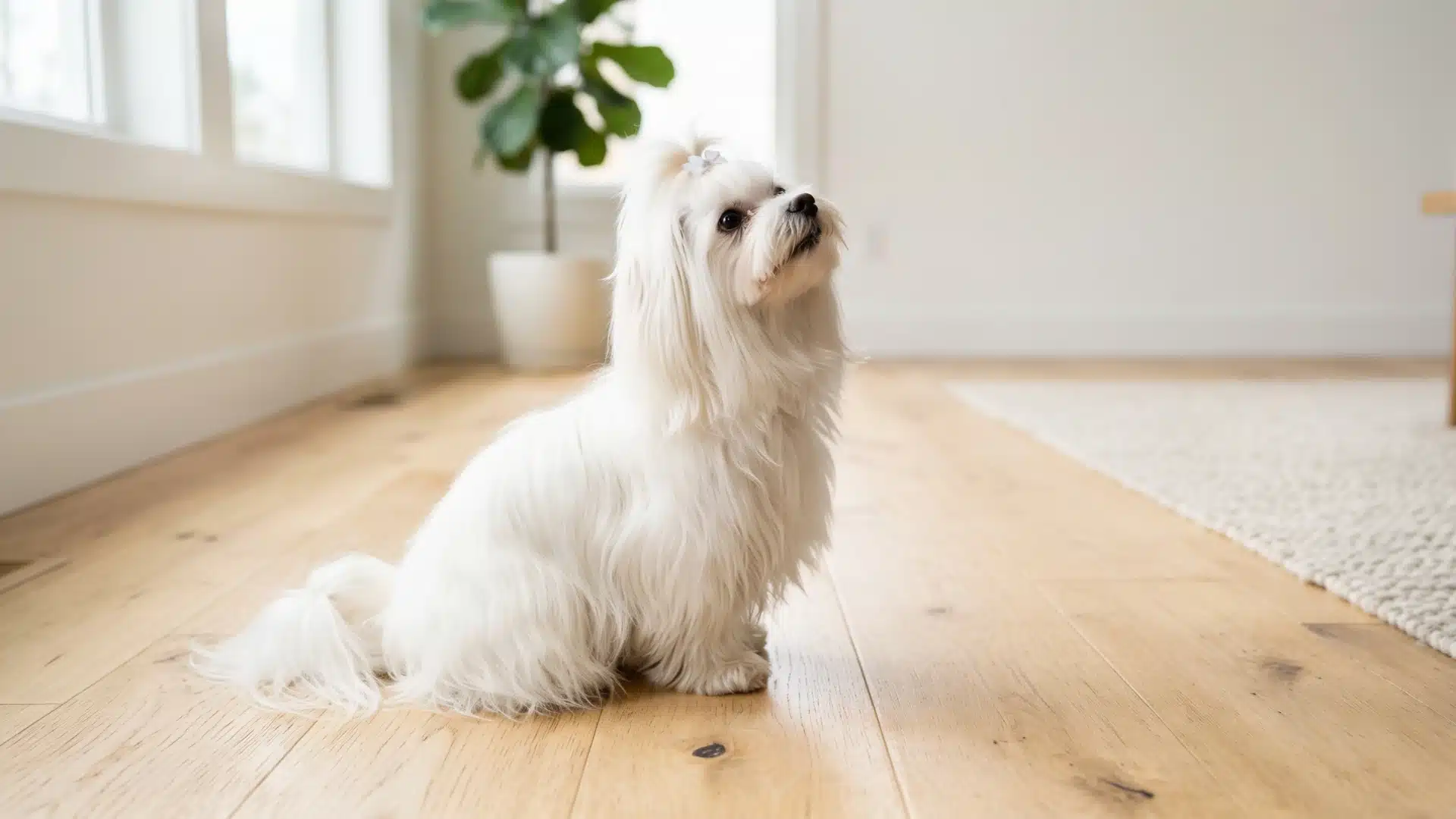
The Maltese is a devoted companion breed that loves being close to its favorite person.
Their compact size and relatively low exercise requirements make them ideal for apartments and smaller living spaces.
Despite their delicate appearance, they’re affectionate, confident, and surprisingly adaptable.
- Temperament: Gentle, loving, and sometimes reserved with strangers until comfortable.
- Care Needs: Minimal exercise; daily brushing or a shorter puppy cut for easier maintenance.
- Health Note: Consistent training helps prevent small dog syndrome and unwanted behaviors.
4. Shih Tzu
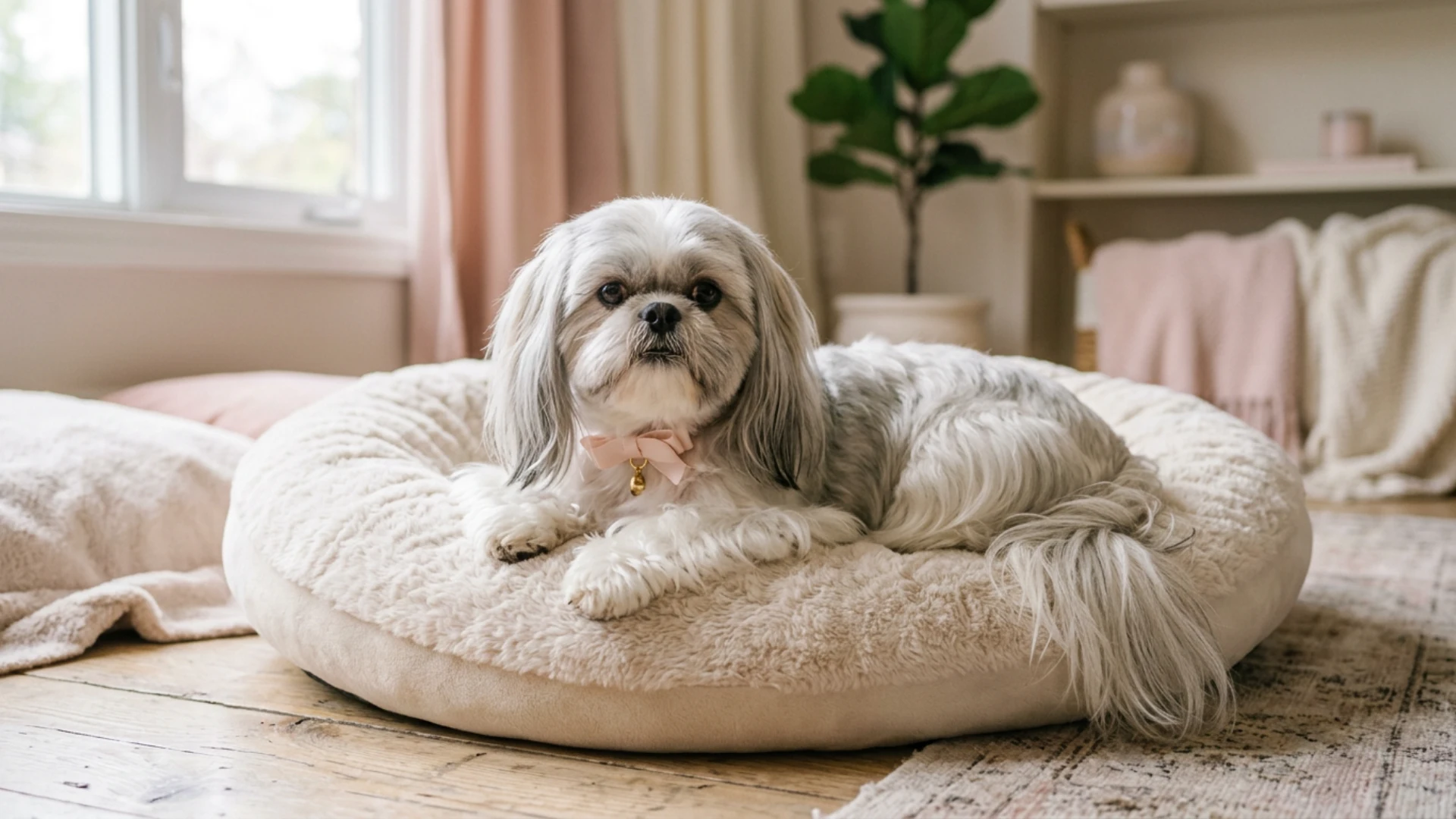
Bred purely for companionship, Shih Tzus are relaxed, friendly dogs that are genuinely happy doing nothing more than being near their people.
Their low prey drive makes them easy housemates for families with kids or other pets.
- Temperament: Gentle, friendly, and naturally good with children and other pets.
- Care Needs: Requires light daily exercise and regular coat maintenance.
- Health Note: Their flat-faced structure makes them prone to overheating in warm weather.
5. Pug
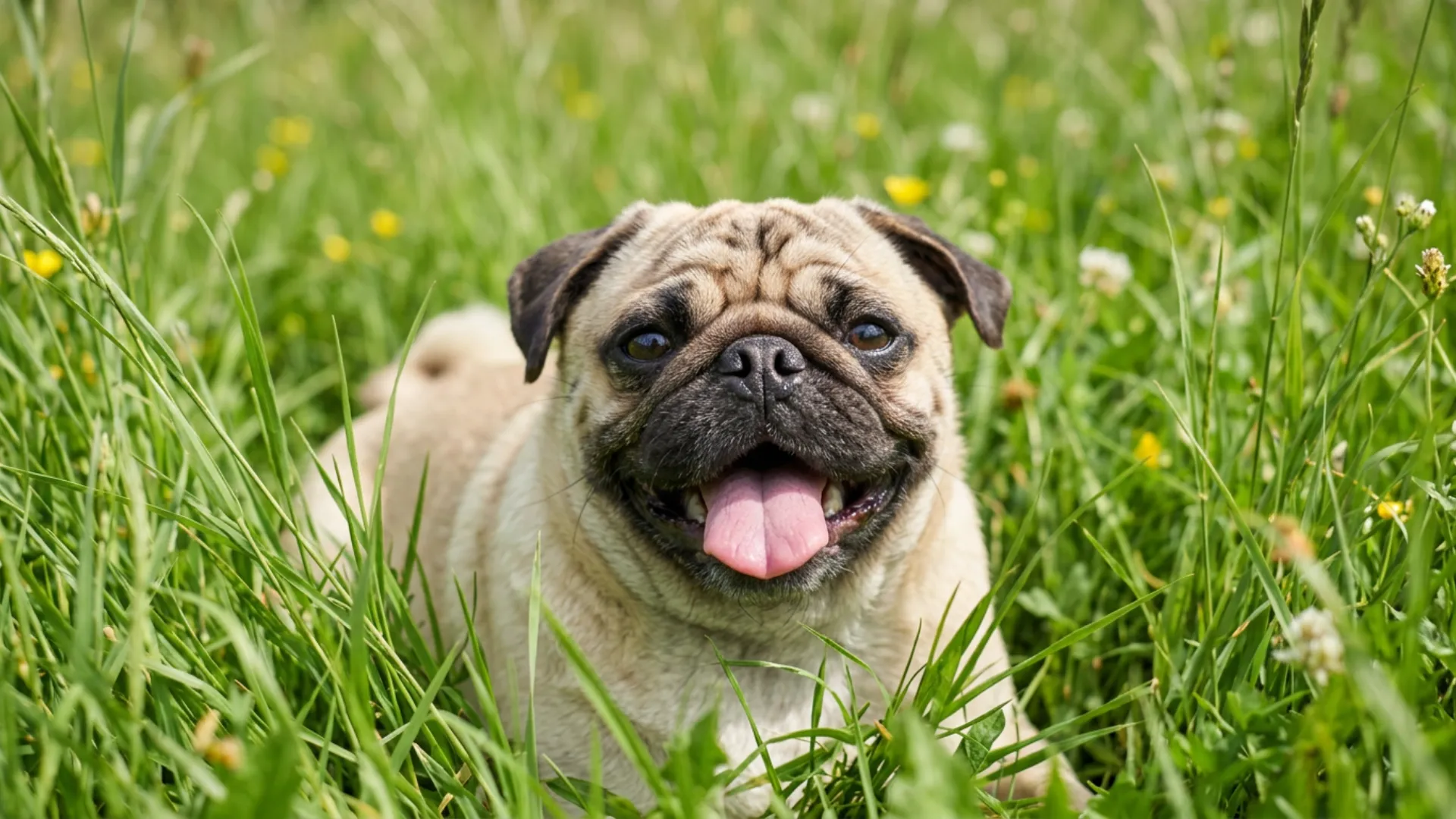
If you want a dog that will make you laugh every single day, the Pug is your answer.
They’re comical, loyal, and more food-motivated than almost any other breed, which actually makes training surprisingly manageable. Also, one of the low-energy dog breeds that suits relaxed households well.
- Temperament: Playful but calm, people-oriented, and generally good with everyone they meet.
- Care Needs: Short daily walks and indoor play; facial folds need regular wiping to avoid skin infections.
- Health Note: As a brachycephalic breed, they’re prone to breathing issues, eye problems, and obesity; weight management is critical.
6. Havanese
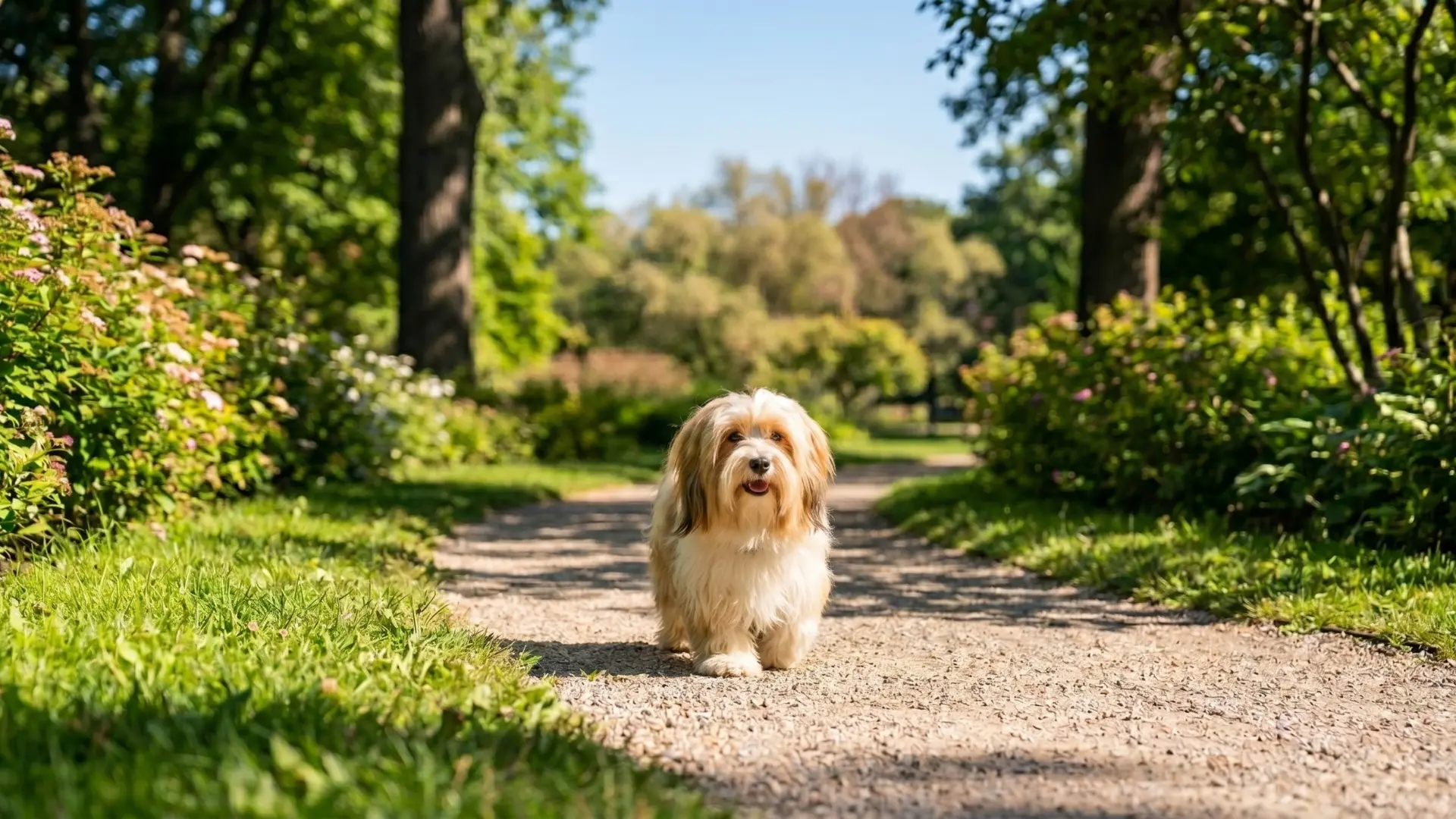
Cuba’s national dog is a silky, adaptable little charmer that fits seamlessly into apartment living and work-from-home lifestyles.
Their gentle, sociable nature makes them especially popular with families and those who prefer a dog that stays close.
- Temperament: Friendly and playful, known for being tolerant with children and easygoing around other pets.
- Care Needs: Around 30 minutes of daily exercise; coat needs a daily brush to stay tangle-free.
- Health Note: Highly people-dependent, extended periods of alone time don’t suit this breed at all.
7. Pomeranian
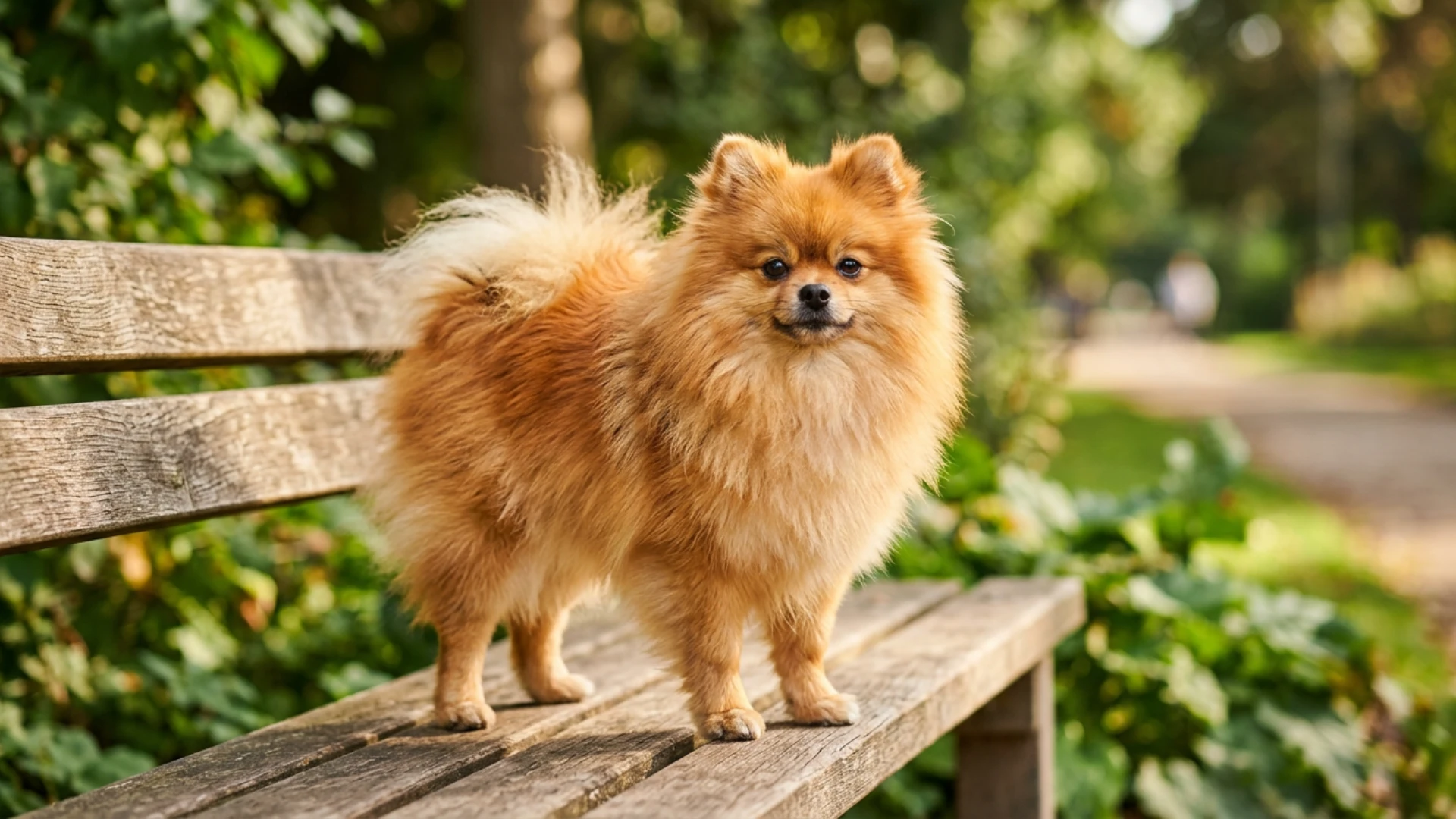
Don’t let the fluffy exterior fool you. Pomeranians are alert, confident, and surprisingly bold. They’re eager learners who respond well to short, engaging training sessions and genuinely enjoy having a job to do.
They’re one of the small dog breeds that tend to think they’re much bigger than they are.
- Temperament: Lively and loving toward family, with a bold, curious attitude that keeps owners on their toes.
- Care Needs: Moderate exercise needs; thick double coat benefits from brushing 2–3 times per week.
- Health Note: Tends to be vocal apartment owners should prioritize bark training early to keep neighbors happy.
Medium Dog Breeds Great for Beginners
Medium dogs often hit that sweet spot for new owners: substantial enough to enjoy outdoor adventures, manageable enough not to feel overwhelming.
8. Golden Retriever
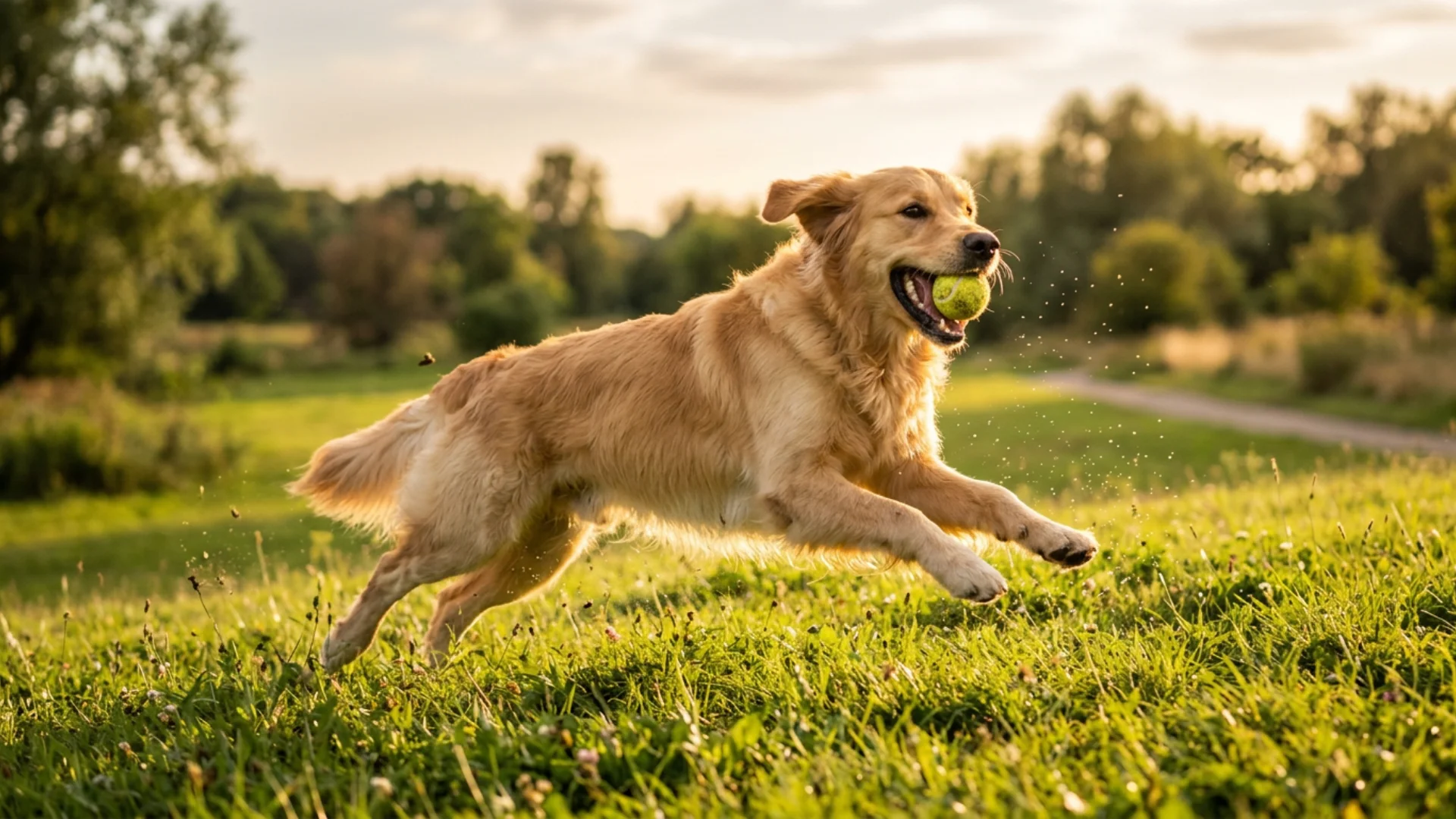
Widely considered the top recommendation for first-time owners, Golden Retrievers are forgiving, patient, and naturally enthusiastic about learning new things.
Their eagerness to please turns training into something that genuinely feels enjoyable rather than a struggle.
- Temperament: Friendly, affectionate, and excellent with families and other pets.
- Care Needs: Needs plenty of daily exercise and regular brushing to manage shedding.
- Health Note: Heavy year-round shedding can be challenging for owners who prefer a hair-free home.
9. Labrador Retriever
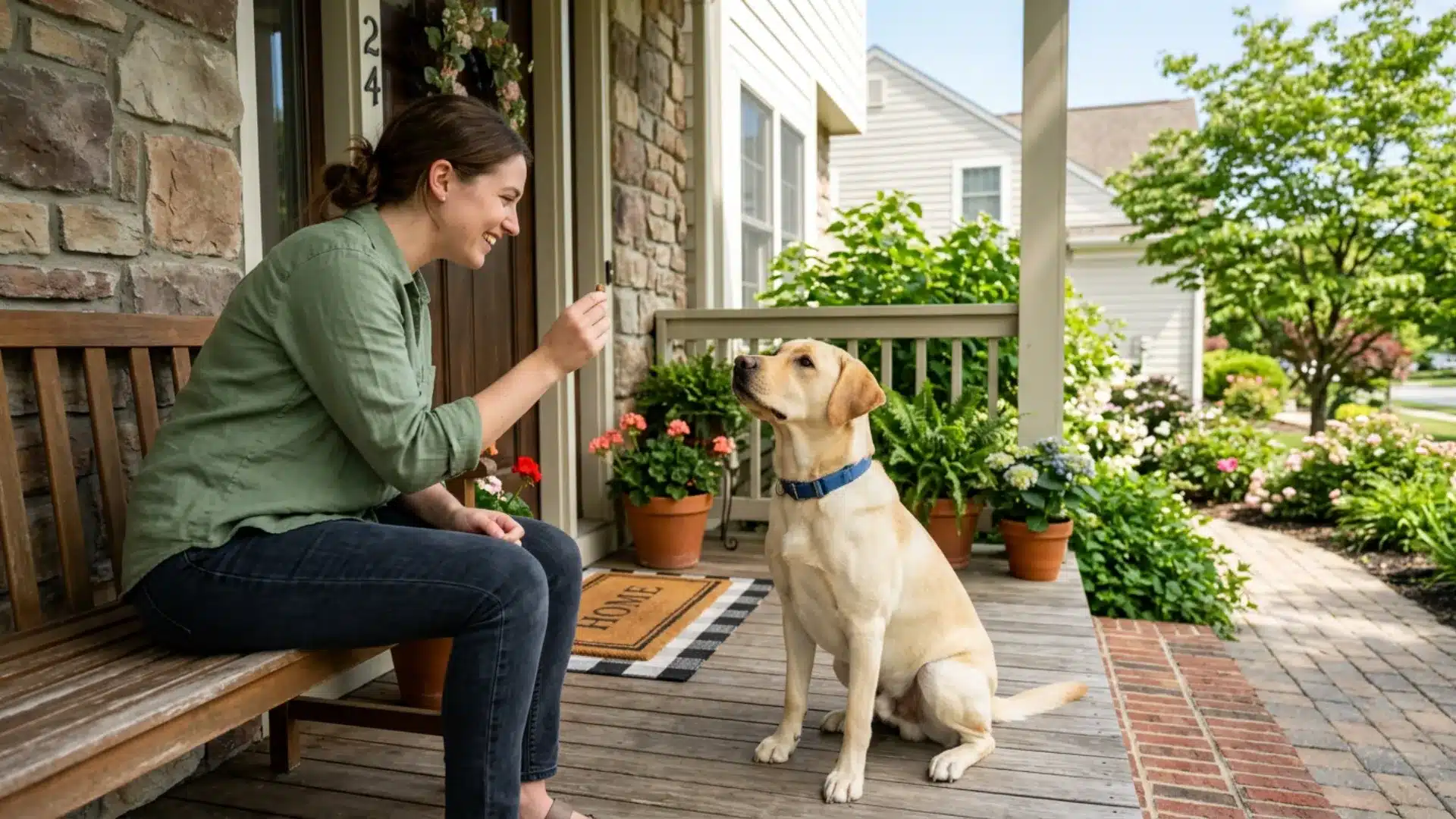
Labs are reliably friendly, patient with beginner mistakes, and consistently top the charts as one of America’s most beloved family dogs.
Their positive, outgoing nature makes them one of the easiest breeds to integrate into a busy household.
- Temperament: Friendly, energetic, and highly responsive to training.
- Care Needs: Requires plenty of daily exercise to maintain a healthy weight.
- Health Note: Puppies are enthusiastic chewers and need consistent training and appropriate chew toys.
10. Cocker Spaniel
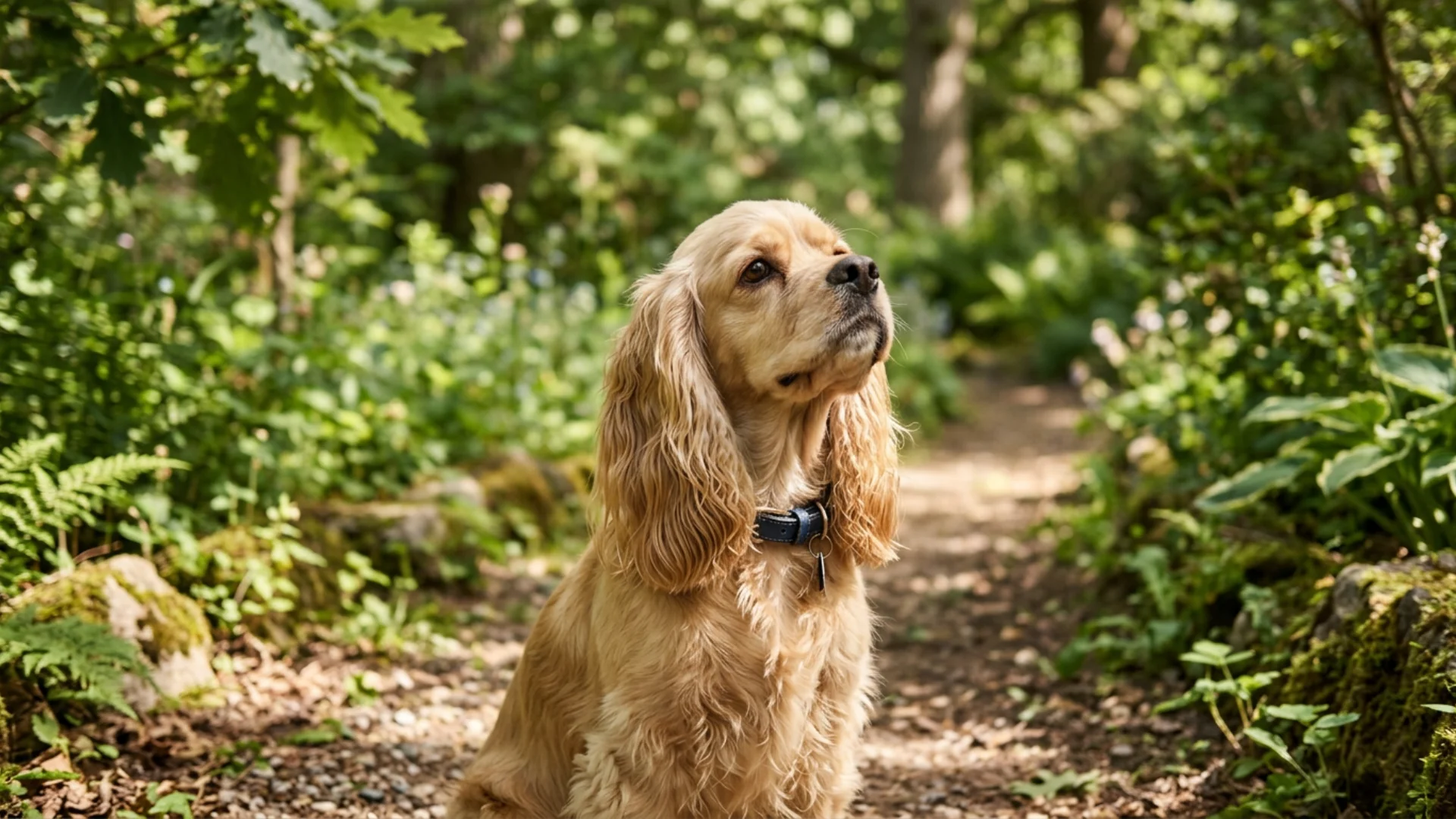
Cocker Spaniels are deeply affectionate dogs that bond closely with their families and are genuinely eager to please.
Those soulful eyes are hard to resist, and their cooperative nature makes training a smooth, rewarding experience.
- Temperament: Gentle, affectionate, and eager to please.
- Care Needs: Needs regular exercise and consistent coat maintenance.
- Health Note: Responds best to positive reinforcement and may struggle with harsh training methods.
11. Whippet
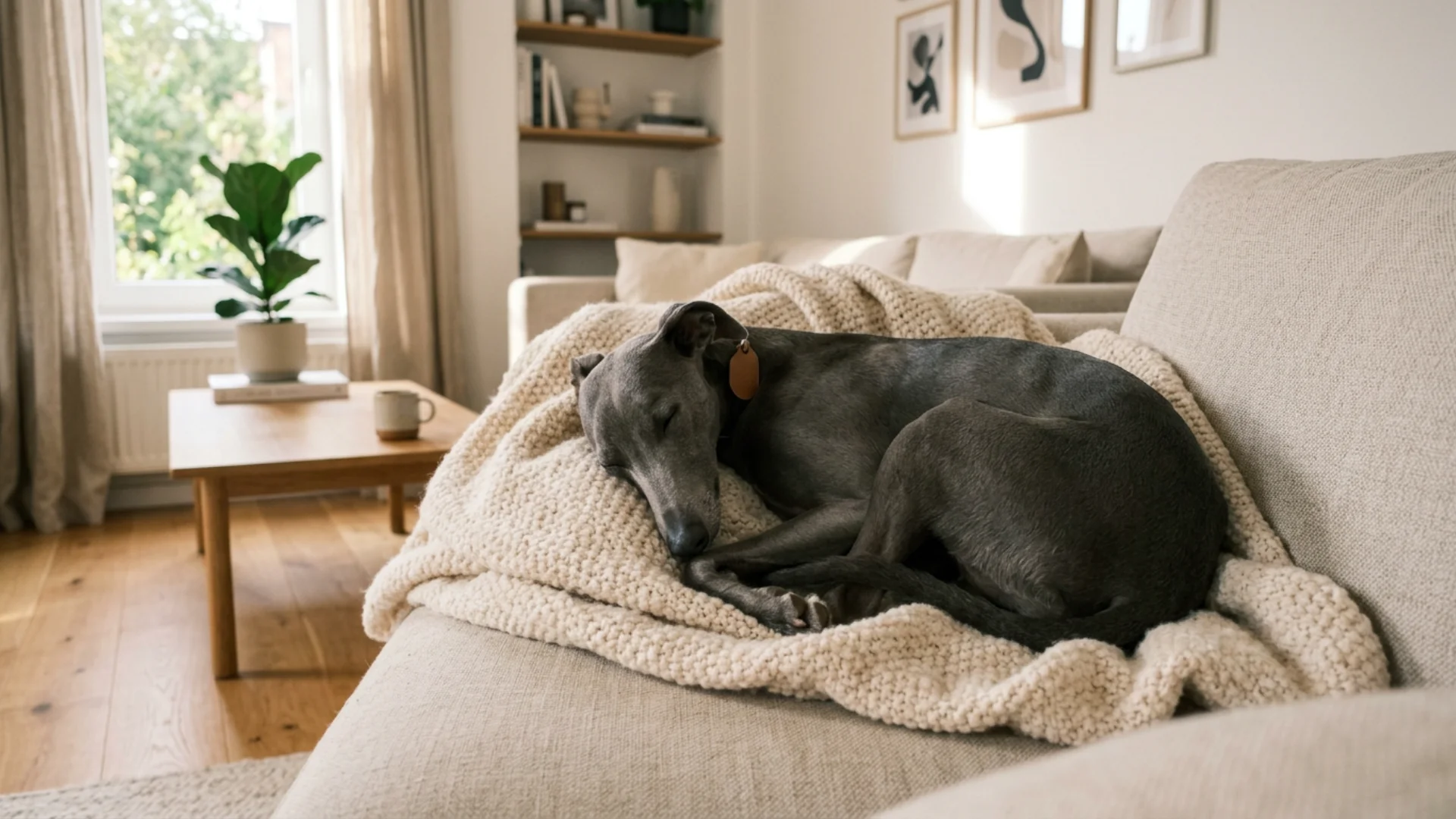
Whippets are a wildly underrated pick, athletic in short bursts but genuinely lazy the rest of the time.
Many owners call them “45 mph couch potatoes,” and it’s an accurate description of their day-to-day energy level indoors.
- Temperament: Quiet, gentle, and exceptionally relaxed indoors.
- Care Needs: Needs occasional high-speed exercise but is otherwise happy to lounge.
- Health Note: Prone to cold weather and strong prey instincts, making secure fencing essential.
12. Beagle
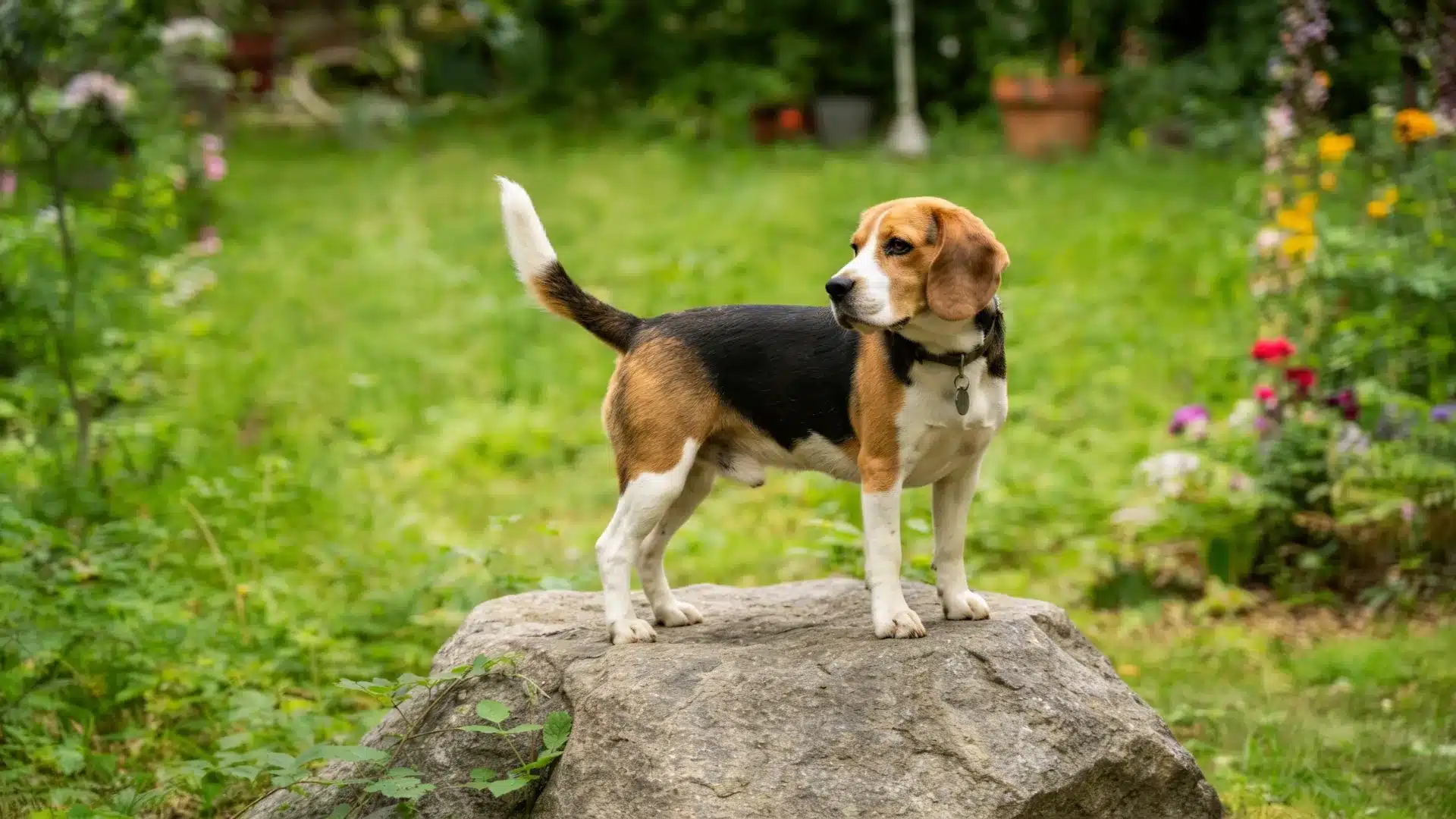
Beagles are cheerful, curious companions that bring a lot of fun into active households that love outdoor time.
Their scent-driven nature makes every walk an adventure, and their sociable personality means they get along with almost everyone.
- Temperament: Cheerful, social, and always eager to follow an interesting scent.
- Care Needs: Needs daily exercise and mental enrichment to stay satisfied.
- Health Note: Strong scent instincts and stubbornness make secure fencing and consistent training essential.
Large Dog Breeds that are Surprisingly Beginner-Friendly
Large breeds often get overlooked by new owners who assume bigger means harder. Some of the most laid-back, trainable dogs are actually on the larger side.
13. Bernese Mountain Dog
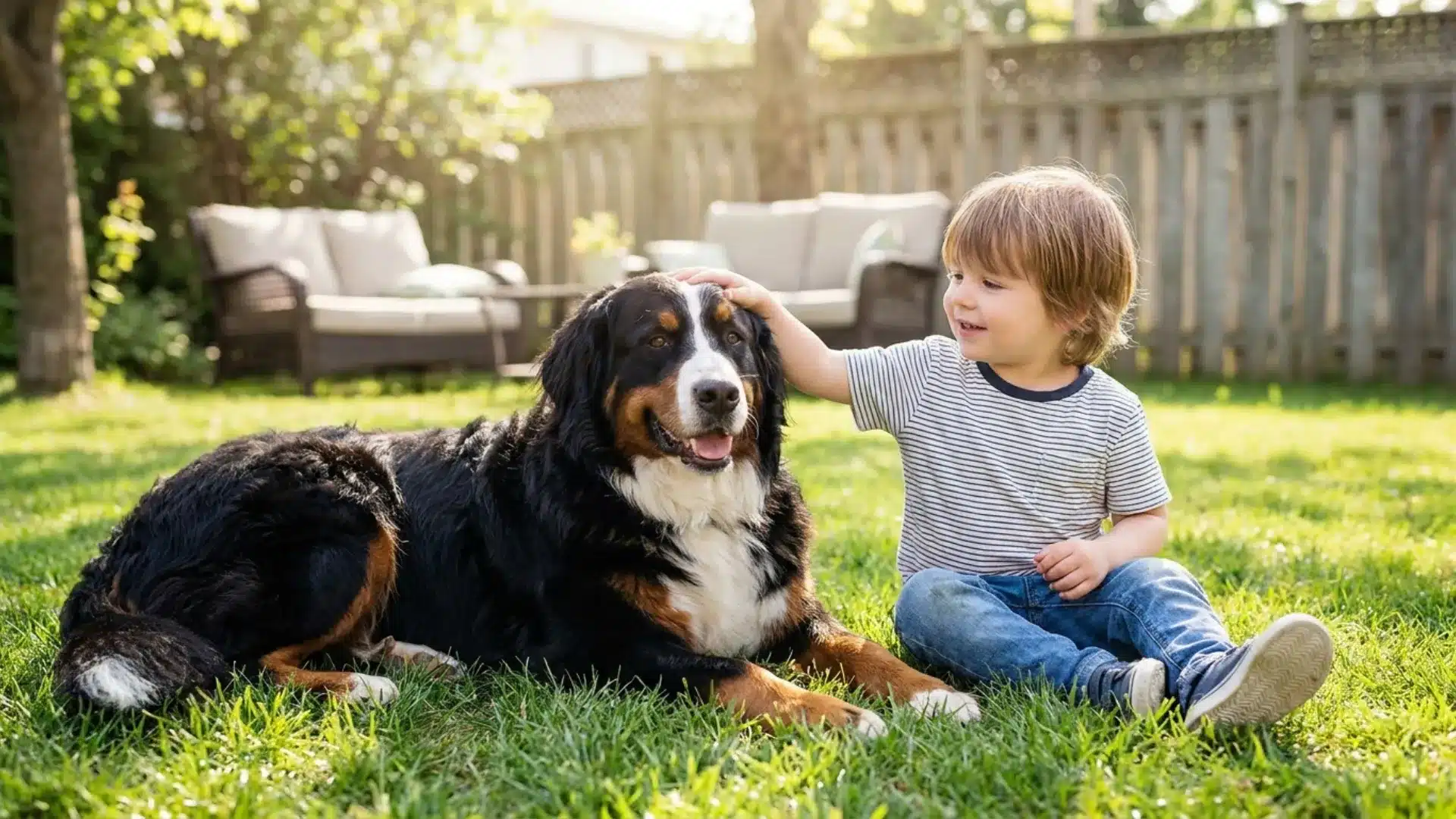
Bernese Mountain Dogs are calm, devoted, gentle giants that suit first-time owners far better than most people expect.
Their patient, easygoing temperament indoors makes the size feel far more manageable in practice.
- Temperament: Gentle, devoted, and exceptionally good with families.
- Care Needs: Requires daily exercise and regular coat maintenance.
- Health Note: Has a relatively short lifespan and is prone to certain cancers and joint problems.
14. Great Dane
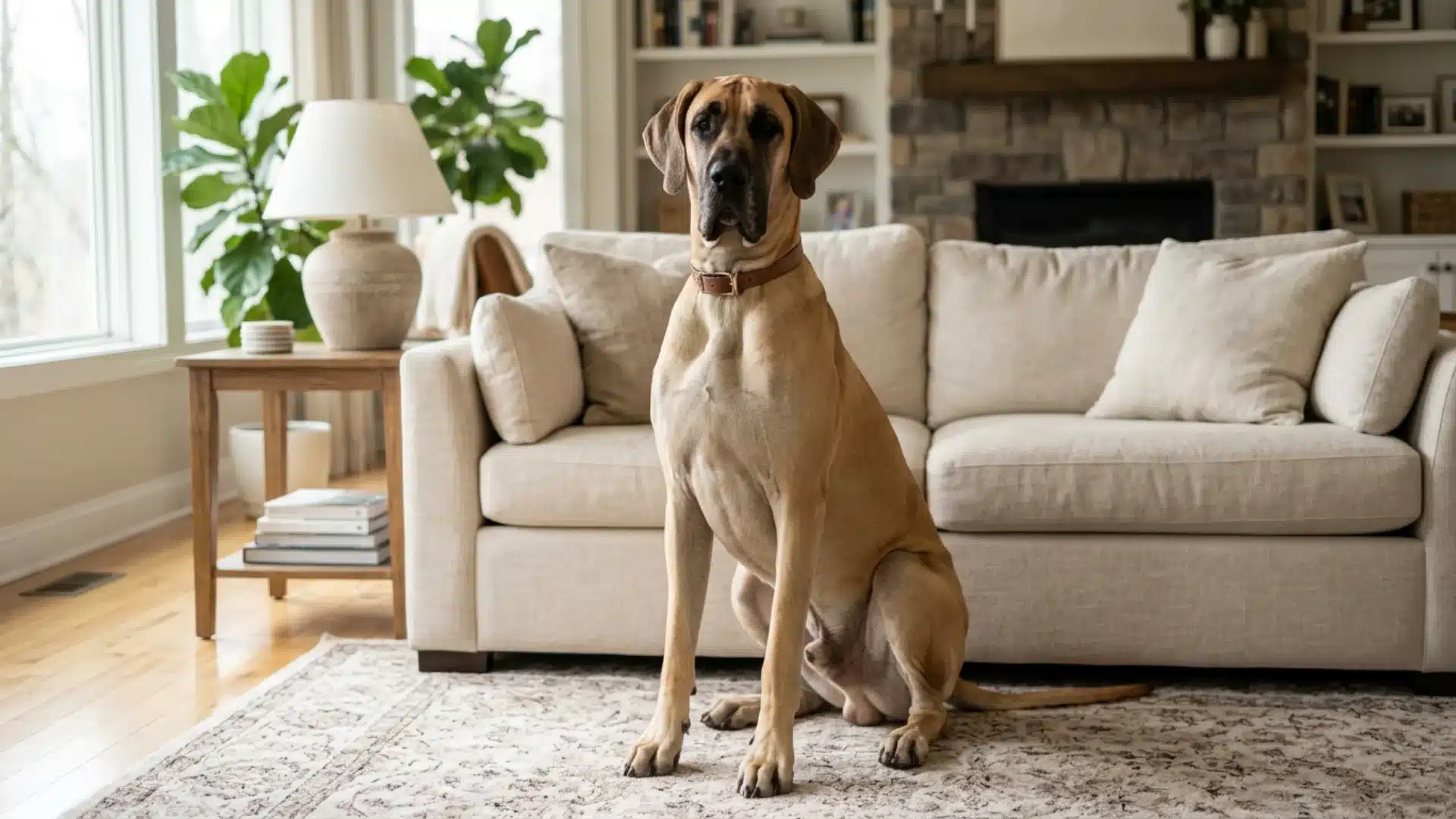
Despite being one of the largest breeds, Great Danes are among the calmest and adapt to home life with surprising ease.
They’re not reactive or high-strung, which makes day-to-day management far less intimidating than their size implies.
- Temperament: Calm, patient, and easygoing despite their enormous size.
- Care Needs: Needs moderate exercise and enough space to stay comfortable.
- Health Note: Prone to bloat and comes with higher food and veterinary expenses.
15. Boxer
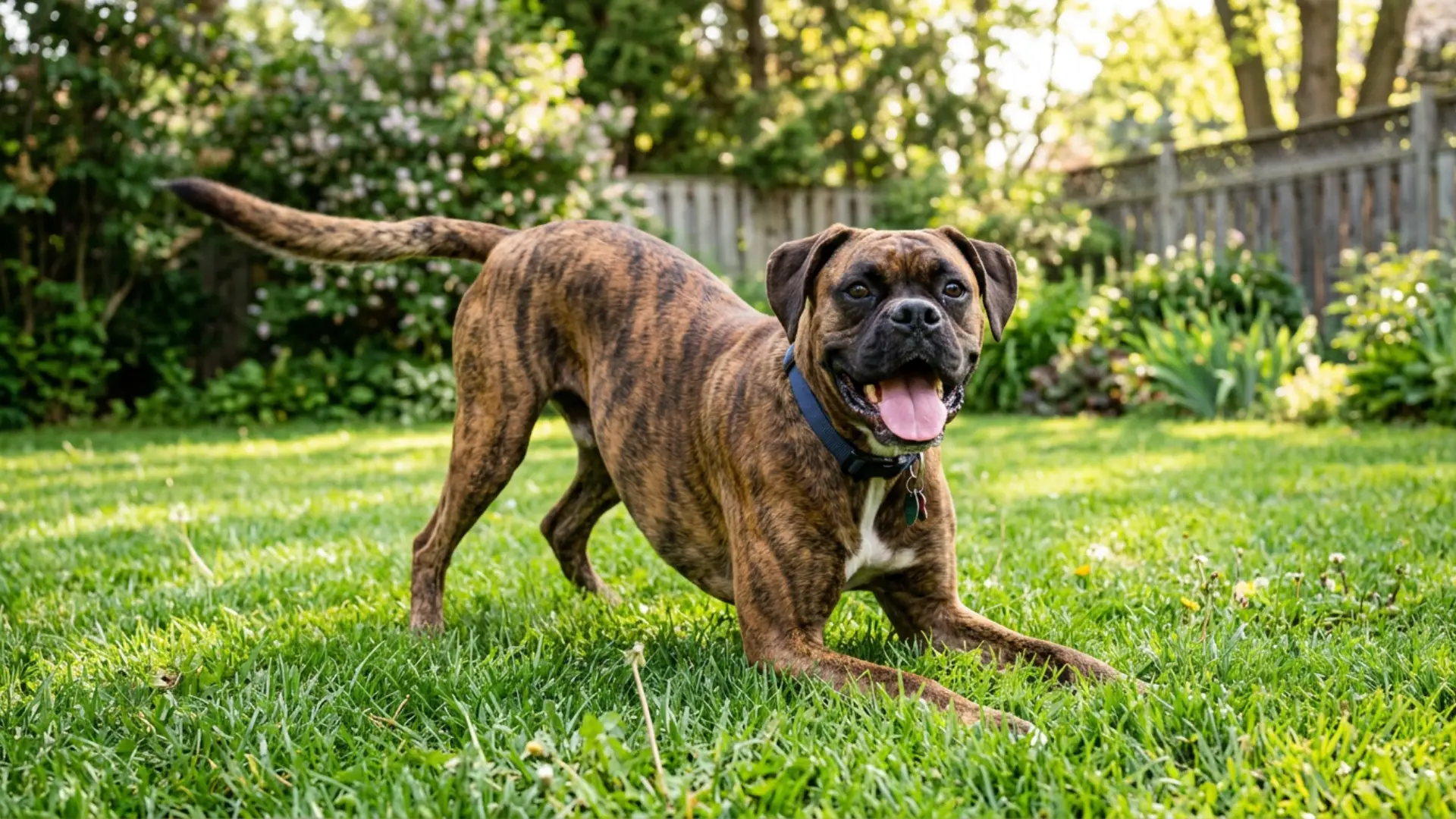
Boxers are loyal, affectionate, and full of personality. They form strong bonds with their families and are known for their playful, almost clown-like nature that keeps households entertained.
Despite their energetic demeanor, they are incredibly devoted and often make excellent family companions.
- Temperament: Energetic, loyal, and excellent with families and children.
- Care Needs: Requires plenty of daily exercise to stay balanced and well-behaved.
- Health Note: Sensitive to heat and benefits from early training to manage youthful exuberance.
Hypoallergenic and Low-Shed Picks for Sensitive Households
If allergies or pet hair are major concerns in your home, these breeds produce less dander and shed minimally, making them worth serious consideration.
16. Poodle
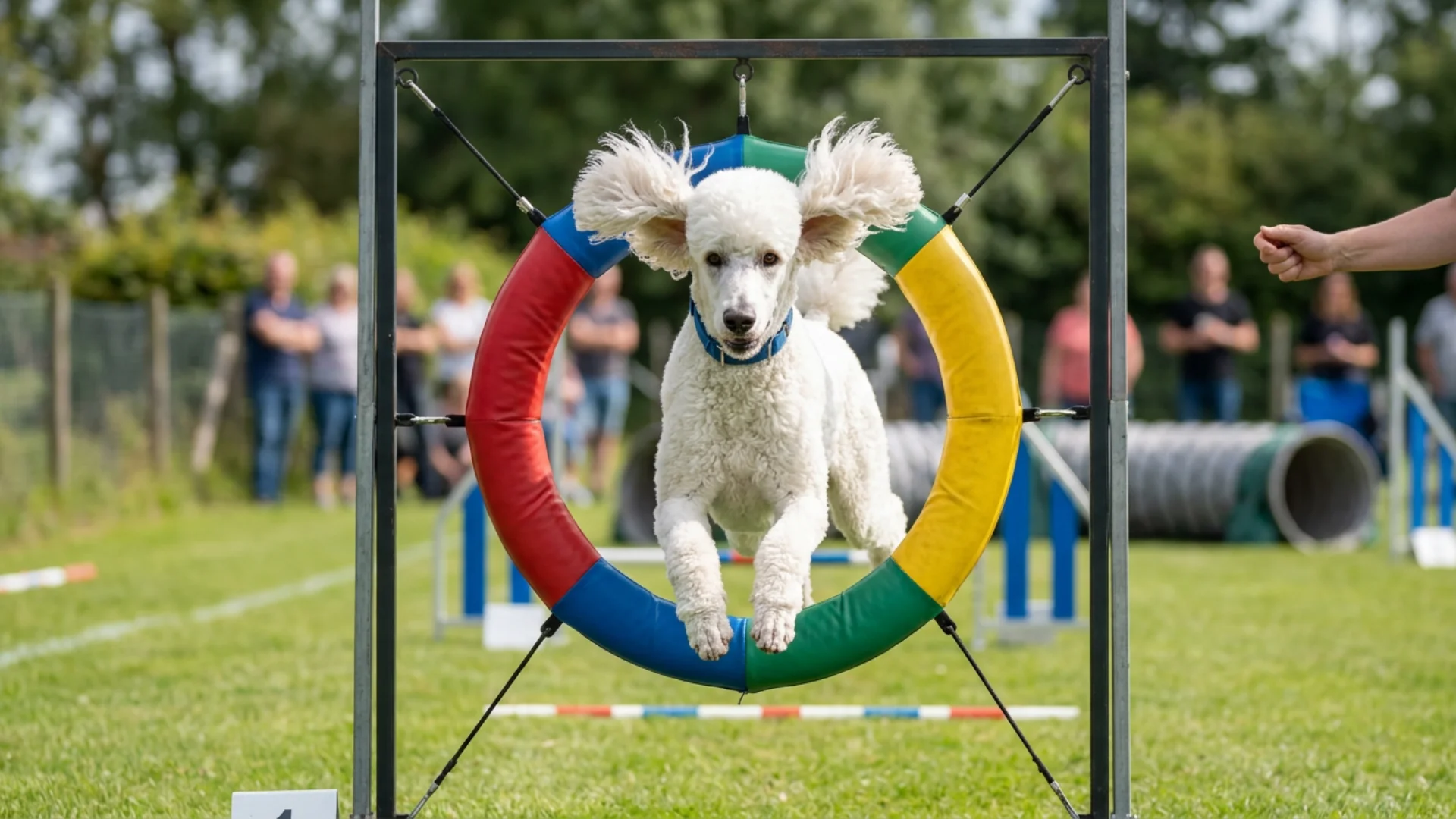
Poodles rank among the smartest dog breeds in the world, and that sharp intelligence makes them a true pleasure to train at any size.
All three varieties, toy, miniature, and standard, share the same low-shedding curly coat and quick-learning mind.
- Temperament: Intelligent, friendly, and among the quickest breeds to learn new commands.
- Care Needs: Requires regular professional grooming to maintain their coat.
- Health Note: Standard Poodles need plenty of daily exercise to stay healthy and fulfilled.
17. Cockapoo
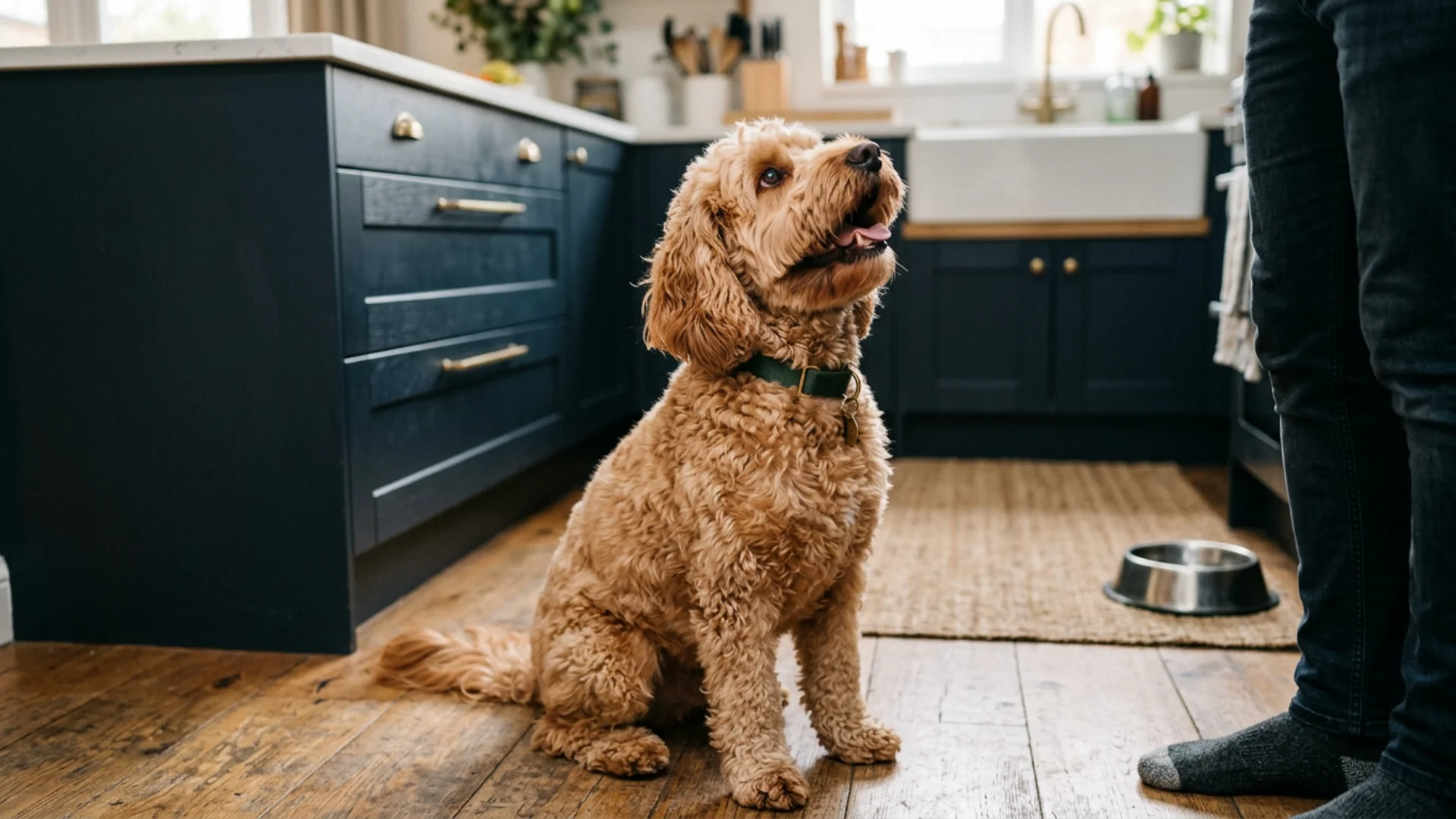
The Cockapoo blends the best qualities of the Cocker Spaniel and Poodle into a friendly, low-shedding package that’s genuinely easy to live with.
Their adaptable, happy-go-lucky personality makes them a natural fit for a wide range of households.
- Temperament: Friendly, adaptable, and naturally comfortable around people and pets.
- Care Needs: Needs regular exercise and grooming to keep their coat in good condition.
- Health Note: Shedding levels can vary depending on which parent breed they take after.
18. Maltipoo
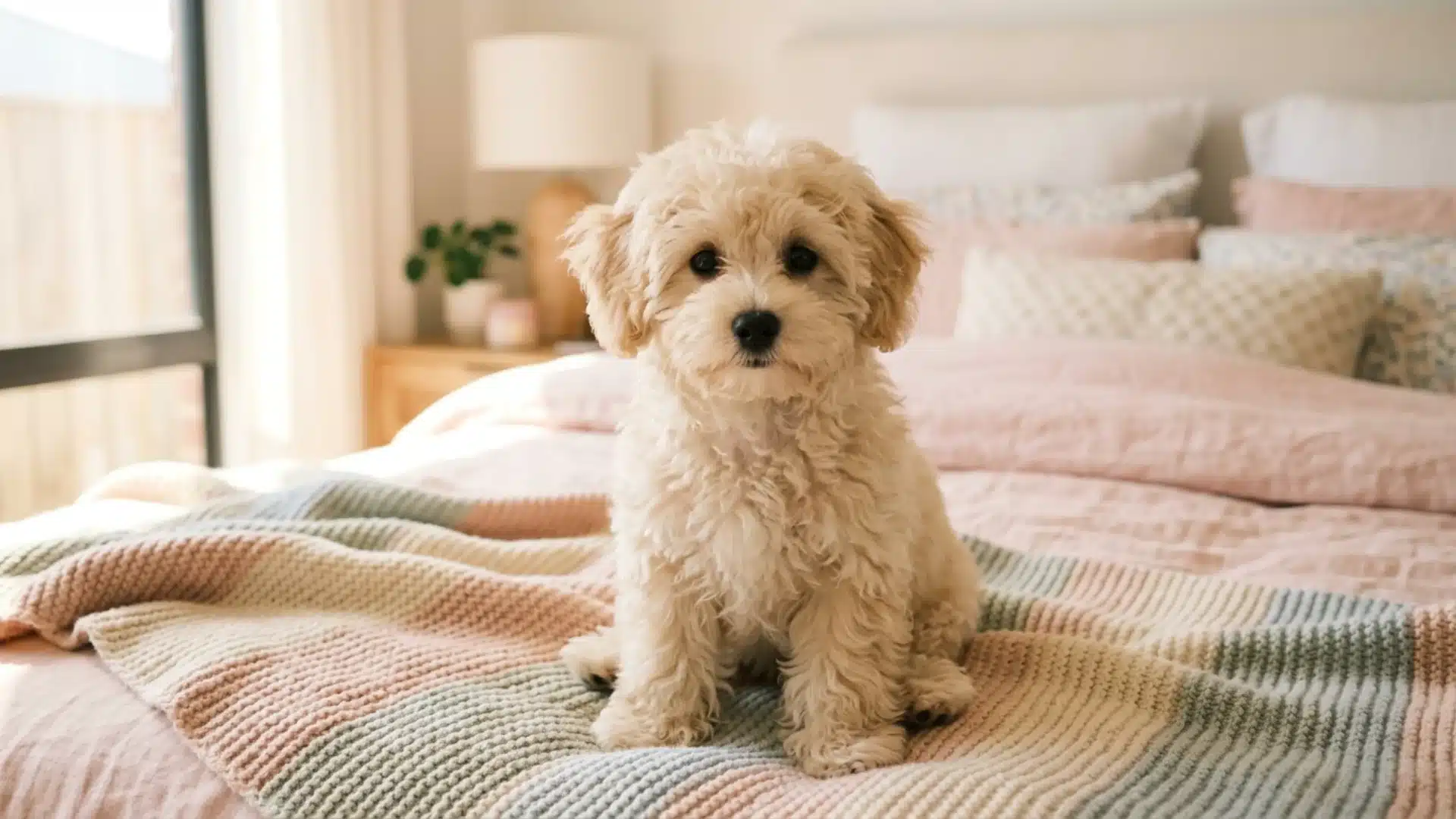
The Maltipoo is a gentle, fluffy Maltese-Poodle cross with a low-shedding coat and a calm, affectionate personality that suits quieter homes beautifully.
They’re a particularly popular choice for seniors or those seeking a soft-natured companion.
- Temperament: Affectionate, gentle, and a great fit for calm households.
- Care Needs: Needs regular brushing, occasional grooming, and only modest exercise.
- Health Note: Early socialization helps prevent anxiety and builds confidence.
Calm and Independent Breeds for Busy Owners
Not every first-time owner has hours to dedicate to training each day. These breeds are a little more self-sufficient, though they still need your time and attention, just on a slightly more flexible schedule.
19. French Bulldog
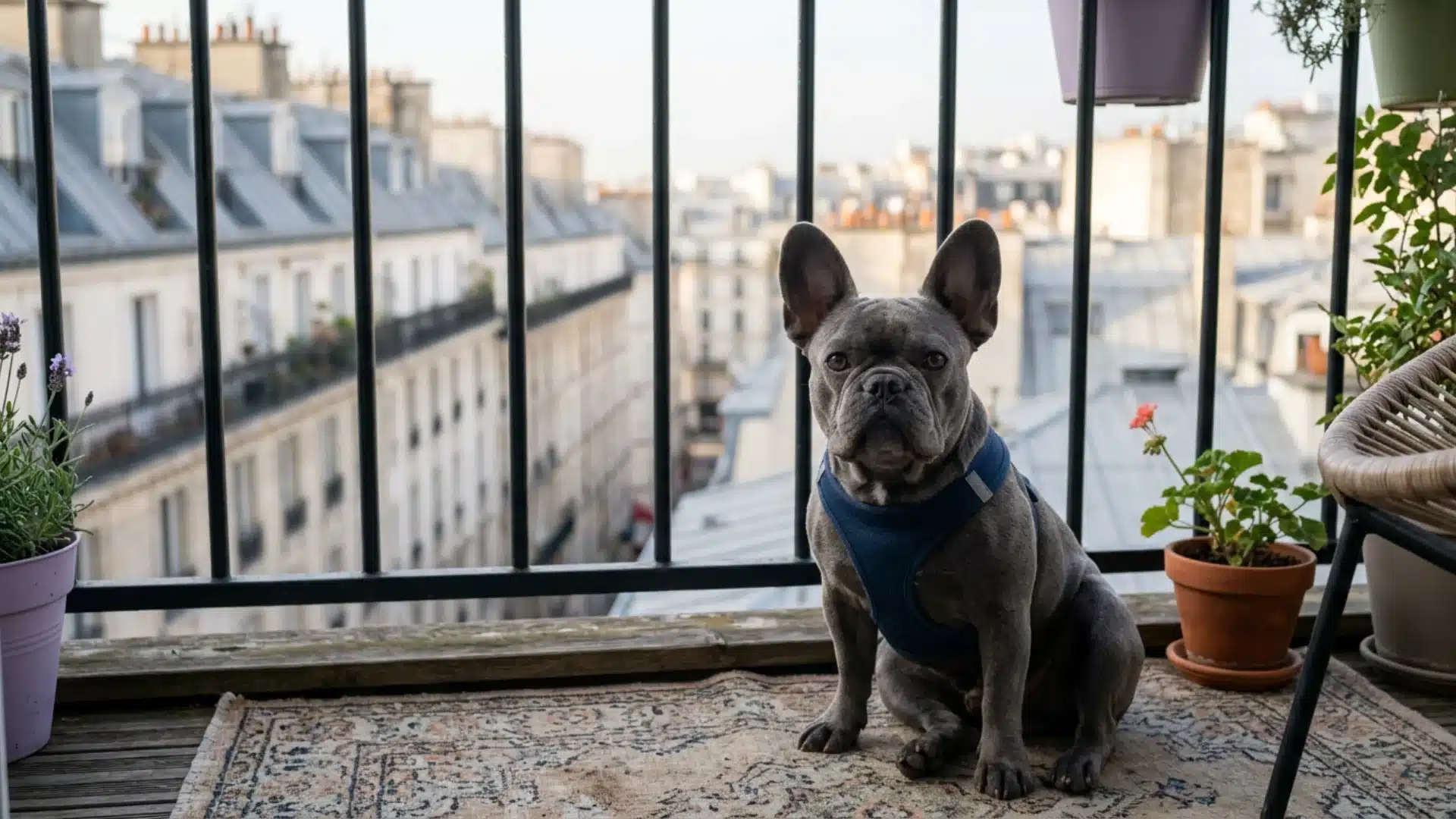
French Bulldogs are affectionate, low-key companions that thrive in smaller living spaces and don’t demand intense daily exercise.
Despite some valid health concerns around the breed, well-bred Frenchies are genuinely good-natured dogs for the right owner.
- Temperament: Adaptable, low-key, and well-suited to smaller living spaces.
- Care Needs: Requires basic daily exercise, wrinkle care, and routine veterinary attention.
- Health Note: Prone to costly breathing-related health issues, making pet insurance a smart investment.
20. Boston Terrier
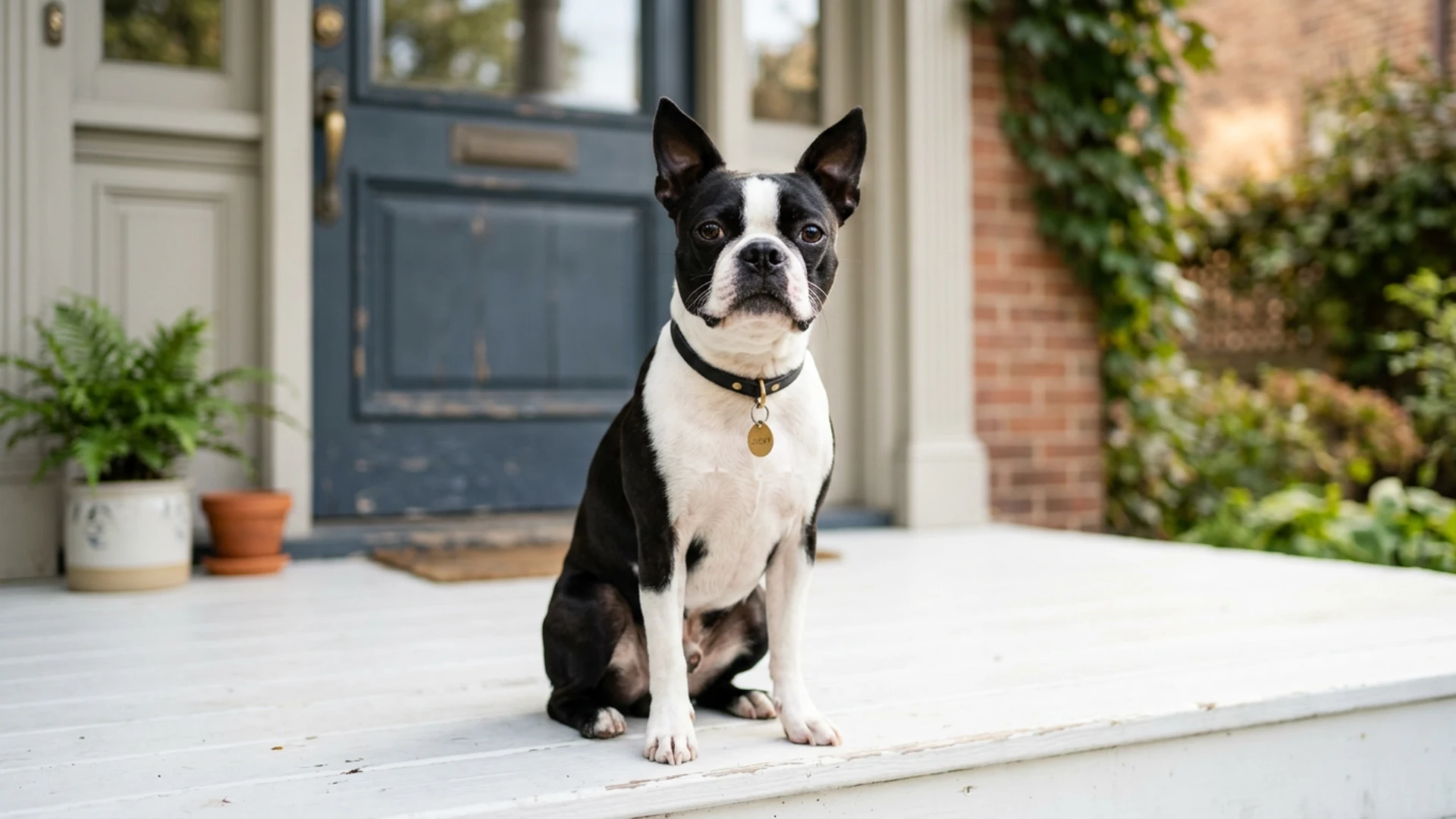
Known as the “American Gentleman” for their tuxedo markings and polite disposition, Boston Terriers are friendly, adaptable, and refreshingly easy to groom.
Their moderate energy suits a wide range of lifestyles without demanding too much from their owners.
- Temperament: Friendly, playful, and well-suited to families and multi-pet households.
- Care Needs: Needs daily walks and only minimal grooming.
- Health Note: Their flat-faced structure makes them vulnerable to overheating and respiratory issues.
21. Greyhound
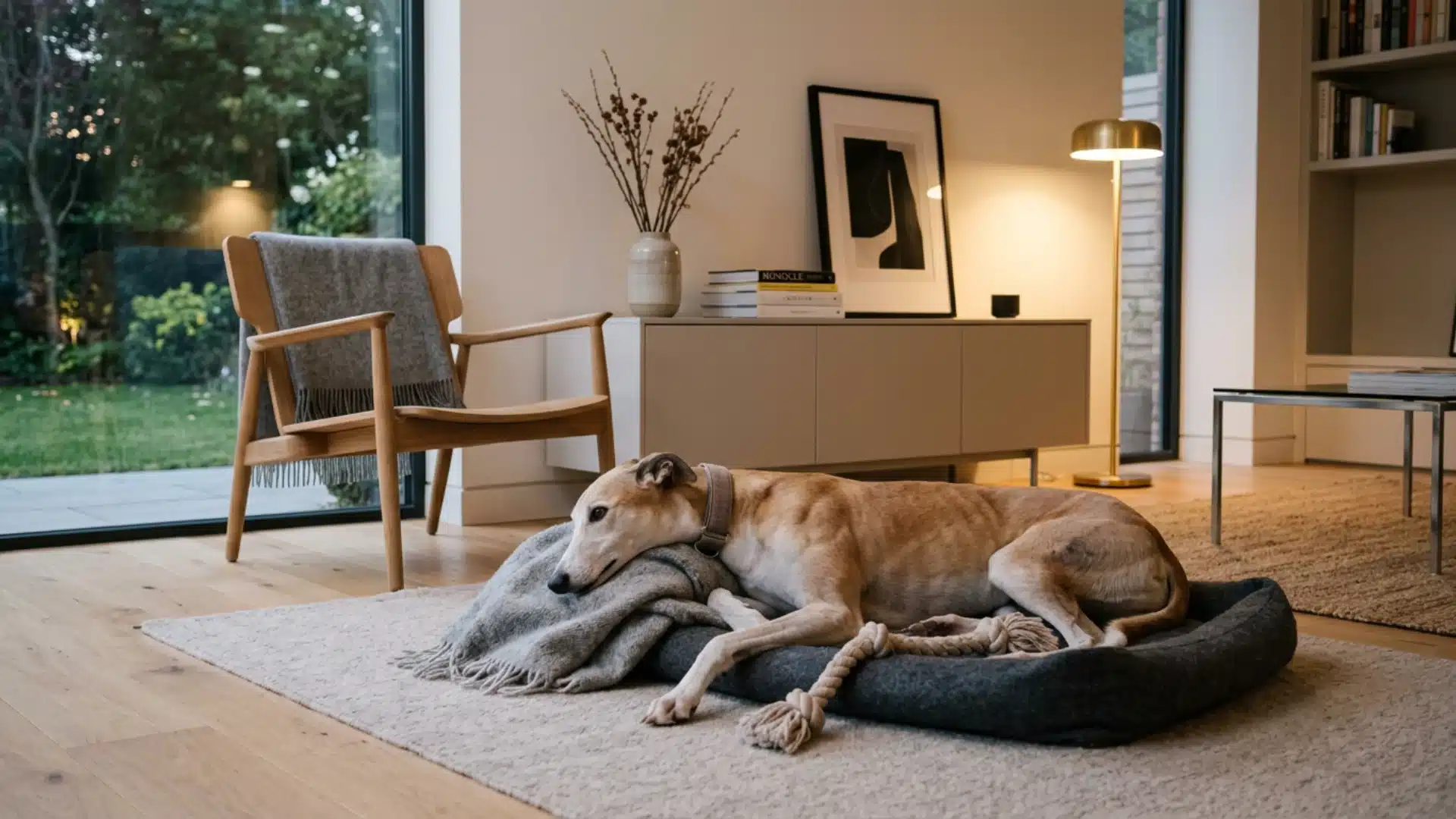
Retired racing Greyhounds are one of the most surprising entries on any beginner list, calm, gentle, and remarkably low-maintenance once they’ve settled into a home.
Most are perfectly happy with two moderate walks a day and several hours of comfortable napping.
- Temperament: Gentle, quiet, and surprisingly relaxed for such an athletic breed.
- Care Needs: Requires daily walks and little grooming beyond basic upkeep.
- Health Note: Strong prey instincts and poor cold tolerance require secure outdoor spaces and extra winter care.
22. Basset Hound
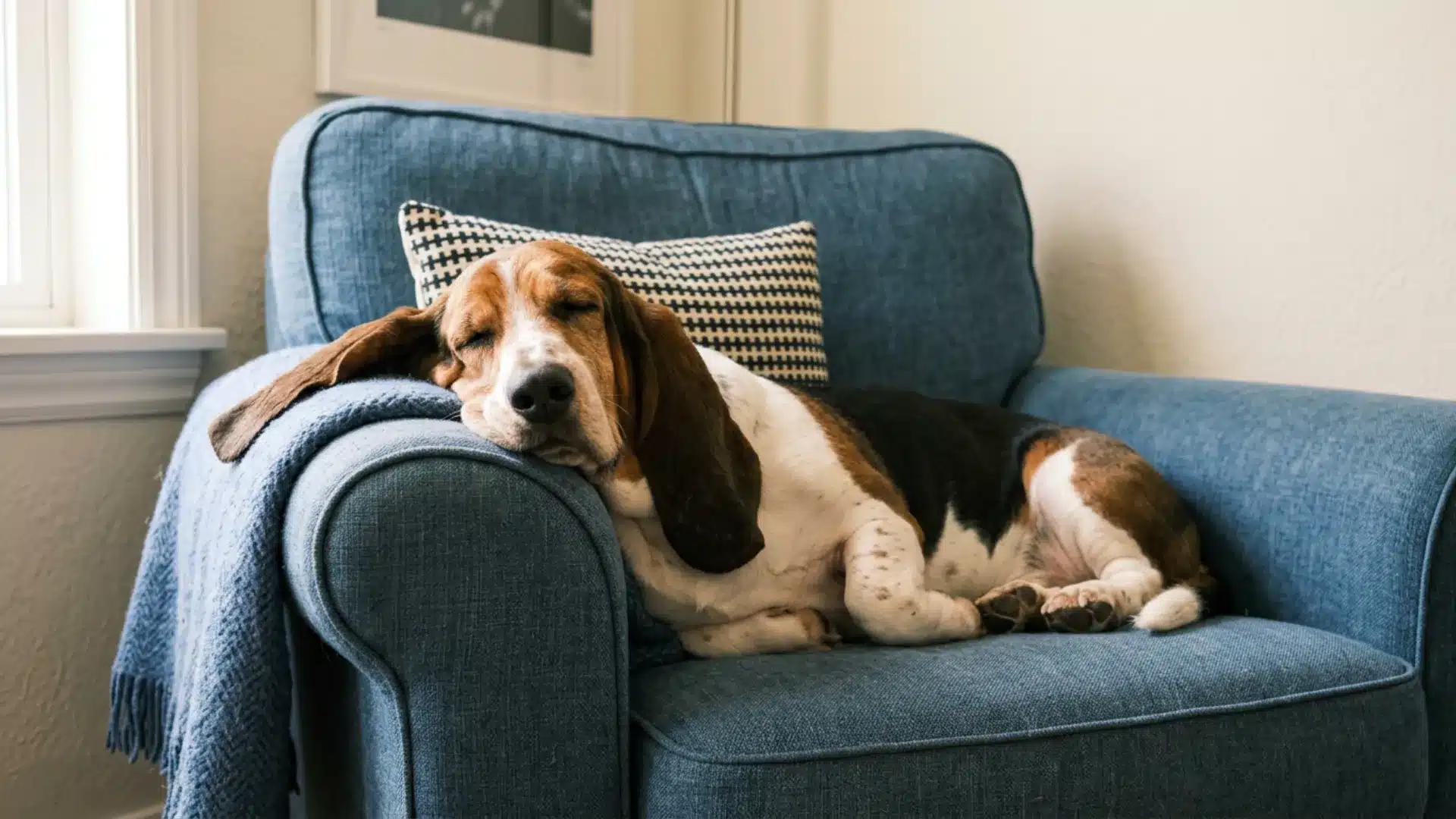
Basset Hounds are slow-moving, deeply affectionate dogs that ask very little of their owners physically while offering a lot in return emotionally.
Their low-drama, laid-back personality makes them one of the easiestgoing companions on this list.
- Temperament: Easygoing, loyal, and rarely bothered by the chaos around them.
- Care Needs: Needs daily walks and routine ear care to prevent infections.
- Health Note: Can be stubborn to train and prone to howling if left unchecked.
Smart, Trainable Breeds that Respond Well to Beginners
Some dogs are so eager to learn that the training process itself becomes one of the most enjoyable parts of dog ownership. These breeds fall squarely in that category.
23. Shetland Sheepdog (Sheltie)
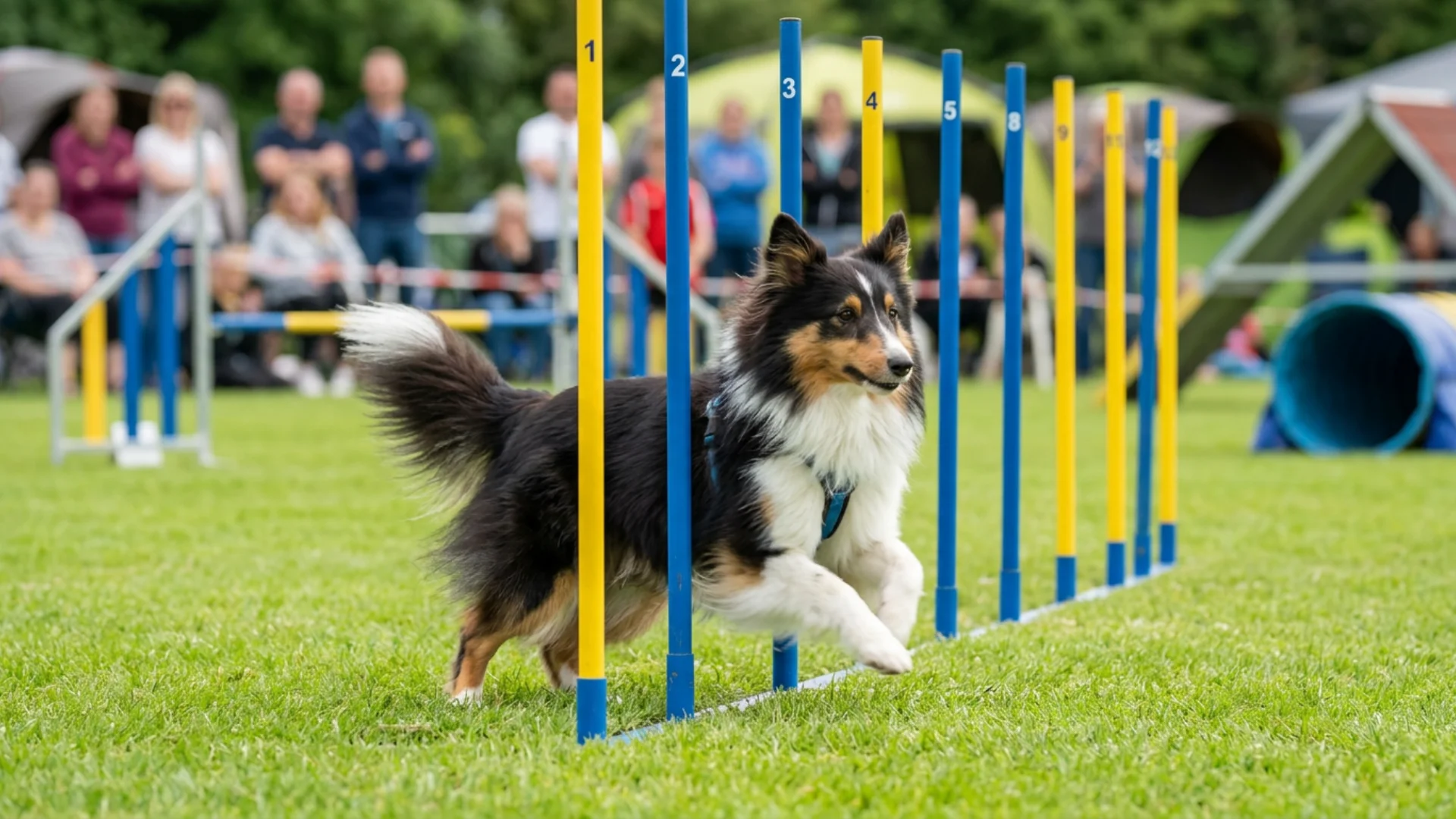
Shelties are intelligent, eager-to-please dogs that genuinely thrive when their minds are engaged and challenged.
Their sensitivity to positive reinforcement makes training feel rewarding rather than frustrating for first-time owners.
- Temperament: Gentle and devoted with family, slightly reserved with strangers, and excellent with children.
- Care Needs: Daily exercise plus mental stimulation; beautiful double coat needs brushing several times a week.
- Health Note: Bred to bark like herding dogs; invest in bark-control training early, especially in shared living spaces.
24. Pembroke Welsh Corgi
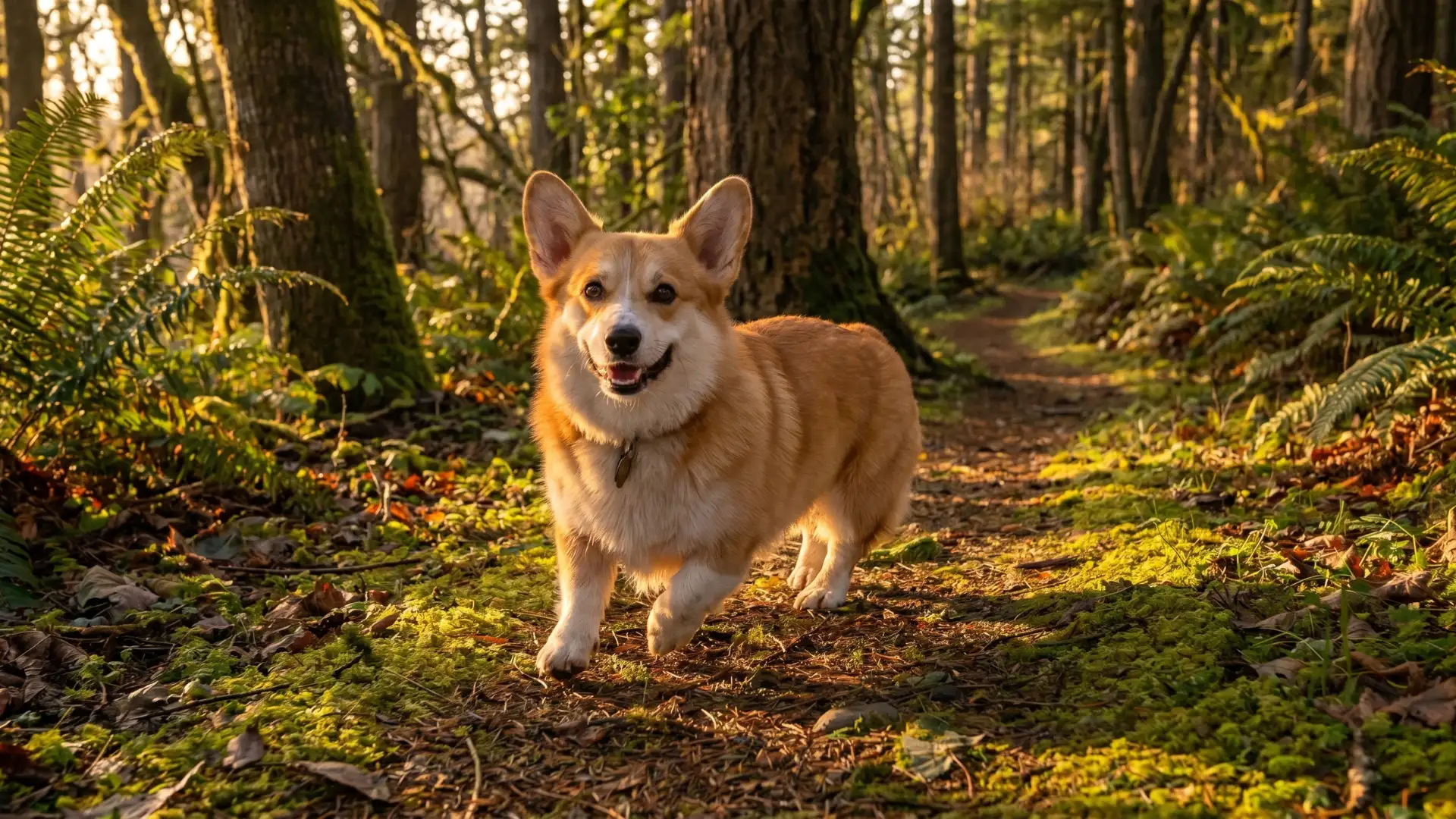
Corgis punch well above their weight in intelligence and personality, staying alert, cheerful, and eager to be involved in everything their person does.
Their confident, responsive nature makes them a surprisingly capable and engaging breed for new owners.
- Temperament: Intelligent, affectionate, and highly trainable with a confident yet friendly nature.
- Care Needs: Requires daily exercise and routine brushing to control heavy shedding.
- Health Note: Early training helps manage their natural tendency to nip at heels.
25. Mini Goldendoodle
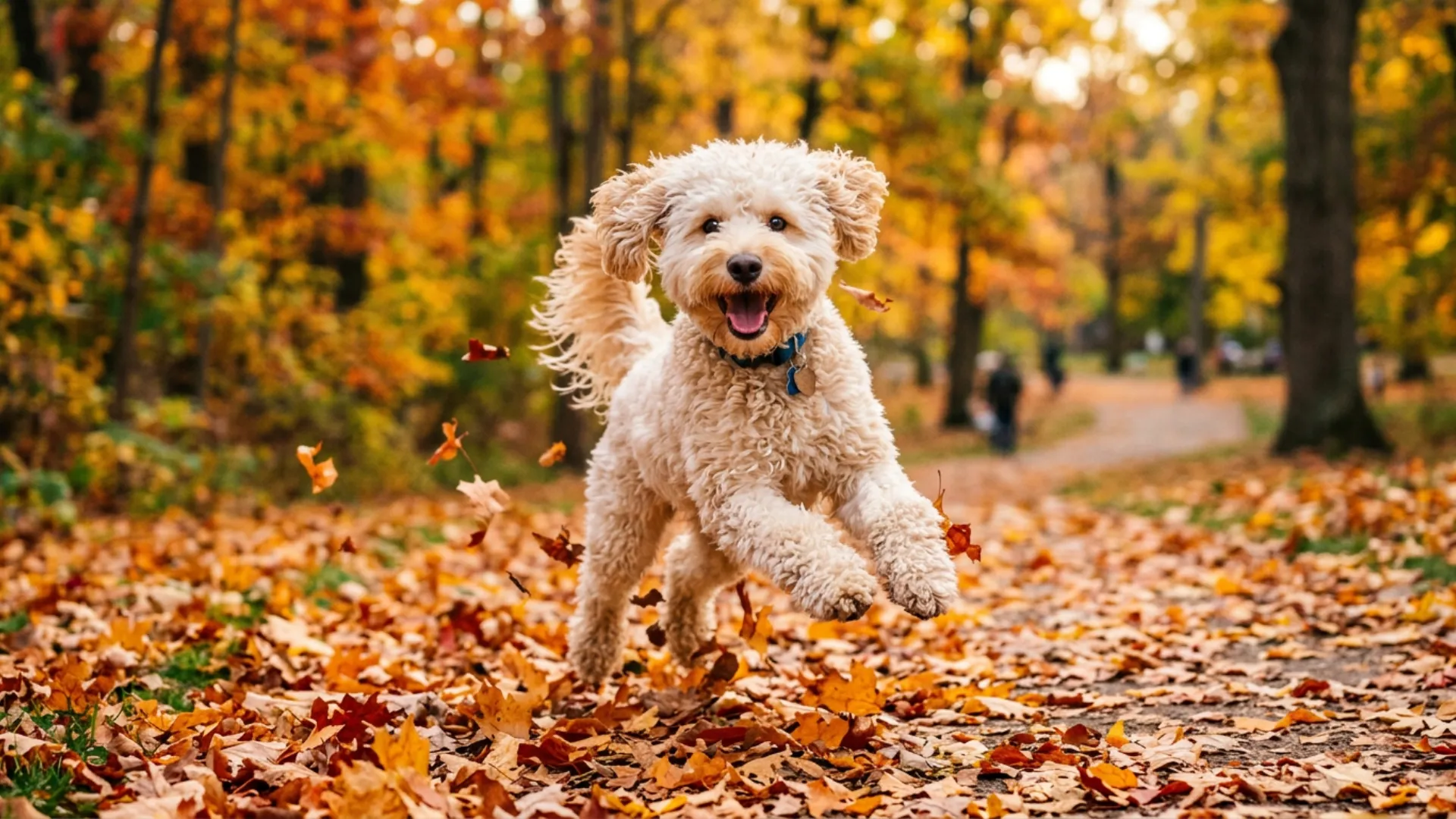
The Mini Goldendoodle combines Golden Retriever warmth with Miniature Poodle trainability and a low-shedding coat in a conveniently mid-sized package.
Their friendly, adaptable personality makes them a natural fit for families, singles, and most living setups.
- Temperament: Friendly, playful, and highly social. They adapt well to families, singles, and most living situations.
- Care Needs: Moderate daily exercise and regular grooming to prevent the coat from matting.
- Health Note: Shedding level varies by generation (F1, F1b, F2); always ask breeders about parent coat history before choosing a puppy.
Breeds to Avoid as a First-Time Owner
While any breed can be a great companion with the right preparation, some dogs tend to present more challenges for first-time owners due to their energy levels, training needs, or breed-specific traits.
| Breed | Why It Can Be Challenging for First-Time Owners |
|---|---|
| German Shepherd | Intelligent and loyal, but requires consistent training, socialization, and mental stimulation. |
| Border Collie | One of the smartest dog breeds, with extremely high energy and a strong need for daily mental challenges. |
| Belgian Malinois | Bred for demanding working roles and often needs experienced handling, structured training, and constant activity. |
| Siberian Husky | Independent, energetic, and known for escaping fenced areas if not properly exercised and supervised. |
| Dachshund | Affectionate and popular, but can be stubborn during training and is prone to back problems. |
| Jack Russell Terrier | Highly intelligent and energetic, often requiring more exercise and engagement than new owners anticipate. |
These breeds are not unsuitable for beginners, but they generally demand more time, training, and lifestyle commitment than many first-time owners expect.
Choosing a dog whose needs match your experience and daily routine often leads to a more successful relationship for both owner and pet.
Conclusion
Choosing your first dog is a big decision, and taking the time to compare breeds carefully already puts you on the right path.
I’ve learned that the best match is not always the most popular breed, but the one that fits your real life.
Maybe that’s a tiny lap dog for apartment living, a Golden Retriever for a busy family, or a quiet Whippet who loves weekend naps as much as you do.
No breed is perfect, and every dog will bring its own surprises. But the breeds on this list are generally manageable, trainable, and ready to become the kind of companion you’ll remember forever.
Have a favorite from the list? Drop it in the comments and tell us which breed is calling your name.
Frequently Asked Questions
What is the Easiest Dog to Own for the First Time?
Cavalier King Charles Spaniels and Golden Retrievers are often great first dogs because they’re affectionate, trainable, and adaptable. The easiest choice still depends on your lifestyle.
Can I Get a Rescue Dog as My First Dog?
Yes. Many adult rescue dogs already have known temperaments, which can make them easier to match with the right first-time owner.
How Long Does It Take for a First Dog to Settle in?
Many dogs follow the “3-3-3 rule”: about 3 days to decompress, 3 weeks to learn your routine, and 3 months to feel fully at home.