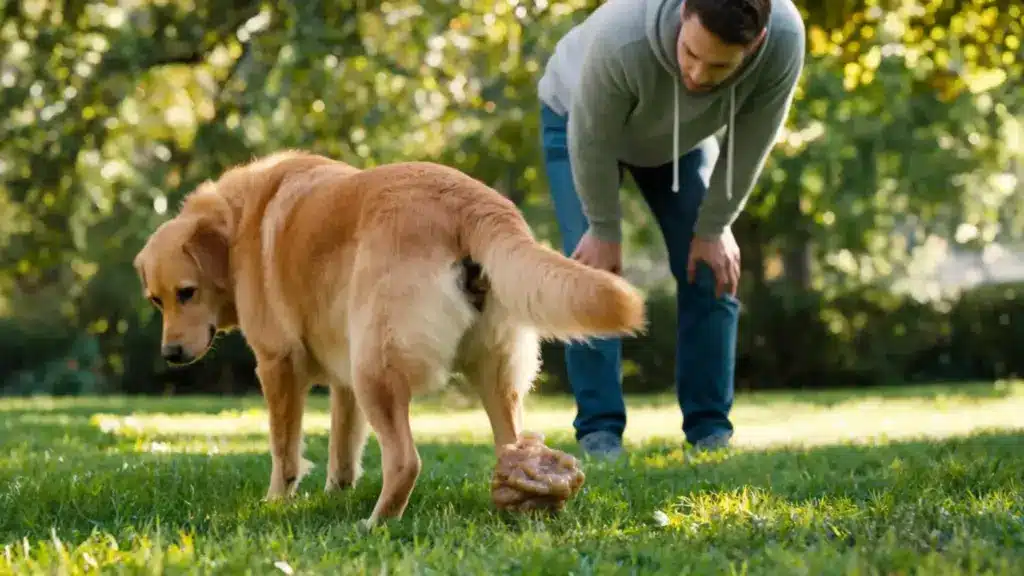
Seeing your dog act up during her cycle can make you worry fast. She may pace around, lick more than usual, sleep in odd spots, or look at you like something feels wrong.
I know that it can quickly make you wonder if she is hurting or just dealing with normal heat changes.
Some signs can look like pain, but not every dog feels the same during heat. So, do dogs get cramps when in heat, or is something else going on?
In this blog post, you will learn what may be normal, what discomfort can look like, why dogs may seem restless or sensitive, and when the signs need a vet check.
You will also get simple ways to help her feel calmer while her body moves through the heat cycle.
What Actually Happens to a Dog’s Body During Heat?
The canine heat cycle, called estrus, has four stages. Most of the visible signs, the bleeding, swelling, and behavior changes, happen in the first two.
- Proestrus: The first stage. You will notice a swollen vulva, bloody discharge, extra licking, mood changes, and more attention from male dogs. This stage usually lasts 7–10 days.
- Estrus: The fertile stage. Bleeding often gets lighter, and your dog becomes receptive to mating. This is when ovulation happens. It typically lasts another 5–10 days.
- Diestrus: The body winds down from its reproductive peak. If pregnancy did not happen, hormone levels drop, and symptoms ease. Some dogs experience a false pregnancy during this stage due to lingering progesterone.
- Anestrus: The resting phase between cycles. No reproductive activity. Most dogs stay here for 4–5 months before the cycle starts again.
Most heat discomfort happens during proestrus and early estrus, when hormone surges are strongest, and the body is doing the most physical work.
Do Dogs Get Cramps When in Heat?
Human menstrual cramps happen because the uterus contracts to expel its built-up lining. That lining grows during each monthly cycle and sheds when pregnancy does not occur. Those contractions are what cause the pain.
Dogs work differently. A female dog’s uterus does not build and shed a lining the way a human uterus does. Instead, the canine reproductive cycle prepares the uterus for potential implantation without that kind of monthly buildup.
Because there is no lining to expel, the specific cramping mechanism behind human period pain does not exist in dogs.
What dogs do experience is uterine activity driven by hormone changes, rising and falling estrogen and progesterone, increased blood flow to the reproductive organs, and physical swelling.
That activity can create discomfort. Some dogs show it clearly. Others sail through the heat without appearing bothered at all.
So the answer to “do dogs get cramps on their period” is not a clean yes or no; it is that they experience a different kind of discomfort with a different cause.
Why Do Dogs Look Uncomfortable During Heat?
Dogs can act uneasy during heat because their bodies are changing. These signs are often normal, but they can still look worrying.
- Hormone changes: Shifting hormones can affect mood, energy, sleep, and behavior, so a dog may seem more sensitive, restless, or less like herself.
- Swollen vulva: The vulva often becomes swollen during heat, which can make some dogs lick more, sit differently, or seem aware of that area.
- Extra licking: Licking is a common way dogs clean discharge during heat, but too much licking may also show irritation or mild discomfort.
- Restlessness: A dog may pace, change sleeping spots, or struggle to settle because her hormones and body signals feel different than usual.
- Clingy behavior: Some dogs want more attention during heat and may follow people around because they feel unsure, needy, or less settled.
- Lower energy: Heat can make a dog seem tired or less playful, especially during the first stage when swelling and bleeding are present.
- Changes in appetite: Some dogs eat less or act picky during heat because hormone shifts can affect hunger, mood, and daily routine.
- More frequent urination: Dogs may pee more often during heat because urine carries scent signals that tell male dogs she is in season.
Signs Your Dog May Feel Pain or Discomfort
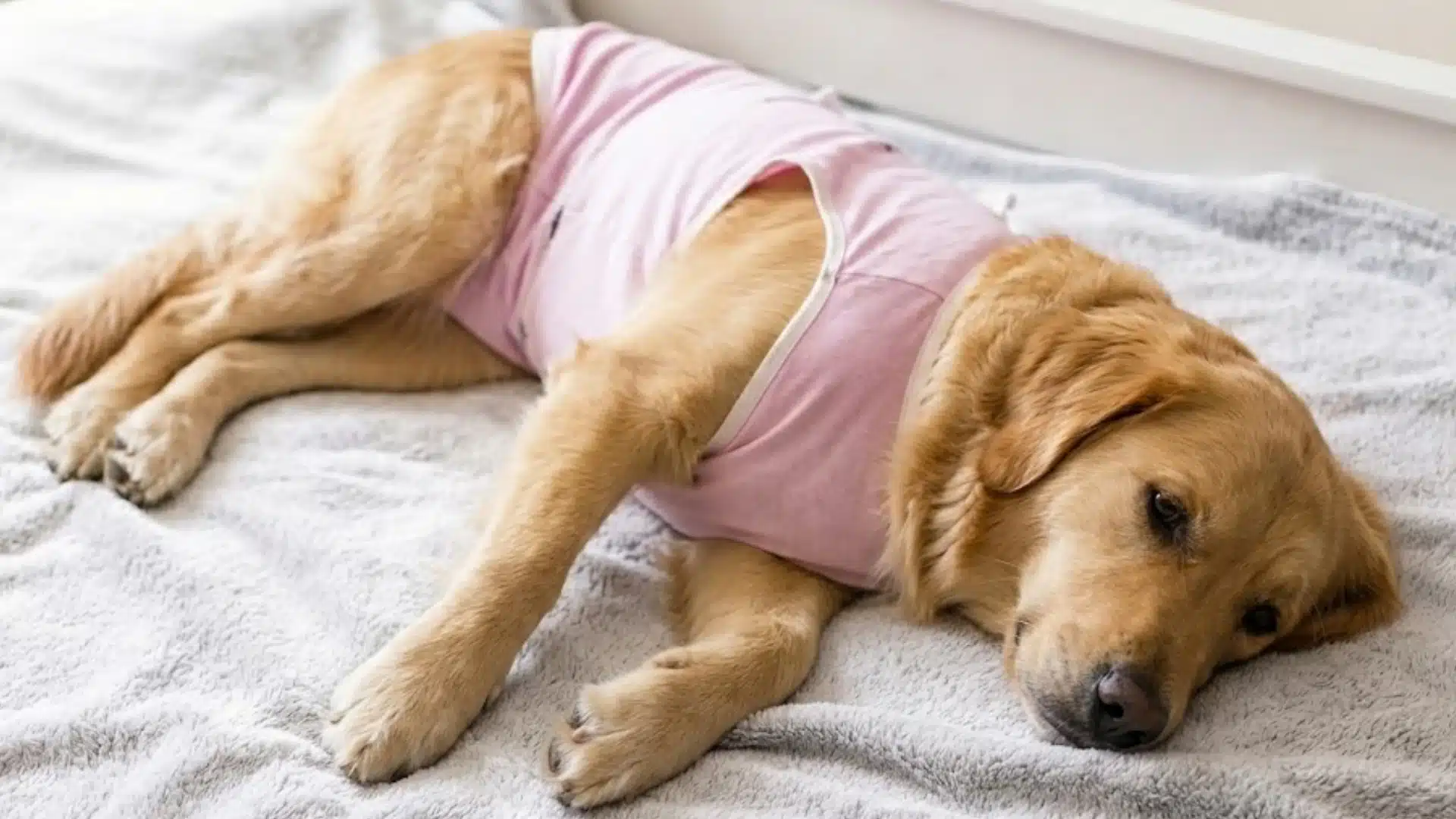
Some heat signs are normal, but these symptoms can point to pain, infection, or another health issue that needs a vet check.
1. Heavy bleeding
Light to moderate bleeding can happen during heat, especially in the early stage. Heavy bleeding is different.
If blood is dripping often, soaking bedding quickly, or looking much heavier than usual, it should not be ignored. Some dogs bleed more than others, but a sudden change can mean something is wrong.
Pale gums, weakness, or low energy, along with bleeding, can be more serious. A vet can check if it is linked to heat or another problem.
2. Bad-Smelling Discharge
Discharge during heat can have a mild smell, but it should not smell rotten, sour, or very strong.
Bad-smelling discharge can point to infection, especially if the color looks green, yellow, gray, or thick. It may also appear after the heat cycle, which can be a warning sign.
Dogs may lick more when this happens, so the discharge can be easy to miss. If the smell seems unusual, a vet visit is safer than waiting for it to pass.
3. Fever
A dog in heat may seem tired or less playful, but fever is not a normal heat sign. Fever can mean the body is fighting infection or inflammation.
A dog with a fever may feel warm, shake, sleep more, avoid food, or seem dull. The nose is not a reliable way to judge temperature.
A rectal thermometer gives a better reading, but many owners prefer letting the vet check it. Fever with discharge, vomiting, or weakness needs fast attention.
4. Vomiting
Vomiting is not a normal part of the heat cycle. A dog may eat less or act picky during heat, but throwing up can point to stomach upset, infection, pain, or another issue.
One small vomit may not always be an emergency, but repeated vomiting should be taken seriously.
It becomes more worrying if the dog cannot keep water down, seems weak, has a swollen belly, or has strange discharge. A vet can help find the cause.
5. Refusing Food for More than a Day
Some dogs eat a little less during heat because hormones can affect appetite. Refusing food for more than a day is different.
A dog that skips meals, turns away from favorite treats, or seems dull may be feeling sick or in pain.
This matters more if there is vomiting, fever, weakness, or discharge with a bad smell. Missing one meal can happen, but a full day without food is a sign that a vet should check her.
6. Severe Belly Pain
Mild sensitivity can happen during heat, but severe belly pain is not something to brush off. A dog may cry, tense up, hunch her back, guard her belly, or pull away when touched.
She may also pant, shake, pace, or struggle to rest. This kind of pain can come from more than normal heat discomfort.
It may be linked to infection, stomach trouble, or another health issue. Strong belly pain needs a vet check as soon as possible.
If your dog shows any of the symptoms, consult a licensed veterinarian rather than attempting to treat her at home.
How Long Does Heat Discomfort Usually Last?
Heat discomfort usually lasts around 2 to 3 weeks, but every dog is a little different. Some dogs act off for only a few days, while others seem uneasy for most of the cycle.
The first stage is often when swelling and bloody discharge are most noticeable. After that, the fertile stage begins, and her behavior may shift again.
Some dogs stay playful and normal, while others seem tired, clingy, or restless. If discomfort seems strong, lasts too long, or comes with sickness, a vet check is the better move.
How to Help a Dog Feel Better During Heat?
Simple comfort steps can help her feel calmer during heat, especially when she seems tired, restless, clingy, or more sensitive than usual.
- Give her a calm space: A quiet spot with soft bedding can help her rest when hormones make her feel restless, sensitive, or less settled than normal. Keeping her dog bed clean during this time also makes a difference.
- Keep walks short: If she seems tired, choose shorter walks and slower movement so she can still stretch without feeling worn out.
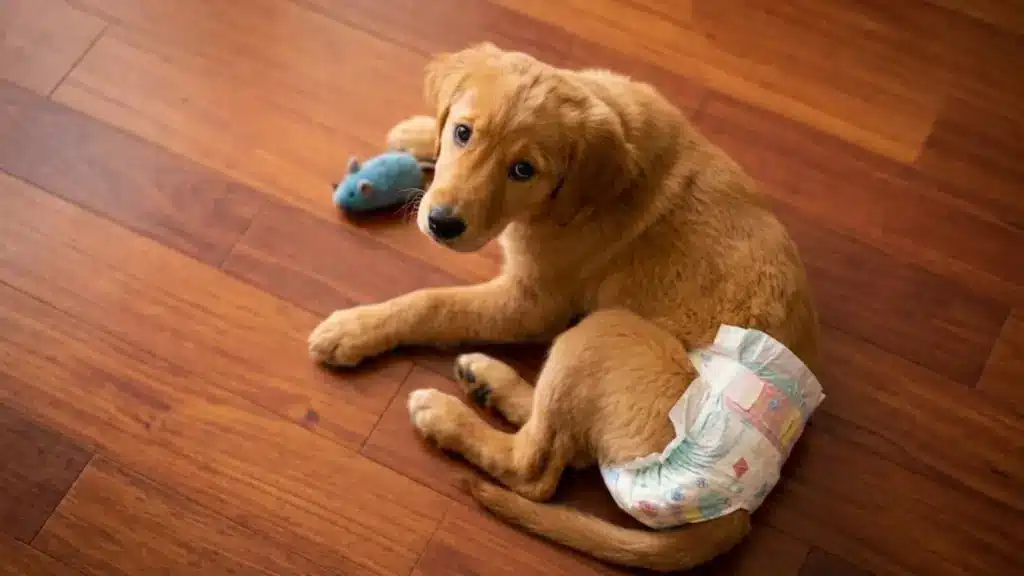
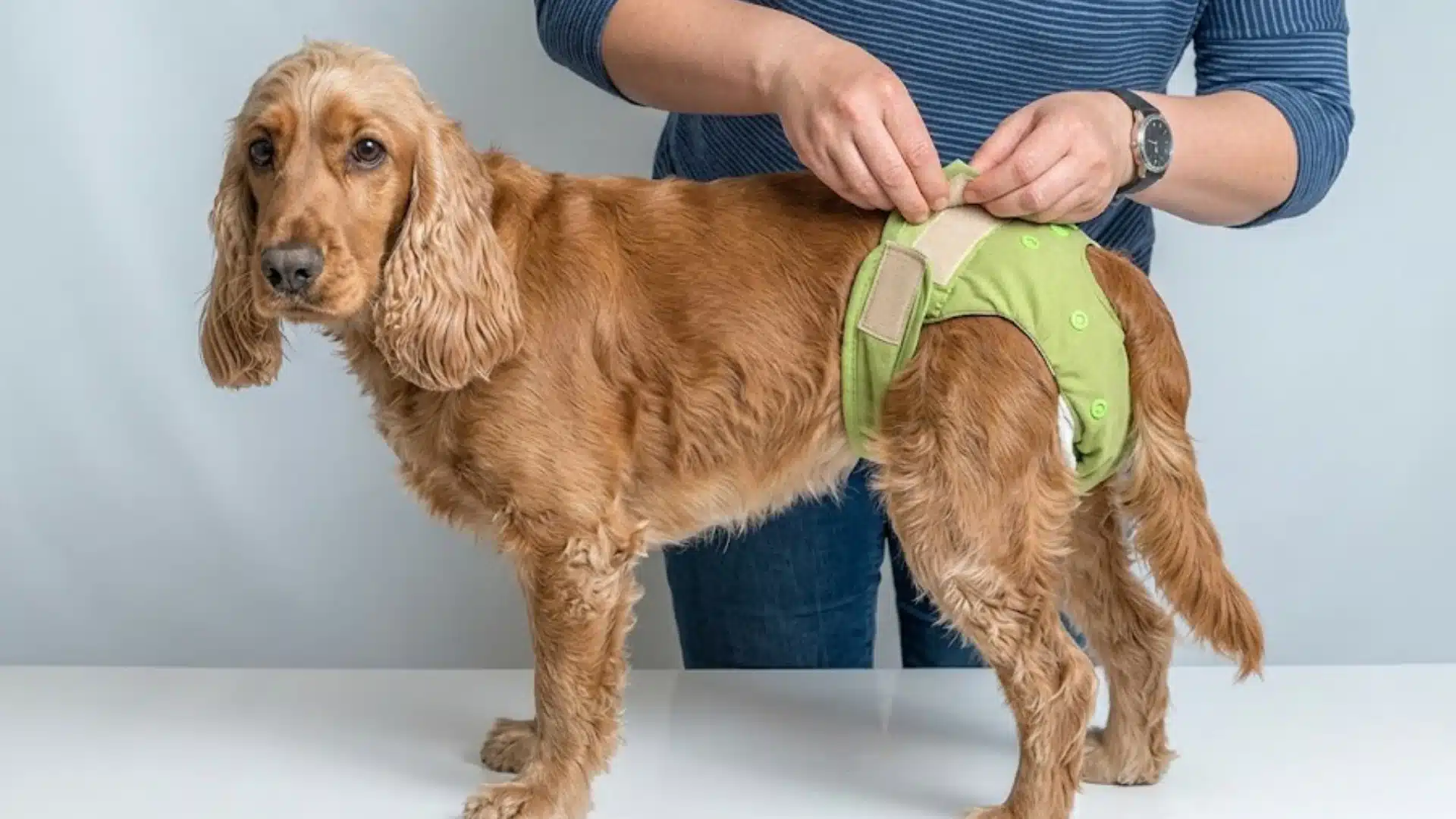
- Use dog diapers if needed: Dog diapers can help manage discharge indoors, but they should be changed often to keep her clean and comfortable.
- Keep bedding clean: Wash blankets and bedding often, since clean resting areas can reduce smell, mess, and irritation around her back end.
- Do not let her off leash: Even a trained dog may act differently during heat, so keeping her leashed helps prevent running off or mating.
- Keep her away from male dogs: Male dogs can become very persistent when they smell a female in heat, so distance keeps everyone safer.
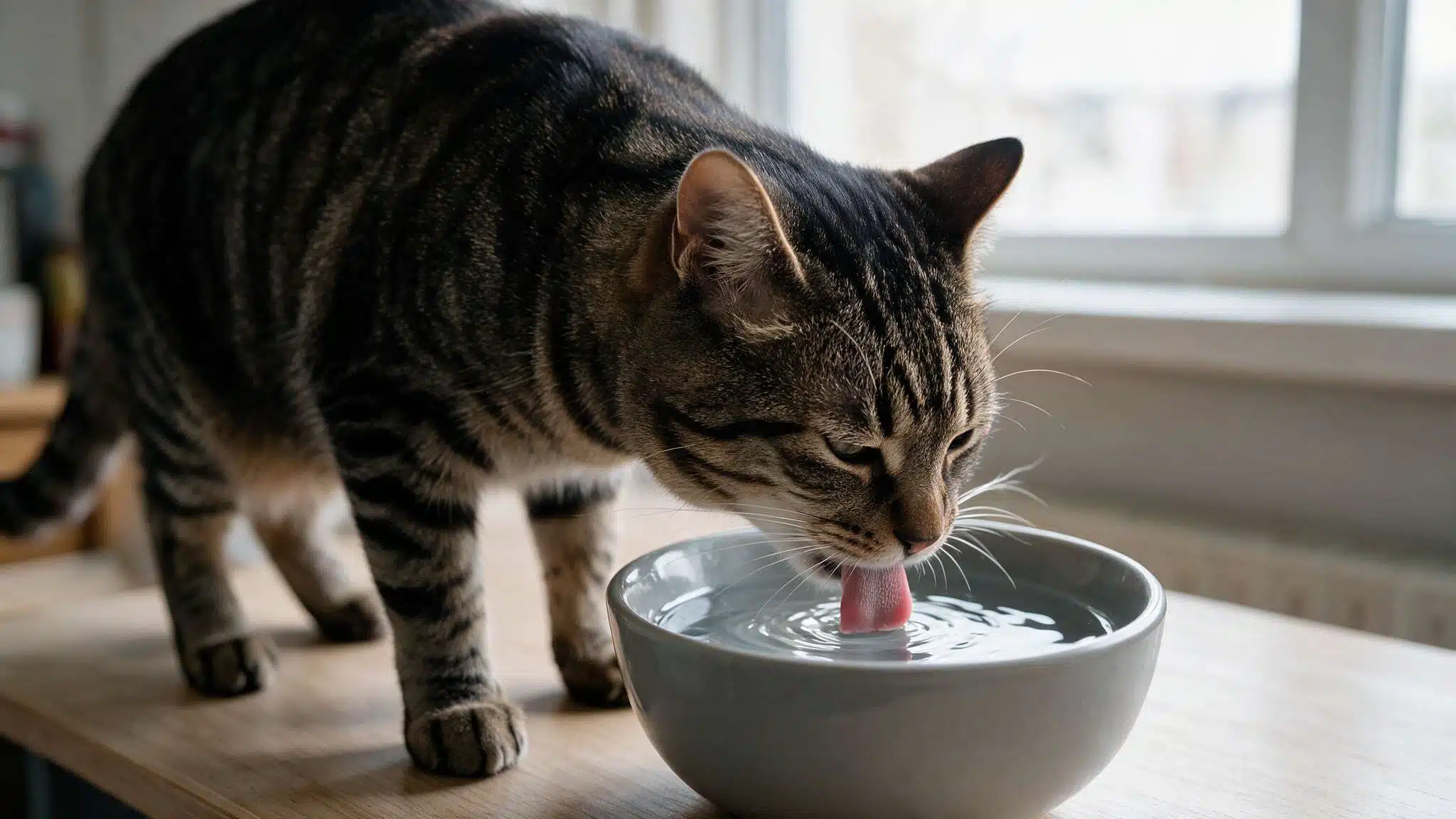
- Offer fresh water: Keep fresh water nearby because restlessness, licking, and warmer bedding can make her need more regular drinks.
One thing to avoid: never give your dog human pain medication like ibuprofen, aspirin, or acetaminophen. Many of these are toxic to dogs even in small amounts. If you think she needs pain relief, ask your vet for safe options.
When to Call the Vet
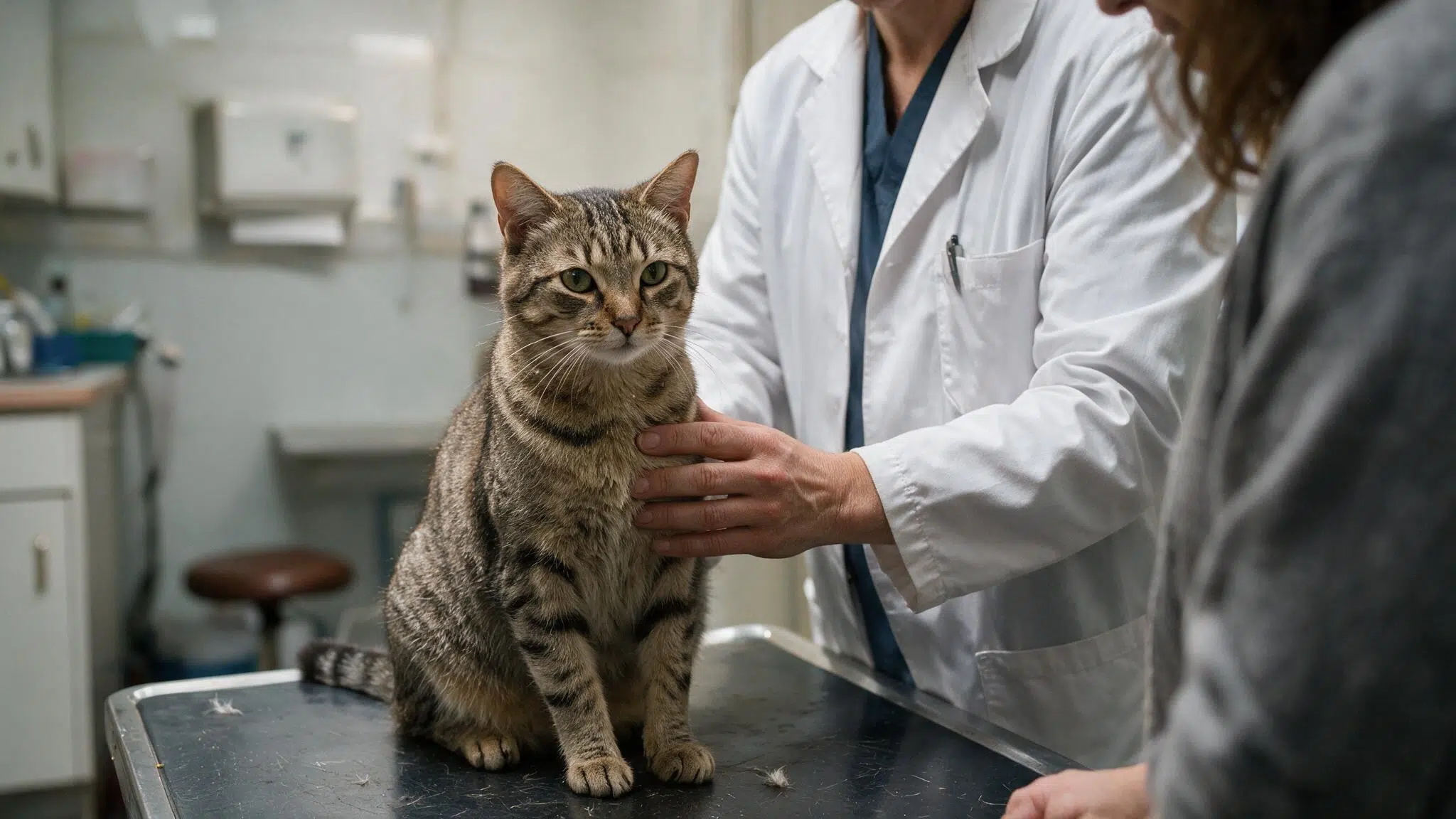
Call the vet if your dog’s heat symptoms seem stronger than normal or if she looks sick instead of just a little uncomfortable.
Strong pain, crying, shaking, or guarding her belly should be checked. Heavy bleeding also needs attention, especially if it soaks bedding fast or seems worse than her usual heat cycle.
Heat that lasts too long can also be a sign that something is off. If she seems very weak, stops eating, or has a fever, do not wait to see if it passes.
There is also a condition called pyometra that can happen after heat. It is an infection in the uterus.
It can be serious, but early care helps a lot. Watch for weakness, fever, bad discharge, vomiting, or not eating after the heat ends.
Can Spaying Stop Heat Discomfort?
Spaying can stop heat discomfort because a spayed dog no longer goes into heat. That means she will not have the same heat-related swelling, bleeding, restlessness, or behavior changes linked to her cycle.
It also prevents unwanted pregnancy, which is one of the main reasons many owners consider it. Knowing when to spay your dog matters; timing depends on her age, breed, size, and health.
Still, it is not something that should feel rushed or forced. The right choice can depend on your dog’s age, breed, size, health, and lifestyle.
The timing should always be discussed with a vet. Some dogs may be spayed before their first heat, while others may need a different plan.
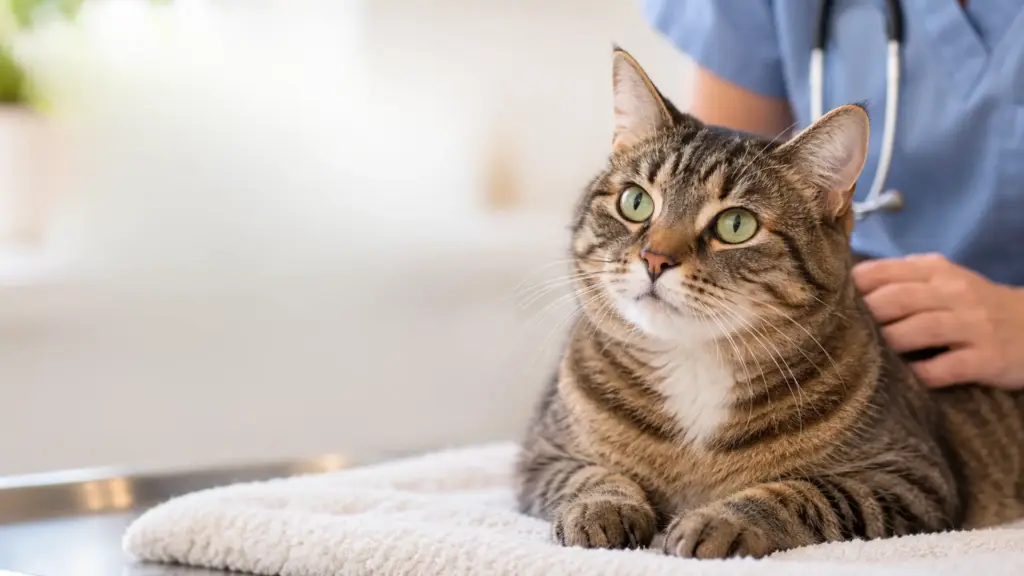
A vet can explain the safest timing and help decide what makes sense for your dog.
Conclusion
Dogs do not usually get cramps like humans, but they can still feel uncomfortable during heat. Some dogs stay calm and normal, while others become tired, clingy, restless, or more sensitive than usual.
The main thing to remember is that whether dogs get cramps when in heat is not always a simple yes or no. True cramping is not usually the main cause, but discomfort can still happen.
Clean bedding, short walks, fresh water, and a calm space can help. Still, severe pain, heavy bleeding, fever, vomiting, weakness, or loss of appetite should never be ignored.
Have you noticed your dog acting differently during heat? Share your experience in the comments, so other dog owners can learn from it too.
Frequently Asked Questions
Can a Dog Get Pregnant During Her First Heat?
Yes, a dog can get pregnant during her first heat. Her body may be fertile even if she still looks young or acts like a puppy. That is why a close watch matters once heat signs begin. Keeping her away from male dogs during this time helps prevent an unplanned pregnancy.
Do Dogs Need a Bath While They Are in Heat?
A dog can have a gentle bath during heat if she needs it. Use mild dog shampoo and warm water, and keep the bath calm. Do not scrub the swollen area too much. Many dogs only need light cleaning with a damp cloth to stay fresh and comfortable.
Can Stress Make Heat Symptoms Seem Worse?
Yes, stress can make a dog seem more restless, clingy, or unsettled during heat. Loud noise, new places, too many visitors, or changes in routine can make her behavior feel stronger. A calm space and steady routine can help her relax more easily.