Finding a tiny bird on the ground, mouth open and head wobbling, makes you want to do something fast.
The instinct to feed it is strong, and that’s completely understandable.
But what baby birds eat from humans has a very specific answer, and getting it wrong can cause serious harm or even prove fatal.
I’ve been there, that heart-pounding moment of wanting to help but not knowing the right way.
It helps to be aware that making a quick phone call to a wildlife rehabilitator is far better than anything you could find in your kitchen.
This blog will walk you through exactly what baby birds eat by species and stage, which foods are safe to offer in a true emergency, and most importantly.
Understanding Baby Birds’ Nutritional Needs
Baby birds grow incredibly fast, so they need a diet rich in protein and fat to build strong muscles, feathers, and bones.
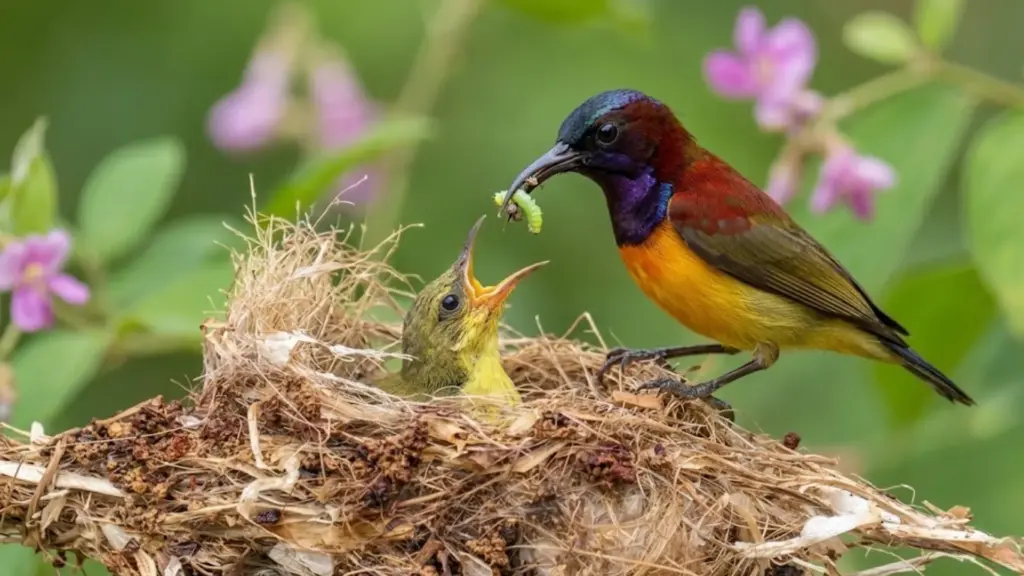
Most birds rely heavily on insects like caterpillars and worms because these provide the perfect balance of nutrients for quick development.
Along with protein, they need fats for energy, calcium and phosphorus for healthy bones, plus vitamins and minerals for overall growth.
They also get hydration directly from their food.
Very young nestlings like altricial birds need soft, easily digestible meals fed frequently, while older fledglings start eating more solid foods and learning to feed themselves.
Precocial birds like ducklings are more independent but still need high-nutrition diets. Giving them the right food at the right stage is crucial for their survival and healthy growth.
What Do Baby Birds Eat in the Wild?
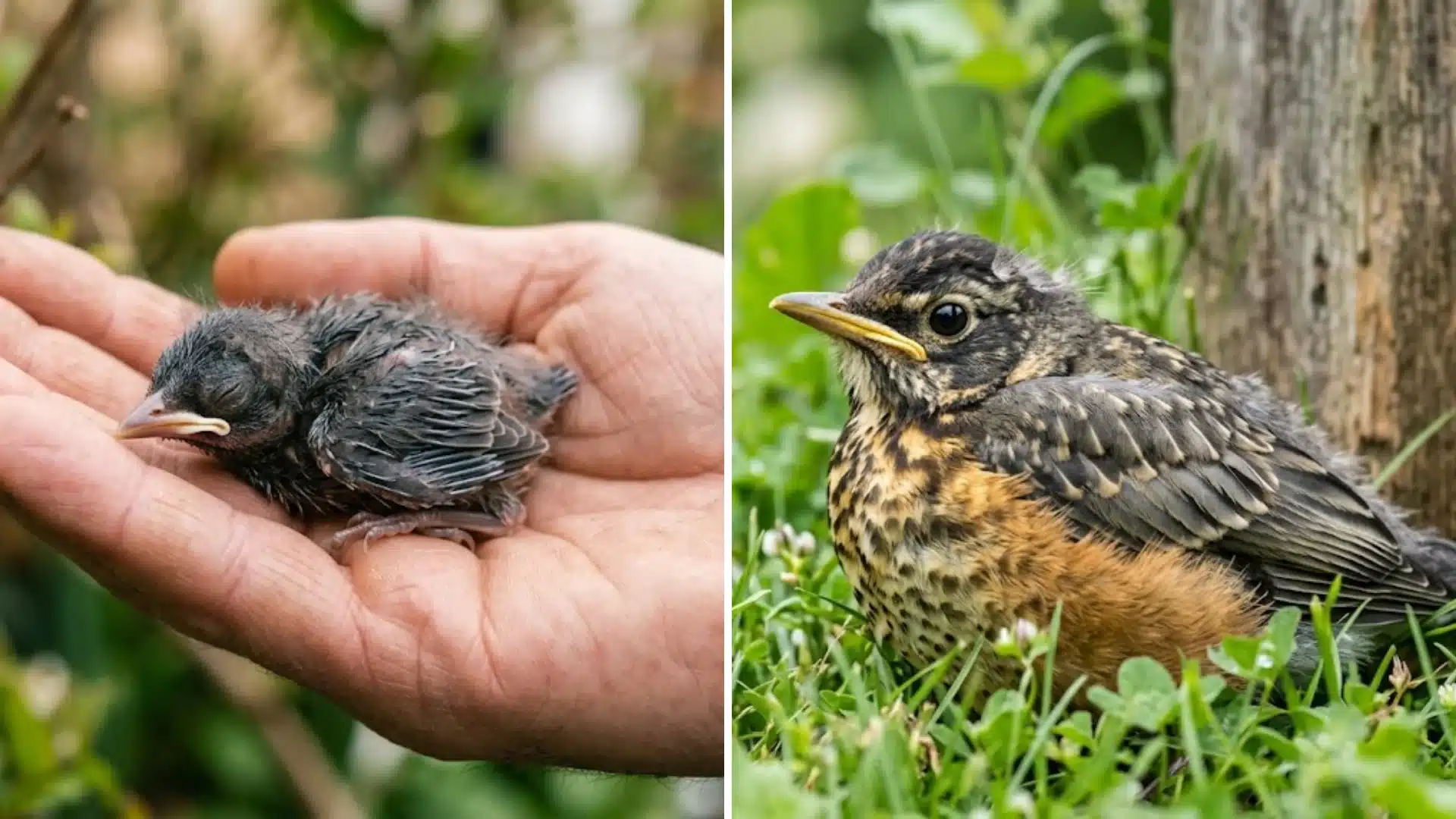
Baby robins may eat according to their body weight daily; nestlings need protein for muscle and feather growth.
A few species work differently:
- Pigeons and doves: Both parents produce “crop milk,” a protein-fat secretion from the crop lining. The chick drinks it directly. This is one of the few cases in which regurgitated liquid is the primary food.
- American goldfinches: Nestlings get mashed seeds rather than insects, which is unusual among songbirds.
- House sparrows: Adults eat mostly seeds, but they feed their nestlings a diet rich in insects. This is worth knowing because house sparrows are among the most common baby birds found in yards.
- Cedar waxwings: Parents bring insects for the first couple of days, then shift to a mix of fruits.
- Baby hummingbirds: Parents feed them a mix of regurgitated nectar and small insects.
- Hawks and eagles: Parents tear small pieces of meat and bring them to the nest.
The parent bird usually pre-digests or softens the food before passing it to the chick. This is why offering dry, hard food is risky; nestlings cannot break food down the way adults can.
Learning how wild birds behave can make you a more thoughtful caretaker, whether rescuing a nestling or bringing a parrot home as a pet.
What Can You Safely Feed a Baby Bird in an Emergency?
In an emergency, what baby birds can safely eat from humans depends on their species. The table below covers the most common situations:
| Bird Type | Safe Emergency Food |
|---|---|
| Songbirds | Chopped mealworms, moist dog kibble, egg yolk |
| Pigeons & Doves | Soaked seed mix, thin baby cereal paste |
| Raptors | Small raw meat pieces |
| Hummingbirds | Tiny insects |
| Seed-Eating Nestlings | Baby cereal, egg yolk, warm water paste |
Disclaimer: The options below are a short-term bridge, not a long-term feeding plan. Contact a licensed wildlife rehabilitator as soon as possible.
Hatchling, Nestling, or Fledgling: How to Identify Your Baby Bird
Knowing exactly what stage the bird is at changes everything about how you respond. These aren’t interchangeable terms.
1. Hatchling
A hatchling is the earliest stage of a baby bird. It has no feathers, closed eyes, weak movement, and cannot survive without warmth and expert care.
If you find one outside the nest, do not try to feed it, give it water, or handle it more than needed.
Feeding the wrong food can cause choking or serious harm. Keep the bird warm, quiet, and safe in a small ventilated box lined with soft cloth.
Contact a licensed wildlife rehabilitator, animal rescue, or local vet immediately for proper help and transport instructions today.
2. Nestling
A few pin feathers are developing, and the eyes may be partially open, but the bird still can’t stand or hop on its own.
If you can find the nest nearby and it’s intact, return the bird. The Cornell Lab of Ornithology confirms that parent birds won’t abandon a chick because a human touched it.
They’ve invested too much energy to walk away from a healthy offspring. If the nest is gone or unreachable, contact a rehabilitator.
3. Fledgling
Mostly feathered, able to hop and flutter. This bird probably doesn’t need your help. It’s in the middle of a normal developmental phase that happens on the ground.
Parents are almost always watching from nearby. The best thing you can do is keep people and pets away and observe from a distance.
If the bird is visibly injured, bleeding, or has been alone on the ground for more than two hours with no parent activity nearby, that’s when it makes sense to step in.
How to Feed a Baby Bird Safely?
Knowing what to feed a baby bird matters, but how you feed it matters just as much. A few rules that make the difference between helping and harming:
- Check the crop first. The crop is a small pouch at the base of the neck on the right side. If it still feels full from the last feeding, wait before adding more. Overloading it causes crop stasis, which is dangerous.
- Feed frequency. Most nestlings need feeding every 15 to 20 minutes during daylight hours. They sleep through the night without food. As birds grow, feedings can be spaced further apart.
- Use the right tool. A blunt-tipped syringe, clean tweezers, or even a flat toothpick work well for nestlings. Never use a spoon that forces food; let the bird open its beak and gape naturally.
- Food temperature. Food should be close to body temperature: roughly 100-104°F (38-40°C). Cold food slows digestion. Hot food burns.
- Never force water directly. Baby birds get hydration from their food. Dripping water into their mouth can cause aspiration.
- Keep it small. Pieces should be tiny, no larger than the bird’s beak opening. Even mealworms should be chopped for very young birds.
If the bird isn’t opening its beak to eat (gaping), that’s a warning sign. Warm it gently first, then contact a rehabilitator. A bird that won’t gape is often cold, stressed, or ill.
Foods to Never Give a Baby Bird
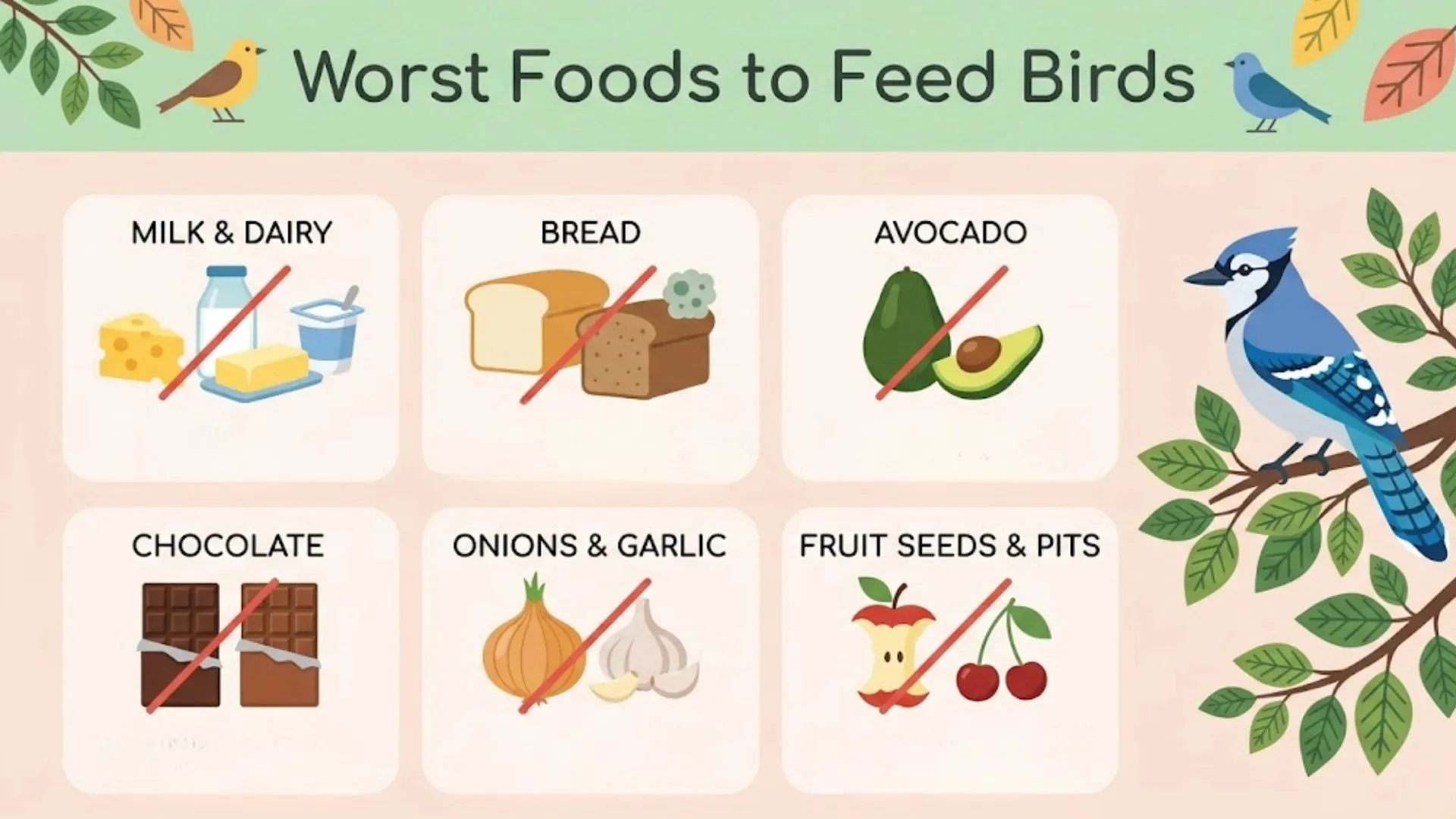
Some of the most common instincts people have, like offering bread or milk, are actually harmful. Baby birds have specific digestive limitations that make certain human foods dangerous.
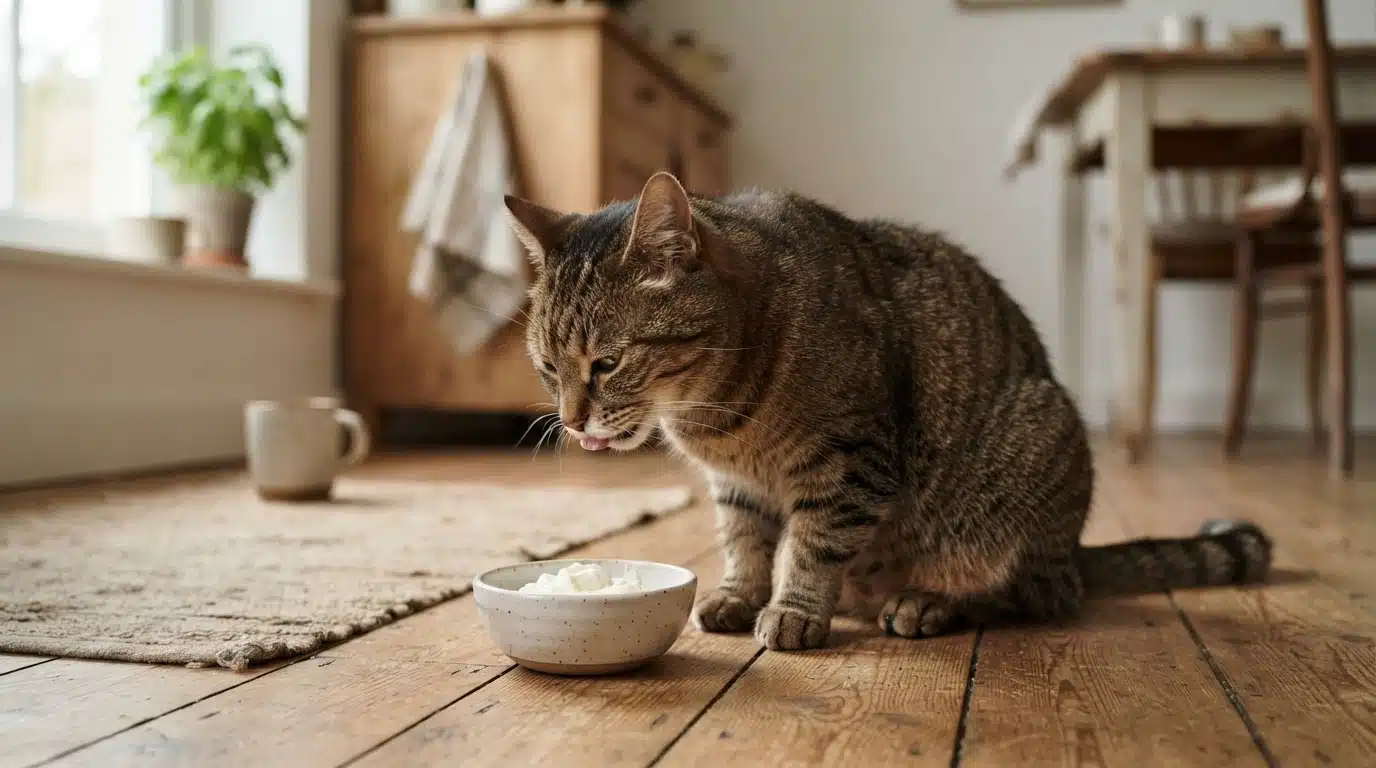
- Milk and dairy: Birds are lactose intolerant. Milk causes digestive distress, diarrhea, and rapid dehydration.
- Bread: Offers almost no protein or nutritional value. Fills the crop without feeding growth.
- Avocado: Contains persin, a compound toxic to most bird species that causes heart and respiratory problems. Even small amounts can be fatal.
- Chocolate: Contains theobromine and caffeine, both of which can cause seizures and heart failure in birds.
- Onions and garlic: Can cause hemolytic anemia with repeated exposure.
- Fruit seeds and pits: Apple, cherry, and peach seeds contain trace cyanide. Remove all seeds before offering any fruit.
- Raw meat: Spoils quickly and can carry dangerous bacteria, including Salmonella. If you must offer protein for a raptor, use fresh raw meat only, no more than a few minutes out of refrigeration.
- Honey: Can carry harmful bacteria and is not appropriate for young birds.
- Seasoned or processed foods: Salt, spices, additives, and preservatives are all harmful. Feed nothing from a packet or can that contains flavoring.
Signs of Overfeeding and Malnutrition in a Bird
Knowing when something is wrong helps you act before it becomes irreversible. Both overfeeding and underfeeding can look similar in a distressed bird.
Overfeeding signs:
- Food leaking from the beak or nostrils after feeding
- The crop remains swollen and doesn’t empty between feeds
- The bird vomits or regurgitates shortly after eating
- Labored breathing after a feeding session
Signs of malnutrition:
- Feathers look sparse, brittle, or discolored
- Legs appear bowed, or bones look soft
- The bird is lethargic and unresponsive to sound or movement
- Weight loss visible even over a short period
When to Call a Wildlife Rehabilitator?
The most useful thing you can do for a baby bird is often a single phone call to a licensed wildlife rehabilitator.
These experts have the necessary knowledge, equipment, and legal permits to properly care for wild birds, giving them the best chance of survival.
You should contact a rehabilitator immediately if the baby bird has a visible injury, is bleeding, or has a broken wing.
Call if it is cold to the touch, featherless, or completely unresponsive.
Even if there are no obvious wounds, seek help if the bird has been in contact with a cat, as their bites can cause serious infections.
Also, contact a professional if the bird has been alone on the ground for more than two hours with no parents returning to feed it.
Simple Ways to Help Baby Birds in Your Garden
Even if you never have to hand-feed a bird, you can do a lot from your own yard to support the birds nesting near you.
- Plant native species: Native trees and shrubs support the insect populations that parent birds depend on. A single native oak can host hundreds of caterpillar species that directly feed nestlings.
- Skip pesticides: Insecticides reduce the food supply for parent birds at exactly the time they need it most.
- Keep cats indoors during nesting season: Outdoor cats are the leading human-related cause of bird deaths in North America.
- Leave fledglings alone: If you see a hopping, feathered bird on the ground with no injuries, the most helpful thing is to watch from a distance and keep pets away.
Conclusion
Baby birds need fast, careful help when something is truly wrong. The best move is to keep the bird warm, reduce handling, and avoid guessing with food.
A tiny amount of mealworms or moistened kibble can only help for a short time, and it should never replace professional care.
If the bird is injured, cold, featherless, or alone too long, call a wildlife rehabilitator right away. That one call can make more of a difference than hours of home feeding.
Always remember that expert care gives them the highest chance of surviving and returning to the wild.
Have you ever cared for a baby bird at home? Share what helped, what did not, and what you wish you had known sooner in the comments below.
Frequently Asked Questions
Can You Feed a Baby Bird Cat Food?
Soaked dry cat food can briefly help insect-eating songbirds. Use it only as a 24-hour emergency option, and avoid canned varieties.
What Do You Do if a Baby Bird Won’t Open its Mouth to Eat?
A baby bird that will not gape may be cold, stressed, or ill. Warm it gently first, then contact a wildlife rehabilitator.
Is it Legal to Keep a Wild Baby Bird?
In the US, most wild birds are protected under the Migratory Bird Treaty Act of 1918. Keeping a wild bird without the appropriate state or federal permit is illegal, even if the bird appears injured or orphaned.