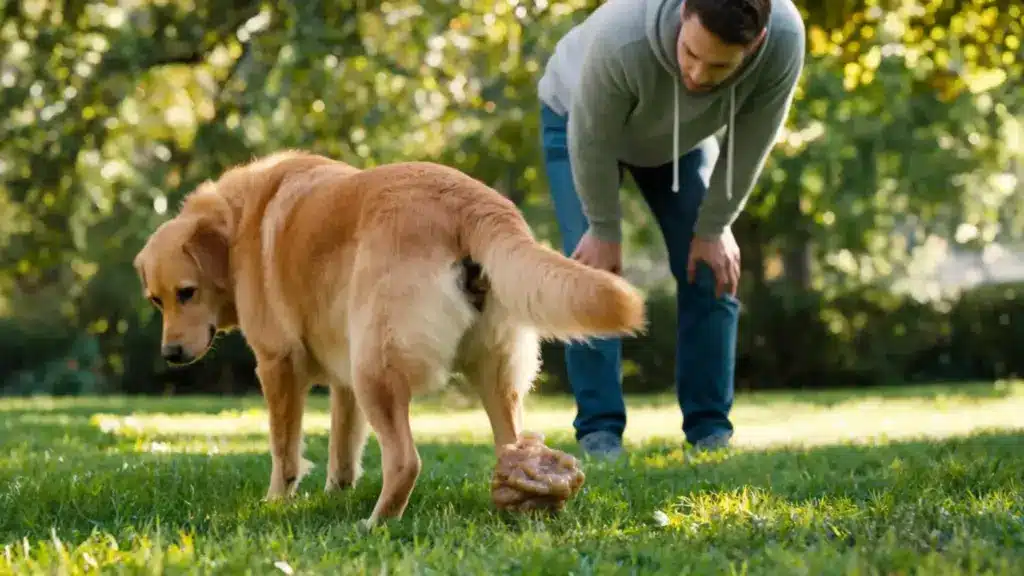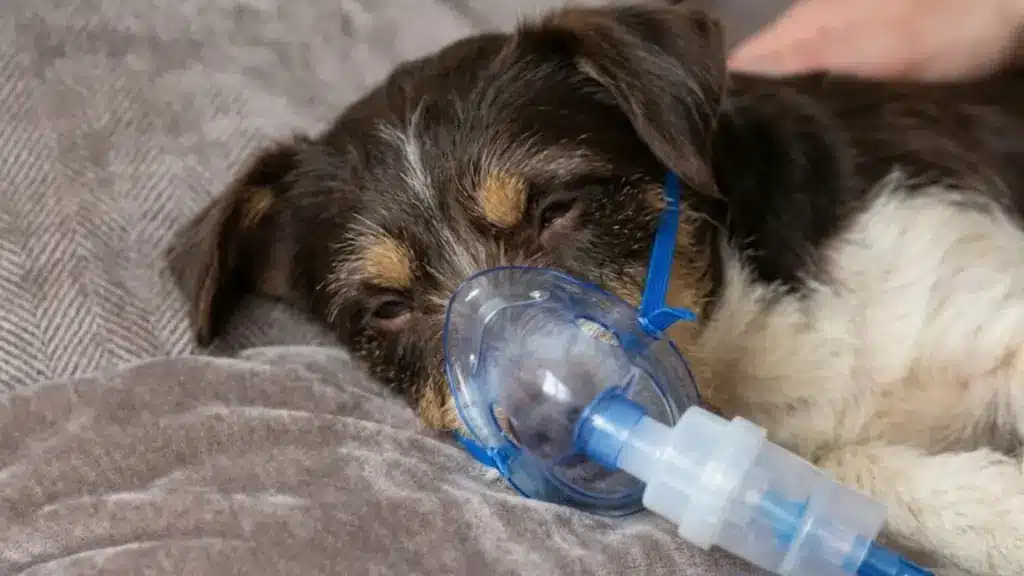
A sudden coughing fit or heavy breathing after a short walk, or a strange wheezing sound that was never there before.
Moments like these can leave any dog owner feeling worried and confused. Many people never stop to ask, Can dogs have asthma, until they notice their own pet struggling to catch a breath.
While asthma is more commonly discussed in humans and cats, dogs can also develop respiratory conditions that look very similar.
Recognizing dog asthma symptoms early can make a huge difference in keeping a pet comfortable and safe.
In this blog, you will learn what causes these breathing issues, which symptoms to watch for, how vets check the problem, what treatment options may help, and when it is time to call a vet before things get worse.
Can Dogs Have Asthma or Another Breathing Issue?
Dogs may have asthma, but vets may not always use that exact word. Many dogs have asthma-like breathing issues that happen when the airways become swollen, tight, or irritated.
True asthma is more common in cats, while dogs are often diagnosed with allergic bronchitis or chronic bronchitis.
These problems can still cause signs that look like asthma, such as coughing, wheezing, and hard breathing.
The name can sound confusing, but the main thing is getting the right vet check. A cough in dogs is not always from asthma.
It can also come from kennel cough, heart disease, tracheal collapse, lung infection, allergies, or heartworm disease.
That is why guessing at home is risky. Once the vet finds the real cause, the treatment plan becomes safer and much clearer.
What Causes Asthma-Like Breathing Issues in Dogs?
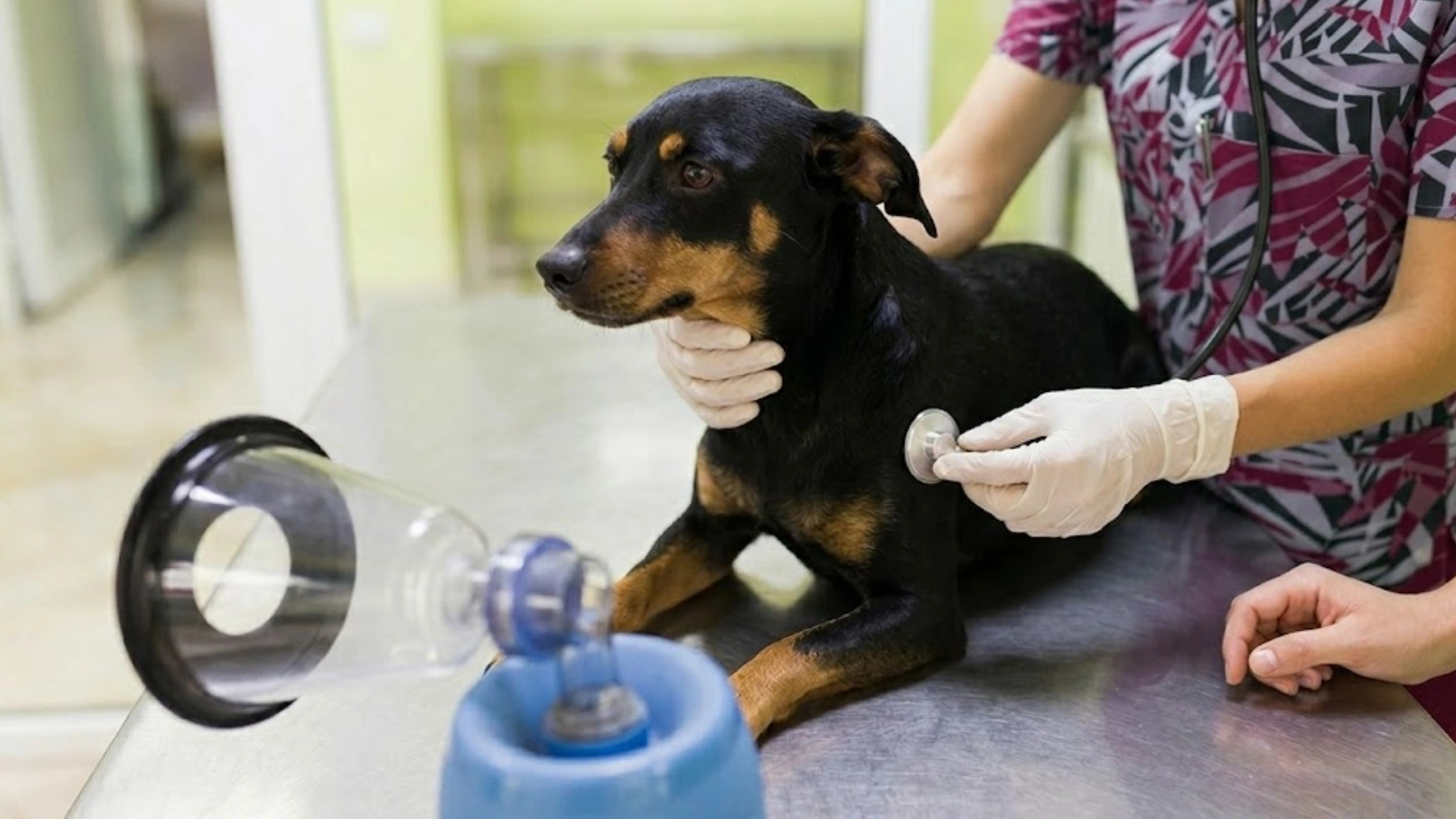
Asthma-like breathing issues in dogs often start when something irritates the airways and makes breathing harder than normal. The most common culprits are environmental, which means many of them are avoidable once you know what to look for.
- Smoke: Cigarette smoke, fireplace smoke, or wildfire smoke can irritate the lungs and trigger coughing, wheezing, or tight breathing.
- Dust: Dust from carpets, bedding, furniture, or dry indoor spaces can bother sensitive airways and make coughing worse.
- Pollen: Seasonal pollen from grass, trees, or weeds can trigger an allergic reaction that makes breathing harder in sensitive dogs.
- Mold: Mold spores in damp rooms, basements, bathrooms, or old bedding can irritate the lungs and cause coughing.
- Perfumes: Strong perfumes can feel harsh to some dogs and may lead to sneezing, coughing, or breathing trouble.
- Cleaning sprays: Strong cleaning sprays can irritate a dog’s airways, especially when used close to their bed or bowl.
- Air fresheners: Plug-ins, scented candles, and room sprays can bother sensitive lungs and may trigger coughing or wheezing.
- Cold air: Cold air can tighten the airways in some dogs, which may lead to coughing or noisy breathing.
- Heavy exercise: Hard running, rough play, or long walks can bring out symptoms when a dog’s airways are already irritated.
Small and middle-aged dogs tend to be diagnosed more often than large breeds, though any dog can develop airway sensitivity.
Dog Asthma Symptoms to Watch for
Dog asthma symptoms can look mild at first, but repeated coughing, noisy breathing, or sudden weakness should never be ignored.
If your dog is showing any of the signs below, consult a licensed veterinarian before drawing conclusions or attempting home treatment.
1. Coughing that Keeps Coming Back
A cough that keeps returning is one of the most common warning signs. It may sound dry, sharp, or harsh, almost like something is stuck in the throat.
Some dogs cough more after exercise because activity can stress irritated airways. Others may cough at night when they are resting, which can make the problem easier to notice.
A one-time cough may not mean much, but repeated coughing needs a vet check, especially when it happens with wheezing, low energy, or breathing trouble.
2. Wheezing or Noisy Breathing
Wheezing can sound like a soft whistle when the dog breathes in or out. It often means air is moving through narrowed or irritated airways.
Some dogs may also sound raspy, tight, or noisy while breathing. This can happen after contact with smoke, dust, pollen, strong smells, or cold air.
Breathing that looks harder than normal is not something to brush off. If the chest or belly works too much with each breath, the dog may need medical care soon.
Labored breathing visible at rest is a sign that the dog may need medical care soon.
3. Fast or Labored Breathing
Fast or labored breathing can be a more serious sign. The dog may breathe quickly while resting, move the belly more than usual, or stretch the neck forward to get more air.
Some dogs cannot settle because they feel uncomfortable or short of breath. This kind of breathing can happen during a flare-up, but it can also point to other health problems.
A dog that struggles to breathe should be seen by a vet quickly, especially if the signs appear suddenly.
4. Low Energy or Exercise Trouble
A dog with airway irritation may not handle activity like normal. Walks may feel harder, and playtime may end sooner than usual.
Some dogs stop during walks, slow down often, or avoid running because breathing feels uncomfortable. Low energy can also show up as sleeping more, acting dull, or losing interest in normal activities.
These signs may look small at first, but they matter when they happen with coughing or wheezing. Exercise trouble often means the lungs or airways need a closer look.
5. Blue or Pale Gums
They are an emergency sign and should never be ignored. They indicate that the dog is not getting enough oxygen.
This can happen during a severe asthma attack when mucus buildup and airway constriction become extreme. If your dog’s gums look blue, purple, or white, get to an emergency vet immediately.
Do not try to hold your dog’s mouth closed or calm them by restraining them, as this can make breathing harder.
What Happens During a Dog Asthma Attack?
During an asthma attack, the small airways in the lungs become inflamed, constrict, and may go into spasm.
This makes it harder and harder for the dog to move air in and out. Attacks can range from mild to severe, and a serious episode can cause permanent lung damage if it goes untreated.
If your dog is having an attack, here’s what to do:
- Stay calm and keep your dog calm. A panicked dog breathes faster, which worsens the attack.
- Move to fresh air. Get your dog away from smoke, dust, sprays, or any trigger that may have caused the episode.
- Never close your dog’s mouth. It may feel instinctive to calm a panting dog this way, but blocking airflow during an attack can be dangerous and may result in a bite from a stressed dog.
- Film the breathing if possible. A short video of your dog’s breathing during an episode gives your vet far more information than a description alone.
- Call your vet or an emergency animal clinic immediately.
Asthma attacks look nearly identical to several other life-threatening conditions, including heart failure and severe pneumonia.
Always treat a bad breathing episode as an emergency until a vet tells you otherwise.
Conditions that Can Look Like Asthma in Dogs
Several health problems cause coughing, wheezing, or breathing trouble in dogs. A vet check is the only way to separate them.
| Condition | Key signs |
|---|---|
| Kennel cough | Dry, hacking cough; contagious; may come with a runny nose |
| Heart disease | Coughing, fatigue, fast breathing, fluid buildup |
| Heartworm disease | Coughing, weakness, weight loss, and breathing changes over time |
| Pneumonia | Cough, fever, low energy, fast breathing, abnormal lung sounds |
| Tracheal collapse | Harsh honking cough, worse with excitement or leash pulling |
| Lung infection | Coughing, mucus, fever, breathing changes |
When Should You Call a Vet?
Call a vet if a cough lasts more than a few days, even if the dog seems normal otherwise.
A cough that keeps hanging around can point to airway irritation, infection, heart trouble, or another issue that needs proper care.
Wheezing is another sign to take seriously, especially if it starts suddenly or happens with coughing. Breathing that looks difficult is more urgent.
This can include fast breathing, belly movement, or a dog that cannot rest comfortably. Low energy also matters.
If a dog seems tired, weak, or less interested in walks and play, the breathing issue may be affecting the body more than it seems.
Symptoms that get worse at night or after exercise should be checked too. Blue gums, collapse, or severe breathing trouble are emergency signs and need fast vet help.
How Vets Diagnose Asthma-Like Problems in Dogs?
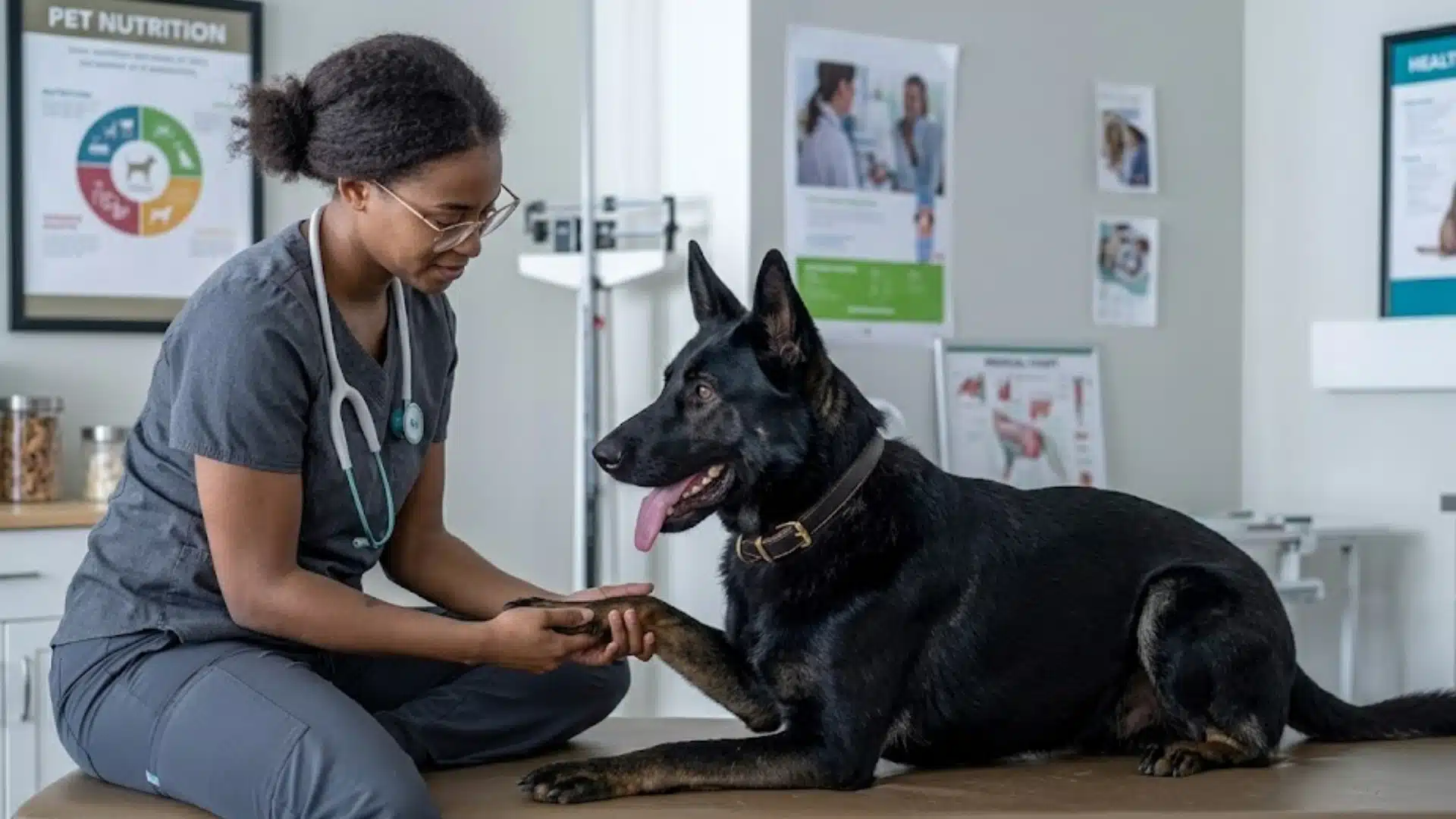
Vets look at the full picture, not just one symptom. The exam usually starts with checking the dog’s breathing, gum color, energy level, and overall condition, followed by listening to the chest for wheezing, crackling, or other unusual sounds.
From there, the vet may use:
- Chest X-rays to check for airway changes, lung issues, or heart size
- Blood tests to look for infection, inflammation, or other problems
- Heartworm test, since heartworm disease can mimic asthma symptoms
- Airway sample in some cases, to check for cells, mucus, or infection
- Allergy testing to identify specific environmental triggers, which can help build a prevention plan
The dog’s history matters a lot here. Telling your vet about trigger exposures, when symptoms started, and whether they happen at certain times of year helps narrow things down faster.
How to Treat Asthma in Dogs?
Treatment for asthma-like breathing problems should always come from a vet, because the wrong medicine can make breathing issues worse.
Medications That are Commonly Used:
- Corticosteroids: These help reduce airway swelling and irritation, which can make coughing and tight breathing easier to manage.
- Bronchodilators: These help open narrowed airways. A vet may use options like albuterol sulfate when it fits the dog’s case.
- Inhalers: Some dogs use inhalers with dog-specific masks, so the medicine reaches the lungs more directly.
- Nebulizer treatments: These turn medicine or saline into a fine mist, which may help soothe irritated airways.
The right treatment depends on the dog’s symptoms, test results, and trigger history. Never give human asthma medicine without vet approval, even during a flare-up.
Can Dog Asthma Be Cured?
Dog asthma is usually managed, not fully cured. Chronic airway problems can make the lungs and breathing tubes sensitive over time, so the goal is to reduce flare-ups and help the dog breathe better.
Some dogs improve a lot when they get the right treatment and stay away from triggers like smoke, dust, pollen, mold, or strong scents.
Medicine may also help control swelling in the airways and ease coughing or wheezing. Even with good care, flare-ups can still happen.
A dog may have quiet weeks, then start coughing again after contact with a trigger or during allergy season.
Regular vet follow-ups help track symptoms and adjust the plan when needed. With steady care, many dogs can live comfortably and stay active without constant breathing trouble.
Conclusion
Dogs can have asthma-like breathing problems, but many cases can be managed with the right care. The main signs include coughing, wheezing, noisy breathing, low energy, and trouble after exercise.
The blog also covered common triggers like smoke, dust, pollen, mold, perfumes, sprays, cold air, and heavy activity.
It also explained how vets may check the chest, use X-rays, run tests, and look at a dog’s history before choosing treatment.
So, can dogs have asthma? Yes, but the exact cause should always be checked by a vet instead of being guessed at home.
Some dogs may need medicine, inhalers, fewer triggers, or regular follow-ups to stay comfortable. If you notice coughing, wheezing, or hard breathing, a vet visit is the safest next step.
What symptoms have you noticed in your dog? Share your thoughts in the comments.
Frequently Asked Questions
Can Puppies Get Asthma-Like Breathing Problems?
Yes, puppies can have breathing problems, but asthma-like issues are less common in young dogs than in adult dogs. A puppy may cough or wheeze because of infection, parasites, allergies, or airway irritation. Since puppies can get worse fast, any repeated cough or breathing change should be checked by a vet.
Are Some Dog Breeds More Likely to Have Breathing Trouble?
Yes, some breeds can have breathing problems more often because of their face shape, airway structure, or body type. Flat-faced breeds like Bulldogs, Pugs, and French Bulldogs may struggle more with airflow. Small breeds can also have airway issues that may look like asthma symptoms.
Is Dog Asthma Contagious to Other Pets?
No, asthma itself is not contagious. A dog cannot pass asthma to another dog or cat. However, some illnesses that look like asthma, such as kennel cough or certain infections, can spread between pets. This is why a vet check helps separate asthma-like problems from contagious conditions.