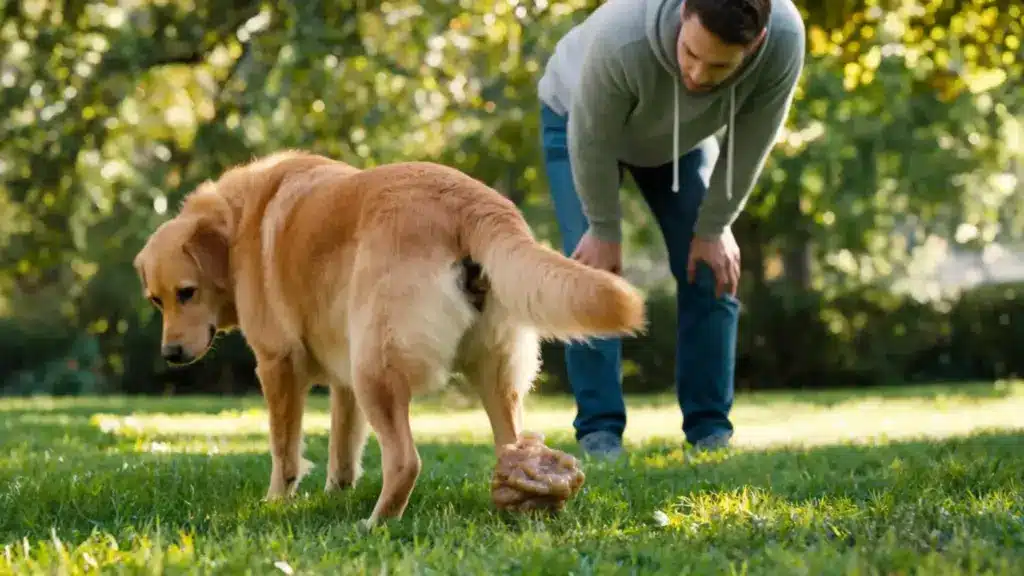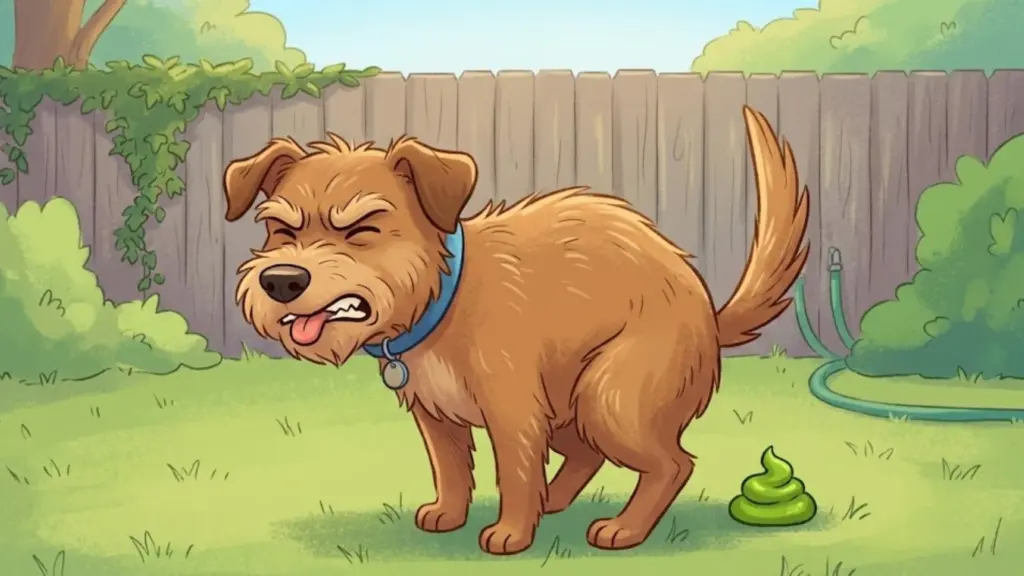
Green dog poop can catch any dog owner off guard, especially when it appears suddenly. While it may look unusual, this color change does not always indicate a serious problem.
In many cases, green dog poop is linked to simple causes, such as eating grass or recent dietary changes.
However, it can also point to underlying issues such as parasites, digestive imbalance, or even toxin exposure. Understanding what green dog poop means helps dog owners respond calmly and correctly.
This guide walks through the most common causes, how to tell when it’s an emergency, and what you can do right now at home.
Why is My Dog’s Poop Green?
Normal dog poop is chocolate brown, firm but not hard, and roughly log-shaped. It should hold its form when picked up, but not crumble.
On the other hand, green dog poop is usually a sign that something has changed in your dog’s diet or digestion. The color can range from light green to dark green, and in some cases may appear bright or mixed with mucus.
In most cases, this happens for two main reasons: your dog ate something that affects stool color, or their digestive system is not properly processing bile. Bile is produced in the liver and stored in the gallbladder.
It is naturally yellow-green before it enters the small intestine. During normal digestion, gut bacteria convert bile into compounds that turn stool brown.
When digestion moves too fast or the gut is irritated, the conversion does not complete, and the stool stays green.
When digestion moves too quickly or the gut is irritated, bile does not fully break down, which causes the stool to remain green. A quick way to understand what different shades of green dog poop might indicate.
Lighter shades are often linked to harmless causes, while darker tones can point to digestive changes. Very bright or neon green may signal a more serious condition.
Main Causes Behind Green Dog Poop
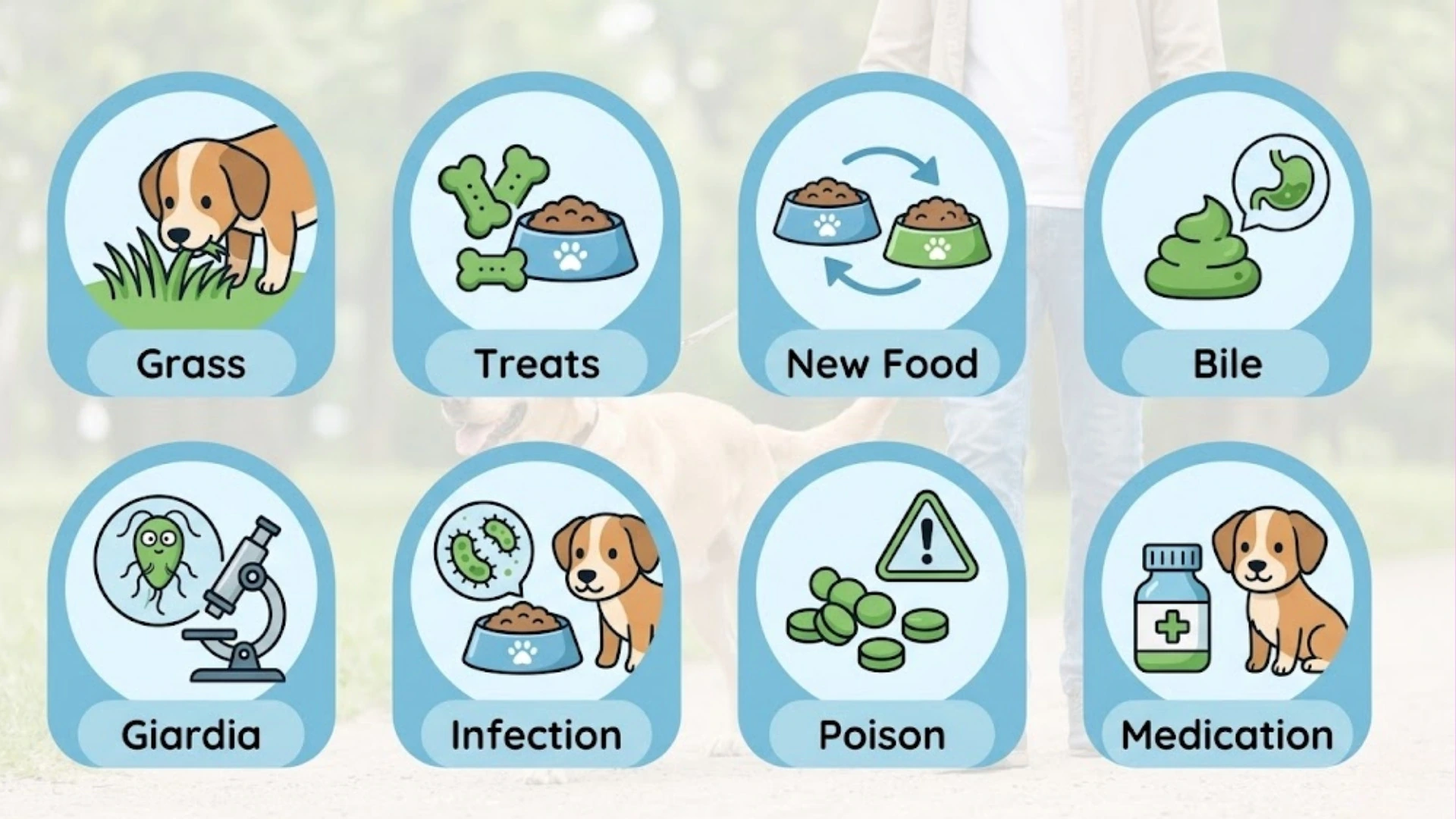
Green dog poop can stem from a simple dietary quirk or point to a more serious health concern. Here are the eight most common causes, ranked roughly from least to most serious.
1. Eating Grass or Plants
Dogs often eat grass, and the chlorophyll in plants can turn stool green. Occasional grass eating is common and usually harmless.
However, frequent or compulsive grazing may point to a lack of fiber, boredom, or an underlying nutritional imbalance. Some dogs develop this habit when their diet does not fully satisfy their needs.
If green stool follows grass eating and your dog is otherwise acting normally, monitor for 24 to 48 hours. Repeated daily grazing paired with green stool is worth a diet review and a vet conversation.
2. Green Treats or Food Coloring
Many commercial dog treats contain artificial coloring, especially dental chews or flavored snacks.
These dyes often pass through digestion without breaking down, which can leave a noticeable green tint in the stool. This is one of the easiest causes to identify and usually does not indicate a health problem.
This is one of the easiest causes to identify. If your dog had green-colored treats in the last day or two, the stool change is almost certainly temporary.
Checking ingredient labels and limiting artificially colored treats can prevent this pattern from repeating.
3. Diet Change or New Food
A sudden switch in dog food can upset the digestive system and lead to changes in stool color and consistency.
When the gut is not given enough time to adjust, digestion may speed up, preventing proper bile breakdown, and can result in green stool.
Gradual transitions over seven to ten days help the digestive system adapt and reduce the risk of upset. If green poop appears after introducing new food, it is often temporary.
Persistent issues may suggest the new diet does not suit your dog.
4. Fast Digestion or Bile Imbalance
Bile naturally starts as a yellow-green fluid and darkens as food moves through the digestive tract. When digestion moves too quickly, bile does not fully break down, leaving a green tint in the stool.
This can occur due to stress, mild gut irritation, or conditions like colitis and gastroenteritis.
Gallbladder or biliary issues can also interfere with bile processing. Dogs with these conditions may show reduced appetite or abdominal tenderness alongside green stool.
A stool linked to a bile imbalance is often soft or loose. If this pattern continues beyond a couple of days, it needs a closer look.
5. Parasites Like Giardia
Parasites are one of the more serious causes of green stool, especially when it appears watery, foul-smelling, or mixed with mucus.
Giardia is one of the most common parasites linked to this issue. Dogs can pick it up from contaminated water, soil, or infected feces.
Along with green stool, symptoms may include diarrhea, weight loss, or low energy. A stool test is needed to confirm Giardia.
Knowing what parasites live in dog stool can help you understand what your vet is screening for and why timely treatment matters.
Since some parasites can spread to humans, proper hygiene is important. If this cause is suspected, a stool test and timely treatment are necessary to prevent further complications.
6. Bacterial Infections
Bacterial infections caused by organisms like Salmonella or E. coli can produce green, slimy, or blood-streaked stool.
These typically come with other symptoms, such as fever, vomiting, sudden lethargy, or complete loss of appetite. Exposure usually happens through contaminated food, standing water, or infected animal feces.
Bacterial infections generally need veterinary treatment. They do not resolve reliably on their own, and some strains can spread to humans.
7. Toxic Substances or Poison
Bright or neon green stool can sometimes signal exposure to rodent poison or snail bait, both of which are often dyed green.
This is a medical emergency, even if your dog seems fine at first. Some toxins take hours before visible symptoms appear, but internal damage is already occurring.
In practice, I have seen dogs arrive looking perfectly alert after ingesting rodenticide, and that appearance is deceiving.
If there is any realistic chance your dog accessed a rodent bait station, do not wait for symptoms. Contact a vet or a pet poison helpline immediately.
8. Medications, Antibiotics, and Chronic Digestive Conditions
Certain medications can affect digestion and change stool color. Antibiotics, in particular, alter the balance of gut bacteria, which impacts how bile is processed.
Other medications may speed up or slow down gut transit, leading to temporary green-tinged stool.
If green stool appears shortly after starting a new medication, it may be related. Do not stop the medication without speaking to your vet first, but do flag the change at your next check-in.
Long-term digestive conditions such as inflammatory bowel disease can also cause recurring green stool. Dogs with IBD may also show weight loss, poor coat condition, and inconsistent appetite.
Unlike temporary causes, these conditions tend to return if not properly managed.
At Home Care for Green Dog Poop
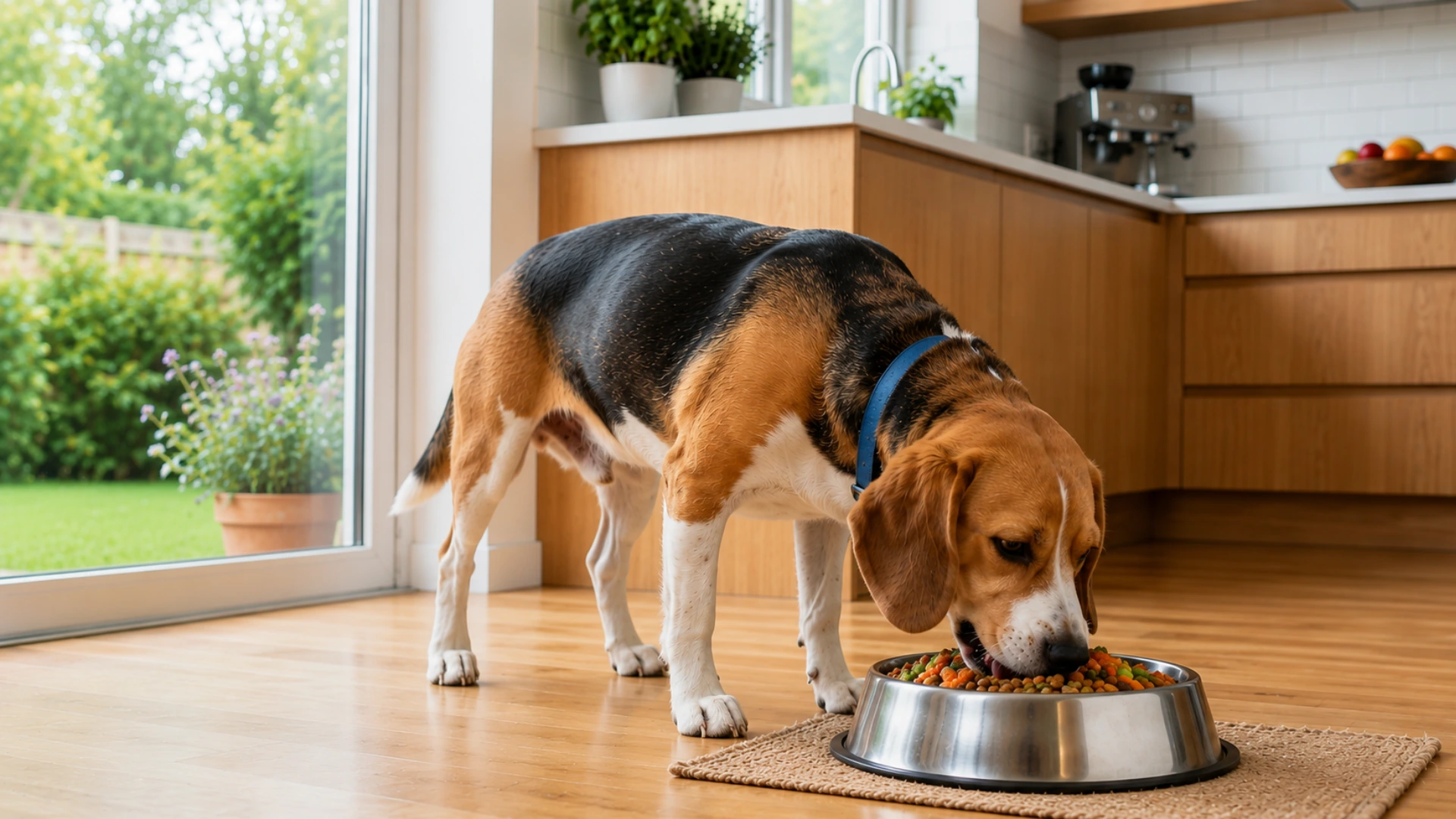
Mild cases of green dog poop often resolve without medical treatment. Quick observation and small adjustments can help the digestive system settle. The goal is to identify possible triggers and support normal digestion while monitoring for any worsening signs.
- Monitor for 24 to 48 hours: Watch stool color and consistency to see whether it returns to normal on its own. A single episode with no other symptoms is usually not cause for concern.
- Review recent diet changes: Think about any new food, treats, or table scraps introduced in the last few days. Even small changes can affect digestion and lead to noticeable stool color shifts.
- Limit access to grass and outdoor materials: Prevent further ingestion of plants, mulch, or unknown substances.
- Try a bland diet for dogs temporarily: Boiled chicken and plain white rice are easy to digest and can help calm an irritated gut while you monitor for improvement.
- Ensure proper hydration: Boiled chicken and plain white rice can help calm the digestive system. This type of food is easy to digest and supports gut recovery.
- Avoid sudden food switches: Keep meals consistent to prevent further digestive upset. Gradual transitions are always safer for maintaining gut balance.
- Consider a probiotic: Probiotics can help restore the balance of gut bacteria disrupted by diet changes, antibiotic use, or mild digestive upset. Options include powder, chew, or capsule formats designed specifically for dogs. Check with your vet if you are unsure which to use.
When to See a Vet for Green Dog Poop?
A vet visit is warranted when the color change lasts more than 48 hours, when stool is loose or mucus-covered, or when there is any possibility your dog accessed a toxic substance.
Puppies and senior dogs deserve extra caution, as they both have less physiological reserve and can decline faster than healthy adult dogs.
If you are seeing vomiting alongside green stool, do not wait out the 48-hour window; contact your vet the same day.
Other symptoms that warrant prompt attention include: severe or bloody diarrhea, signs of abdominal pain, refusal to eat for more than 24 hours, visible lethargy or weakness, or any behavior that feels “off” to you as the owner.
You know your dog. Trust that instinct.
At the clinic, vets typically start with a stool examination to check for parasites and infections. A fecal float test is commonly used to detect Giardia and other organisms.
Blood work helps evaluate internal organ function and flag systemic issues. Imaging, such as X-rays or ultrasound, may follow if an obstruction or organ problem is suspected.
Prevention Tips to Avoid Green Dog Poop
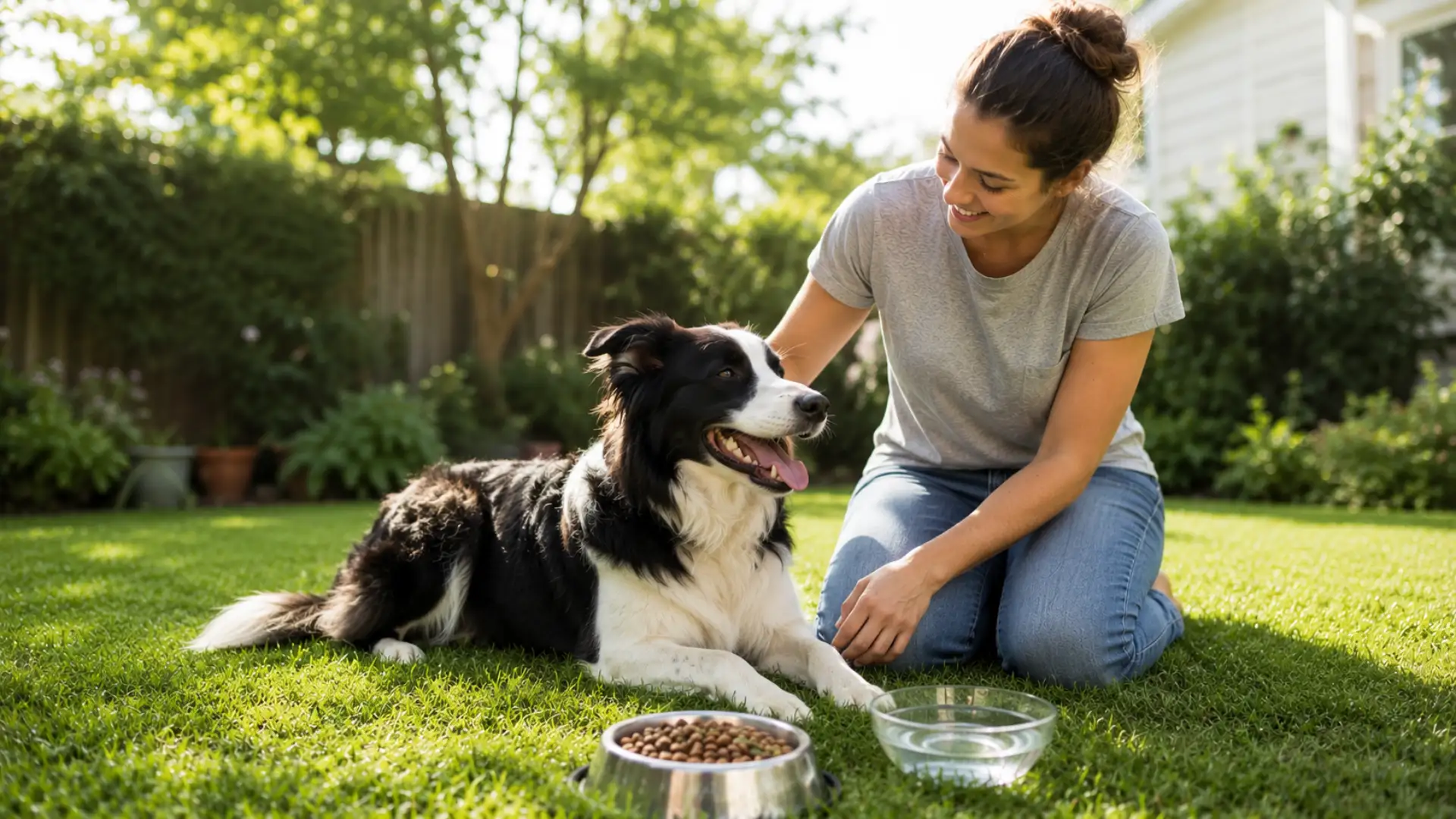
Preventing green dog poop is mostly about consistency, awareness, and maintaining healthy daily habits . Sudden changes in diet, exposure to harmful substances, or lack of supervision outdoors can all lead to digestive upset.
- Maintain a consistent diet to reduce the chances of green dog poop
- Introduce new food gradually over several days
- Keep your yard free from chemicals, toxins, and harmful substances
- Follow a regular deworming schedule recommended by your vet
- Supervise outdoor activity to limit excessive grass eating
- Provide balanced, high-quality nutrition to support digestion
If your dog regularly chooses treats over regular meals, it may signal an underlying dietary imbalance worth addressing with your vet. An unbalanced diet can affect stool consistency and color over time.
Common Mistakes Dog Owners Make
Misreading the signs or delaying action can turn a minor issue into a bigger. Understanding these common errors helps dog owners respond more effectively and protect their dog’s overall well-being.
| Mistake | What Happens | Why It Matters |
|---|---|---|
| Ignoring repeated green dog poop | Owners assume it will resolve on its own | Frequent changes may signal an underlying issue that needs attention |
| Switching food too quickly | Sudden diet changes upset digestion | Can trigger or worsen green dog poop instead of improving it |
| Assuming grass eating is always harmless | Dogs may consume excessive grass | Can lead to repeated green dog poop and indicate discomfort or imbalance |
| Delaying veterinary care | Symptoms are ignored or monitored for too long | Conditions may worsen, especially if green dog poop appears with vomiting or lethargy |
| Stopping medication without advice | The owner links green stool to antibiotic use and stops the course early | Incomplete antibiotic courses can create resistance and worsen the underlying infection |
Conclusion
Green dog poop can range from a harmless, short-term change to a sign of a more serious health concern.
The key is careful observation and timely response. If green dog poop appears once and your dog behaves normally, simple monitoring is often enough.
However, if the condition persists or is accompanied by symptoms such as vomiting or low energy, seeking veterinary advice is important.
Staying aware of changes in your dog’s stool, eating habits, and behavior helps prevent small issues from becoming bigger problems. Acting early ensures better outcomes and keeps your dog healthy and comfortable.
If you are unsure whether what you are seeing warrants a vet visit, err on the side of caution. A brief phone consultation can save a lot of anxiety, and sometimes a lot worse.
Frequently Asked Questions
Can Puppies Get Green Dog Poop More Easily Than Adult Dogs?
Yes, puppies are more likely to develop green dog poop because their digestive systems are still developing. Puppies are also more likely to pick up parasites such as Giardia from contaminated environments, which can lead to green diarrhea and dehydration much faster than in adult dogs.
Can Certain Dog Breeds Be More Sensitive to Green Stool?
Yes, dogs with sensitive stomachs or breeds prone to digestive issues may react more strongly to small diet changes or rich treats. Breeds with delicate digestion can show stool color changes more quickly than others.
Does Exercise Affect the Color of Dog Poop?
Heavy activity or excitement can sometimes speed up digestion in dogs. Faster digestion may reduce the time bile has to break down fully, which can occasionally lead to a greenish stool appearance.