

One of the hardest parts of being a cat owner is watching a terrified or uncomfortable cat and not knowing how to help.
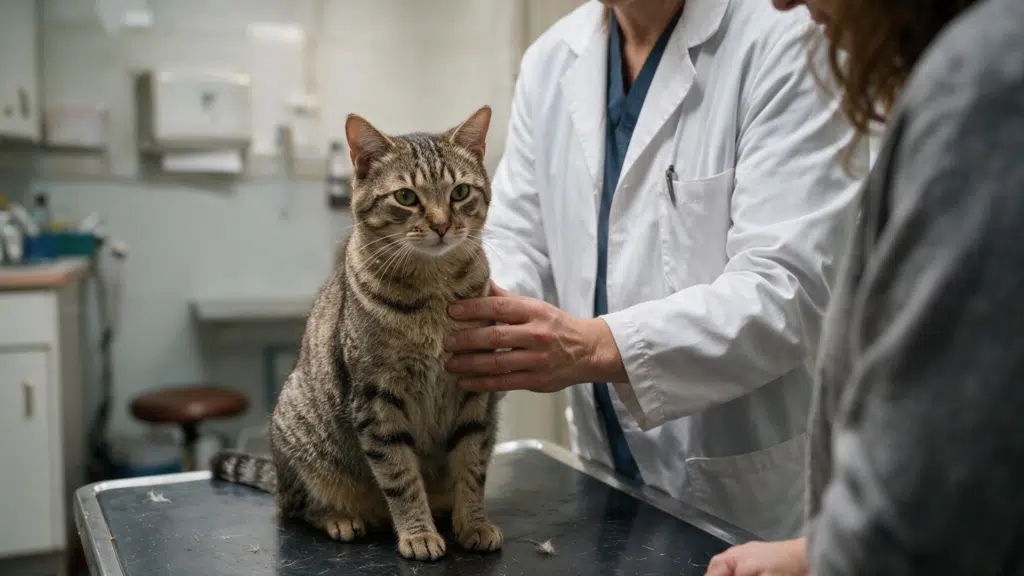
Maybe the carrier comes out, and suddenly the hiding starts. Maybe a simple vet visit turns into scratching, panic, or hours of stress for both of you.
That is exactly why so many pet owners start searching for answers about gabapentin for cats. At first, the idea of giving a calming medication can feel scary.
Many owners worry about side effects, personality changes, or whether their cat will even tolerate it.
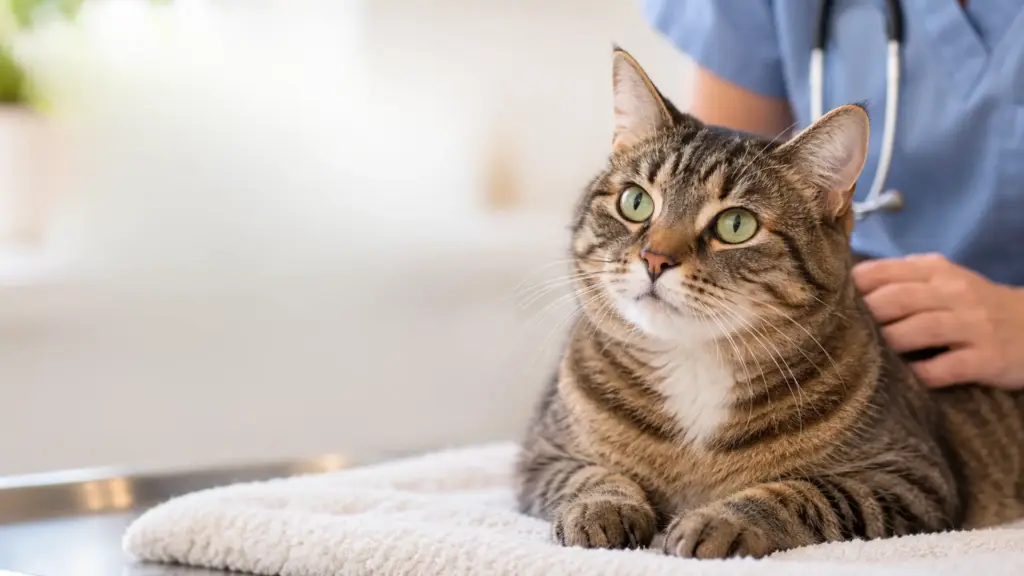
Then comes the surprise moment when a usually anxious cat finally relaxes enough to travel comfortably, sleep peacefully, or get through a vet appointment without fear.
Understanding how gabapentin for cats actually works can make those stressful moments feel far less overwhelming for both you and your pet.
What is Gabapentin and Why Do Vets Use It for Cats?
Gabapentin is a prescription medication originally developed to treat seizures and nerve pain in humans.
Veterinarians now prescribe it off-label for cats to manage anxiety, chronic pain, and seizures
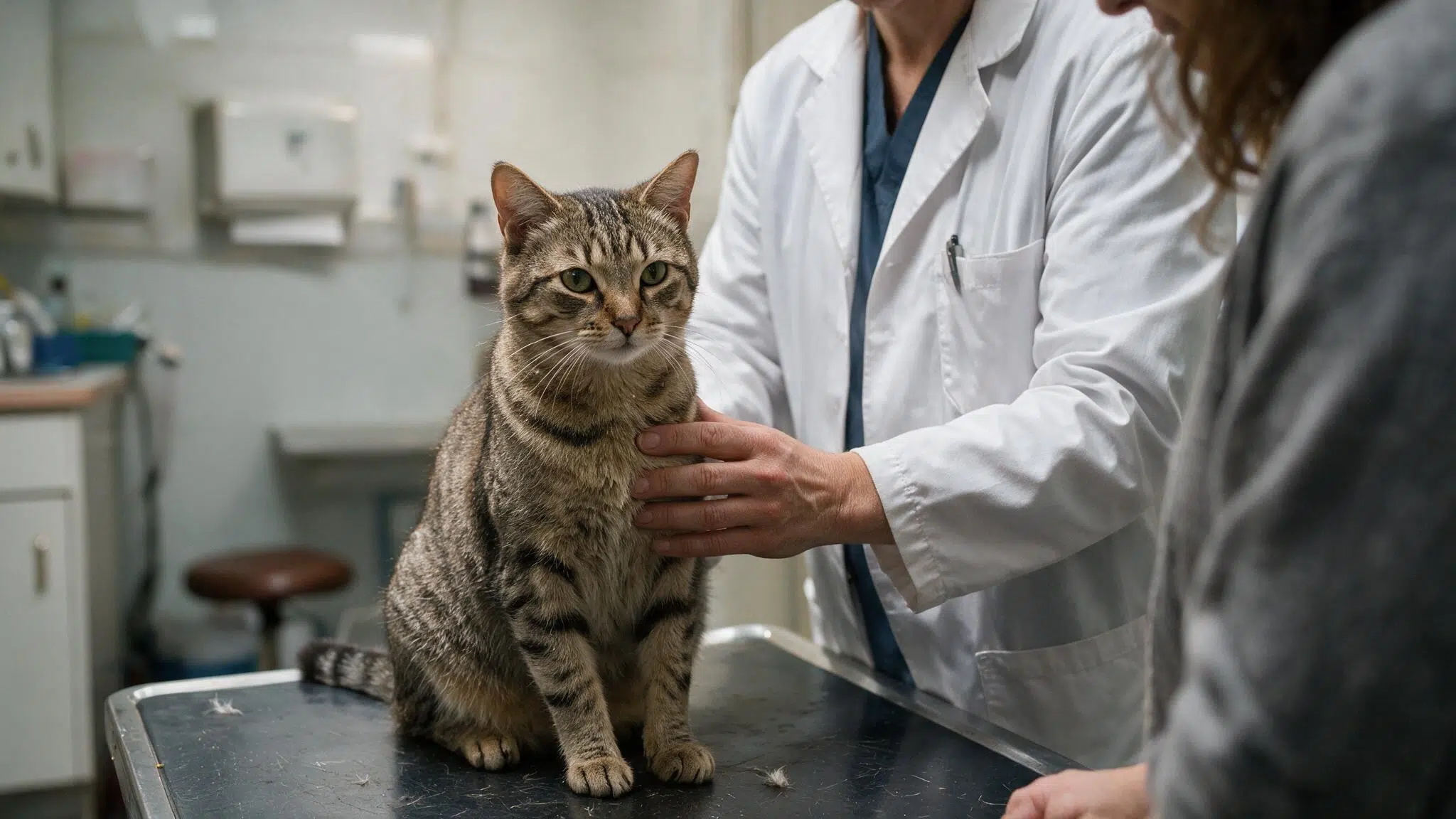
Many cats receive gabapentin before vet visits, grooming appointments, travel, or medical procedures because it helps reduce fear, stress, and aggressive behavior.
Vets also prescribe it for older cats with arthritis or chronic pain, as it can improve comfort and mobility.
The medication works by reducing calcium flow into nerve cells, which lowers the release of neurotransmitters responsible for pain and fear responses. The result is a calmer, more manageable cat.
Gabapentin is not FDA-approved for use in cats, but it has a well-established off-label track record in feline medicine.
Most cat owners notice their cats become easier to handle after taking it. That said, reactions vary quite a bit depending on the cat’s age, size, health, and how wired they are to begin with.
If you are trying to figure out whether your cat’s stress is the right kind for gabapentin to help with, it is worth reviewing the signs of anxiety in cats before your next vet conversation
What Gabapentin Actually Treats in Cats?
Gabapentin is used in cats to treat several conditions related to pain, anxiety, and stress.
One of its most common uses is calming anxious cats before vet visits, grooming sessions, travel, or other stressful situations.
Many veterinarians prescribe it because it helps nervous or aggressive cats relax, making handling much safer and less traumatic.
Gabapentin is also widely used for pain management, especially in older cats with arthritis, joint pain, nerve pain, or injuries.
After surgery or dental procedures, vets may give gabapentin to reduce discomfort during recovery.
In some cases, it is used alongside other medications to help manage cat seizures or chronic pain conditions. The medication does not cure these problems, but it can make cats feel more comfortable and less stressed.
Since every cat reacts differently, vets adjust the dosage based on the cat’s weight, age, overall health, and the condition being treated.
Real Cat Owner Experiences With Gabapentin
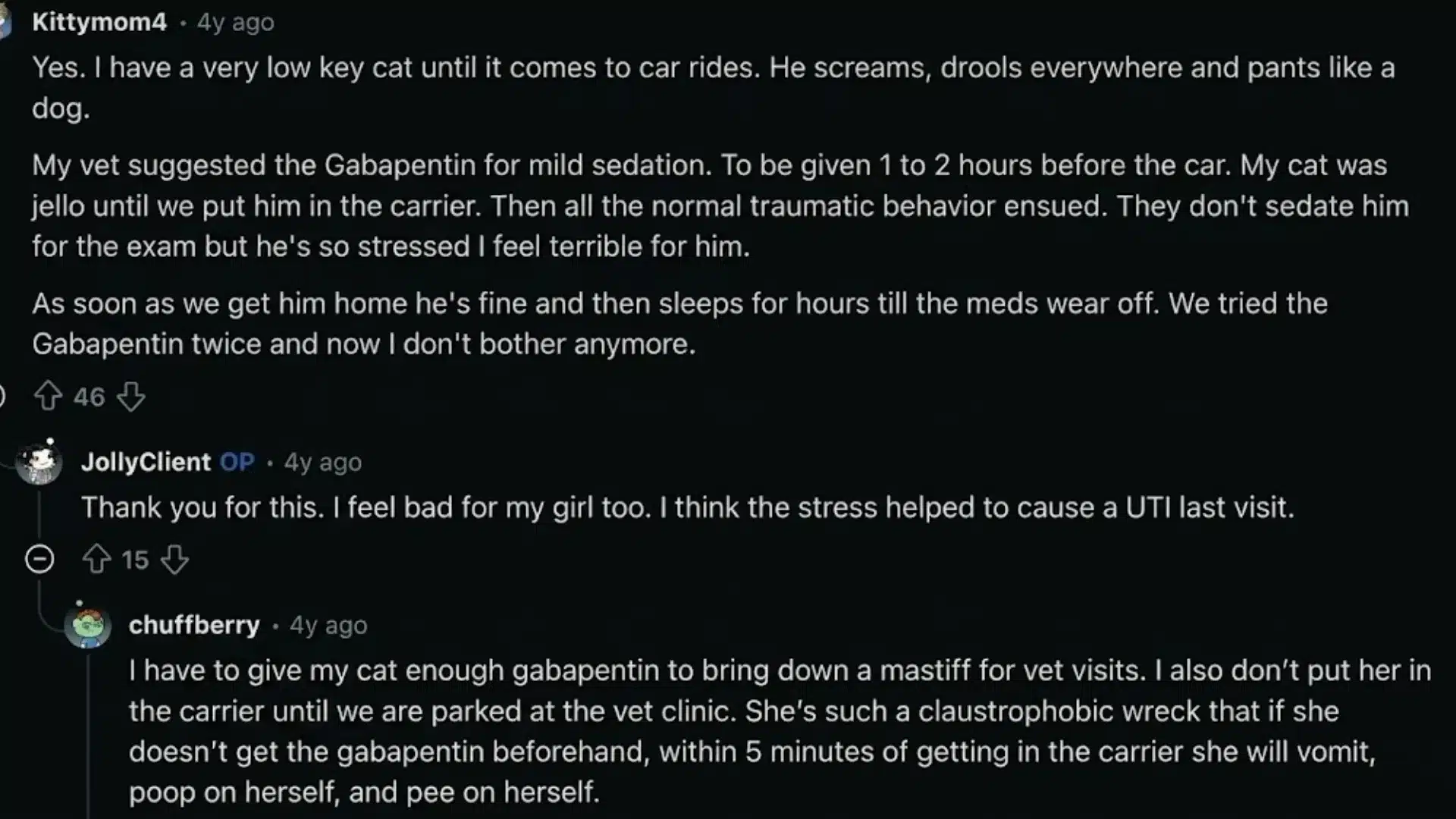
Many Reddit users shared similar experiences with gabapentin for anxious cats during vet visits.
Several cat owners said the medication made their cats sleepy and calm at home, but the stress of the carrier ride or the vet clinic seemed to overpower the effects.
Some described cats becoming alert and reactive the moment they arrived at the appointment.
Others mentioned that adjusting the dosage or giving an additional dose the night before helped improve results.
A few owners also combined gabapentin with calming treats, pheromone sprays, or alternative medications recommended by vets.
While many users reported smoother vet visits overall, some felt the medication caused excessive drowsiness or confusion in senior cats.
The common takeaway from Reddit discussions is that gabapentin works differently for every cat, and finding the right timing and dosage often requires trial and adjustment with veterinary guidance.
How to Give Gabapentin to Your Cat?
The standard commercial form is a 100 mg capsule, which is often more than most cats need per dose.
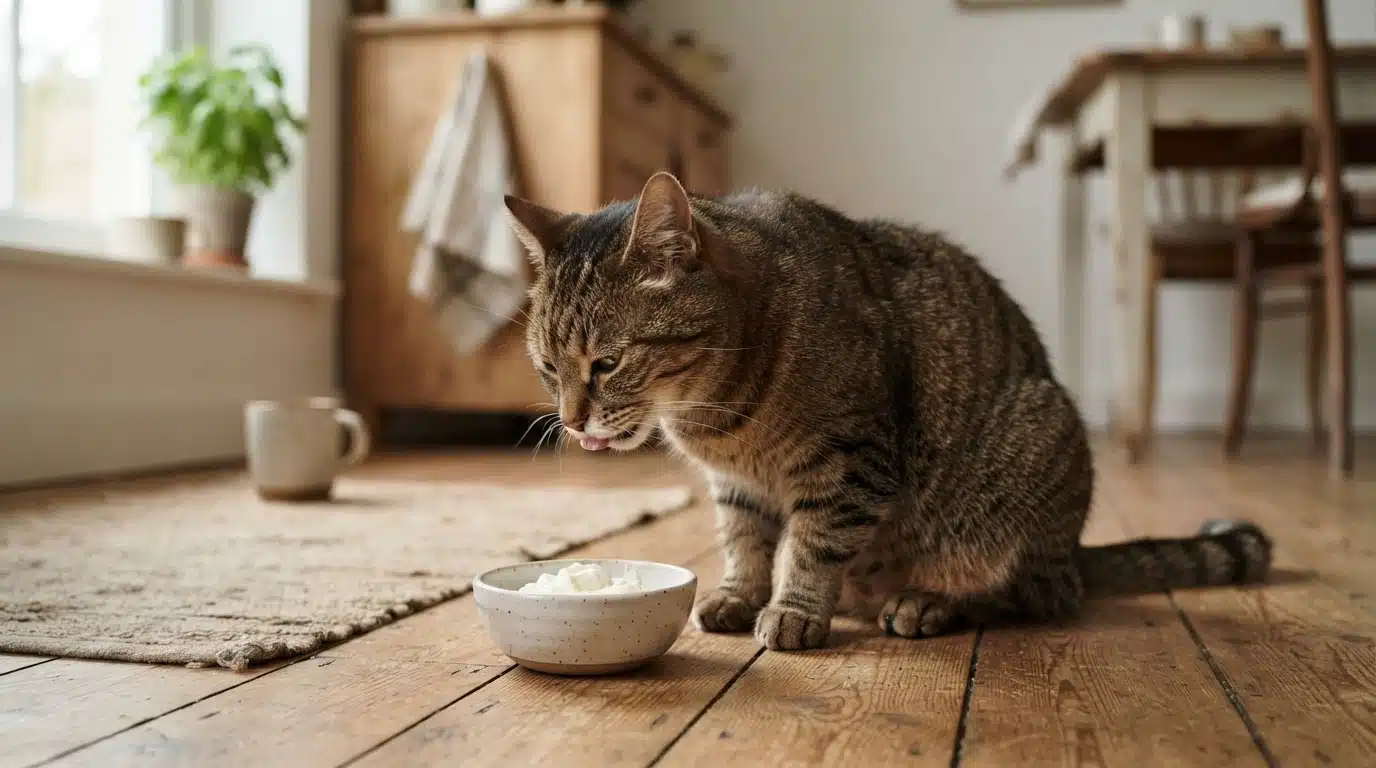
Most vets will have you open the capsule and mix a measured portion of the powder into a small amount of strong-tasting wet food.
Tuna-flavored anything tends to work well. The powder has a slightly bitter taste that most cats won’t notice once it’s hidden properly.
For anxiety-related use, give the dose 2-3 hours before the stressful event.
Some vets will recommend a second dose the night before for cats with particularly severe anxiety. For daily pain management, dosing usually runs every 8-12 hours.
Your vet will give you exact amounts based on your cat’s weight and what’s being treated.
If capsules are hard to manage, ask about compounding. A compounding pharmacy can prepare gabapentin in a smaller custom dose, as a flavored liquid, or as a transdermal gel you apply to the inner flap of the ear.
One thing, I suggest to check if you’re using a human liquid formulation: verify it’s xylitol-free. Some commercial gabapentin liquids contain it as a sweetener.
Common Gabapentin Side Effects in Cats
Most cats tolerate gabapentin well, especially when it is given under veterinary guidance. Still, many cat owners notice temporary behavioral or physical changes after the first dose.
- Sleepiness: The most commonly reported side effect. Many cats become extra sleepy, nap longer than usual, or appear less interested in activity after taking gabapentin.
- Wobbliness: Some cats struggle with balance and may walk slowly, stumble slightly, or appear unsteady on their feet while the medication is active.
- Glassy Eyes: Owners often notice dilated pupils or a dazed expression, especially during the peak calming effect of the medication.
- Low Energy: Active cats may suddenly act quiet, withdrawn, or uninterested in playing for several hours after taking the dose.
- Drooling or Foaming: A bitter taste from liquid gabapentin or opened capsules can cause excessive drooling, foaming at the mouth, or lip smacking.
- Mild Confusion: Some cats temporarily seem disoriented and may stare at walls, hide more than usual, or react slowly to movement and sounds.
- Reduced Appetite: Certain cats eat less while the medication is active, although appetite typically returns once the effects wear off.
When Gabapentin is not the Right Answer?
Gabapentin is genuinely effective for nerve-related and chronic pain, but it doesn’t support it for sudden, acute pain like a bite wound or fresh surgical soreness.
For cats dealing with acute injuries and limping, gabapentin may play a supporting role, but your vet will likely combine it with an anti-inflammatory.
It’s also not a standalone long-term solution for cats with ongoing anxiety disorders.
For that, environmental enrichment, behavioral therapy, and in some cases SSRIs or buspirone are more appropriate treatments.
Gabapentin is excellent at handling predictable stressful moments. It doesn’t resolve the underlying fear response on its own over time.
For cats who’ve been on daily gabapentin for weeks or longer, stopping it suddenly is a real risk.
Abrupt discontinuation can trigger seizures, even in cats not originally treated for them. If it’s time to stop, your vet will put together a gradual taper schedule to bring the dose down safely.
Tips from Cat Owners that Actually Helped
From hiding the medication properly to creating a calmer environment, simple adjustments often helped reduce stress for both the cat and the owner.
- Use Strong-Smelling Wet Food: Tuna, salmon, or gravy-style cat food helped hide the bitter taste better than dry treats or plain food.
- Do a Trial Run First: Many owners recommend testing gabapentin on a quiet day before an important vet visit or trip to see how the cat reacts. I echo this strongly.
- Keep the Environment Quiet: Lowering noise, dimming lights, and avoiding sudden movement helped anxious cats stay calmer while the medication kicked in.
- Prepare the Carrier Early: Leaving the carrier open with familiar blankets or treats reduced panic compared to bringing it out at the last minute.
- Monitor Walking and Jumping: Cats can become wobbly after taking gabapentin, so owners often block stairs or high furniture temporarily to prevent falls.
- Stay Calm Yourself: Several owners noticed their cats reacted better when they spoke softly and avoided acting nervous during the process.
Conclusion
Using gabapentin for cats can feel stressful at first, especially when seeing unusual behavior like wobbliness, extra sleepiness, or confusion after the first dose.
Still, many cat owners say the medication made vet visits, travel, grooming, and pain management much easier for both them and their cats.
The key is understanding what to expect, following your vet’s instructions carefully, and giving your cat time to adjust.
Every cat reacts differently, so patience and close observation matter.
For some cats, gabapentin becomes a helpful tool that improves comfort and reduces fear during difficult situations.
Have you used gabapentin for your cat before? Share your experience, advice, or concerns in the comments below to help other cat owners feel more prepared.
Frequently Asked Questions
How Quickly Does Gabapentin Make Cats Sleepy?
Gabapentin usually starts making cats sleepy within 1 to 2 hours after dosing. Many vets recommend giving it before stressful events, so the calming effects have enough time to develop.
How Long Does it Take for Gabapentin to Kick In?
For most cats, gabapentin begins working within 1 to 3 hours. The timing can vary depending on the cat’s weight, metabolism, health condition, and whether the medication was given with food.
How Long Do the Effects of Gabapentin Last in Cats?
The effects of gabapentin in cats typically last between 8 and 12 hours. Some senior cats or sensitive cats may stay sleepy or less active for a slightly longer period.