

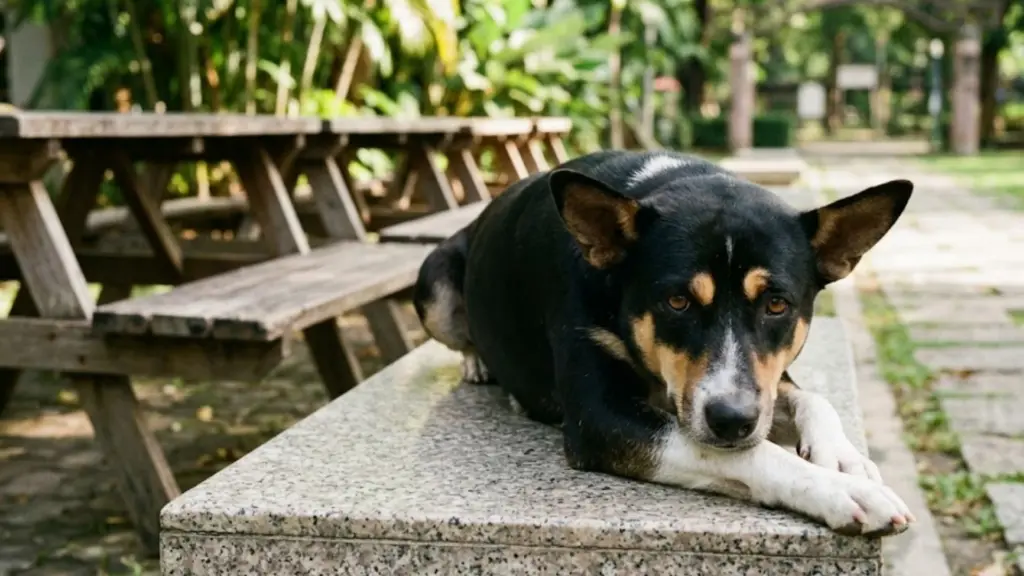
Upset stomachs in dogs show up more often than most people expect. One day everything feels normal, and the next, your dog is drooling, refusing food, or acting off.
It can feel confusing because the signs are not always loud or obvious. Sometimes it passes quickly, and sometimes it points to something deeper.
In this blog on nausea in dogs, you will get a clear breakdown of what causes it, how to spot early signs, and what you can safely do at home.
You will also learn which remedies actually help settle the stomach and which ones to avoid. On top of that, there is a simple way to tell when it is time to stop guessing and call a vet.
What Is Nausea in Dogs
Nausea is the feeling of an upset stomach that can make a dog want to vomit, even if nothing comes out. It is not a disease on its own but a sign that something is off inside the body.
This could be as simple as eating too fast or as serious as an illness. Dogs cannot clearly show this feeling because they cannot explain it.
Instead, they give small signals like drooling, licking their lips, or acting restless. These signs are easy to miss if you are not paying close attention.
It is also important to know that nausea is not the same as vomiting. Nausea comes first and may or may not lead to vomiting.
A dog can feel sick without throwing up, which makes early signs even more important to notice.
What Causes Nausea in Dogs

Many different factors can upset a dog’s stomach, ranging from simple eating habits to more serious health issues that need closer attention.
- Dietary issues: Eating too fast, overeating, or consuming spoiled food can irritate the stomach and lead to discomfort quickly
- Motion sickness: Car rides or sudden movement can trigger nausea, especially in younger dogs or those not used to travel
- Infections and stomach bugs: Bacteria, viruses, or parasites can disturb the digestive system and cause ongoing uneasiness
- Toxins or harmful foods: Chocolate, certain plants, or household chemicals can upset the stomach and create more serious risks
- Underlying health problems: Conditions like liver disease, kidney issues, or pancreatitis can show up first as stomach discomfort
Dogs with ongoing separation anxiety and stress can also develop nausea as a physical stress response. It’s a connection that gets overlooked because most people focus on the behavioral symptoms and miss the stomach ones entirely.
Warning Signs of Nausea in Dogs You Should Not Ignore
Dogs often show subtle changes when they feel sick, and spotting these early signs can help you act before the problem gets worse.
- Excess drooling: A sudden increase in saliva can signal stomach discomfort or the urge to vomit. You may notice wet spots around the mouth or constant dripping, even when the dog is resting.
- Lip licking and swallowing: Repeated licking or gulping often points to nausea building up. This behavior can seem random at first, but usually continues in short bursts as the discomfort grows.
- Loss of appetite: Refusing food or eating much less than usual is a common early sign. Even favorite treats may be ignored, which is often a clear signal that something is off.
- Vomiting or dry heaving: Trying to throw up, with or without results, shows the stomach is already irritated. This may happen suddenly or after visible signs like restlessness.
- Low energy or hiding: A dog may seem tired, avoid movement, or stay away from people when feeling unwell. Some may choose quiet corners or sleep more than usual to cope.
Simple Home Remedies That Can Help
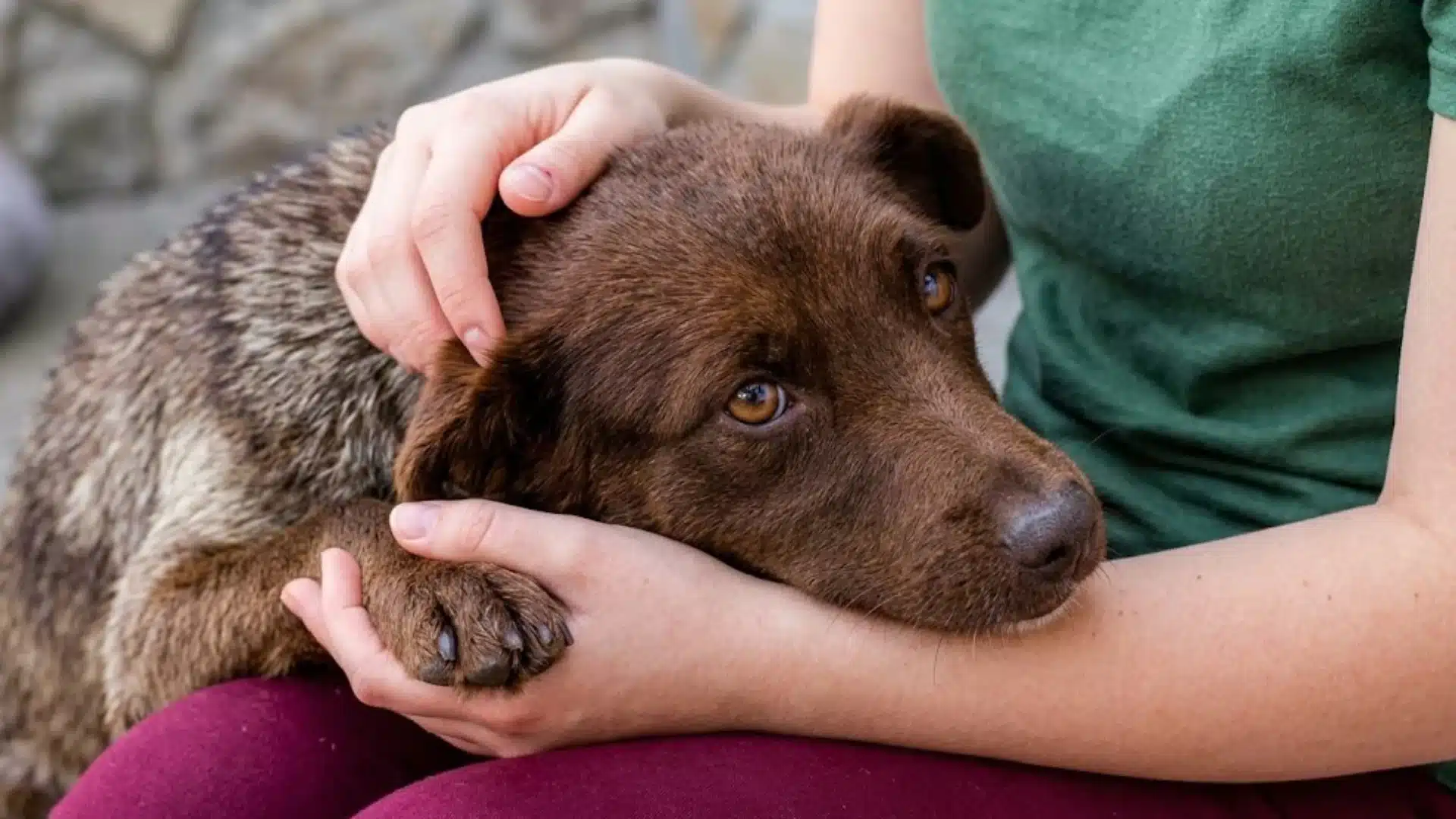
Mild stomach issues can often be managed at home with simple steps that help settle digestion and give the body time to recover naturally.
Start with a short fast, usually 8 to 12 hours, to let the stomach rest and reset.
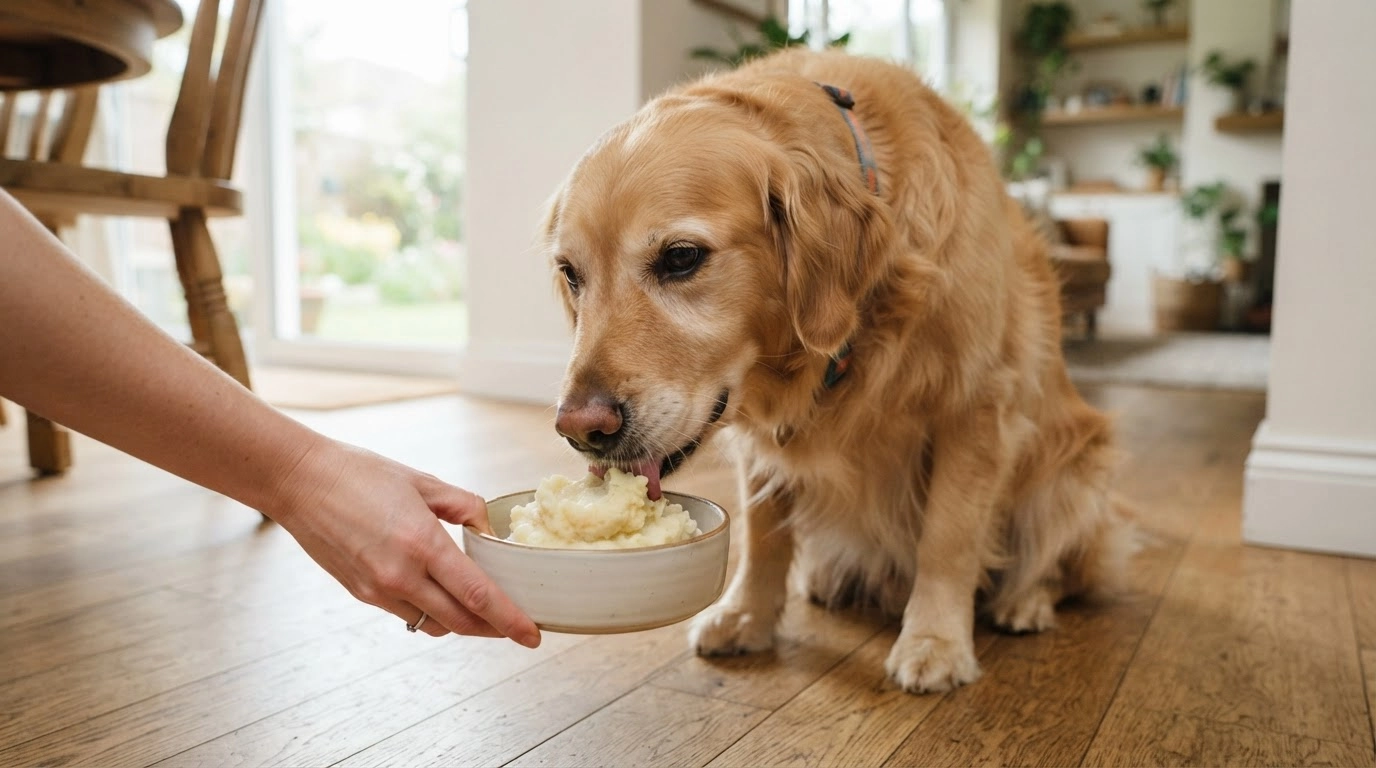
After that, offer small portions of bland food like boiled chicken and rice, which are easy to digest and gentle on the stomach.
Fresh water is important, but it should be given in small amounts at a time to avoid triggering vomiting.
Ginger can also help when used in a safe form and in small quantities, as it is known to calm the stomach. Along with food care, keeping the dog calm and well rested plays a big role in recovery.
Stress and activity can make the discomfort worse, so a quiet and relaxed space helps speed things up.
When Nausea in Dogs Becomes Serious
While mild stomach issues can pass on their own, some signs point to a deeper problem that should not be ignored.
Ongoing nausea in dogs can quickly turn risky if symptoms become intense or last too long. Vomiting that does not stop is one of the clearest warning signs, as it can lead to weakness and fluid loss.
Blood in vomit is more serious and may indicate internal irritation or injury. Signs of dehydration, like dry gums or low energy, show that the body is already struggling.
Pain or bloating in the stomach area can suggest a more serious condition, such as a blockage or inflammation.
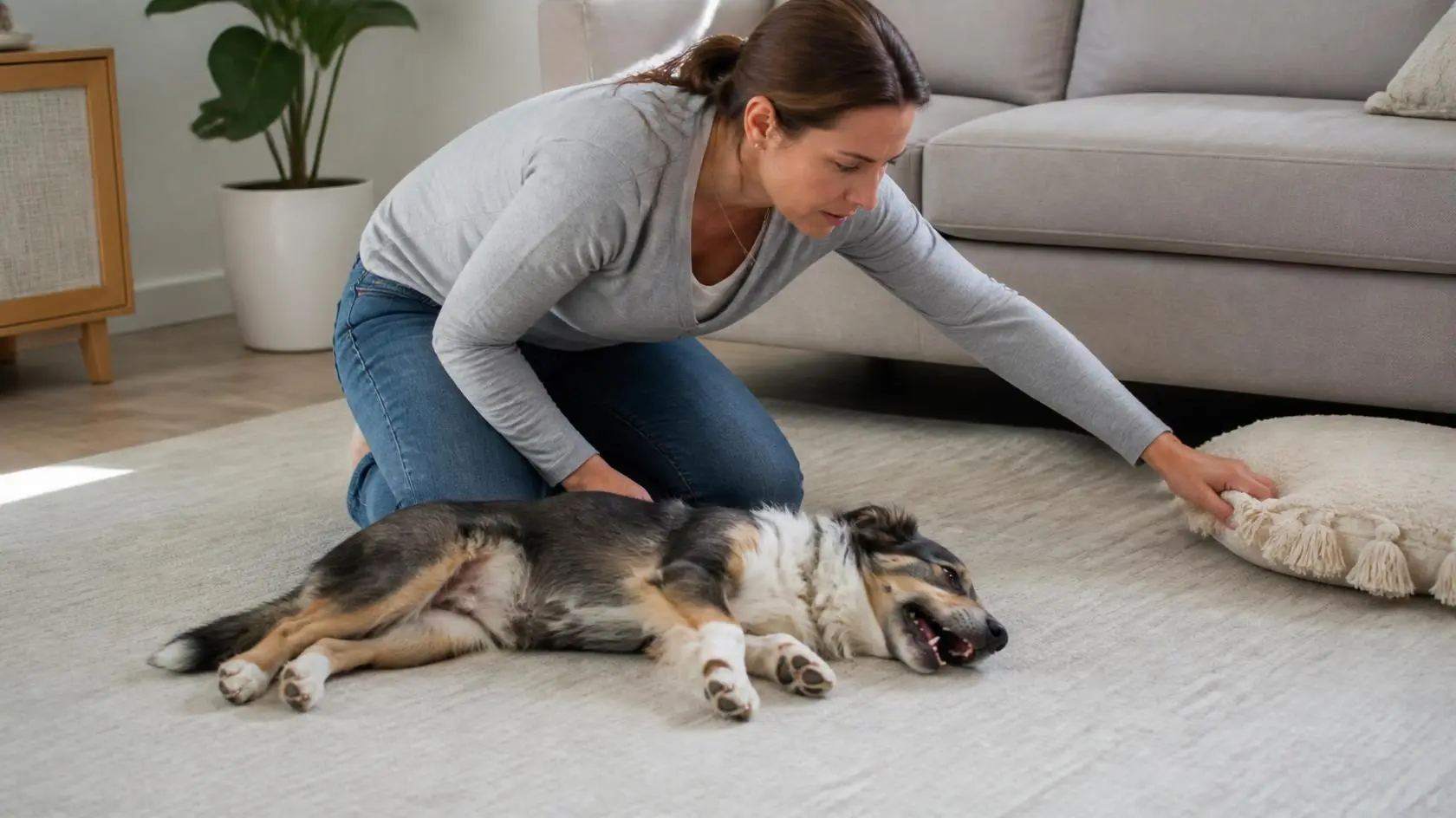
Sudden behavioral changes, such as hiding, aggression, or extreme tiredness, also signal that something is wrong. These signs should not be managed at home and need quick medical attention.
When Dog Nausea Needs Veterinary Care
Not every episode of nausea requires immediate medical attention. In many cases, a dog may eat something unusual, feel unwell for a short time, and then recover without intervention.
If the dog returns to normal behavior, stays alert, and shows no worsening symptoms, monitoring at home for a few hours is usually reasonable.
However, certain signs should not be ignored. Repeated vomiting within a short period, especially three or more times in 24 hours, can indicate a deeper issue.
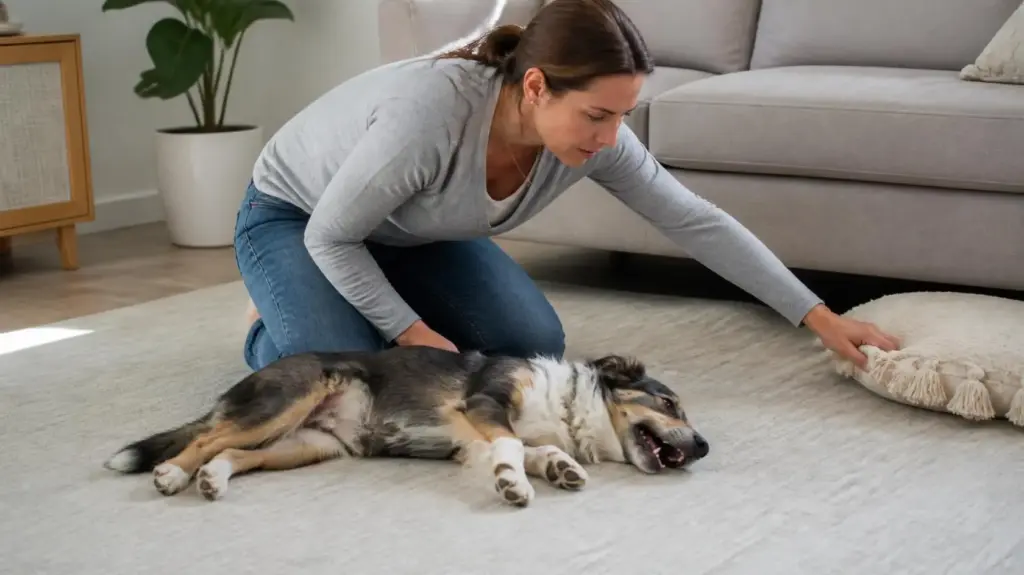
Unproductive retching paired with a swollen or firm abdomen may point to a serious condition like GDV, which requires immediate care.
Lethargy combined with diarrhea and refusal to eat also signals concern, particularly if there is no improvement after a full day of observation or if toxin ingestion is suspected.
Extra caution is needed with puppies and older dogs. Their bodies handle stress and dehydration differently, and symptoms can escalate faster.
What appears mild in a healthy adult dog may become serious within hours in younger or aging pets, making early veterinary guidance important.
Simple Ways to Prevent Nausea in Dogs
Simple daily habits can reduce the chances of stomach issues and keep digestion stable, especially for dogs that tend to get sick more often.
- Proper feeding routine: Feeding at fixed times and in controlled portions helps the stomach adjust and prevents overeating or long gaps
- Avoiding table scraps: Human food, especially fatty or spicy items, can upset digestion and trigger repeated issues
- Safe travel habits: Keeping trips calm, limiting food before travel, and gradual exposure can reduce motion-related discomfort
- Regular health checks: Routine vet visits help catch hidden problems early, before they start showing as stomach issues
- Slow feeding methods: Using slow-feeder bowls can prevent eating too fast, which often leads to stomach upset
Conclusion
Most stomach issues in dogs can be managed well when the signs are noticed early, and the right steps are taken.
Small changes like skipped meals can seem minor at first, but they often give an early clue that something is wrong.
This is why it helps to know the common causes, the warning signs, the simple home remedies, and the moments when a vet should step in.
By understanding nausea in dogs, it becomes easier to stay calm, respond the right way, and avoid making the problem worse.
The goal is not to panic, but to watch closely and act fast if symptoms become more serious or do not improve.
Has your dog ever shown any of these signs before? Share your experience or questions in the comments below.
Frequently Asked Questions
Can Stress Cause Nausea in Dogs?
Yes, stress or anxiety can upset a dog’s stomach. Changes in environment, loud noises, or separation can trigger this reaction in some dogs.
Is Nausea in Dogs More Common in Certain Breeds?
Some breeds may be more sensitive due to digestion or anxiety traits, but nausea can affect any dog regardless of breed.
Can Weather Changes Affect a Dog’s Stomach?
Sudden weather shifts, especially heat, can impact hydration and digestion, which may lead to mild stomach discomfort in dogs.