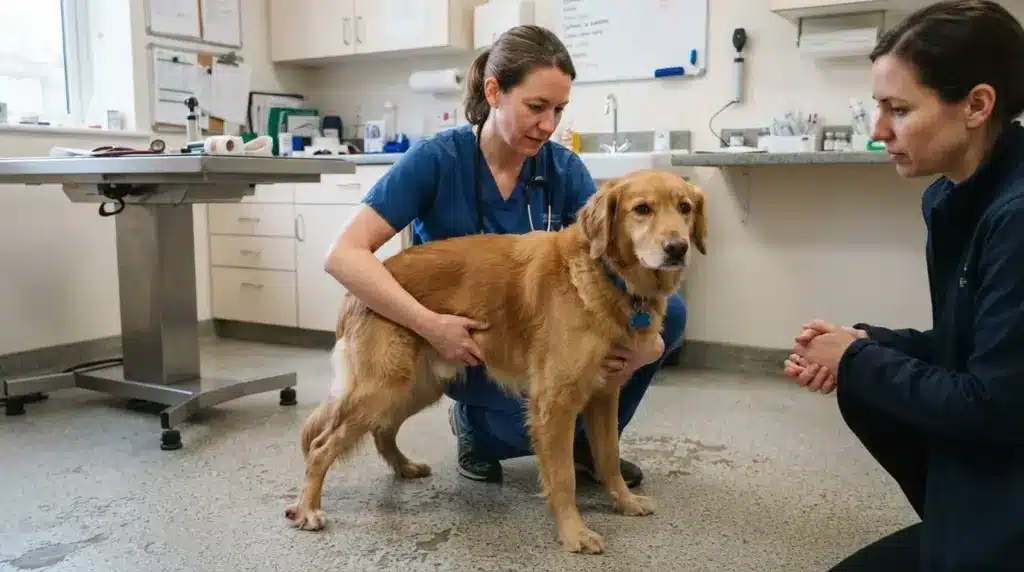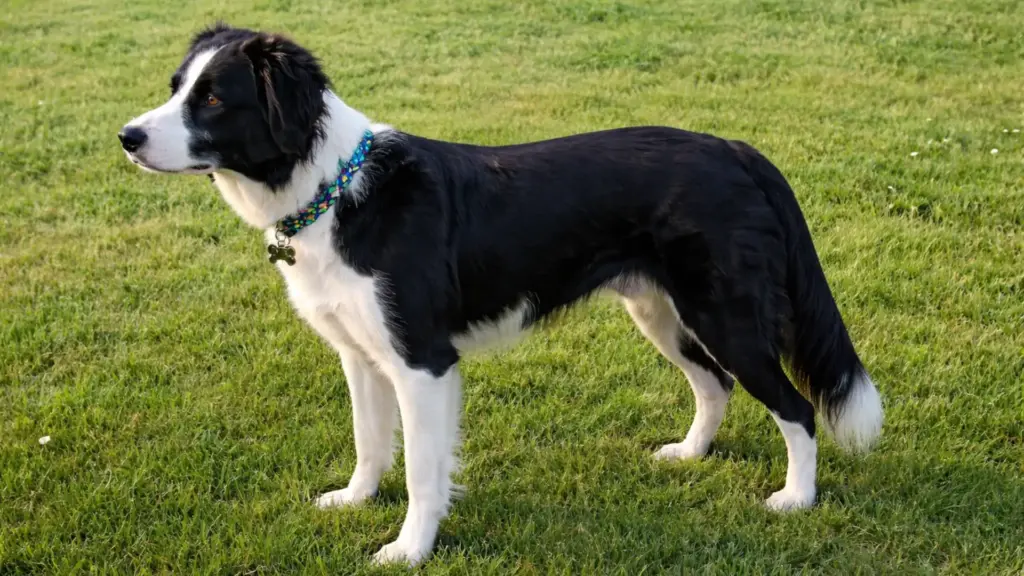
A dog tail injury is more common than most people think, and it is easy to overlook at first.
Your dog’s tail is always moving. Wagging, tucking, or swaying side to side. So when something feels off, it does not always stand out right away.
You might notice a small reaction, or a yelp, when you touch the tail. A slight drop in how it sits, or maybe the wagging just stops without a clear reason. These little changes are often the first signs that something is not right.
Most people do not realize what is going on in the beginning. It can look minor or easy to ignore. But tail issues can turn serious if left unchecked.
In this blog, you will go through what causes these injuries, the different types, and the signs that actually matter.
It will also help you figure out whether it could be a break, a sprain, or something else that looks similar. You will also know when it is time to get help and what steps make sense in the meantime.
What is a Dog Tail Injury?
A dog tail injury is any damage to the tail that affects its bones, muscles, nerves, or skin.
A dog’s tail is not just for wagging. It is an extension of the spine. It is made up of small bones called caudal vertebrae, and the number can vary by breed.
Around these bones are muscles, nerves, discs that support movement, and blood vessels. The tail helps with balance, communication, and even swimming. It is active almost all the time.
Because the tail connects directly to the base of the spine, injuries near the base can affect much more than movement.
Nerves in that region also control urination and defecation, which is why base injuries are treated as more urgent than tip injuries.
Because it moves so much and stays exposed, it is easy to injure. Any harm along the tail, whether to the bone or soft tissue, falls under a dog tail injury. Some cases are minor, while others can become serious if ignored.
Signs Your Dog’s Tail Might Be Injured
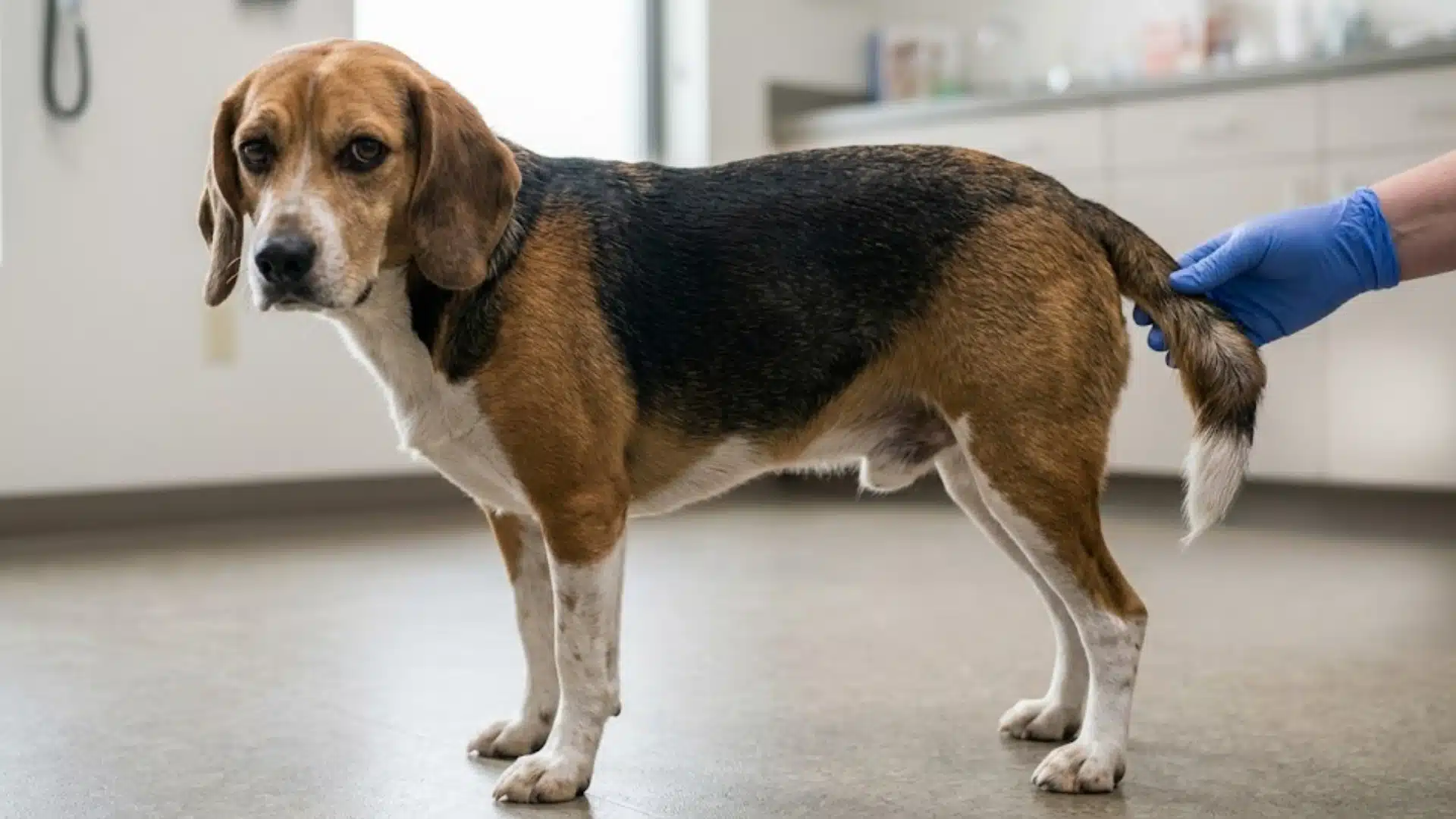
Dogs do not speak, so their bodies show the problem. Small changes in movement, behavior, or reaction can point to a tail issue.
- Limp or hanging tail: A tail that suddenly droops and lacks normal movement is often one of the first clear warning signs.
- Swelling or bruising: Any puffiness, bumps, or color changes along the tail can suggest internal damage or impact.
- Pain when touched: Flinching, pulling away, or reacting when you touch the tail usually means the area is sensitive or injured.
- Bleeding or visible wounds: Cuts or open areas on the tail can worsen quickly due to constant movement and require proper care.
- Trouble wagging: If your dog seems excited but the tail is not moving normally, it may be due to pain or restricted movement.
Types of Dog Tail Injuries
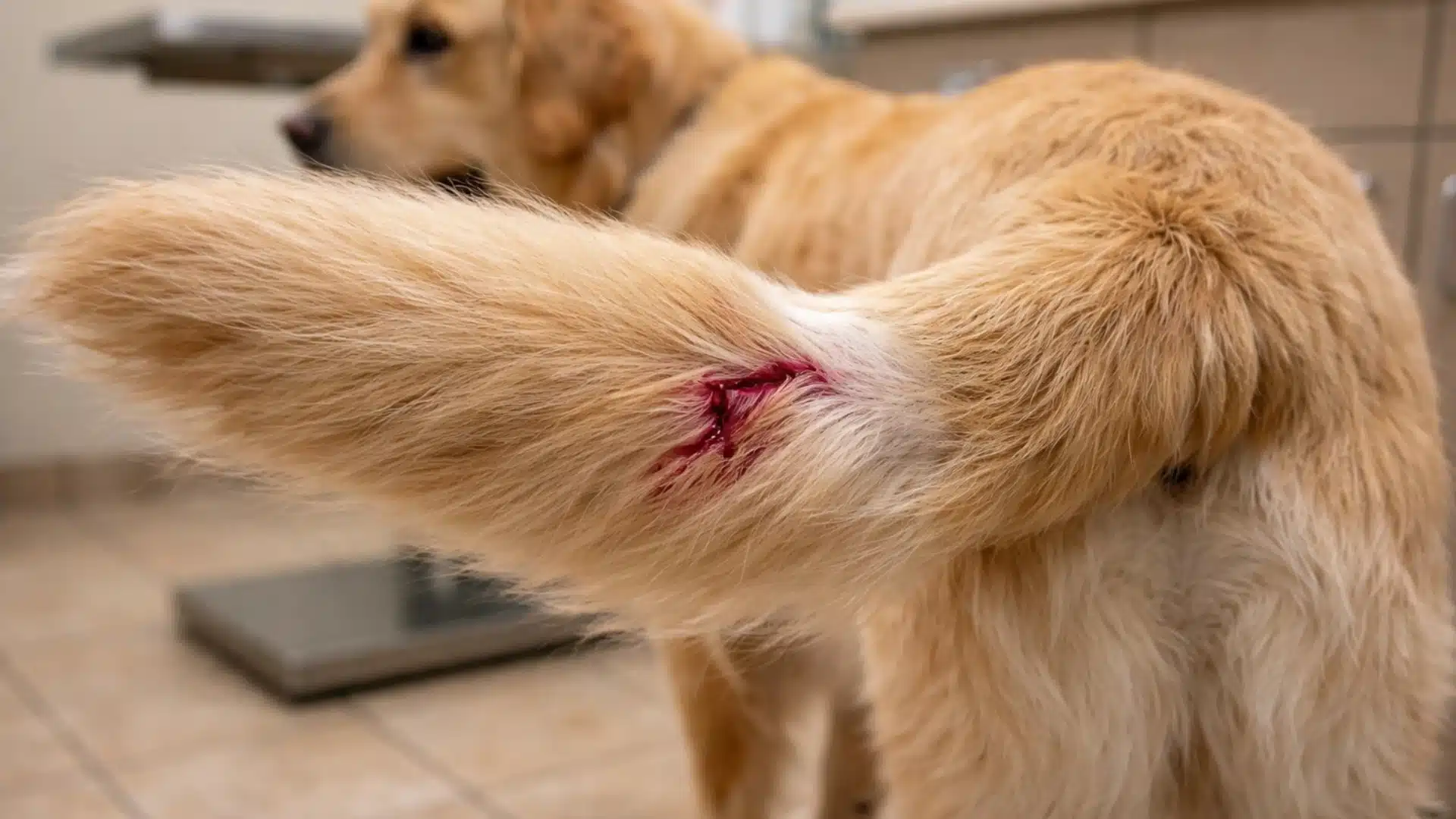
Not all tail injuries look the same. Some are mild and heal with rest, while others can affect movement or cause lasting issues. Understanding the type gives you a better idea of what your dog might be dealing with.
1. Sprains and Strains
These happen when the muscles or ligaments in the tail are stretched too far. It usually comes from rough play, sudden pulling, or too much activity in a short time.
The tail may not show visible damage, but your dog may keep it lowered or avoid wagging altogether. Touching the area can cause discomfort or mild pain.
In most cases, this type of injury improves with rest and limited movement over a short recovery period.
2. Fractures (Broken Tail)
A fracture means one or more of the small bones in the tail have broken. This usually happens after a strong impact, such as getting caught in a door or landing hard.
You may notice swelling, sharp pain, or a visible bend in the tail. Some dogs may still move part of it, but movement is often reduced.
More serious fractures can stop movement completely and may require proper medical attention to heal in the right position.
3. Cuts and Open Wounds
These are injuries to the skin and surface tissue of the tail. They can occur from bites, sharp objects, or repeated impact with hard surfaces.
Even small cuts can become infected dog wounds if bacteria enter the tissue. Dogs often lick or chew the area, which can slow healing and increase infection risk.
Keeping the wound clean and preventing licking is important to avoid further damage and support proper healing over time.
4. Dislocations
A dislocation happens when one of the tail bones shifts out of its normal position. The tail may appear bent or have an unusual angle in one area.
It can be painful when touched, and the dog may avoid moving it or reacting normally. This type of injury often looks similar to a fracture, which makes proper checking important.
Without correct treatment, it can lead to discomfort and long-term issues with tail movement and flexibility.
5. Happy Tail Injuries
This type of injury is caused by repeated impact from strong wagging. Dogs hit their tail against walls, furniture, or floors again and again without realizing the damage.
Over time, the tip of the tail can split open, bleed, and then reopen before fully healing. This creates a frustrating cycle that is hard to manage without proper care.
It often requires protection and consistent treatment to prevent the wound from getting worse or reopening repeatedly.
6. Limber Tail
Limber tail is a muscle-related condition, not a break. It often shows up after heavy activity, long swims, or time spent in cold or damp conditions.
The tail suddenly becomes limp and hangs straight down without normal movement.
Many people assume it is a fracture, but it is actually a muscle strain affecting the base of the tail. Even though it looks serious, it usually improves within a few days with rest and proper care.
How to Tell if a Dog’s Tail is Broken or Sprained
It can be difficult to tell the difference just by looking. Both a break and a sprain can cause pain, a drooping tail, and sensitivity when touched. A broken tail usually shows more obvious signs, like a sharp bend or swelling in one spot.
A sprain, on the other hand, tends to feel sore but still allows some movement without changing the joint’s shape. Because the signs can overlap, it is not always easy to be sure without proper testing.
| Feature | Broken Tail | Sprained Tail |
|---|---|---|
| Tail shape | Bent or at an odd angle | Looks normal |
| Movement | Very limited or no movement | Still moves slightly |
| Pain type | Sharp and strong in one spot | Mild to moderate, spread out |
| Swelling | Localized in one area | More general or minimal |
| Reaction to touch | Strong reaction, like yelping | Discomfort, but less intense |
When to See a Vet and How it is Diagnosed
Some tail issues can improve in a day, but others need quick attention. You should see a vet if there is heavy bleeding, a sharp bend in the tail, no movement, or signs like trouble walking or loss of control near the tail.
If things get worse after a day, do not wait. The location of the injury matters. Injuries near the tip may heal on their own, but those near the base can involve nerves and may need more serious treatment.
This is why proper checking is important. A vet usually starts with a physical exam to feel for pain, swelling, or breaks. X-rays are usually the first step when checking a tail injury.
They help confirm whether there is a fracture or a dislocation. If the vet suspects nerve damage, they may suggest further imaging, such as a CT scan or an MRI.
These tests help check if the spinal area is involved. Getting the diagnosis right matters because treating the wrong type of injury can lead to poor healing or long-term problems.
Treatment costs can vary depending on how serious the injury is. Minor issues that only need rest and basic care may cost a few hundred dollars.
More complex cases, such as fractures that need surgery, tail amputation, or advanced imaging, can go into the thousands.
How to Care for a Dog’s Tail Injury Without Making it Worse
If you think your dog’s tail is injured and you are waiting to see a vet, the main goal is to avoid making things worse.
Start by keeping the area clean. If there is a wound, gently clean it with a mild antiseptic. Also, make sure your dog does not lick or chew the area, because that can slow healing and increase the risk of infection.
Try to keep your dog calm and limit movement as much as possible. Too much activity can put extra strain on the tail, worsening the injury. This is where most people go wrong by letting their dog stay active too soon.
One thing you should not do is try to fix the tail yourself. If it looks bent or out of place, leave it as it is. Trying to straighten it can cause more damage.
The same goes for bandaging: wrapping the tail incorrectly can cut off blood flow or trap moisture, which can lead to bigger problems rather than helping it heal.
Keeping things simple and avoiding unnecessary handling is often the best first step until a proper check is done.
Helping Your Dog Heal: At-Home Care and Recovery Tips
Helping your dog recover at home is mostly about rest, proper care, and avoiding mistakes that could delay healing or make the injury worse.
- Create a quiet rest space: Set up a calm area where your dog can relax without hitting its tail against furniture or hard surfaces.
- Keep movement controlled: Limit unnecessary movement during recovery. Too much activity can slow healing or worsen the injury.
- Follow medication instructions: Take any prescribed medications, such as anti-inflammatories or antibiotics, exactly as directed, without skipping doses.
- Check wounds or bandages daily: Look for signs such as redness, swelling, foul odor, or discharge, which may indicate infection.
- Avoid unnecessary bandage changes: Only change bandages if your vet has advised you or shown you the correct method.
- Restrict high-energy activity: Avoid running, jumping, or rough play until your vet confirms your dog is ready. Replacing physical exercise with calming mental enrichment activities is a helpful way to keep your dog engaged without straining the tail.
- Be patient with recovery: Most minor tail injuries heal well with consistent care, but rushing the process can lead to setbacks.
Conclusion
A dog’s tail might seem like a small part of their body, but it plays a big role in how it moves and express itself.
When something goes wrong, the signs are often subtle at first, which makes it easy to overlook.
From common causes to different types and clear symptoms, understanding a dog’s tail injury helps you act before it gets worse.
Knowing the difference between a sprain, a break, or something like limber tail can save time and prevent unnecessary stress.
Simple at-home care can help with mild cases, but ignoring warning signs can lead to bigger problems. Paying attention early always leads to better outcomes.
Have you ever noticed a sudden change in your dog’s tail behavior that made you unsure? Share your experience in the comments; it might help someone else facing the same situation.
Frequently Asked Questions
How Long Does a Dog’s Tail Injury Take to Heal?
Healing time depends on the severity. Minor sprains or small cuts may improve within one to two weeks, while more serious injuries can take longer and may need treatment.
Can a Dog Still Wag Its Tail if It Is Injured?
Yes, sometimes. With mild injuries, the tail may still move, but not as freely. In more serious cases, movement can be reduced or stop completely.
Can I Treat My Dog’s Tail Injury at Home?
Basic care, like rest and keeping the area clean, can help in minor cases. But avoid trying to fix or wrap the tail without proper guidance.
What Happens if a Tail Injury is Ignored?
Some minor issues may heal, but serious injuries can lead to long-term pain, poor healing, or nerve damage if not treated in time.