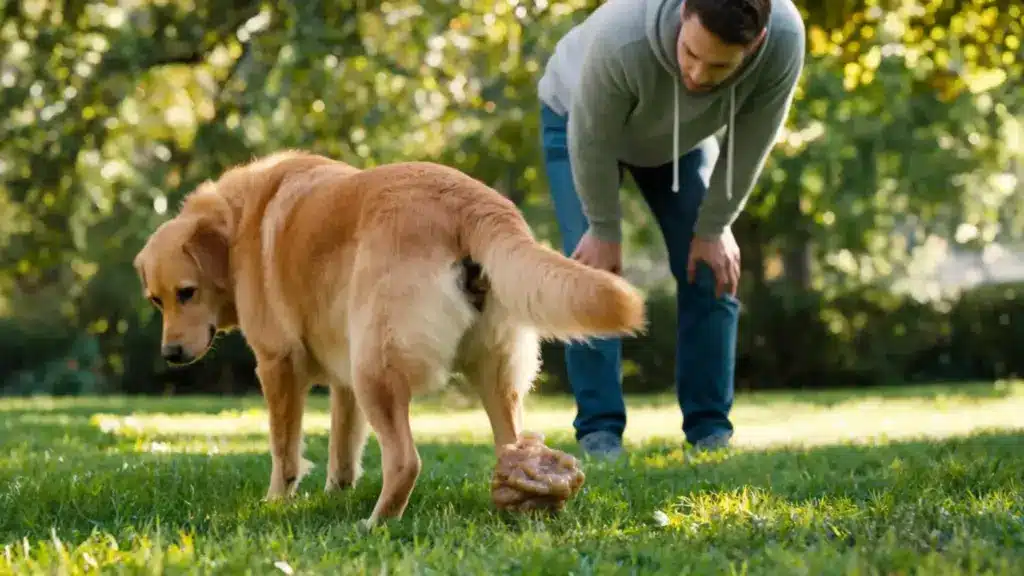
You’re petting your dog after a walk, fingers moving through their coat, when you feel it. A small, firm bump that shouldn’t be there. Your stomach drops, a tick.
Every pet parent knows that feeling of immediate concern. You want it gone, right now, and you want your dog to be safe. That instinct is exactly right. But what you do in the next few minutes matters more than most owners realize.
The internet is full of home remedies claiming to kill ticks instantly. Some are harmless. Some are genuinely dangerous. And the most popular ones often cause the most harm at a biological level that directly threatens your dog’s health.
This guide will walk you through what the evidence actually supports, which remedies to avoid completely, and how to handle tick removal in a way that protects your dog’s long-term health.
Understanding Ticks and the Risk They Pose to Dogs
Ticks are small, blood-feeding parasites that attach to your dog’s skin and can transmit serious diseases with every bite.
They are active year-round across most of the US and are found in grassy yards, wooded trails, and even urban parks. Unlike fleas, ticks don’t jump. They wait on vegetation and latch on when a host passes by.
Once attached, they feed for hours or days, and that’s when the real health risk begins. The longer a tick remains attached, the greater the risk of disease transmission.
Knowing how ticks behave and where they hide on your dog’s body is the first step toward effectively protecting your dog’s health.
What Actually Works: Vet-Supported Home Options
Many home remedies are often mentioned for ticks, but some may offer limited support in certain situations. However, their effectiveness can vary, especially when a tick is still firmly attached to a dog’s skin.
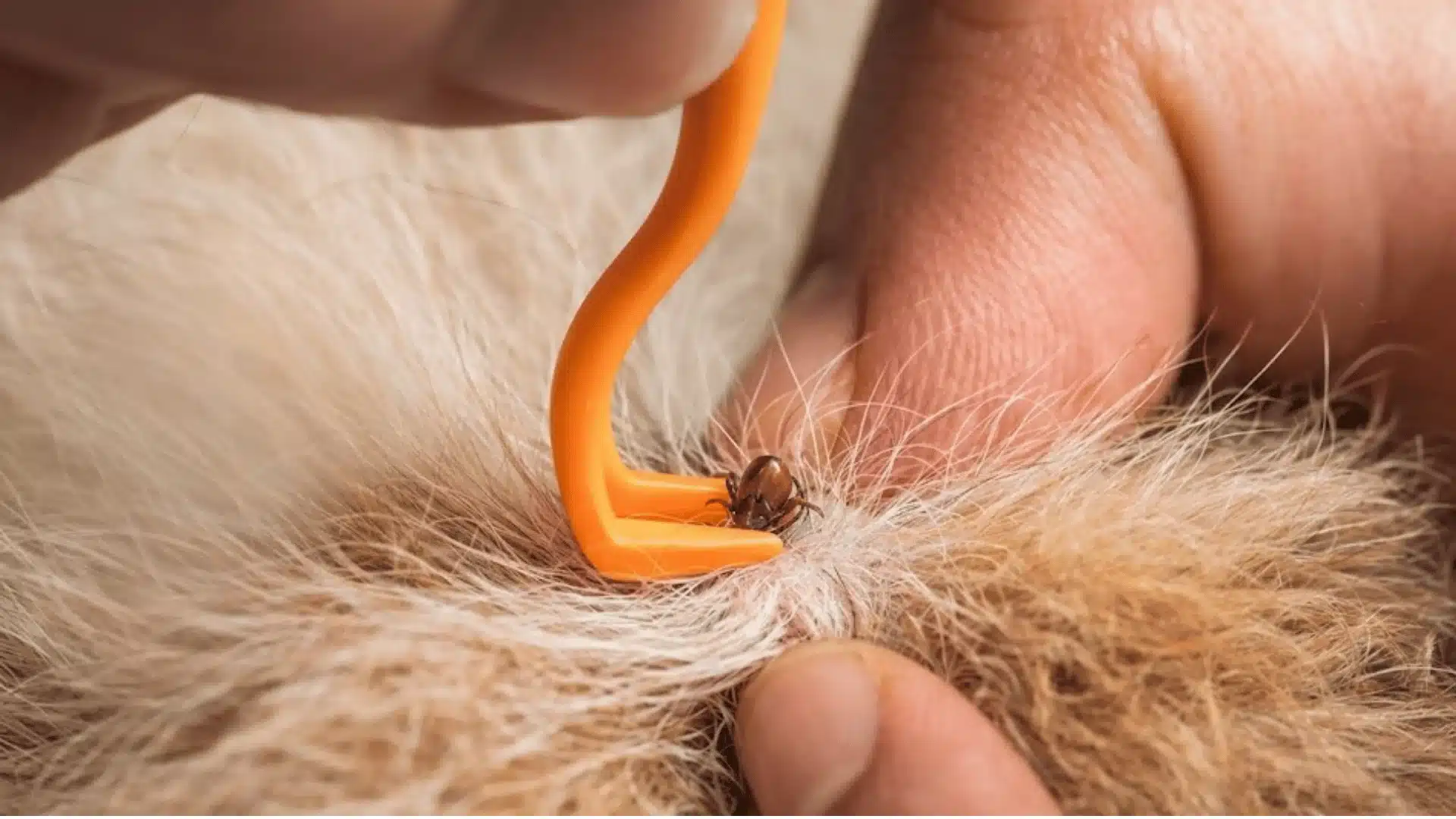
1. Fine-Point Tweezers or a Tick Removal Tool
It remains the gold standard, endorsed by the CDC and every major US veterinary authority.
Grip the tick as close to your dog’s skin as possible and pull steadily upward with no twisting and no squeezing of the body.
Tick removal tools, such as the Tick Tornado, are purpose-built for this and reduce the risk of leaving mouthparts in the skin. Once the tick is off your dog, there are a few additional steps that genuinely support their health and safety.
2. Rubbing Alcohol, but Only After Removal
Once the tick is fully removed, drop it into a small container of rubbing alcohol. This kills it quickly and prevents any further risk. Never apply alcohol to an attached tick.
You can also make your own homemade flea and tick spray using eucalyptus oil and distilled water, applied before outdoor time, to help deter ticks from latching on.
Doing so triggers regurgitation of infected gut contents directly into the bite wound, which sharply increases the chance of disease transmission to your dog.
3. Diluted Eucalyptus Oil as a Repellent
Among plant-based options, eucalyptus oil has the most credible research behind it.
A solution of 20 drops of eucalyptus essential oil in four ounces of distilled water, applied as a spray before outdoor time, can help deter ticks from latching on.
It must always be diluted, as pure eucalyptus oil is too concentrated for safe use on dogs. This works only as a preventive; it cannot remove or kill ticks already attached.
4. Diluted Neem Oil as a Secondary Repellent
Neem oil (Azadirachta indica) at a 1 to 2% concentration in a carrier oil such as jojoba or almond oil acts as a surface-level deterrent against ticks and other parasites.
It is among the better-studied natural insect repellents and is referenced regularly in integrative veterinary care.
Always dilute properly before applying near your dog’s coat, and avoid contact with the eyes, nose, or any broken skin. Spot test first if your dog has a history of skin sensitivity.
5. Food-Grade Diatomaceous Earth for The Environment
Never apply this directly to your dog’s coat or skin, as inhaling the fine particles can irritate the respiratory tract.
However, sprinkling food-grade diatomaceous earth around outdoor resting areas, kennel floors, and yard perimeters is an effective environmental strategy.
It works by physically damaging the exoskeleton of ticks and their larvae, causing them to dehydrate and die. Reapply after rain or heavy watering to maintain its effectiveness throughout tick season.
6. Cedar Oil for Bedding and Outdoor Spaces
Cedar oil is a non-toxic, plant-based treatment with strong evidence for effectiveness against ticks and other insects.
Apply it to your dog’s bedding, around door frames, or in outdoor areas where your dog rests regularly.
Some pet-safe formulations are designed for direct coat application, but always check the label for dog-specific certification before use.
Washing your dog’s bedding weekly, along with a cedar oil treatment, further reduces tick harborage in and around your home.
Home Remedies That Harm: What to Avoid and Why
These widely shared remedies don’t just fail; they also cause harm. Several factors actively increase disease risk and can cause serious harm to your dog.
- Apple cider vinegar: Disrupts your dog’s natural skin pH, causes irritation, and provides zero tick-repelling or killing benefit at any stage.
- Tea tree oil: Recognized as a major pet toxin by the ASPCA. Even small amounts have been linked to severe poisoning and death in dogs and cats.
- Vaseline or petroleum jelly: Ticks can survive long periods without oxygen. Coating them may actually stimulate increased saliva secretion, increasing the risk of infection at the bite site.
- Garlic: Contains thiosulfate compounds that damage red blood cells and can cause anemia in dogs. The repellent claim is also biologically unsound, as dogs don’t release scent through sweat glands.
- Bleach, matches, or heat: These can cause chemical burns to the skin and tissues. Heat or flame can trigger the release of toxins from the tick, burning your dog’s coat and skin.
- Coconut oil: No credible scientific evidence supports its use against ticks. It creates a greasy surface layer that does not prevent attachment or kill ticks at any life stage.
Why Timing Matters for Your Dog’s Health
One of the most common things I hear from clients is that they assumed they had time to deal with the tick later.
In many cases, that assumption costs their dog weeks of illness. How quickly a disease transmits depends on the pathogen.
Lyme disease typically requires more than 24 hours of attachment, while Rocky Mountain Spotted Fever can transmit in as little as 6 to 10 hours and carries a mortality rate exceeding 20% if untreated.
The Powassan virus has been documented to transmit in as little as 15 minutes. Ehrlichiosis and Anaplasmosis both transmit within 18 to 24 hours and are expanding northward across the US.
Nymph-stage ticks are roughly the size of a poppy seed and extremely easy to miss. Any ticks on your dog need to be removed immediately.
Best Ways to Remove a Tick from Your Dog Safely
 The technique matters as much as the tools. An incorrectly removed tick can leave mouthparts embedded in the skin, increase infection risk, and cause unnecessary trauma, especially in puppies or elderly dogs.
Do not attempt home removal on neonatal puppies, as their skin is more delicate. Go directly to your veterinarian.
As for healthy adult dogs, follow these steps precisely:
- Prepare your tools: Fine-point tweezers or a tick removal tool, disposable gloves, a pet-safe antiseptic, and a small sealed container with rubbing alcohol.
- Locate the tick: Use good overhead lighting. Part the fur and confirm you’re looking at a tick, not a skin tag or scab. An unfed tick is flat and dark; an engorged tick is round, greyish, and noticeably larger.
- Grip and remove: Grasp as close to the skin as possible. Grip the head and mouthparts, not the body. Pull steadily upward in one smooth motion. No twisting, no jerking.
- Dispose safely: Drop the tick into rubbing alcohol. Do not crush it with your bare fingers. Alternatively, seal it in a labeled zip-lock bag and refrigerate it for species identification if symptoms develop.
- Clean the bite site: Apply a diluted chlorhexidine antiseptic solution or a commercially available pet wound spray. Avoid hydrogen peroxide directly on broken skin, as it can delay healing.
Note the date, location on the body, and the tick’s size. A photo of the bite site and the tick itself is genuinely useful if symptoms develop weeks later.
How to Prevent Ticks on Dogs Before They Even Start
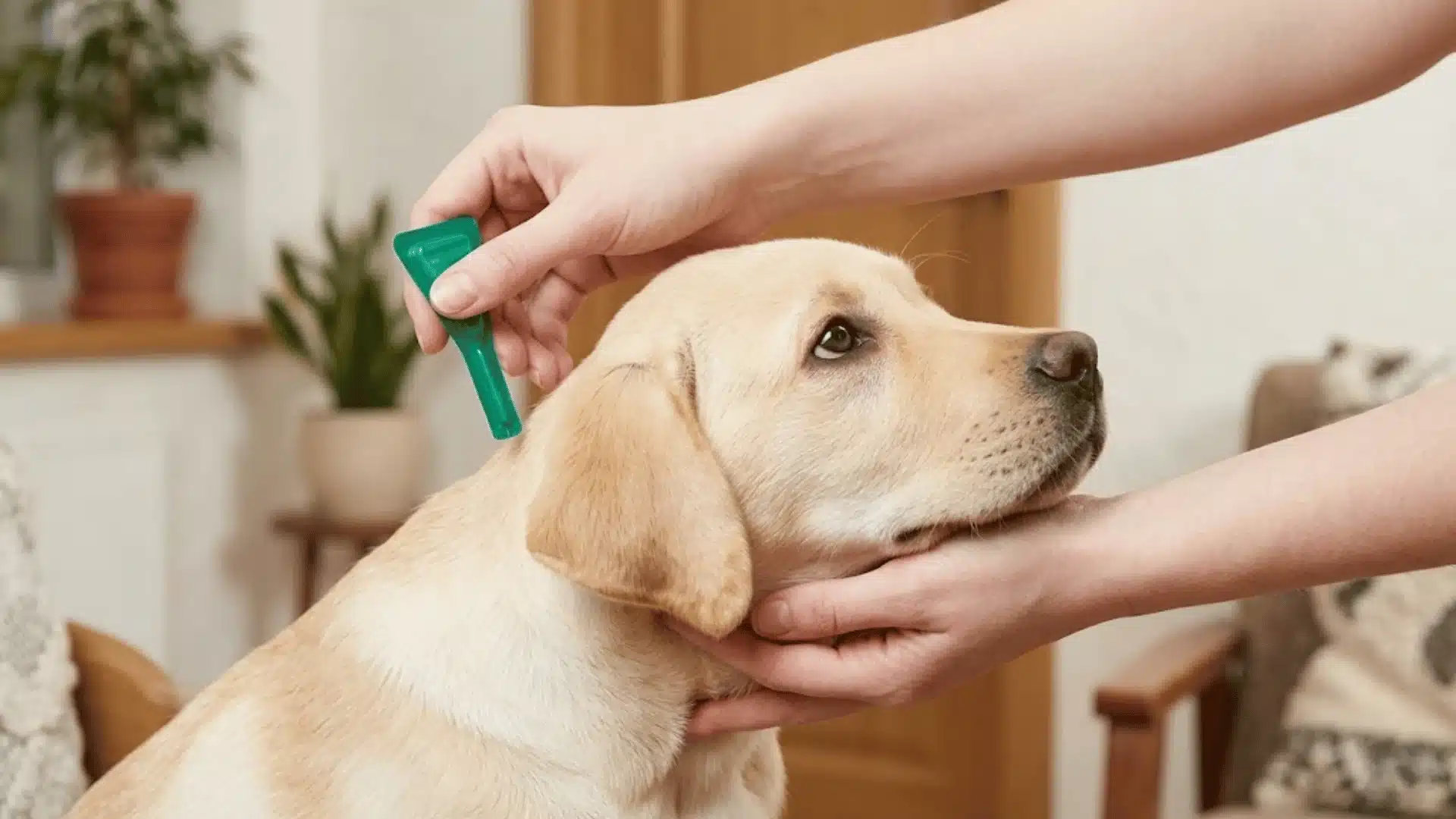
Every tick removal situation is a reminder that prevention is the most effective health care strategy available. Vet-approved tick prevention medications do what no home remedy can: repel ticks from attaching or kill them before they transmit disease.
- Oral chewables: Theymake your dog’s blood toxic to feeding ticks and work well for dogs with sensitive skin or homes that have cats. Topical spot-on treatments repel and kill ticks on contact, making them a strong fit for active outdoor dogs.
- Tick collars: They continuously release active ingredients across the coat for up to 8 months, making them ideal for dogs that need low-maintenance protection.
In my practice, I always individualize prevention based on the dog’s lifestyle. A hiking dog needs a different approach than one who mostly walks the neighborhood.
For high-exposure dogs, layering an oral chewable with a topical repellent offers broader coverage. A quick conversation with your vet will help you find what best fits your dog.
When to See Your Vet
Correctly removing the tick is only the first step. Monitoring your dog in the weeks that follow is just as important.
Watch for an expanding red, bullseye-shaped rash at the bite site, an early sign of Lyme disease common in the Northeast, Mid-Atlantic, and Upper Midwest. If you spot it, call your vet immediately.
During the 1 to 3 week incubation window, watch for fever, lethargy, pale gums, dark urine, joint swelling, or sudden hind-leg weakness.
Lyme arthritis is frequently missed because it can surface months after the bite, so if your dog starts limping well after a known tick exposure, bring it up with your vet.
Consider having the tick tested as well. Labs and private services offer pathogen testing for as little as $10 to $50, and knowing what the tick carries can guide treatment before symptoms appear.
Conclusion
A tick on your dog is manageable when you respond quickly and correctly. The most important takeaway is simple: reach for fine-point tweezers, not a home remedy.
Most natural and folk treatments either do nothing or actively increase the risk of disease transmission.
What consistently protects your dog’s health is prompt physical removal, proper bite site care, attentive monitoring in the weeks that follow, and a vet-approved prevention plan that runs year-round.
If you haven’t reviewed your dog’s tick prevention recently, now is a good time to do so. A brief conversation with your veterinarian about your dog’s lifestyle and local tick risk can make a meaningful difference to their long-term health.
Your dog depends on consistent, informed care. Now you have the foundation to provide it.
Have you ever found a tick on your dog? Share your experience in the comments below, or pass this along to a fellow dog parent who could use it.
Frequently Asked Questions
Can a Tick That’s Still on My Dog Transfer to Me?
Attached ticks won’t voluntarily move to a human host. However, ticks still crawling on your dog’s coat (not yet attached) can transfer during close contact. Check yourself after handling your dog outdoors.
How Do I Check a Long-Haired Dog for Ticks Effectively?
Part the fur section by section with a fine-tooth comb. Focus on warm skin folds: between toes, inside ears, armpits, groin, tail base, and under the collar. Nymph ticks are nearly invisible in thick coats.
When Should I Call My Vet After a Tick Bite?
Call immediately if mouthparts remain in the skin, your dog is a puppy under eight weeks, multiple ticks are present, or you notice neurological symptoms, pale gums, dark urine, or fever within the following weeks.