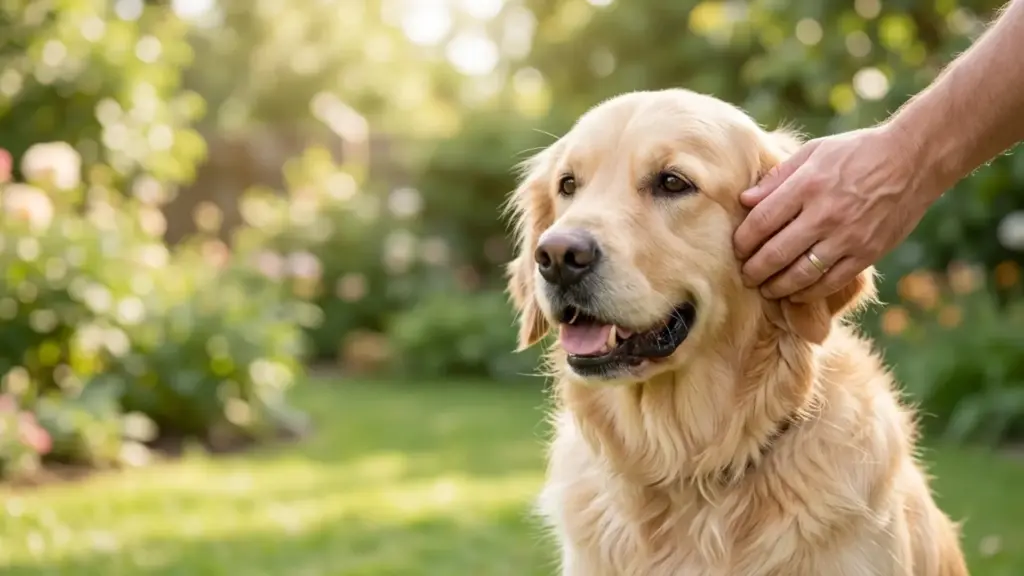
A dog resting its head on your lap often feels like the ultimate compliment. That gentle nudge for attention is a universal language between humans and their canine companions.
Do dogs like being pet, or are we just assuming they enjoy it because it makes us feel good? It turns out there is fascinating biology driving those tail wags and relaxed sighs.
While we assume our furry friends enjoy the affection, the truth involves complex hormonal shifts, nerve responses, and deep evolutionary roots that connect back to their wild ancestors.
This blog breaks down the science behind why dogs respond to touch, where they actually prefer it, signs they want you to stop, and how to pet any dog the right way.
Do Dogs Like Being Pet? The Science Behind It
Yes, most dogs genuinely like being petted. In my decades of experience as a certified professional dog trainer and animal behaviorist, I have watched countless dogs lean in, sigh with contentment, or offer their bellies during a good scratch.
It is not just a pleasant sensation. It connects deeply to their evolutionary history and basic biology.
Wild wolves maintain strong social bonds through grooming behaviors, such as licking and nibbling each other’s fur.
These actions build trust and reduce tension within the pack. Domesticated dogs inherited this instinct. When you pet your dog, your gentle strokes mimic the maternal licking they received as puppies.
It also reminds them of the playful contact they shared with littermates. It feels familiar and safe.
One of my rescue clients, a shy terrier mix, stayed tense around people for weeks.
Only after consistent, slow, predictable petting sessions did he begin to relax. Those touches echoed the pack instincts he still carried, helping him feel secure enough to trust again.
Of course, not every dog enjoys petting the same way. Some tolerate it more than they truly love it, depending on their personality, breed, or past experiences.
The key is watching their body language to tell the difference between real enjoyment and simple acceptance.
The Biology Behind Why Dogs Love Being Pet
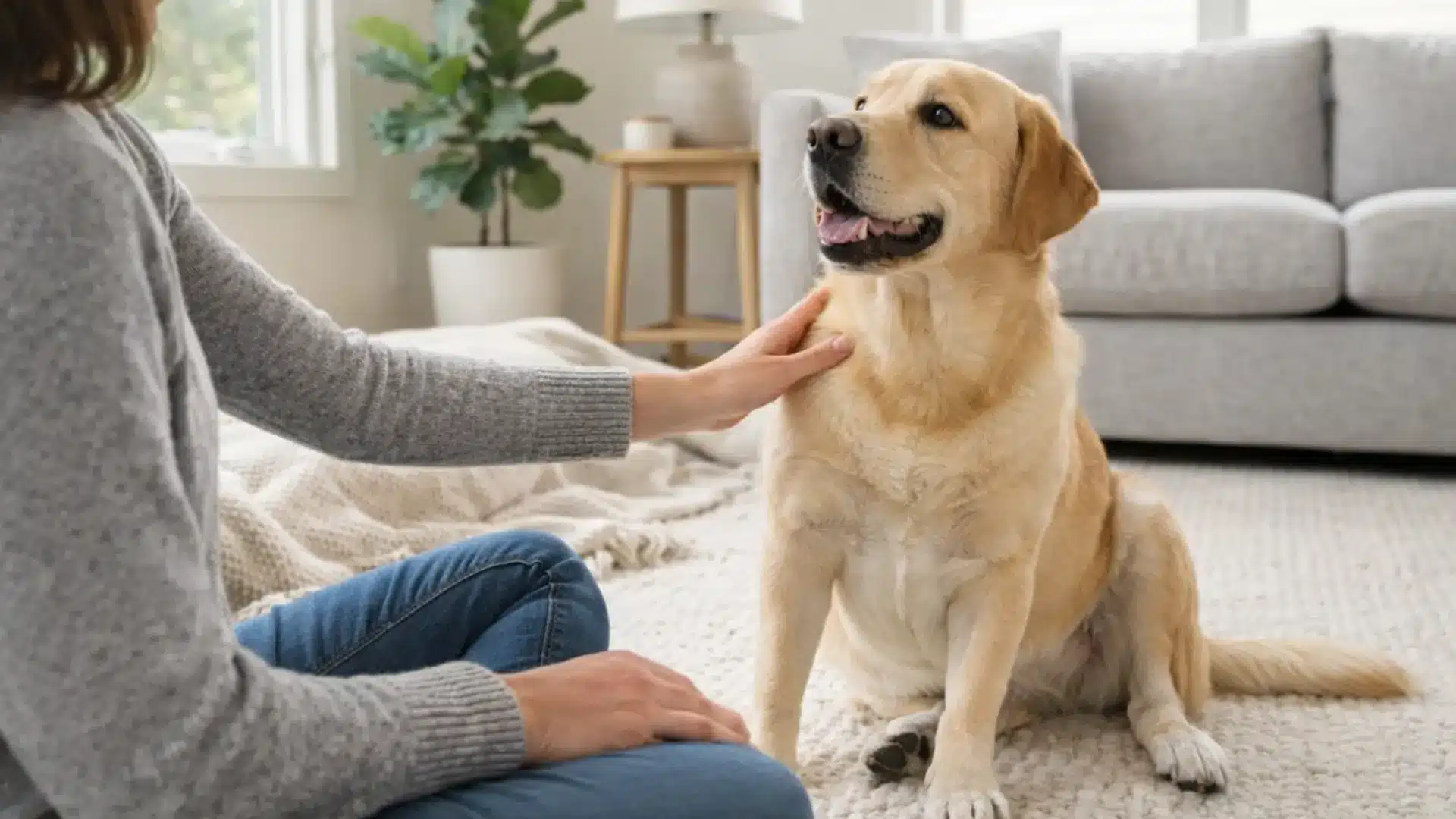
Several biological processes work together to make petting feel genuinely rewarding for dogs, not just physically comfortable but emotionally meaningful.
1. Oxytocin, Dopamine, and the Brain’s Bonding Response
When you gently stroke or pet your dog, it often triggers the release of oxytocin, frequently called the bonding or love hormone.
This same hormone surges between mothers and their newborns, helping create feelings of trust and closeness.
Research published in Science confirms that oxytocin levels rise in both dogs and their owners during positive physical interaction, creating a mutual bonding cycle that researchers describe as unique among animals.
Beyond oxytocin, gentle petting also prompts the release of dopamine and serotonin, neurotransmitters that directly regulate mood and feelings of pleasure.
In dogs and humans alike, calm physical interaction can support this positive feedback loop that strengthens the relationship over time.
I have seen how even a few minutes of calm petting can visibly shift a dog’s demeanor from tense to relaxed.
That combination of neurochemicals does its quiet but powerful work in the background, helping both of you feel more connected and secure.
2. Cortisol Reduction and the Stress Response
Petting also helps lower cortisol, the body’s main stress hormone, in both dogs and people. This reduction calms the autonomic nervous system, slows heart rate, and promotes overall relaxation.
For pet owners, this makes petting more than just affection. It becomes a practical tool to ease anxiety during thunderstorms, vet visits, or other stressful moments.
I often recommend it in behavior modification plans because the calming effect is real and measurable.
3. Sensory Nerve Stimulation and Touch Receptors
Dogs possess specialized nerve fibers known as C-tactile afferents that respond especially well to gentle, slow stroking.
These fibers, similar to those in humans, send signals that the brain interprets as pleasurable rather than purely informative.
They are most active during soft, social touch at the right speed and pressure, which explains why many dogs melt under calm chest rubs or ear scratches but pull away from fast or rough patting.
Dogs also have sensitive hair follicles packed with nerve endings that amplify this response.
Stroking fur in the direction of natural growth activates these follicles and adds to the overall comfort of the experience, which is part of why a slow, steady stroke feels genuinely different to a dog than a quick, brisk pat.
This sensory pathway turns simple petting into something that feels genuinely rewarding, much like a soothing massage. Understanding this helps us choose touches that dogs actually enjoy instead of just tolerate.
4. Nervous System Response to Touch
Gentle petting activates the parasympathetic nervous system, the part responsible for rest and recovery. This “rest and digest” response counters the fight-or-flight state, lowering heart rate and encouraging deep relaxation.
Research on human-animal interaction consistently shows how gentle, predictable touch promotes physiological calm that benefits both species.
Anxious dogs often show looser muscles, slower breathing, and softer eyes after a few minutes of proper petting.
It is one reason why I incorporate calm touch into crate training and behavior plans for rescues. It gives the nervous system a reliable way to downshift from stress.
5. Evolution and Domestication
Through domestication, dogs evolved to respond more positively to human touch than their wolf ancestors.
While wolves use grooming mainly within the pack for bonding and tension relief, dogs have adapted to interpret human hands as sources of safety and affection.
This shift made them exceptionally attuned to our gentle strokes and scratches. It is part of what allows even dogs from challenging backgrounds to learn to enjoy petting once they feel secure.
In my experience working with dogs across a wide range of breeds and temperaments, this evolutionary wiring explains why consistent, respectful touch can rebuild trust faster than almost anything else. It taps into something ancient yet perfectly suited to life with people.
Do All Dogs Like Being Pet?
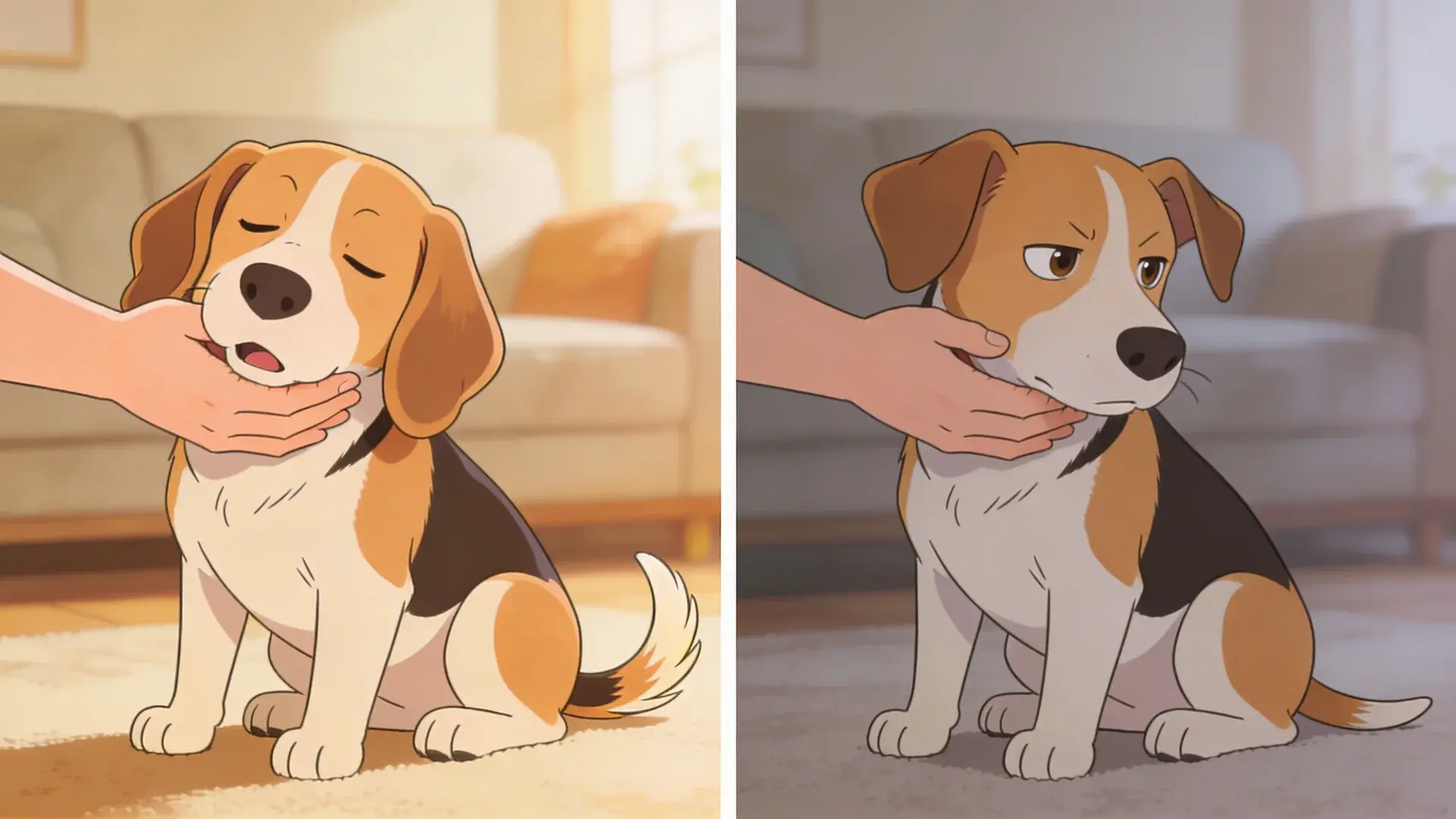
Dogs communicate clearly through subtle signals, and learning to read those signals is the difference between a petting session your dog genuinely enjoys and one they are simply enduring.
Not every dog enjoys being petted in the same way. In my years of experience training dogs, from eager puppies to wary rescues, I have learned that what feels good to one dog can make another feel uneasy.
The difference often comes down to accurately reading their body language. Dogs communicate clearly through subtle signals.
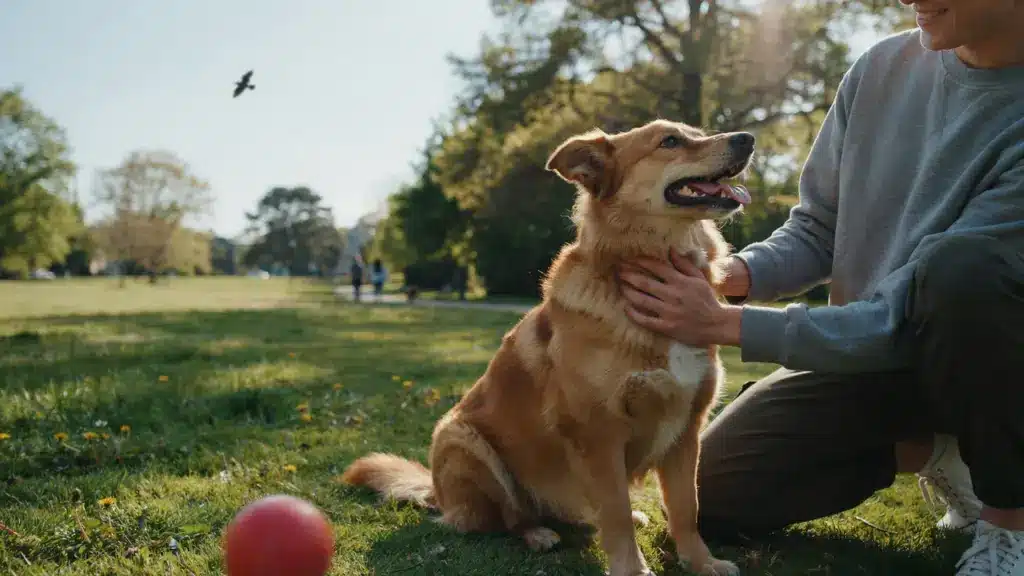
Signs a Dog Truly Enjoys Being Pet:
- Leaning gently into your hand or shifting closer for more contact
- Soft, relaxed eyes that may slowly blink or partially close
- A loose, low wagging tail that moves in wide, relaxed sweeps
- Soft sighing or contented groaning sounds
- A loose body posture with an open mouth and floppy ears
These behaviors usually mean your dog finds the petting pleasurable and wants it to continue.
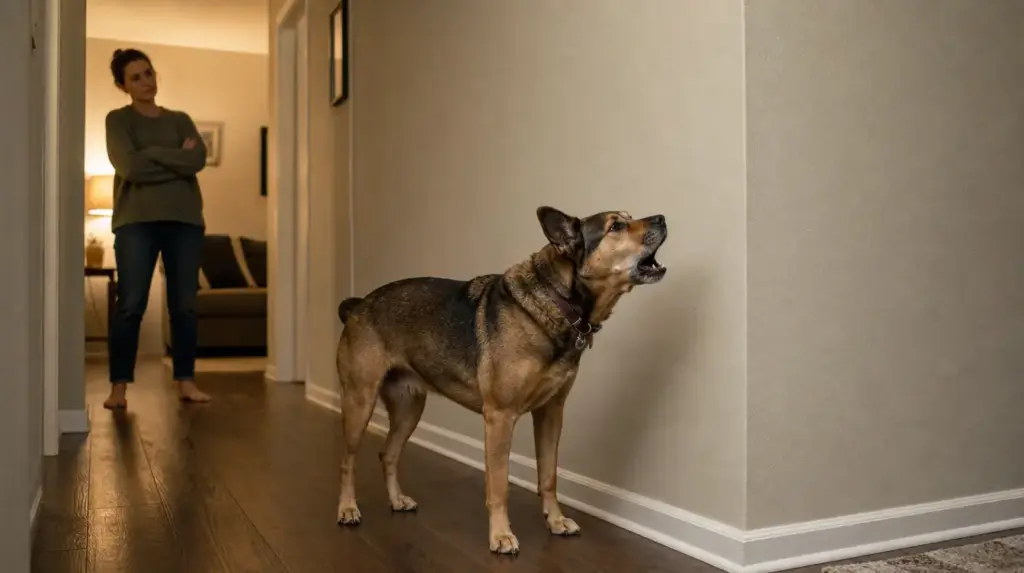
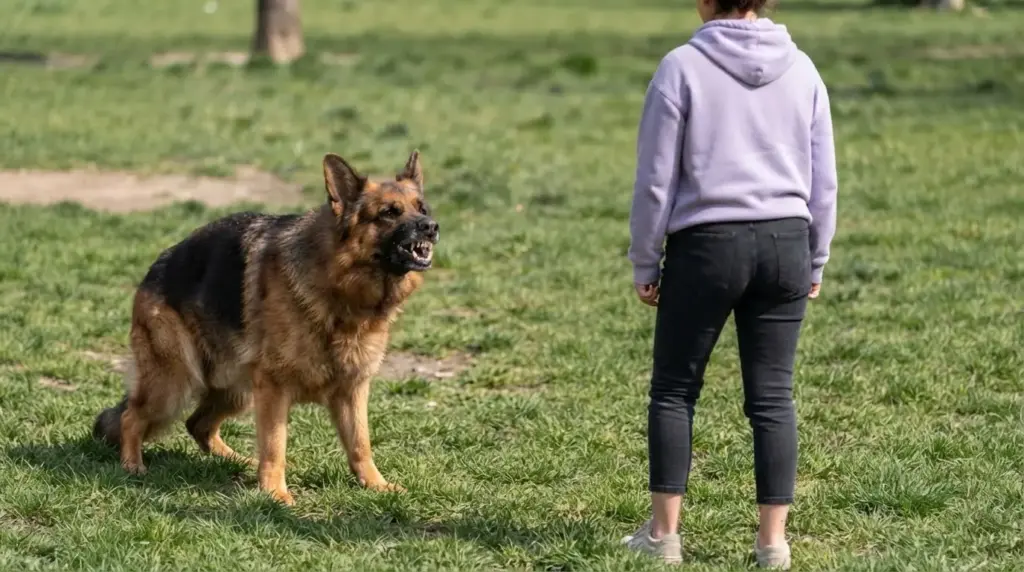
Signs a Dog Is Uncomfortable or Wants You to Stop:
- Stiff or rigid body posture and freezing in place
- Lip licking, yawning when not tired, or quick tongue flicks
- Turning the head away, avoiding eye contact, or showing the whites of the eyes (whale eye)
- Ears pinned back or body moving away from your touch
- Subtle growling or a tense, closed mouth
I always tell pet owners that respecting these cues prevents many behavior issues later. Every dog is an individual.
Some love long belly rubs while others prefer brief chest scratches or none at all. Pay close attention in different situations, especially with rescues or seniors, and let your dog guide the interaction.
Where Do Dogs Like Being Pet the Most?
In working with dogs of all backgrounds, I have noticed that certain spots almost always get a happy response, while others can make dogs pull away.
Every dog is different, but these areas tend to feel best because of their nerve endings, social instincts, and ease of reach.
| Spot | Why Dogs Love It |
|---|---|
| Behind the ears | Dense nerve endings mimic grooming |
| Base of the tail | Hard to reach, relieves itchiness |
| Chest and sternum | Safe, non-threatening area |
| Shoulders and back | Comfortable muscle massage |
| Under the chin | Reassuring for nervous dogs |
These spots often trigger relaxation because they activate pleasant biological responses, such as gentle nerve stimulation.
Note: Always start slowly and watch your dog’s body language. Some dogs love belly rubs once they trust you, but others find the belly, paws, top of the head, or muzzle area uncomfortable or threatening. Respect their signals. What feels good today may change if your dog feels anxious or has pain. When in doubt, let your dog approach your hand first and keep sessions short and positive.
Factors that Affect Whether a Dog Likes Being Pet
Dogs do not respond to touch the same way every time. Factors like breed traits, past experiences, health, and daily mood all shape how comfortable and receptive a dog feels toward petting.
- Breed Tendencies: Companion breeds like Golden Retrievers often welcome broad affection because they were bred for close human contact. Working or ancient breeds such as Huskies or Shiba Inu may prefer less touch or only specific areas due to their independent nature and closer genetic ties to wolves.
- Past Experiences and Trauma: Rescue dogs or those with negative early handling may initially pull away from petting. Gradual, predictable touch helps rebuild trust. In my behavior modification work, I have seen how patience with these dogs turns avoidance into relaxed enjoyment over time.
- Age-Related Changes: Puppies usually crave lots of contact for socialization and bonding. Senior dogs, however, may have reduced tolerance because of arthritis, joint pain, or sensitivity. Always adjust pressure and duration to avoid discomfort in older dogs.
- Current Health and Pain Levels: Hidden issues such as injuries, ear infections, or skin conditions can make certain areas painful to the touch. A dog that once loved chest rubs may suddenly tense up if those areas hurt. Watch closely and consult your vet if tolerance drops suddenly.
- Familiarity with The Person: Most dogs relax more with familiar family members than with strangers. Petting from someone they know often feels safer and more pleasurable because it carries positive associations and lower perceived threat.
- Personality and Mood: Confident, outgoing dogs tend to readily seek and enjoy petting. Shy or anxious personalities may need slower approaches. A dog’s daily mood, energy level, or stress from the environment also plays a big role in how welcoming they feel toward touch.
Benefits of Petting Dogs for Humans
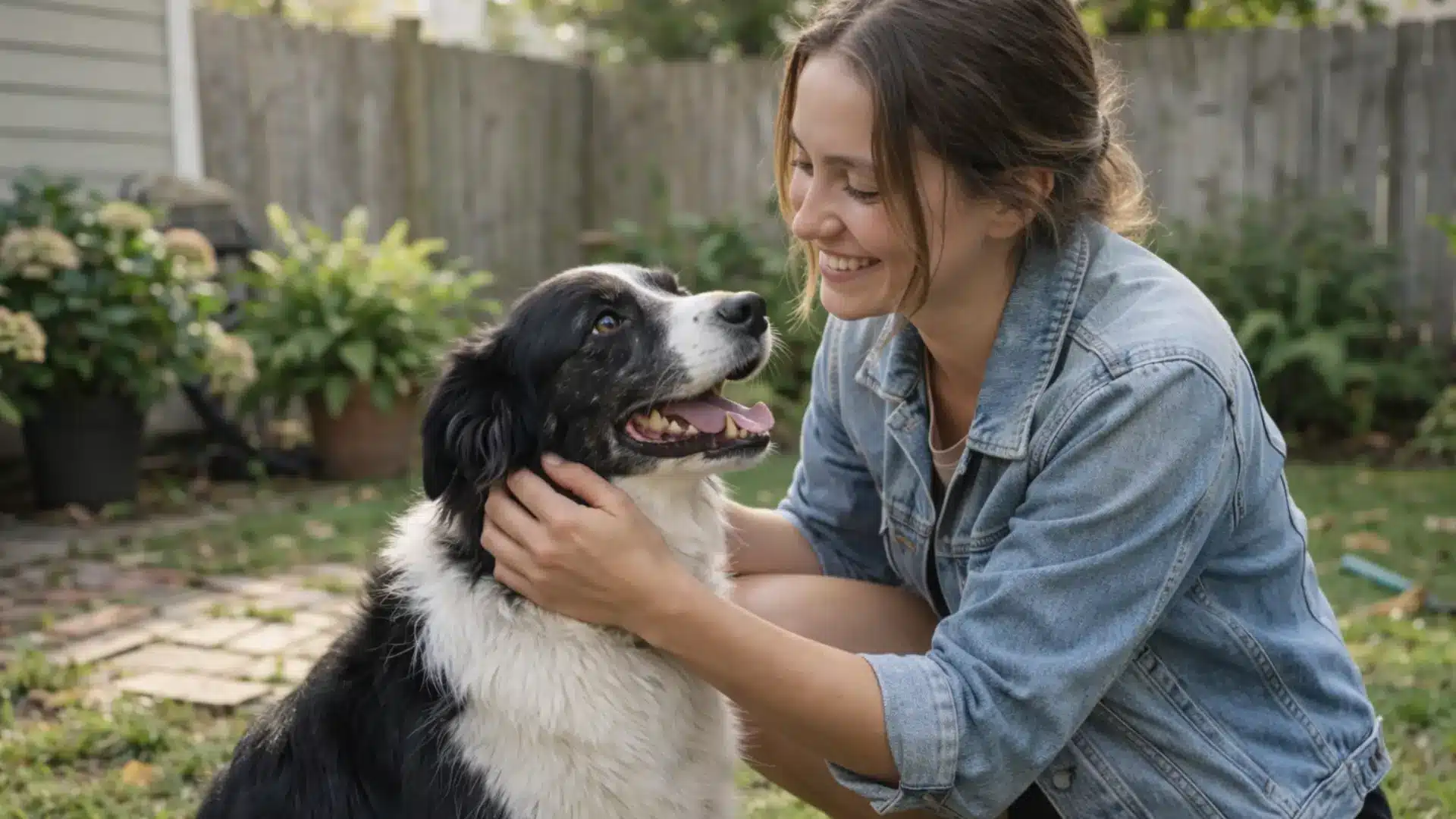
Petting your dog does far more than make them happy. It also delivers real, science-backed benefits for your own health and emotional well-being.
In my behavior modification work, I often use targeted petting to rebuild trust in dogs with past trauma, and I see how the same gentle interaction calms the humans involved as well.
When you stroke your dog with slow, calm movements, both of you experience a drop in cortisol, the primary stress hormone. This helps lower blood pressure and heart rate, creating a natural relaxation response.
Research published in the Journal of Veterinary Behavior shows that regular interaction with dogs can reduce feelings of loneliness and boost overall mood by increasing oxytocin, the hormone associated with bonding and emotional connection.
Petting sessions also serve as a natural opportunity to monitor your dog’s physical health.
Running your hands over their coat regularly helps you notice lumps, skin irritations, unusual swelling, or hidden injuries before they become serious concerns. It also makes it easier for you to detect fleas and ticks.
Beyond the physical effects, petting strengthens your sense of emotional security. It reinforces positive reinforcement during training sessions and provides predictable comfort, especially helpful for families with puppies, rescues, or senior dogs.
- Builds greater confidence in fearful or anxious dogs while easing your own daily stress
- Reinforces good behavior in training and deepens your mutual bond
- Creates reliable emotional support and comfort for senior dogs and their owners
Over time, these simple moments of connection improve everyone’s mental well-being in the household. The bond you share through petting truly goes both ways.
Combining regular petting with daily enrichment activities rounds out your dog’s emotional and mental needs in a meaningful way that neither element fully achieves on its own.
Tips for Petting a Dog the Right Way
How you pet matters just as much as where you pet, and a few small adjustments can make every interaction feel safer and more rewarding for your dog.
After training dogs of every size, background, and temperament, I have found that the right approach builds trust quickly, while the wrong one can create anxiety or unwanted behaviors.
- Let the dog initiate contact: Allow the dog to approach first instead of reaching over them. This reduces perceived threat and builds immediate trust.
- Offer your hand for scent introduction: Present the back of your hand at nose level so the dog can sniff and assess safely before any touch begins.
- Use slow, gentle strokes: Avoid fast patting or rough handling; steady movements activate calming nerve responses similar to social grooming.
- Start with neutral zones: Begin at the chest or shoulders, which are less sensitive, before moving to areas like the back or ears.
- Keep interactions short at first: Especially for puppies, senior dogs, or rescues, brief sessions help avoid overstimulation and allow trust to develop gradually.
- Seek permission with unfamiliar dogs: Always ask the owner before interacting, and avoid approaching a leashed dog without clear consent.
- Avoid sensitive approaches: Reaching over the head or grabbing the muzzle can feel intimidating and may trigger defensive reactions.
- Adjust based on individual response: Every dog differs in tolerance, preference, and mood, so adapt pressure, duration, and location accordingly.
Conclusion
Petting your dog is one of the simplest things you do together, but it carries real weight. It shapes how safe they feel around you, how quickly they recover from stress, and how deep your bond actually grows over time.
So, do dogs like being pet? For most, the answer is a clear yes. But the more meaningful skill is learning to read whether your specific dog wants it in any given moment.
The dogs who trust touch the most are the ones whose owners learned to listen, not just with their ears, but with their eyes.
Body language never lies. A stiff jaw, a turned head, or a slow lean-in each tells you exactly what your dog needs in that moment.
The best relationships between dogs and their people are built on thousands of these small, quiet exchanges done right.
What is your dog’s absolute favorite spot to be petted? Drop a comment below and let me know how they ask for affection. I always love hearing about the unique quirks of your furry companions!
Frequently Asked Questions
Can You Over-Pet a Dog and Cause Sensory Overload?
Yes, continuous touching can overstimulate their nervous system. Watch for panting or sudden restlessness, which indicates they need a physical break.
Is It Okay to Pet a Sleeping Dog?
Generally not. It is best to let them rest safely. Waking a dog abruptly through touch can trigger a natural startle response.
How Long Should a Typical Petting Session Last?
Most dogs enjoy 3 to 5 minutes. Let the dog’s body language guide the duration. They will naturally move away when they have had enough.