

Noticing a lump while petting your dog can instantly make your heart sink.
In my practice, that worried call: “I felt something on my dog, what is it?” is one of the most common concerns I hear from pet owners.
The reassuring part is that most cases I examine turn out to be harmless. Still, some lumps do require attention, and knowing the difference is what truly matters.
Dog bumps on skin can range from soft, harmless fatty lumps to signs of infection or, in less common cases, something more serious.
You might find yourself checking the same spot again and again, wondering if it has changed or grown overnight.
This blog walks through the main types, their causes, warning signs, and when to seek help, so you can make informed, confident decisions for your dog’s health.
What Do Bumps on a Dog’s Skin Mean?
In my clinic, many pet owners arrive expecting the worst, but after a quick examination, the lump often turns out to be something harmless like a lipoma or a sebaceous cyst that simply needs routine monitoring.
These bumps can vary in size, shape, and texture, making it difficult to determine their cause just by looking at them.
What a bump feels like can give useful clues before a full diagnosis.
In my initial assessments, I often guide pet owners using simple touch-based signs. A soft, movable lump under the skin is often a lipoma, which is usually benign, especially in older dogs.
A firm lump that feels fixed with uneven edges needs prompt evaluation, as it could be more serious. Small, round bumps on the surface may be warts, histiocytomas, or sebaceous cysts.
This approach is helpful when describing dog bumps on skin, but it should never replace a proper veterinary diagnosis.
Soft vs. Hard: What the Feel of a Lump Can Tell You
| Feel of Lump | Likely Type | Next Step |
|---|---|---|
| Soft, movable, smooth | Lipoma (fatty lump)onitor; confirm with vet | |
| Firm, fixed, irregular edges | Possible tumor | Prompt veterinary evaluation |
| Fluctuates in size daily | Possible mast cell tumor | Urgent vet visit |
| Soft, round, surface-level | Wart, cyst, or histiocytoma | Monitor; vet confirms diagnosis |
| Warm, painful, pus present | Abscess or infection | Veterinary care required |
This table is a general guide only and does not replace a veterinary diagnosis.
Common Types of Dog Bumps on Skin
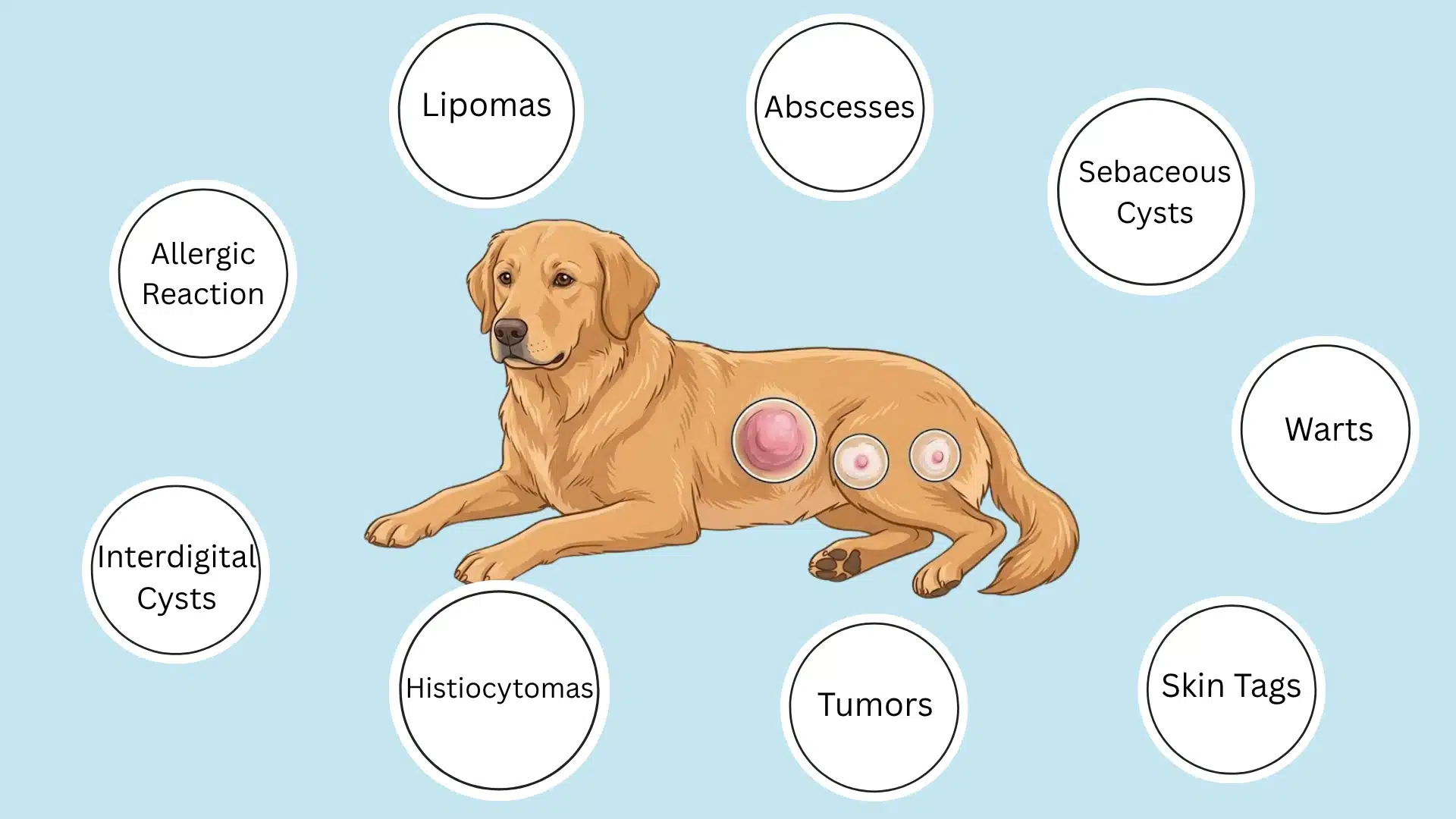
Some bumps are soft and harmless, while others may be painful or linked to infections or growths that need attention.
Understanding the common types helps pet owners know what to watch for and when to act.
Skin conditions caused by bacteria, injury, or foreign objects can sometimes develop into more serious lumps if left unaddressed.
Understanding infected wound care in dogs can help you act early when bumps follow an injury.
1. Allergic Reaction Bumps
Allergic bumps, also called hives, often appear suddenly and can spread quickly across the body.
These bumps are usually raised, red, and very itchy, causing dogs to scratch or rub against surfaces. Swelling around the face or eyes may also occur.
Common triggers include food ingredients, insect stings, pollen, or certain medications.
If your dog’s face starts to swell or breathing seems labored, do not wait, because that is an emergency.
2. Lipomas (Fatty Lumps)
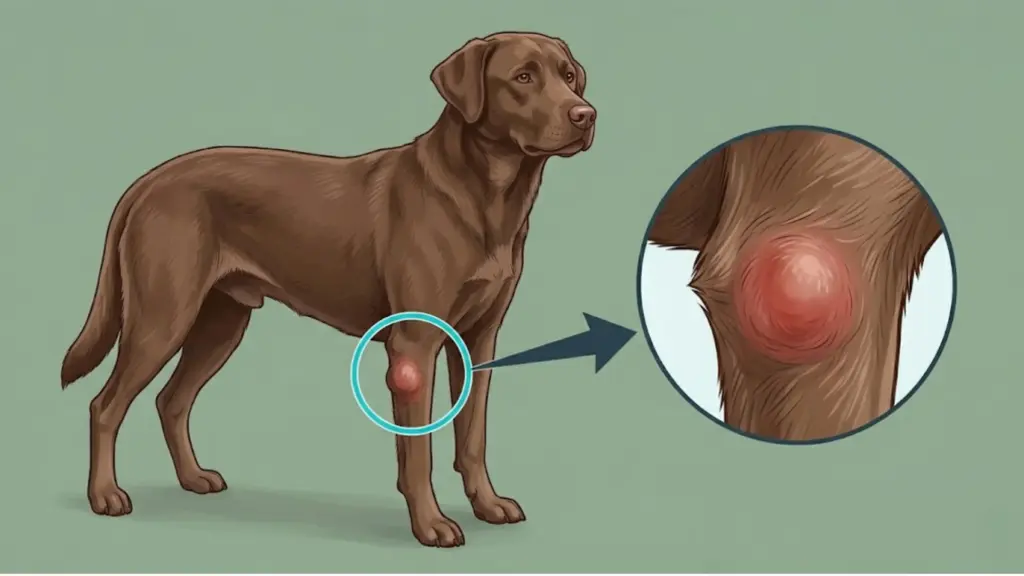
Lipomas are soft, rubbery lumps that develop under the skin and can be moved slightly when touched.
Labrador Retrievers and Golden Retrievers are especially prone to developing multiple lipomas as they age.
According to the American Kennel Club, larger breeds are more predisposed to lipomas, and a veterinarian may perform a fine needle aspirate to confirm the diagnosis by examining cells under a microscope.
I routinely map out lipoma locations for my older Lab patients so we can track any changes at each visit.
Even though lipomas are benign, it is still important to have a veterinarian confirm the diagnosis to rule out other types of growths that may look similar.
3. Sebaceous Cysts
Sebaceous cysts are small, round bumps filled with oil or a thick, cheesy material. They form when hair follicles or skin glands become blocked.
These dog bumps on the skin can rupture and release discharge, which may look messy and have an odor. Once opened, they can also become infected if bacteria enter the area.
They are more common in breeds with fine coats, such as Poodles and Bichon Frises.
As VCA Animal Hospitals explains, follicular cysts, a common type closely related to sebaceous cysts, contain thick, cheesy material, are prone to bacterial infection, and most frequently appear on the neck, head, or trunk.
While many do not need treatment, a vet may recommend removal if the cyst keeps coming back or causes discomfort.
4. Abscesses
Abscesses are painful, swollen lumps that form when an infection develops under the skin. They are often caused by bite wounds, scratches, or foreign objects entering the skin.
As the infection builds, the lump fills with pus and can become very tender.
In some cases, it may burst and drain fluid. Abscesses require veterinary treatment, as they often need cleaning, drainage, and antibiotics to fully heal and prevent further complications.
5. Warts (Papillomas)
Warts, also known as papillomas, are small growths with a rough, cauliflower-like surface. They are more common in young dogs and are usually caused by a virus.
The virus is contagious between dogs but cannot be transmitted from dogs to humans. These dog bumps on the skin may disappear on their own over time.
Warts often appear around the mouth, eyes, or paws, and while they are not painful, they can sometimes cause irritation depending on their location.
In rare cases, if a wart becomes large or bothersome, a vet may recommend removal to prevent discomfort or secondary infections.
6. Skin Tags
Skin tags are soft, small growths that hang off the skin and are usually attached by a thin stalk. They are common in older dogs and are considered non-cancerous.
They are caused by overactive fibroblast cells and can appear at any age, though they are more common in older dogs.
These bumps do not usually cause pain or health issues, and many dogs live with them without any problems.
However, if a skin tag gets caught on something or becomes irritated, it may bleed or become uncomfortable. In such cases, a veterinarian may suggest removal.
Otherwise, skin tags are generally harmless and only need monitoring.
7. Mast Cell Tumors
Mast cell tumors (MCTs) are the most common malignant skin tumors in dogs, accounting for 16 to 19 percent of all canine skin tumors, according to the Merck Veterinary Manual. They form from mast cells, immune system cells involved in allergic responses that contain histamine.
Mast cell tumors can appear anywhere on the body and vary widely in appearance, from a small, soft, raised bump to a red, ulcerated, or swollen growth.
One of their most distinctive traits is that they can fluctuate in size from day to day, or even within hours, particularly when touched or agitated. This happens because mechanical pressure causes the tumor to release histamine and other inflammatory compounds.
They occur most commonly in middle-aged to older dogs, typically between 8 and 10 years of age. Breeds with a higher predisposition include Boxers, Labrador Retrievers, Boston Terriers, and Pugs.
8. Hot Spots (Pyoderma)
Hot spots, also called acute moist dermatitis or pyoderma, are areas of inflamed, infected skin that develop rapidly when a dog licks, scratches, or chews repeatedly at one spot.
The moisture and self-trauma introduce bacteria into the skin, causing the area to become red, moist, painful, and sometimes crusted.
They are most common in dogs with dense coats or after swimming, and they can spread quickly if left untreated. While hot spots are not a bump in the traditional sense, they often form raised, swollen patches that owners notice during petting or grooming.
Treatment involves clipping the fur around the affected area, cleaning with diluted chlorhexidine, and addressing the underlying cause. A veterinarian may prescribe topical or oral antibiotics and corticosteroids depending on severity.
9. Histiocytomas (Button Tumors)
Histiocytomas are small, round, dome-shaped benign growths that most often appear in young dogs under three years old, commonly on the head, ear flaps, or legs.
They are often called “button tumors” because of their shape. Breeds like English Bulldogs, Scottish Terriers, and Boxers tend to develop them more frequently.
These dog bumps on the skin can look concerning at first, but the good news is that most histiocytomas shrink and disappear on their own within a few weeks to months.
Still, because they can resemble more serious growths, it is always best to have a veterinarian confirm the diagnosis.
10. Interdigital Cysts (Furunculosis)
Interdigital cysts are lumps that form between a dog’s toes and are often linked to allergies, infections, or foreign objects like grass seeds.
These dog bumps on the skin can appear red, swollen, and painful, making dogs lick or chew their paws constantly.
Because they are hidden between the toes, they are often missed during routine checks.
If a dog keeps licking its feet or limps without a clear reason, it is important to inspect between the paw pads. Early detection and treatment can help prevent discomfort and recurring issues.
11. Parasite-Related Bumps
Parasites like fleas and ticks can cause small, itchy bumps on a dog’s skin. Using a proven flea and tick prevention at home routine reduces the risk of these types of bumps and keeps the skin healthy.
Flea bites often appear as tiny red spots, especially around the tail or belly, while ticks may be visible as attached, rounded bodies on the skin.
These dog bumps on the skin are usually linked with itching, redness, and irritation. Dogs may scratch excessively, which can lead to further skin damage.
The American Veterinary Medical Association (AVMA) recommends checking for fleas, ticks, and coat abnormalities any time you groom your dog
What Causes Bumps on a Dog’s Skin?
Many dog bumps on the skin are linked to how the body reacts to irritation, bacteria, or changes over time. By breaking these causes into categories, it becomes easier to recognize patterns and decide when a closer look or veterinary care is needed.
1. Allergies (Food, Environmental, Fleas)
Allergies are one of the most common reasons dogs develop skin bumps.
When a dog’s immune system reacts to something it sees as harmful, it can lead to raised, itchy areas on the skin. Triggers include certain foods, pollen, dust, and flea bites.
These reactions often come and go, especially if the cause is not removed.
Managing allergies usually involves identifying the trigger and reducing exposure, along with medications to control itching and inflammation.
2. Bacterial and Fungal Infections
Infections can cause bumps that are swollen, irritated, and sometimes filled with pus.
Bacterial infections often happen when the skin is broken, allowing germs to enter and multiply.
Folliculitis, inflammation of the hair follicles, is one of the most common bacterial skin conditions in dogs. It appears as small, red, raised bumps around hair follicles that can resemble pimples, and may progress to pus-filled pustules that burst and form crusty lesions.
It is often a secondary condition triggered by allergies, mange, or hormonal disorders.
Fungal infections, like yeast, can also affect the skin and create red, itchy patches with a strong odor. These types of dog bumps on the skin may spread if left untreated and can become more uncomfortable over time.
Dogs may scratch or chew the area, making it worse. Proper diagnosis is important, as treatment usually involves medicated shampoos, creams, or oral medications.
3. Injuries and Trauma
Bumps can also form after a dog experiences an injury, even if it seems minor at first.
Bites, scratches, or impacts can lead to swelling under the skin, sometimes forming lumps like bruises or abscesses. In some cases, the lump may be filled with fluid or pus.
Dogs that play rough or spend time outdoors are more likely to develop these issues. Monitoring the area for changes helps ensure it heals properly without complications.
4. Hormonal and Age-Related Changes
As dogs age, their bodies go through changes that can lead to the development of lumps and bumps.
Hormonal imbalances may affect skin health and lead to unusual growths or changes in texture. Older dogs are also more likely to develop fatty lumps or other benign growths.
These types of dog bumps on the skin often grow slowly and may not cause pain, but they still need monitoring.
Regular checkups become more important with age, as early detection helps rule out more serious conditions and ensures overall health stays on track.
5. Genetics and Breed Predisposition
Some dogs are simply more likely to develop certain types of skin bumps due to their genetics.
Certain breeds are known to be prone to lipomas, cysts, or even specific types of tumors.
For example, breeds like Labradors and Golden Retrievers often develop fatty lumps as they age.
While genetics cannot be changed, regular skin checks and awareness can help catch any unusual growths early and guide proper care.
Symptoms to Watch Alongside Skin Bumps
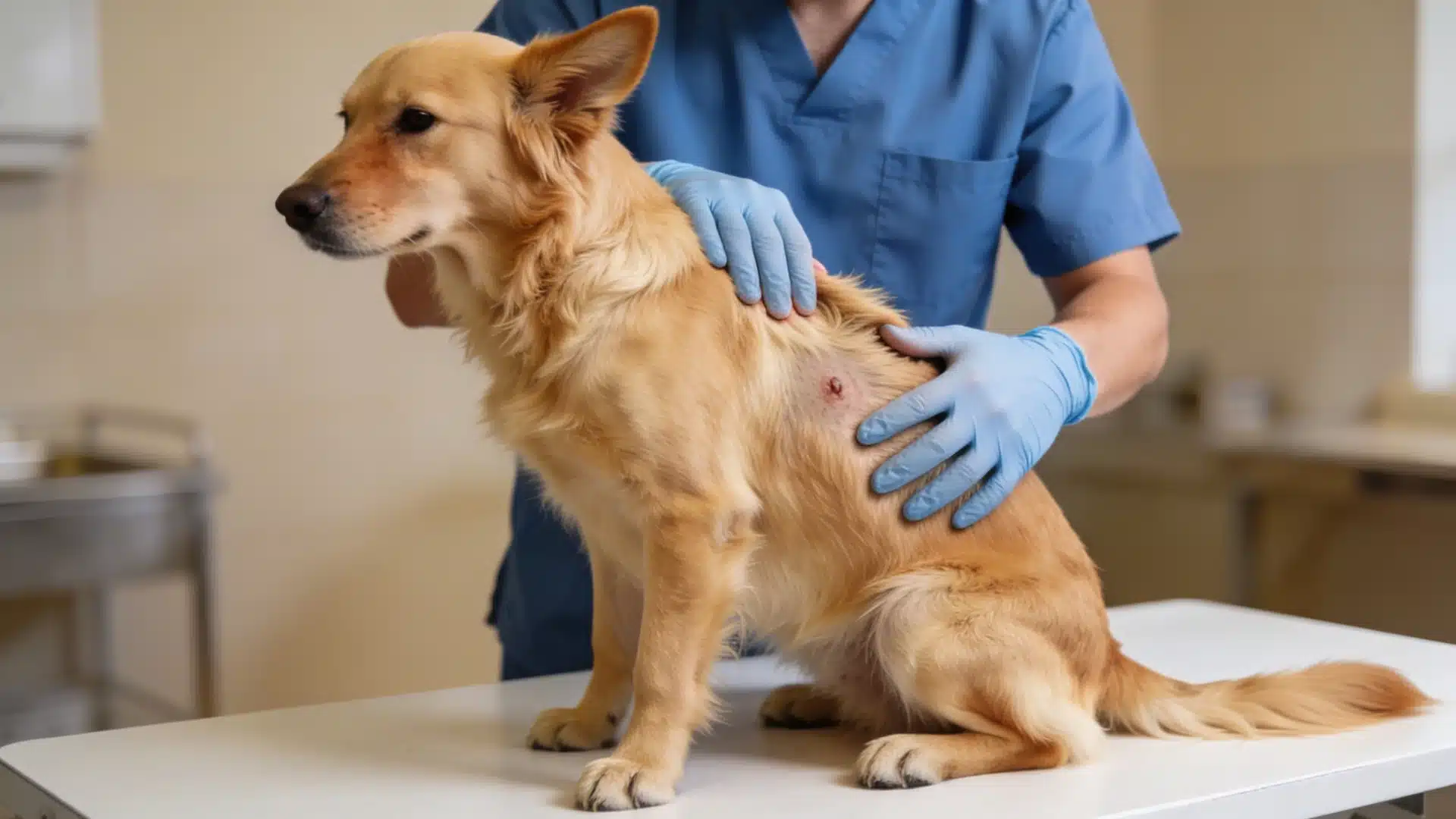
Paying attention to these signs helps determine whether the issue is mild or something that needs quick medical attention. Below are key symptoms to watch closely.
- Changes in Size, Shape, or Color: If a bump grows quickly, changes shape, or becomes darker or uneven, it may indicate abnormal cell growth.
- Pain, Warmth, or Discharge: A bump that feels warm, causes pain when touched, or leaks fluid like pus or blood may be infected.
- Itching or Excessive Scratching: Constant scratching, licking, or biting at a bump can signal irritation, allergies, or parasites. This behavior can worsen dog bumps on the skin and lead to open wounds or infections.
- Swelling Around the Area: Swelling that spreads beyond the bump or affects nearby areas, like the face or limbs, may suggest an allergic reaction or deeper inflammation.
- Hair Loss Around the Bump: Loss of fur around the affected area can indicate skin damage, infection, or chronic irritation. It often appears alongside redness or dryness.
- Bleeding or Ulceration: Open sores, bleeding, or crusty surfaces on a bump are warning signs. These may be linked to infections or more serious growths.
- Unusual Odor: A foul smell coming from a lump or the surrounding skin often indicates infection and should not be ignored.
When Should You Be Concerned About a Dog Lump?
Not every lump needs urgent care, but some signs should never be ignored.
You should be concerned if a lump grows rapidly, becomes hard or fixed in place, starts bleeding, or develops an open sore.
Pain, heat, or discharge are also warning signs, especially if your dog seems uncomfortable or keeps licking the area.
Sudden lumps that appear overnight or continue to change over a few days should be checked by a veterinarian.
I tell my clients that waiting too long can make treatment more difficult, especially if the lump turns out to be aggressive.
In my experience, early evaluation often leads to better outcomes. When in doubt, it is always safer to have a professional examine any unusual dog bumps on the skin rather than guessing at home.
Treatment Options for Dog Bumps on Skin
There is no single solution that works for every case, so the first and most important step is getting an accurate diagnosis. Once the cause is known, the right treatment plan can be chosen.
1. Diagnosing Dog Skin Bump
Veterinarians usually begin with a thorough physical exam and may perform a fine needle aspirate (FNA), which is a quick and minimally invasive procedure.
A small needle is used to collect cells from the lump, and these cells are placed on a glass slide for examination under a microscope. In many cases, this process provides answers within minutes.
If the results are unclear, a biopsy may be recommended, where a small tissue sample is surgically removed and sent to a lab for detailed analysis.
2. Medications (Antibiotics, Antihistamines)
Medications are often used when bumps are caused by infections or allergies. Antibiotics help treat bacterial infections, while antifungal medications target yeast or fungal issues.
Antihistamines are commonly used to reduce itching and swelling from allergic reactions.
These treatments can be very effective for certain types of dog bumps on the skin, especially when symptoms are mild to moderate.
In some cases, topical creams or medicated shampoos may also be recommended. It is important to follow the prescribed dosage and complete the full course for the best results.
3. Minor Procedures or Drainage
Some bumps, like abscesses or cysts, may need to be drained to relieve pressure and remove fluid buildup. This is usually done by a veterinarian in a controlled and clean setting.
After drainage, the area is often cleaned and treated with medication to prevent further issues.
These procedures are generally quick and can provide immediate relief, especially if the bump is painful or swollen.
4. Surgical Removal
Surgical removal is recommended when a lump is large, growing, or suspected to be cancerous. It may also be advised if the bump interferes with movement or causes discomfort.
Removing certain dog bumps on the skin allows for complete examination and reduces the risk of complications.
Surgery is typically straightforward, but recovery time and care depend on the size and location of the lump. In many cases, removing the growth early can prevent more serious health problems later.
5. Cryotherapy
For small, benign surface growths such as warts or minor skin tags, cryotherapy, a procedure that uses freezing temperatures to destroy abnormal tissue, may be used as a non-surgical option.
It is quick, typically well-tolerated, and leaves minimal scarring.
6. Ongoing Monitoring
Not all bumps require immediate treatment, and some can be safely monitored over time, especially if they are small, soft, and not causing any issues.
Keeping a photo log and noting any size changes during monthly checks is one of the most practical monitoring tools I recommend to my clients.
This simple habit also supports better decision-making during annual wellness visits, as I can compare current findings with photos taken at home.
Tips to Prevent Bumps on Your Dog’s Skin
Preventing skin bumps starts with consistent care and early attention to small changes. While not all dog bumps on the skin can be avoided, many are linked to hygiene, diet, and parasite control.
- Regular Grooming and Skin Checks: Choosing the right brush for your dog’s coat makes grooming more effective and helps you spot early skin changes before they develop into something more serious. Brushing and grooming help remove dirt, dead skin, and loose hair. It also allows early detection of any unusual lumps or irritation before they become serious.
- Maintain a Balanced Diet: Good nutrition supports skin health. Diets rich in essential fatty acids help keep the skin strong, reducing dryness, inflammation, and allergic reactions.
- Keep the Living Environment Clean: Regular cleaning of bedding, toys, and living areas helps reduce allergens, bacteria, and parasites that can trigger skin issues.
- Check for Injuries After Outdoor Activity: Small cuts or bites can turn into bumps if left untreated. Quick checks after walks or playtime help catch problems early.
- Schedule Routine Vet Visits: Regular checkups ensure early detection of potential issues and help manage any developing dog bumps on the skin before they worsen.
Conclusion
After examining lumps on dogs of every size and breed in my clinic, the message I want to leave you with is this: most bumps are not emergencies, but none of them should be permanently ignored.
As covered, many dog bumps on skin are harmless, like lipomas or skin tags, while others may need quick attention, especially if they change, grow, or cause discomfort.
Knowing the common types, causes, and warning signs helps you act with confidence instead of guesswork.
Regular checks, proper care, and timely vet visits go a long way in keeping your dog healthy.
Every dog is different, so staying observant is key. If something does not seem right, it is always better to get it checked early.
Have you noticed any unusual bumps on your dog? Share your experience in the comments below.
Frequently Asked Questions
Can I Pop a Bump on My Dog?
No, you should never pop a bump on your dog. It can cause infection, pain, and make the condition worse. Always have a veterinarian examine any unusual dog bumps on the skin safely.
Can I Use Human Creams On My Dog’s Skin Bumps?
No, human creams or ointments should not be used on dogs. Many products contain ingredients that can be harmful if licked, leading to irritation or toxicity. Always use vet-approved treatments.
Are Certain Areas Of The Body More Prone To Bumps?
Yes, bumps often appear on the neck, legs, belly, and back. These areas are more exposed to irritation, parasites, and pressure, making dog bumps on the skin more noticeable there.
How Can I Do a Monthly Skin Check on My Dog?
Choose a calm moment when your dog is relaxed.
Run your fingers slowly over the entire body, including the belly, under the ears, between the toes, around the armpits, and along the spine.
Look and feel for any new lumps, changes in existing ones, areas of redness or hair loss, or signs of discomfort when touched.
Take a photo of any new lump and note its approximate size. Bring this record to your next vet visit or sooner if the lump changes quickly.