Watching a dog grow older is not easy, especially when small changes begin to appear in daily behavior. Things that once felt normal start to feel different, and it can be hard to ignore them.
A dog that used to stay alert and responsive may seem lost at times, or less interested in what is happening around them.
These moments can feel confusing and heavy at the same time, especially when the change is gradual. Many people do not realize this, but aging not only affects the body but can also affect the mind.
This condition is known as dementia in dogs, and it is more common than most expect. Because the signs can look subtle in the beginning, they are often overlooked or mistaken for normal aging. This blog focuses on what actually helps.
The behavior changes that are worth paying attention to, how vets understand and identify the condition, and simple ways to manage it so that daily life feels more stable, calm, and comfortable for the dog.
What is Dementia in Dogs
Canine cognitive dysfunction is a brain condition seen in older dogs that shares similarities with memory decline in humans.
It is also called Cognitive Dysfunction Syndrome, a term often used in veterinary studies.
Over time, changes begin inside the brain. Protein deposits build up, and important chemicals that help brain cells communicate start to decrease. This affects how signals move through the brain.
As the condition progresses, it begins to impact memory, learning, and awareness of surroundings. Dogs may struggle to recognize familiar spaces or respond the way they once did.
Social behavior can change as well, with less engagement in daily interactions. Any dog can develop this condition, but age is the biggest factor.
Dogs that live longer are more likely to experience it. Factors such as limited mental activity and a poor diet over time may also play a role in its development.
Dementia in Dogs: Early vs Late Stage Symptoms
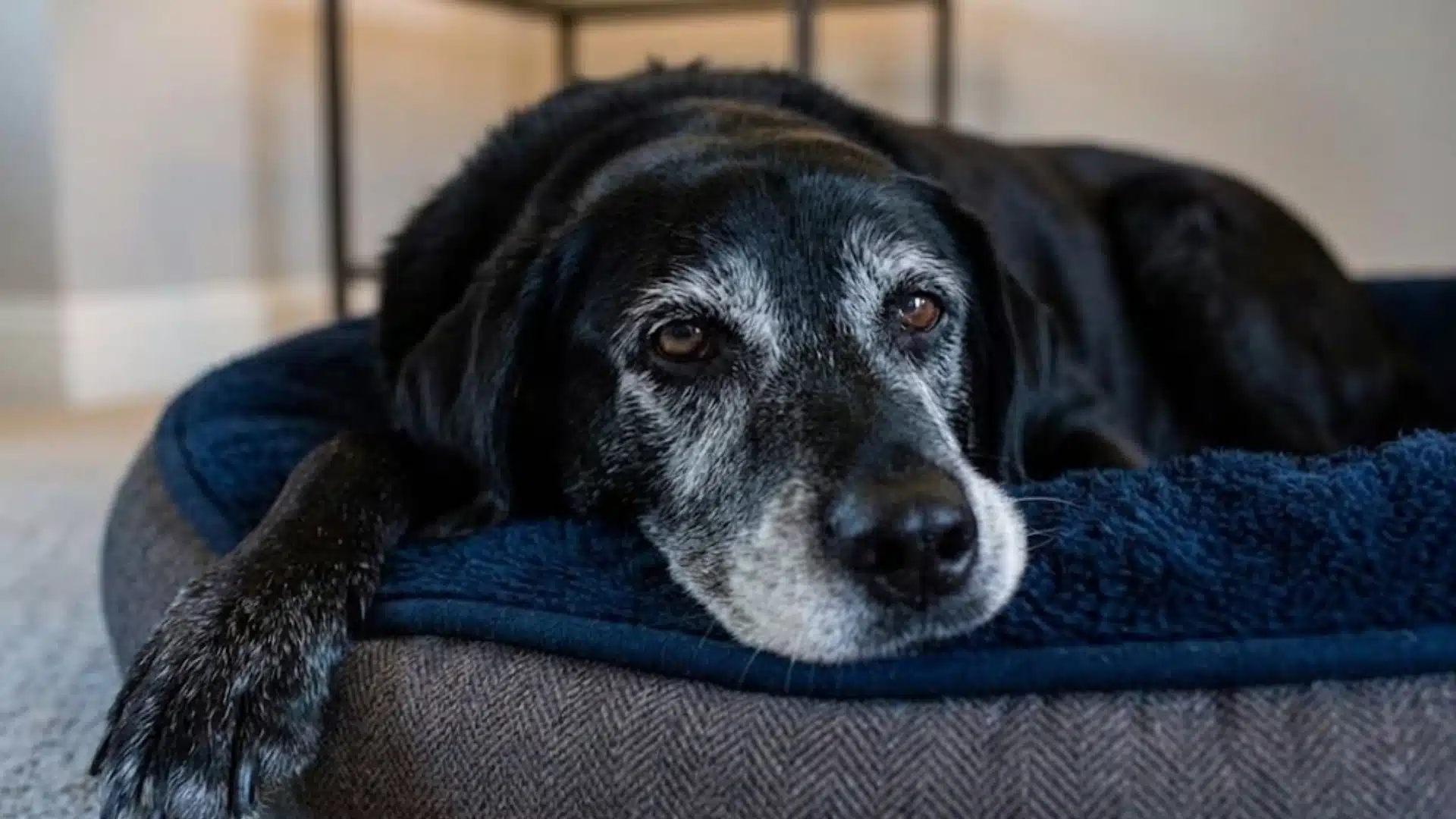
Symptoms do not appear all at once. They build over time, starting small and becoming more noticeable as daily behavior and routines begin to change.
1. Mild Signs that Are Easy to Miss
In the early stage, changes are subtle and often brushed off as normal aging. A dog may seem slightly less responsive, take longer to follow commands, or show minor shifts in sleep patterns.
There may be brief moments of confusion, like pausing in familiar spaces or staring without reason.
Interaction may reduce slightly, but not enough to raise concern. These signs come and go, which makes them easy to overlook at first.
2. Moderate Symptoms that Affect Daily Life
As the condition progresses, changes become harder to ignore. A dog may forget familiar routines, struggle with house training, or show clear signs of disorientation inside the home.
Sleep cycles often shift, with restlessness at night and more sleeping during the day. This pattern is sometimes referred to as Sundowner Syndrome, where symptoms worsen in the evening, and the dog may pace, vocalize, or become agitated, specifically at night.
Social behavior may decline, leading to less interest in people or other pets. Anxiety can also increase, especially in situations that were once comfortable and predictable.
3. Severe Symptoms and Quality of Life Impact
In later stages, the condition begins to affect overall well-being. A dog may appear completely disoriented, even in familiar surroundings, and may fail to recognize people they know.
Basic habits like eating or responding to cues can decline. Movement may become repetitive or aimless, such as pacing or circling.
Anxiety and distress can increase, making it harder for the dog to stay calm. At this stage, daily care and comfort become the main focus.
Common Signs and Symptoms to Watch
These signs often show up gradually and may seem small at first, but together they point toward bigger changes in a dog’s behavior and mental state.
- Changes in Sleep Patterns: Sleep cycles may shift over time, with more sleeping during the day and restlessness at night. A dog may wake up often, wander around, or seem unable to settle, even in a familiar and comfortable space.
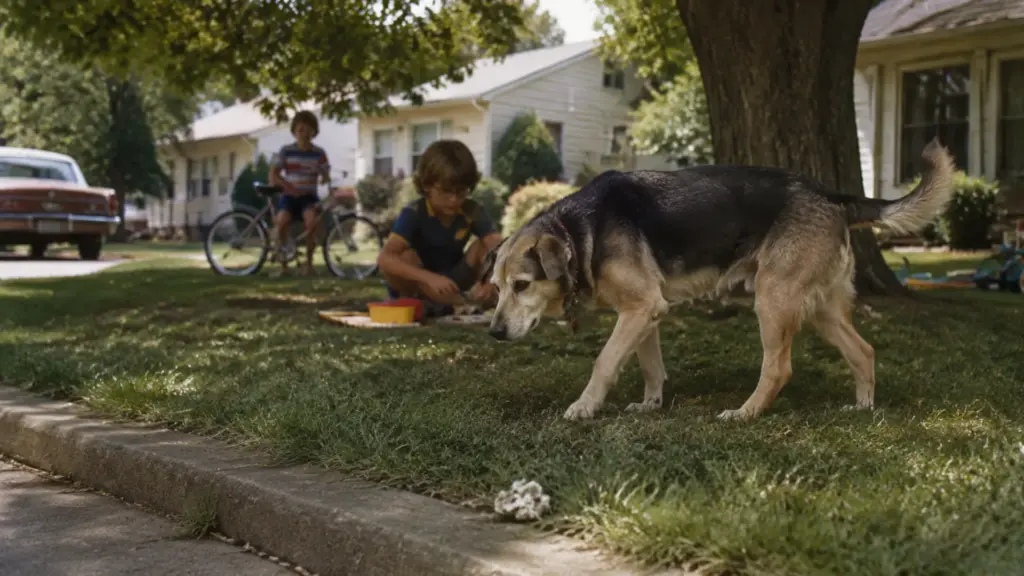
- Disorientation and Confusion: A dog may appear lost in familiar areas, pause in corners, or struggle to find their way around the home. Simple routines may suddenly feel confusing, even if they were once second nature.
- Reduced Interaction with People or Pets: Interest in social interaction may slowly decline. A dog that once enjoyed attention or play may seem distant, less responsive, or uninterested in engaging with family members or other animals.
- House Training Issues: Accidents inside the house can occur even in well-trained dogs. This is not always about control, but more about forgetting learned habits or signals.
- Anxiety or Restlessness: Increased unease may appear in new or familiar situations. A dog may pace, whine, or stay unsettled without a clear reason, especially during quiet hours.
- Repetitive Behaviors: Repeated actions like pacing, circling, or staring at one spot may become more frequent. These behaviors often happen without purpose and can last longer as the condition progresses.
- Changes in Appetite: Some dogs with CDS lose interest in food or forget where their water bowl is placed. Monitoring eating and drinking habits is an important part of tracking the condition’s progression.
Dementia in Dogs: Causes and Risk Factors
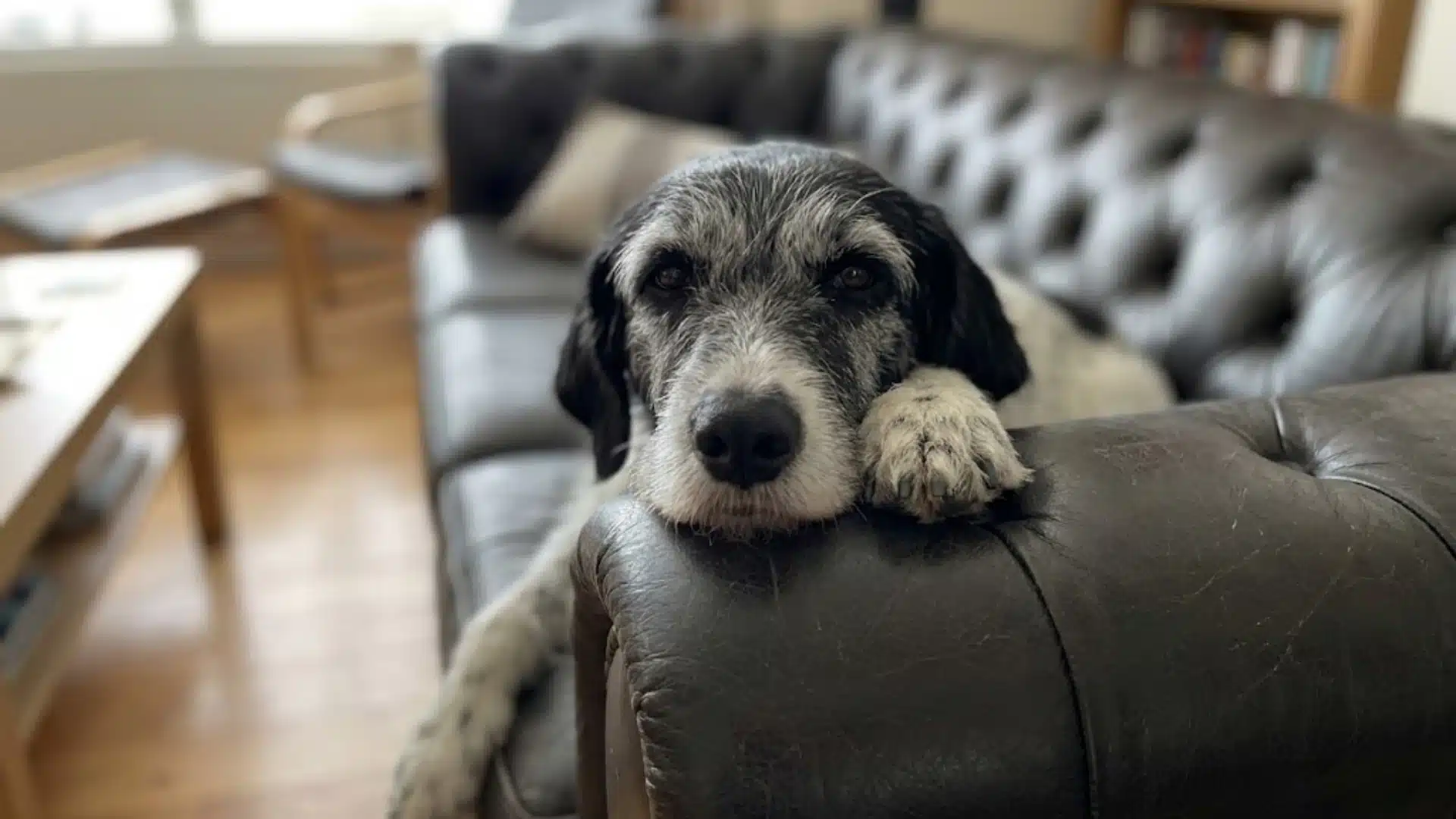
Age plays the biggest role in this condition, with signs rarely seen in dogs under eight, but increasing steadily as they grow older.
As the brain ages, nerve cells begin to decline, and its ability to clear waste slows down. This leads to a buildup of protein deposits that interfere with how brain cells communicate, affecting memory and learning over time.
Oxidative stress is another factor, where harmful molecules outweigh the body’s natural defenses and damage brain cells.
Smaller breeds are often diagnosed more often, mainly because they tend to live longer and reach the age where risk increases.
Daily habits also matter, as limited mental activity, low social interaction, and poor diet over the years may influence how quickly symptoms appear and how severe they become.
How Vets Diagnose Dementia in Dogs?
There is no single test for this condition, so vets rely on careful observation, medical history, and ruling out other possible causes.
Many health issues can show similar signs, including thyroid problems, infections, liver or kidney disease, diabetes, arthritis, and even side effects from certain medications.
Because of this, blood tests and a full physical exam are usually done first to eliminate other conditions.
In rare cases, advanced imaging such as an MRI may be used to rule out tumors or structural abnormalities in the brain. Once other causes are ruled out, the focus shifts to behavior patterns.
Vets ask detailed questions about when changes started, how they have progressed, and what specific signs have been noticed.
Keeping notes or short videos before the visit can make this process clearer. Some clinics also use scoring tools to assess severity, which helps build a more accurate picture of the condition.
Treatment Options for Dementia in Dogs
There is no complete cure, but the right mix of care, routine, and support can help slow decline and improve daily comfort over time.
- Medications prescribed by vets: Selegiline (sold under the brand name Anipryl) is currently the only FDA-approved medication for canine cognitive dysfunction. It works by protecting nerve cells, enhancing dopamine in the brain, and reducing harmful free radicals. Some owners notice improvement within three weeks, though many dogs require up to six weeks before meaningful changes appear.
- Diet changes and supplements: Special diets rich in antioxidants and brain-support nutrients can support cognitive health. Supplements may also be recommended to help protect brain cells over time.
- Mental stimulation activities: Simple games, puzzle toys, and gentle training exercises can keep the mind active. Regular engagement helps slow down mental decline.
- Mental stimulation activities: Simple games, dog enrichment activities, and gentle training exercises can keep the mind active. Regular engagement helps slow down mental decline.
- Consistent daily routines: Keeping feeding, walks, and sleep times steady helps reduce confusion. Familiar patterns make the environment feel more predictable and safe.
- Environmental adjustments: Small changes at home, like easy access to food, water, and resting spots, can reduce stress and help the dog move around more comfortably. Adding nightlights in hallways and common areas can also reduce disorientation during the dog’s nightly wandering, which vets sometimes call “midnight walks.
Managing Life at Home
The home environment has a strong impact on how a dog feels each day. A simple, steady, and safe setup can reduce confusion and lower stress in a noticeable way.
Keeping daily routines consistent helps a lot, especially when meals, walks, and rest happen at the same time every day. This creates a sense of familiarity that supports a dog dealing with dementia in dogs.
Making small changes at home can also improve comfort. Blocking unsafe areas, adding non-slip rugs, and keeping food and water in fixed spots can make movement easier.
A calm evening routine, with light activity and quiet surroundings, can help reduce restlessness at night. Limiting loud sounds or sudden changes also helps keep anxiety in check.
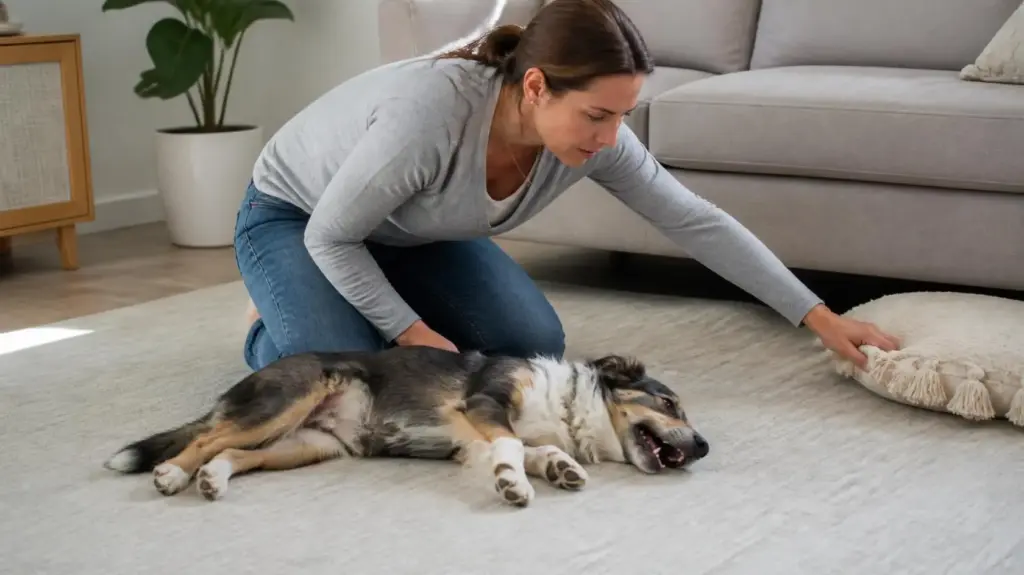
I know this phase can feel heavy at times. Taking small, thoughtful steps each day can make things more manageable for both the dog and the owner.
Tips to Improve Quality of Life
Small daily efforts can make a noticeable difference, helping a dog stay more comfortable, engaged, and at ease even as behavior and memory begin to change.
- Gentle exercise: Short, slow walks help maintain physical health without causing stress. Light movement also supports better sleep and reduces restlessness during the day.
- Interactive toys: Simple puzzle toys or treat-based games keep the mind active. These should be easy to use, so the dog does not feel frustrated or confused.
- Comfortable resting space: A soft, supportive bed in a quiet area can improve rest. Keeping this space warm and consistent helps the dog feel more secure.
- Consistent reassurance: Calm voice, light touch, and familiar presence can reduce anxiety. Repeating small comforting actions builds a sense of safety over time.
- Positive engagement: Gentle play, slow training cues, or quiet bonding time can help maintain connection and prevent withdrawal from daily interaction.
Conclusion
Aging is a natural part of a dog’s life, but it can bring changes that are not always easy to handle. Some dogs face cognitive challenges that need patience, understanding, and small adjustments in daily care.
Learning about these changes early can make a real difference in how well a dog adapts over time. The years of loyalty and companionship a dog gives deserve the same level of care in return.
Staying informed and acting early gives access to better support, guidance, and management options. Selegiline, enrichment-based routines, and cognitive diets are all most effective when started before the condition reaches its moderate stage. Even small efforts can improve daily life and reduce stress for both the dog and the owner.
If these signs feel familiar or if managing this condition is already part of daily life, sharing that experience can help others feel less alone. Drop a comment below and share your story.
Frequently Asked Questions
How Long Do Dogs Live After a Dementia Diagnosis?
Life expectancy varies based on stage, overall health, and care. Dogs diagnosed early may live 1 to 3 comfortable years, while in later stages, focus shifts to maintaining comfort and daily quality of life.
Can Dementia in Dogs be Prevented?
There is no guaranteed way to prevent it, but regular exercise, mental stimulation, social interaction, and a balanced diet may help delay onset or reduce severity over time.
Is My Dog in Pain with Dementia?
The condition itself is not painful, but confusion and anxiety can cause distress. Treatment focuses on reducing stress and helping the dog feel calm, safe, and more settled each day.