Something always feels off when a dog is not comfortable after meals. Maybe the stool is too loose, too hard, or just not regular.
Many pet owners face this moment and wonder what could be missing in the diet.
The answer often points to something simple yet overlooked. Fiber plays a quiet but powerful role in how a dog feels every day.
Adding the right fiber foods for dogs can improve digestion, reduce discomfort, and even help with weight balance. It does not require complicated changes or expensive products.
Just a few thoughtful additions can bring visible results. The challenge is knowing what to add and how much is safe.
Once that becomes clear, feeding starts to feel easier and more confident, and the dog starts to feel better, too.
The natural foods mentioned in the blog are the ones I rely on most in my practice when supporting better digestion in dogs.
Why Fiber Matters in a Dog’s Diet?
Fiber plays a key role in keeping a dog’s digestive system balanced and working smoothly.
It is a type of nutrient that helps regulate how food moves through the gut.
When included through fiber foods for dogs, it can improve stool consistency, making it neither too hard nor too loose.
As per the National Academies of Sciences, Engineering, and Medicine, for normal adult dogs, the typical and appropriate crude fiber level in a complete diet is 2.5-4.5% by weight.
There are two types of fiber: soluble fiber, which absorbs water and helps with soft stools, and insoluble fiber, which adds bulk and supports regular bowel movements.
Dogs that experience constipation, frequent loose stools, sudden weight gain, or constant hunger may benefit from more fiber.
Some fibers are also fermentable, meaning beneficial gut bacteria break them down into short-chain fatty acids (SCFAs) that nourish colon cells, reduce gut inflammation, and strengthen the immune system.
SCFAs also help prevent diarrhea by maintaining intestinal electrolyte and fluid balance and by inhibiting the growth of harmful microbes.
This prebiotic effect is one of the most underappreciated benefits of fiber in canine nutrition.
In my experience as a pet nutritionist, I often see small fiber adjustments make a noticeable difference in digestion and overall comfort, especially when introduced gradually and paired with proper hydration.
Signs Your Dog Might Need More Fiber
Changes in digestion and behavior often give early clues that a dog may need dietary adjustments. Many pet owners notice small but consistent issues before realizing fiber intake might be the cause.
The fiber benefits for dog health outlined by the American Kennel Club explain how each type plays a distinct role in gut function and weight balance.
- Irregular bowel movements: Inconsistent stool patterns, such as frequent diarrhea or constipation, often indicate a lack of balanced fiber in the diet.
- Scooting or anal gland issues: Dragging the rear on the floor can be linked to poor stool quality, which fiber helps firm up and regulate. This is one of the most common and most fixable complaints I hear from dog owners.
- Sudden hunger despite regular feeding: Dogs may feel less full without enough fiber, leading to constant begging or searching for food. If your dog has also started eating treats but skipping meals, it may be worth looking at whether their regular food is keeping them satisfied.
- Weight management struggles: Difficulty maintaining a healthy weight can be tied to low fiber intake, as fiber helps with satiety and portion control.
- Frequent digestive discomfort: Gas, bloating, or visible uneasiness after meals may signal poor gut balance.
- Blood sugar fluctuations: Soluble fiber slows glucose absorption in the digestive tract, which helps prevent post-meal blood sugar spikes.
- When to consult a vet: Persistent symptoms, severe discomfort, or sudden changes should always be checked by a veterinarian before increasing fiber foods for dogs.
Best Natural Fiber Foods for Dogs
Adding natural fiber sources to a dog’s diet can make a big difference in digestion, weight balance, and overall comfort. The key is choosing the right options and feeding them in proper portions.
| Food | Fiber Type | Main Benefit | Small Dog Portion | Large Dog Portion |
|---|---|---|---|---|
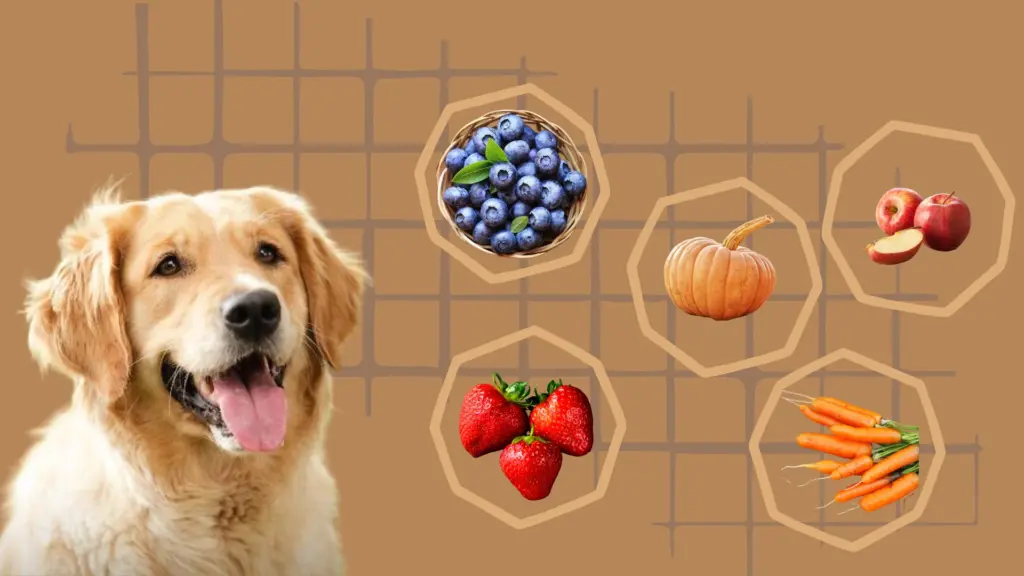
| Pumpkin | Soluble + Insoluble | Constipation and loose stool relief | 1 tsp | 1 to 2 tbsp |
| Beetroot Pulp | Soluble + Insoluble | Stool consistency, gut balance | 1 tsp | 1 tbsp |
| Carrots | Insoluble | Stool bulk, digestive regularity | 2 to 3 slices | Small handful |
| Oats | Soluble (beta-glucan) | Gut bacteria support blood sugar | 1 tbsp | Up to ¼ cup |
| Apples | Soluble | Digestion, hydration boost | 2 to 3 slices | 5 to 6 slices |
| Brown Rice | Insoluble | Firmer stools, energy | 1 to 2 tbsp | Up to ½ cup |
| Blueberries | Soluble | Antioxidants, gentle digestion | 3 to 5 berries | Small handful |
| Strawberries | Soluble | Vitamin C, antioxidants | 1 to 2 slices | 2 to 4 berries |
| Green Beans/Broccoli | Insoluble | Satiety, vitamins | Small handful | Slightly larger serving |
1. Beetroot Pulp
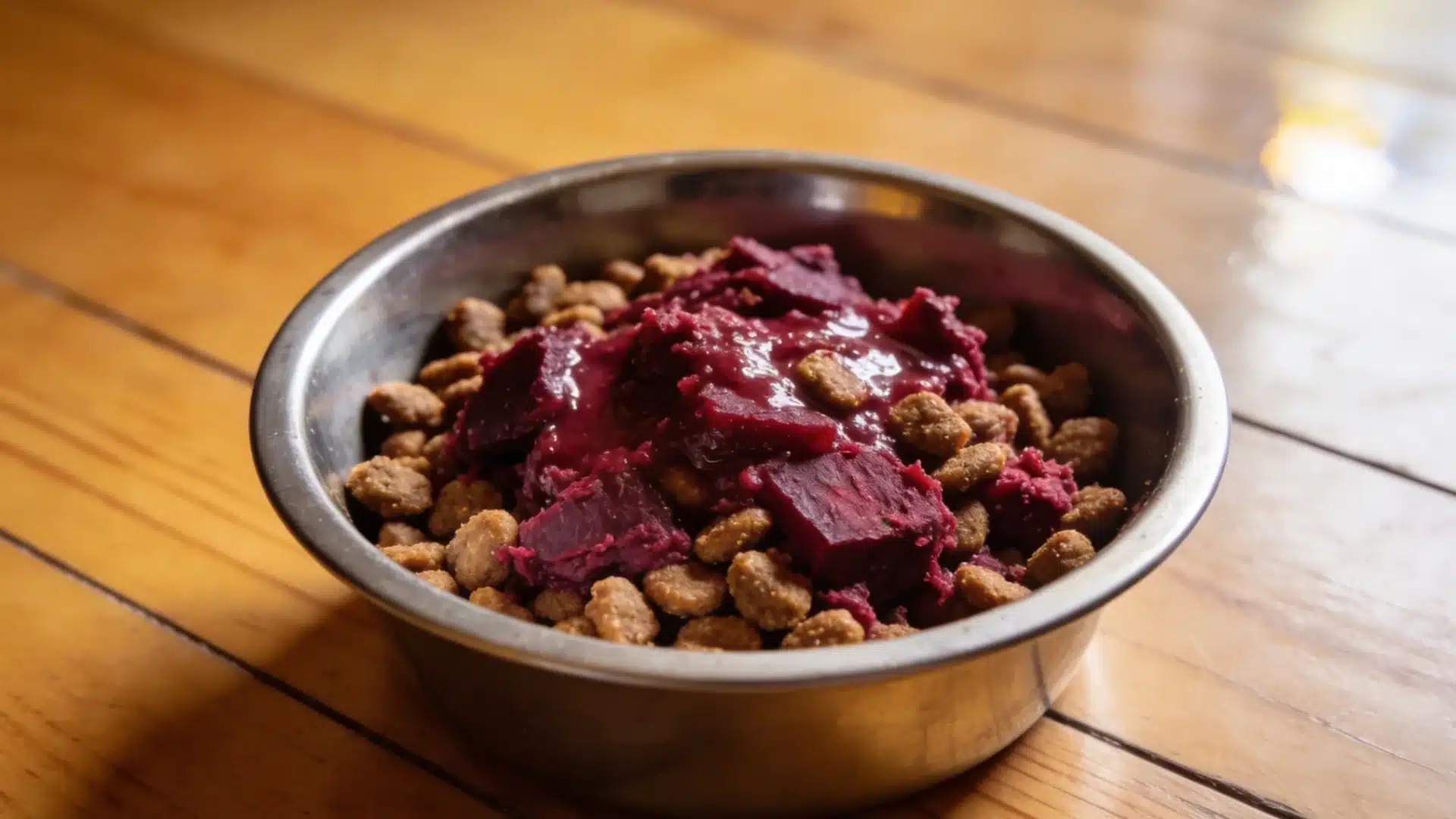
It is a well-known fiber source that supports healthy digestion without being too heavy on the stomach and contains a mix of soluble and insoluble fiber, which helps improve stool consistency and gut balance.
In my experience, I have seen beetroot pulp work well for dogs dealing with mild constipation or irregular stools when introduced slowly.
A safe portion would be about 1 teaspoon for small dogs and up to 1 tablespoon for larger dogs, mixed into regular meals.
Fiber foods for dogs, like beetroot pulp, should always be added gradually to avoid gas or discomfort.
Note: Stools may turn slightly reddish, this is harmless, but worth knowing so it does not cause alarm.
2. Pumpkin

Pumpkin is one of the most reliable and gentle fiber options for dogs, especially when dealing with digestive issues.
It helps both constipation and loose stools by absorbing excess water and adding bulk. I often recommend pumpkin as a first step because most dogs tolerate it very well.
A proper portion is about 1 teaspoon for small dogs and 1 to 2 tablespoons for larger breeds, mixed into their regular food.
Plain, cooked pumpkin or canned pumpkin without additives is best, as it is easy to digest and safe for regular use.
Avoid pumpkin pie filling as it contains added sugars and spices that are not safe for dogs.
3. Apples

Apples are a healthy and simple way to add fiber to a dog’s diet while also providing vitamins and hydration.
They contain soluble fiber, which helps support digestion and maintain stool consistency. Always remove the seeds and core before feeding, as they are not safe for dogs.
A suitable portion is 2 to 3 small slices for small dogs and up to 5 to 6 slices for larger dogs, given occasionally.
Fiber foods for dogs, like apples, should be offered in moderation due to their natural sugar content, making them a light and refreshing treat.
Many of these same fruits and vegetables also work well as everyday snacks, and you can find more nutritious snack ideas for dogs that pair well with a fiber-focused diet.
4. Carrots

Carrots are a simple and affordable fiber source that can support healthy digestion and regular bowel movements.
They are rich in insoluble fiber, which helps add bulk to stool and keeps things moving smoothly in the digestive system. Carrots can be served raw for a crunchy texture or cooked for easier digestion.
A suitable portion is 2 to 3 small slices for small dogs and a handful of chopped pieces for larger dogs.
Carrots are easy to include in daily meals and are generally well-tolerated when introduced in moderate amounts.
5. Brown rice
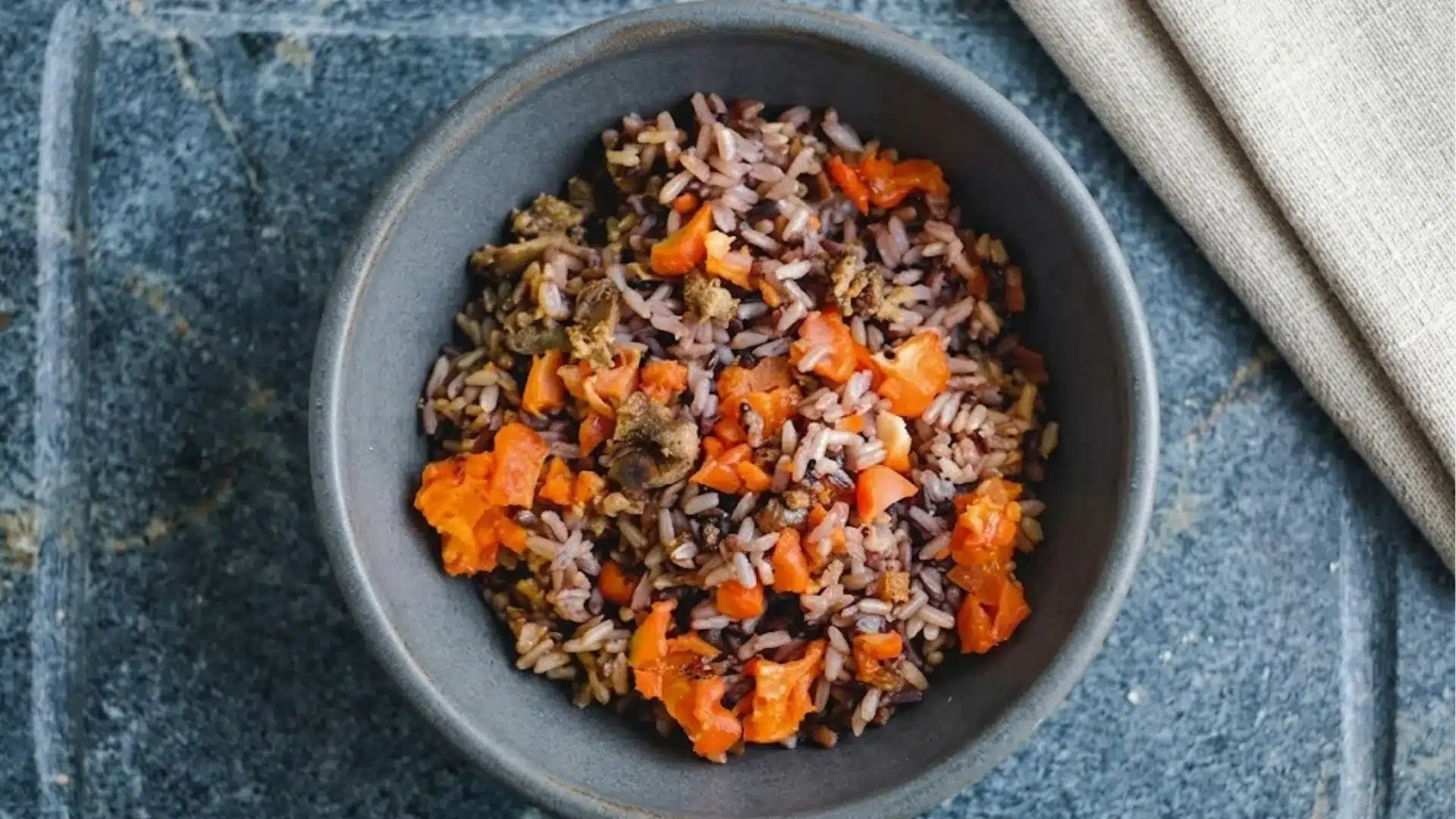
Brown rice is a gentle whole grain that provides fiber along with steady energy, making it a good addition for dogs with sensitive digestion.
It helps regulate bowel movements and can support firmer stools when fed in the right amount. Brown rice should always be fully cooked and served plain without salt or seasoning.
Published veterinary research on canine GI health confirms that dietary fiber directly influences stool quality, defecation frequency, and fecal consistency in dogs.
A proper portion is 1 to 2 tablespoons for small dogs and up to half a cup for larger dogs, mixed into their regular meals.
Fiber foods for dogs, like brown rice, are best used in moderation to maintain balance and avoid excess calorie intake.
6. Strawberries

Strawberries are a tasty and nutritious option that provides fiber along with antioxidants and vitamin C. They can support digestion while also adding variety to a dog’s diet.
Always wash them thoroughly and cut them into small, manageable pieces to prevent choking.
A suitable portion is 1 to 2 small slices for small dogs and 2 to 4 strawberries for larger dogs, given occasionally.
They should be fed in moderation due to their natural sugar content, making them a healthy treat rather than a daily addition.
7. Blueberries
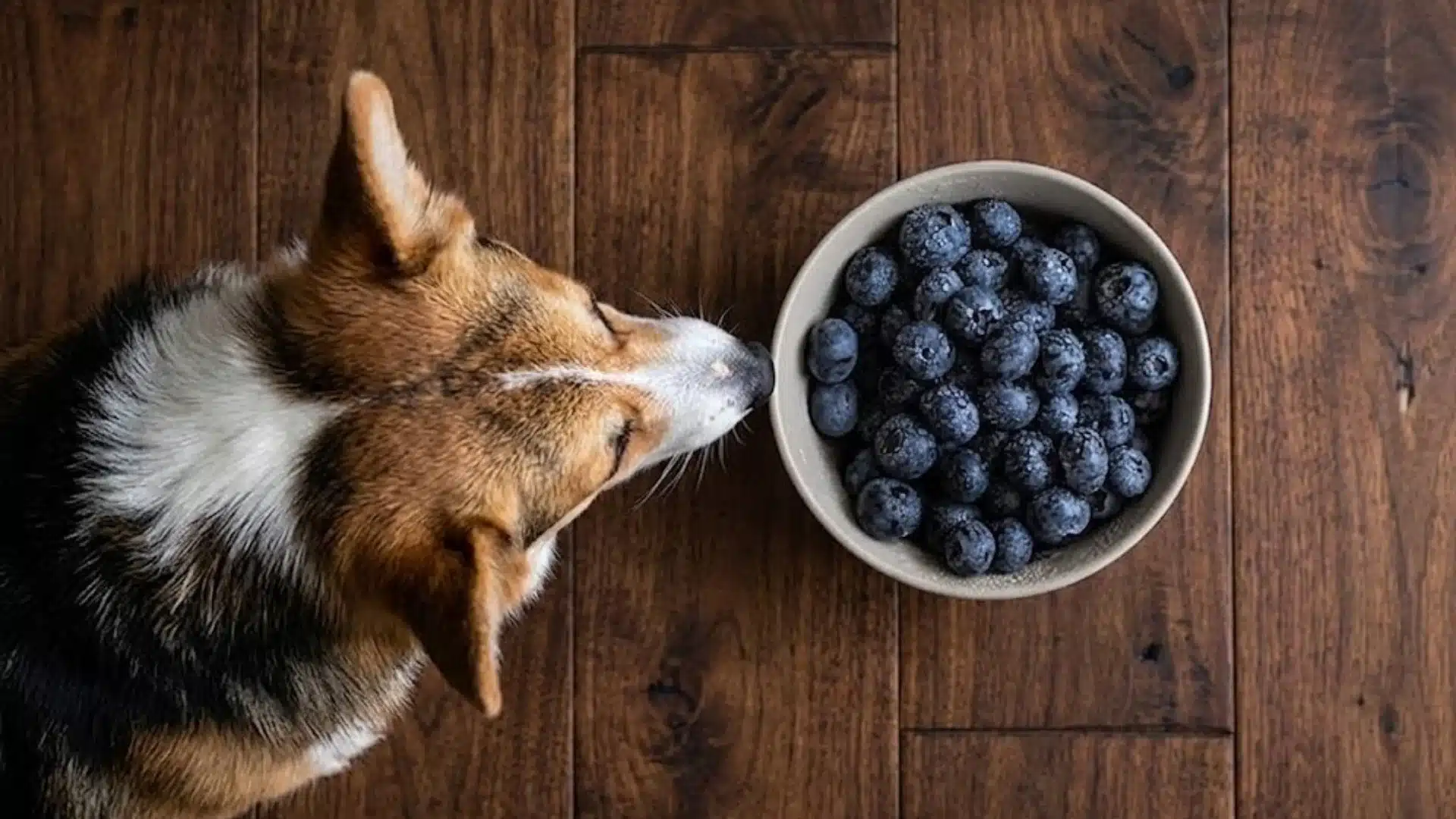
Blueberries are a small but powerful addition to a dog’s diet, offering fiber along with antioxidants that support overall health.
They are easy to serve and gentle on the stomach, making them a popular treat choice. Blueberries can help support digestion while also providing a light nutrient boost.
A proper portion is 3 to 5 blueberries for small dogs and a small handful for larger dogs, given as an occasional snack.
Fiber foods for dogs, like blueberries, are best used in moderation to maintain balance and avoid overfeeding.
8. Green Veggies
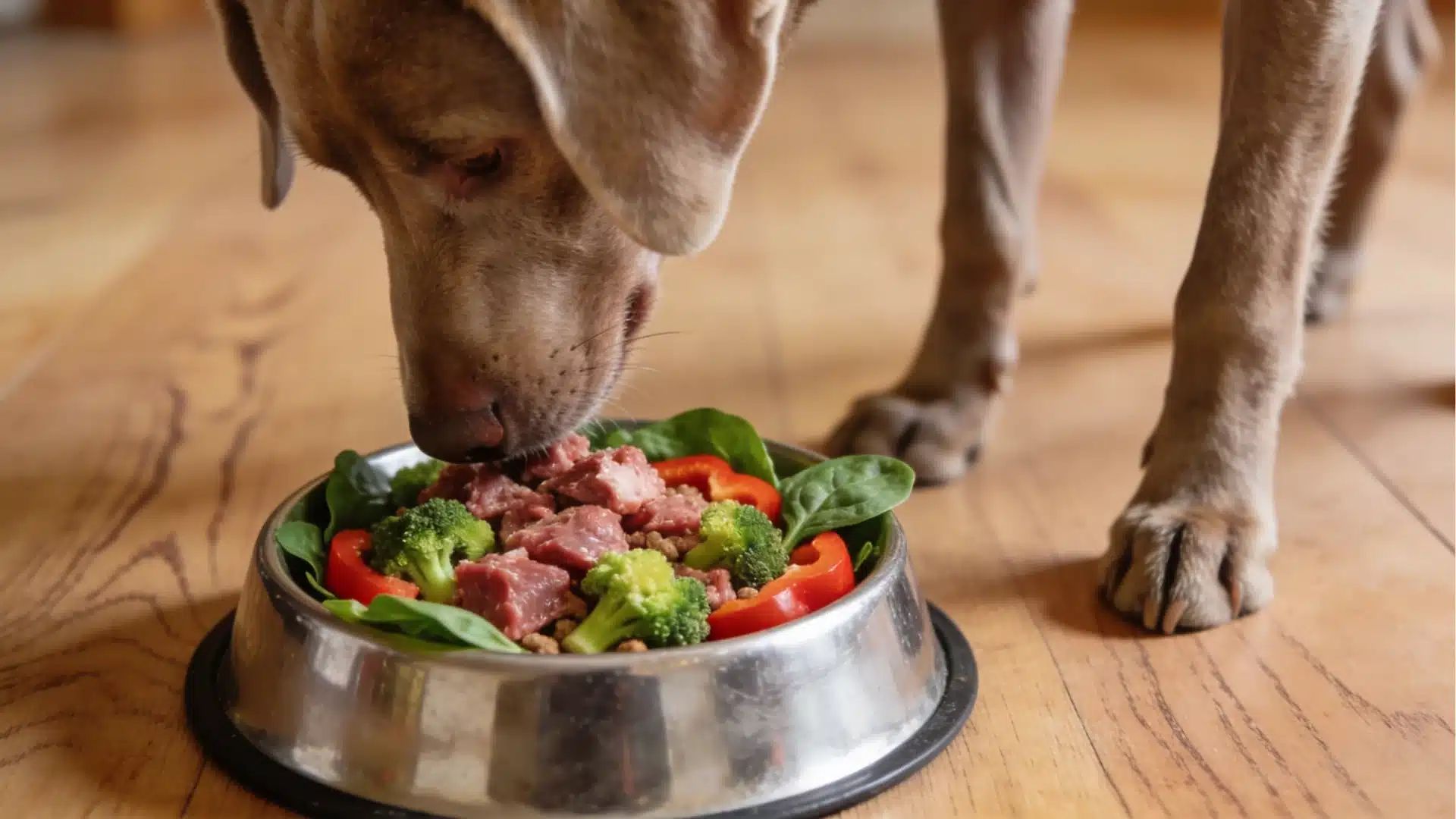
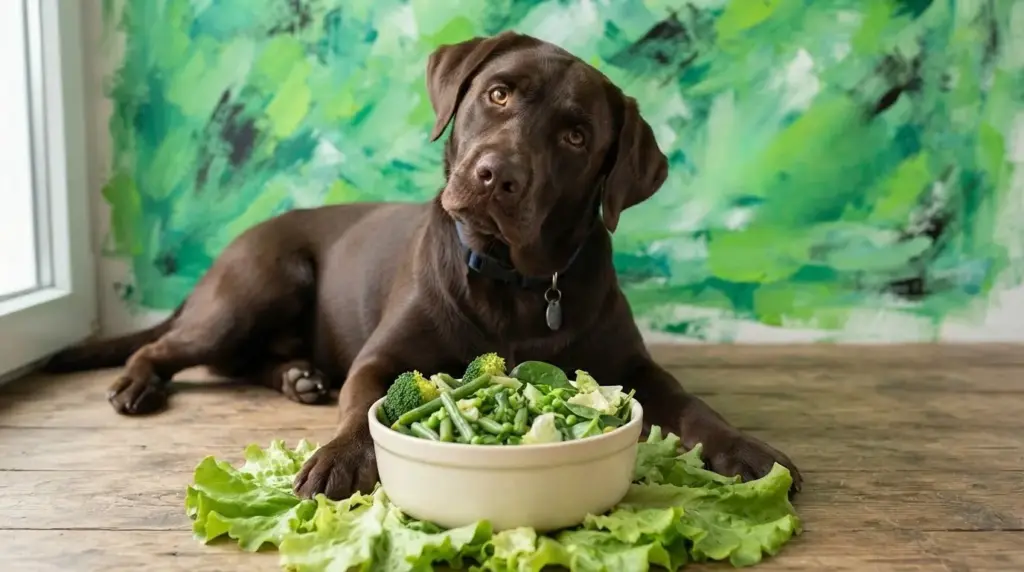
Green veggies like green beans, spinach, and broccoli are excellent sources of fiber that support digestion and help dogs feel full for longer.
They also provide essential vitamins and minerals that benefit overall health.
These vegetables should always be served cooked or lightly steamed without any seasoning to make them easier to digest.
A suitable portion is a small handful for small dogs and a slightly larger serving for bigger dogs, depending on size.
9. Oats
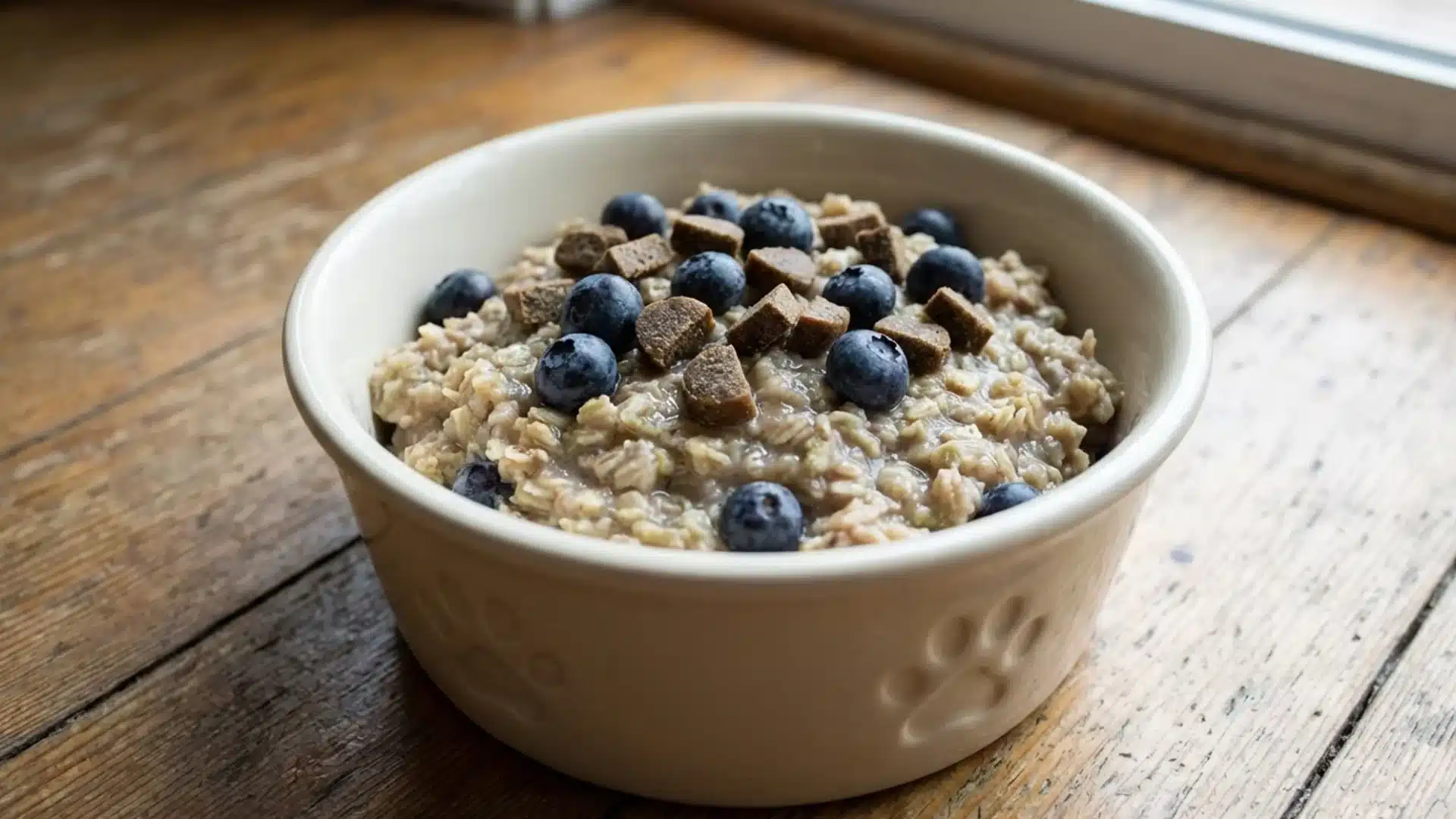
Oats are a gentle and effective source of soluble fiber that can help regulate digestion and support healthy stool consistency.
They are especially useful for dogs with sensitive stomachs when prepared correctly. Oats should always be cooked plain with water and served without sugar, milk, or flavoring.
A suitable portion is about 1 tablespoon for small dogs and up to a quarter cup for larger dogs, mixed into regular meals.
They contain beta-glucan, a specific type of soluble fiber that feeds beneficial gut bacteria, supports immune function, and helps stabilize blood sugar.
Fiber foods for dogs, like oats, can also help keep dogs feeling full, making them useful for weight management when used in moderation.
How to Add Fiber to Your Dog’s Diet Safely?
Start with small amounts of fiber foods for dogs and mix them into regular meals instead of making sudden changes. This helps the digestive system adjust smoothly.
- Portion size matters, so smaller dogs need only a teaspoon or two, while larger dogs can handle a bit more depending on their weight.
- Water intake is just as important because fiber absorbs water, and without proper hydration, it can lead to constipation instead of improvement.
One approach I use with clients is what I call a “fiber rotation,” which is alternating between two or three sources across the week rather than relying on a single food.
This prevents the gut from adapting to one type of fiber and ensures a broader range of prebiotic and digestive benefits.
For example, pumpkin on Monday and Thursday, a small amount of ground flaxseed on Wednesday, and oats on the weekend.
It is also worth transitioning gradually over 7 to 10 days when introducing any new fiber food, as this gives the gut microbiome time to adapt and reduces the risk of gas or discomfort.
Keep an eye on stool changes, as this is the easiest way to understand how your dog is responding.
I always tell my clients to observe their dog for a few days before increasing the amount of fiber in their diet, to ensure comfort and consistency.
Real Dog Owners About Fiber Foods for Dogs

Reddit users dealing with picky dogs often agree on one thing: not every high-fiber suggestion works in real life.
In one discussion, a small dog refused vet-recommended options like carrots, pushing owners to look for alternatives that are both effective and actually accepted.
The most recommended solution is simple and accessible: canned pumpkin.
Many dog owners highlight it as an easy, affordable add-in that improves digestion without much effort.
Sweet potato and squash also come up as great options, especially for dogs that prefer softer textures or slightly sweet flavors.
Some users suggest psyllium husk as a practical supplement, especially when natural foods are limited or seasonal.
Overall, the focus stays on flexibility. Dog owners tend to test different fiber sources until they find something their dog enjoys, rather than forcing one strict solution.
Common Mistakes When Feeding Fiber to Dogs
Feeding fiber can improve digestion, but small mistakes can quickly lead to discomfort or worsen existing issues. Many pet owners unintentionally overdo or mismanage fiber intake, which is why understanding these common errors is important when using fiber foods for dogs.
- Adding too much too quickly: Sudden increases in fiber can cause gas, bloating, or diarrhea instead of improving digestion. Always introduce fiber foods for dogs slowly.
- Over-reliance on one food: Using only one source, like pumpkin, may limit nutritional balance. A mix of fiber foods for dogs provides better results.
- Ignoring water intake: Fiber absorbs water, so low hydration can lead to constipation. Always ensure fresh water is available when increasing fiber foods for dogs.
- Feeding unsafe foods: Some high-fiber foods, like onions, grapes, or certain seeds, are toxic to dogs and must be avoided completely.
- Not adjusting based on dog response: Every dog reacts differently. If stool becomes too loose or too hard, the amount or type of fiber foods for dogs should be adjusted accordingly.
- Using too much poorly fermentable fiber: High levels of poorly fermentable fiber, such as cellulose, can decrease the digestibility of other nutrients in the food, reducing overall diet quality without providing the gut-health benefits of moderately fermentable options like beet pulp
Conclusion
Adding the right amount of fiber can make a noticeable difference in a dog’s digestion, weight balance, and overall comfort.
From natural options like pumpkin and oats to fruits and veggies, fiber foods for dogs offer simple ways to support gut health without making drastic changes.
The key is to introduce fiber slowly, choose the right portions, and observe how your dog responds over time.
Small adjustments often lead to better stool consistency and improved daily comfort.
Always pay attention to hydration and avoid overfeeding any single source. Every dog reacts differently, so patience and consistency matter.
Have you tried adding fiber to your dog’s diet? Share what worked, what didn’t, in the comments below.
Frequently Asked Questions
Can Fiber Help Reduce Bad Breath In Dogs?
Yes, certain fiber sources support gut health, which can indirectly reduce bad breath caused by poor digestion. Improved gut balance often reflects in fresher breath over time.
Are Fiber Supplements Better Than Natural Foods?
Sometimes supplements can help in specific cases, but natural sources provide added nutrients. Whole foods are often preferred for maintaining overall dietary balance and long-term health.
Are Raw Fiber Sources Better Than Cooked Ones?
Cooked fiber sources are usually easier to digest and safer. Raw options can be harder on the stomach and may not break down properly in some dogs.