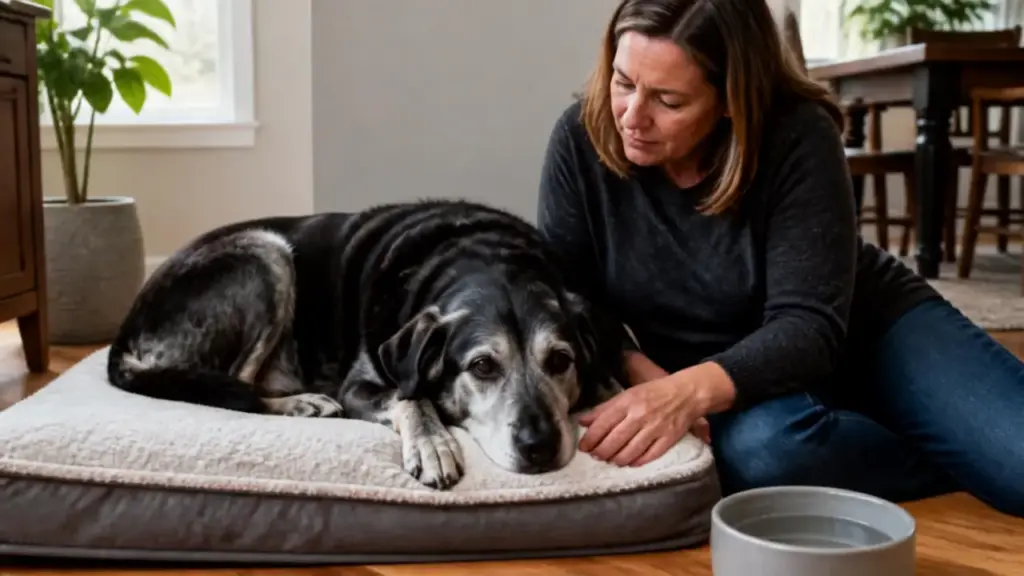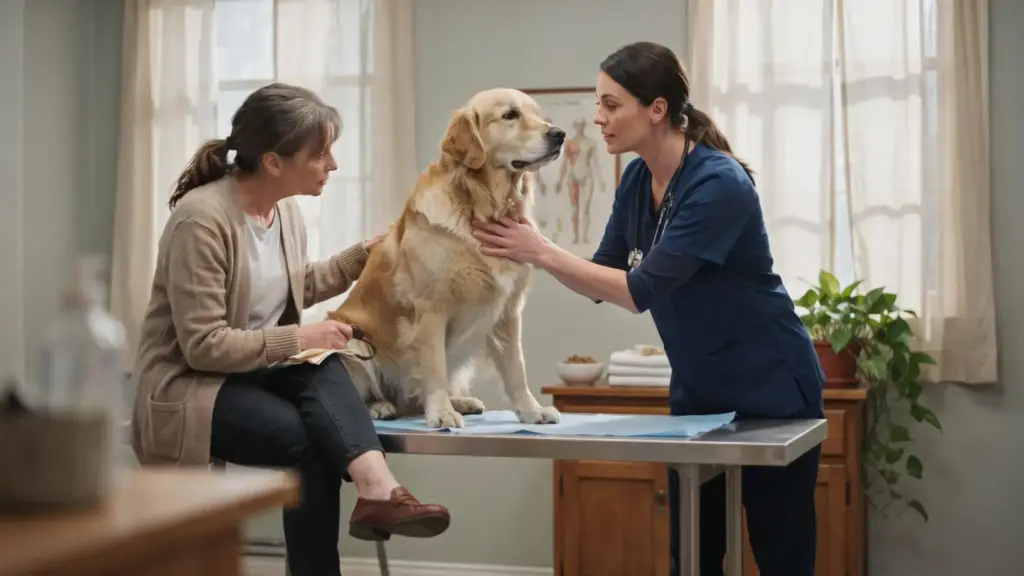


It often starts with something small, a slight limp, a quick lick, or your dog avoiding putting weight on one paw.
Then you notice it is clearly a swollen paw dog situation that suddenly feels more serious than expected. That moment can be worrying, especially when the cause is not obvious.
Dogs cannot explain what hurts, so every change in their behavior feels like a clue you need to figure out.
Is it just a minor irritation or something that needs urgent care?
In my years of veterinary practice in Minnesota, I have oberved that swollen paws are one of the top 5 reasons dog owners bring their pets in, and 9 times out of 10, the earlier they catch it, the simpler the fix.
This guide covers everything I’ve seen cause paw swelling, what you can do at home, and the signs that mean it’s time to come in.
Understanding what is happening can bring relief not just to your dog, but to you as well.
What Does a Swollen Paw in Dogs Look Like?
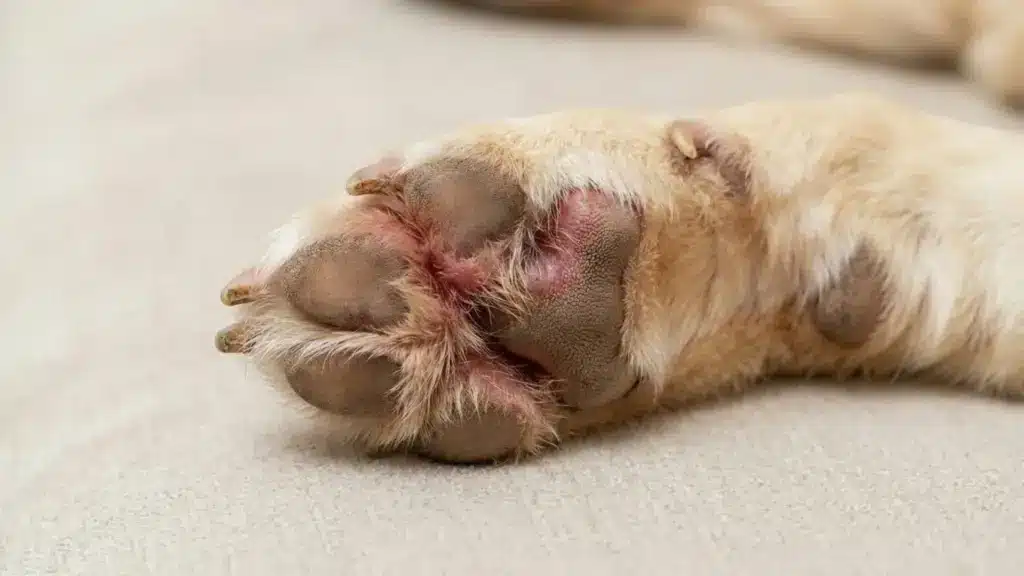
Swollen paw dog conditions are usually easy to notice if attention is paid to both physical signs and behavioral changes.
According to the American Kennel Club, the paw may appear red, puffy, or slightly enlarged compared to the other paws, and it can feel warm to the touch during pododermatitis in dogs.
Many dogs start limping or putting less weight on the affected paw, especially if there is pain involved.
Constant licking or chewing of one paw is another clear sign, as dogs instinctively try to soothe irritation or discomfort.
In terms of behavior, a dog with a swollen paw may avoid walking, hesitate to climb stairs, or show signs of discomfort such as whining or restlessness.
Mild swelling usually involves slight puffiness with minimal pain, and the dog may still walk normally, while severe inflammation can include intense redness, visible wounds, discharge, or significant limping where the dog refuses to use the paw at all.
Recognizing these signs early makes a big difference, as early detection allows for quicker treatment, reduces the risk of infection, and prevents the condition from becoming more serious.
When to Act: Quick Reference
Pay close attention to your dog’s symptoms, as the severity can help you decide the right action to take:
- Monitor at home: Mild swelling with no discharge, normal walking, and no fever usually does not require immediate concern.
- Contact your vet: Swelling lasting over 24 hours, worsening limp, or a visible wound should be checked the same day.
- Seek immediate care: Pus, facial swelling, breathing issues, suspected snake bite, or severe pain need urgent veterinary attention.
Common Causes of a Swollen Paw in Dogs
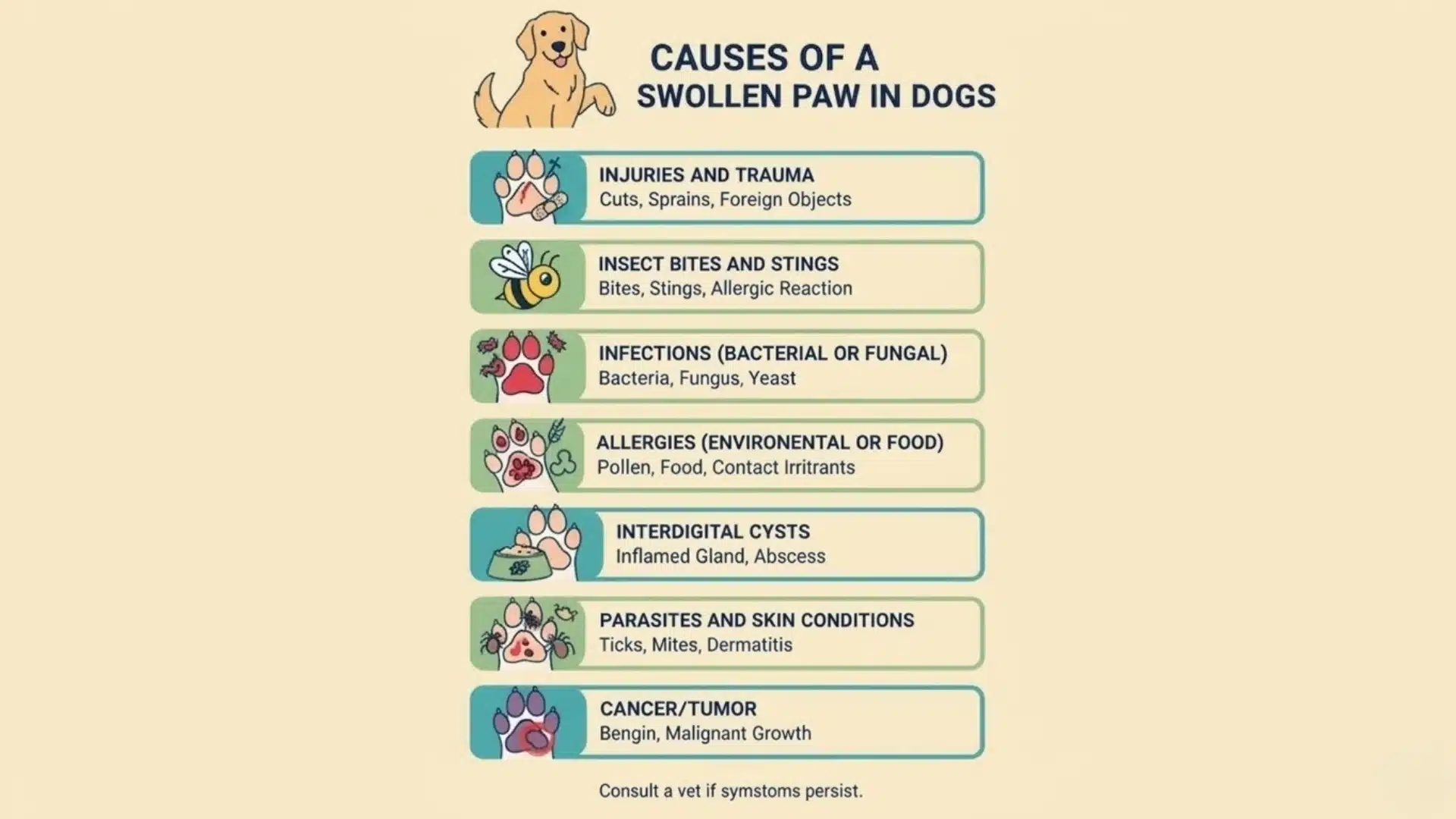
It can happen for many different reasons, and identifying the exact cause is key to choosing the right treatment. Some causes are simple and heal quickly, while others may need medical care.
Dog paw inflammation may signal underlying health issues and requires proper diagnosis to identify root causes.
1. Injuries and Trauma
- Torn nails are another painful issue, often caused by getting caught on carpets or hard surfaces, and they can bleed and swell quickly.
- Puncture wounds from thorns, glass pieces, or splinters may not always be visible but can cause deep swelling and infection.
- Walking on hot pavement during summer can also burn paw pads, leading to redness and inflammation. Even minor injuries can worsen quickly if left unchecked.
- Broken toes or fractures, while less common, are another source of paw swelling and usually present with significant pain and reluctance to bear any weight on the limb at all.
- Frostbite is the cold-weather counterpart to burns.
In Minnesota winters, frostbitten paws appear regularly in the clinic, usually in dogs that spend more than 15 to 20 minutes on salted pavement or packed snow without protection.
A frostbitten pad turns gray or bluish and feels hard or brittle.
2. Insect Bites and Stings
Bees, wasps, and ants are common culprits, especially when dogs walk through grass or outdoor areas.
A sting can cause immediate swelling, redness, and pain, leading the dog to lick or chew the area constantly. Some dogs may also have allergic reactions, which can make the swelling worse within minutes.
In more serious cases, symptoms such as facial swelling, vomiting, or difficulty breathing can appear and require urgent veterinary care.
Even a single sting can become serious if the dog is sensitive to insect venom.
3. Infections (Bacterial or Fungal)
Bacterial or fungal infections often cause swollen paws in dogs when a wound is left untreated or when moisture gets trapped between the toes.
Signs of an infection include redness, swelling, discharge, and a strong, unpleasant odor coming from the paw.
The skin between the toes may appear raw or irritated, and dogs often lick the area repeatedly, which can make the condition worse.
One pattern I’ve noticed in practice: Labrador and Golden Retriever owners in wetter climates come in with recurring fungal paw infections almost seasonally.
Wet environments, muddy walks, or poor paw hygiene increase the risk of infection. Fungal infections, in particular, thrive in warm, damp environments.
4. Allergies (Environmental or Food)
Allergies are a frequent cause of swollen paws, especially in dogs that lick or chew their feet regularly.
According to the American Kennel Club, environmental allergens like pollen, grass, mold, or dust can trigger inflammation in the paws, leading to redness and swelling.
Dogs may also react to certain cleaning chemicals or surfaces they walk on. Food allergies can also show up through the paws, often causing persistent irritation.
One key sign of allergies is repeated licking, which keeps the paw moist and worsens swelling over time.
Dog booties are underused for contact dermatitis, but I recommend them to clients who live in areas where sidewalk deicers are heavily used in winter.
5. Interdigital Cysts
Interdigital cysts are painful lumps that form between a dog’s toes and are often filled with fluid or pus.
These cysts may start as small bumps but can quickly grow and become swollen, red, and irritated. A swollen paw in a dog often causes the dog to limp or avoid putting weight on the affected paw.
The area may also bleed or release fluid if the cyst bursts. Interdigital cysts are often associated with underlying conditions such as allergies, infections, or repeated pressure on the paws.
Without treatment, they tend to recur, making it important to address both the cyst and its underlying cause.
6. Parasites and Skin Conditions
Parasites like mites, ticks, and fleas can irritate the skin around a dog’s paw and lead to a swollen paw condition.
Mites, in particular, can cause conditions like mange, which results in inflamed, itchy, and damaged skin. Dogs often scratch or bite their paws excessively, which leads to further swelling and irritation.
In my clinic, I recommend year-round prevention even in colder climates because ticks in Minnesota are active as low as 35°F, something most pet owners don’t expect.
Staying on top of flea and tick prevention at home is one of the simplest ways to reduce this risk for your dog.
7. Arthritis
Arthritis is a degenerative joint condition that affects dogs of all ages and can cause swelling, stiffness, and pain in the paws.
Dogs with arthritis may limp, resist physical activity, or show reluctance to climb stairs. It is worth noting especially in older dogs where recurring paw swelling has no obvious external trigger.
A vet examination, and sometimes X-rays, is needed to confirm the diagnosis and develop a suitable long-term management plan.
8. Cancer/Tumors
While less common, cancer or tumors can also cause swelling in a dog’s paw and should not be ignored, especially if the swelling does not go away.
Tumors can develop in the skin, soft tissue, or even bone, and they may appear as a firm lump, unusual growth, or persistent swelling that slowly increases over time.
Some tumors are benign, but others can be malignant and require urgent care. Early detection is critical because treatment options are more effective in the initial stages.
Home Remedies for a Dog’s Swollen Paw
Mild cases of swollen paws in dogs can often be managed at home with proper care and attention. Simple remedies can help the paw heal faster if the issue is not severe.
1. Cleaning and Disinfecting the Paw
Cleaning the paw is the first and most important step in treating swelling at home. Start by rinsing the paw with lukewarm water to remove dirt, debris, or small particles stuck between the toes.
After that, the American Kennel Club mentioned using a mild antiseptic solution like diluted povidone iodine or chlorhexidine to gently disinfect the area.
Avoid using harsh chemicals or alcohol, as they can irritate the skin. Once cleaned, drying the paw thoroughly is critical.
Moisture left behind can lead to bacterial or fungal growth, especially between the toes, which can worsen swelling and delay healing.
2. Cold Compress for Swelling
A cold compress helps reduce swelling and provides quick relief from pain or inflammation.
This method works best when a swollen paw crisis is caused by minor injuries, insect bites, or overuse. Wrap a few ice cubes or a cold pack in a clean cloth and gently place it on the affected paw.
Do not apply ice directly to the skin, as it can cause discomfort or damage. Hold the compress in place for about 5 to 10 minutes at a time.
This can be repeated 2 to 3 times a day, depending on the level of swelling and your dog’s comfort.
3. Epsom Salt Soak
An Epsom salt soak is a simple and effective way, approved by the American Kennel Club to reduce inflammation and draw out irritation from the paw.
Fill a shallow container with warm water and mix in a small amount of Epsom salt until it dissolves completely. Let your dog’s paw soak for 5 to 10 minutes, keeping the affected area submerged.
This method helps ease swelling, especially in cases of minor infections or irritation between the toes.
After soaking, gently pat the paw dry with a clean towel. Epsom salt should never be used on open wounds, and ingestion during licking after a soak can be harmful.
4. Preventing Licking and Further Irritation
Constant licking introduces bacteria, keeps the area moist, and slows down the healing process of a swollen paw dog infection. In some cases, it can even turn a minor issue into an infection.
Using an Elizabethan collar, commonly known as a cone, can prevent your dog from reaching the paw. Protective socks or booties can also help, especially when your dog is walking around.
These barriers protect the paw from dirt and reduce the chances of further irritation while the healing process continues.
5. Keeping the Paw Clean and Dry
Maintaining a clean and dry paw is essential for recovery and prevention.
After every walk, especially in wet or muddy areas, gently wipe your dog’s paws with a clean cloth or rinse them with water.
Pay close attention to the spaces between the toes where dirt and moisture tend to collect. Dry the paw completely each time to avoid creating an environment where bacteria or fungi can grow.
Try to keep your dog away from muddy, dusty, or chemically treated surfaces during the healing period. A consistent hygiene routine helps prevent recurring swelling and keeps the paws healthy.
6. Paw Balm and Moisturization
This step is often skipped, but it matters, especially for dogs with dry, cracked, or burn-affected pads.
A pet-safe paw balm or plain coconut oil applied after cleaning and drying helps protect the pad surface, retain moisture, and support healing.
Avoid human lotions as they often contain ingredients like zinc oxide or artificial fragrances that are toxic to dogs.
I recommend paw balm specifically to clients after hot pavement burns and during winter months when road salt causes chronic pad dryness.
7. Apple Cider Vinegar Soak
If the swollen paw has a yeasty odor, a diluted apple cider vinegar soak can help. Mix equal parts water and apple cider vinegar and let the paw soak for 5 minutes, then allow it to air dry without rinsing.
Do not use this method on open wounds or cracked skin, as it will cause stinging and further irritation.
When to Take Your Dog to The Vet?
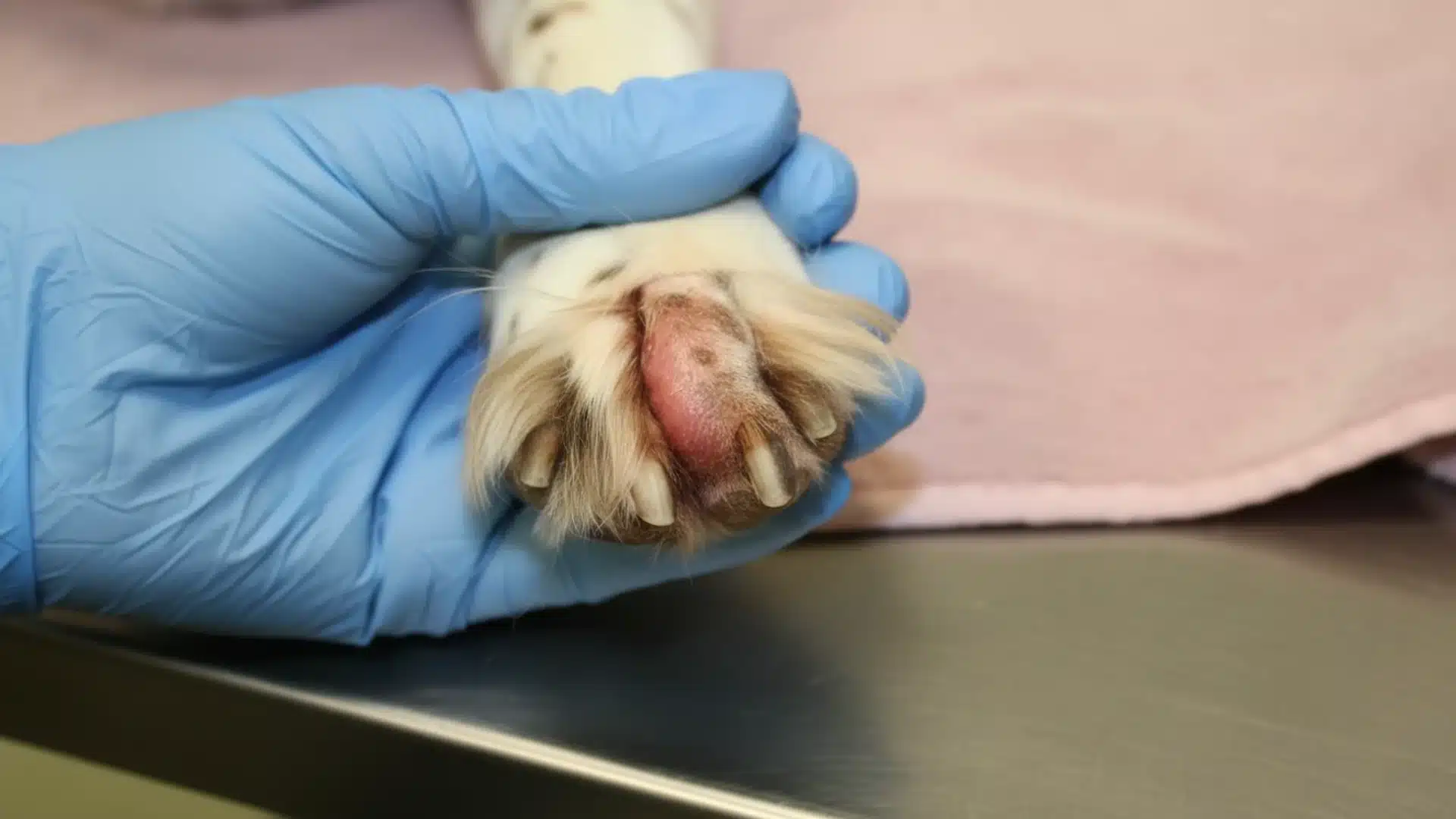
Some cases of a swollen paw dog infection need quick veterinary care, especially when symptoms go beyond mild irritation.
Severe swelling that appears suddenly or keeps getting worse is a strong warning sign. If there is bleeding, deep cuts, or visible wounds, professional treatment is needed to prevent infection.
The presence of pus, discharge, or a foul odor often indicates that an infection has already developed. Pay attention to overall behavior as well.
Fever, low energy, or loss of appetite can signal a deeper issue.
If the swelling does not improve within 24 to 48 hours, or if the problem keeps coming back, a vet visit becomes necessary to find and treat the root cause properly.
Veterinary Treatments for the Swollen Paw Dog Condition
Veterinary treatment for a swollen paw in dogs starts with a detailed physical exam, during which the vet checks for cuts, foreign objects, heat, pain, and swelling between the toes.
In some cases, additional tests like skin scrapings, bacterial cultures, or even X-rays are done to rule out infections, fractures, or deeper tissue issues.
Blood tests may also be ordered if systemic causes such as diabetes, autoimmune disease, or an internal infection are suspected.
This is particularly important when the swelling affects multiple paws simultaneously or recurs without a clear external cause.
AAHA mentions that treatment includes antimicrobials for skin infections, such as cephalexin or amoxicillin; antifungal medications like ketoconazole for fungal issues; and anti-inflammatory drugs such as carprofen to reduce pain and swelling.
If an abscess or interdigital cyst is present, the vet may drain it and thoroughly clean the area.
According to EurekAlert, it causes painful swelling between toes and may require drainage or surgical treatment in recurring cases.
For allergy-related swelling, vets usually suggest medicated shampoos or long-term diet changes.
How to Prevent Swollen Paws in Dogs?
Preventing a swollen paw in a dog is much easier than treating it later. Regular care, small daily checks, and avoiding common triggers can keep your dog’s paws healthy and pain-free.
- Keep Nails Properly Trimmed: Overgrown nails can change how your dog walks, putting pressure on the paw and leading to swollen paws and possible infection. Trim nails regularly so they do not touch the ground when your dog stands.
- Use Protective Gear When Needed: Dog boots or paw balms can protect paws from extreme weather, rough terrain, or chemical exposure. These are especially useful in winter or on long outdoor walks.
- Keep Living Areas Clean: Floors treated with harsh cleaning chemicals can irritate paws. Use pet-safe cleaners and ensure surfaces are dry before your dog walks on them.
- Control Parasites Regularly: Fleas, ticks, and mites can irritate the skin and lead to swelling. Use vet-recommended parasite prevention to help prevent skin issues on the paws.
- Provide a Balanced Diet: Good nutrition supports skin health and reduces the risk of allergies or infections. Omega fatty acids, often included in quality dog food, help maintain healthy skin and paw condition.
- Do a 30-Second Paw Check After Every Walk: This is the single most effective prevention habit I tell every new dog owner. Run your fingers between each toe, check the pads for cuts, debris, or heat, and give it a quick dry.
Conclusion
A swollen paw in dogs can start as a small issue but quickly turn uncomfortable if ignored.
From injuries and insect bites to infections and allergies, understanding the cause helps in choosing the right care.
Simple home remedies can offer relief in mild cases, while timely veterinary treatment ensures proper healing when the problem is more serious.
Regular paw checks and hygiene can go a long way in preventing future issues.
As a veterinarian, the most important thing I can tell you is this: when in doubt, call your vet. Not every swollen paw is an emergency, but none of them should be guessed at for weeks on end.
The earlier you catch the real cause, the faster your dog heals and the more comfortable they’ll be in the meantime.
Have you ever dealt with a swollen paw dog? What worked for you, and how did you handle it? Share your experience and tips in the comments below.
Frequently Asked Questions
Are Certain Dog Breeds More Prone to Paw Swelling?
Yes, breeds with sensitive skin or allergy tendencies, such as Bulldogs, Retrievers, and Terriers, are more likely to develop paw issues, especially related to allergies or skin conditions.
Is Paw Swelling in Puppies Different From Paw Swelling in Adult Dogs?
Yes, puppies have softer skin and weaker immunity, making infections more likely from minor injuries. They also explore more, increasing the risk of debris injuries. Conditions like panosteitis can mimic paw swelling.
Will Benadryl Help a Dog’s Swollen Paw?
Benadryl may help reduce swelling caused by allergies or insect bites, but it does not treat infections or injuries. Always consult a veterinarian for correct dosage and proper diagnosis before use.
What Does it Mean if My Dog’s Paw Swelled Overnight?
Sudden overnight swelling often signals infection, an insect sting, or a foreign object like a thorn. In some cases, it may indicate a snake bite; therefore, a same-day vet evaluation is recommended.
Can a Dog’s Swollen Paw Heal on Its Own?
In mild cases involving minor insect bites, small stings, or very superficial irritation, swelling may resolve within a day or two with basic home care. However, it is always better to monitor closely and contact your vet if there is no improvement within 24 to 48 hours, or if any new symptoms develop.