

Have you ever glanced over at your resting dog and noticed that their breathing seems faster, heavier, or just not quite right?
That moment can be unsettling. While panting after play or during warm weather is completely normal, unusual breathing at rest often raises concern.
Changes in breathing rhythm, effort, or sound may point to anything from mild excitement to more serious problems involving the lungs, heart, or airways.
Dogs cannot explain their discomfort, so changes in breathing are among the clearest physical signals that something may need attention.
This blog breaks everything down clearly and practically. It explains what normal dog breathing looks like, how to spot abnormal breathing patterns, and what commonly triggers them.
You will also learn the warning signs that should never be ignored, when a vet visit is urgent, and how to monitor breathing at home with confidence and calm.
What Is Considered Normal Dog Breathing?
As a pet parent, it’s reassuring to know what normal dog breathing looks like so you can spot when something’s off.
At rest or asleep, most healthy adult dogs take 10-30 breaths per minute. Puppies and smaller breeds tend to breathe a bit faster (up to 40), while larger dogs often stay on the lower end.
When relaxed, breathing should be quiet, smooth, and even, mostly through the nose with gentle chest movement.
Panting with fast, shallow breaths and the tongue out is normal after exercise, in hot weather, when excited, or mildly stressed. It’s how dogs cool themselves since they don’t sweat as we do.
To check your dog’s resting rate, wait until they’re calm. Watch their chest rise and fall for 15 seconds, then multiply by 4. If the number is consistently over 30-40 at rest, it’s worth noting.
Types of Weird Breathing in Dogs
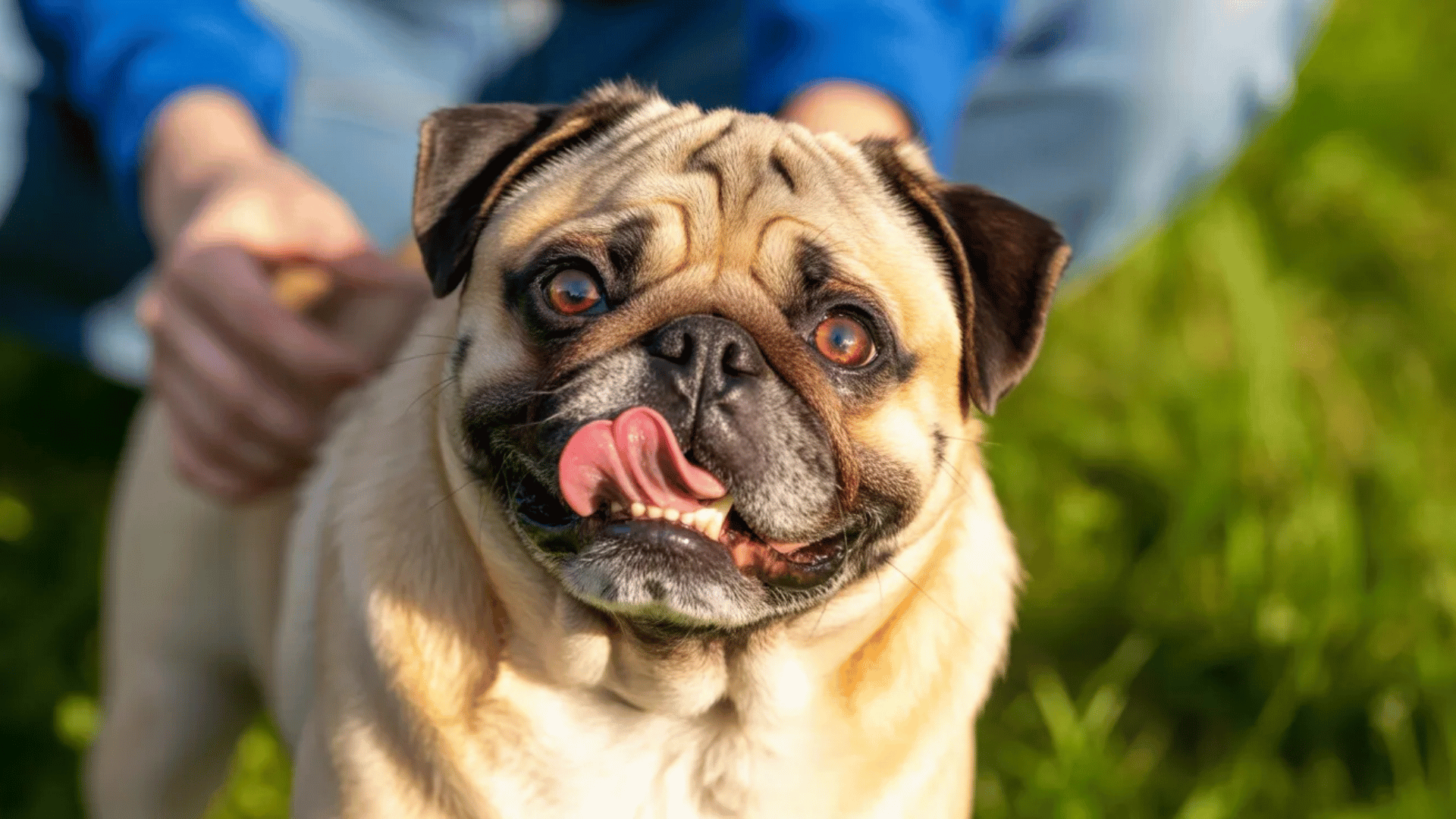
Abnormal breathing patterns in dogs can range from occasional odd sounds to persistent effort that signals a need for attention. Spotting these early helps you decide if it’s something mild or requires prompt vet care.
1. Excessive Heavy Panting
Heavy panting that continues while your dog is resting, without heat, exercise, or excitement, can be concerning.
You may notice deep, rapid breaths, a tongue hanging farther out than usual, and visible movement of the chest or sides. Unlike normal cooling panting, this doesn’t stop on its own.
Possible causes include pain, anxiety, heart conditions such as congestive heart failure, fluid in the lungs, anemia, or obesity.
Brachycephalic breeds (short-nosed dogs) face an increased risk due to narrowed airways. Check gum color and energy levels, and contact your vet if gums appear pale or blue.
2. Labored or Rapid Breathing
Labored breathing, called dyspnea, occurs when a dog struggles to breathe. Look out for fast, shallow breaths; noticeable belly movement; a stretched neck; or open-mouth breathing at rest.
This pattern often signals serious issues such as heart disease with lung fluid, pneumonia, airway blockages, or trauma.
Unlike exercise-related panting, it doesn’t ease with rest and can appear exhausting. Small breeds with tracheal collapse and older dogs with heart disease are more vulnerable.
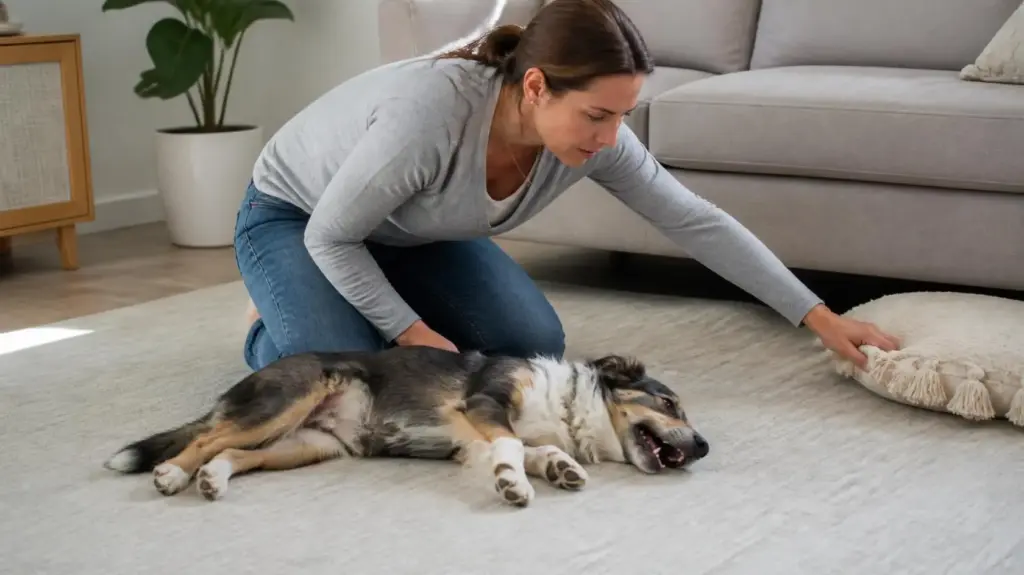
If your dog shows weakness or collapse, keep them calm and seek urgent veterinary care.
3. Noisy Breathing (Wheezing, Honking, Snoring)
Noisy breathing, such as wheezing, snorting, honking, or gasping, often points to airway problems.
High-pitched sounds during inhaling usually involve upper airway issues such as laryngeal problems, collapsed trachea, foreign objects, or brachycephalic traits.
Raspy or whistling sounds on exhale suggest lower airway concerns, such as bronchitis, allergies, or heart-related fluid buildup. Dogs may snore while awake or breathe with their mouth open.
Occasional noise can be normal, but frequent or worsening sounds should be evaluated. Recording a short video and limiting smoke or irritants can help your vet assess the issue.
4. Reverse Sneezing Episodes
Reverse sneezing can look frightening, but it is usually harmless. During an episode, a dog may freeze, stretch the neck, and make loud, rapid, inward snorting or honking sounds.
It’s often triggered by irritation of the nose or throat from allergies, excitement, fast eating or drinking, or environmental factors.
Brachycephalic breeds (short-nosed dogs) are more prone to it. Gently rubbing the throat or briefly covering the nostrils can help stop an episode.
While most resolve on their own, frequent or prolonged events may need veterinary evaluation.
5. Heavy Breathing While Resting
When a dog breathes heavily while resting, it stands out because relaxed breathing should be quiet.
Ongoing heavy breathing without an obvious reason may signal heart problems such as pulmonary edema, respiratory infections, or metabolic conditions.
Watch for signs like open-mouth breathing, flared nostrils, or reluctance to lie flat. Dogs with airway sensitivities may worsen quickly.
Keep track of how long episodes last and note other symptoms like coughing. Early veterinary assessment can help identify and treat the cause before it progresses.
6. Fast or Unusual Breathing at Night
Unusual breathing at night often worries owners, especially when it disrupts sleep. Light panting during dreams is normal and usually stops once the dog wakes.
Persistent rapid or labored breathing, coughing, restlessness, or sleeping with the head elevated suggests an underlying issue.
Lying down can worsen breathing by limiting airflow or allowing fluid to settle in the lungs. Heart disease, lung conditions, obesity, and age-related changes are common contributors.
Monitor sleep patterns and gum color, and consult your vet if nighttime breathing changes continue.
Common Causes of Weird Dog Breathing
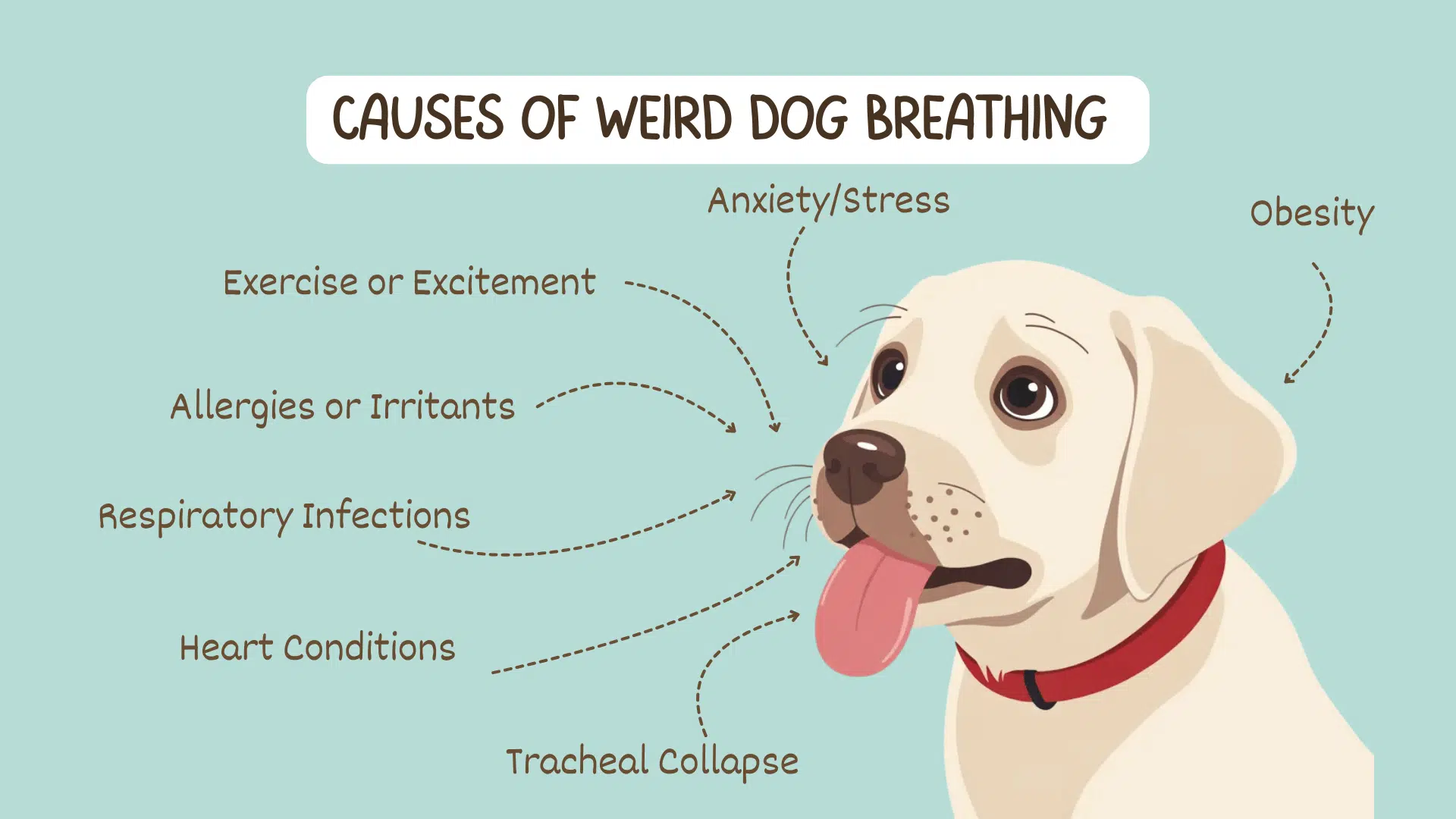
Unusual breathing in dogs can stem from everyday triggers or ongoing health conditions, making it important to recognize which causes settle on their own and which need veterinary attention.
Temporary Causes
Fast breathing in dogs is not always a sign of illness. In many cases, it happens for normal reasons that pass quickly.
Overheating is one of the most common causes, as dogs cool themselves by panting. After exercise, playtime, or other excitement, breathing may also speed up until the dog relaxes again.
Stress can trigger similar reactions. Situations such as thunderstorms, fireworks, travel, or vet visits often cause temporary, rapid breathing.
Excess weight can also make breathing harder because extra body fat can compress the lungs and airways.
Once the dog rests in a cool, calm environment, breathing usually returns to normal. If it does not settle within a short period, further observation may be needed.
Medical Causes That Need Attention
Sometimes fast or noisy breathing can signal an underlying health issue. Allergies or environmental irritants such as pollen, smoke, or dust may inflame the airways.
This can lead to wheezing or difficulty breathing. Respiratory infections, such as kennel cough or pneumonia, often cause coughing, fatigue, and rapid breathing.
Heart disease may also affect breathing when fluid builds up around the lungs, making it harder for a dog to breathe comfortably, especially when resting.
Certain breeds with short noses can develop brachycephalic airway syndrome, where narrowed airways limit airflow.
Small breeds may also experience tracheal collapse, a condition that causes a distinctive honking cough. Any persistent breathing problem should be evaluated by a veterinarian.
Signs of Respiratory Distress in Dogs
Breathing trouble can worsen fast, so it helps to know the red flags. If any of the signs below appear at rest, treat it as urgent and contact a veterinarian right away.
- Blue, Pale, or Gray Gums: This usually means your dog isn’t getting enough oxygen.
- Sudden Weakness or Collapse: If your dog struggles to stand or suddenly goes down, breathing distress may be the cause.
- Obvious Struggle to Breathe: Open-mouth breathing at rest, a stretched neck, flared nostrils, or a belly that moves forcefully with each breath are warning signs.
- Very Fast Breathing at Rest: More than 30-40 breaths per minute at rest isn’t normal.
- Unusual Breathing Noises: Wheezing, honking, whistling, or raspy sounds can point to airway trouble.
- Refusing to Lie Flat: Dogs may sit upright or stand because it feels easier to breathe that way.
When to Consult an Emergency Vet for Dog Breathing Issues?
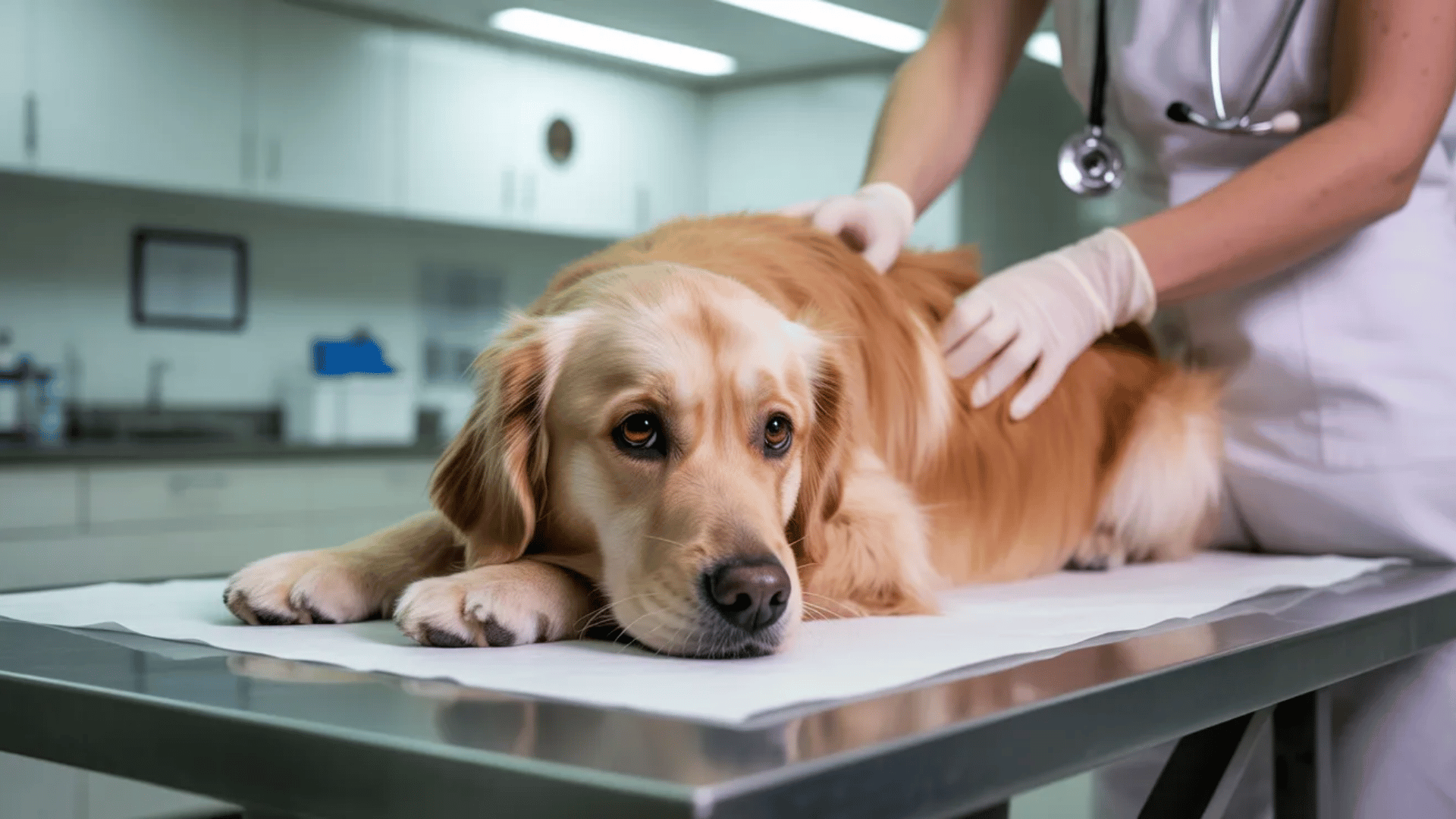
If your dog is breathing weird at rest and shows any signs of respiratory distress, such as the ones mentioned above, treat it as an emergency and get to the nearest veterinary hospital right away.
Other immediate triggers include recent trauma, a known heart condition that suddenly worsens, or a consistently over 40 breaths per minute with no obvious cause.
While heading to the vet, keep your dog as calm and cool as possible.
Turn on the air conditioning, avoid excitement or handling, and position them in sternal (chest-down, head and neck extended) if they can tolerate it.
Do not give any home remedies or medications, and do not attempt to force them to lie down. Call the emergency clinic ahead if you can, so they’re ready for your arrival.
Weird Dog Breathing: Diagnosis & Prevention
Vets diagnose weird breathing through exams and tests, treat the underlying cause, and recommend ongoing steps to help prevent recurrence, especially important for at-risk dogs.
| Aspect | Details | Key Tips |
|---|---|---|
| Diagnosis | Physical exam, breathing rate check, X-rays, blood tests, heart and lung evaluation | Always start with a vet visit; a home diagnosis can delay proper treatment |
| Treatment | Oxygen therapy, medications, antibiotics, surgery, or heartworm treatment based on cause | Follow vet guidance closely; avoid giving any home remedies or human medicines |
| Prevention | Weight control, routine check-ups, heartworm prevention, extra care for high-risk breeds | Regular vet visits reduce long-term breathing risks |
| Lifestyle Adjustments | Reduce heat, smoke, stress; keep surroundings calm and low-irritant | Cooler spaces and calm routines ease breathing strain |
| Monitoring | Weekly resting breathing rate checks and watching for changes in effort or sounds | Early changes allow faster vet intervention and better outcomes |
Conclusion
Noticing your dog breathing weirdly can feel alarming, but understanding the difference between normal panting and concerning patterns gives you real power as a pet parent.
Most breathing changes are manageable when caught early, whether from temporary stress, heat, or more serious heart, lung, or airway issues.
The key is staying observant, checking your dog’s resting breathing rate regularly, and acting quickly when warning signs appear. Early intervention leads to better outcomes and peace of mind.
Your dog relies on you to notice these subtle signals. If your pet is showing any unusual breathing right now, don’t wait; contact your veterinarian today.
Have you ever experienced a weird change in your dog’s breathing?
Share your experience in the comments below and offer support to other pet parents who might need it.
Frequently Asked Questions
How Long Is Too Long for Heavy Panting at Rest?
More than 10-15 minutes of heavy panting with no trigger (heat/exercise) is concerning. If it continues or worsens, contact your vet right away.
How Often Should I Check My Dog’s Resting Breathing Rate?
Check your dog’s resting breathing rate once or twice weekly when calm. Daily checks are helpful for senior dogs or breeds prone to breathing issues.
Does Age Affect how Dogs Breathe when Resting?
Yes. Older dogs often breathe faster at rest due to weaker heart or lung function. Regular vet check-ups become more important after age 7-8.