

Healthy cat weight is one of the first signs that a cat is doing well. I know how easy it is to worry when a cat looks too thin or starts putting on extra pounds.
Weight changes can feel small at first, but they often point to bigger health shifts. A cat that stays within a normal range tends to have better energy, smoother movement, and fewer long-term problems.
Weight is closely tied to heart health, joints, and even breathing. Extra fat can make it harder for the lungs to work, while being underweight can signal hidden illness.
In this blog, you will learn the average weight ranges by breed and age, how to tell if a cat is overweight or underweight, and what heavy breathing might mean.
By the end, you will have a clear idea of what to look for and when to take action.
What is a Healthy Cat Weight?
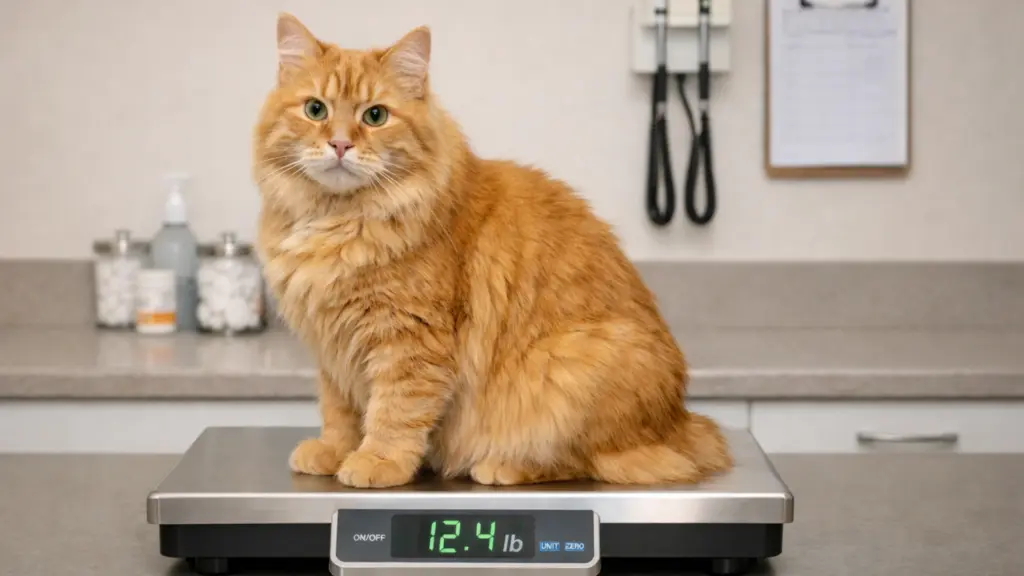
Most domestic cats weigh between 8 and 12 pounds. This range fits many mixed-breed house cats. Some may fall a little below or above it and still be fine.
The number alone does not tell the full story, as body shape and frame size also matter. Male cats are usually heavier than females.
Males often have larger frames and more muscle, so a few extra pounds can be normal for them. Females tend to be lighter and smaller overall.
Breed plays a big role in what is considered a healthy cat weight. A small breed, like a Siamese, will weigh much less than a large breed, like a Maine Coon.
That is why it helps to compare a cat’s weight to its breed standard instead of using one fixed number for all cats.
Weight Ranges by Cat Breed
Different cat breeds come in various sizes, and each has its own healthy weight range based on genetics and body structure.
| Cat Breed | Female Weight (lb) | Female Weight (kg) | Male Weight (lb) | Male Weight (kg) |
|---|---|---|---|---|
| Domestic Shorthair | 8–10 lb | 3.6–4.5 kg | 10–12 lb | 4.5–5.4 kg |
| Siamese | 8–10 lb | 3.6–4.5 kg | 10–12 lb | 4.5–5.4 kg |
| Persian | 7–12 lb | 3.2–5.4 kg | 9–14 lb | 4.1–6.4 kg |
| Maine Coon | 10–15 lb | 4.5–6.8 kg | 15–25 lb | 6.8–11.3 kg |
| Ragdoll | 10–15 lb | 4.5–6.8 kg | 15–20 lb | 6.8–9.1 kg |
| British Shorthair | 9–12 lb | 4.1–5.4 kg | 12–18 lb | 5.4–8.2 kg |
| Bengal | 8–12 lb | 3.6–5.4 kg | 10–18 lb | 4.5–8.2 kg |
How Age Affects Your Cat’s Weight

Age has a big effect on healthy cat weight. Kittens grow fast in the first year. In the early weeks, they gain weight almost every day.
By six months, most kittens look lean but active. Steady growth is expected during this stage, and sudden weight loss is not normal.
Adult cats usually reach a stable phase between one and seven years. Their weight should stay fairly consistent if diet and activity remain the same.
Small changes can happen, but large swings often point to overfeeding or low activity. Senior cats, usually over seven years, may start to lose or gain weight.
Some lose muscle as they age, while others gain fat due to less movement. Noticeable weight changes in older cats should always be checked, as they can signal health problems.
How to Tell If Your Cat Is at a Healthy Weight
The number on the scale gives one clue, but simple hands-on checks and visual signs often tell you much more.
1. The Rib Check Method
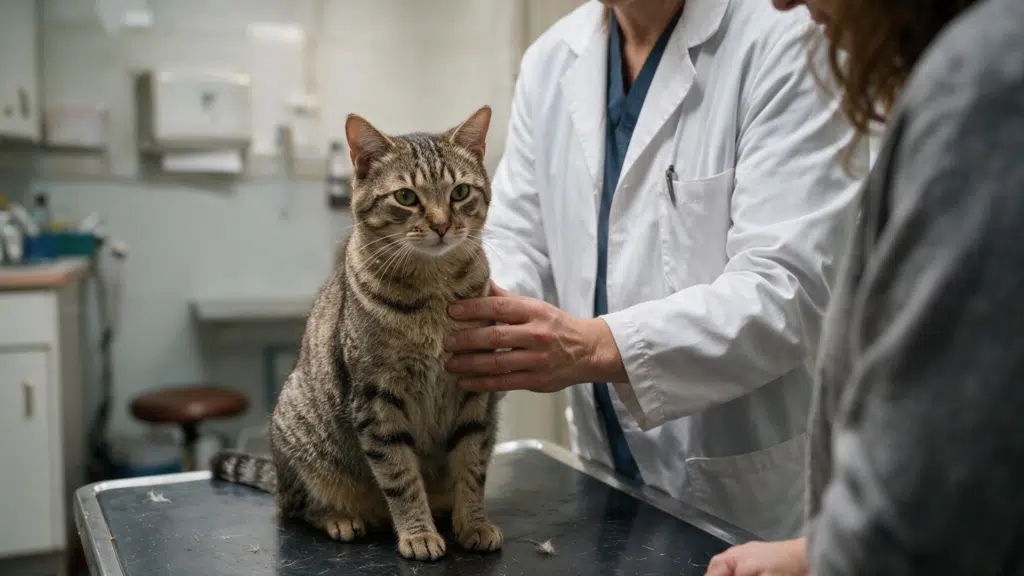
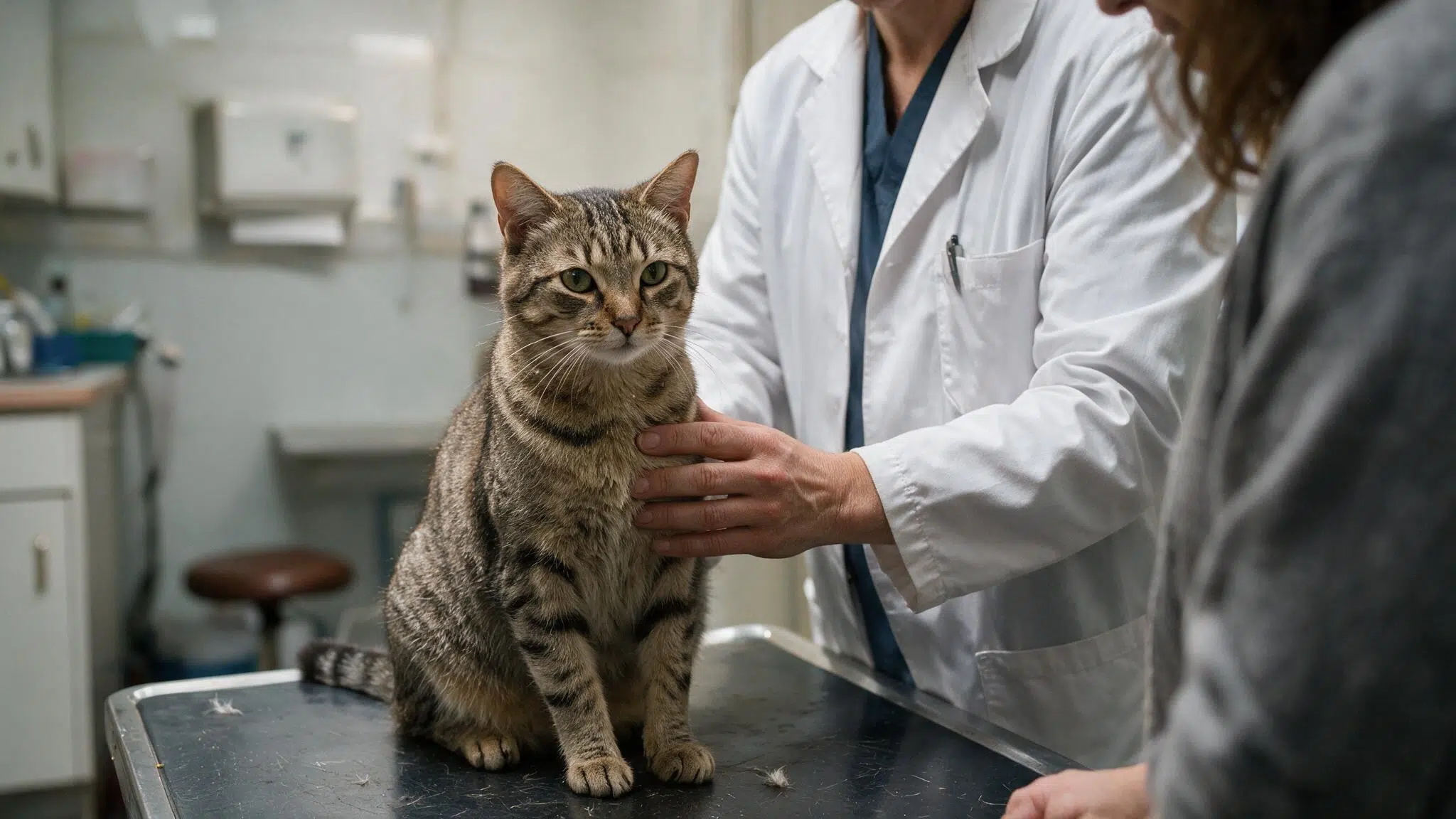
Place your hands gently on both sides of the chest and move your fingers across the rib area. Ribs should be easy to feel under a light layer of fat, without needing to press hard.
They should not feel sharp or stick out clearly. If ribs are very hard to feel, there may be excess fat covering them.
If they feel very bony and visible through the skin, the cat may be underweight. This method gives a quick idea of whether body fat levels are balanced.
2. Body Shape Indicators
Look at the cat from above while it is standing. The body should show a slight inward curve behind the ribs, forming a visible waist.
From the side view, the abdomen should tuck up gently rather than hang down. The body should not appear round or barrel-shaped.
A wide, flat outline with no waist often suggests extra weight. A very narrow frame with sharp hip bones may indicate low body fat or muscle loss.
3. Waist and Belly Observations
Focus on the area between the ribs and hips. A clear but soft waistline is a good sign of healthy cat weight. The belly should not drag close to the ground or swing noticeably while walking.
Some cats have a small flap of loose skin near the lower belly, which can be normal. However, a large hanging belly may point to fat buildup.
On the other hand, a belly that looks tightly tucked with visible bones may signal the need for weight gain.
Why Cats Become Overweight or Underweight
Weight changes do not happen without a reason. In many cases, daily habits play a big role.
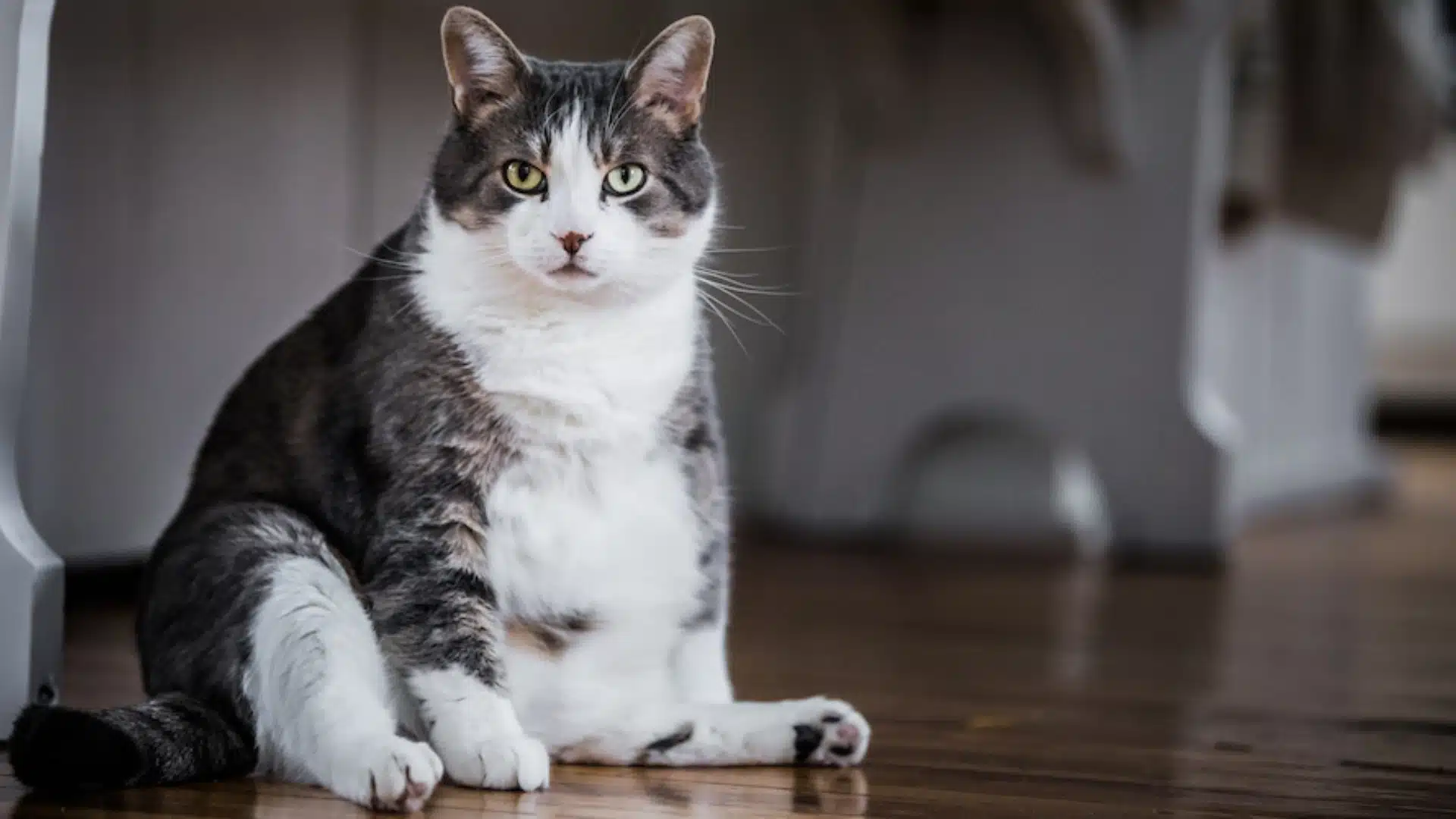
Common causes of weight gain include overfeeding and reduced physical activity, especially in indoor cats that do not get enough play or movement.
Free feeding dry food makes it easy for calorie intake to rise without notice. After neutering, metabolism may slow down, which increases the risk of fat buildup.
Frequent treats and table scraps also add extra calories that many owners overlook.
Weight loss can result from dental pain, parasites, or digestive problems that limit proper nutrient absorption.
Medical conditions such as thyroid imbalance or diabetes may also cause a noticeable drop in weight. Stress, aging, and sudden diet changes can further reduce appetite and lead to gradual weight decline.
What Does Heavy Breathing in Cats Mean?
Cats breathe faster after play, stress, or exposure to heat, and this can be normal if it settles within a short time.
Calm breathing at rest should be quiet and steady, usually between 20 to 30 breaths per minute. Open mouth breathing, loud wheezing, or fast breathing while resting can signal a problem that needs attention.
There is also a link between body fat and breathing strain. When a cat goes beyond a healthy cat weight, excess fat can press against the chest and reduce lung expansion.
This makes breathing less efficient and increases effort. Overweight cats may tire quickly and show heavier breathing even with mild activity.
In contrast, sudden breathing changes in a lean cat often point toward infection, asthma, or heart-related concerns.
Medical Reasons for Heavy Breathing
Heavy breathing can signal deeper health problems, especially when it appears at rest, lasts for a long time, or comes with other unusual physical signs.
- Heart disease: Weak heart function can cause fluid buildup in or around the lungs, making breathing faster and more labored even during rest.
- Congestive heart failure: Fluid accumulation in the chest restricts lung expansion and often leads to rapid breathing, lethargy, and reduced activity levels.
- Feline asthma: Inflammation in the airways narrows breathing passages, which can trigger wheezing, coughing, and visible effort while inhaling or exhaling.
- Respiratory infections: Viral or bacterial infections may cause nasal discharge, fever, and noisy breathing due to blocked or inflamed airways.
- Obesity-related strain: Excess body fat around the chest and abdomen limits lung movement and reduces airflow efficiency, increasing breathing effort during mild activity or at rest.
Simple Tips to Support a Healthy Cat’s Weight
Maintaining balance requires steady habits, proper feeding, and regular monitoring to prevent gradual weight gain or unnoticed weight loss over time.
- Portion control: Measure meals using a cup or kitchen scale instead of guessing, since small daily excesses can slowly push a cat beyond a healthy weight.
- Quality food choices: Select food with high protein and balanced nutrients, while limiting fillers and excessive carbohydrates that add calories without real nutritional value.
- Scheduled feeding times: Set fixed meal times instead of free feeding, which helps regulate calorie intake and prevents constant snacking throughout the day.
- Daily activity and play: Encourage movement with interactive toys, climbing posts, or short play sessions to burn calories and maintain muscle tone.
- Regular vet checkups: Routine visits help track weight trends, adjust diet plans, and detect early health issues before they affect breathing or overall condition.
Conclusion
Healthy cat weight is not just a number on a scale; it reflects overall balance in the body. Breed, age, and gender all influence what range is normal, so comparing one cat to another does not always work.
Kittens grow fast, adults stay more stable, and seniors may shift due to age or health changes. Regular body checks help spot early signs of being overweight or underweight.
Breathing patterns also matter, as fast or labored breathing at rest should never be ignored, especially if the weight is above a healthy cat’s weight range.
Extra fat can strain the lungs, while sudden weight loss with heavy breathing may signal illness. Paying attention to small changes makes a big difference.
Have you noticed any recent weight or breathing changes in your cat? Share your thoughts or questions in the comments below.