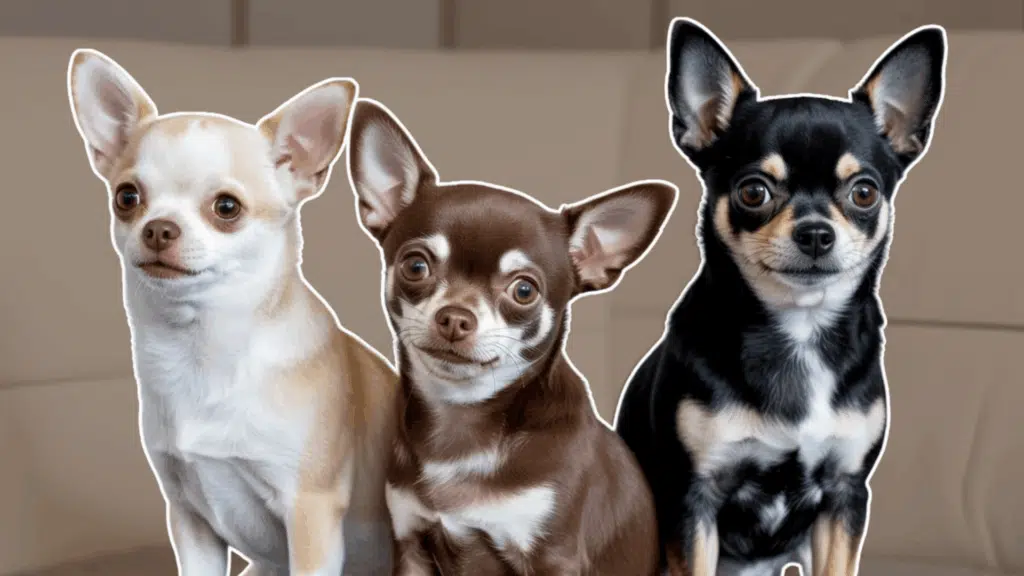
Chihuahuas may be small, but their personalities are definitely not. With those huge eyes, confident strut, and endless sass, it’s no wonder so many people fall for them instantly.
Yet even among this single breed, you’ll notice clear differences. Some sport a rounded, dome-like head while others have a longer, more elongated muzzle.
All Chihuahuas share the same core traits. They come with loyalty, alertness, and a big dose of charm packed into a tiny frame.
The variations mainly come down to head shape, coat type, and size.
These differences affect grooming routines, health considerations, and which style might fit your home best.
Read along as I break down the main types of Chihuahuas by coat, head shape, and size, with comparisons, care tips, and advice on choosing the right one for you.
Understanding Types of Chihuahuas
While the Chihuahua is officially recognized as a single breed by the American Kennel Club, you’ll often hear about different types of Chihuahuas.
These aren’t separate breeds. They stem fromnatural genetic variations within the breed, selective breeding over generations, and regional preferences.
The AKC breed standard recognizes only two official coat varieties: smooth (short) and long.
All other classifications, such as apple head versus deer head shapes, standard versus teacup sizes, or specific color patterns, are informal or enthusiast-driven.
They exist because traits such as skull shape, leg proportions, and fur length were emphasized in breeding lines.
These differences help explain why one Chihuahua might look compact and dome-headed while another appears sleeker. Understanding them is key to matching a pup’s needs to your lifestyle.
Types of Chihuahua Based on Body, Head, and Coats
Chihuahua classification commonly relies on physical traits such as skull structure, coat length, and overall body size, helping owners understand differences in care and needs.
1. Apple Head Chihuahua
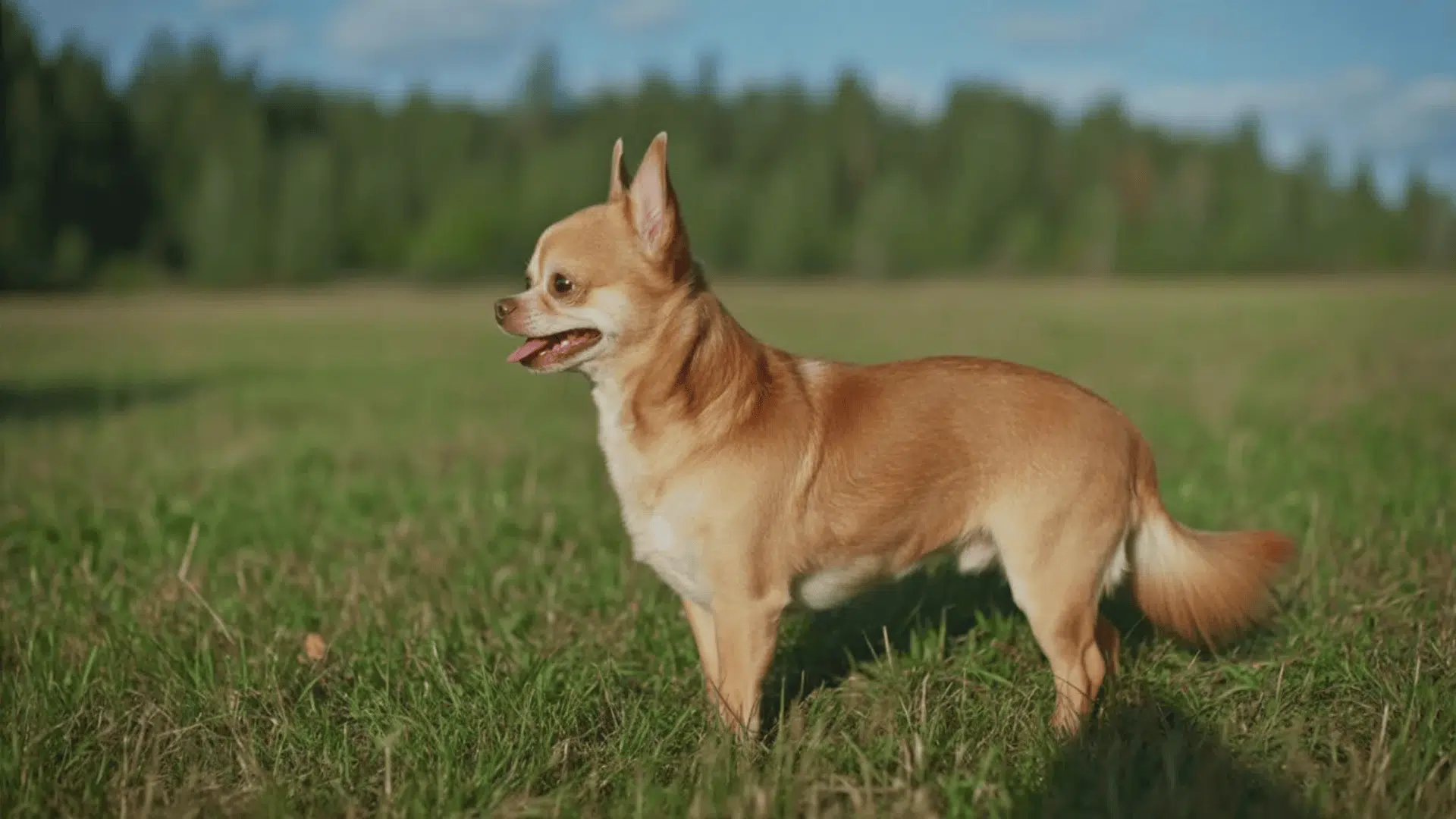
Apple Head Chihuahuas feature a rounded skull, prominent eyes, and a short muzzle that creates a distinct dome shape.
This head structure aligns with AKC standards and is widely recognized in the US. The compact build often results in a smaller frame, making this type popular among apartment dwellers.
Due to the short snout, breathing may be sensitive, and dental crowding may occur. So they require routine health monitoring and consistent veterinary care throughout adulthood.
2. Deer Head Chihuahua
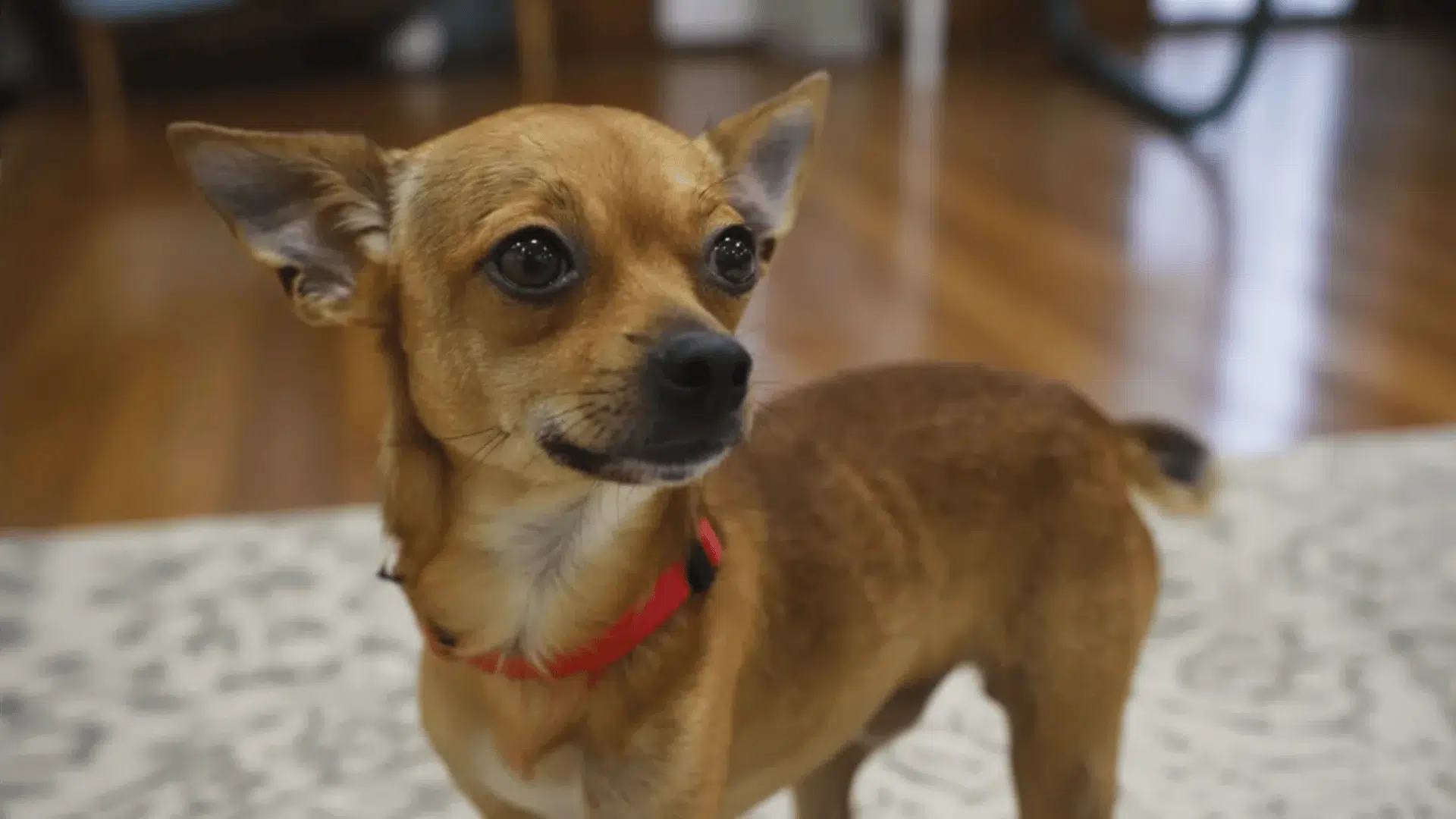
Deer Head Chihuahuas display a longer muzzle, flatter skull, and a more angular facial profile resembling a young deer.
This type typically has longer legs and a slightly larger body compared to Apple Head varieties. Although not recognized by the AKC standard, Deer Head Chihuahuas are common in the US.
Many owners report greater physical endurance and fewer breathing challenges, making this type a suitable choice for individuals seeking a sturdier Chihuahua for an active lifestyle.
3. Pear Head Chihuahua
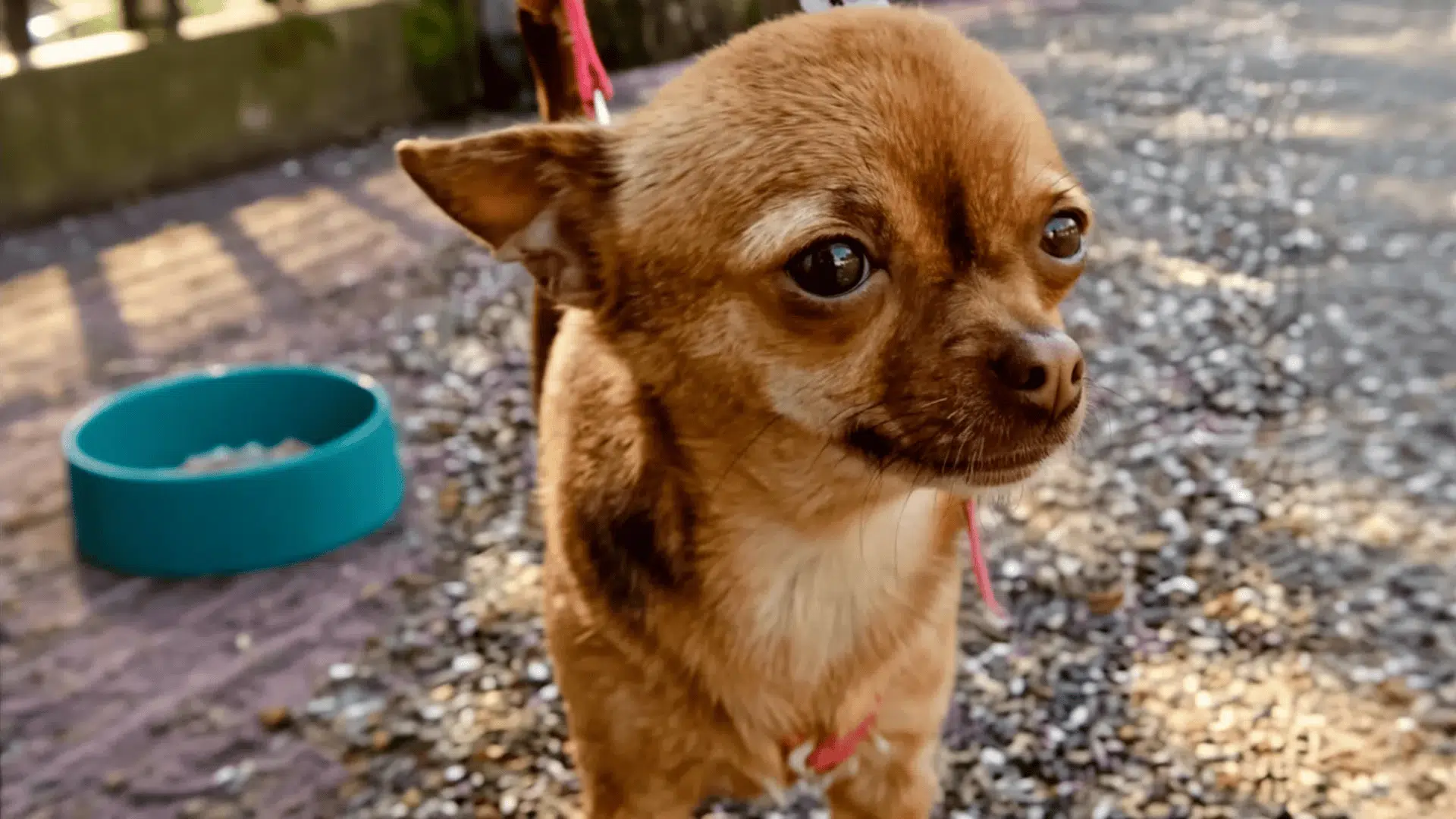
Pear Head Chihuahuas show a narrower forehead with width increasing toward the jawline, creating a pear-shaped appearance.
This head structure remains unofficial and less common than Apple or Deer Head forms. Pear Head Chihuahuas may exhibit mixed physical traits and varied proportions.
Health considerations depend more on breeding quality than head shape. Owners often encounter this type through mixed lineage rather than selective breeding programs.
4. Smooth Coat Chihuahua
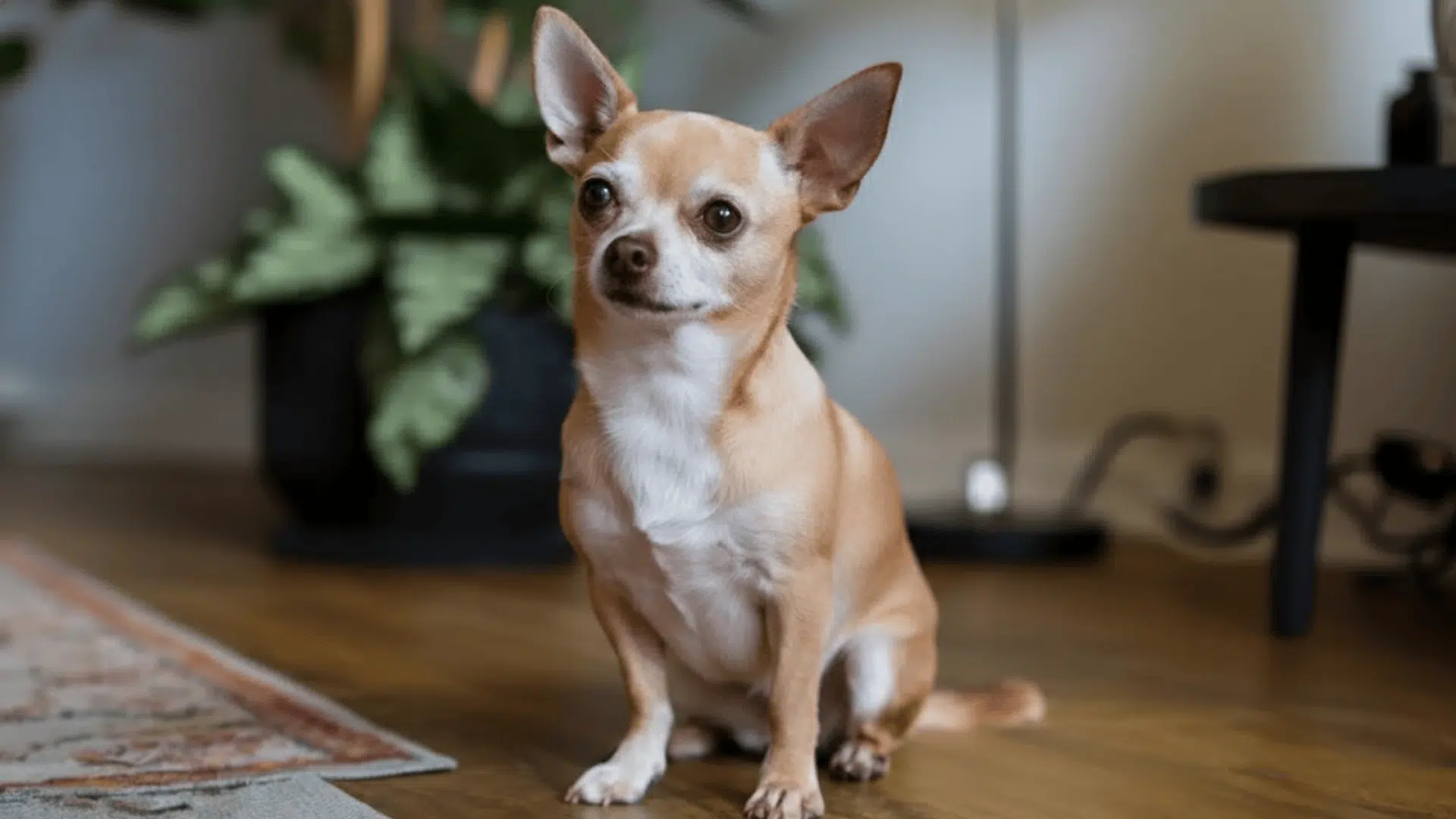
Smooth Coat Chihuahuas have short, close-lying fur that feels soft and glossy to the touch. They have minimal grooming needs, and occasional brushing is sufficient to manage shedding.
This coat type allows body features to appear more defined and reacts quickly to temperature changes, especially in cooler climates. Sweaters or indoor warmth often help maintain comfort.
Smooth Coat Chihuahuas are popular among owners who prefer lower grooming upkeep while maintaining the classic Chihuahua appearance.
5. Long Coat Chihuahua
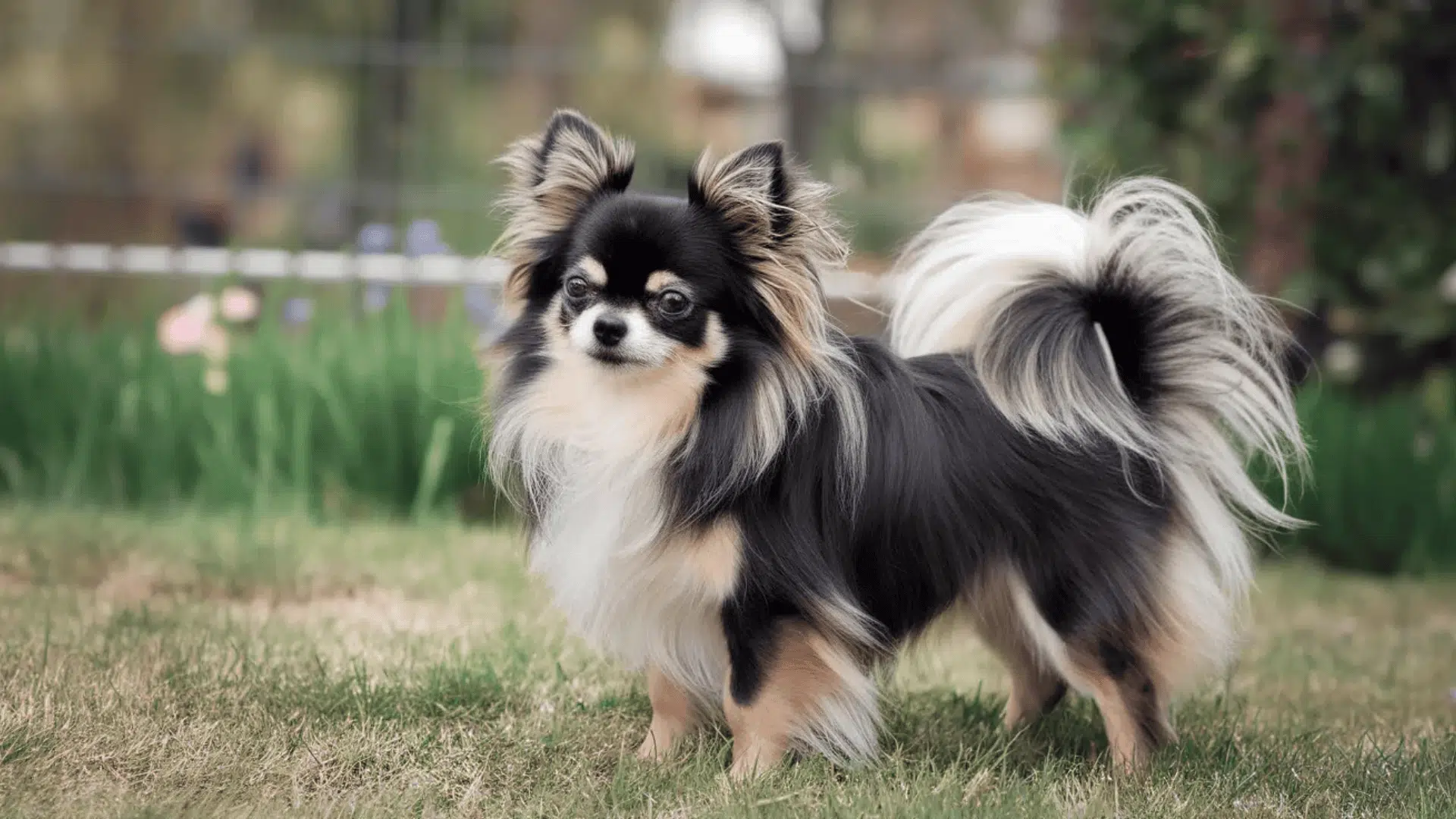
Long Coat Chihuahuas carry fine, silky fur with feathering around the ears, chest, legs, and tail. The coat develops gradually and may not reach full length until adulthood.
Regular brushing helps prevent tangles and matting, particularly behind the ears. Despite the longer fur, shedding remains manageable with routine care.
They often appear fuller in shape and are favored by owners who enjoy grooming while maintaining a small companion dog.
6. Standard Size Chihuahua
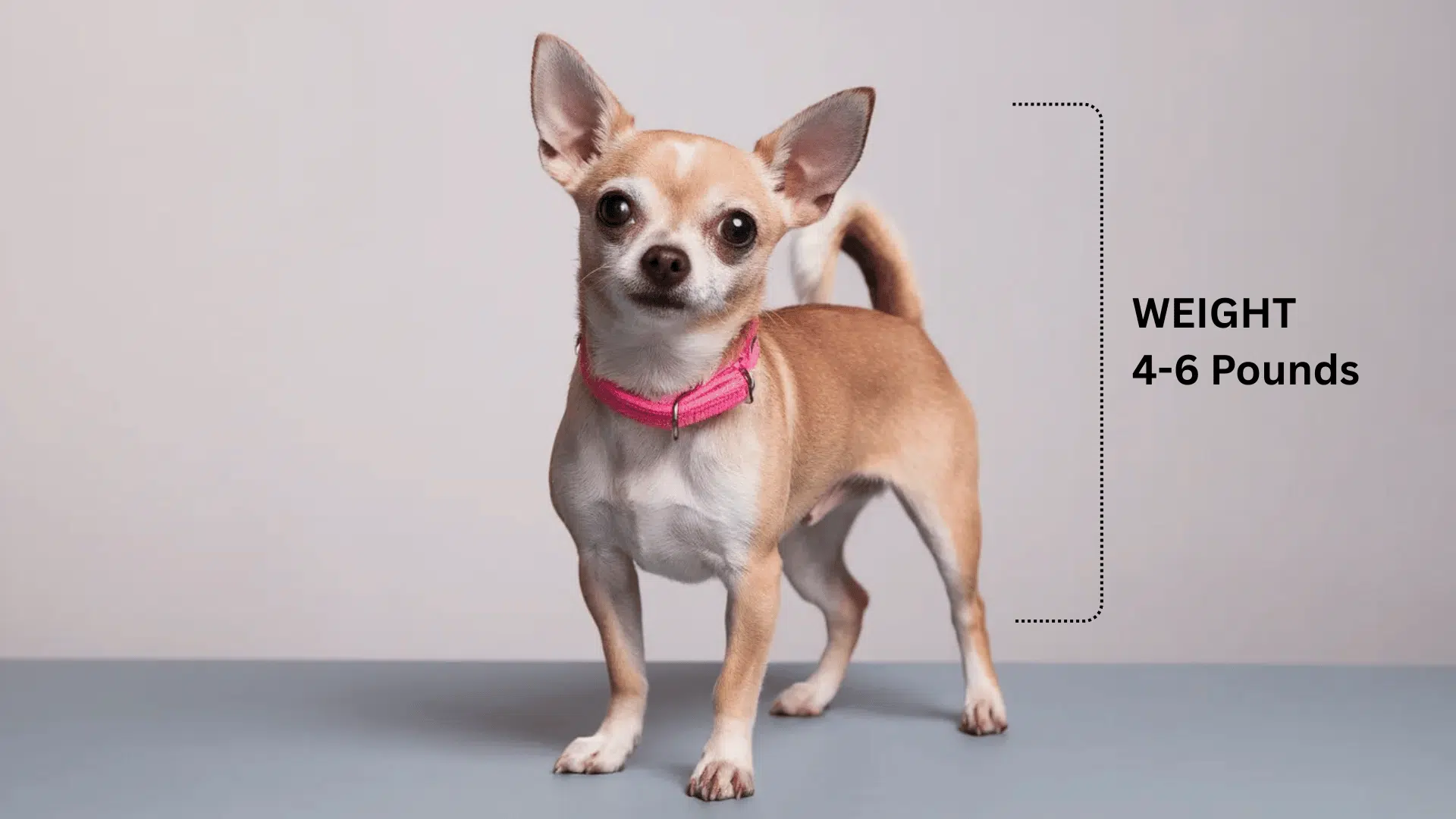
Standard-size Chihuahuas typically weigh between 4 and 6 pounds with balanced proportions across head, body, and legs.
This size aligns most closely with established breed guidelines and supports better physical stability. Standard sizing allows easier weight management and often reduces fragility concerns.
Many households prefer this type because of its predictable growth patterns and lower handling risks, especially in homes with older children or multiple pets.
7. Teacup Chihuahua
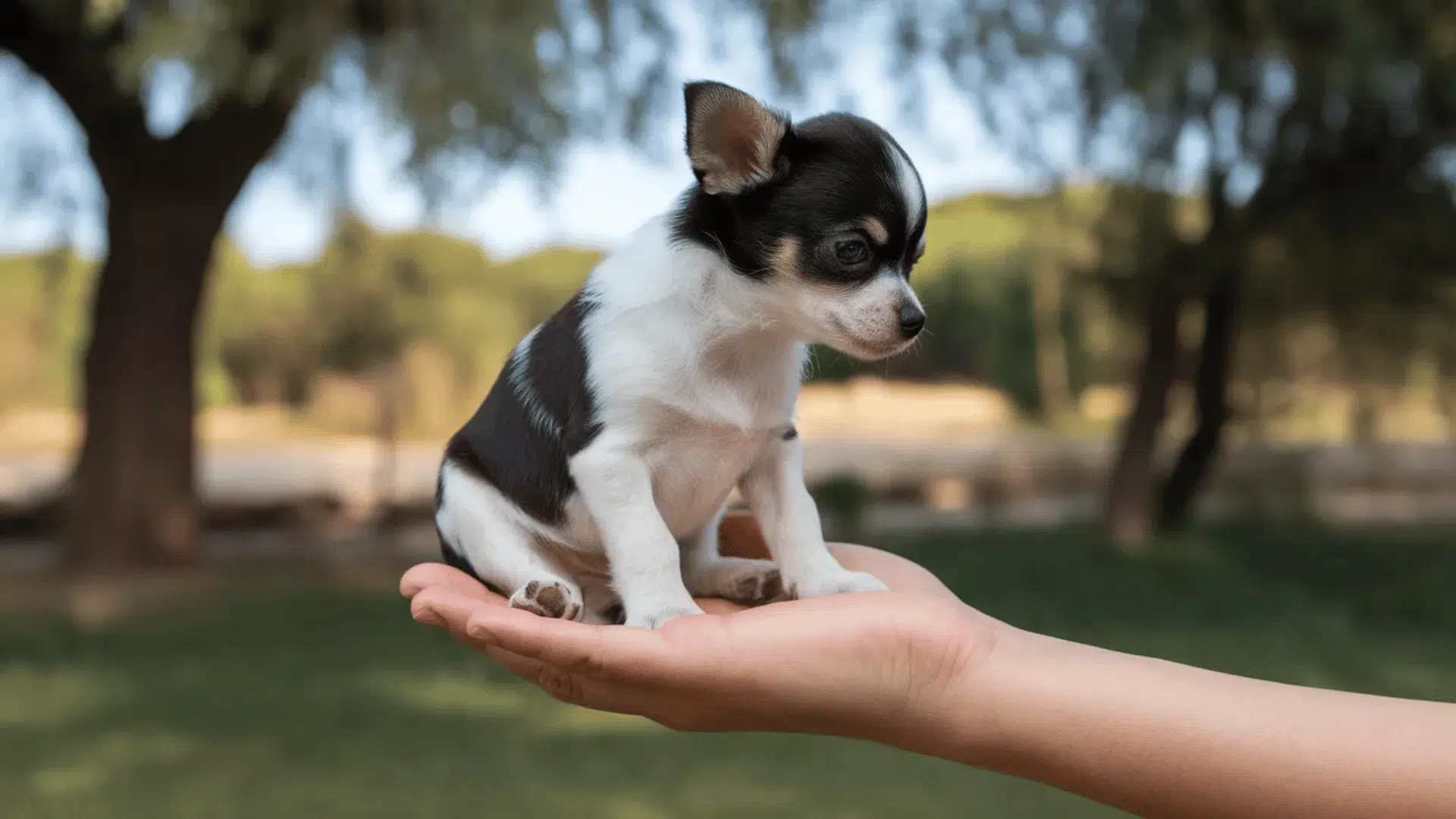
Teacup Chihuahuas are unusually small dogs bred below typical size expectations. This term reflects marketing language rather than official classification.
Extremely small stature increases vulnerability to hypoglycemia, bone injuries, and organ stress. Extra care becomes essential, including controlled feeding schedules and careful handling.
While visually appealing to some owners, veterinary professionals often advise prioritizing health and ethical breeding practices over reduced size when selecting a Chihuahua.
8. Short Body Chihuahua
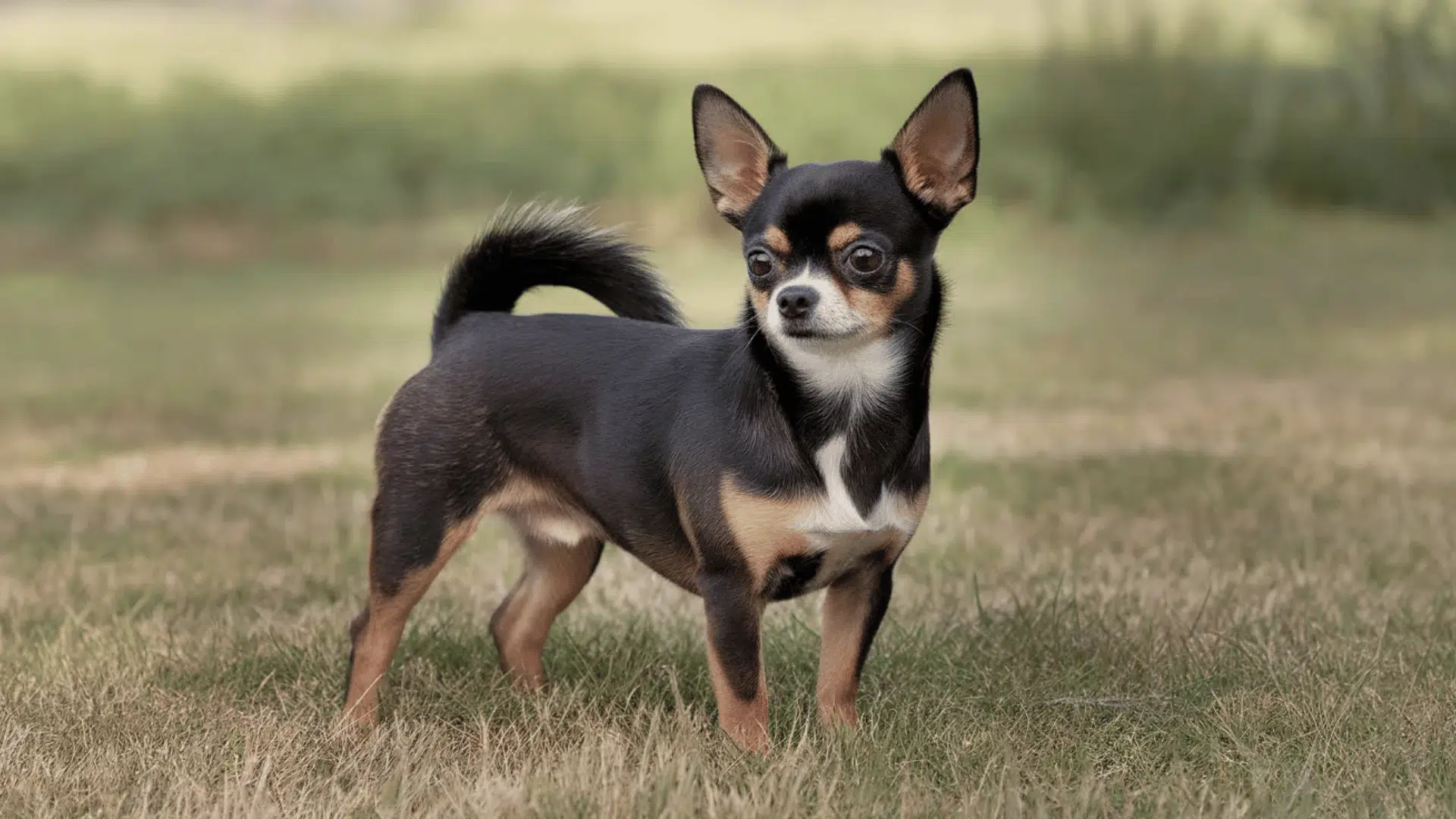
Short-body Chihuahuas have a compact torso with minimal length between the chest and hindquarters. This structure contributes to a rounded appearance and tight proportions.
While visually appealing, careful weight management is essential to prevent joint strain. They often pair with Apple Head features and may occur across coat types.
Controlled exercise and proper nutrition support long-term mobility and comfort for this body structure.
9. Long Body Chihuahua
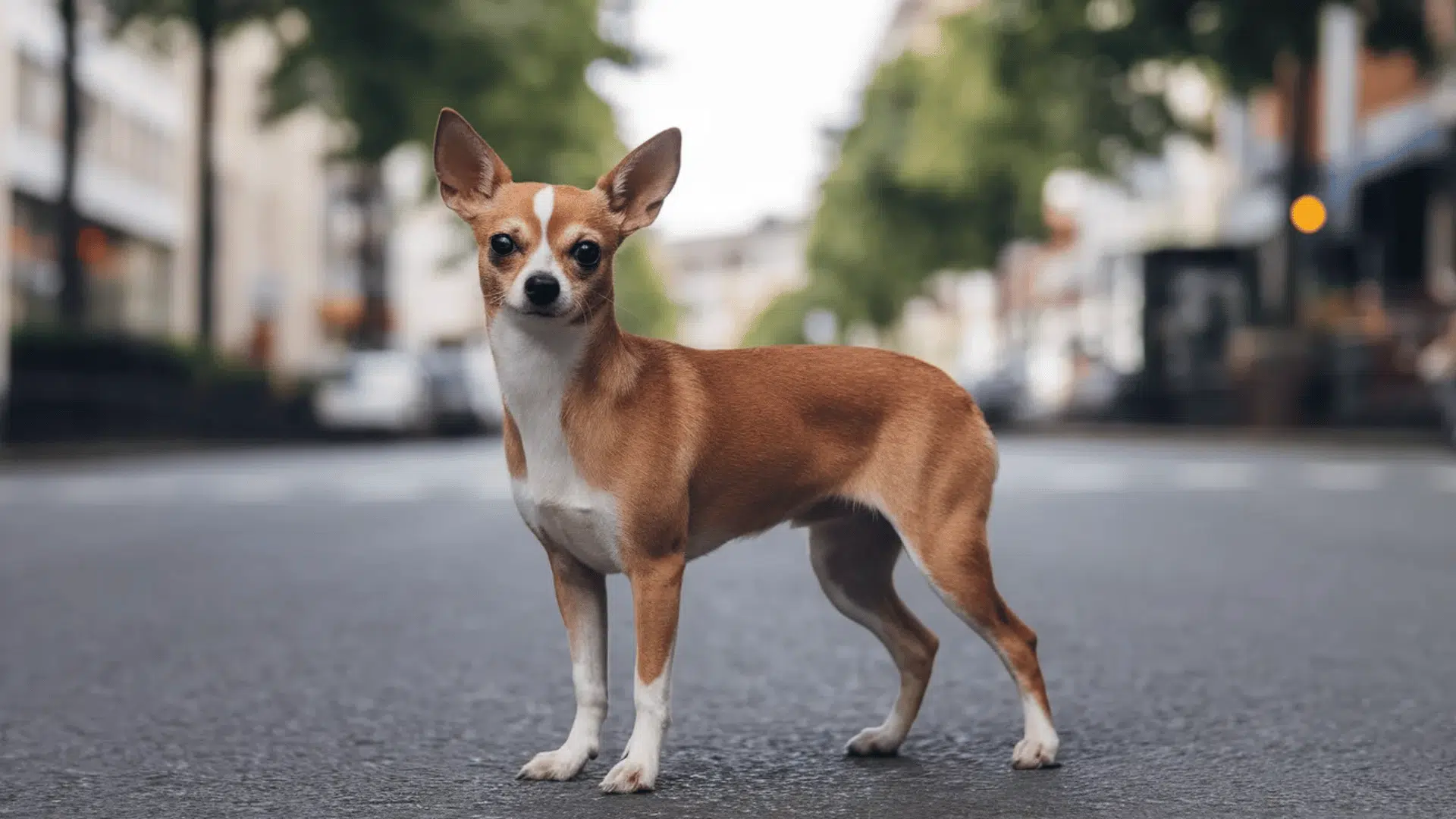
Long Body Chihuahuas feature an extended torso with more distance between shoulders and hips. This body style often appears alongside Deer Head traits and allows smoother movement.
Proper spinal support is important, especially during jumping or stair use. Many owners prefer this type for its balanced gait and slightly reduced fragility.
Adequate muscle conditioning helps maintain posture and overall physical stability throughout growth stages.
10. Miniature Chihuahua
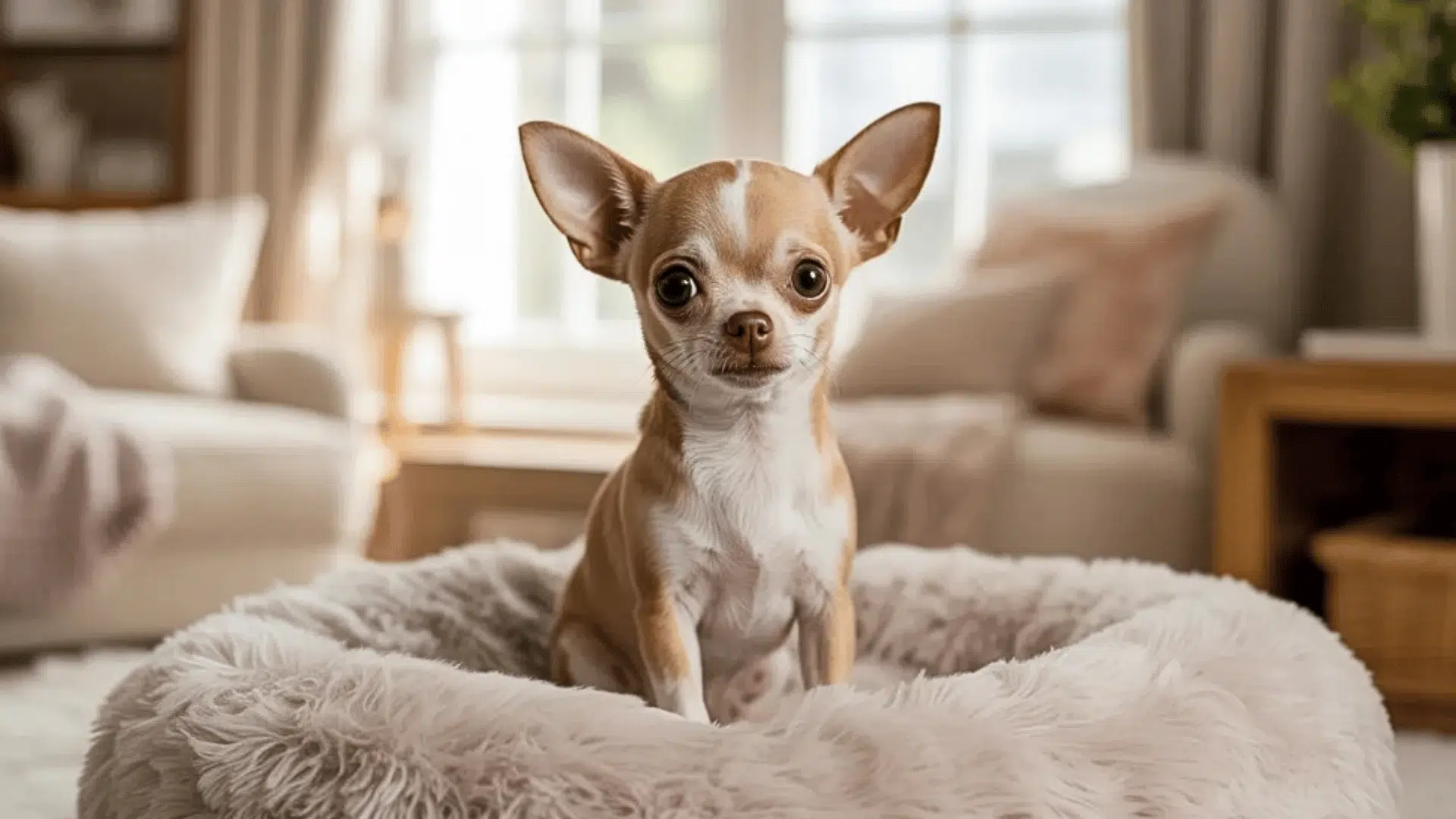
Miniature Chihuahuas are slightly smaller than average but larger than teacup size. This informal label is based on size variation rather than breed classification.
Miniature Chihuahuas often maintain better health and resilience than the extremely small teacup Chihuahuas. Owners should still monitor weight and blood sugar levels closely.
Choosing reputable breeders who prioritize structure over size reduction supports safer ownership outcomes for this category.
Rare Types of Chihuahua
Rare Chihuahua types stand out for their uncommon coat colors and genetic patterns, often resulted by specific breeding combinations, pigmentation traits, and dilution genes.
11. Pure White Chihuahua
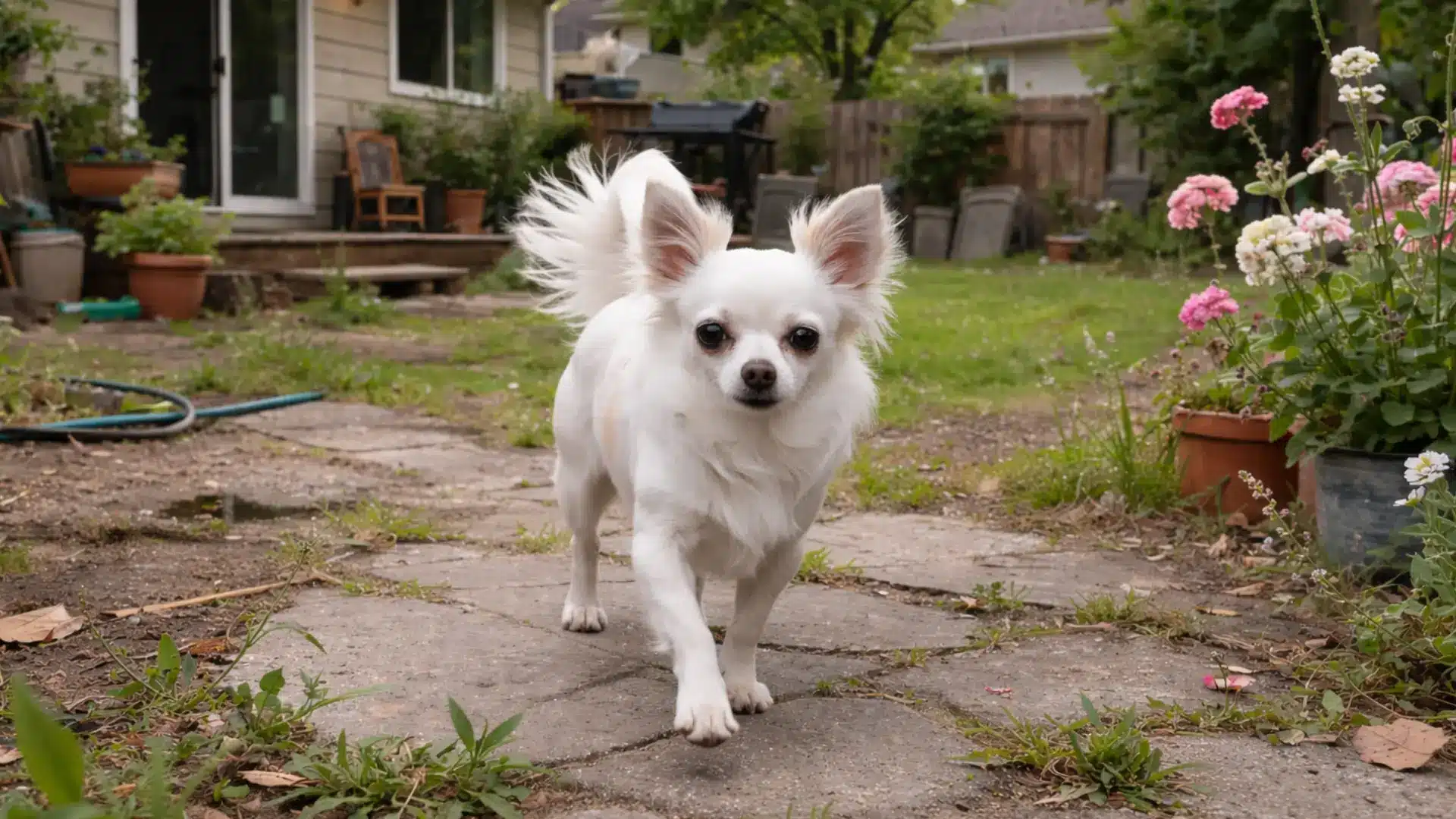
Pure White Chihuahuas have a completely white coat with no visible markings, a trait that makes them extremely rare. This coloration can appear in both smooth and long coat varieties.
Their grooming needs depend on coat length. Smooth coats require light weekly brushing, while long coats require more frequent care to prevent matting and discoloration.
Due to the absence of pigment, skin and eyes may be more sensitive to sunlight, making shade and sun protection important.
Despite the delicate appearance, temperament remains consistent with the breed’s alert and confident nature.
12. Lavender (Lilac) Chihuahua
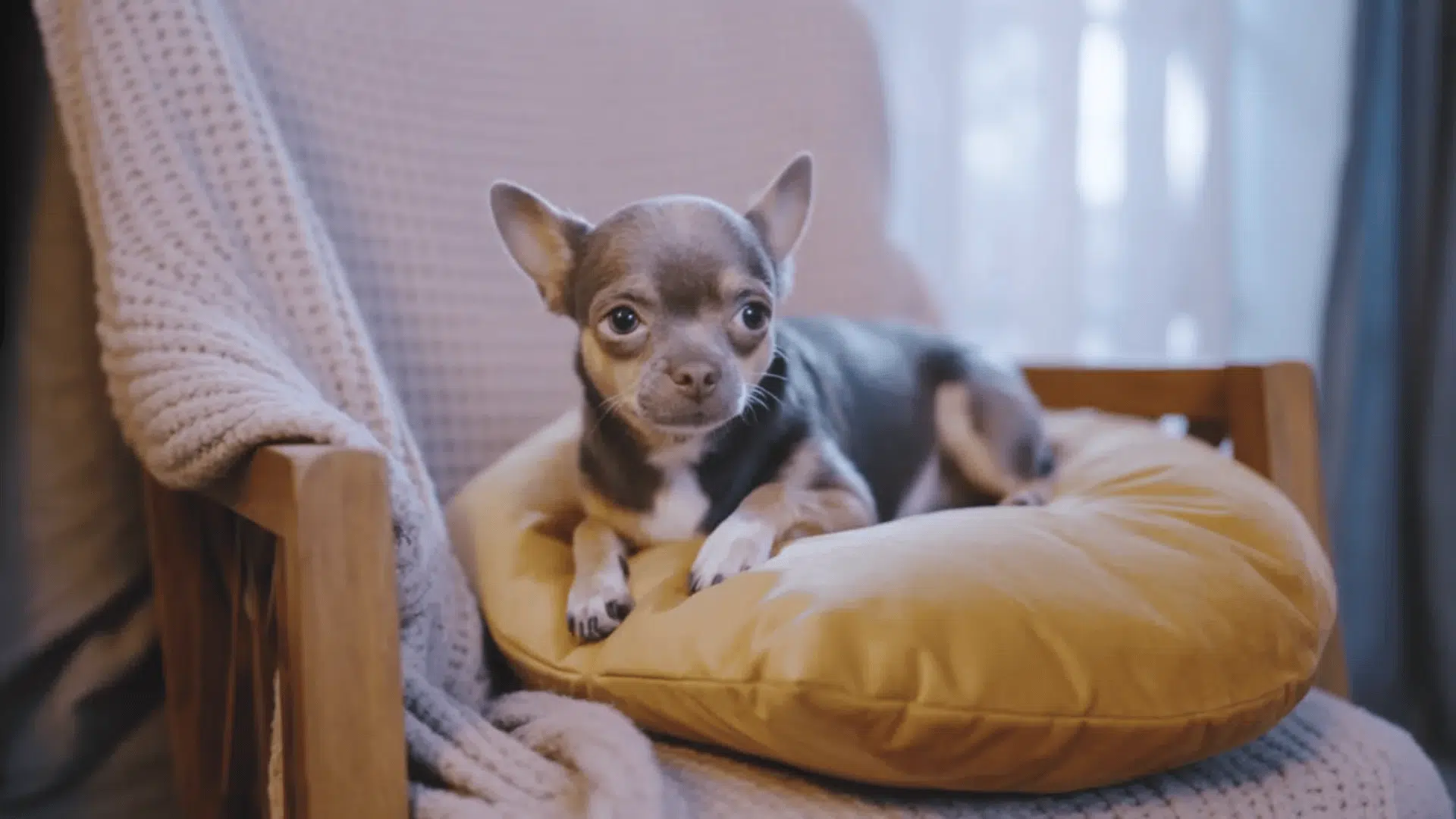
Lavender Chihuahuas feature a diluted coat color caused by specific genetic combinations that affect blue and chocolate pigmentation.
The result is a soft grayish tone with subtle undertones that can appear solid or lightly marked. This color may occur on both smooth and long coats.
Their grooming needs are based on coat length rather than color.
Many owners love the simple look combined with the Chihuahua’s affectionate and alert personality.
13. Blue Merle Chihuahua
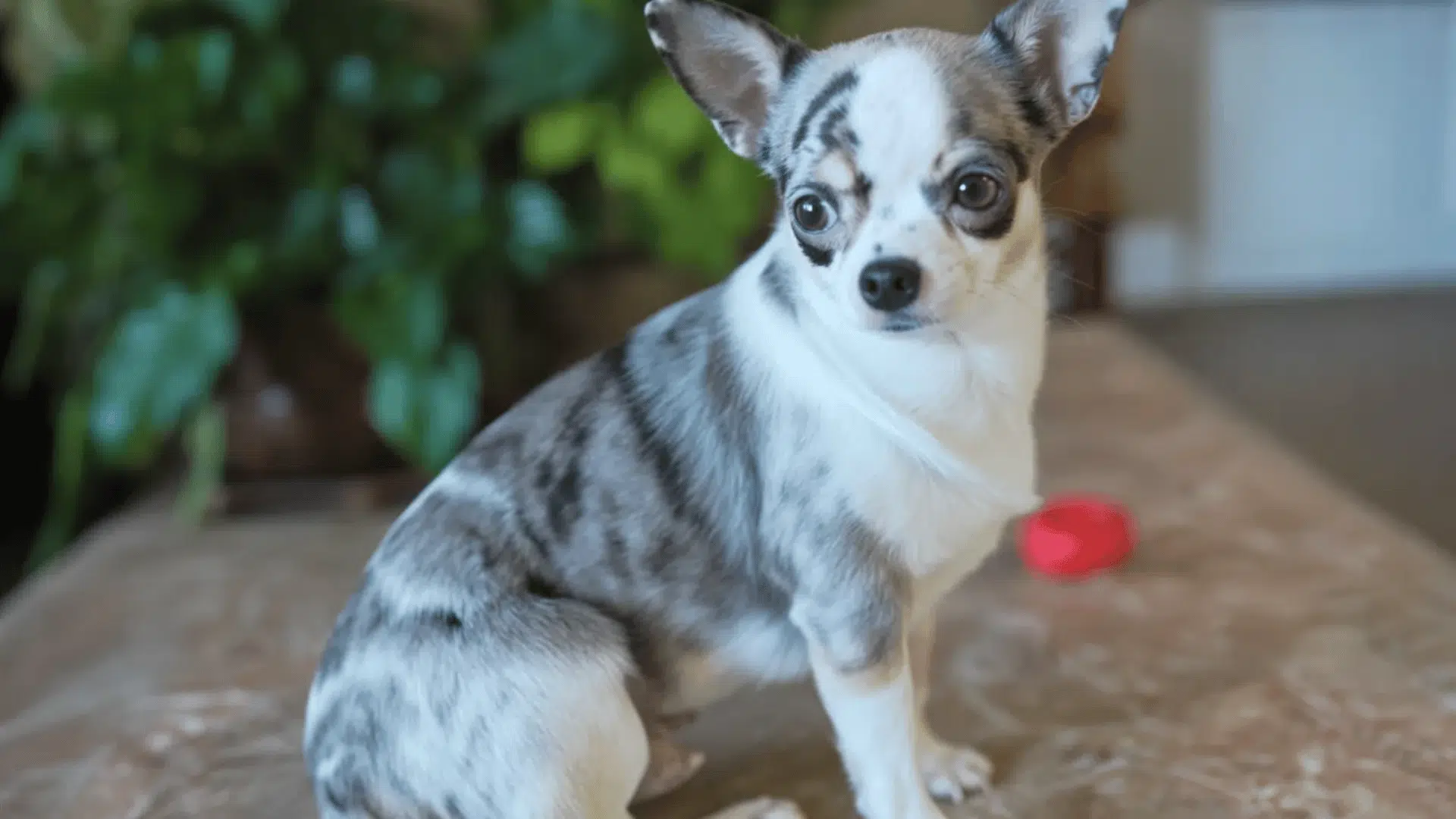
Blue Merle Chihuahuas have a marbled pattern of grayish-blue spots and patches over a lighter base, creating a mottled, artistic coat that’s highly sought after for its uniqueness.
The pattern appears on both short and long coats, with splashes sometimes extending to the eyes. This rare variation brings out the breed’s bold personality.
Grooming needs depend on coat length. Easy weekly care for short coats and more frequent sessions for long ones to prevent mats in the marbled areas.
Merle breeding requires caution to avoid health risks, such as hearing or vision issues. If you’re thinking of getting a merle dog, choose ethical breeders who perform health testing.
14. Solid Black Chihuahua
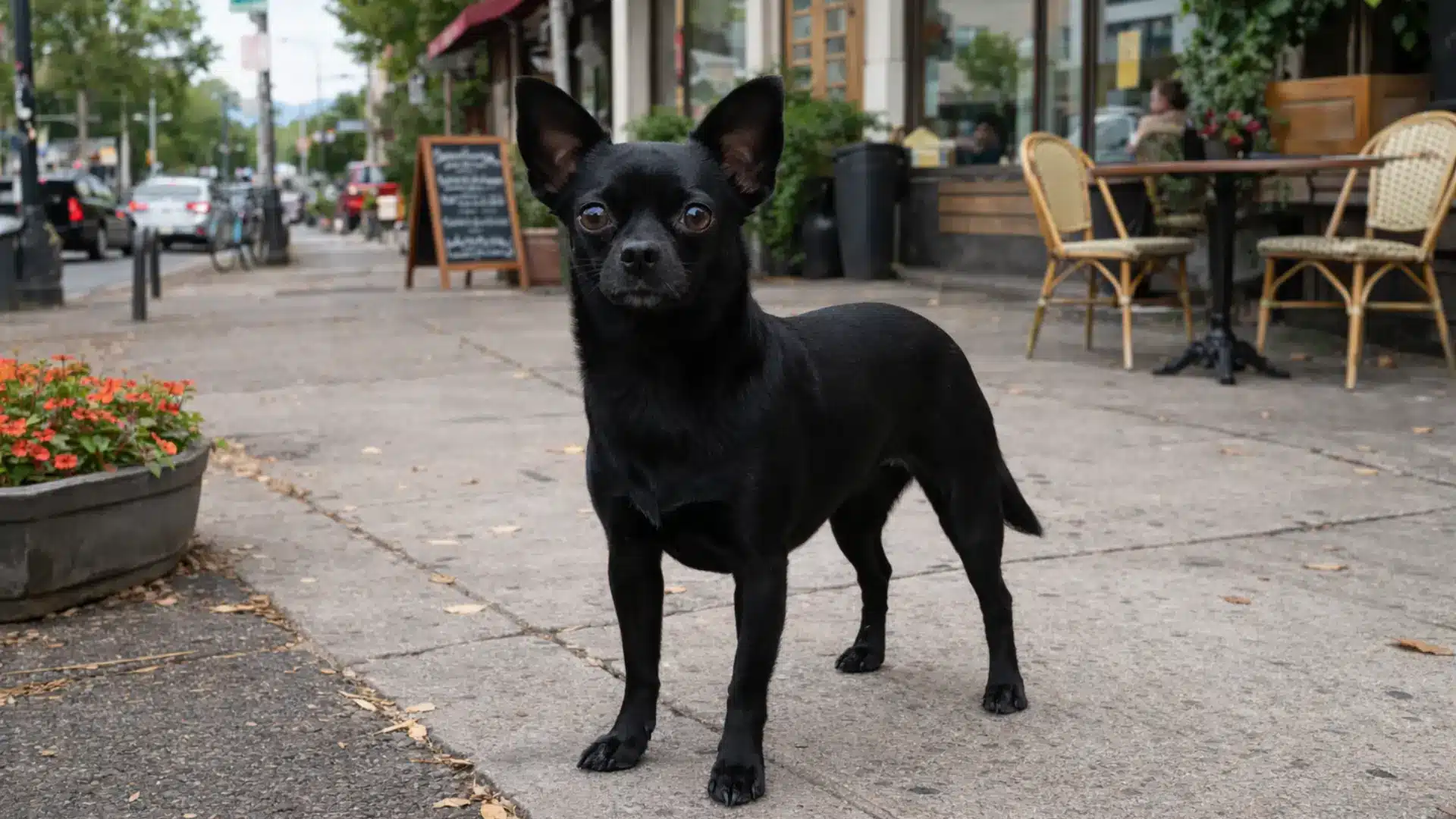
Solid Black Chihuahuas have a deep, uniform jet-black coat without any white, tan, or other markings, making them rarer than typical black-and-tan or multi-colored versions.
The glossy finish looks sleek on short coats or luxurious on long ones, highlighting their confident strut.
Their grooming is low-maintenance for smooth varieties (just occasional baths to keep shine), while long coats require brushing to avoid dullness.
Owners admire how the rich color highlights the Chihuahua’s bold personality. This rare yet classic look suits anyone looking for a striking yet simple companion in a tiny, loyal dog.
15. Chocolate Merle Chihuahua
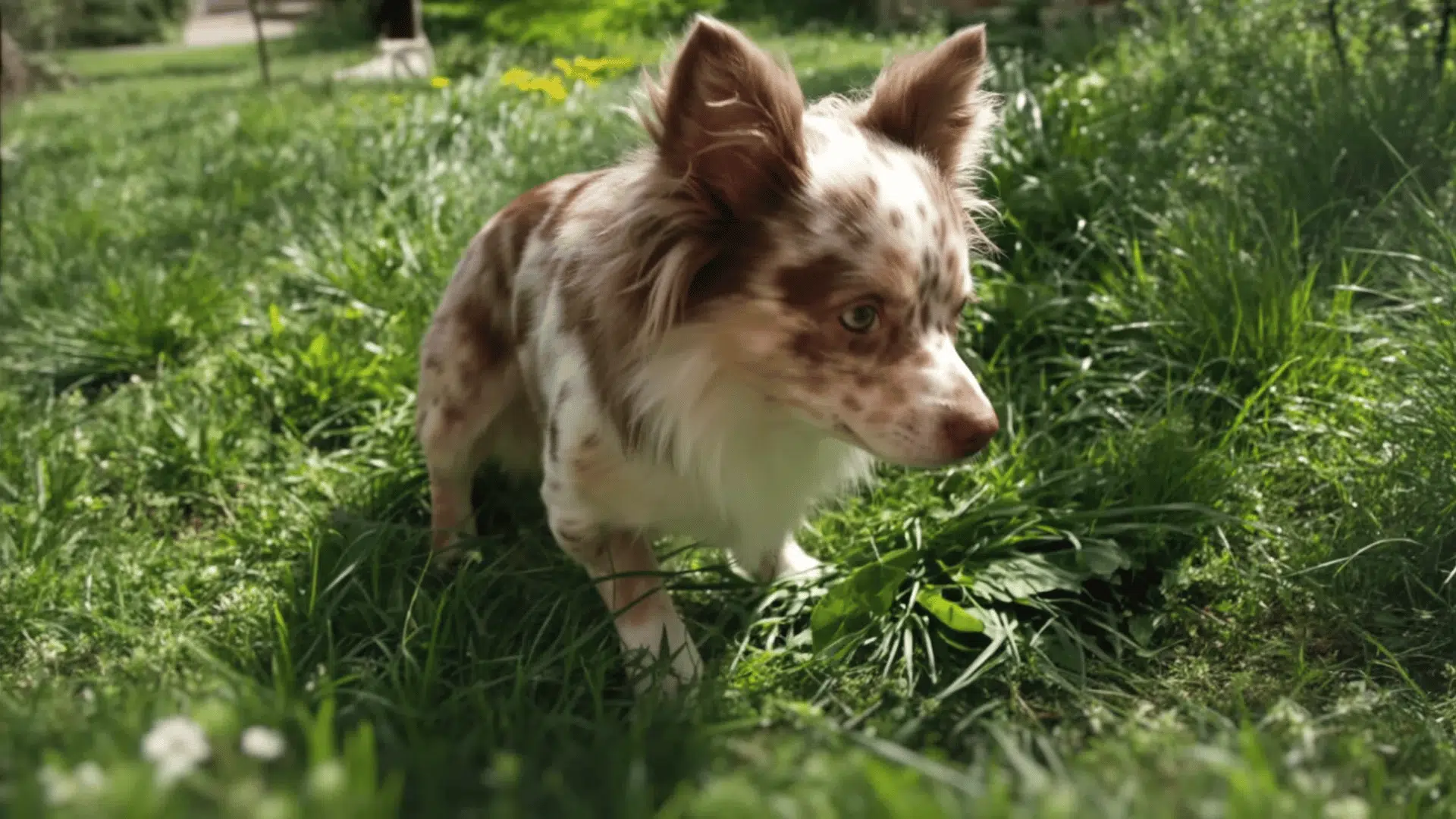
Chocolate Merle Chihuahuas combine rich brown base tones with merle marbling, resulting in a warm, spotted pattern that’s exceptionally uncommon.
The effect softens on long coats to create a plush texture, or sharpens on short ones for contrast.
Regular grooming prevents tangles in the patterned areas, especially around fringes.
As with all merles, ethical breeding and health screenings are essential to minimize genetic risks. Ideal for owners who crave something truly special and warm-toned.
Chihuahua Types: Myths vs Facts
Misconceptions about types of Chihuahua often stem from marketing labels and appearance-based assumptions, making it important to distinguish among factual breed standards.
| Myth | Fact |
|---|---|
| Apple head and deer head are official types | Coat types are official; head shapes are informal |
| Teacup Chihuahuas are a healthier breed | Teacup is a size label with higher health risks |
| Deer head Chihuahuas are always healthier | Health depends on breeding, not head shape |
| Long coats shed less than smooth coats | Similar to shedding, long coats need more grooming |
| Rare colors mean different Chihuahua breeds | All colors belong to one breed |
Tips to Choose the Right Chihuahua For You
Choosing the right type of Chihuahua dog depends on your lifestyle, grooming commitment, and health priorities. Coat type, head shape, and size all affect long-term well-being.
- Lifestyle Fit: Match energy level and noise tolerance to your routine and living space.
- Coat Type: Smooth coats require minimal upkeep, while long coats require regular brushing.
- Head Shape: Consider the dental needs of apple heads while making a choice.
- Family Setting: Supervise the kids around the house and consider the grooming time.
- Right Source: Meet ethically bred pups and prioritize temperament and connection over appearance
- Prioritize Health: Select dogs from ethical breeders or rescues with health screenings.
Conclusion
Choosing between the different types of Chihuahua is about more than appearance. Head shape, coat length, and size all influence daily care, grooming time, and long-term health.
Some variations require closer dental monitoring, others need more brushing, and extremely small sizes demand extra caution.
What stays consistent across all types of Chihuahua is their loyalty, confidence, and unmistakable personality.
The best choice comes from balancing structure, temperament, and responsible breeding rather than chasing rare colors or trendy labels.
By focusing on responsible breeding, health testing, and genuine temperament over trends or extreme sizes, you set the stage for a joyful, long-lasting bond.
Take time to meet breeders or rescues, ask questions, and observe temperament in person.
Share your favorite Chihuahua type in the comments below, or tell us which variation you’re drawn to most.