

You’re relaxing on the couch when you glance over and notice your cat’s breath is faster than usual.
They are short, heavy breaths that don’t slow down even though they’re completely still. That quiet panic is completely normal.
Cats are masters at hiding when something feels wrong, and heavy breathing is one of the few signs they can’t conceal. Unlike dogs, cats almost never pant to cool off or calm down.
When you spot heavy breathing or labored breathing in cats at rest, it’s usually the body’s way of saying something needs attention.
In this blog, I’ll cover exactly what normal cat breathing looks like, the most common reasons why your cat might be breathing heavily, and the red-flag symptoms you should never ignore.
You will also get clear, practical steps to take and when to consult the vet. By the end of the blog, you’ll learn how to protect your cat and when quick action makes all the difference.
What Is Considered Normal Cat Breathing?
Concern often arises when attention shifts to breathing patterns, but knowing what is typical can provide reassurance.
A relaxed, healthy cat breathes about 15 to 30 times per minute while resting. Checking at home is simple. Watch the chest or side while the cat is sleeping or lying quietly.
Count each rise and fall for 15 seconds, then multiply by four. Normal breathing is quiet and steady, flowing gently through the nose with very little visible effort.
Sitting beside a resting cat, the movement should be subtle and easy to miss.
Short episodes of heavy cat breathing after active play, warm temperatures, or brief stress, such as a car ride, can happen.
As long as breathing returns to normal within a few minutes once the cat settles, it is usually not a cause for alarm.
Common Causes of Heavy Breathing in Cats
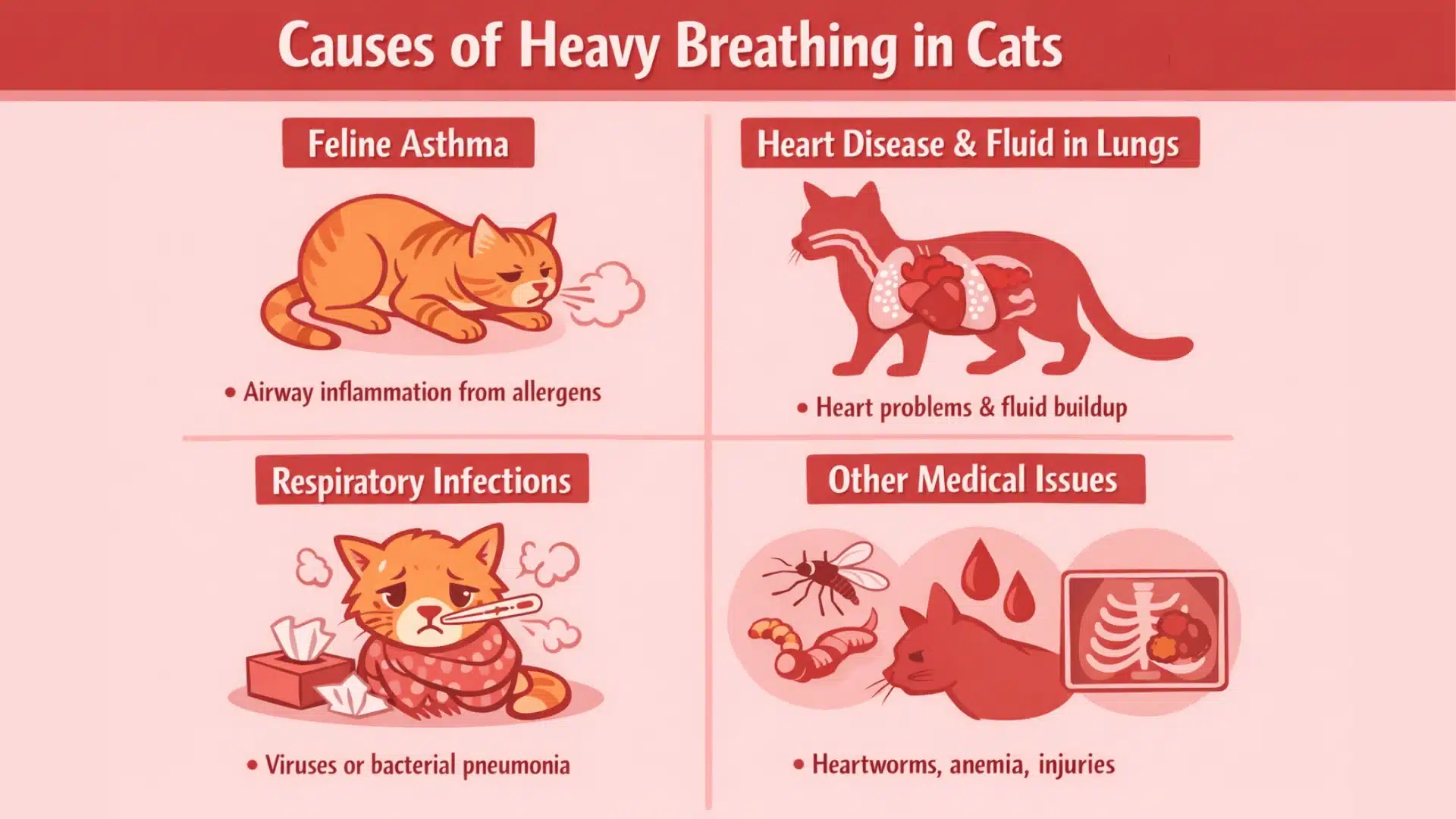
Spotting the most frequent ones helps you understand what might be happening and why quick veterinary care often makes a real difference.
1. Feline Asthma
Feline asthma is a common reason behind heavy or labored breathing in cats. It happens when the airways become inflamed after exposure to triggers like dust, pollen, smoke, or scented litter.
The swelling narrows the air passages, making it harder for air to move in and out.
You might notice wheezing, dry coughing, or your cat crouching low with their neck stretched forward during an episode.
Although asthma cannot be cured, it can be controlled well. Many cats improve with inhaled medications and simple home changes like low-dust litter and cleaner indoor air.
2. Heart Disease and Fluid Around the Lungs
Heart problems, especially in older cats, can lead to fast or shallow breathing.
One common condition is hypertrophic cardiomyopathy, in which the heart muscle thickens and struggles to pump blood effectively.
When this happens, fluid can build up inside or around the lungs. That fluid limits how well the lungs expand, so your cat may breathe quickly, sometimes even with an open mouth.
You might also notice low energy, hiding, or poor appetite. With early diagnosis using X-rays and ultrasound, veterinarians can prescribe medications that remove fluid and support heart function.
3. Respiratory Infections and Pneumonia
Infections of the nose, throat, or lungs are another frequent cause of heavy breathing in cats. Kittens, shelter cats, or pets with weaker immune systems are more likely to be affected.
Viral infections can irritate the airways and sometimes lead to bacterial infections or pneumonia. When mucus and inflammation block airflow, breathing becomes faster and more difficult.
Sneezing, nasal discharge, coughing, and fever often appear alongside breathing changes.
With timely treatment such as antibiotics, supportive care, and sometimes oxygen therapy, most cats recover well. Keeping vaccinations up to date lowers the risk.
4. Other Medical Causes of Heavy Breathing
Several other health issues can make a cat breathe harder than normal. Heartworm disease can inflame the lungs, while anemia reduces oxygen in the blood and forces faster breathing.
Chest injuries, foreign objects, or tumors can limit lung space and cause discomfort. Pain or shock may also increase breathing rate as part of the body’s stress response.
In overweight cats or during heat exposure, breathing may speed up temporarily but returns to normal once the cat cools down and rests.
Persistent or severe symptoms always require prompt veterinary evaluation.
Signs of Labored Breathing in Cats
Labored breathing in cats is characterized by specific changes that signal the need for quick action from a vet.
- Open-mouth breathing or panting while resting, which is unusual in cats
- Resting respiratory rate over 40 breaths per minute when calm
- Wheezing or whistling sounds with each breath
- Ongoing coughing, gagging, or hacking alongside breathing effort
- Neck stretched forward, and head lowered to widen the airway
- Elbows held away from the body to help expand the chest
When Is Cat Heavy Breathing an Emergency?
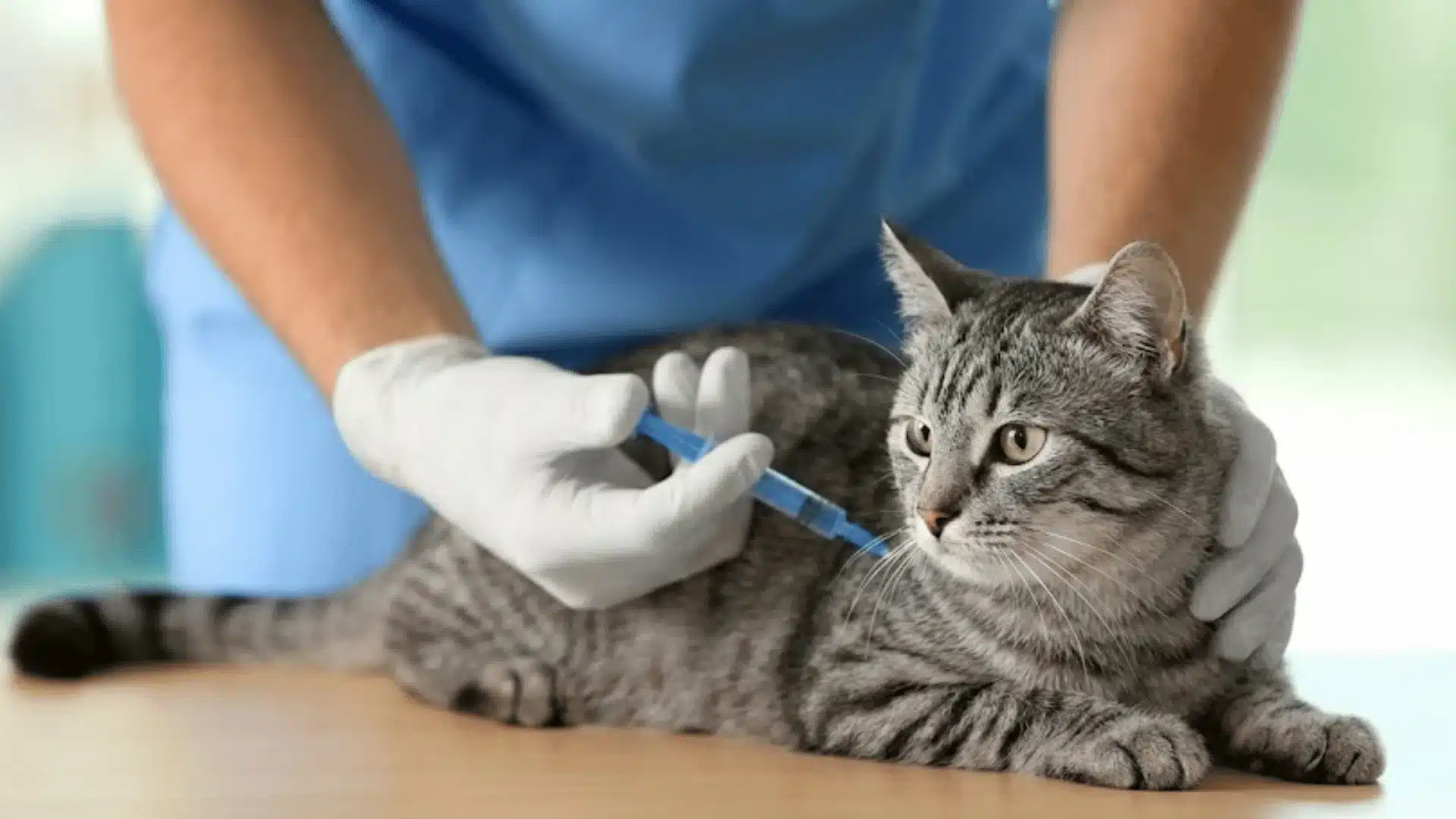
Sometimes cat heavy breathing turns into a true emergency, and knowing the signs can save precious minutes.
If your cat is panting or breathing with an open mouth while completely at rest, go to the ER right away. Blue or pale gums, sudden collapse, or extreme lethargy are also urgent warnings.
A breathing rate over 50 breaths per minute that remains elevated even after your cat has been calm for a few minutes is another clear sign that labored breathing in cats requires immediate veterinary care.
Here is exactly what to do in the next five minutes: Stay calm so you don’t frighten your cat. Gently place a soft towel in the carrier, then quickly and quietly get your cat inside.
Call your vet or the nearest emergency clinic, tell them your cat is having trouble breathing, and let them know you are on the way.
Keep the car cool and the carrier covered with a light blanket to reduce stress. Taking action promptly really helps reduce the risk.
Treatment Options for Heavy Breathing in Cats
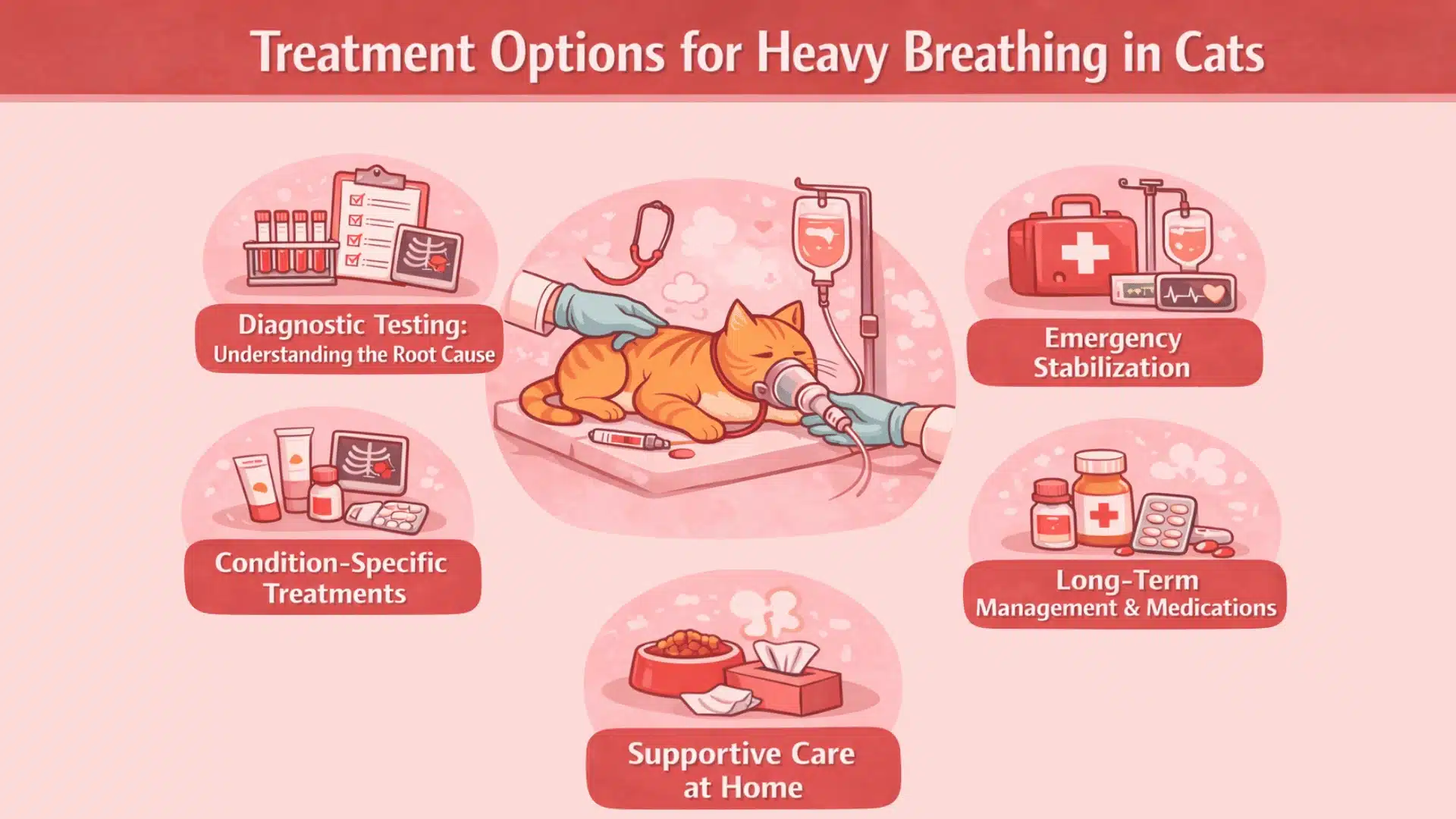
Once your vet identifies the cause of your cat’s heavy breathing, treatment focuses on relieving symptoms, addressing the root problem, and preventing future episodes of labored breathing in your cat.
1. Understanding the Root Cause
Your vet begins with a thorough physical exam, listening carefully to the heart and lungs for abnormal sounds.
Chest X-rays help detect fluid buildup, heart enlargement, pneumonia, or masses affecting airflow. Blood tests check for anemia, infection, or heartworm exposure.
Oxygen level testing may also be performed. A clear diagnosis ensures your cat receives the most appropriate and targeted treatment plan.
2. Emergency Stabilization
If your cat is in respiratory distress, oxygen therapy is given immediately through a mask or oxygen cage. Handling is kept minimal to avoid added stress.
If fluid surrounds the lungs or heart, diuretics may be administered to remove excess fluid quickly. In some cases, fluid is drained from the chest for rapid relief.
Stabilization focuses on improving breathing comfort while further diagnostics continue.
3. Condition-Specific Treatments
Treatment differs entirely depending on the diagnosis of different medical conditions.
Asthma is commonly managed with bronchodilators and inhaled corticosteroids to open airways and reduce inflammation.
Heart disease often requires diuretics, ACE inhibitors, and medications to support heart function. Respiratory infections may need antibiotics, antivirals, and nebulization therapy to loosen mucus.
When fluid buildup restricts lung expansion, drainage procedures can provide immediate breathing improvement.
4. Long-Term Management
Chronic conditions such as asthma or heart disease usually require daily medication to prevent flare-ups.
Some cats take oral tablets, while others benefit from inhalers that deliver medication directly to the lungs.
Regular veterinary visits every three to six months monitor progress through exams and diagnostic testing. Treatment plans are adjusted as needed to maintain stable breathing and overall comfort.
5. Supportive Care at Home
Home support helps maintain steady breathing and reduce relapse risk. Provide quiet resting areas away from noise and activity.
Keep the environment smoke-free and consider using air purifiers to reduce airborne irritants. Monitor your cat’s resting respiratory rate weekly to catch early changes.
If breathing worsens, appetite drops, or energy declines, contact your veterinarian promptly for further evaluation and guidance.
Tips to Prevent Cat Heavy Breathing
Healthy habits at home and routine veterinary care lower the risk of breathing problems and keep your cat’s lungs and heart working smoothly over time.
- Schedule Regular Yearly Vet Checkups: Annual exams help catch early heart or lung concerns before symptoms become serious.
- Keep Your Cat at a Healthy Weight: Extra weight puts pressure on the chest and makes breathing more difficult.
- Switch to Low-Dust Litter and Filters: Cleaner indoor air reduces asthma triggers and airway irritation.
- Give Monthly Heartworm Prevention: Preventive medication protects the lungs from dangerous parasite damage.
- Ban Cigarette Smoke and Strong Scents: Smoke and heavy fragrances irritate sensitive airways and worsen symptoms.
- Stay Current With Respiratory Vaccines: Vaccinations reduce the risk of infections that can cause heavy breathing.
Conclusion
Seeing your cat breathe heavily is frightening, but you’ve already taken the smartest first step by learning what matters.
Most causes of cat heavy breathing, from asthma to heart issues, are highly treatable when caught early.
Your quick attention and calm action can make the difference between a scary night and a full recovery.
You now know the normal range, the warning signs, and exactly when to take your pet to the vet.
If your cat is showing any of these signs right now, please call your vet or emergency clinic immediately. Trust your instinct to avoid worsening the situation.
Have you noticed changes in your cat’s breathing lately? Share your story in the comments below. You might help another worried cat parent.
Frequently Asked Questions
Can Stress Alone Cause Heavy Breathing in My Cat?
Yes, short-term stress can speed up breathing, but it should return to normal within minutes once calm.
Is There Anything I Can Safely Do at Home Before Seeing the Vet?
Keep your cat cool, quiet, and stress-free. Never give human medicine. Head to the vet right away.
Will My Cat’s Heavy Breathing Come Back After Treatment?
Some conditions, like asthma, can flare up, but daily prevention and regular checkups usually keep episodes rare.