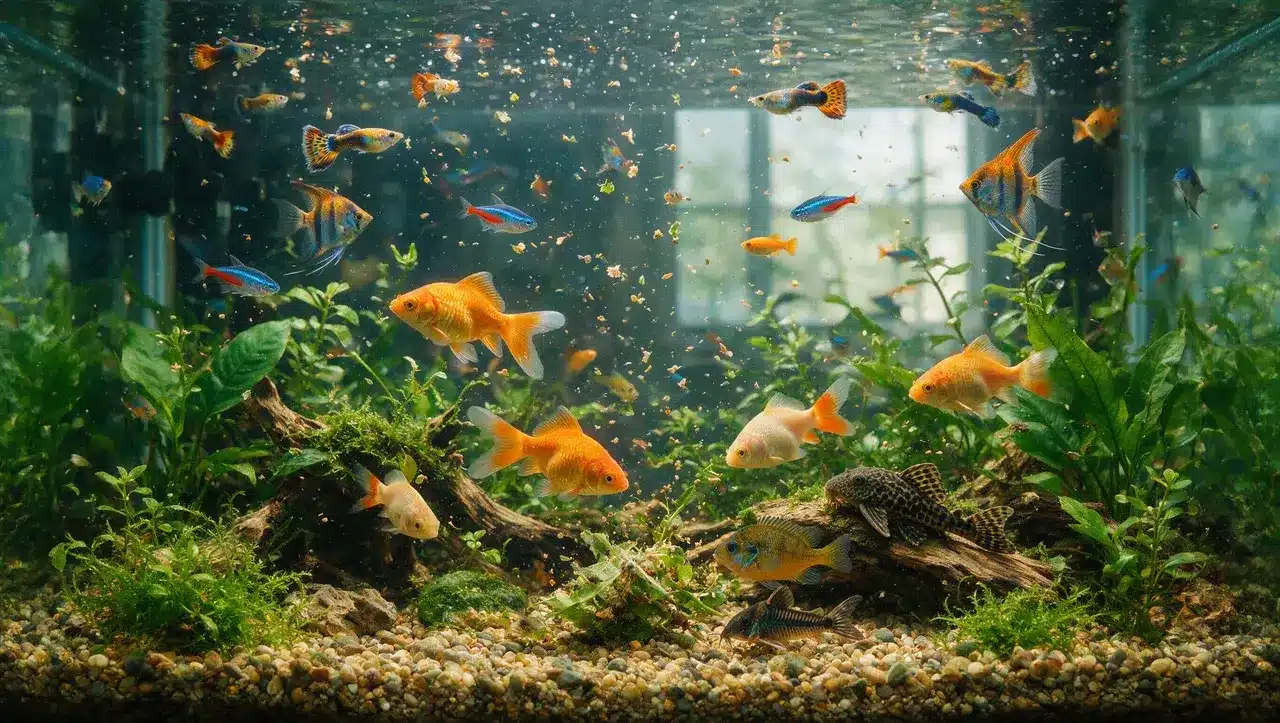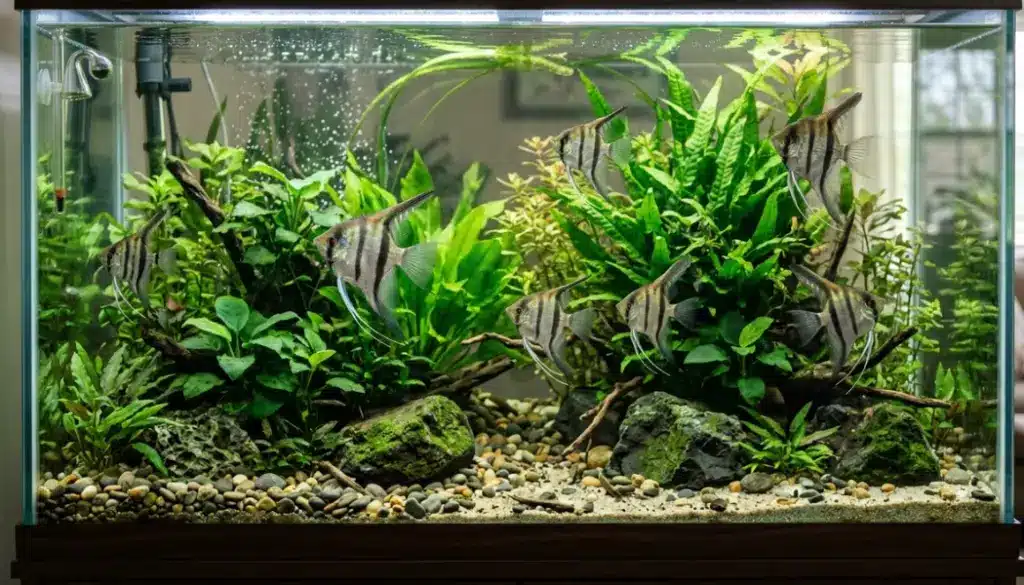
Walking past a perfectly set-up aquarium, watching fish glide gracefully through clear water, it’s easy to imagine that same calm, vibrant scene at home.
Then reality hits: tanks, heaters, filters, and test kits line the shelves, making the whole process feel intimidating.
The truth is, creating a thriving aquarium isn’t complicated; it’s about understanding a few key steps and avoiding common mistakes.
Miss one crucial element, and even the hardiest fish can struggle. When properly set up, a tank becomes a lively, self-sustaining ecosystem that delights, relaxes, and captivates.
With the right tank size, equipment, and timing, you can turn your fish’s environment into a healthy, beautiful underwater world that brings life and color to any room, from the very first day.
What Do You Need Before You Set Up a Fish Tank?
Starter kits bundle essential equipment, but larger tanks benefit from individually selected components. Before buying anything, list all necessary equipment to avoid missing items mid-setup. Key items include:
- Tank and stand: Choose a beginner-friendly tank, ideally 10 gallons or larger. Place it on a sturdy, level aquarium stand that can support the full weight of water, substrate, decor, and equipment.
- Filter and heater: Use a hang-on-back filter or sponge filter for easy maintenance. Add an adjustable heater if keeping tropical fish, and place a thermometer opposite the heater to ensure accurate temperature readings.
- Substrate, plants, and decor: Rinse gravel or sand before adding it. Use rocks, driftwood, and caves, along with live or artificial plants, to create hiding spots and reduce fish stress.
- Water care tools: Keep water conditioner, a liquid test kit, fish nets, a bucket, and a gravel siphon ready before setup. These help with cycling, cleaning, and regular maintenance.
How to Set Up a Fish Tank: Step-by-Step Process
Setting up a fish tank takes more than filling it with water and adding fish. A proper setup gives fish a safe, clean, and stable home from the start.
Step 1: Choose a Simple Glass Tank
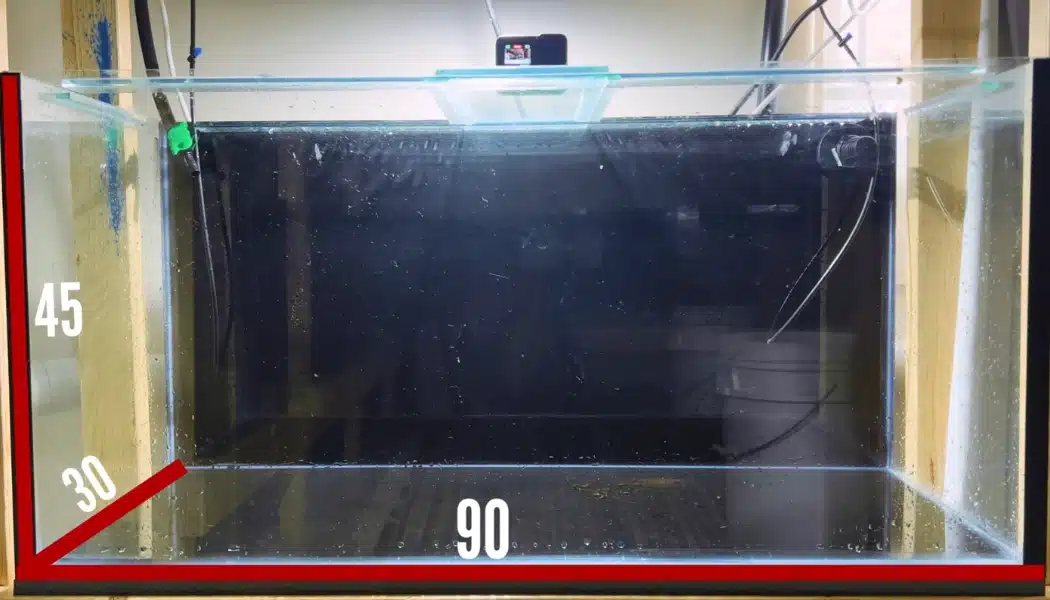
Start with a simple rectangular glass aquarium rather than a bowl or tall display tank.
A standard 90 x 30 x 45 cm tank gives fish room to swim, makes cleaning easier, and leaves space for basic equipment.
You do not need sumps, canister filters, or expensive extras. For a low-tech setup, usable space and easy access matter more than complicated gear or a premium aquarium brand.
Step 2: Add Gentle Filtration
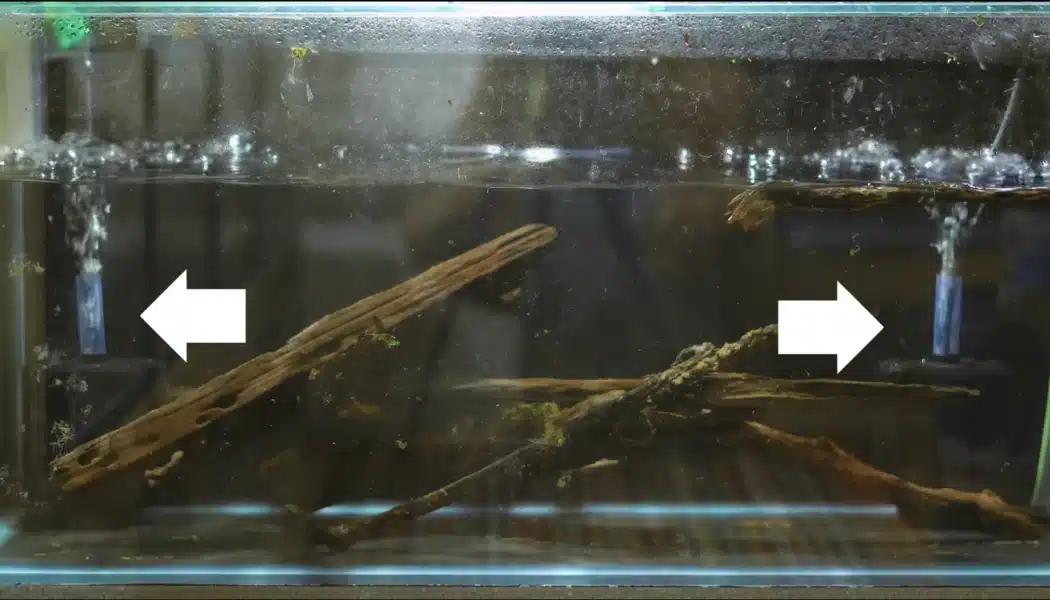
Use sponge filters for soft, steady filtration. They are affordable, easy to clean, and safe for fish, shrimp, and snails.
Adding an airstone can soften loud bubbling into a quieter fizz while still moving water through the tank. The goal is gentle circulation, not strong current.
This keeps the water oxygenated, supports beneficial bacteria, and prevents small fish from being pushed around the aquarium. It also makes weekly maintenance easier for new keepers.
Step 3: Set Up Affordable Lighting and Heating
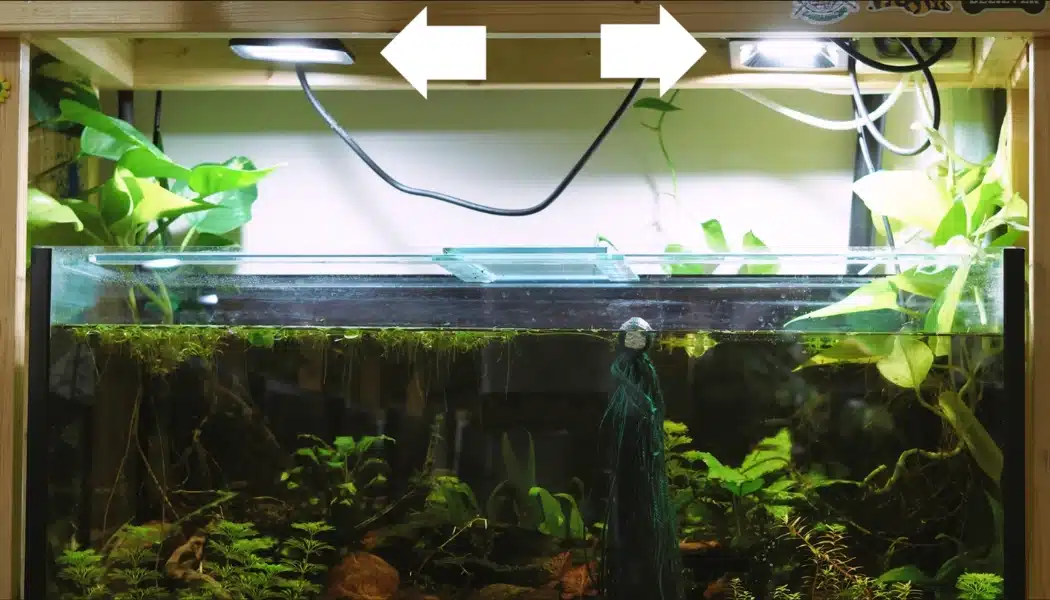
Choose simple LED lighting that provides the tank with steady brightness without adding extra heat or cost.
Budget LED flood lights can work for a low-tech aquarium if the light schedule stays consistent. If your room remains warm year-round, a heater may not be necessary.
In cooler homes, use a reliable small heater and thermometer to keep the water stable, rather than guessing by room temperature every single day.
Step 4: Build the Substrate Base
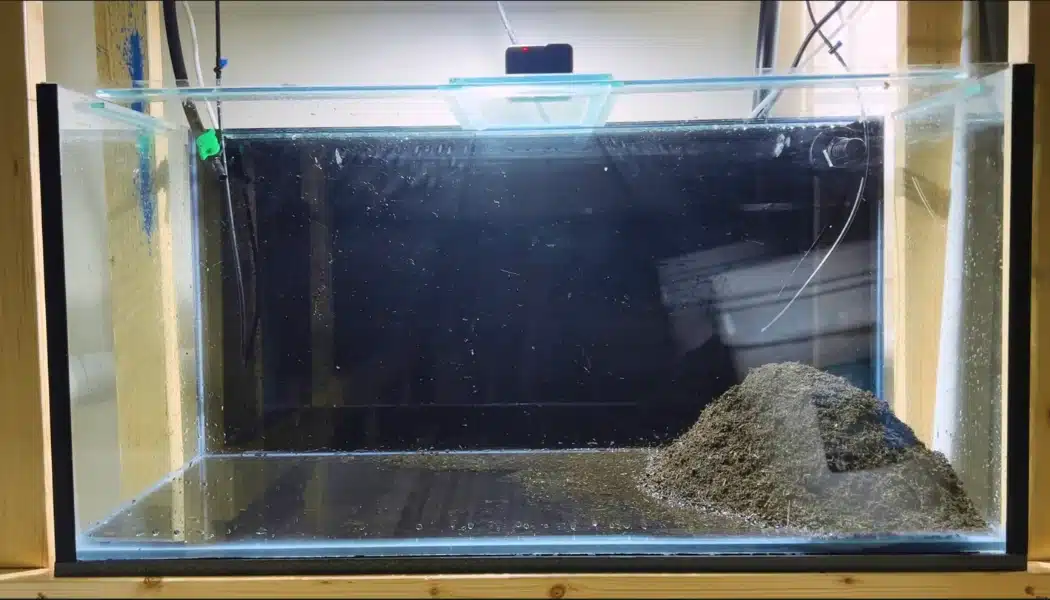
Build the substrate with a thin nutrient layer and a clean gravel cap. If using potting mix, sift it first to remove sticks, bark, and large pieces.
Spread the fine soil across the bottom, moisten it lightly, then cover it with gravel to contain the soil.
This provides roots with nutrients while keeping the water clearer and reducing the need for constant fertilizer dosing later, as the tank settles into balance.
Step 5: Let the Tank Settle Before Adding Fish
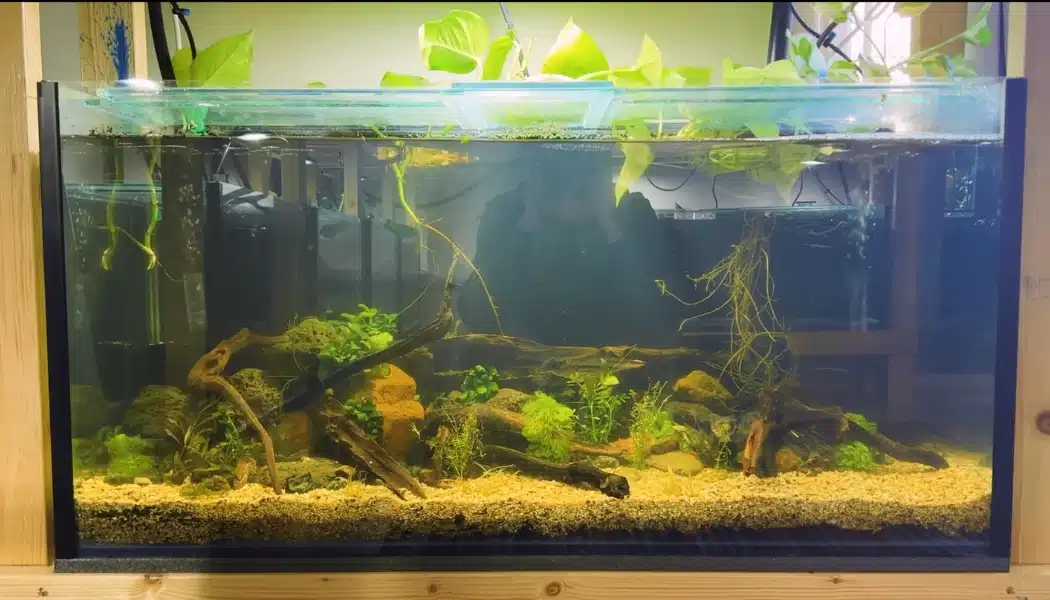
After the tank is filled and running, give it time to settle before adding fish. Cloudy water can clear within days, but the system still needs time to stabilize.
Add livestock slowly rather than all at once, so waste does not spike suddenly.
This staged approach protects fish and shrimp, gives beneficial bacteria time to grow, and helps the aquarium develop a steadier natural balance before the tank becomes fully stocked.
Our guide to the easiest fish for a new tank covers the hardiest, most forgiving options for beginners.
Step 6: Keep Maintenance Simple and Consistent
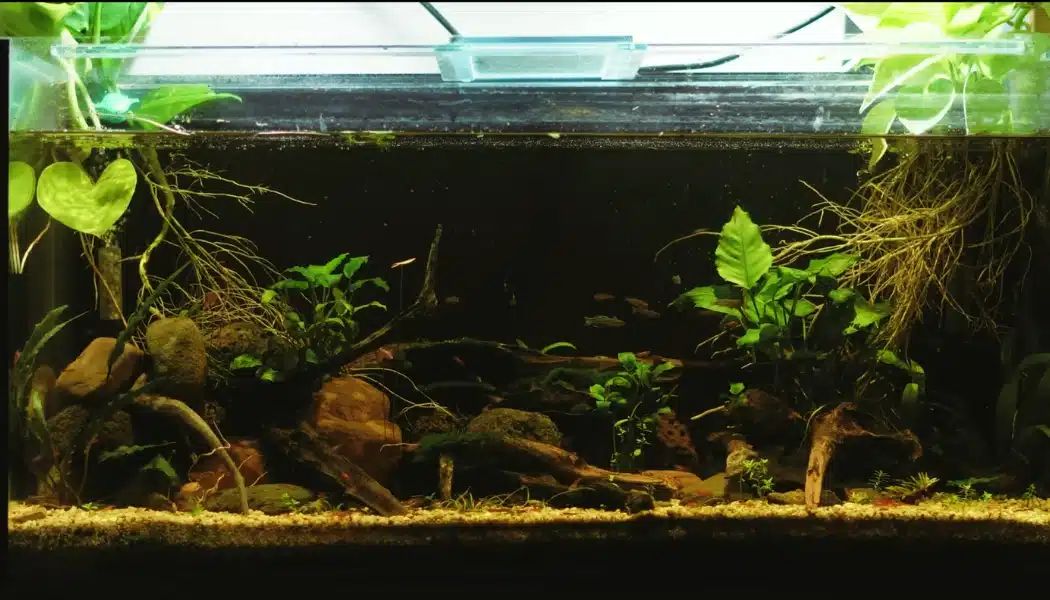
Keep the routine simple and consistent. Do a weekly 20-30% water change, clean the front glass as needed, and trim excess growth before it blocks light or swimming space.
Feed lightly and watch the fish closely, rather than adding chemicals for every small change. A low-tech tank works best when you avoid constant adjustments and let the system mature.
Stable habits prevent the most common beginner problems over time.
This tutorial is based on a helpful video by KeepingFishSimple. You can check out the original video on their YouTube channel or watch it below.
How to Choose the Right Aquarium Lighting?
Lighting is often the piece of equipment beginners get wrong, and mistakes show up quickly.
Too much light causes algae blooms, while too little prevents plant growth, washes out colors, and stresses fish that prefer dimmer conditions. The right light depends on your tank setup.
Standard LED hood lights work for low-light freshwater tanks with artificial plants, while planted tanks with moderate-to-high light plants require full-spectrum aquarium LEDs with adjustable intensity.
If algae appear despite a timer, reduce the photoperiod and check for windows nearby.
Key points to get right from day one:
- Use a timer: Provide 8–10 hours of light per day to maintain a consistent day/night cycle.
- Match intensity to plant needs: Low-light plants do well under standard LEDs; high-demand plants need stronger light.
- Avoid direct sunlight: Sunlight causes algae, temperature swings, and uneven growth.
How to Monitor and Maintain Water Quality?
Water quality plays a major role in keeping an aquarium clean, balanced, and safe for fish. After cycling and stocking the tank, regular checks help prevent ammonia spikes, dirty water, algae buildup, and heater or filter problems.
- Weekly Water Testing: Test ammonia, nitrite, and nitrate every week during the first two months. Once the aquarium becomes stable, monthly testing is usually enough.
- Regular Water Changes: Replace 10 to 25% of the tank water each week with dechlorinated water at the tank temperature. This helps lower nitrates and refreshes important minerals.
- Substrate Cleaning: Use a gravel siphon during water changes to remove leftover food, fish waste, and debris trapped in the gravel.
- Glass and Algae Care: Wipe the inside glass with an algae scraper to keep the tank clear and prevent algae from spreading across the aquarium.
- Monthly Filter and Heater Checks: Rinse filter media in old tank water, not tap water, to protect good bacteria. Replace cartridges only when damaged, and check that the heater and thermometer are working correctly.
Finish by wiping the inside glass with an algae scraper. For a detailed walkthrough, this step-by-step tank-cleaning guide covers the entire process in one place.
Ideal Aquarium Water Parameters for Freshwater Fish
Maintaining stable water parameters is essential for a healthy aquarium, and knowing the target ranges helps prevent stress and disease in your fish.
| Parameter | Target range |
|---|---|
| Ammonia | 0 ppm |
| Nitrite | 0 ppm |
| Nitrate | Under 20 ppm |
| pH | 6.8 to 7.6 (most freshwater fish) |
| Temperature | 72 to 80°F (tropical species) |
If ammonia or nitrite rises above 0, do a 25% water change and check for dead fish, uneaten food, or a clogged filter; non-fish companions like mystery snails and Amano shrimp can help graze on algae and leftover food between cleanings.
How to Choose the Right Fish Tank Size?
Larger tanks are easier for beginners because the extra water dilutes waste and helps maintain stable temperature and chemistry.
For a first freshwater aquarium, aim for 10 to 20 gallons; smaller tanks change quickly and limit fish choices. Use the one-inch-per-gallon guideline for adult fish as a rough starting point.
Placement considerations:
- Avoid direct sunlight: Strong sun can trigger algae growth, overheat the water, and cause sudden temperature changes.
- Keep away from vents: Air conditioning and heating vents can create repeated temperature swings that stress fish.
- Avoid busy walkways: Doorways, vibration, noise, and constant movement can make fish hide.
- Use a level stand: Uneven support can stress the glass seams and may cause the tank to crack.
- Check floor strength: Water weighs about 8.3 pounds per gallon before substrate, rocks, and equipment.
Common Fish Tank Setup Mistakes to Avoid
Most beginner fish tank problems come from rushing the setup or missing basic safety steps. Avoiding these mistakes makes the tank safer and easier to maintain.
- Adding fish too soon: An uncycled tank can create ammonia spikes within hours, which may stress or kill fish before the filter bacteria are ready.
- Skipping water conditioner: Tap water often contains chlorine or chloramine, both of which can harm fish during setup or water changes.
- Overstocking the tank: Too many fish create more waste than the filter can handle, raising ammonia and increasing disease risk.
- Not testing the water: Clear water can still contain unsafe levels of ammonia, nitrite, or nitrate, so a liquid test kit is essential.
- Poor setup habits: Bad placement near windows or vents, no drip loops, unrinsed substrate, or replacing all filter media can cause algae, temperature swings, cloudy water, electrical hazards, or a restarted cycle.
Conclusion
Setting up a fish tank correctly takes patience, and that patience helps protect your fish from the problems most beginners face.
Choosing the right tank, cycling the water, testing regularly, and using proper equipment all help create a stable home before the first fish goes in.
Once the tank is ready, the reward is clear. Fish settle faster, colors look brighter, plants grow better, and maintenance feels easier.
A good setup turns the aquarium into the calm, living space you wanted from the start.
Planning your first tank or upgrading an old one? Share your fishing plans in the comments and help another beginner get started with confidence.
Frequently Asked Questions
How Much Does It Cost to Set Up a Fish Tank?
A basic 10 to 20-gallon freshwater setup usually costs $150 to $300 with new equipment. This includes the tank, filter, heater, lighting, substrate, stand, water conditioner, test kit, and starter supplies. Aquarium kits may lower the cost to about $100-$150, but the included equipment is often entry-level.
Can I Use Tap Water in a Fish Tank?
No. Tap water often contains chlorine or chloramine, both of which can harm fish and damage the beneficial bacteria in your filter. Always treat tap water with a dechlorinator before adding it to the tank, including during regular water changes.
How Often Should I Clean a Fish Tank Filter?
Rinse filter media about once a month using old tank water removed during a water change. Never rinse it in tap water because chlorine can kill beneficial bacteria. Replace cartridges only when they are physically falling apart, not on a fixed schedule.
What Fish are Easiest for a First Tank?
Hardy beginner-friendly species include zebra danios, platies, corydoras catfish, and guppies. These fish tolerate minor water fluctuations better than more sensitive species and are widely available at pet stores.