

You love dogs, but probably not the hair on your shirt, couch, or freshly cleaned floor.
Dog breeds that don’t shed much make sense because they give you the cuddles and companionship without turning your home into a fur-covered mess.
No breed is fully shed-free, but some leave behind so little hair that daily life feels easier. Some are tiny lap dogs. Some are large, loyal companions that barely shed compared to their size.
The goal is to find a dog that fits your home, routine, budget, and energy level, not just your lint roller problem. This guide covers low-shedding dog breeds to help you find the right match.
What Does Low-Shedding Really Mean?
Low-shedding dogs lose much less hair compared to other breeds. That does not mean they never shed at all. Every dog drops some hair over time.
The difference is that low-shedding breeds leave less fur on furniture, clothes, and floors. Many of these dogs also have hair instead of thick fur, which grows slowly and falls out less often.
Breeds like Poodles and Shih Tzus are common examples. These dogs are often a better choice for people who want a cleaner home or have mild pet allergies.
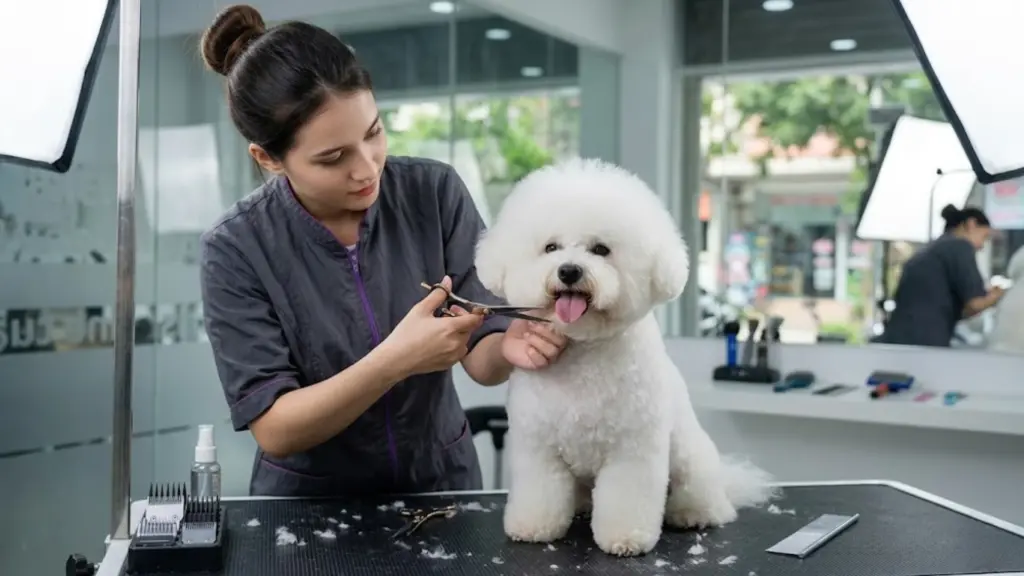
Even so, low-shedding dogs still need regular grooming. Their coats can grow long, collect dirt, or form knots if not brushed properly.
A clean coat and regular trims help keep shedding under control while also keeping the dog comfortable and healthy.
Dog Breeds that Don’t Shed Much
Low-shedding dogs are great for apartments, smaller homes, and owners who want an easy-to-carry companion. They still need grooming, but leave far less hair than heavy shedders do.
If you are still exploring your options, our guide to small dog breeds covers a wide range of personalities, sizes, and temperaments to help you narrow down your choices.
1. Toy Poodle
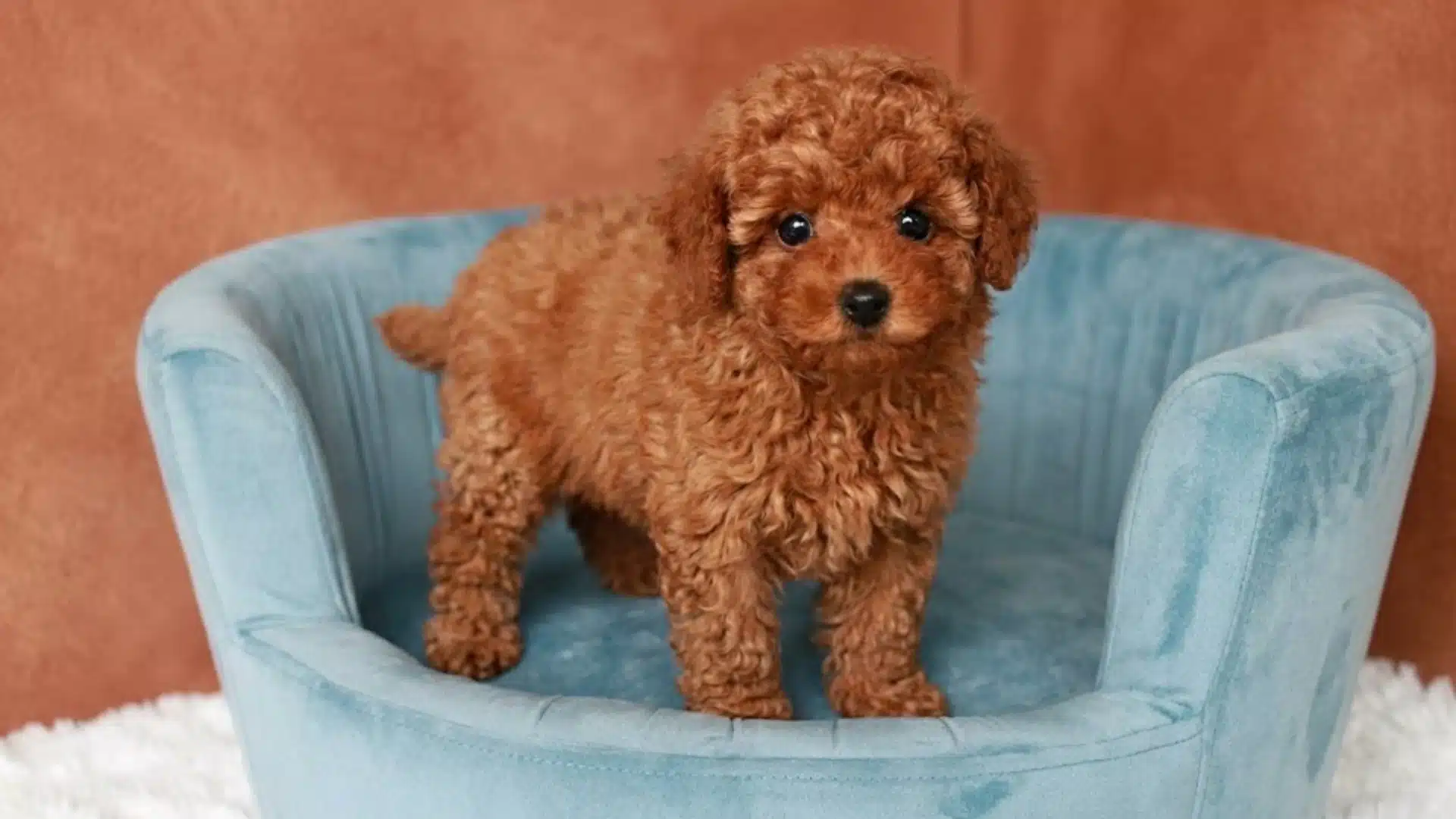
Toy Poodles are a strong pick for people who want a small dog without constant fur around the house.
Their tight curls hold loose hair inside the coat, so shedding stays very low. They are smart, alert, and quick to learn, which makes training easier than with many toy breeds.
The tradeoff is grooming. Their coat needs brushing and regular trims to prevent mats, especially if you keep it fluffy.
2. Bichon Frise
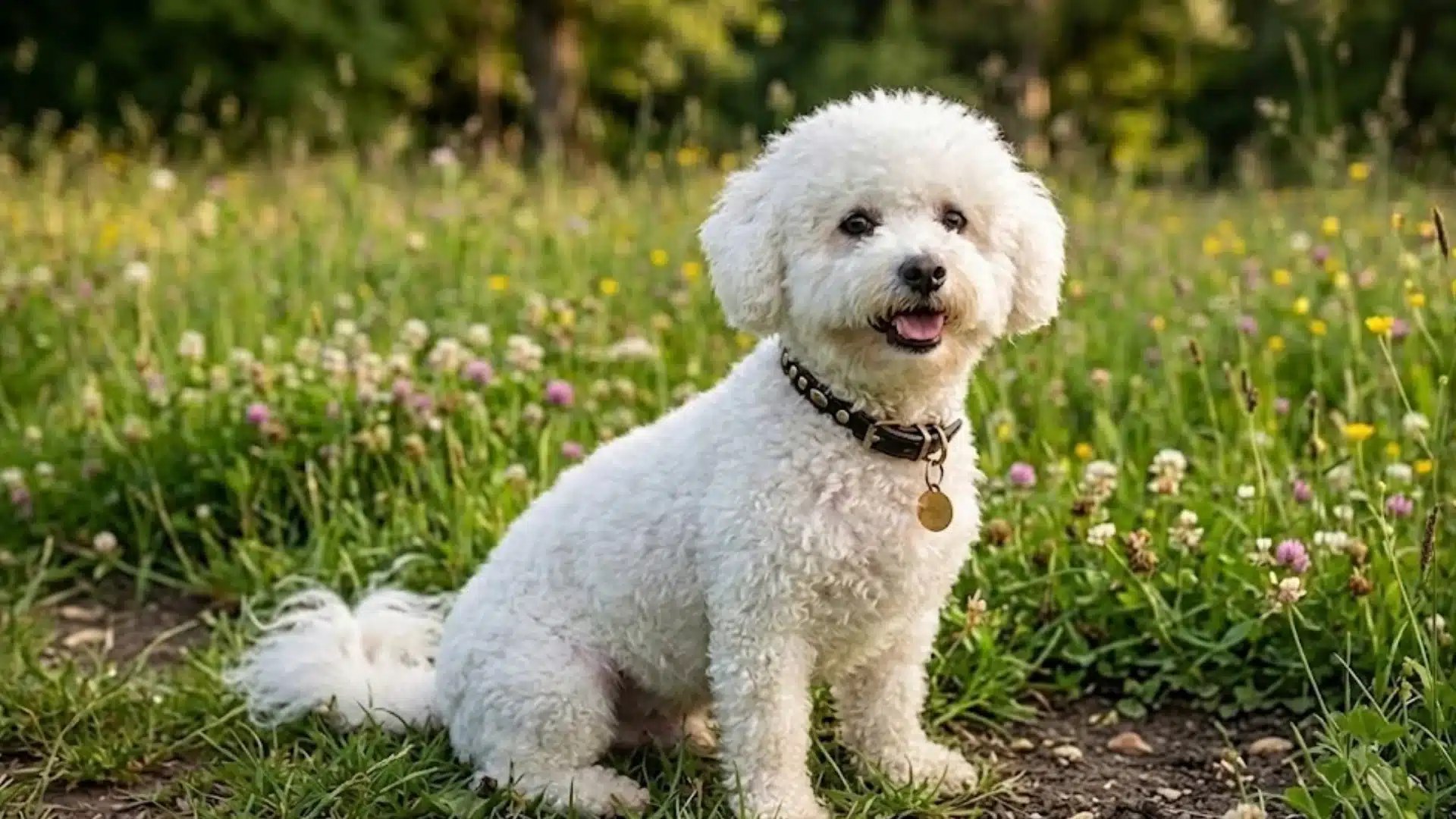
The Bichon Frise is cheerful, soft-coated, and known for leaving very little hair behind. Its curly coat traps loose strands instead of dropping them all over furniture.
This makes the breed appealing for clean homes and apartment living. Bichons enjoy attention and usually do well with families, singles, and seniors.
Their coat can mat quickly, so brushing and professional grooming are not optional. A neat trim keeps them comfortable and easy to manage.
3. Maltese
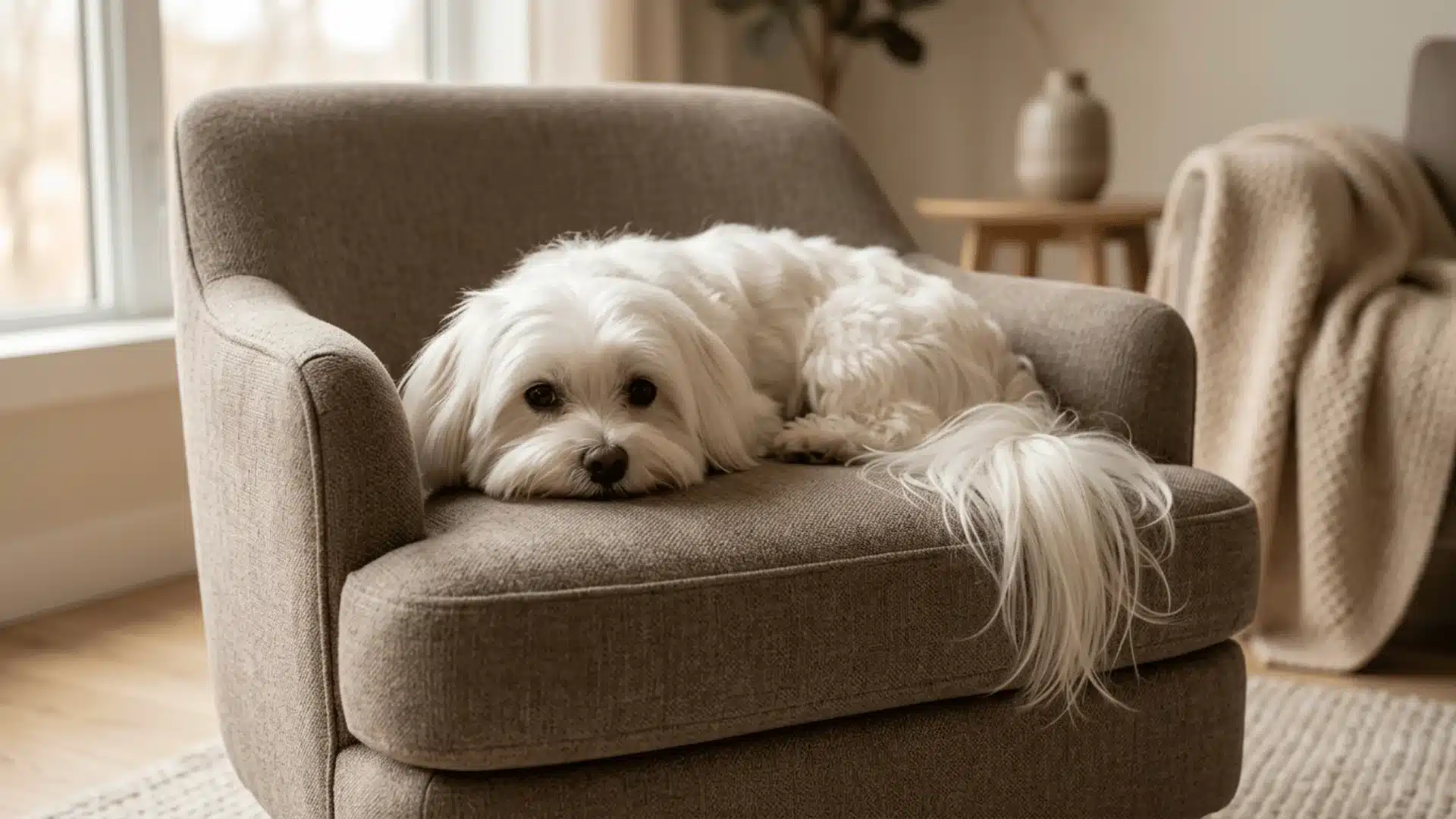
Maltese dogs have long, silky hair that sheds lightly because they do not carry a heavy undercoat.
They are small, gentle, and well-suited to indoor living, especially in apartments or calmer homes. Their coat looks elegant when kept long, but it needs daily care to avoid tangles.
Many owners choose a shorter cut for easier upkeep. Regular grooming, eye cleaning, and soft brushing help keep this breed looking tidy without much loose hair.
4. Yorkshire Terrier
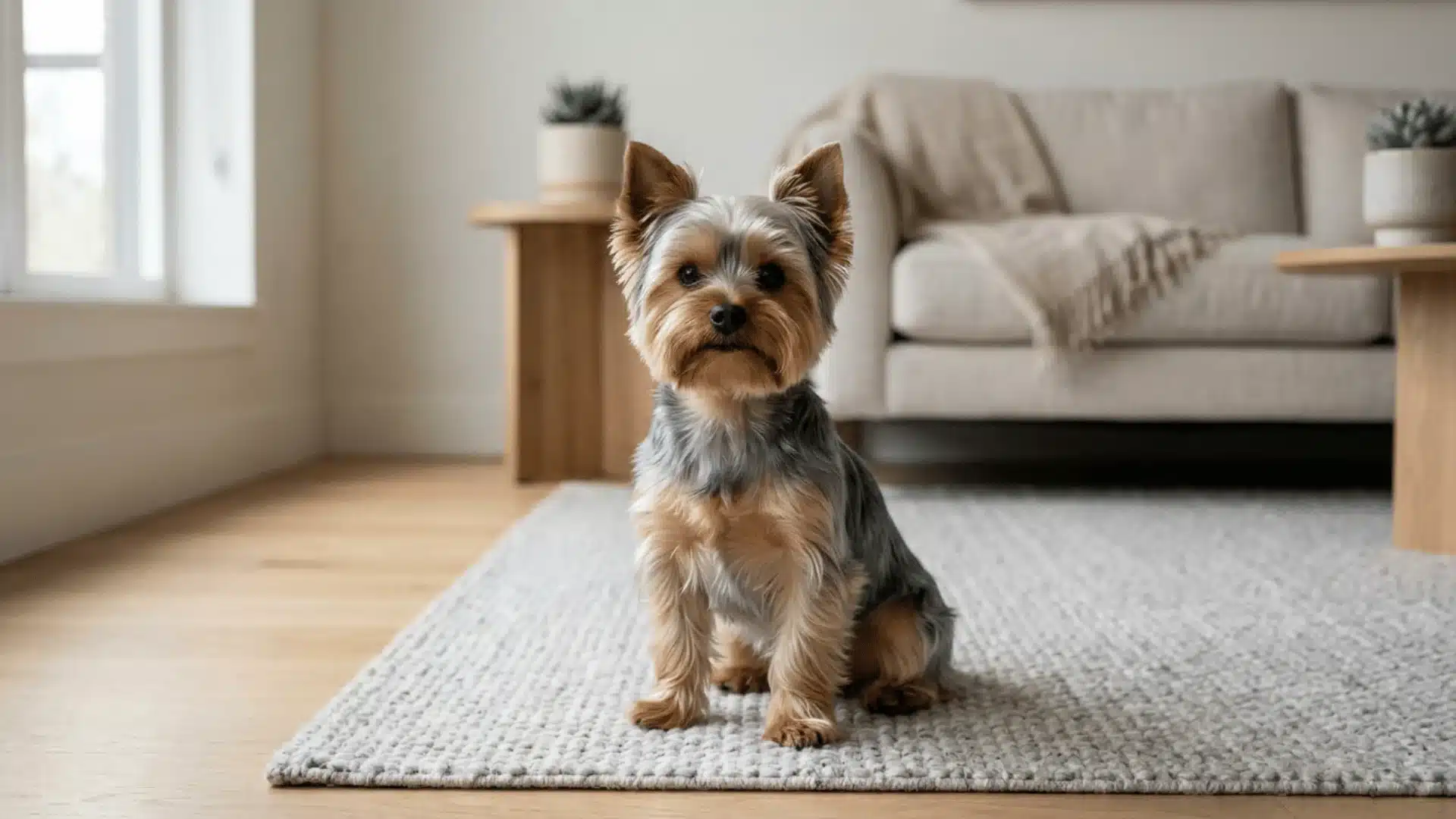
Yorkshire Terriers have fine, silky hair that behaves more like human hair than thick dog fur.
This helps keep shedding low, but it also means their coat can knot if ignored. Yorkies are small, confident, and often much bolder than their size suggests.
They work well for owners who want a compact companion with personality. A short pet trim is a practical choice if you want less brushing and easier daily care.
5. Shih Tzu
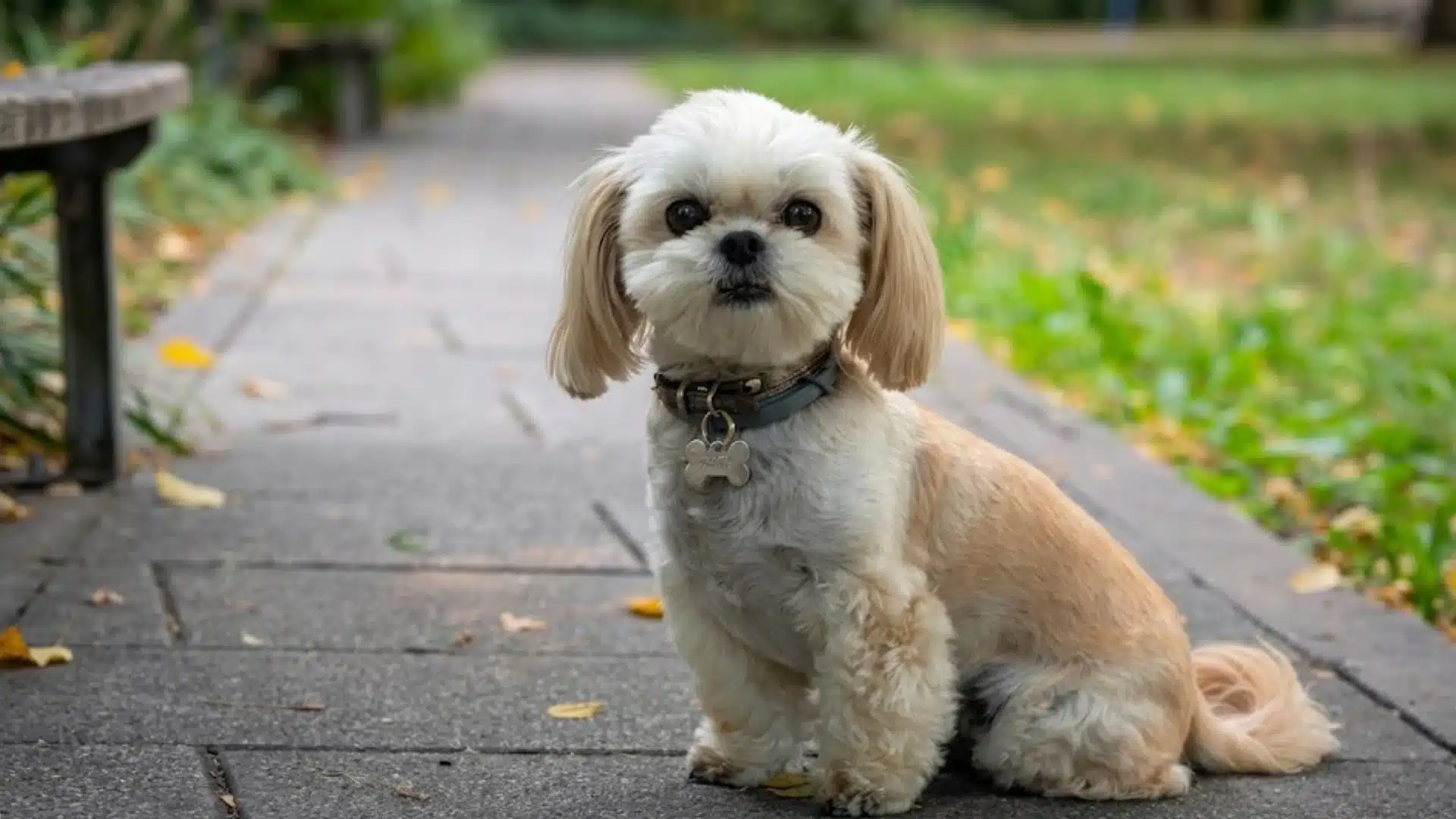
Shih Tzus are affectionate little dogs with coats that grow continuously and shed very little.
They are known for being calm, friendly, and happy to spend time close to their owners. Their coat can be kept long, but that takes regular brushing and careful cleaning around the face.
A puppy cut is easier for most homes and helps prevent knots. They are a good choice for people who want a low-shedding lap dog.
6. Havanese
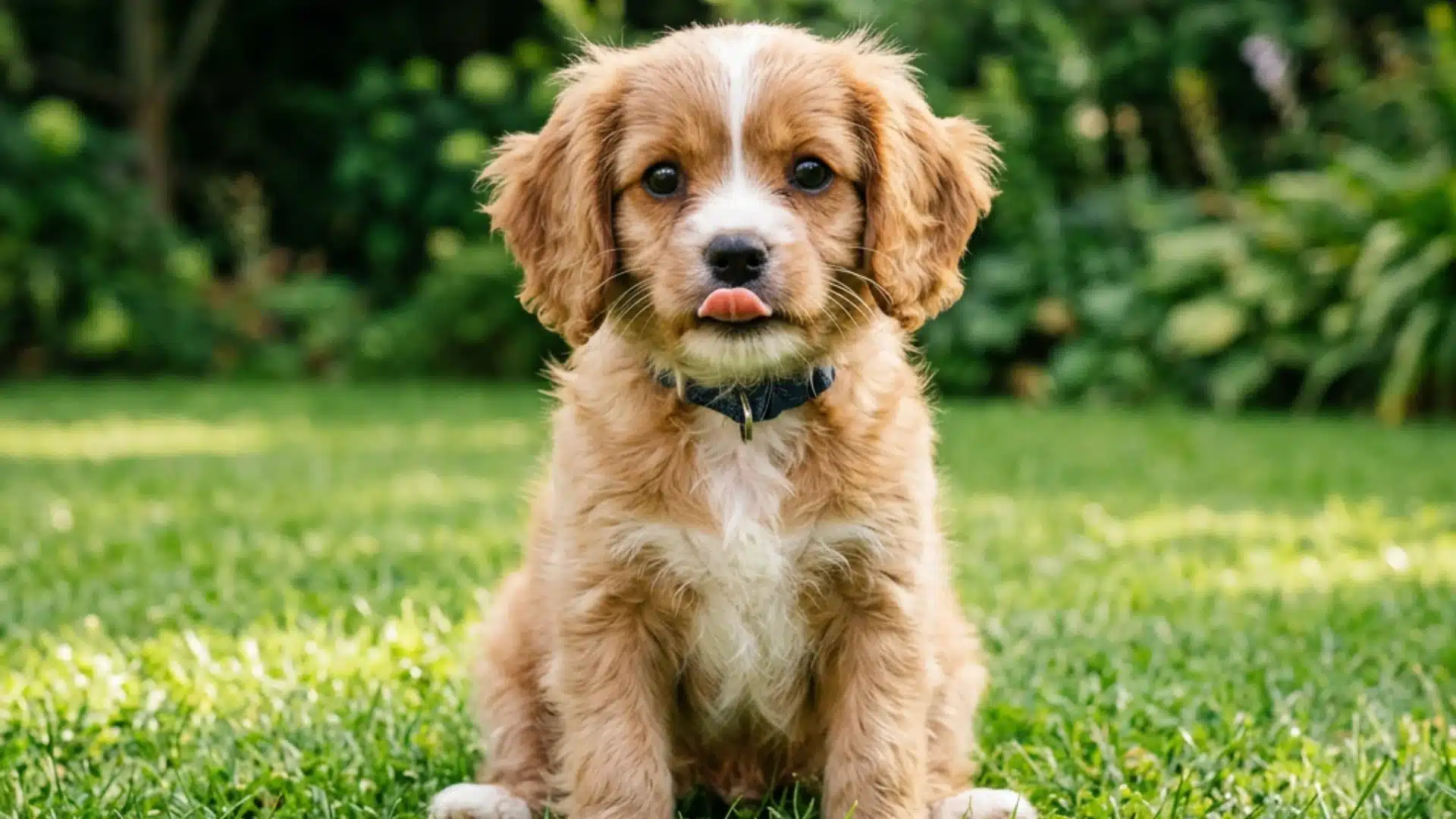
Havanese dogs are playful, social, and easy to love. Their soft, wavy coat sheds lightly, but it needs consistent brushing to stay free from mats.
They usually enjoy being around people and do not like being left alone for long stretches.
Their small size makes them suitable for apartments, yet they still need playtime and short walks. With regular grooming and attention, the Havanese can be a fun, low-shedding companion.
7. Bolognese
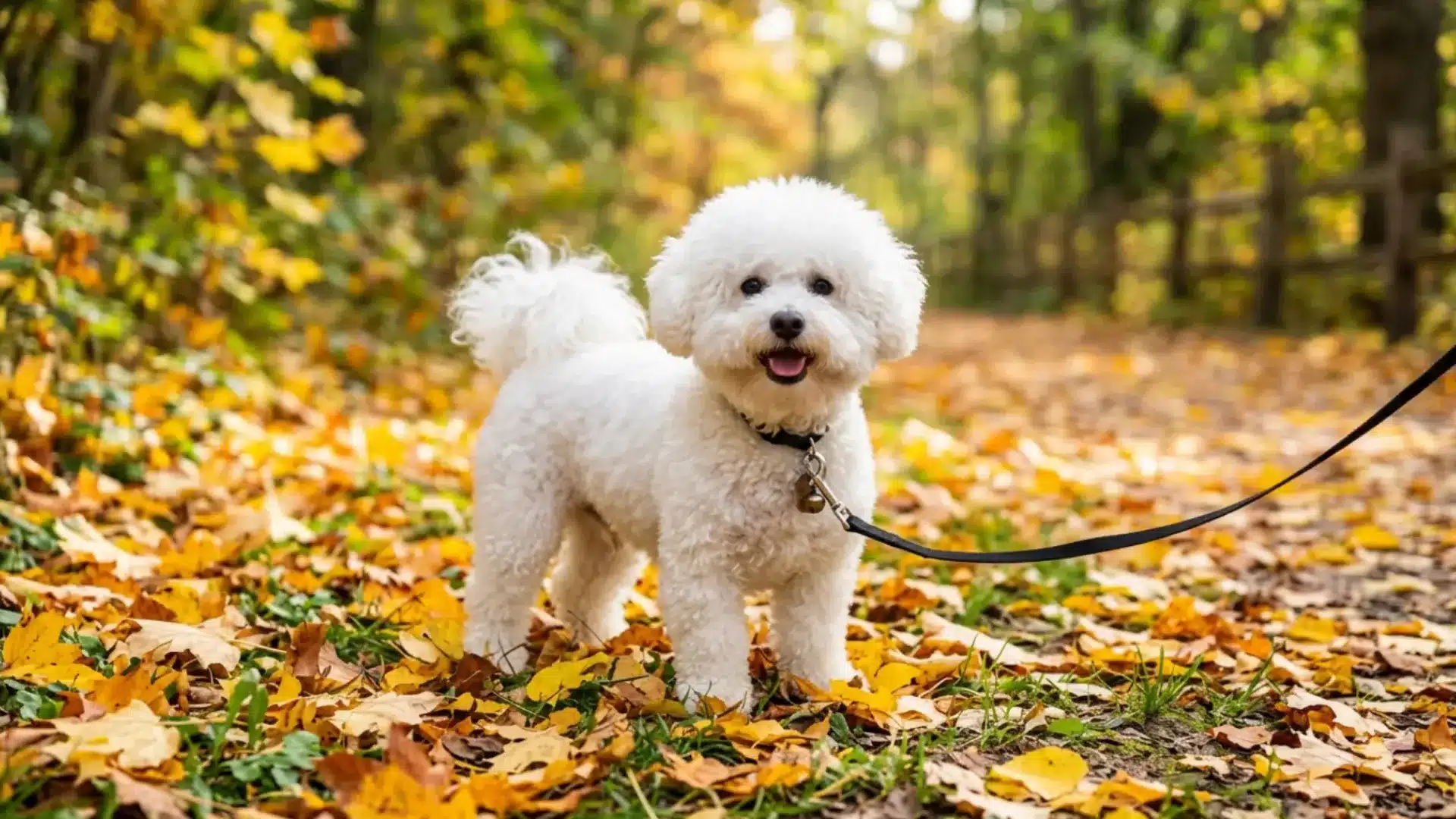
The Bolognese is a quiet, loyal small dog with a fluffy coat that sheds very little. Its soft hair can look cloud-like, but it needs brushing to stop mats from forming.
This breed bonds closely with its family and often prefers a peaceful home where someone is around often.
It is not usually as hyper as some small breeds, which makes it easier for calm households. Grooming matters, but shedding stays minimal.
8. Coton de Tulear
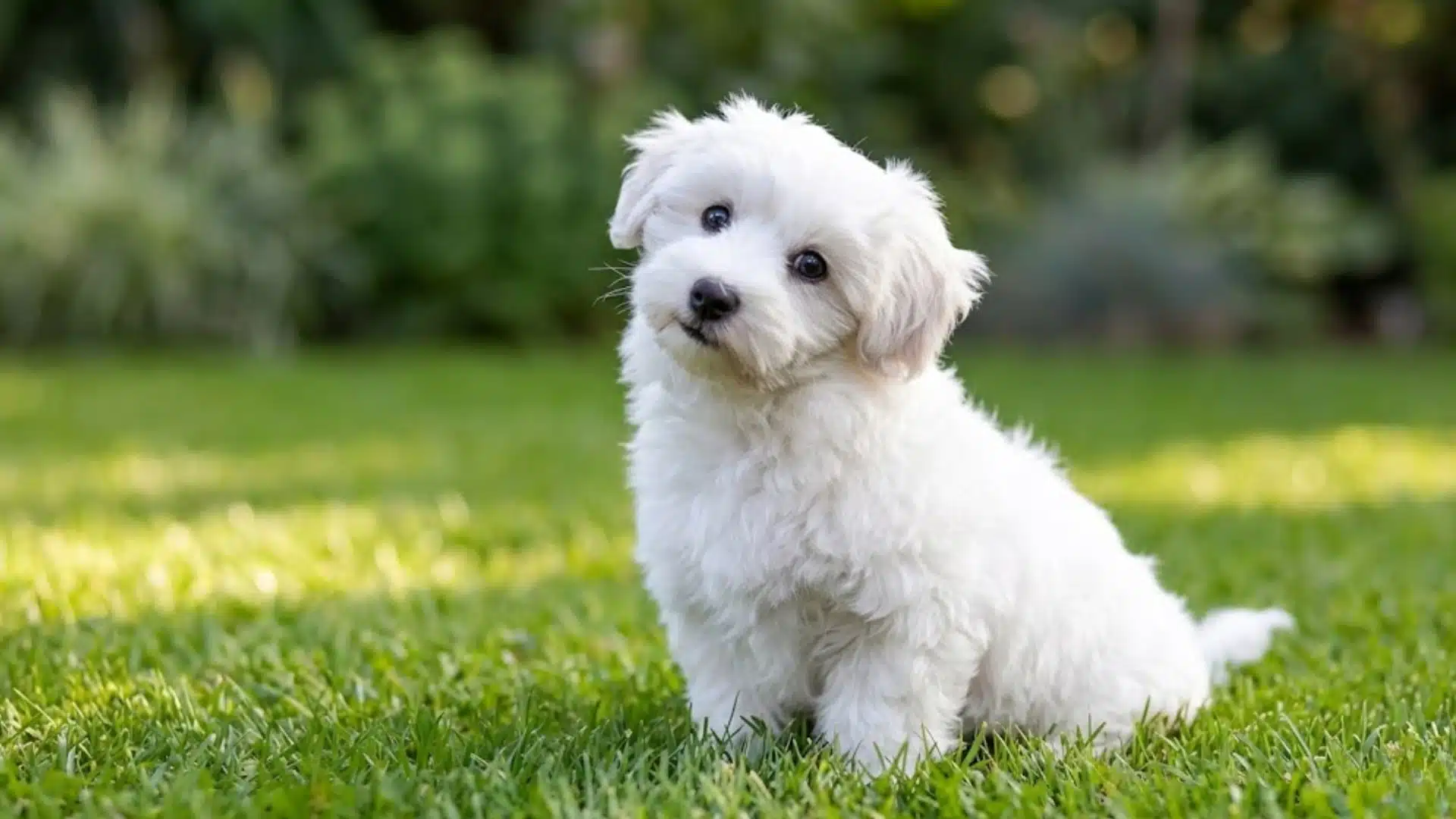
The Coton de Tulear is known for its soft, cotton-like coat that sheds very little around the home. Loose hair usually stays trapped in the coat instead of ending up on furniture or clothing.
These dogs are affectionate, playful, and often easy to bond with, which makes them a strong fit for families and first-time owners.
Their coat still needs regular brushing to prevent tangles, especially around the legs and belly. A consistent grooming routine keeps them comfortable and neat.
9. Affenpinscher
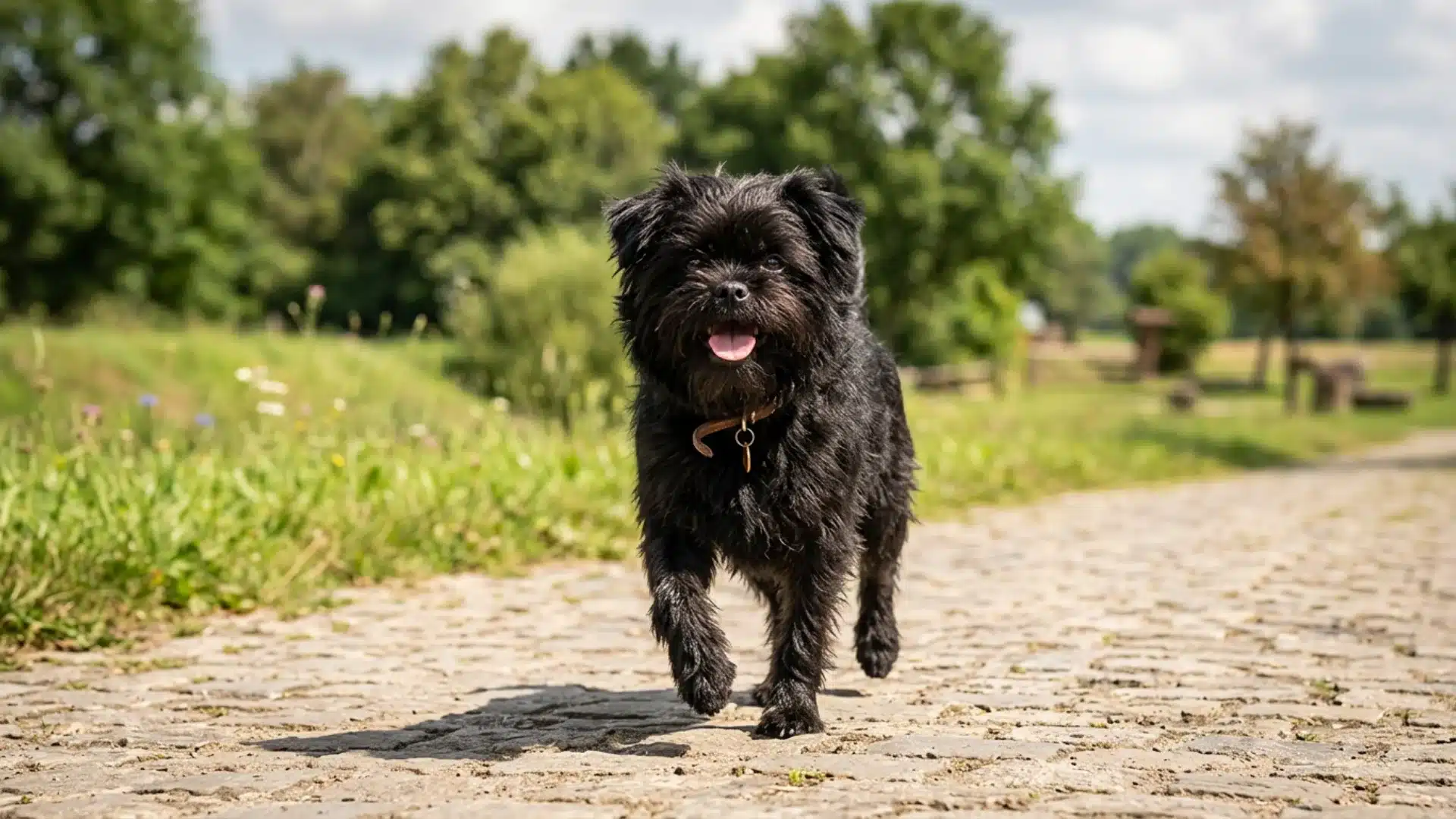
Affenpinschers are small dogs with rough, wiry coats that shed lightly compared to many toy breeds. Their scruffy appearance gives them a unique look without demanding constant brushing or styling.
They are curious, bold, and sometimes stubborn, so patient training works better than harsh correction. Occasional trimming helps maintain the coat texture and keeps loose hair under control.
Despite their size, they often behave with surprising confidence and enjoy staying involved in daily household activities.
10. Chinese Crested
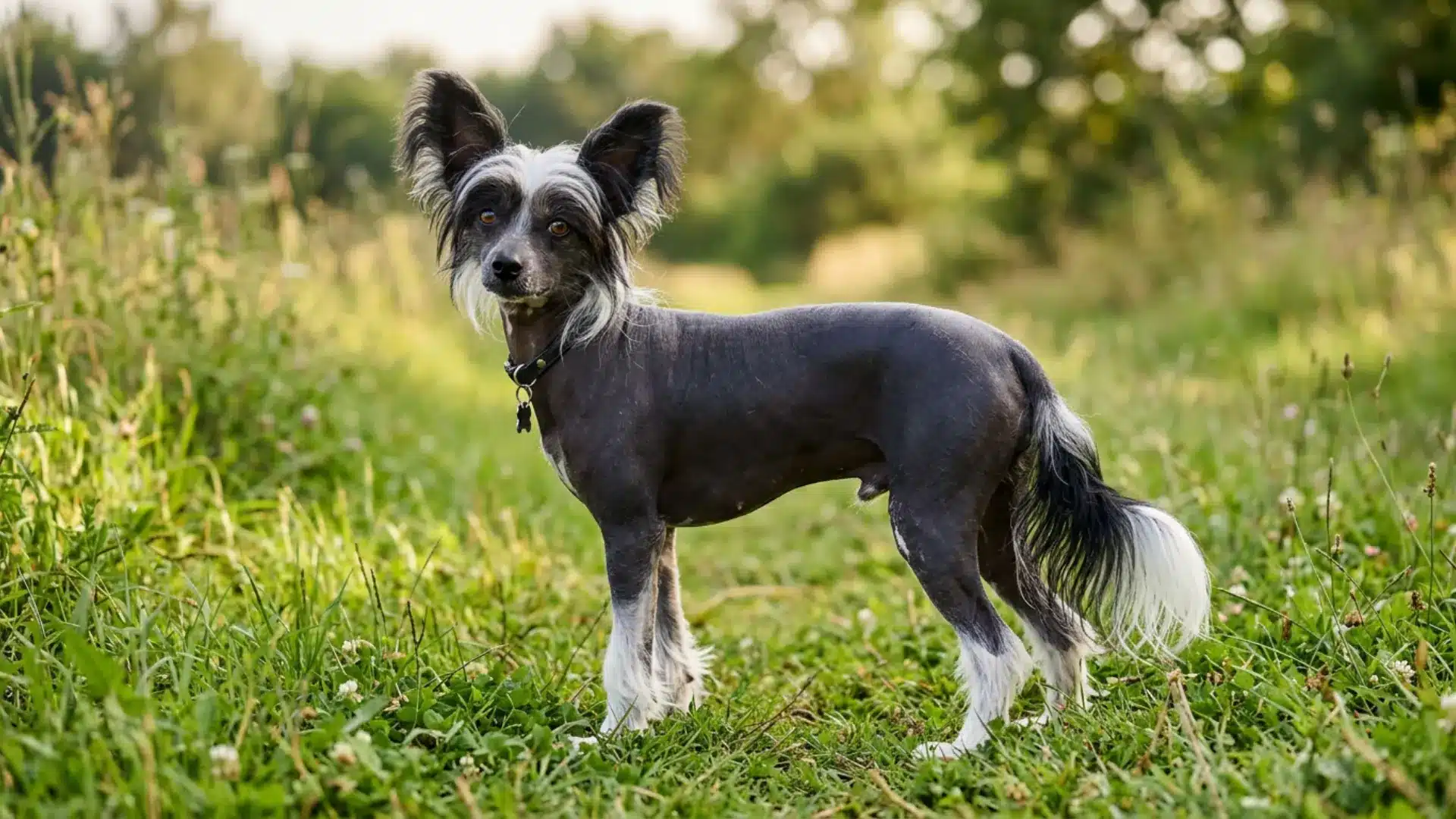
Chinese Cresteds come in hairless and powderpuff varieties, and both are considered low-shedding choices.
Hairless types avoid most coat maintenance but need regular skin care, including sunscreen and protection from cold weather.
Powderpuffs have soft coats that require brushing to avoid mats. This breed is sensitive, affectionate, and usually happiest in calm homes with gentle handling.
Their unusual appearance stands out instantly, making them a popular choice for owners who want something different from traditional dog breeds.
11. West Highland White Terrier
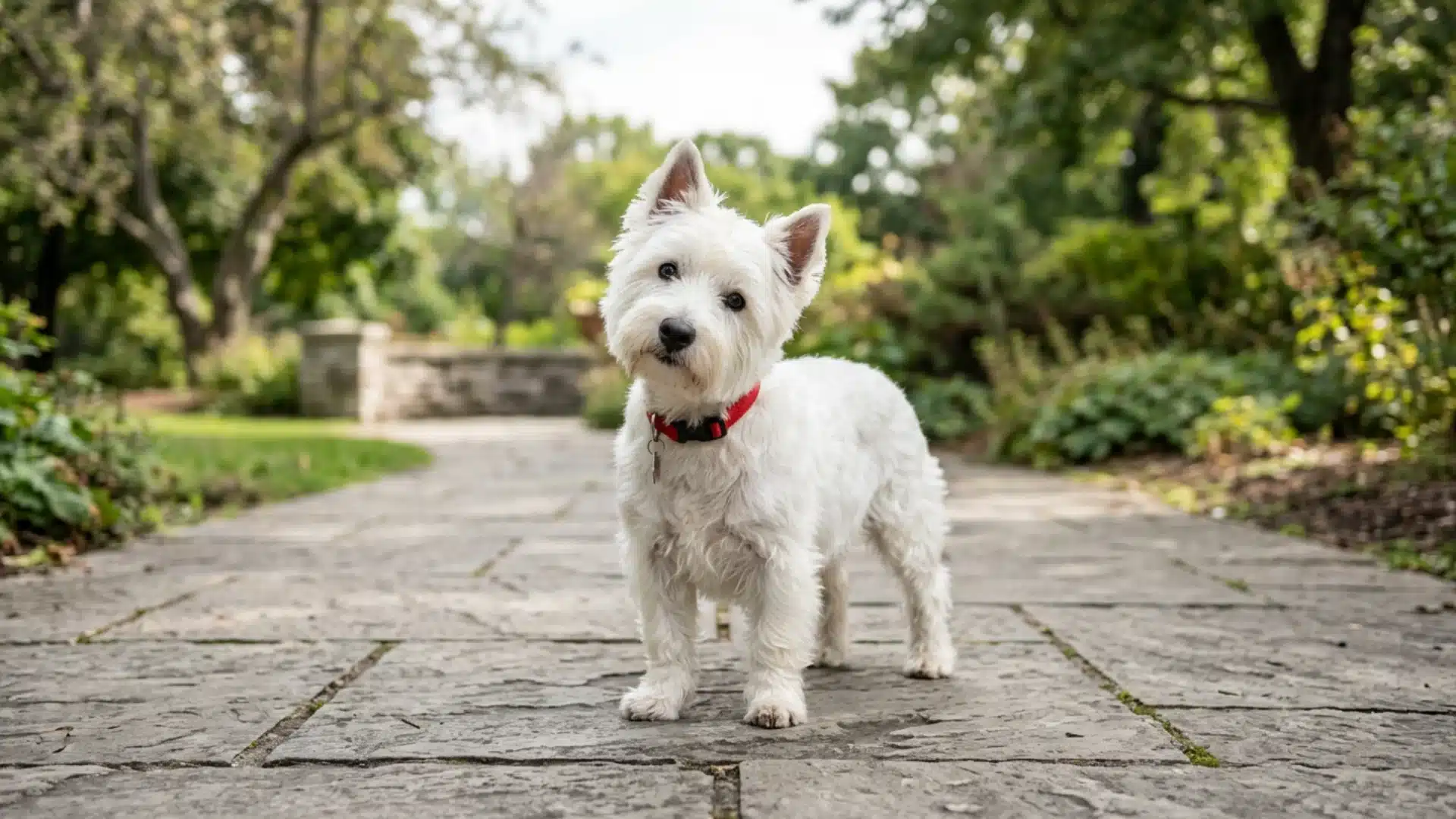
West Highland White Terriers, often called Westies, have rough double coats that shed less than many terrier breeds.
Their bright white coat needs brushing and occasional grooming to stay clean and maintain its shape.
Westies are confident, energetic, and full of personality, which makes them entertaining companions for active households.
Terrier instincts can lead to barking or chasing small animals, so early training matters. They balance a manageable shedding level with a sturdy and playful personality.
12. Miniature Schnauzer
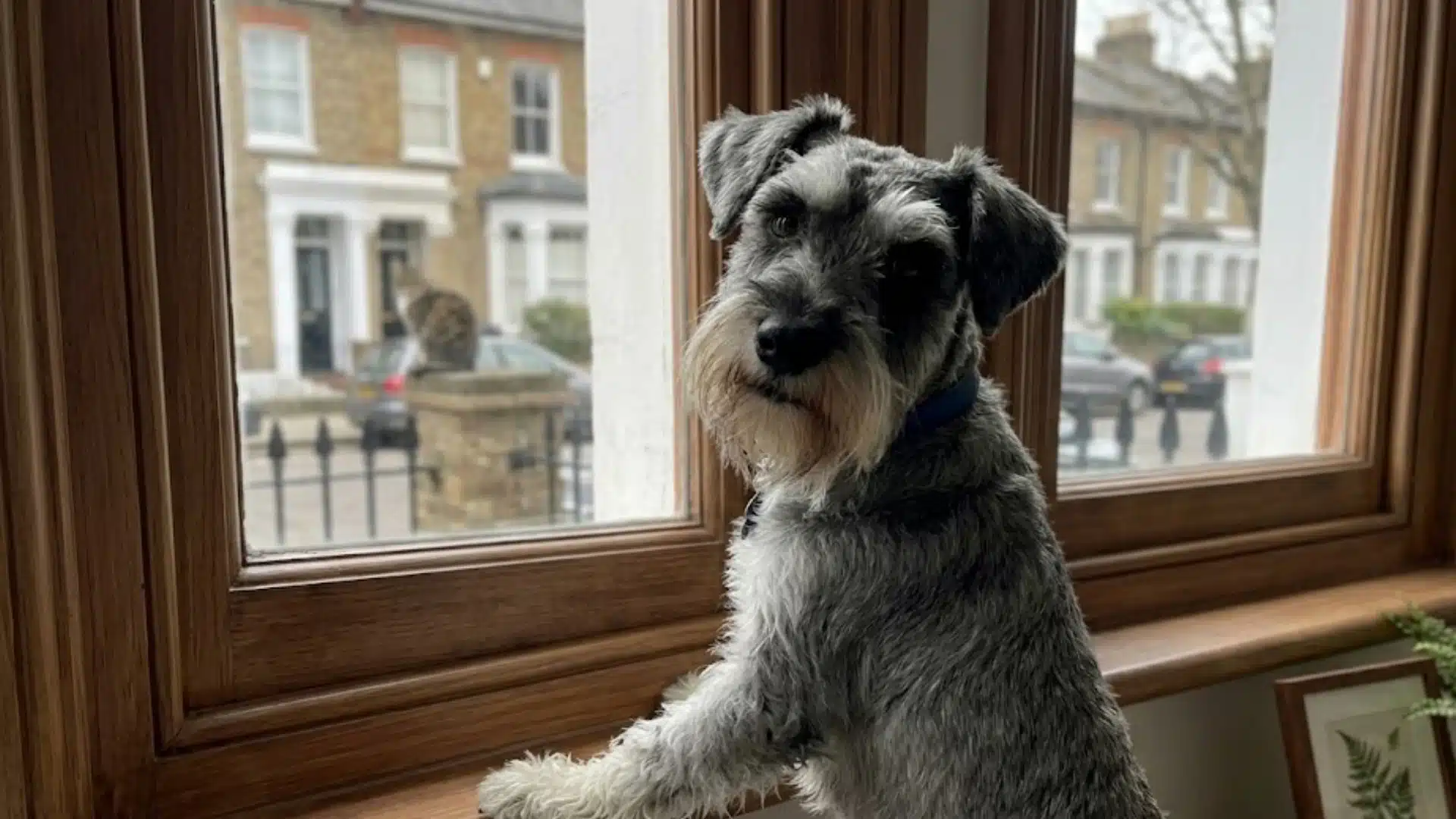
Miniature Schnauzers are popular low-shedding dogs with wiry coats and distinctive facial hair. Their coat traps loose hair well, but regular grooming is needed to keep the beard, eyebrows, and legs tidy.
They are alert, intelligent, and often make excellent watchdogs without becoming overly large or difficult to manage.
Miniature Schnauzers enjoy walks, play, and mental stimulation, which helps prevent boredom. Their combination of low shedding and lively personality suits many different home environments.
13. Miniature Poodle
Miniature Poodles offer the same low-shedding curly coat as other Poodle sizes while fitting more comfortably into smaller homes.
Their curls hold loose hair instead of dropping it across the floor, but mats can form quickly without brushing.
They are highly intelligent dogs that learn commands fast and usually enjoy training sessions. Professional grooming every few weeks keeps the coat healthy and manageable.
14. Basenji
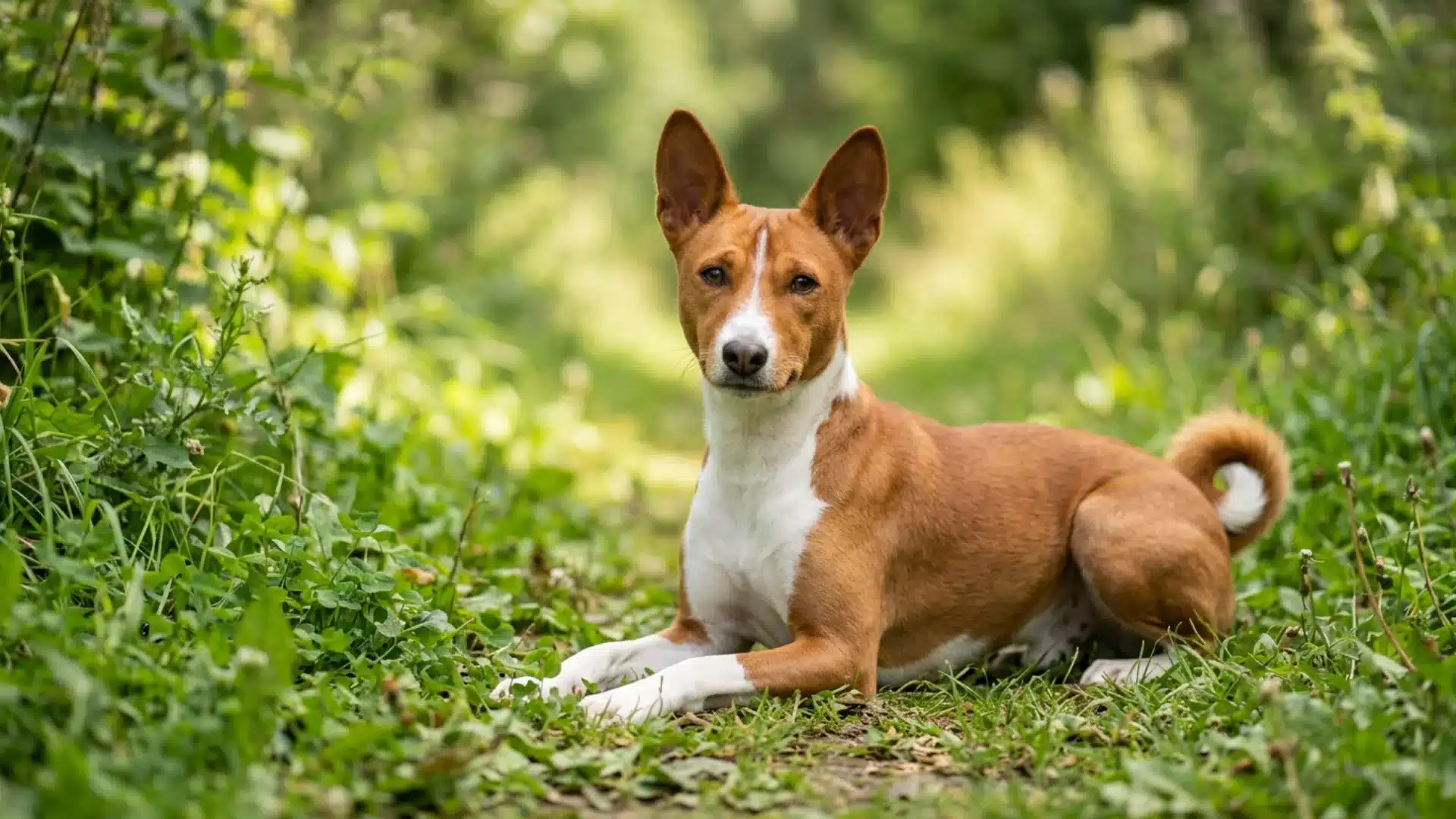
Basenjis are among the easiest low-shedding dogs to maintain because of their short coat and naturally clean habits.
They produce very little dog odor and usually need only occasional brushing to remove loose hair. Basenjis are independent, athletic, and known for their quiet nature since they rarely bark like typical dogs.
Their intelligence and curiosity can make them escape artists, so secure spaces are important. Owners who want minimal grooming often find this breed especially appealing.
15. Bedlington Terrier
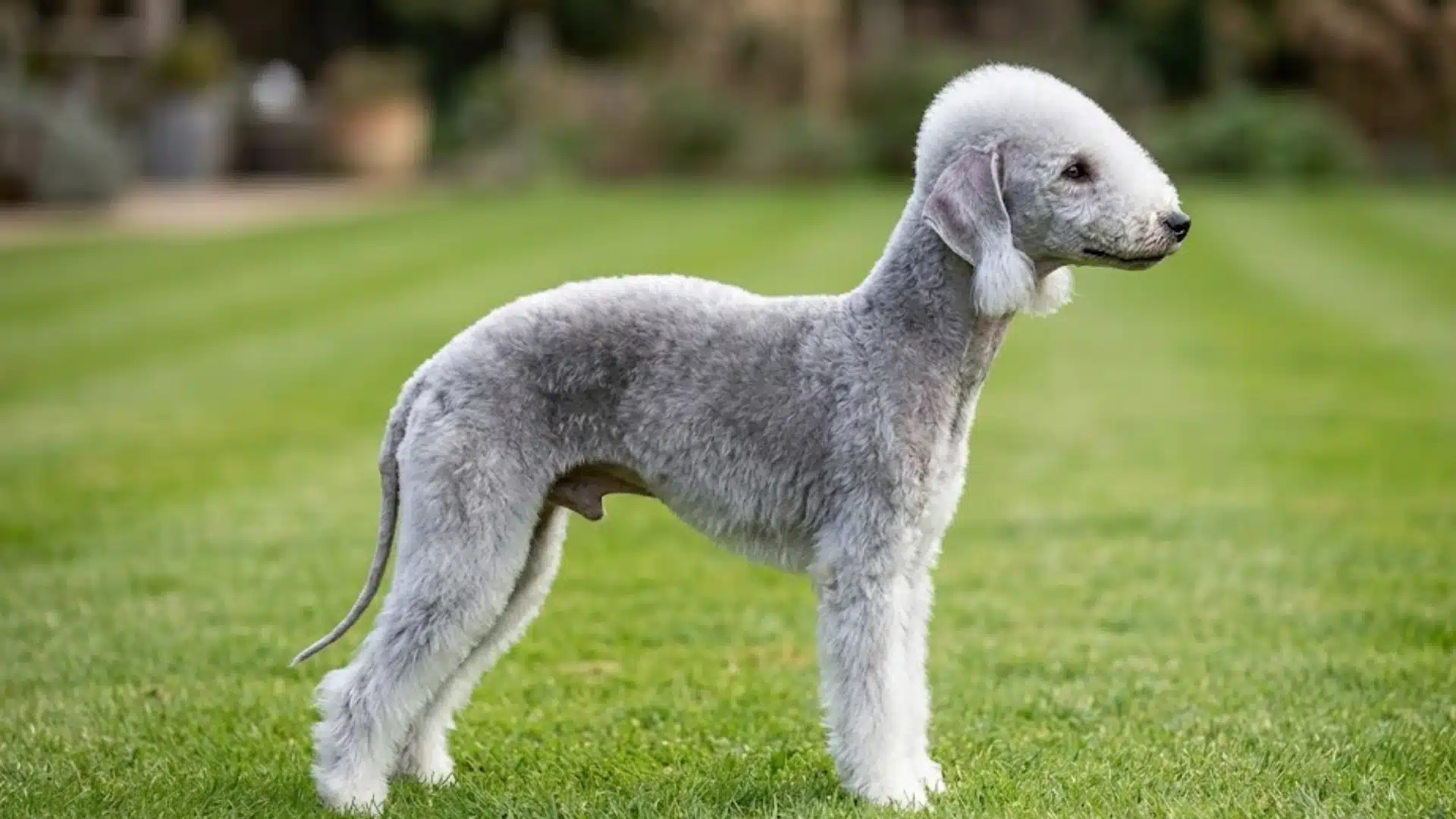
Bedlington Terriers have soft, curly coats that shed lightly. It looks gentle but has plenty of terrier spirit. Their coat needs trimming every 6 to 8 weeks to keep its shape.
Regular brushing helps prevent mats near the legs and chest. Active homes suit the breed best because regular movement keeps them happy.
16. Lhasa Apso
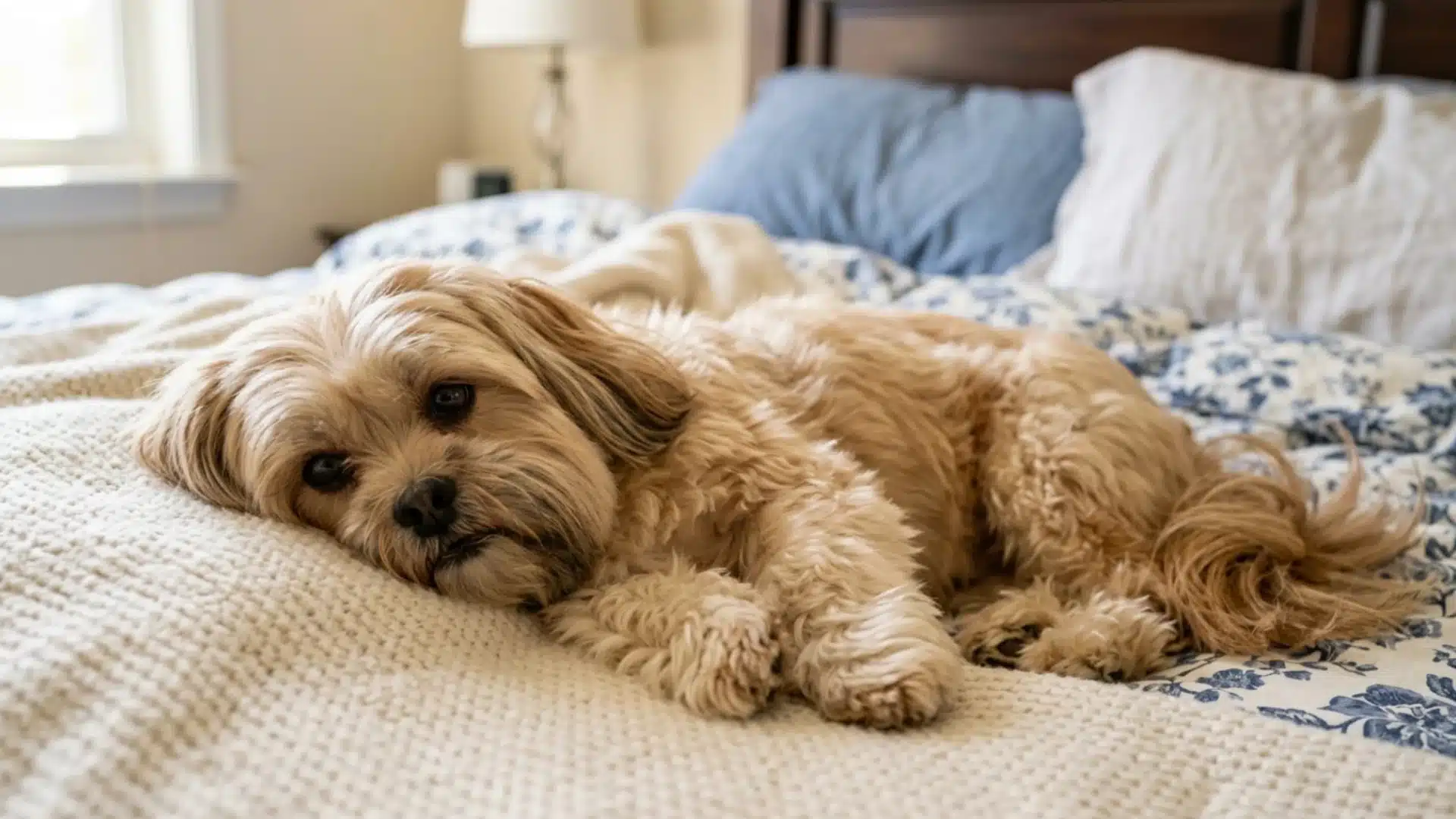
Lhasa Apsos have long, low-shedding coats and a calm but independent nature. Their coat can look beautiful when kept long, but it needs frequent brushing to avoid tangles.
Many owners choose a shorter trim for easier daily care. This breed is watchful, confident, and often more serious than playful.
Early training helps manage its strong-minded side, while regular grooming keeps the coat clean and comfortable, making it easier to live with.
17. Soft-Coated Wheaten Terrier
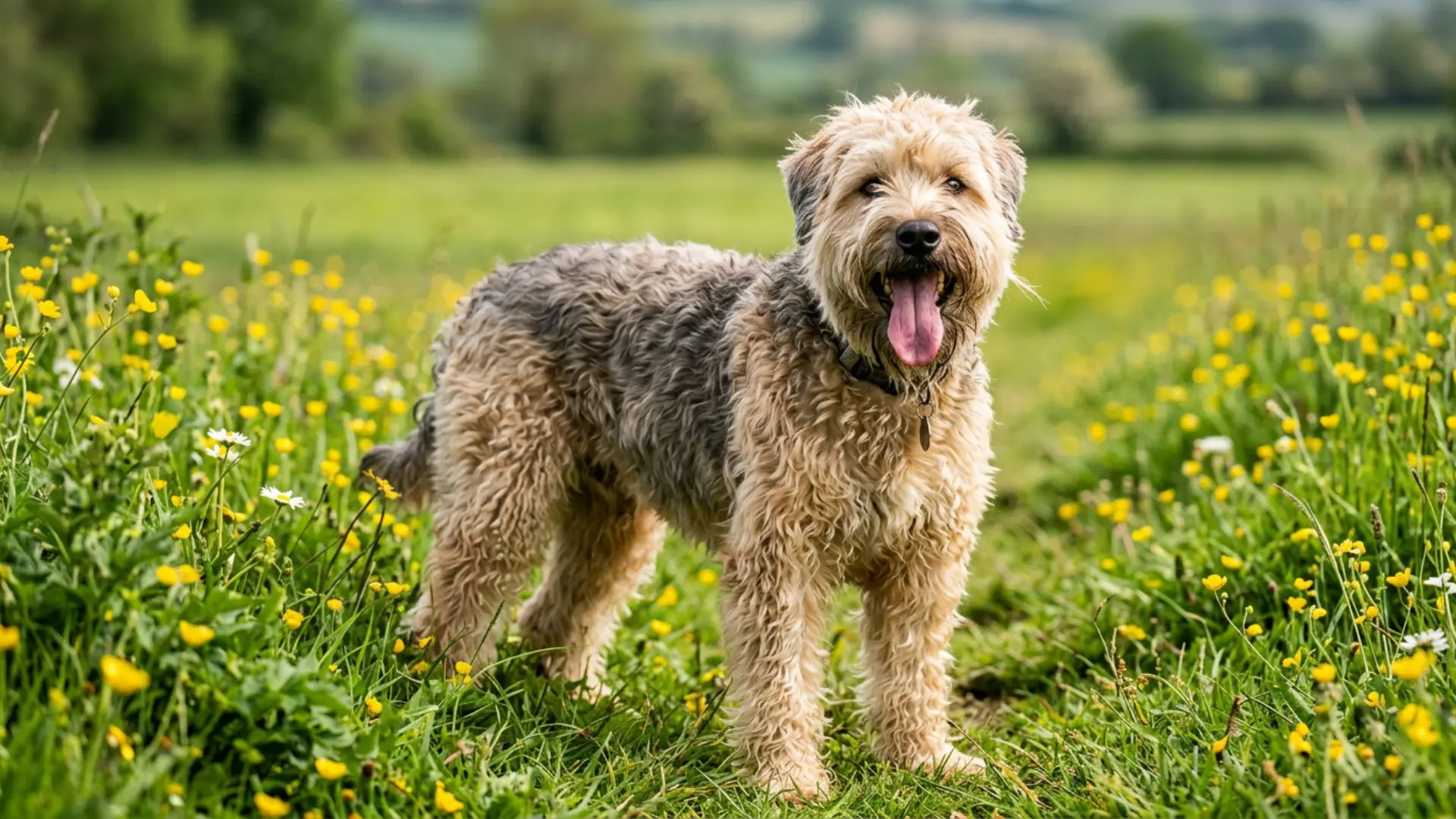
The Soft-Coated Wheaten Terrier has a silky, wavy coat that sheds much less than many other terriers. Its soft hair can tangle quickly, so brushing every other day is often needed.
Wheatens are friendly, active, and full of energy, making them better for homes that enjoy walks and playtime.
They are not the best match for owners who want a lazy lap dog, but they reward effort with warmth and loyalty.
18. Portuguese Water Dog
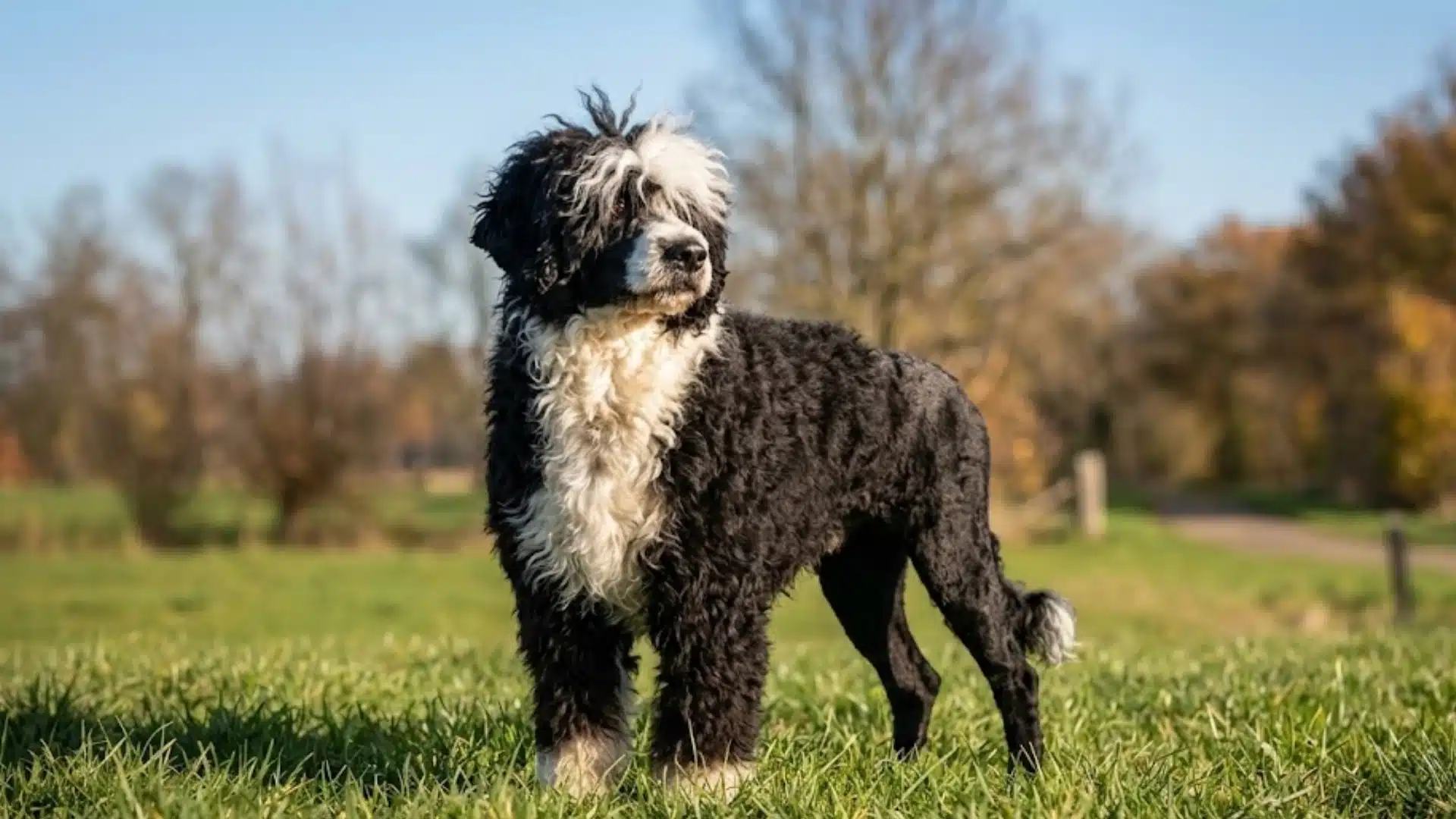
Portuguese Water Dogs have curly or wavy coats that shed very little, but their grooming needs are serious.
Their coat can mat if it is not brushed and trimmed regularly. This breed is athletic, intelligent, and happiest when given plenty to do.
Long walks, swimming, training, and games suit them well. They are a strong fit for active families who want a larger, low-shedding dog with energy and personality.
19. Standard Schnauzer
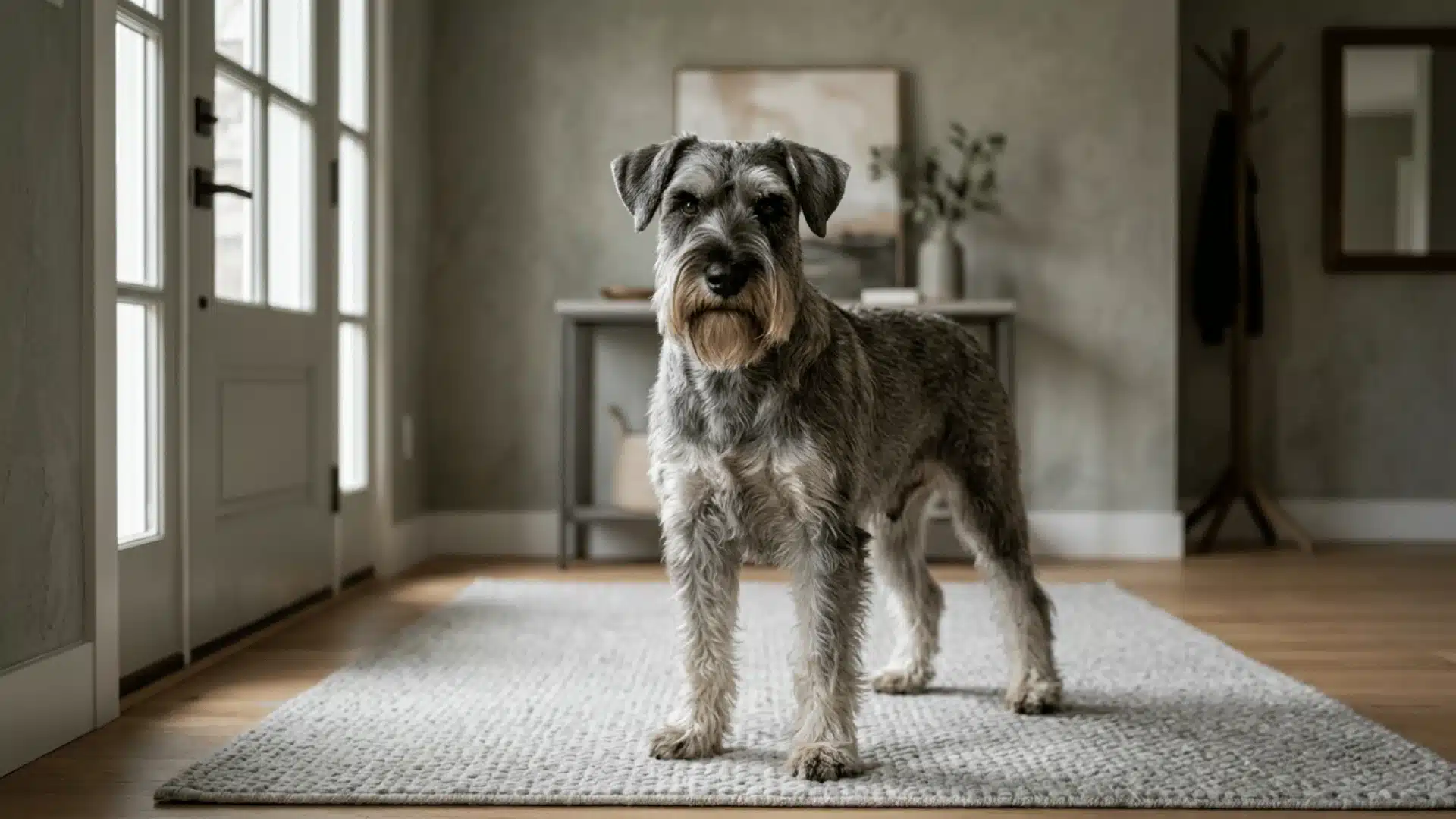
Standard Schnauzers have wiry coats that shed lightly and give them a clean, rugged look. Their beard, eyebrows, and leg hair need regular attention to avoid mess and tangles.
This breed is confident, alert, and naturally protective, so training should start early.
Standard Schnauzers do best with owners who can offer structure, exercise, and consistent rules. With the right care, they make smart, low-shedding companions for active homes.
20. Kerry Blue Terrier
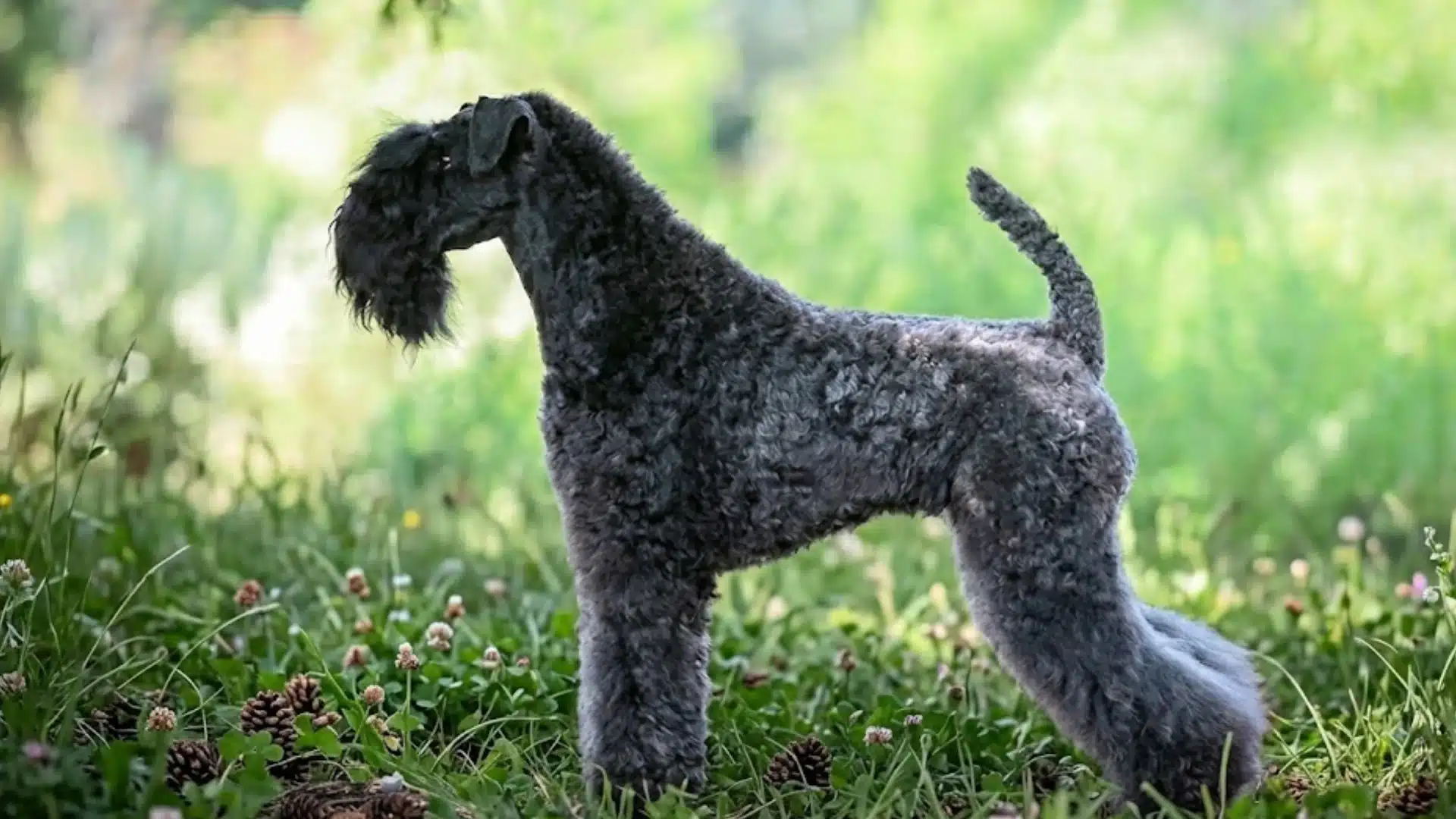
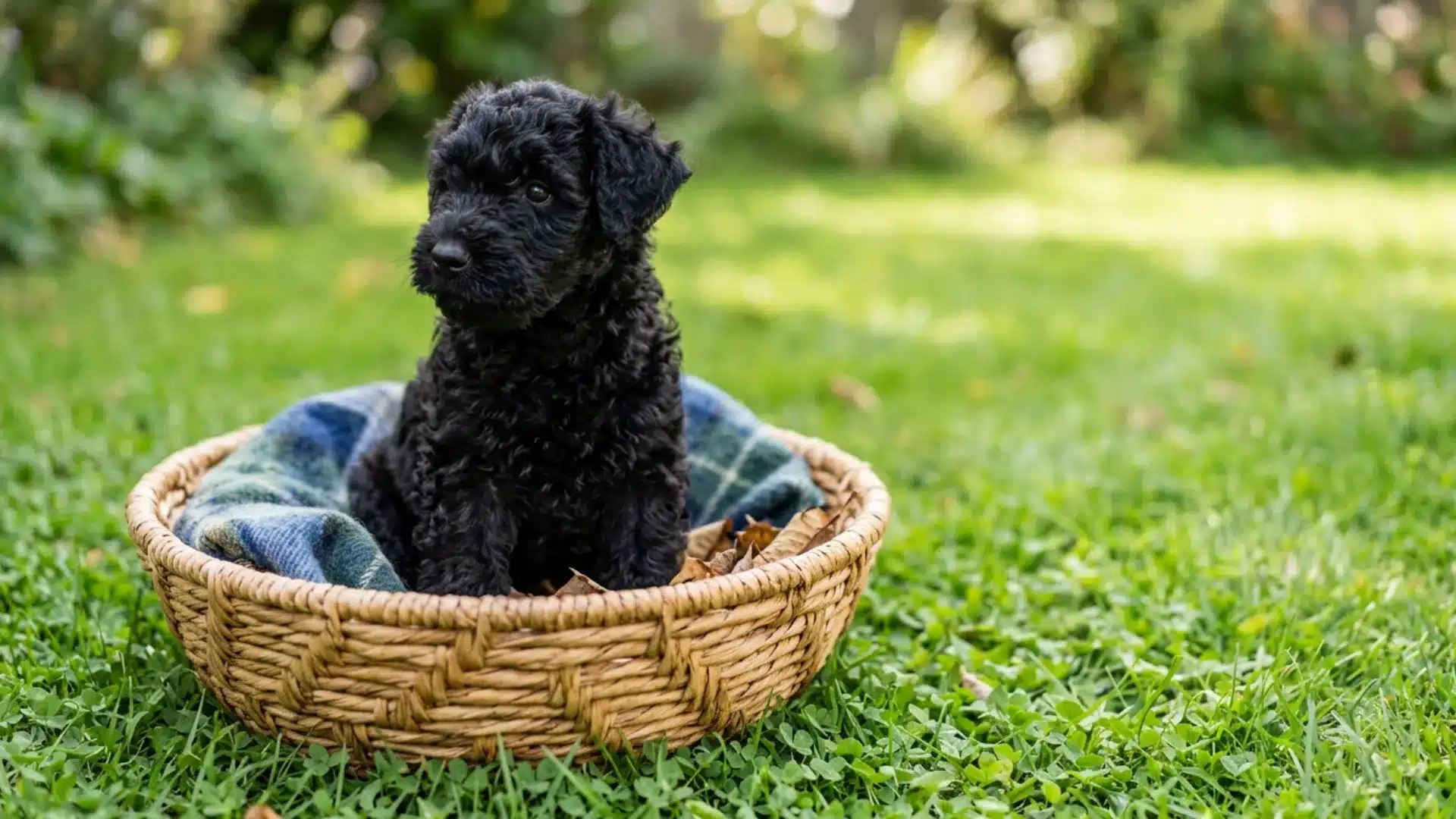
Kerry Blue Terriers have dense, wavy coats that grow continuously and shed very little around the house. Their coat needs regular trimming because it can become thick, heavy, and matted without care.
These dogs are bold, energetic, and full of terrier spirit. Early socialization is important, especially around other dogs.
They suit experienced owners who want a striking, low-shedding breed with confidence, movement, and a strong personality.
21. Lagotto Romagnolo
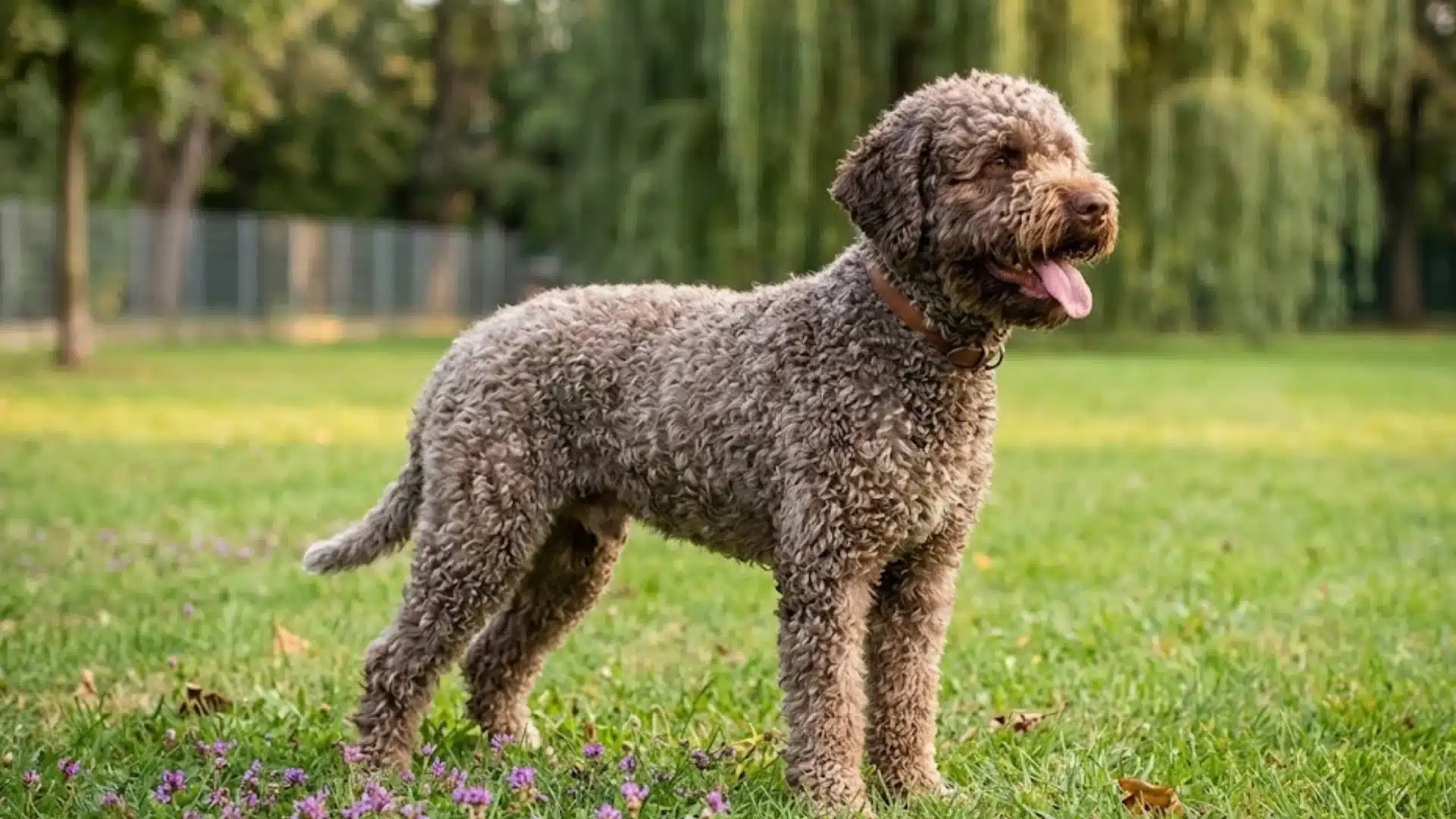
The Lagotto Romagnolo has tight curls that trap loose hair, helping keep shedding low. Its coat needs regular grooming because mats can form close to the skin if ignored.
This breed is smart, gentle, and known for enjoying scent work and puzzle games. Lagottos do well with owners who can keep their minds busy.
They are a great choice for people who want a medium-sized, low-shedding dog with a softer temperament.
22. Barbet
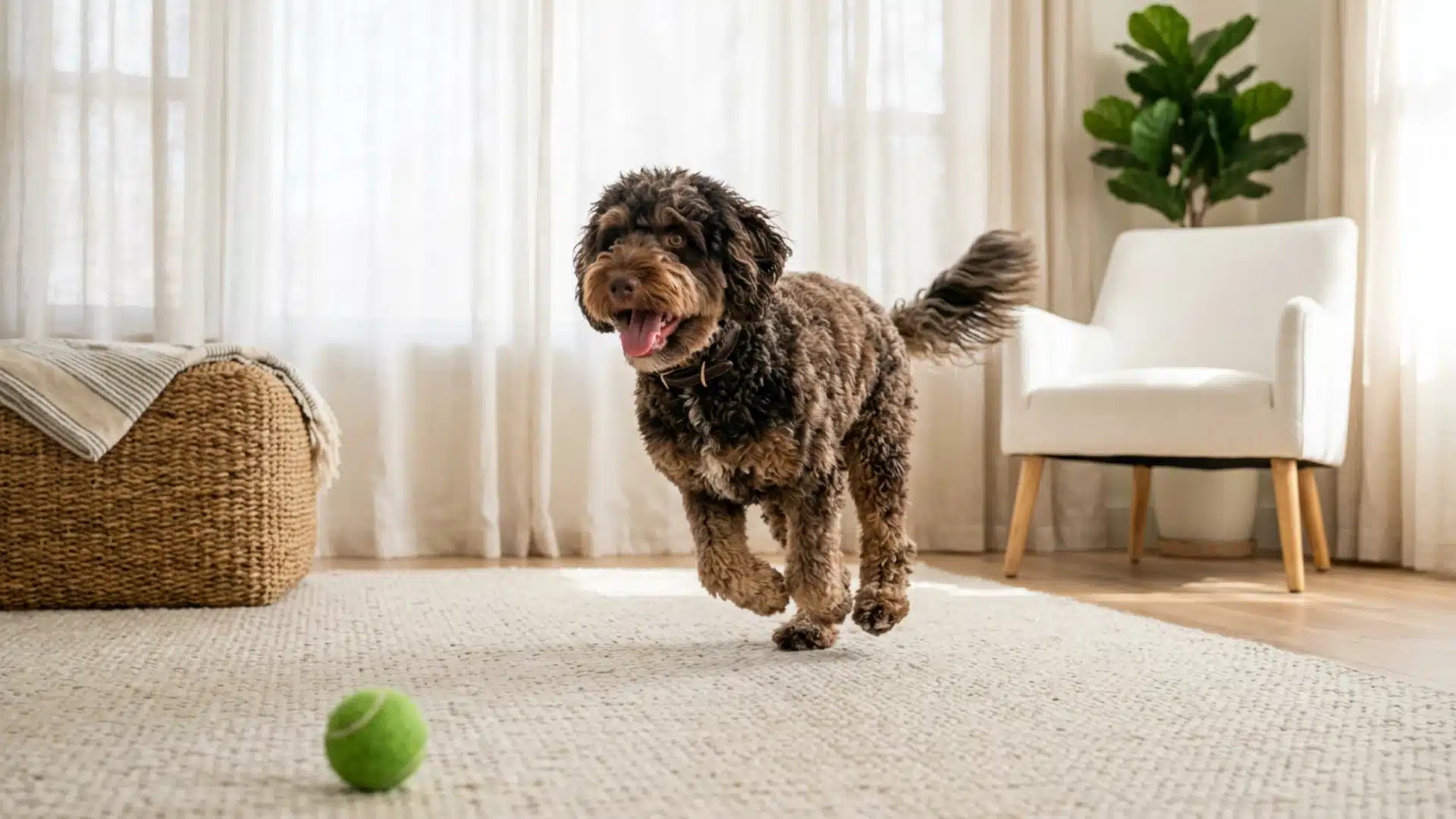
Barbets are friendly French water dogs with thick curly coats that shed very little. Their dense curls help trap loose hair, but they also need regular brushing and trimming to stay manageable.
Moisture can stay trapped in the coat after swimming or bathing, so proper drying is important. Barbets are social, active, and usually enjoy outdoor time with their family.
They suit owners who want a larger, low-shedding dog with an easygoing and affectionate personality.
23. Spanish Water Dog
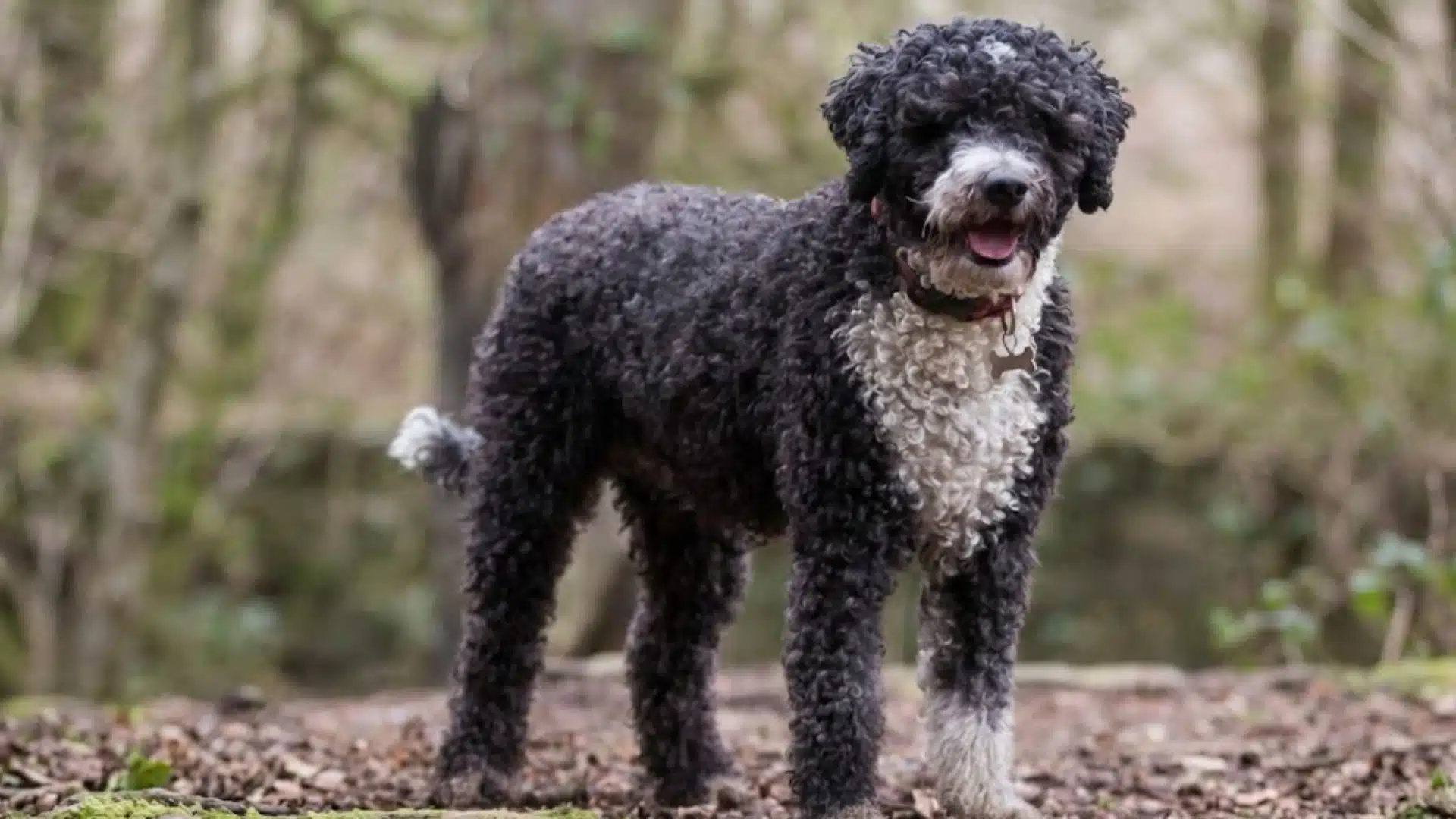
Spanish Water Dogs have curly coats that can naturally form cords as they grow. Loose hair stays trapped within the coat, which keeps shedding low around the home.
Unlike with many curly breeds, brushing is often avoided once cords begin to form. Instead, owners focus on bathing, trimming, and keeping the coat clean.
These dogs are energetic, loyal, and highly driven, so early training and regular activity help channel their intelligence in the right direction.
24. Irish Water Spaniel
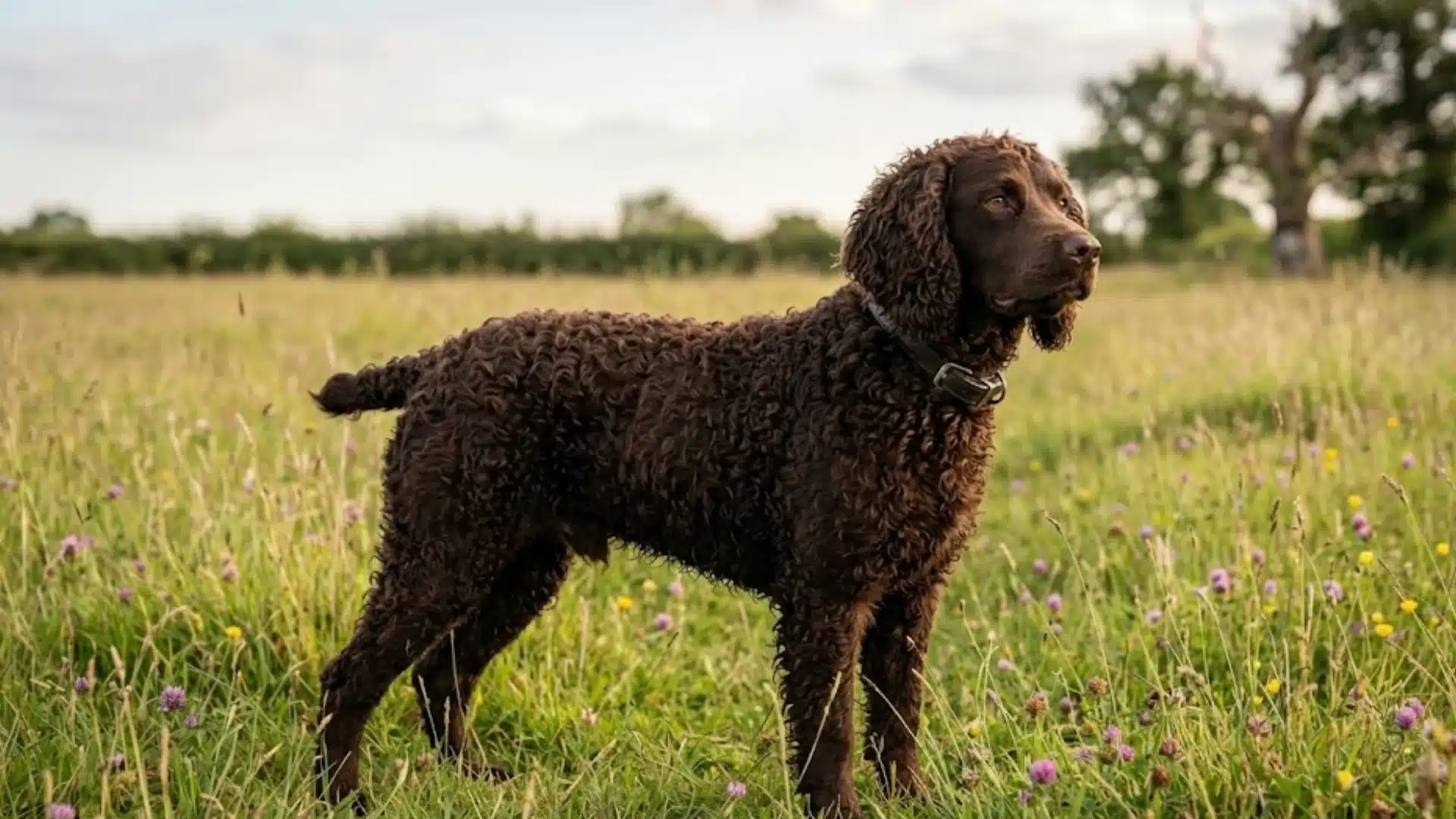
Irish Water Spaniels are athletic dogs with tight liver-colored curls that help reduce visible shedding. Their coat needs brushing and trimming to stay healthy, especially around the ears and tail.
They are energetic, playful, and happiest in homes that enjoy outdoor activity. Swimming, hiking, and long walks fit this breed well.
Their unique appearance and active personality make them appealing for owners who want a sporty, low-shedding dog with plenty of character.
25. Standard Poodle
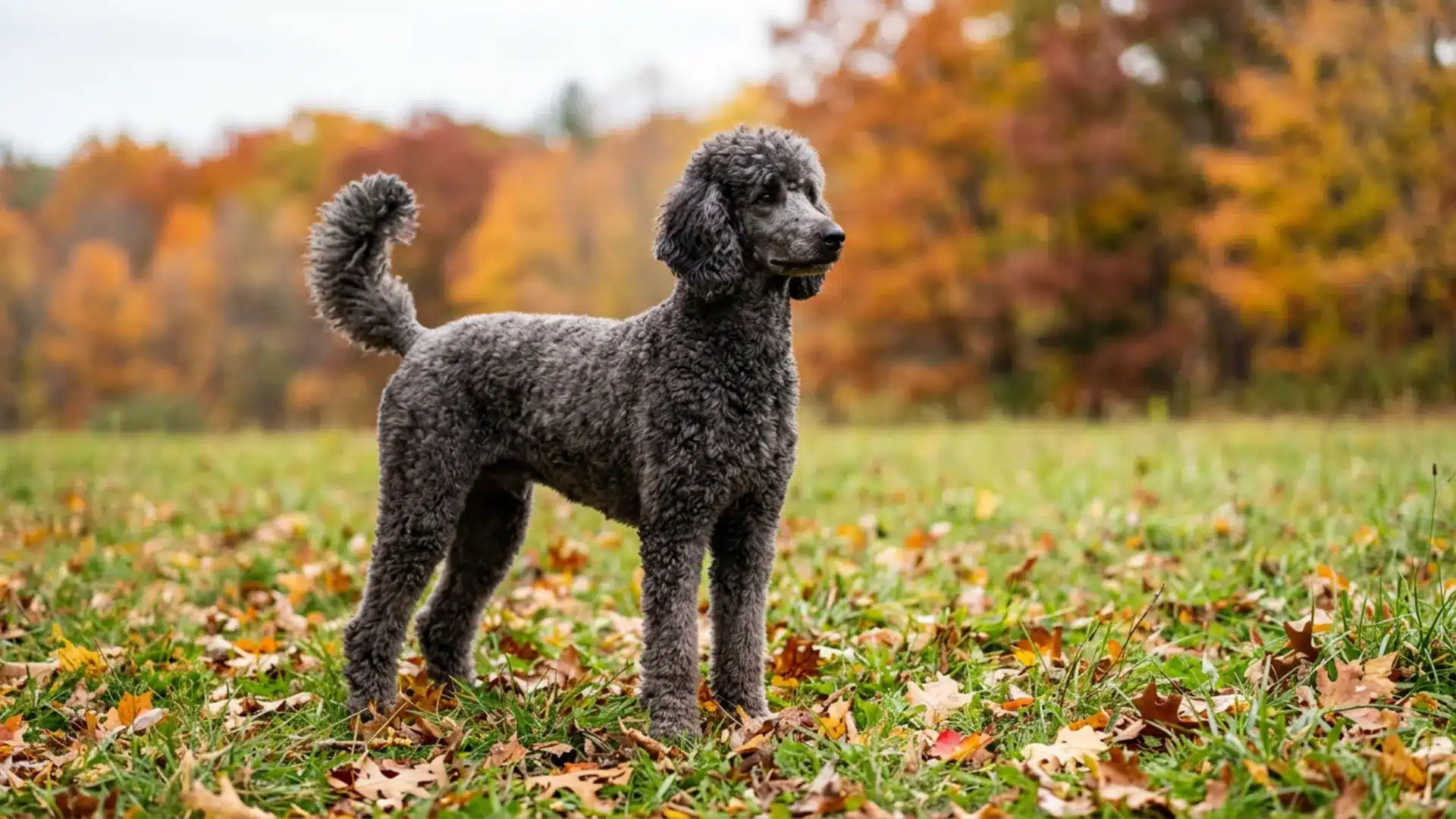
Standard Poodles are one of the most recognized low-shedding breeds because their dense curls trap loose hair effectively.
Their coat needs professional grooming every few weeks to prevent mats and skin discomfort. Standard Poodles are intelligent, athletic, and highly trainable, which makes them adaptable to many lifestyles.
They enjoy exercise and mental stimulation, not just lounging indoors. Owners who keep up with grooming are rewarded with a large dog that sheds surprisingly little.
26. Giant Schnauzer
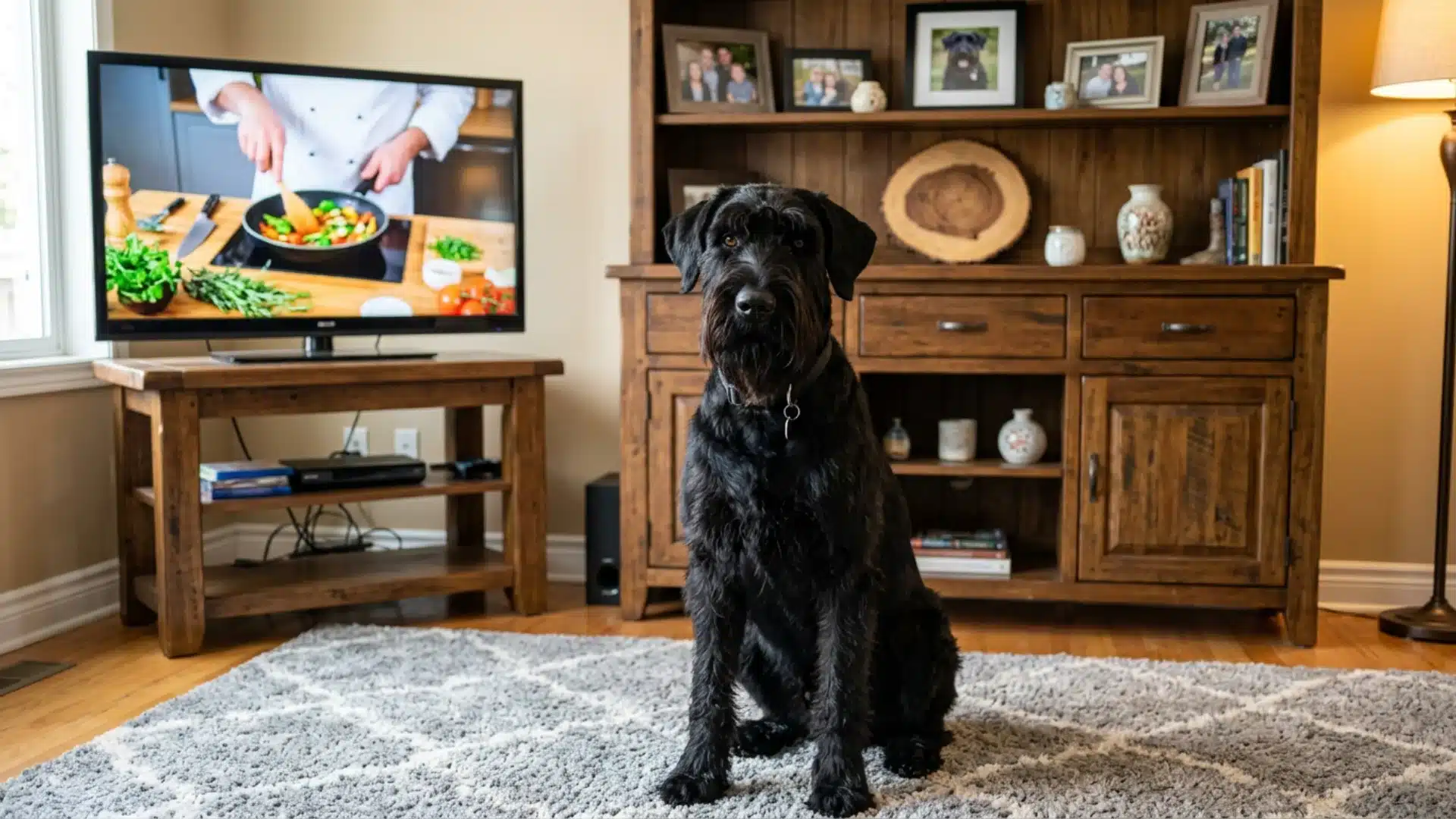
Giant Schnauzers combine a wiry, low-shedding coat with strong guarding instincts and high energy levels. Their coat needs brushing, trimming, and regular upkeep to maintain its texture and shape.
This breed is powerful, confident, and best suited to owners who can provide structure and training.
Daily exercise is important because boredom can lead to difficult behavior. Giant Schnauzers are not casual pets, but they are loyal companions in the right hands.
27. Airedale Terrier
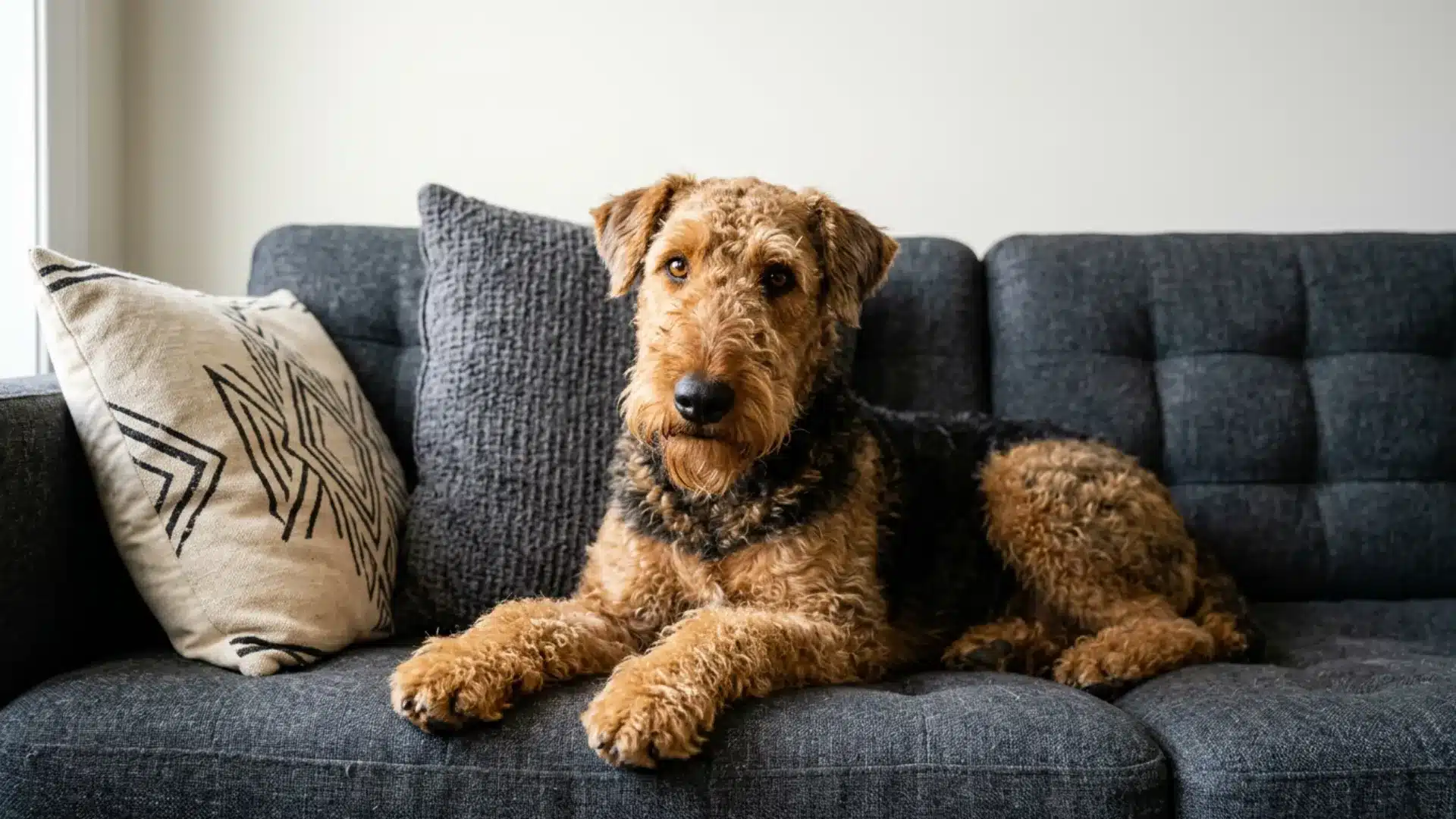
Airedale Terriers have rough, wiry coats that shed lightly compared to many large breeds. Their coat benefits from brushing and occasional hand stripping or clipping to stay neat and healthy.
Known as the largest terrier breed, Airedales are playful, intelligent, and full of confidence. They enjoy activity and often do best in homes where they get walks, games, and attention.
Their personality is lively, but their shedding stays relatively manageable with proper grooming.
28. Afghan Hound
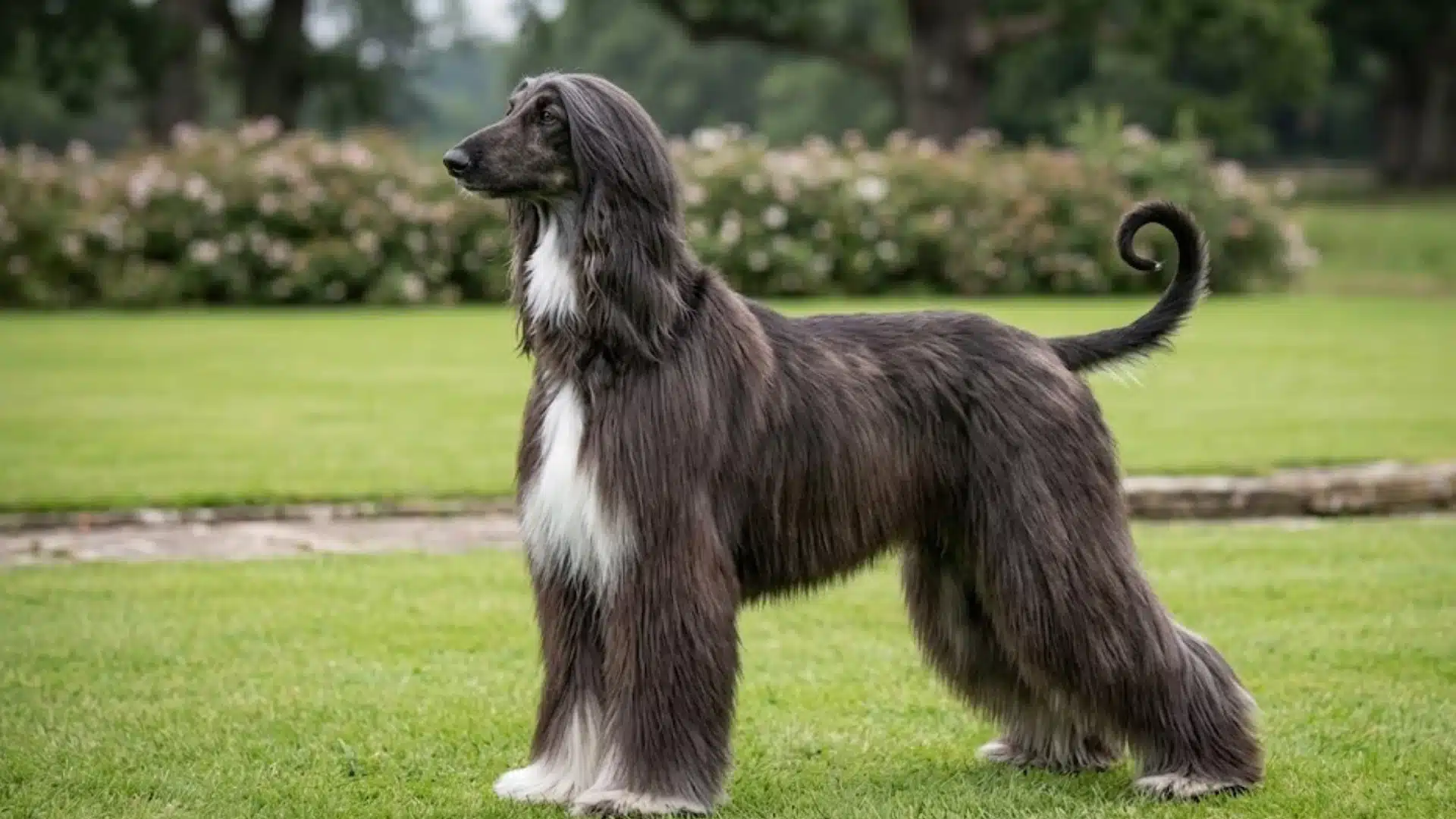
Afghan Hounds have long, flowing coats that surprisingly shed less than many people expect. Their elegant hair needs serious maintenance, including frequent brushing to prevent tangles and mats.
This breed is independent, graceful, and often less eager to please than other dogs. Training takes patience and consistency because Afghan Hounds prefer doing things on their own terms.
They suit owners who appreciate beauty and calmness and are willing to commit to regular grooming.
29. Bouvier des Flandres
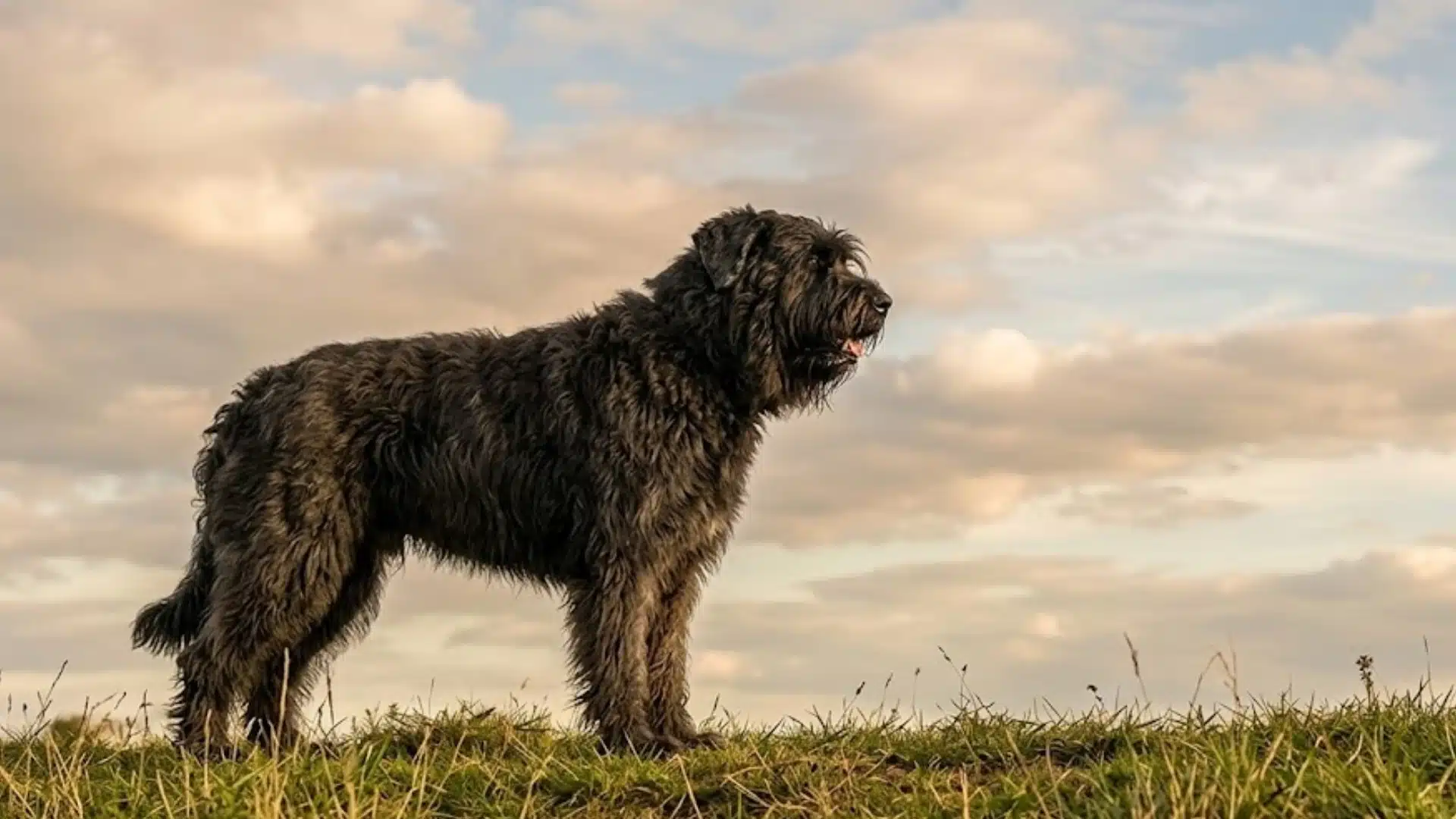
Bouvier des Flandres dogs have thick, rough coats that trap loose hair and help reduce visible shedding. Their dense coat needs regular brushing to prevent mats and buildup, especially around the legs and chest.
Bouviers are strong, protective, and naturally watchful, so early training and socialization are important.
They tend to form deep bonds with their families and prefer having a clear routine. Owners who can handle grooming and structure usually enjoy this dependable breed.
30. Xoloitzcuintli
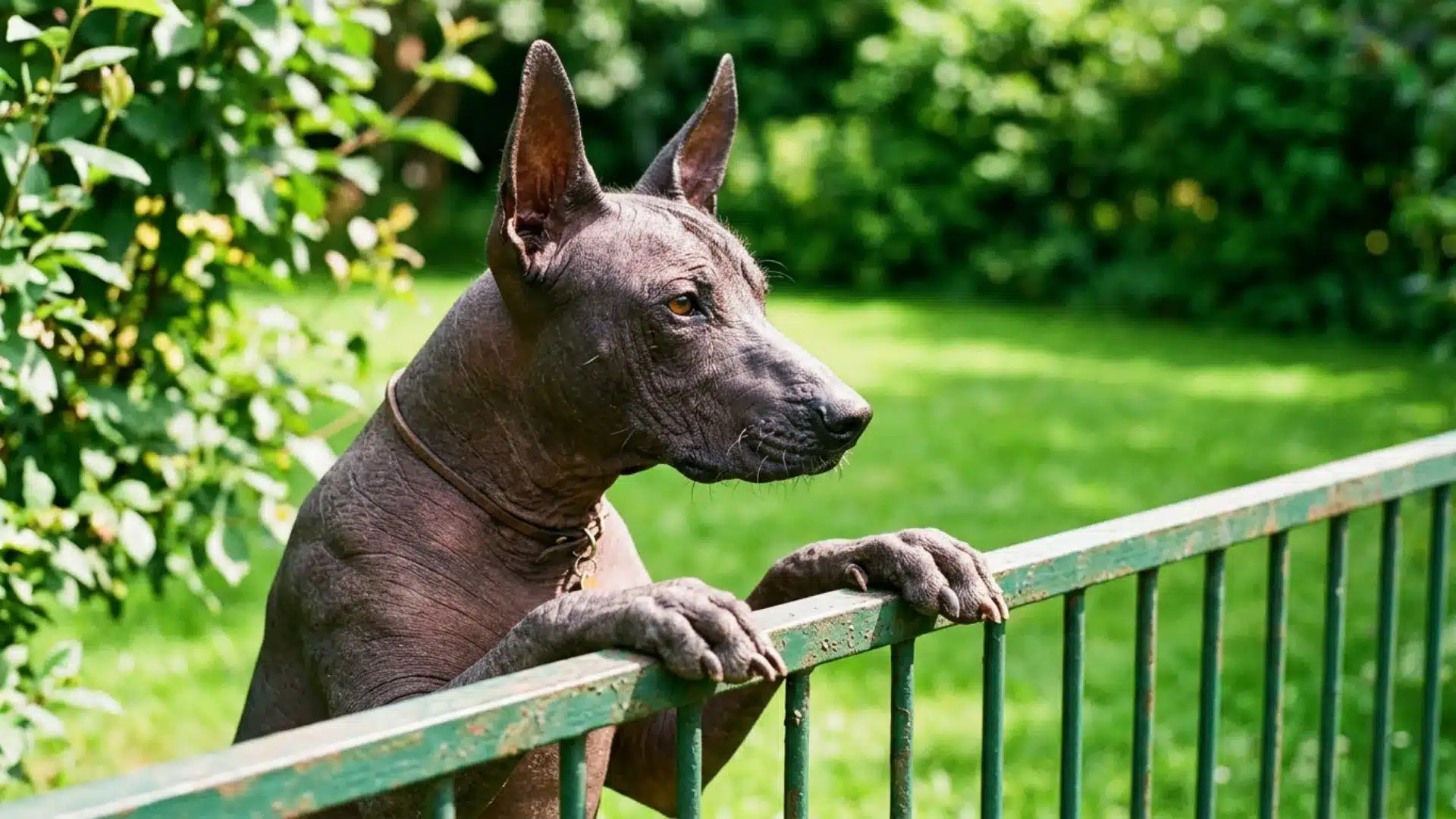
The Xoloitzcuintli, often called the Mexican Hairless Dog, sheds very little because most varieties have little or no coat.
Instead of brushing, owners focus on skin care, including sunscreen, gentle bathing, and protection from cold weather. Xolos are calm, intelligent, and often strongly attached to their family members.
Early socialization helps them feel more confident around strangers. Their unusual appearance and minimal shedding make them appealing to people who want something truly different.
31. Briard
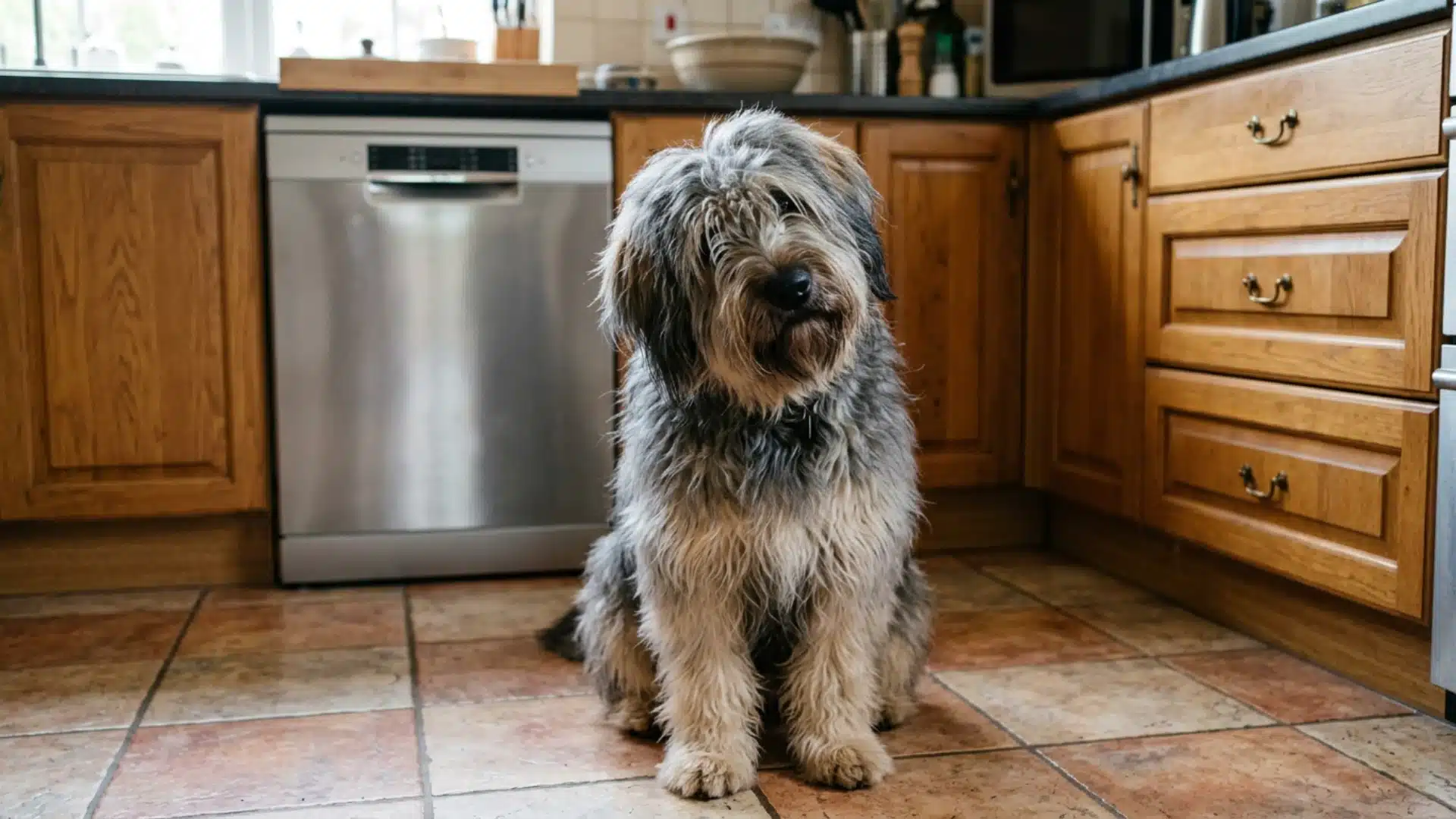
Briards are large herding dogs with long, wavy coats that shed less than many heavy-coated breeds. Their coat needs brushing several times a week because tangles can form around the face, legs, and belly.
Briards are intelligent, protective, and naturally alert, which makes training important from an early age.
They enjoy staying close to their families and usually do best in homes with space and regular activity. Grooming commitment is high, but shedding stays moderate.
32. Bergamasco Sheepdog
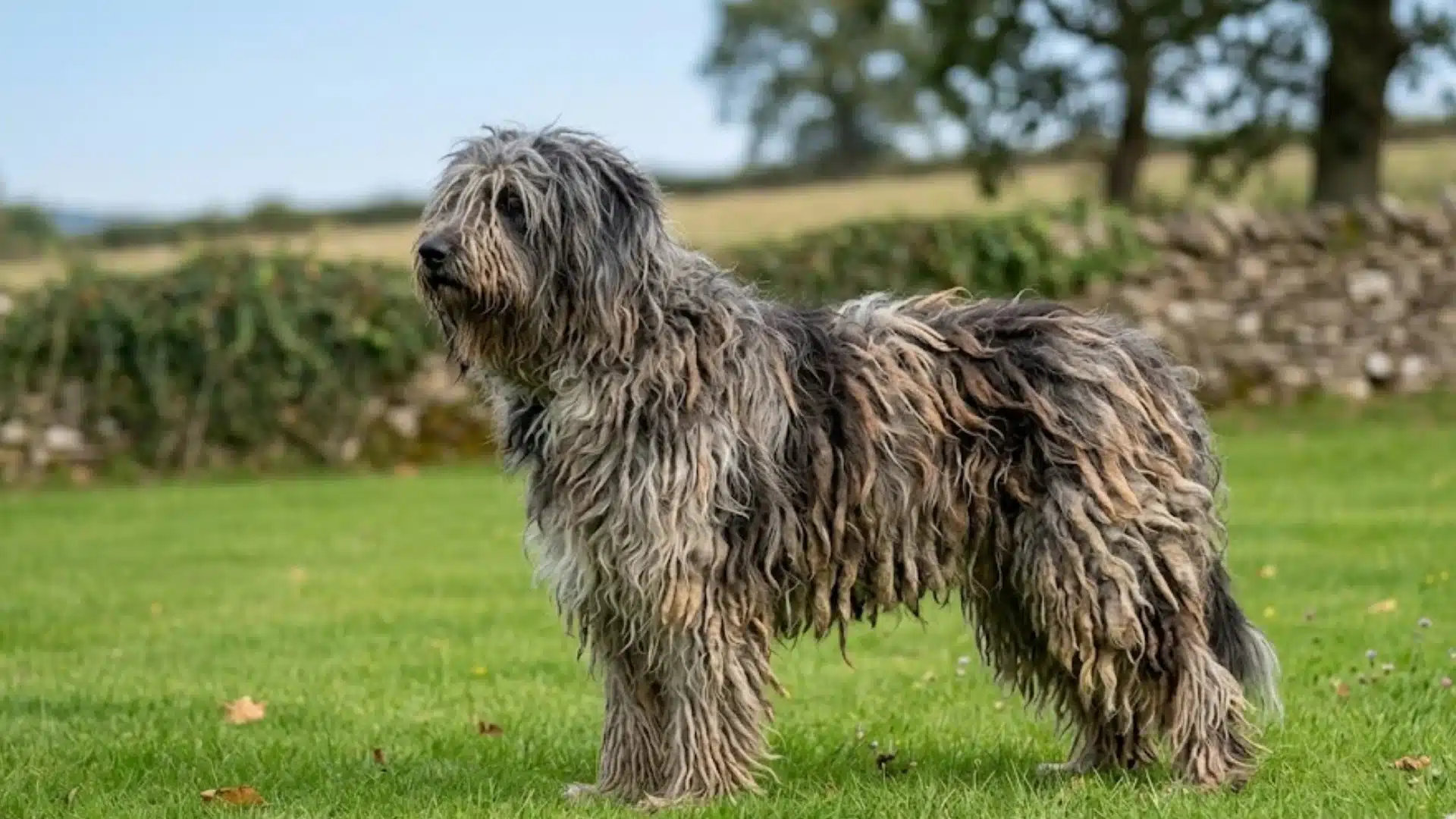
Bergamasco Sheepdogs are known for their unique flocked coats that naturally form dense mats over time. These flocks trap loose hair, which makes shedding far less noticeable inside the home.
Coat care differs from traditional brushing and requires patience while the flocks develop properly. Bergamascos are calm, smart, and balanced dogs that usually bond closely with their owners.
Moderate exercise and consistent training help them stay relaxed and well-behaved in family environments.
33. Black Russian Terrier
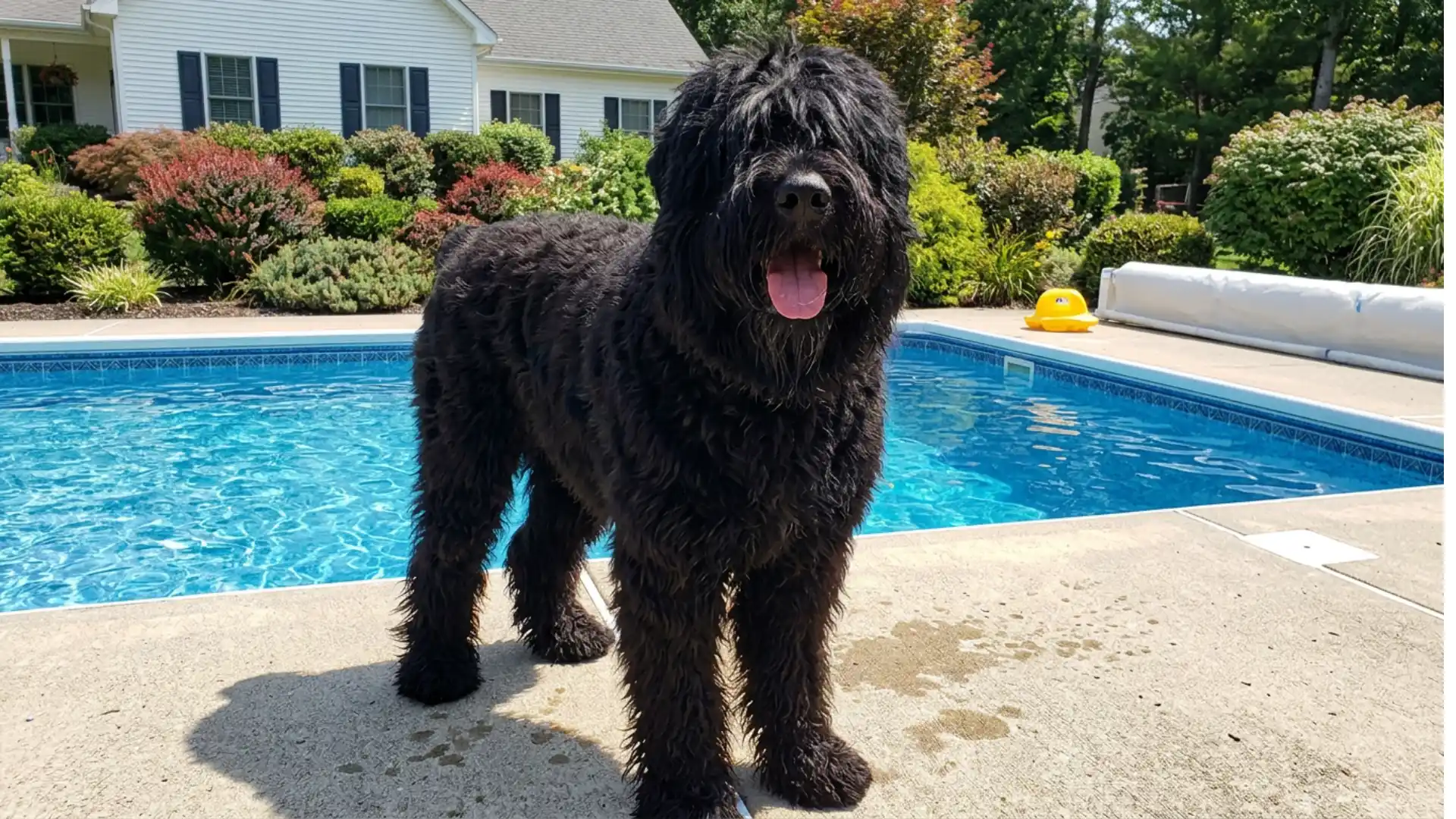
Black Russian Terriers have thick, wavy coats that shed lightly for a breed of their size. Their coat needs regular brushing and professional grooming to prevent tangles and maintain comfort.
These dogs are powerful, confident, and naturally protective, so steady training and socialization are essential. They thrive in structured homes where they receive exercise, attention, and clear leadership.
Owners who can manage their size and grooming often value their loyalty and strong guarding instincts.
Grooming Tips for Low-Shedding Dogs
A cleaner home often comes at the cost of grooming. Many low-shedding dogs shed little because the hair stays in the coat. If you do not brush or trim it, mats can form fast.
- Brush regularly: Low-shedding coats trap loose hair, so brushing prevents mats and keeps the coat clean. A dog brush guide can help you choose the right tool for your dog’s coat type.
- Book timely trims: Curly, silky, and dense coats often need professional grooming every 6 to 8 weeks.
- Check ears and paws: Hair can build up around the ears, paw pads, and eyes, so keep these areas clean and trimmed.
- Use the right shampoo: A gentle dog shampoo helps protect the skin and avoids dryness or irritation.
- Watch for sudden shedding: If your dog starts losing more hair than usual, check for stress, diet changes, allergies, or skin issues.
When Should You Visit a Vet for Shedding?
If your low-shedding dog suddenly starts losing more hair than usual, do not ignore it. Stress, diet issues, skin problems, allergies, hormones, or seasonal changes can all affect shedding.
The CDC advises that routine veterinary care is one of the most important steps in keeping your dog healthy and catching issues early.
Visit a vet when:
- Sudden hair loss appears: Sudden changes in shedding can signal stress, allergies, hormonal changes, or skin problems.
- Bald patches appear: Patchy hair loss is not normal in low-shedding dogs and should be checked.
- Skin looks red or irritated: Redness, sores, scabs, or swelling can point to infection or allergies.
- Scratching becomes constant: Heavy itching may be caused by fleas, mites, food allergies, or environmental triggers.
- Coat feels greasy or smells bad: Odor, oiliness, or flakes can mean the skin needs medical attention.
Conclusion
Dog breeds that don’t shed much can make your home feel cleaner, but they are not magic. The best choice depends on what you can handle every week, not just what sounds good on paper.
For most homes, Poodles, Bichon Frises, Maltese, Havanese, Miniature Schnauzers, Basenjis, and Portuguese Water Dogs are some of the strongest choices.
If you want something less common, look at the Lagotto Romagnolo, Bolognese, Barbet, or Bergamasco.
Pick the breed that fits your routine, and you will enjoy the clean-home benefit without regretting the responsibility.
Have a favorite low-shedding dog in mind? Share it in the comments and tell us which breed would fit your home best.
Frequently Asked Questions
Are Dog Breeds that Don’t Shed Hypoallergenic?
No dog is fully hypoallergenic. Low-shedding breeds may spread less dander around the home, but they can still trigger allergies.
Which Low-Shedding Dog is Easiest to Groom?
The Basenji is one of the easiest. It has a short coat, sheds lightly, and needs only basic brushing and occasional bathing. Hairless breeds also avoid coat grooming, but they need skin care.
Do Low-Shedding Dogs Still Need Professional Grooming?
Many do. Poodles, Bichons, Shih Tzus, Maltese, Barbets, and Portuguese Water Dogs usually need regular grooming appointments.