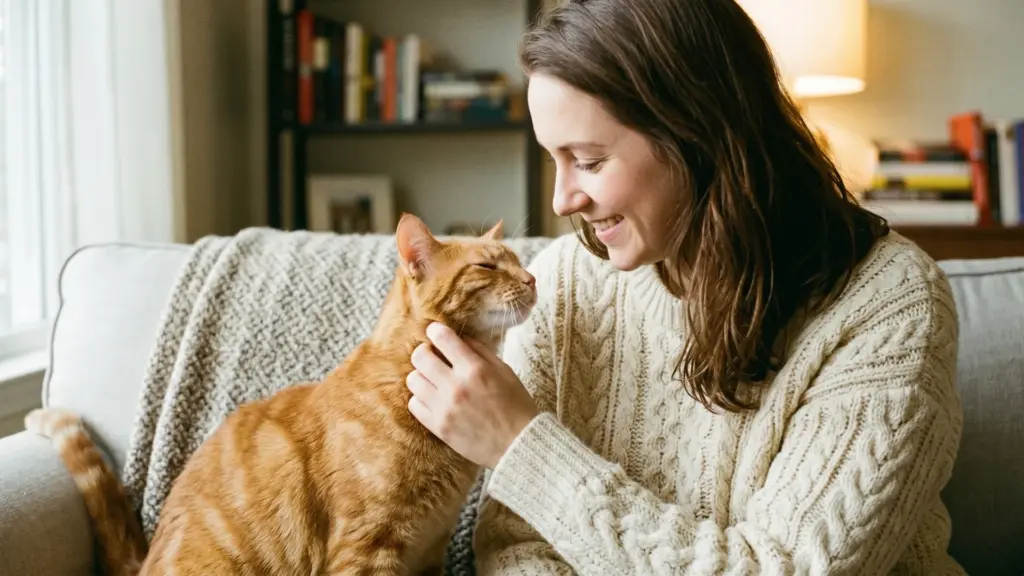
Male cats have a reputation for being the clingier, cuddlier ones, and honestly, that reputation didn’t come from nowhere. Neutered males often seem more social, relaxed, and quick to claim a warm lap.
But when people ask,Are male cats more affectionate, the real answer is more layered than “male cats are more loving.”
In my experience, this idea usually comes from moments cat owners never forget. You sit down, and your male cat immediately climbs onto your chest like he owns the place.
You didn’t invite him. He simply decided you were his person.
That “velcro cat” energy is real in many homes. But in the bigger male vs female cats conversation, affection often depends less on gender and more on neutering, personality, trust, and the bond you build.
Are Male Cats More Affectionate?
Male cats are often seen as more affectionate, especially after they are neutered.
Many owners say male cats are more likely to follow people around, sit on laps, ask for attention, and enjoy cuddles.
However, this does not mean every male cat is more loving than every female cat.
A cat’s personality depends on many things, including breed, experiences, home environment, and how people treat them.
Female cats can be just as sweet, loyal, and attached, but some may show affection in quieter ways.
They may sit nearby, rub against you, or bond strongly with one person. So, male cats may seem more openly affectionate, but personality matters more than gender when choosing a cat.
How Do Male vs Female Cats Show Affection Differently?
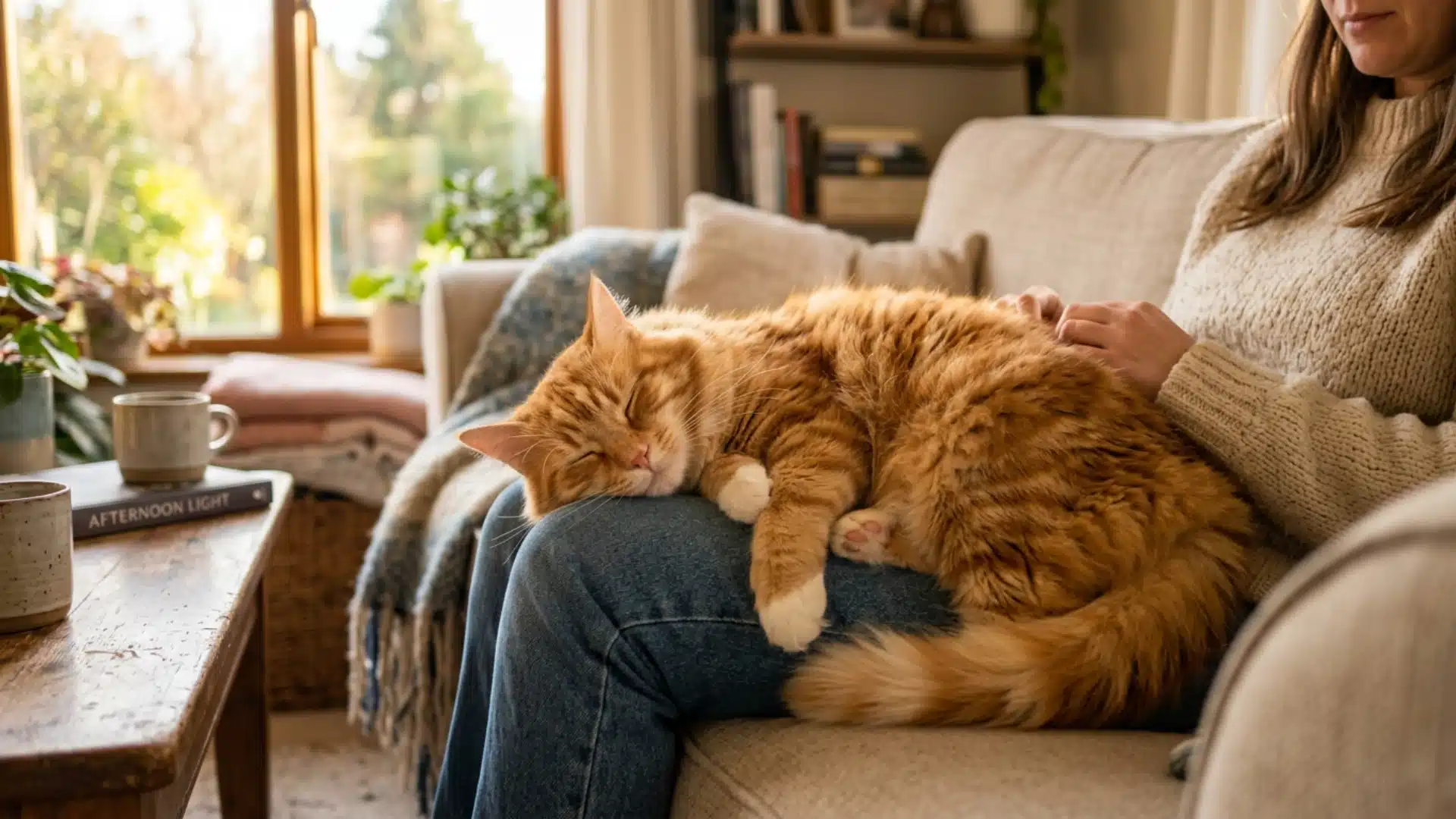
This is where the conversation gets interesting, because both male and female cats can be affectionate. They often just show it in different ways.
Male Cats
- Often more openly affectionate with the whole household.
- More likely to flop on your feet, climb into your lap, or follow people around.
- Neutered males may be especially social, relaxed, and attention-seeking.
- Their affection often feels easy, generous, and less selective.
- Many male cats will happily accept attention from family members and even visitors.
Female Cats
- Often more selective about who they bond with.
- May choose one person and build a very deep attachment.
- More likely to show affection in quieter ways, like slow blinking, sleeping beside you, or staying near you.
- Their affection can feel more intentional because it may take longer to earn.
- Many female cats are loving, but they often prefer connection on their own terms.
Neither style is better. Some people want the cat who greets everyone at the door. Others want the cat who chooses them above everyone else.
That is often more useful to consider than asking which sex is more affectionate overall.
What Influences a Cat’s Personality More Than Gender?
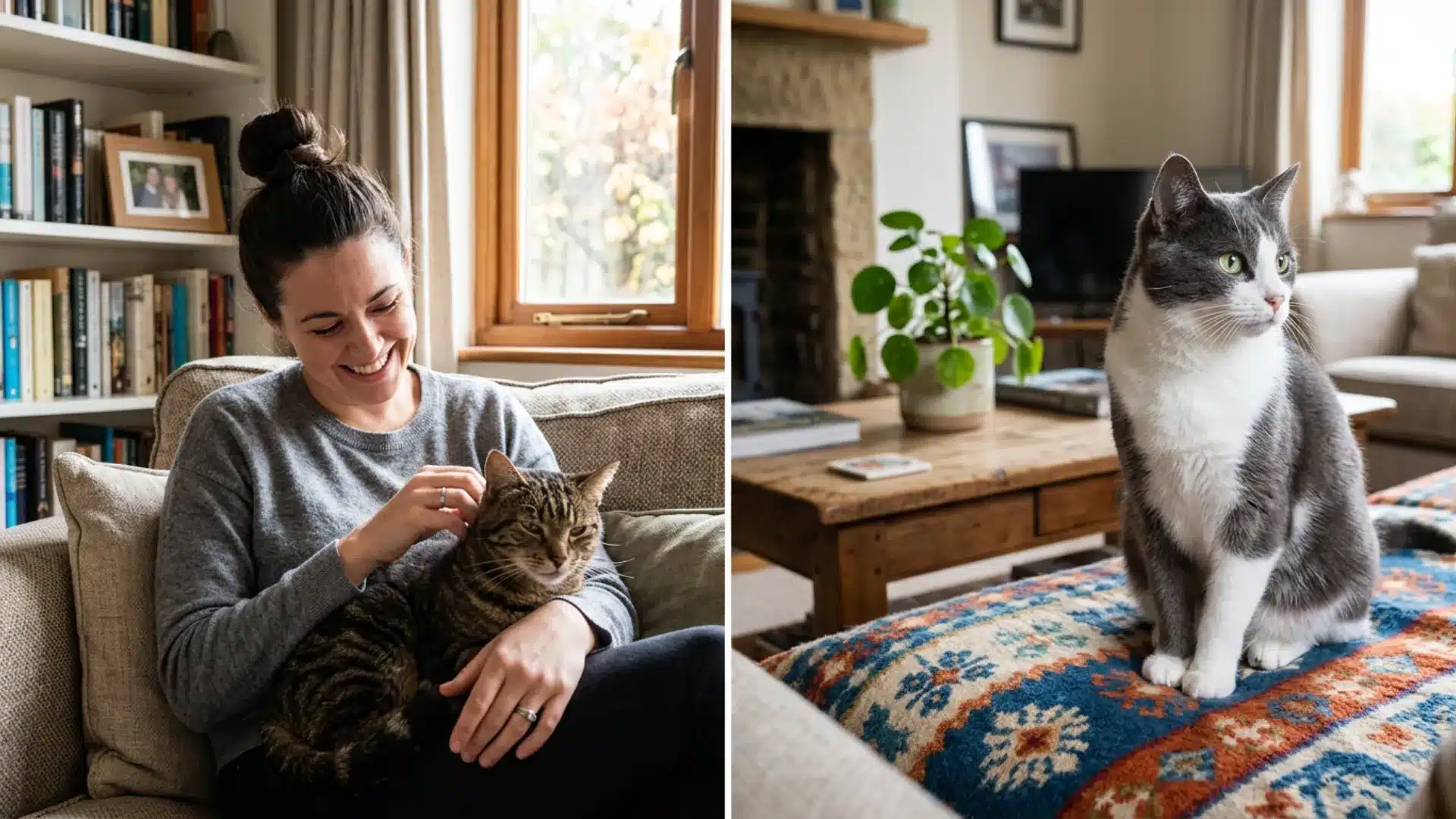
When you’re trying to understand how affectionate a cat will be, gender is only a small part of the picture. These five factors usually matter much more than whether a cat is male or female.
1. Early Socialization
A kitten’s earliest experiences with people can shape how trusting and affectionate it becomes as an adult. The most important socialization window is between 2 and 9 weeks of age, when kittens begin learning whether humans feel safe, predictable, and positive.
Kittens who receive regular, gentle handling during this stage are much more likely to grow into confident, people-friendly cats.
If a kitten missed that window, they can still bond deeply, but they may need more patience and time.
2. Neuter and Spay Status
Hormones can strongly affect how a cat behaves around people and other animals.
Intact male cats are more likely to spray, roam, fight, and focus on finding mates, while intact females may become restless, vocal, or unpredictable during heat cycles.
After neutering or spaying, those hormone-driven behaviors usually calm down.
Many cats become more settled, consistent, and open to affection once that biological pressure is reduced.
3. Breed Genetics
Breed can influence personality more than sex. Ragdolls, Siamese, and Burmese cats, for example, are often known for being social, vocal, and people-oriented regardless of gender.
Some of the most popular cat breeds in the world were selectively bred over generations for friendly, companionable temperaments.
If affection is a priority, breed research matters. The Bengal cat’s personality traits also show how genetics can shape energy level, confidence, curiosity, and the way a cat connects with people.
4. Individual Temperament
Every cat has their own personality, even within the same sex or breed. Some cats are naturally bold, curious, and quick to seek attention, while others are cautious, independent, or slower to trust.
The boldest cats often seem more affectionate because they are less guarded around people. Shyer cats may need a calm routine, gentle handling, and more time before they show affection.
Some may never become lap cats, but that does not mean they are not bonded to you.
5. Home Environment and Routine
Cats thrive when life feels predictable. A stable home with regular feeding times, daily play, calm handling, and safe resting spaces helps them feel secure enough to relax around people.
When a cat feels safe, affection has room to grow naturally.
Stress, noise, chaos, and unpredictable handling can have the opposite effect, making even a naturally loving cat more withdrawn. A peaceful routine often brings out a cat’s sweetest side.
How Does Neutering Change a Male Cat’s Behavior?
Neutering can have a noticeable effect on a male cat’s behavior, especially if the procedure is done before unwanted habits become established.
While it does not change a cat’s core personality, it often reduces hormone-driven behaviors.
Key changes often seen after neutering:
- Many male cats stop or greatly reduce urine spraying around the home.
- Neutered cats are usually less likely to wander long distances in search of mates.
- Hormone-related fighting and dominance behaviors often become less common.
After neutering, many male cats become calmer and easier to manage while keeping the same friendly personality.
Some owners notice their cats spending more time indoors, seeking attention, and enjoying family interaction. However, every cat is different.
Neutering simply removes many of the hormone-driven behaviors that can make male cats seem restless or difficult to handle.
If you’re also navigating post-surgery care for a female cat, this blog on kitten spay recovery walks through what to expect at each stage of healing.
Male vs Female Cats: Real Owner Experiences
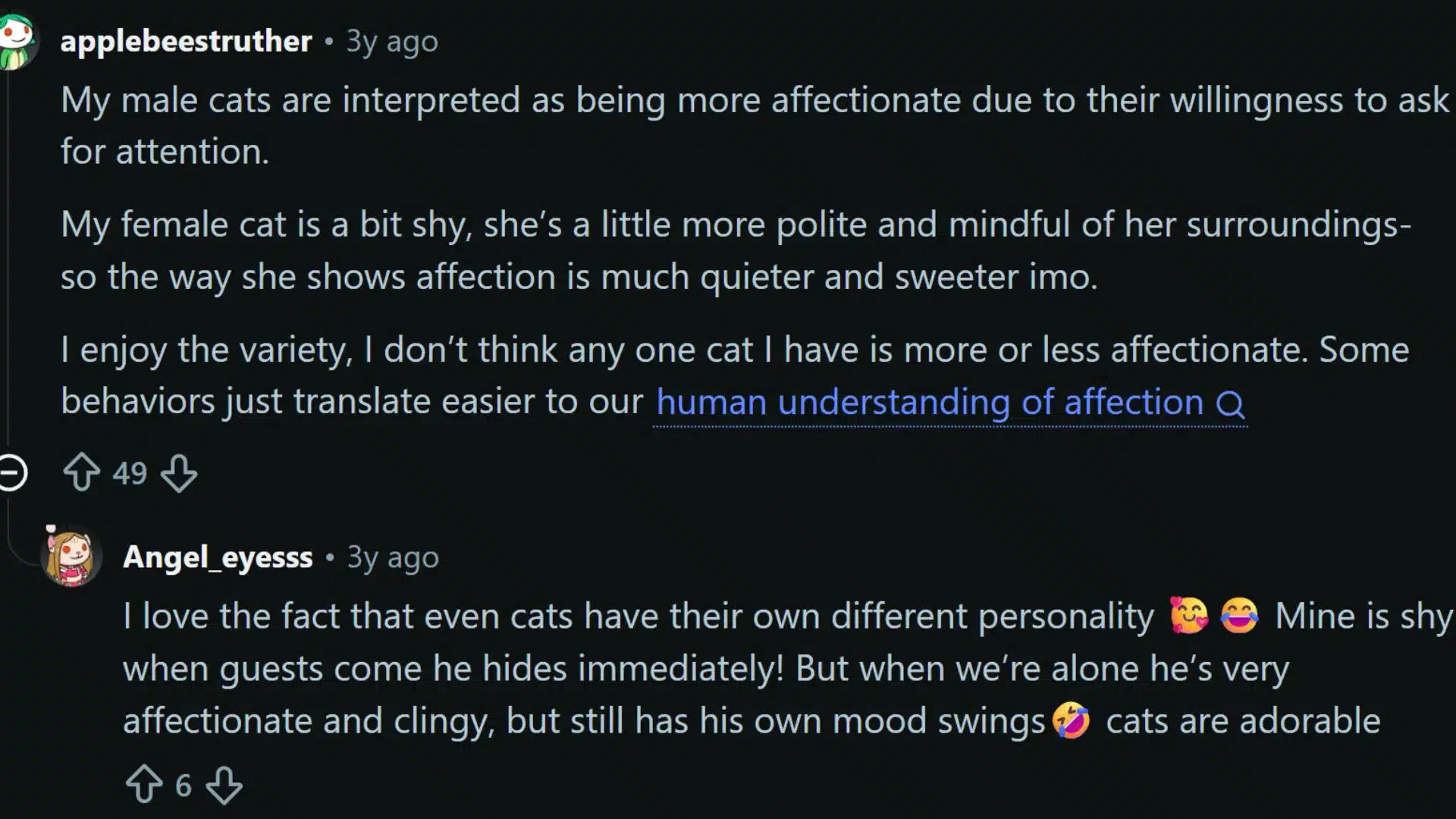
When cat owners on Reddit discussed whether male cats are more affectionate, a common pattern emerged.
Many people described their male cats as clingy, attention-seeking, and eager to cuddle.
However, plenty of owners shared stories of highly affectionate female cats who followed them everywhere, slept beside them, and formed incredibly strong bonds.
The overall consensus was that male cats may be more likely to show affection openly, while female cats often express it in quieter, more selective ways.
Most cat owners agreed on one thing: personality matters far more than gender.
A cat’s upbringing, confidence, and individual temperament have a much greater impact on affection levels than its sex.
What the Science Actually Says About Male vs Female Cats?
Research on the social behavior of neutered indoor cats found no statistically significant difference in affiliative behavior between males and females once both are fixed.
In a study published in Applied Animal Behavior Science, pairs of neutered cats were observed across 60 households, and gender alone didn’t predict which cats were more social or affectionate.
So the honest takeaway is this: the gender gap in affection is real but smaller than people think, and it tends to shrink considerably after spaying or neutering.
What people often interpret as a male-female personality difference is frequently a neutered-vs-intact difference. And once both cats are fixed, the playing field levels out more than most owners expect.
That said, there are still observable tendencies. Male cats tend to be more openly affectionate and more comfortable with multiple people in the household.
Female cats often form a deeper, more exclusive bond. Neither is better; they’re just different ways of loving.
How to Build a Stronger Bond with Any Cat?
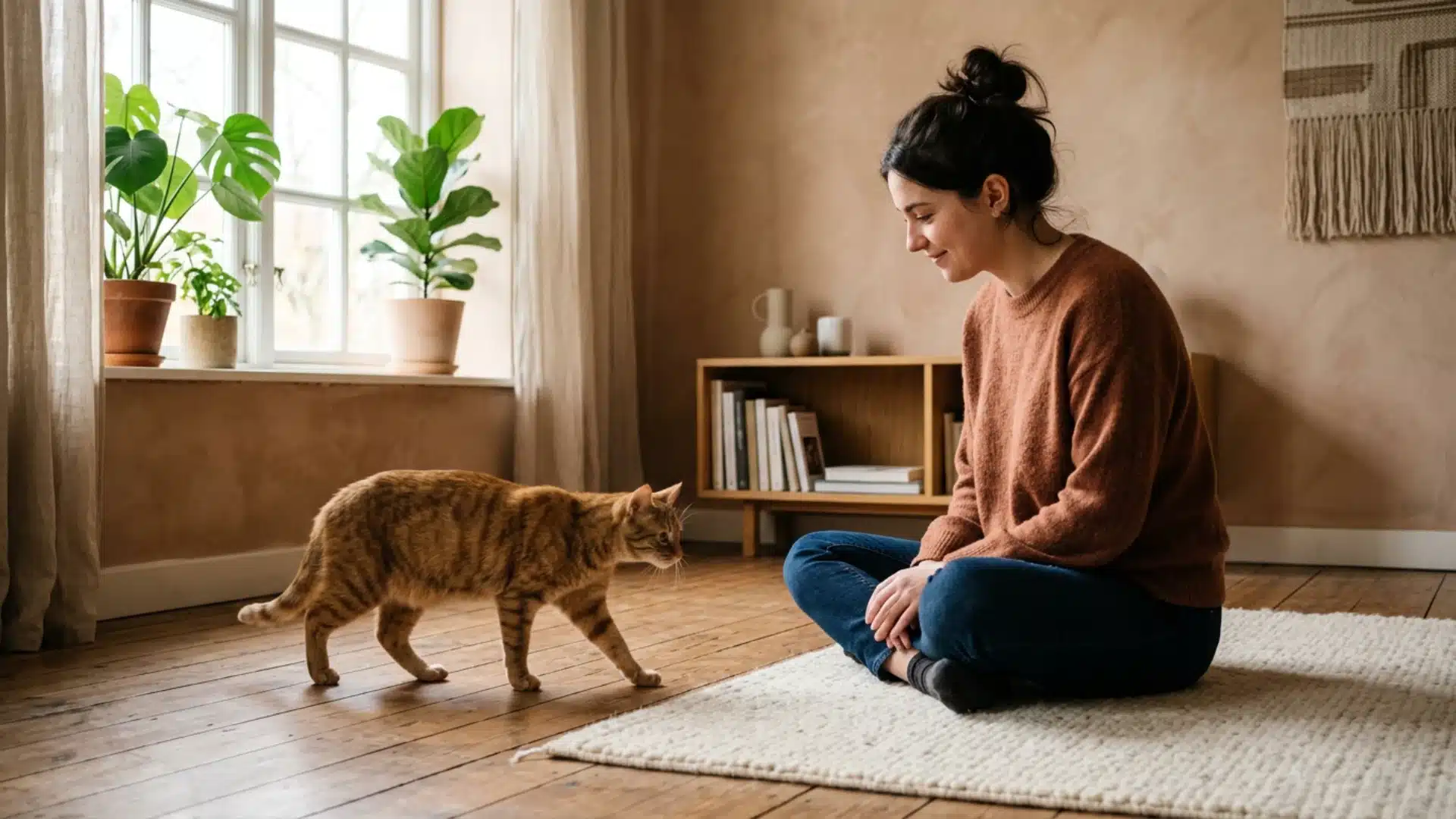
The most affectionate cat I’ve ever worked with wasn’t a male. She was a spayed female tortoiseshell who had already been through two homes before finding a calm, consistent one.
Within six months, she was sleeping on her owner’s pillow every night. What changed wasn’t her genetics. It was the environment.
- Let Them Initiate: Cats bond faster when they’re allowed to approach on their own terms. Reaching for a cat before they’re ready can make them feel trapped or pressured. Giving them space, patience, and choice helps build trust much faster than forcing affection.
- Read the Small Signals: Cats communicate constantly, but their signals can be subtle. A slow blink usually means they feel relaxed around you.
- Keep Routines Consistent: Predictability makes cats feel safe. Feeding them around the same times, offering regular play, and keeping handling calm can make a huge difference.
- Use Positive Reinforcement: Clicker training your cat is not just for teaching tricks. It creates a clear communication loop between you and your cat.
- Match Their Energy: Some cats want active play, while others prefer quiet closeness. Trying to force a lap-sit on a cat who would rather sit beside you can backfire. The strongest bonds happen when you meet the cat where they are, instead of asking them to love you in only one way.
Conclusion
Gender gives you a hint, not a guarantee. Neutered male cats may be more openly social and affectionate, but plenty of deeply devoted, snuggly cats are female. And yes, some famously aloof cats are male.
So, are male cats more affectionate? In my experience, the most loving cats are shaped less by gender and more by their life story, home environment, and the trust you build with them.
Those things matter more than the sex listed on a shelter tag.
If you’re choosing between a male vs female cat, pay attention to the cat in front of you. Watch how they respond when you meet. That first connection can tell you more than any general rule.
Which has been snugglier in your life: a male or female cat? I’d genuinely love to hear in the comments.
Frequently Asked Questions
Are Orange Male Cats More Affectionate than Other Cats?
Orange cats do have a friendly reputation, but coat color alone does not decide personality. Since most orange cats are male, that affectionate image may partly come from male-cat behavior rather than color itself.
Do Male Cats Get Along Better with Female Cats or Other Males?
Neutered males may be more tolerant in multi-cat homes, but temperament matters more than sex. Slow, careful introductions are what usually determine success.
At What Age Do Male Cats Become More Affectionate?
Many male cats mellow after neutering and become calmer again around 2 to 4 years old. Some senior cats also grow more affectionate as they seek warmth and closeness.
Can a Cat Become More Affectionate over Time with the Right Owner?
Yes. With patience, routine, gentle handling, and respect for their pace, many anxious or undersocialized cats can become much more affectionate over time.