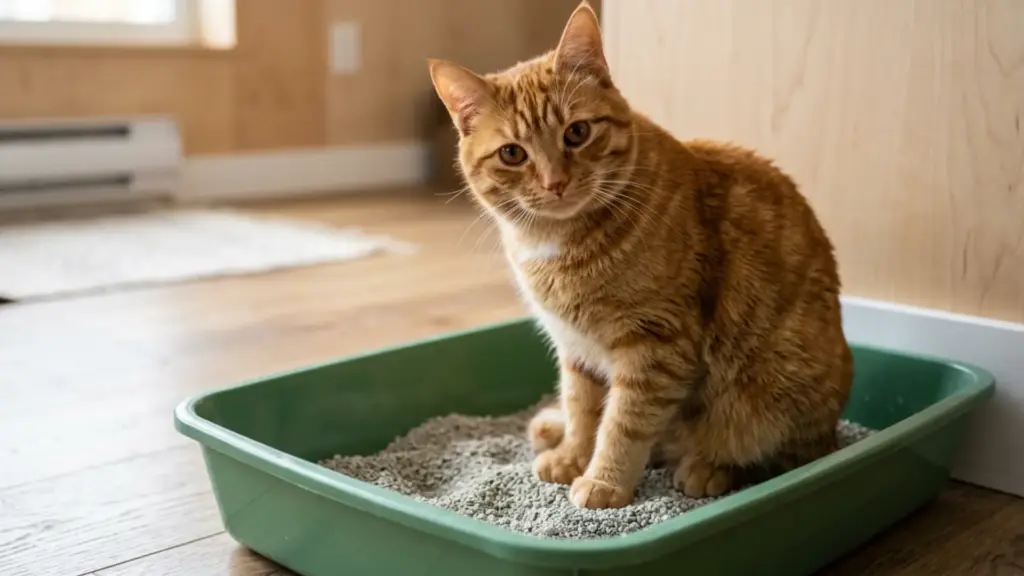
When a cat suddenly starts peeing somewhere it shouldn’t, it can feel stressful, confusing, and, honestly, pretty frustrating.
One day the litter box routine seems fine, and the next day there is a wet spot on the bed, floor, laundry, or rug. The hard part is figuring out what your cat is trying to tell you.
A cat peeing outside the litter box may be dealing with a medical issue, stress, a dirty box, the wrong litter, pain, or a change at home.
This blog breaks down the common reasons simply, so you can check the right things first.
You will learn when to check the litter box setup, when stress may be involved, how to clean the spot, and when a vet visit should not be delayed.
Is This a Medical Problem or a Litter Box Problem?
A sudden change in bathroom habits should not be ignored. Cats often hide pain, so peeing outside the box can be one of the first signs that something is wrong. It may look like a litter box issue at first, but health problems can make urinating painful, urgent, or harder to control.
Common medical causes may include:
- UTI: A urinary tract infection can make peeing painful, so a cat may rush, miss the box, or pee in small amounts.
- Bladder crystals: Bladder crystals can irritate the bladder and sometimes block urine flow, especially in male cats, which can become an emergency.
- Kidney issues: Kidney issues may cause increased thirst and more frequent urination, so the litter box can fill faster or accidents may occur.
- Diabetes: Diabetes can make a cat drink much more water and pee more often, which may lead to sudden accidents around the home.
- Pain or arthritis: Pain or arthritis can make climbing into a high-sided box uncomfortable, so older cats may choose easier spots on the floor instead.
If the change is sudden, a vet check is the safest first step.
Why is My Cat Peeing Outside the Litter Box?
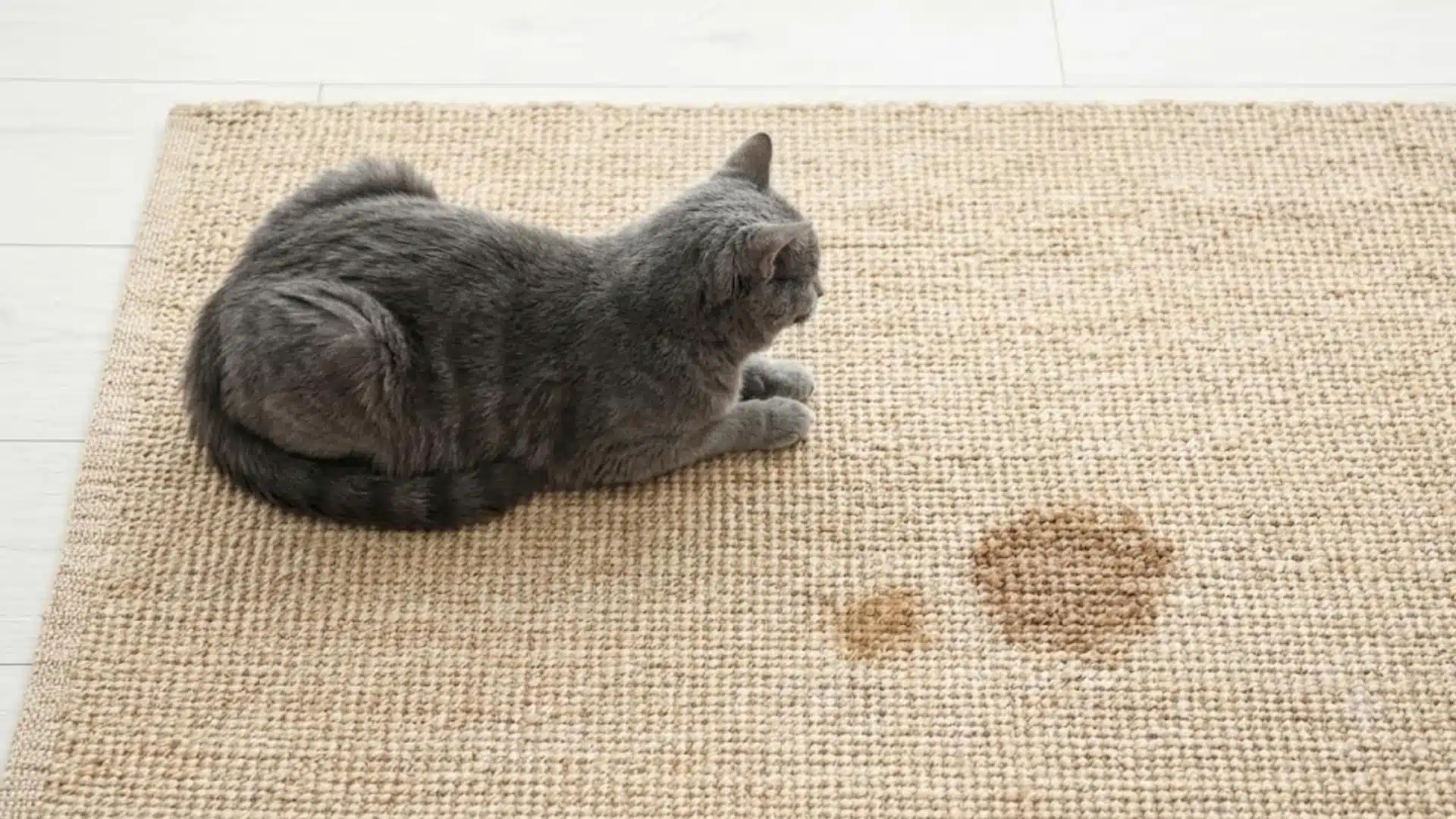
Most everyday causes come down to the box, the litter, the location, stress, or a smell your cat keeps returning to.
1. Dirty Litter Box
Cats are clean animals, and many will avoid a box that smells strongly or feels messy under their paws. If urine clumps sit too long, the box can become unpleasant fast.
Some cats may still poop there, but pee somewhere else because the urine smell builds up more strongly
Scoop the box daily, wash it often, and replace old litter before the smell settles into the plastic.
2. Wrong Litter Type
A cat may reject the box if the litter feels strange, smells too strong, or suddenly changes.
Scented litter can bother some cats because their noses are very sensitive. Large pellets, sharp crystals, or dusty litter may also feel uncomfortable.
If the problem started after switching brands, go back to the old litter if possible. Most cats do better with soft, unscented, clumping litter.
3. The Box is Too Small
A litter box that is too small can make your cat feel cramped. If the cat cannot turn around, dig, or choose a clean corner, they may start looking for another place.
This is common among large cats, older cats, or cats that use covered boxes. A good rule is to use a box longer than your cat from the nose to the tail base, with enough room to move comfortably.
4. The Box is in a Noisy or Stressful Place
The box location matters more than many owners think. A cat may avoid a box placed near a washing machine, a loud hallway, a barking dog, or a busy doorway.
Cats like to pee where they feel safe and unbothered. If the box feels exposed or scary, accidents can happen. Move it to a quiet, easy-to-reach spot where your cat has privacy without feeling trapped.
4. Not Enough Boxes
A home with too few boxes can create stress, especially with more than one cat. Some cats do not like sharing a box, even if they seem friendly with each other.
Others may want one box for pee and another for poop. The usual advice is one box per cat, plus one extra. Spread them around the home so one cat cannot block another cat from using them.
5. Stress from a New Pet, Baby, Move, or Routine Change
Stress can quickly change litter box habits. A new pet, baby, house move, guest, schedule change, or even new furniture can make a cat feel unsure.
Peeing outside the box may be a response to feeling unsafe or overwhelmed.
Keep the routine steady, give the cat quiet hiding spaces, and make sure food, water, beds, and litter boxes are not being taken over by another pet.
If your cat is also hiding more, grooming excessively, or avoiding people, it’s worth checking signs your cat is anxious, since stress and litter box problems often show up together.
6. Old Urine Smell Pulling the Cat Back
If a spot still smells like urine, your cat may keep returning to it even after it looks clean. Regular cleaners can remove the stain but leave a scent behind that cats can still detect.
This is one big reason cat peeing outside the litter box can become a repeated habit. Use an enzymatic cleaner made for pet urine, wash soft items well, and block access to the area while retraining.
What Users Say About Their Cats Peeing Everywhere?

Many cat owners on Reddit report dealing with a cat peeing outside the litter box and that simple changes made a big difference.
Common fixes include switching from a covered to an uncovered litter box, adding more litter boxes around the home, and improving box placement and cleanliness.
Cat parents often found that stress, litter box preferences, or household changes were contributing factors.
Some also recommend pee pads as a temporary solution to protect floors and make cleanup easier while the root cause is identified.
These firsthand experiences can help if you’re searching for practical ways to get your cat to stop peeing everywhere.
Litter Box Setup that Usually Works Better
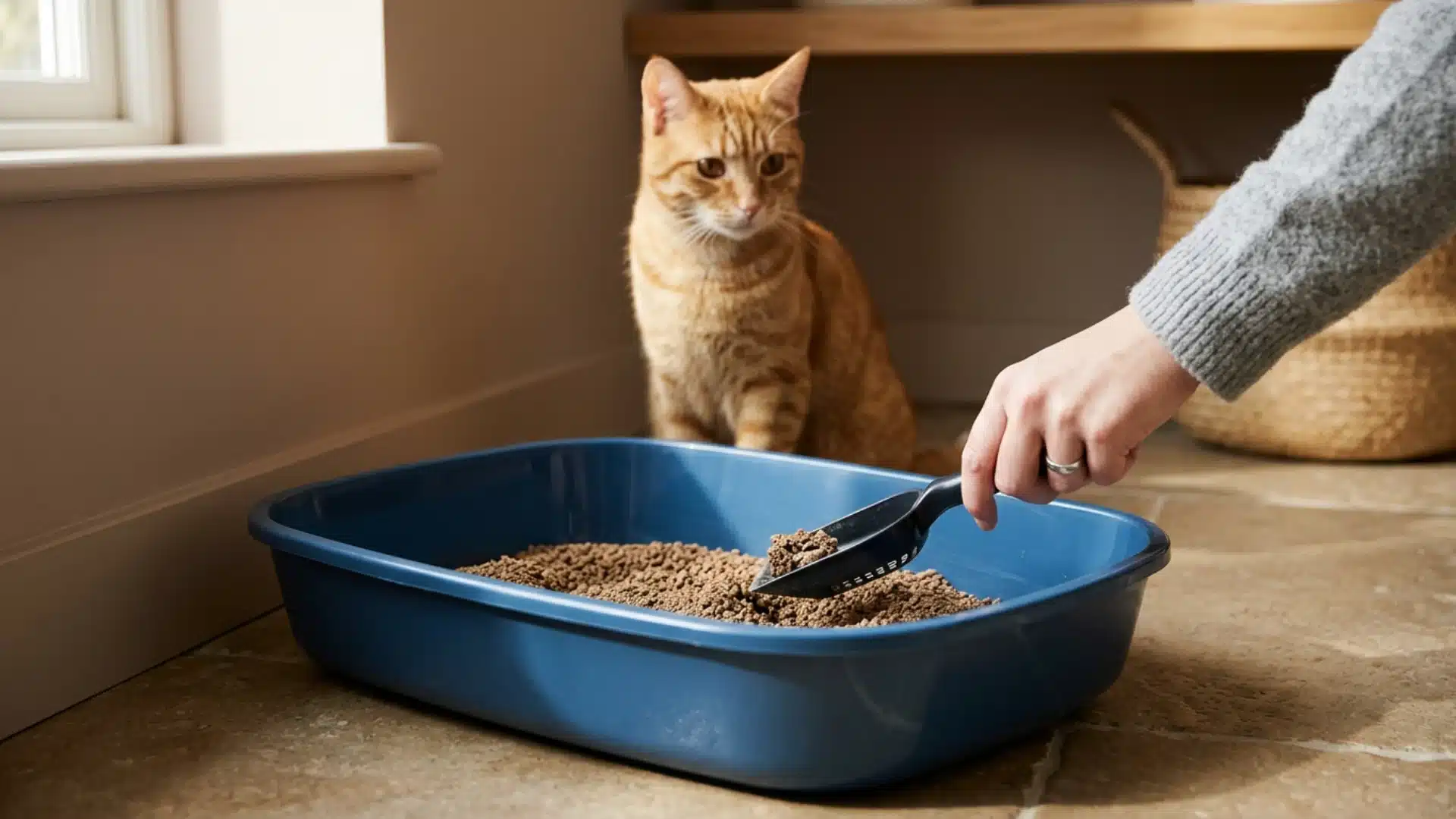
A better setup can make the litter box feel safer, cleaner, and easier to use. Small changes often help, especially if the problem is linked to comfort or location.
Try these litter box setup tips:
- Add enough boxes: Use one box per cat, plus one extra, so every cat has a clean option and no cat feels forced to share.
- Use unscented litter: Strong scents can bother a cat’s nose, even when the litter smells fresh to people, so plain litter is usually safer.
- Choose quiet spots: Keep boxes in calm, easy-to-reach places where your cat will not be startled by loud machines, dogs, or heavy foot traffic.
- Help older cats: Low-entry boxes are easier for older cats, overweight cats, or cats with arthritis because they do not have to climb over high sides.
- Scoop daily: A dirty box can quickly turn cats away, so scoop at least once a day and wash the box before odors build up.
- Skip covered boxes if needed: Some cats dislike covered boxes because they trap smells, feel tight, or make the cat feel cornered while peeing.
- Try a larger box: A bigger box gives your cat more room to turn, dig, squat, and choose a clean spot without feeling cramped.
If cat peeing outside litter box keeps happening after these changes, look at stress and health next.
How to Clean Cat Pee so it Doesn’t Happen Again?
Cat urine smell can stay deep in fabric, floors, and corners, even when the surface looks clean to people.
- Use an enzymatic cleaner: Regular cleaners may remove the stain, but an enzymatic cleaner breaks down the urine smell that can pull cats back to the same spot.
- Avoid ammonia-based cleaners: Ammonia can smell too similar to urine, so it may confuse your cat and make the area seem like a bathroom again.
- Wash bedding properly: If your cat peed on blankets, clothes, or bedding, wash them with a pet-safe cleaner and dry them only after the smell is gone.
- Block repeat spots: While retraining, keep your cat away from the problem area by using a closed door, furniture, or a safe, temporary barrier.
- Move a box nearby: Placing a litter box near the accident spot for a short time can help guide your cat back to the right habit.
When to See a Vet?
Some litter box problems need a vet quickly, especially when your cat seems uncomfortable or cannot pee normally.
Urinary issues can move from mild to serious fast, and a blocked cat may need emergency care.
Watch for signs like straining to pee, crying in the litter box, blood in the urine, or only passing very little urine at a time.
Frequent trips to the box can also mean your cat feels pressure but cannot empty the bladder properly. Hiding, acting weak, refusing food, or seeming unusually quiet can point to pain or illness.
A male cat that cannot pee is an emergency and should be seen right away. If a cat pees outside the litter box with any of these signs, do not wait to see if it clears up.
These signs can overlap with other signs that your cat is unwell, so it’s worth knowing the broader picture too.
What Usually Helps Long Term?
Long-term improvement usually comes from making the box easier to use, lowering stress, and checking health before problems grow.
- Better box routine: Scoop the litter box every day, wash it often, and replace old litter before smell builds up in the box.
- Less stress at home: Keep feeding times, playtime, and quiet areas steady, especially after a move, a new pet, a baby, or a schedule change.
- More water intake: Add extra water bowls, try a cat fountain, or place water away from food and the litter box.
- Wet food if the vet agrees: Wet food can add more moisture to your cat’s diet, which may support better urinary health over time.
- More hiding spots: Give your cat safe spaces, high resting spots, and quiet corners where they can relax without being bothered.
- Separate resources in multi-cat homes: Use separate food bowls, water bowls, beds, and litter boxes so one cat does not block another.
- Regular vet checks: Routine checkups can catch urinary issues, kidney disease, diabetes, pain, or arthritis before they lead to more accidents.
Conclusion
A cat peeing outside the litter box is frustrating, no question. But it’s also your cat’s way of telling you something isn’t right.
Most of the time, the fix is a vet visit, a cleaner or better-positioned litter box, or some adjustments to reduce stress at home.
None of those things are out of reach. Working through the cause systematically, starting with health, then setup, then stress, is the approach that actually gets results.
It takes more patience than you might want to spend, but cats are worth it.
If you’ve been through this with your own cat, what finally worked? Drop it in the comments below. Your experience could save another cat parent many sleepless nights.
Frequently Asked Questions
Can I Punish My Cat for Peeing Outside the Litter Box?
No, punishment doesn’t work for this and often makes things worse. Adding stress to an already anxious cat tends to elevate the problem rather than stop it.
Will My Cat Go Back to Using the Litter Box on Their Own?
It depends on the cause. If the cause was a short-lived medical issue, The cat may return to the box on its own. Whereas if the cause was stress or a litter box problem, the habit of going elsewhere can persist even after the original trigger is gone.
Does Spaying or Neutering Always Stop Spraying?
It dramatically reduces spraying in most cats but doesn’t guarantee it stops completely. Spaying or neutering is most effective when done before spraying becomes an established habit.
How Long Does it Take to Fix Litter Box Problems?
Medical issues often take a few days to weeks once treatment starts, whereas Behavioral and stress-related problems can take several weeks of consistent changes before you see a clear improvement.