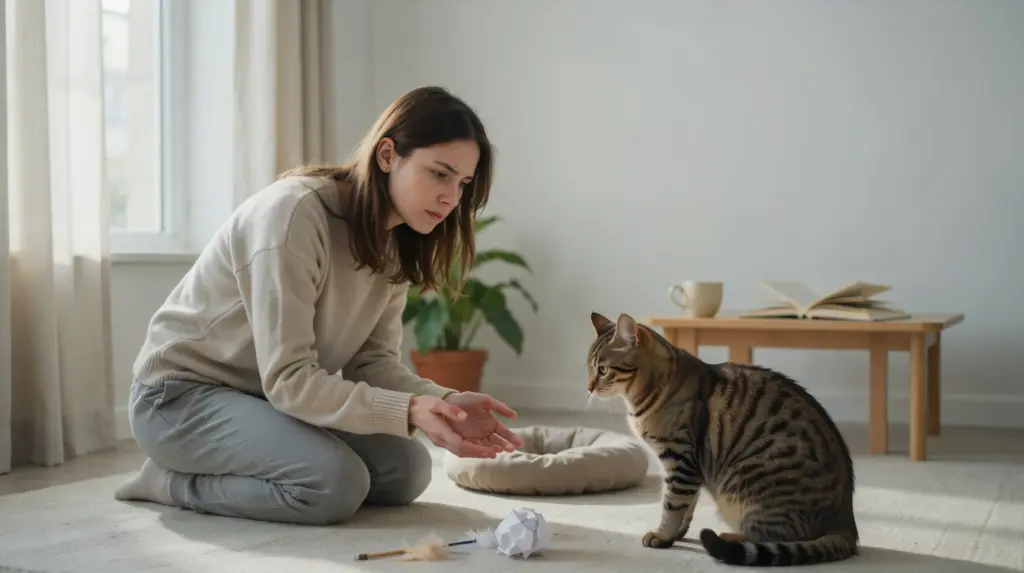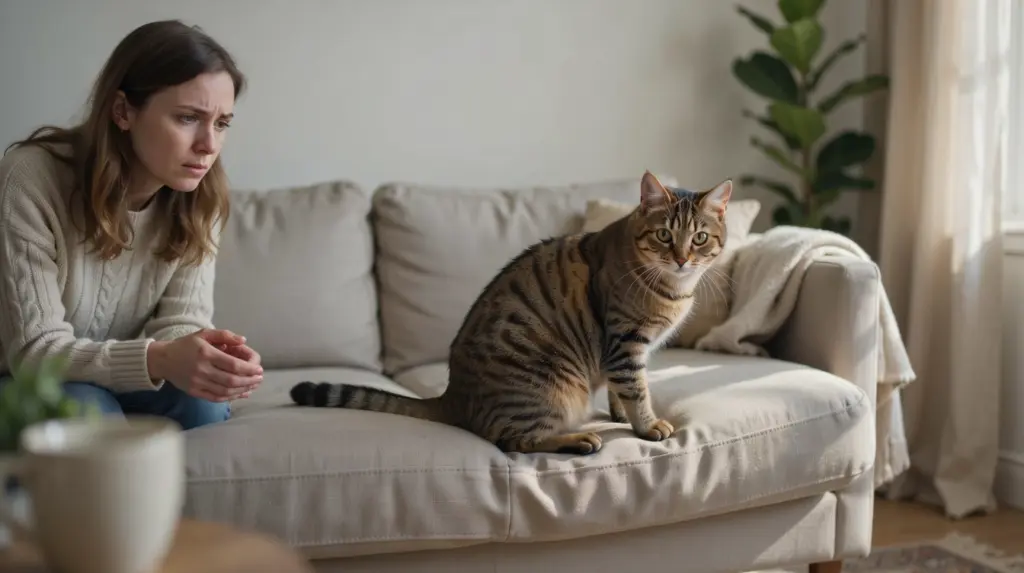
A sudden change in your cat’s behavior can feel confusing, especially when she starts yowling, rolling, or acting unusually clingy.
Many owners wonder do cats have periods when these signs appear for the first time. The answer is different from what happens in humans.
Female cats do not menstruate, but they do go through a heat cycle that affects their hormones, fertility, and behavior.
During this stage, a cat may become louder, more affectionate, restless, and eager to escape outdoors.
Knowing how the heat cycle works helps you understand what is normal, when the cycle typically starts, and why bleeding should always be taken seriously rather than ignored.
Do Cats Have Periods?
No, cats do not have periods like humans. Female cats go through a heat cycle, also called the estrous cycle.
During this cycle, their body prepares for mating and possible pregnancy, but they do not shed the uterine lining each month.
Instead, the body usually reabsorbs it if pregnancy does not happen. This is why healthy cats do not normally bleed during heat.
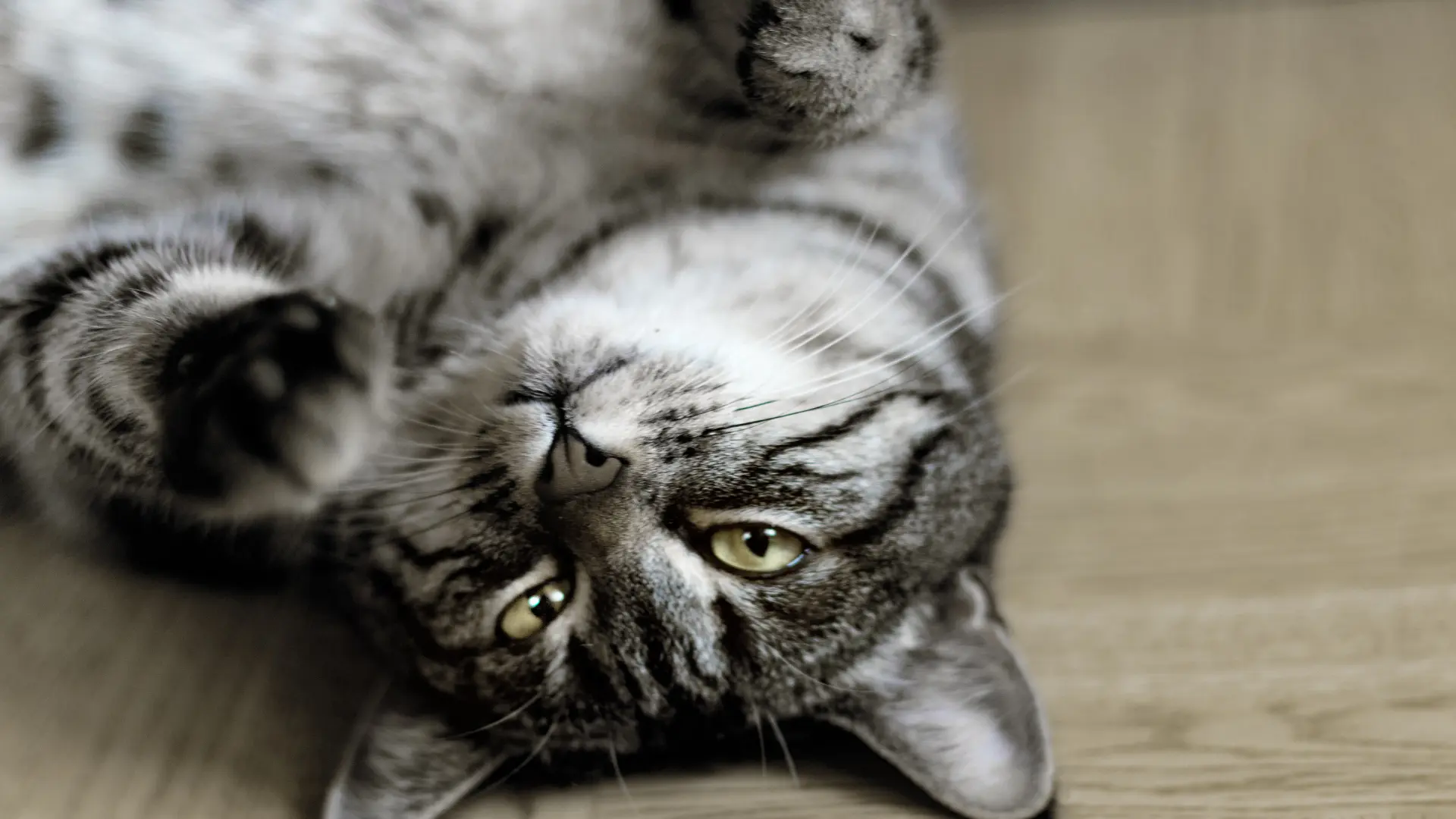
What many owners call a cat’s “period” is actually heat, which can cause loud yowling, rolling, rubbing, restlessness, raised hindquarters, and attempts to escape outdoors.
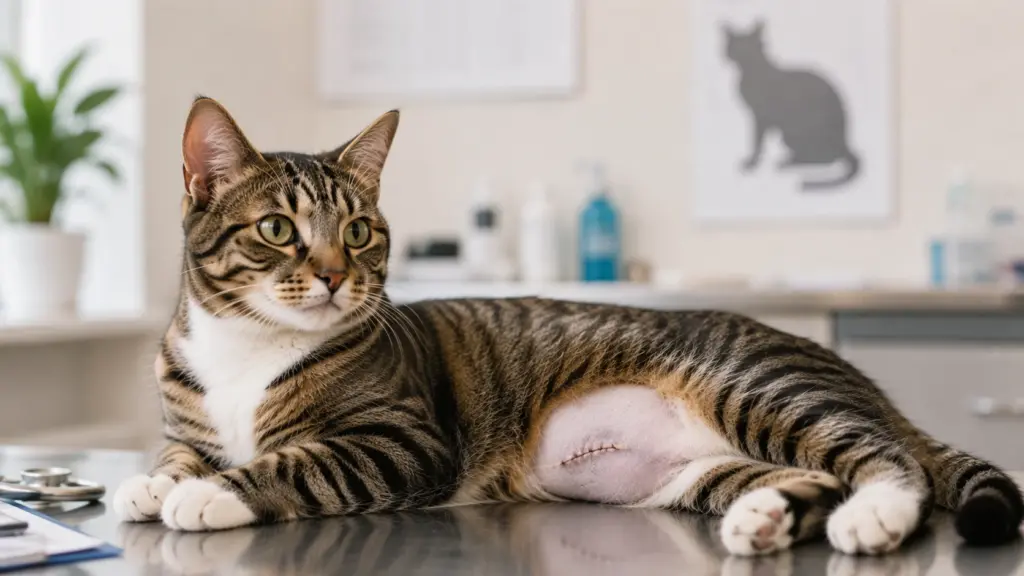
If you see blood, unusual discharge, or signs of pain, contact a veterinarian because bleeding is not a normal part of heat.
When Do Cats Get Their Period or Go into Heat?
Most female cats have their first heat cycle somewhere between 4 and 12 months of age. That’s a wide range, and a few things explain why:
- Breed: Smaller and Oriental breeds, like Siamese, tend to cycle earlier, sometimes as young as 4 months. Larger breeds may not start until closer to 10 to 12 months.
- Daylight exposure: Cats are seasonal breeders. Longer days signal the body that it’s time to start cycling.
- Body weight: A cat needs to reach a certain size before her first heat. Underweight kittens often cycle later.
- Environment: Indoor cats exposed to artificial lighting year-round can cycle at any time, because their bodies receive a constant “daylight” signal regardless of season.
Once a cat starts cycling, she can go into heat every 2 to 3 weeks throughout the breeding season if she doesn’t become pregnant. In many parts of the world, that season runs from early spring through fall. For indoor cats, it can happen year-round.
Do Cats Bleed During Their Period?
No, cats do not normally bleed during heat because they do not have periods like humans.
A healthy cat may become louder, more affectionate, restless, or eager to go outside, but visible blood is not part of the cycle.
If you notice blood on her bedding, fur, litter box, or around the genital area, it should be treated as a possible health concern.
Bleeding may come from a urinary tract issue, an infection, an injury, or a reproductive condition.
Even light spotting should not be ignored if it recurs or is accompanied by discomfort, weakness, loss of appetite, or unusual discharge. In that case, contact a veterinarian for proper care.
When is Bleeding Considered a Warning Sign?
Several conditions can cause bleeding in female cats, and none of them should be ignored. Consult a veterinarian if your cat shows any of the symptoms below.
- Pyometra: A serious uterine infection that occurs in unspayed cats. The uterus fills with pus. In pyometra, some of that discharge can exit the body.
- Vaginal infections: Bacterial infections in the vaginal canal can cause a bloody discharge, swelling, and odor.
- Urinary tract infections (UTIs): Cats with UTIs may appear to be bleeding from their reproductive area, but the blood is actually in their urine.
- Trauma or injury: A cat that has been in a fight, fallen, or been in an accident may bleed from external or internal injuries.
- Reproductive tumors: Though less common in younger cats, growths on the uterus or ovaries can cause abnormal discharge.
If you’re thinking about timing, it helps to read up on caring for a young kitten. Spaying timing often comes up early in a kitten’s first vet visits.
Any visible bleeding from a female cat should be evaluated by a veterinarian. Don’t wait to see if it resolves on its own.
Signs Your Cat is in Heat
Heat signs are mostly behavioral, but some physical changes can also appear. These signals often become stronger during the fertile stage.
- Loud vocalization: A cat in heat may yowl more than usual, often with a long, low sound that seems urgent or distressed.
- Increased affection: She may rub against people, furniture, walls, or floors more often and seek constant attention.
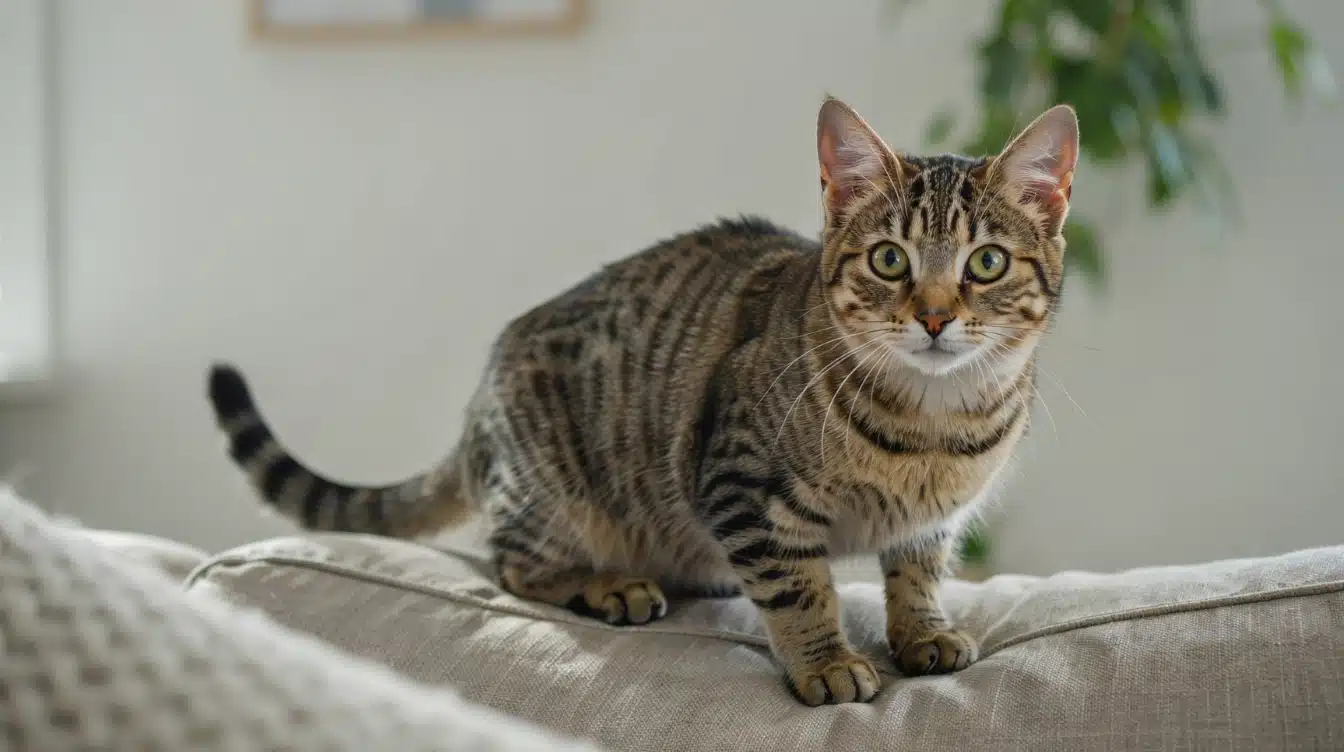
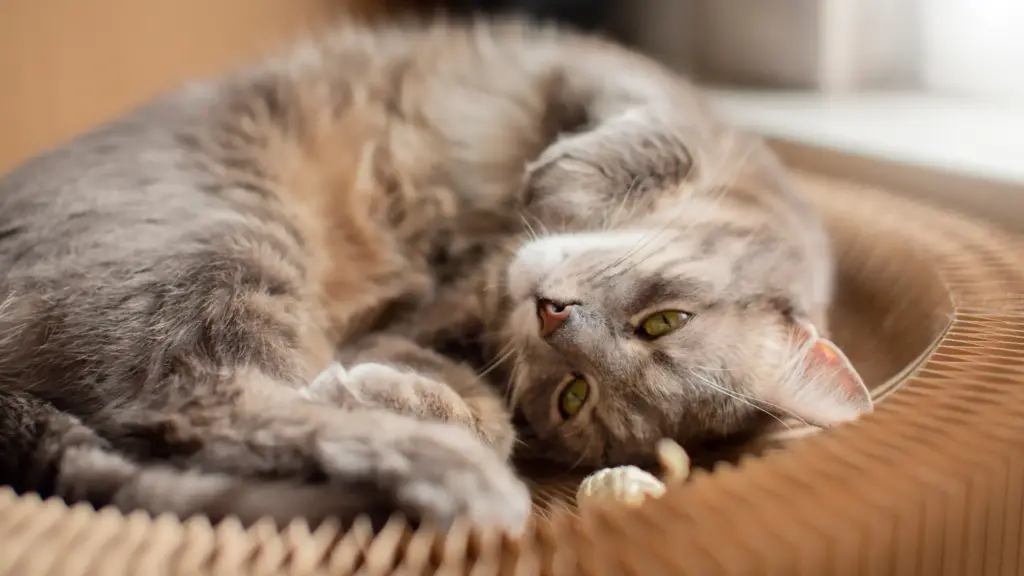
- Rolling and restlessness: Many cats roll, stretch, pace, or move around the house as if they cannot settle.
- Escape attempts: She may scratch at doors, sit near windows, or try to run outside to find a mate.
- Mating posture: When touched near the tail, she may raise her hindquarters, move her tail sideways, and stay in that position.
How Long Does a Cat Stay in Heat?
Atypical heat cycle lasts 4 to 10 days. The average is closer to 7 days, though some cats cycle for as few as 3 days and others for as long as 2 weeks.
If the cat doesn’t mate during that window, the heat ends, and she enters a brief resting phase (usually 1 to 2 weeks). Then the cycle starts again.
This can repeat many times throughout the breeding season, which is why some cat owners feel like their cat is constantly in heat.
For owners of unspayed cats, this repetitive cycling is one of the biggest quality-of-life issues.
Understanding the Stages of the Feline Heat Cycle
The feline reproductive cycle actually has five distinct stages, and understanding all of them makes it much easier to recognize what’s normal and what isn’t.
Stage 1: Proestrus
Proestrus is the first stage of the feline heat cycle and usually lasts 1 to 2 days. During this stage, hormone levels begin to change, but the cat is not yet ready to mate.
Signs are usually mild. She may seem more affectionate, rub against people or furniture, or act slightly restless. Loud yowling and mating posture usually have not started, so many owners may not notice this early phase.
Stage 2: Estrus
Estrus is the active heat stage and usually lasts 4 to 10 days. This is the fertile phase, when a female cat can become pregnant if she mates.
Heat signs are usually clear during this stage. She may yowl loudly, roll on the floor, raise her hindquarters, move her tail to one side, and try to get outdoors.
Because pregnancy can occur during estrus, unspayed cats should be kept indoors.
Stage 3: Interestrus
Interestrus happens when a cat does not mate and does not ovulate during estrus. This stage usually lasts 1 to 2 weeks.
Hormone levels drop, and most heat behaviors stop for a short time. Your cat may become calmer, eat normally, sleep better, and stop trying to escape.
However, this pause is temporary. If she remains unspayed and does not become pregnant, another heat cycle can begin soon.
Stage 4: Diestrus
Diestrus happens after ovulation, most often after mating. During this stage, progesterone rises to support a possible pregnancy. I
f the cat becomes pregnant, her body continues preparing for kitten development. If pregnancy does not occur, hormone levels remain elevated for a period before returning to normal.
Heat behaviors usually stop during diestrus, so owners may notice a calmer phase. A veterinarian can confirm pregnancy if mating has happened.
Stage 5: Anestrus
Anestrus is the inactive stage of the reproductive cycle. During this phase, the ovaries are mostly quiet, and the cat does not show heat behavior.
Outdoor cats commonly enter anestrus during shorter daylight months, especially from late fall through winter.
Indoor cats may not have a clear resting stage if they are exposed to artificial lighting throughout the year. This is why some indoor unspayed cats may cycle more often
Can Spayed Cats Go into Heat?
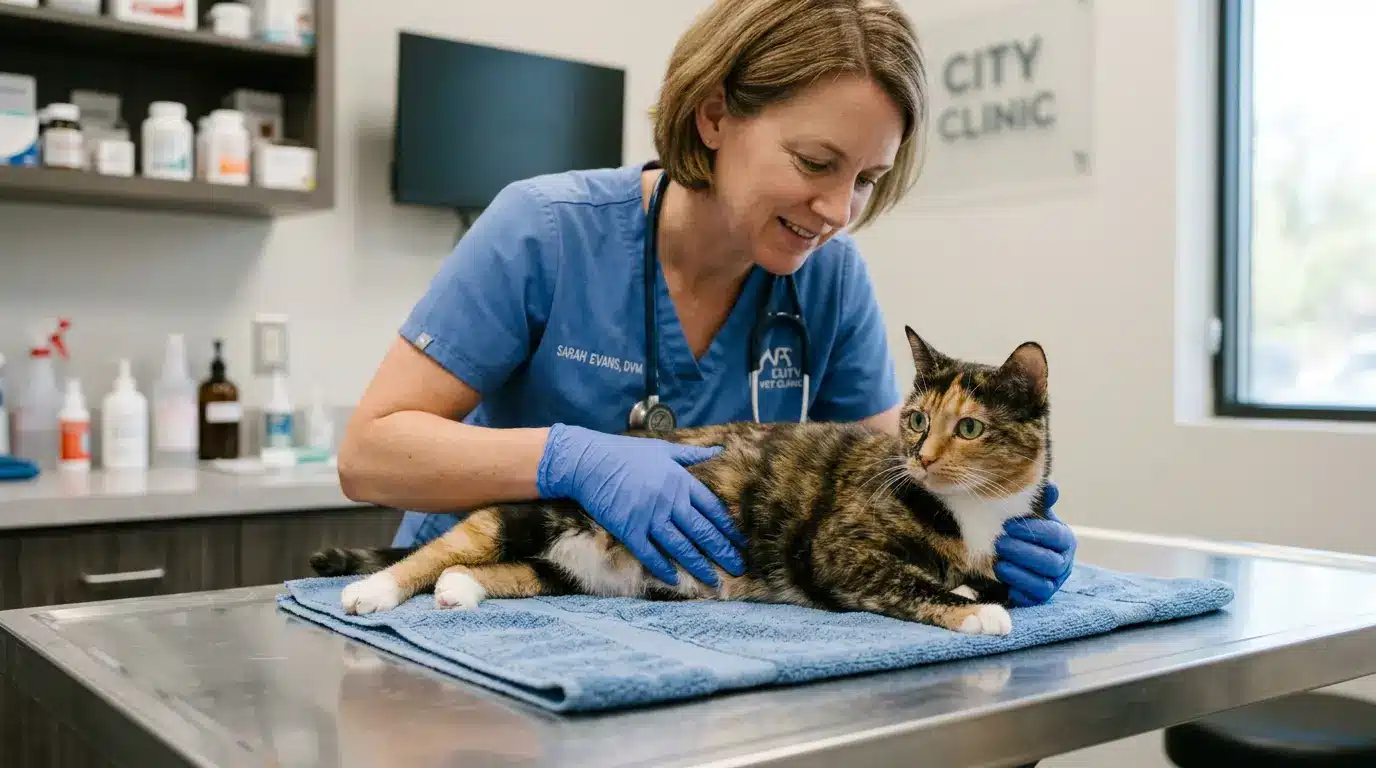
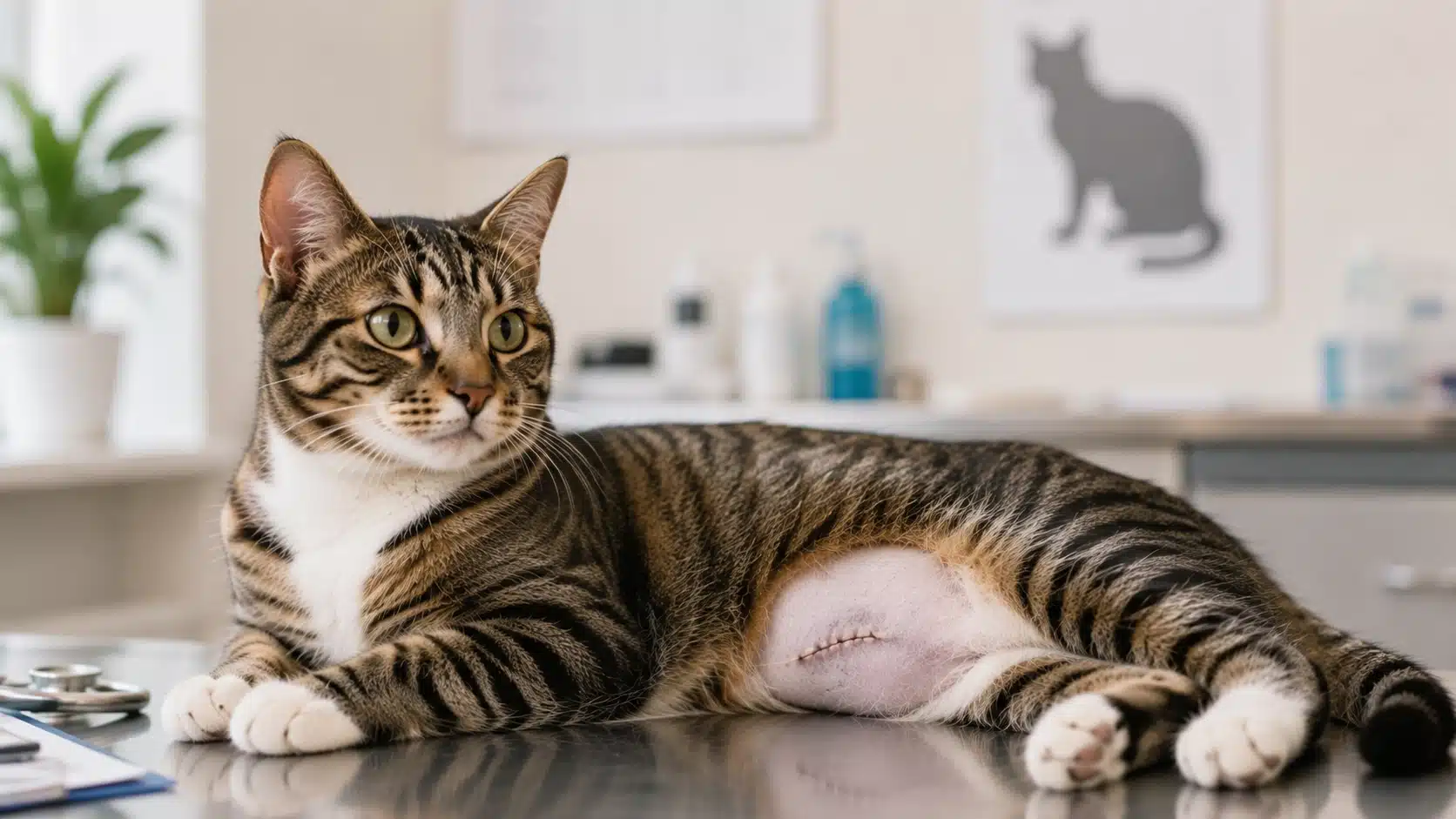
No, a properly spayed cat should not go into heat. Spaying removes the ovaries and usually the uterus, so the hormones that trigger heat cycles stop.
Some heat-like behaviors may fade gradually over the next few weeks as hormone levels drop, especially if the cat was recently spayed.
Spaying also prevents pregnancy and removes the risk of pyometra, a serious uterine infection. When done early, it can greatly reduce the risk of mammary tumors.
Since the reproductive organs are removed, the cat also cannot develop ovarian or uterine cancer.
How to Help a Cat in Heat?
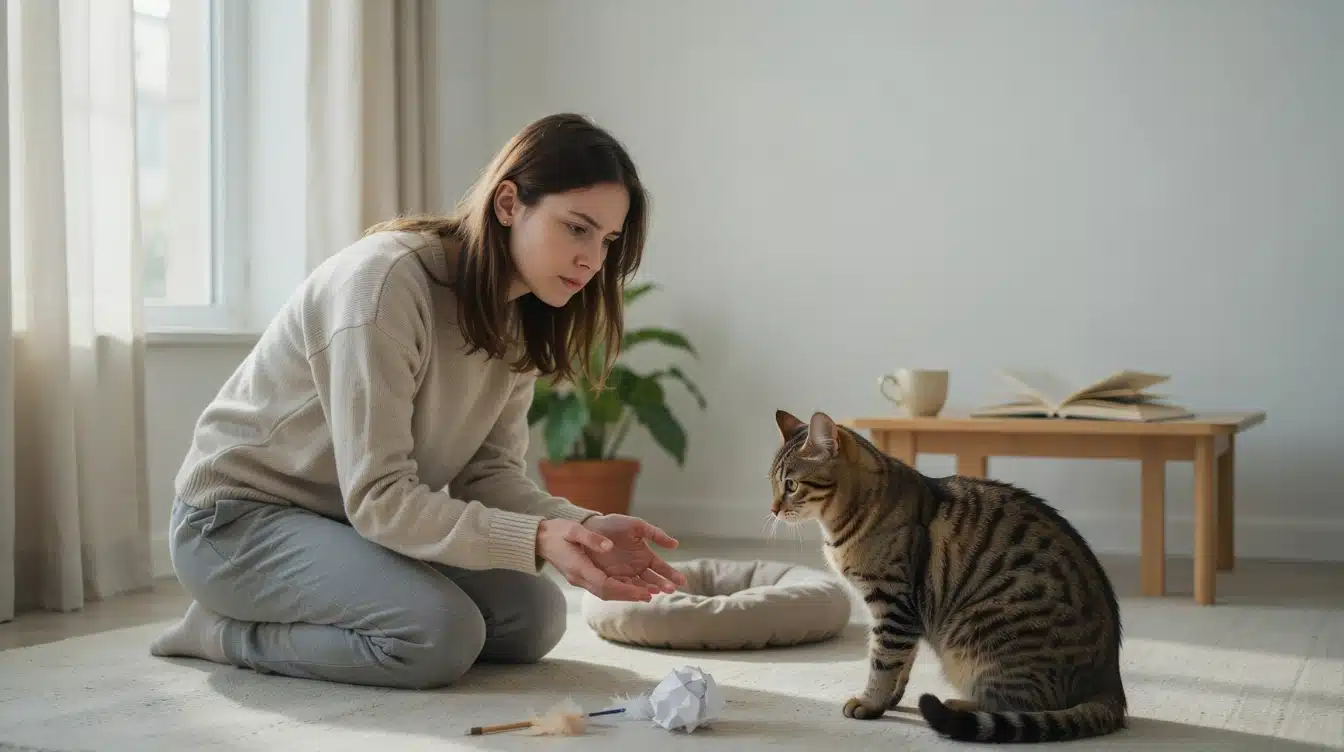
If your cat is in heat and not yet spayed, there are some ways to make the experience easier for both of you while you arrange surgery.
- Keep Your Cat Indoors: A cat in heat will do everything she can to get outside. Double-check that all windows and doors are secure.
- Provide Extra Attention: Some cats in heat respond well to interaction. Petting, playtime, and sitting with them can ease the restlessness.
- Create a Calm Environment: Reduce household noise and stress. A warm, comfortable sleeping spot can help a restless cat settle a little.
- Consider Spaying: Spaying is the only permanent solution to heat cycles. Spaying before the first heat significantly eliminates the risk of pyometra.
When Should You Call a Vet?
Call a veterinarian if your cat has bleeding, bloody discharge, or a foul smell around the genital area, because these are not normal signs of heat.
You should also seek care if she seems weak, hides more than usual, stops eating, vomits, strains in the litter box, or has a swollen or painful belly.
These symptoms may indicate a urinary infection, injury, pyometra, or another reproductive problem that requires treatment.
A cat in heat may be noisy and restless, but she should still eat, move, and respond normally. If her behavior seems painful or unusual, it is safer to have her checked promptly
Conclusion
Understanding your cat’s heat cycle makes it easier to distinguish normal behavior from signs that require medical attention.
If you came here wondering, Do cats have periods, the key thing to remember is that heat is not the same as menstruation, and bleeding should never be treated as routine. Watch for changes in appetite, energy, urination, discharge, or pain, especially if your cat is unspayed.
Spaying can prevent repeated heat cycles, unwanted pregnancy, and several reproductive health risks. If your cat’s symptoms seem unusual, a veterinarian is the safest next step.
Have you dealt with a cat in heat before? Share your experience in the comment section below.
Frequently Asked Questions
Can a Cat Get Pregnant During Her Very First Heat?
Yes. Cats can become pregnant during their first heat, often at 4–5 months. Early pregnancy increases health risks, so vets recommend spaying before maturity.
Why Does My Cat Go In and Out of Heat so Quickly?
If your cat seems to cycle back-to-back with barely a break, she may be experiencing persistent or overlapping estrous cycles.
At What Age Do Cats Stop Going Into Heat?
Unlike humans, cats do not experience menopause and can continue going into heat throughout their lives if they remain unspayed.