A pretty coat may catch your eye, but an Aussie’s mind is what really keeps you busy. The Australian Shepherd is smart, active, loyal, and always ready to be involved in whatever the family is doing.
This breed does not enjoy sitting around with nothing to do. It wants movement, attention, training, and a clear place in daily life.
That is why understanding the Australian Shepherd dog temperament matters before bringing one home. Aussies can become loving, focused, and fun family dogs when their needs are met.
But without exercise, mental tasks, and structure, they may become restless, noisy, or difficult to manage.
This blog post explains their personality, energy level, herding instincts, trainability, and whether this breed fits your lifestyle.
What is the Australian Shepherd Dog Temperament Like?
Australian Shepherd dog temperament is best described as smart, active, loyal, and highly alert. This breed was developed to work closely with people, so Aussies often form strong bonds with their families.
They enjoy being involved in daily life and usually do not like being left with nothing to do. Their energy level is high, and their minds stay busy, which means they need regular exercise, training, and mental games.
Australian Shepherd personality can also include strong herding instincts, so some may chase, circle, or nip during play.
With proper socialization, structure, and attention, an Australian Shepherd can become a loving, obedient, and fun companion for an active home.
Key Australian Shepherd Characteristics
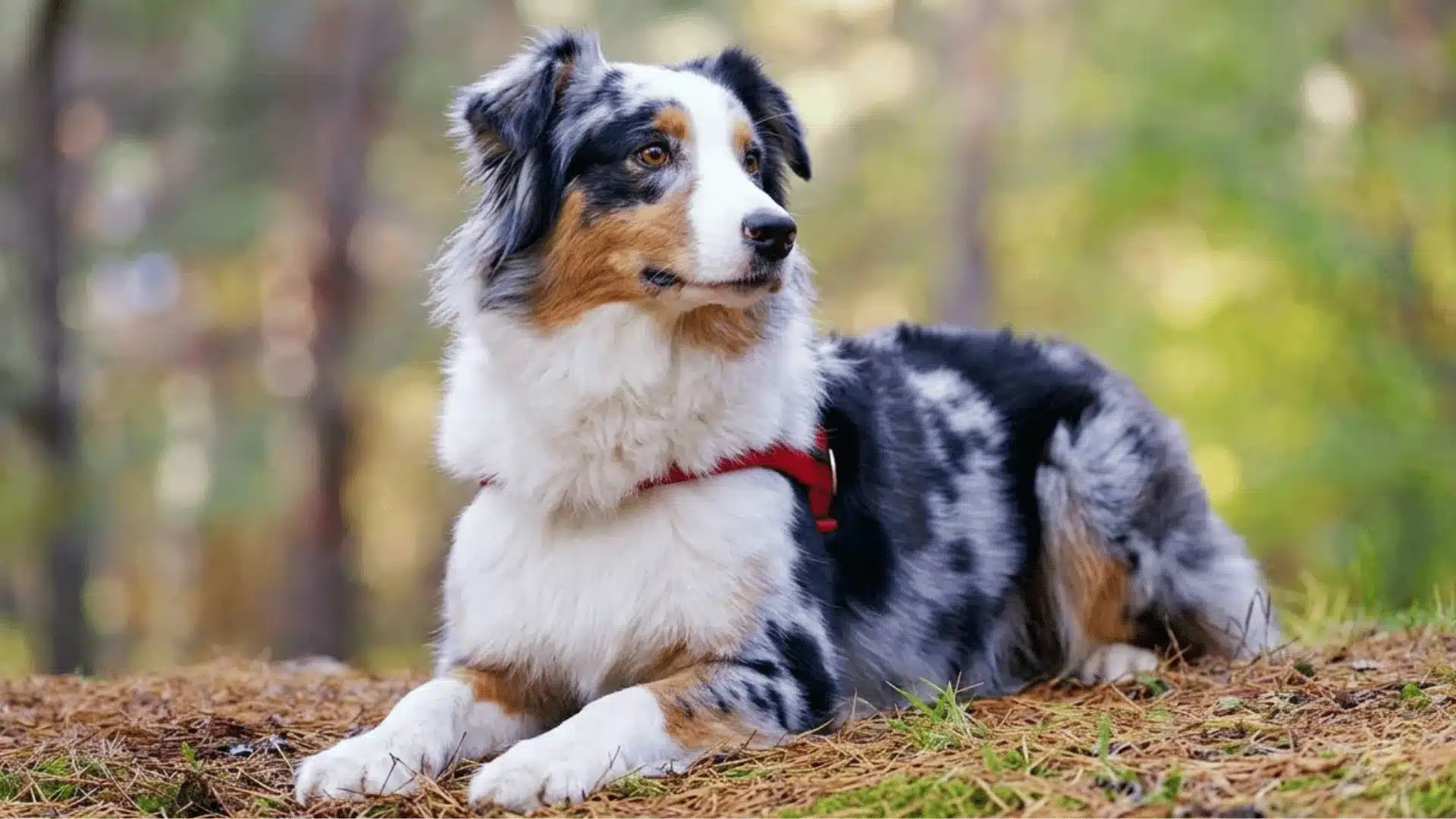
Understanding the core Australian Shepherd characteristics early helps you figure out whether this breed actually matches your lifestyle, not just the version of your lifestyle you’d like to have.
1. High Energy Level
Australian Shepherds are active dogs that need more than a short walk around the block. They do best with daily exercise such as long walks, running, fetch, hiking, or agility games.
Without enough movement, they may become restless or noisy at home. Their energy is not just physical either.
They also need tasks that keep their mind busy, which makes them better suited for owners who enjoy an active routine.
2. Strong Intelligence
One major characteristic of the Australian Shepherd is intelligence. These dogs can learn commands, patterns, and routines very quickly.
This makes training easier, but it also means they notice gaps in rules. A bored Aussie may invent its own activities, such as opening doors, stealing items, or chasing moving objects.
Clear training, puzzle toys, and regular learning sessions help turn their smart nature into good behavior.
3. Natural Herding Instinct
Australian Shepherds were bred to move livestock, so herding behavior is part of their nature. Some Aussies may chase children, circle other pets, or nip at heels during play.
This does not always mean aggression. It is often instinct. Owners should guide this behavior early through training, redirection, and controlled play.
Herding games, obedience work, and dog sports can give this instinct a better outlet.
4. Loyal and Family Focused
Australian Shepherds often form a deep bond with their family. They like being near their people and may follow them from room to room.
This loyalty can make them loving companions, but it can also lead to clingy behavior if boundaries are not taught.
Socialization helps them feel confident around guests, other dogs, and new places. A well-raised Aussie is usually affectionate, watchful, and deeply connected.
5. Highly Trainable Nature
Aussies usually respond well to training because they enjoy having a job. They often pick up basic commands, advanced tricks, and sport skills faster than many breeds.
Positive reinforcement works best, especially when lessons are short, clear, and consistent. Harsh handling can make them confused or stubborn.
Since they are sensitive and eager, they need a calm owner who can set rules without being forceful.
6. Alert and Watchful Behavior
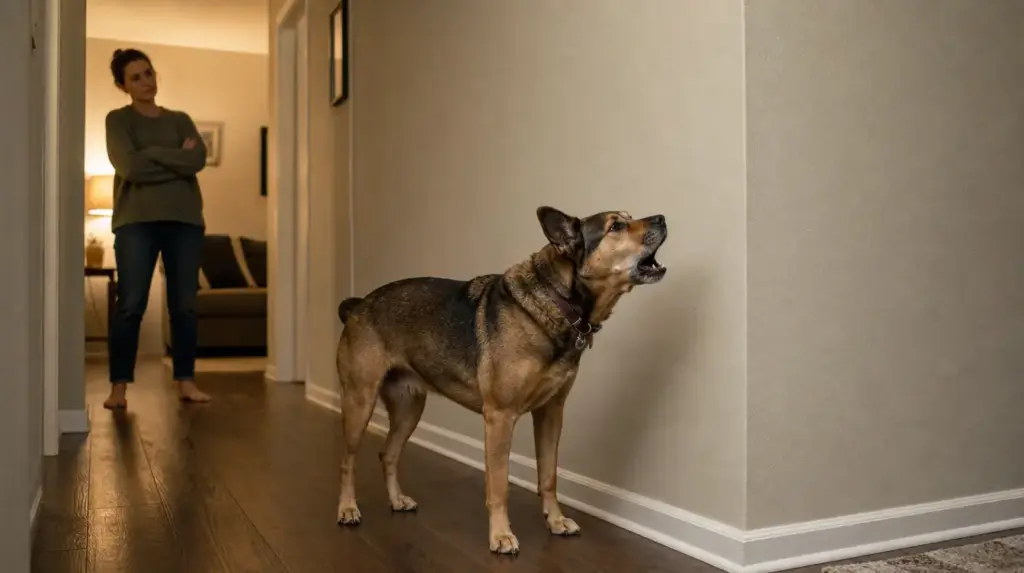
Australian Shepherds are naturally aware of their surroundings. They may quickly notice sounds, movement, visitors, or changes in the home. This alert nature can make them good watchdogs, but it can also lead to barking if not managed.
Teaching quiet commands, rewarding calm behavior, and giving enough daily activity can help. With proper guidance, their watchful side becomes useful instead of overwhelming.
Are Australian Shepherds Good Family Dogs?
Yes, Australian Shepherds can be good family dogs for active homes that can meet their exercise and training needs.
They are loyal, playful, and often bond closely with adults and children. However, their herding instinct may lead them to chase or nip at younger kids during play. Early training helps teach better manners around the family.
Aussies also need daily activity, not just occasional outdoor time. A bored Australian Shepherd may bark, chew, or become too demanding.
Families who enjoy walks, games, training, and outdoor routines usually find this breed loving and fun. Less active homes may struggle to manage their energy use.
If you’re still weighing whether an Aussie is the right match for your family, comparing them with other top dogs for kids and families can help you see where the breed sits on the energy-and-patience scale.
Australian Shepherd Temperament Male vs Female
Male and female Australian Shepherds can differ slightly, but training, socialization, and daily routine shape temperament more than gender.
| Trait | Male Australian Shepherd | Female Australian Shepherd |
|---|---|---|
| Affection | Often more openly clingy | Often affectionate but more independent |
| Maturity | May mature slower | Often matures faster |
| Training Focus | Playful, sometimes distractible | Usually more focused |
| Bonding | May bond with the whole family | May choose one main person |
| Energy | Very active and playful | Active but often more controlled |
| Strangers | Friendly with socialization | May be more reserved |
Are Australian Shepherds Easy to Train?
Yes, Australian Shepherds are easy to train for owners who stay consistent. They are intelligent, responsive, and usually enjoy learning commands, tricks, and tasks.
Training works best when lessons feel active and rewarding, such as using treats, praise, toys, or short games.
Their sharp mind can also create problems if the rules are unclear. An Aussie may repeat unwanted behavior if it gets attention or freedom.
Early socialization is important because some people can be reserved around strangers. During adolescence, they may test limits, so owners should maintain steady routines.
With calm guidance and daily practice, Australian Shepherds can become highly obedient and well-mannered dogs.
Many Aussies test limits between 10 and 18 months. The easy-to-train dog breeds put their training effort in context. Staying consistent through adolescence shapes behavior by age two.
Australian Shepherd Herding Instincts and Common Behaviors
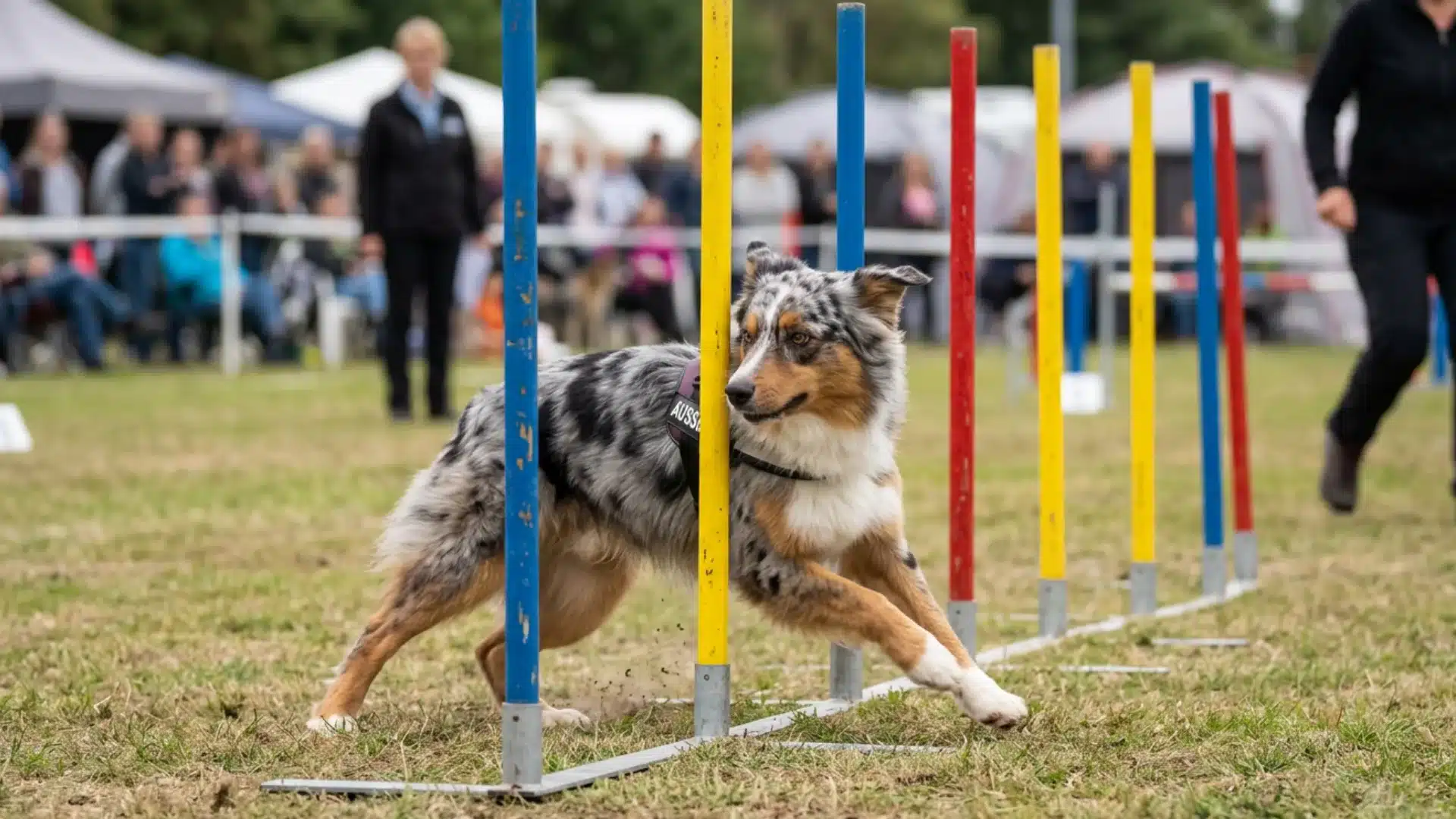
Australian Shepherd herding instincts often appear through chasing, circling, staring, nipping, and barking, especially when people, pets, or objects move quickly.
- Nipping at heels: Aussies may nip when children run or pets move fast. This is a herding reflex, not automatic aggression, but it should be redirected early with training.
- Circling people or pets: Some Aussies move around family members, guests, or animals to control direction. Owners can interrupt this with recall, place training, or structured play.
- Fixed staring: An Aussie may lock eyes with a person, pet, or moving object. This focused stare is part of herding pressure and should be redirected before chasing starts.
- Chasing movement: Bikes, joggers, cars, squirrels, and running kids can trigger chasing. A secure fence, leash control, and reliable recall are important for safety.
- Barking to direct: Some Aussies bark to make people or animals move. Teaching a quiet command and rewarding calm behavior helps reduce this habit.
Is the Australian Shepherd a Good Fit for Your Lifestyle?
An Australian Shepherd is best suited to active owners who can provide daily exercise, training, structure, and plenty of time with the family.
- Daily exercise matters: Adult Aussies need regular movement, such as long walks, running, hiking, fetch, or outdoor play.
- Training must be ongoing: This breed needs regular lessons, clear rules, and mental challenges, not just one basic obedience class.
- Alone time can be difficult: Australian Shepherds are people-focused and may struggle if left alone for long hours every day.
- Structure helps behavior: Predictable routines, boundaries, and calm guidance help Aussies stay balanced and easier to manage at home.
- Low-energy homes may struggle: Aussies are harder for owners who want a quiet, low-maintenance dog or cannot manage herding behavior. If a quieter, more low-key dog sounds more realistic for your situation, it’s worth reading about lower-energy breeds that are easier to manage before committing.
Conclusion
The Australian Shepherd is rewarding if you are truly ready for the breed. Aussies are loyal, bright, funny, and deeply attached to their people.
They can make you more active and consistent than you expected, but they also need daily effort.
Many Aussies end up in rescue because people fall for their looks before learning their needs. A tired owner and a restless dog can struggle fast. Knowing the Australian Shepherd’s personality before bringing one home gives you both a fairer, happier start together.
Talk to breed rescues. Meet experienced owners. Be honest about your real daily routine. If an Aussie still feels right after that, the work can be worth it.
Have you lived with an Australian Shepherd? Drop your experience in the comments below. We’d love to hear what surprised you most about this breed
Frequently Asked Questions
Are Australian Shepherds Good for First-Time Dog Owners?
Aussies suit beginners who research, train early, and stay active. Their energy and intelligence require commitment, consistency, and time beyond typical first-time expectations.
Do Australian Shepherds Bark a Lot?
Aussies can be vocal, especially when bored or alert. Regular exercise, mental stimulation, and consistent training help reduce excessive barking and keep behavior manageable.
Can an Australian Shepherd Live in an Apartment?
Apartment living is possible with dedication. Aussies need daily exercise, mental stimulation, and companionship. Without these, they may develop anxiety and destructive behaviors.