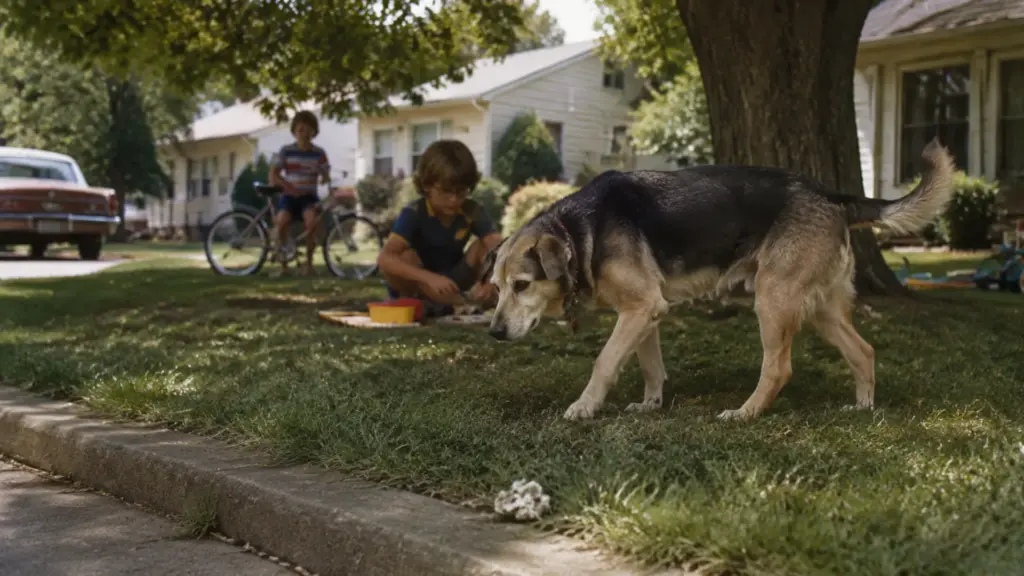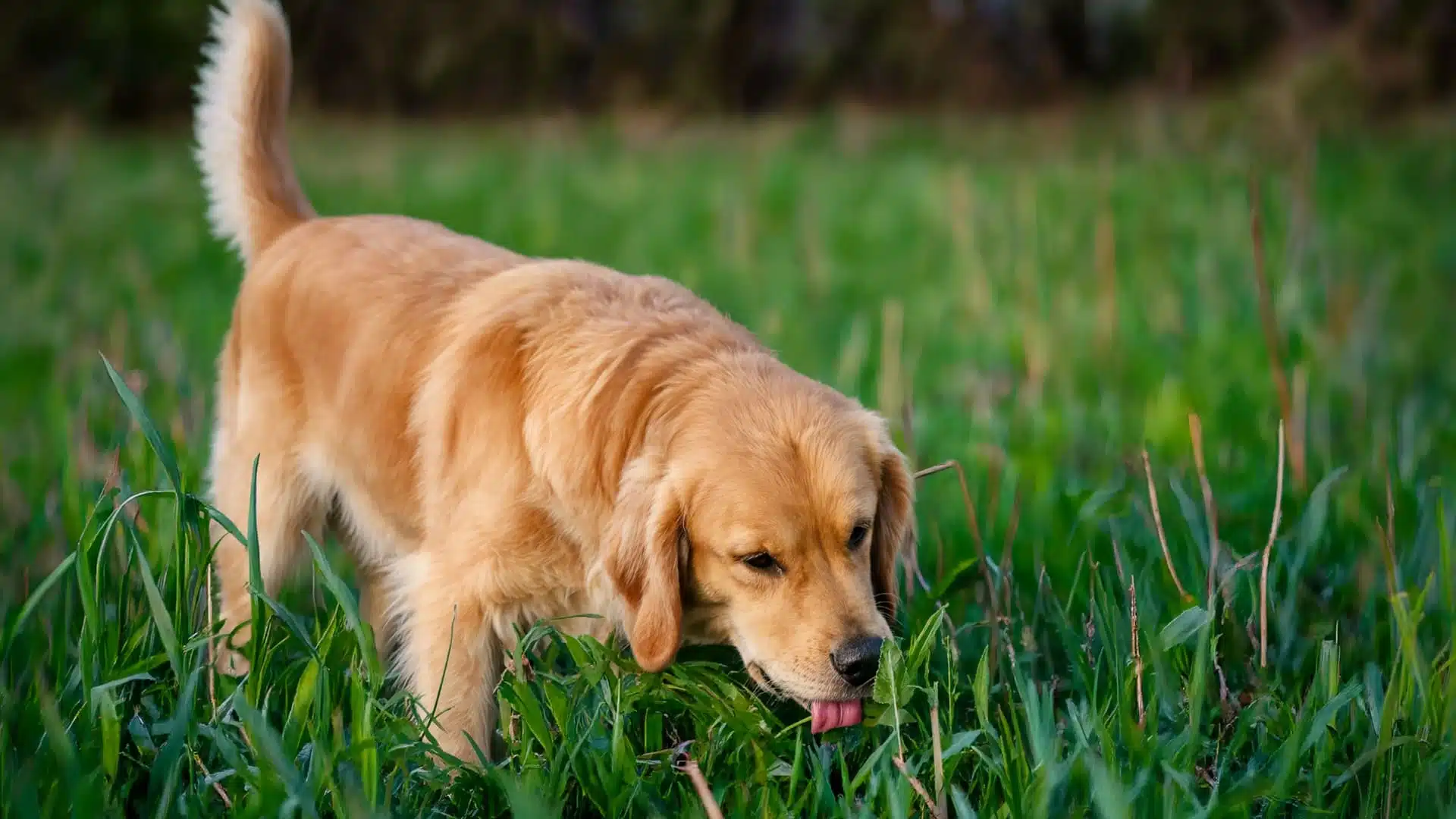
A quick nibble during a walk can look harmless at first. Then it happens again in the yard, near the sidewalk, or right after breakfast, and suddenly the habit feels harder to ignore.
Many dog owners notice this behavior and wonder if it is normal, risky, or a sign of stomach trouble.
The truth is that grass-eating can be linked to several causes, and the details matter.
How often it happens, what your dog does afterward, and whether other symptoms appear all help tell the bigger story.
This blog explains the most common reasons why dogs eat grass, when it is usually safe, and when a vet should be involved.
Is It Normal for Dogs to Eat Grass?
Watching your dog graze on the lawn can feel like one of those moments where your gut says “something’s off,” but the research says otherwise.
According to a study on grass-eating patterns in domestic dogs, grass-eating is a normal and common behavior.
All dogs in this study were in good health and readily ate grass; this should not be seen as a problematic behavior for most dogs or as indicative of illness.
When I’m assessing a behavioral pattern in a client’s dog, grass-eating rarely raises a flag on its own.
If your dog seems otherwise healthy, alert, and eating normally, the occasional grass session is just part of being a dog.
Why Do Dogs Eat Grass?
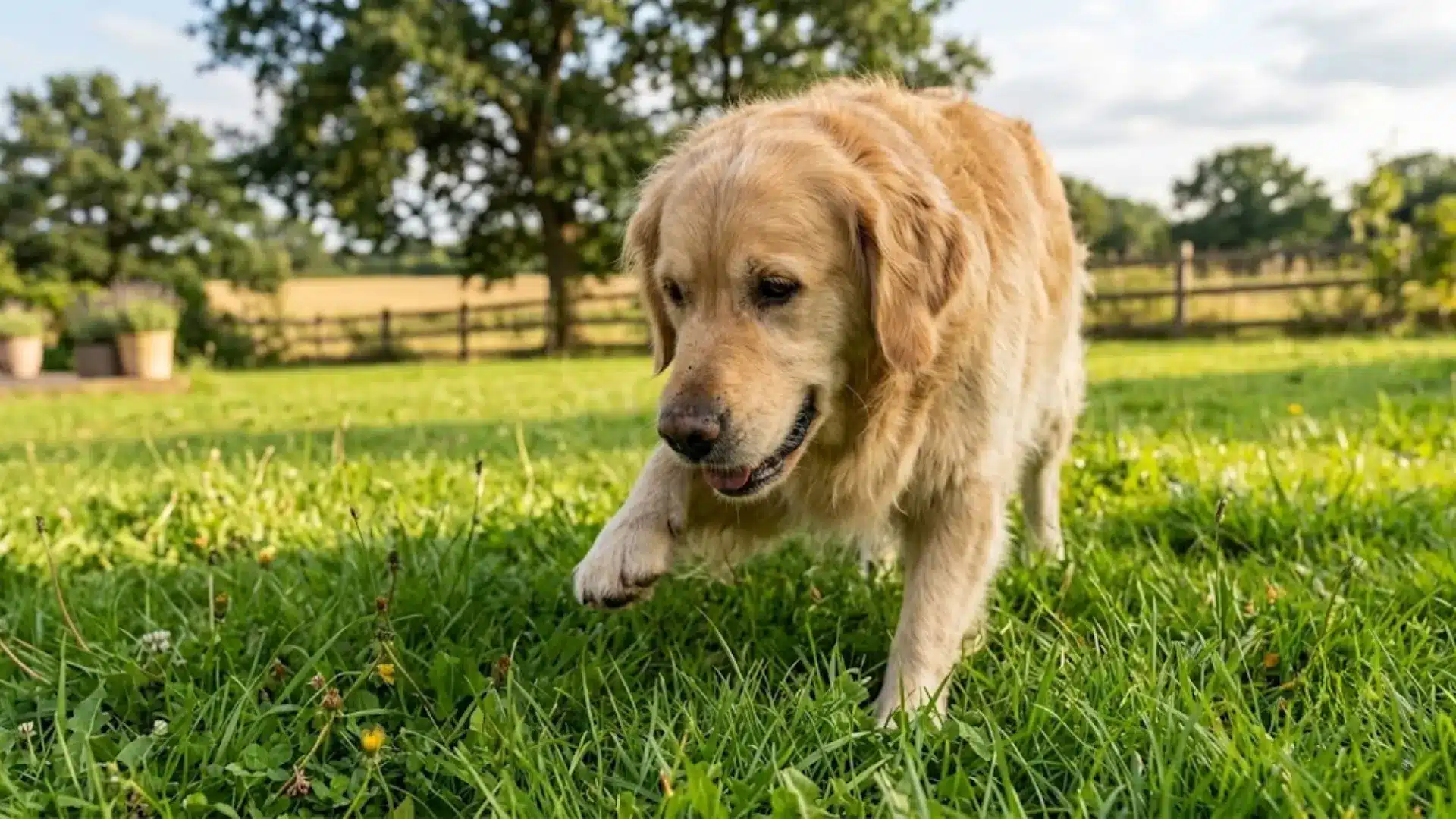
Dogs may eat grass for several reasons, and not all of them indicate illness. In many cases, the behavior is normal, occasional, and harmless. The key is to look at how often it happens, what else is changing, and whether the dog seems healthy afterward.
1. Natural Instinct From Wild Ancestors
Dogs may eat grass because the habit dates back to their wild ancestors.
Wolves and other wild canines sometimes consume plant material through prey stomach contents or by eating plants directly.
This does not mean every dog needs grass, but it may explain why the behavior feels natural to them. Some dogs simply follow an old instinct without any clear health problem.
Occasional grass-eating can be part of normal canine behavior, especially when the dog appears healthy afterward.
2. Curiosity and Exploring the Environment
Dogs use their mouths to learn about the world, especially puppies and younger dogs.
Grass has different smells, textures, and moisture levels, which can make it interesting during walks or time in the backyard.
A dog may nibble grass simply because it is nearby and feels new. This type of grass eating is usually casual and short-lived.
If the dog is playful, eating normally, and not vomiting, curiosity may be the most likely reason behind the behavior.
3. Boredom and Lack of Mental Stimulation
Some dogs eat grass because they are bored or under-stimulated.
A dog left alone in the yard for long periods may start chewing grass to pass the time.
This can happen more often in high-energy breeds that need regular walks, play, and mental challenges.
Puzzle toys, training games, and more time spent outdoors can help reduce the habit. When grass-eating occurs mostly during idle moments, boredom may be a major cause.
4. Enjoying the Taste or Texture
Some dogs simply enjoy the taste or texture of grass. Fresh grass after rain, young spring grass, or cool morning blades may feel appealing to them.
The chewing action can also be satisfying, much like gnawing on an interactive dog chew toy, which gives the jaw something to work on.
This reason is common when a dog calmly eats a few blades and then moves on without signs of sickness.
As long as the grass is untreated and the behavior is moderate, this is usually not a serious concern.
5. Mild Digestive Discomfort
Digestive discomfort may explain grass eating in some dogs, but it is not the only reason. A dog with an upset stomach may chew grass before vomiting or acting unsettled.
However, many dogs eat grass without throwing up, so eating grass does not always indicate nausea.
Watch for other signs such as drooling, repeated swallowing, diarrhea, or refusal to eat.
If grass-eating is accompanied by repeated vomiting or discomfort, a veterinarian should be consulted to check for digestive problems.
6. Dietary or Fiber Deficiency
A lack of fiber or an unbalanced diet may lead some dogs to seek plant material, including grass.
This is not the most common explanation, but it can happen, especially if the dog’s diet is low in roughage.
Some owners notice improvement after switching to a balanced food or adding vet-approved fiber. Still, diet changes should be made carefully.
If grass-eating becomes frequent, a vet can help assess food quality, digestion, and nutrient needs.
7. Anxiety or Stress
Grass eating can sometimes become a coping behavior when a dog feels anxious or stressed.
Dogs may chew grass more during changes in routine, after being left alone, or in unfamiliar places.
The repetitive chewing may help them calm themselves for a short time. This is more likely if the dog also paces, whines, licks excessively, or seems restless.
Reducing stress, adding structure, and offering safe enrichment can help manage this type of behavior.
Is Eating Grass Safe for Dogs?
In most cases, yes, but the grass itself usually isn’t the real concern; it is what’s been sprayed on it.
Lawns treated with pesticides, herbicides, or fertilizers can expose your dog to chemicals that range from mildly irritating to genuinely dangerous, depending on the product and how much your dog ingests.
Grass can also carry parasite eggs from hookworms or roundworms left behind in other animals’ droppings, especially in parks and shared yards.
Eating a large amount at once can occasionally cause a blockage, too, though this is rare.
The safest approach is letting your dog graze in your own yard, where you control what’s been applied, rather than wherever a walk happens to take you.
Signs Grass Eating Could Mean Something is Wrong
Occasional grazing is rarely worth a second thought, but a shift in pattern or intensity is worth paying attention to. These signs are your cue to look closer rather than assume it’s just another quirky habit.
- Sudden or obsessive grass eating: A dog who never used to graze and suddenly can’t stop may be signaling a new digestive or behavioral issue.
- Vomiting or diarrhea afterward: Repeated stomach upset paired with grazing can point to parasites, food sensitivities, or conditions like pancreatitis.
- Lethargy or loss of appetite: A dog skipping meals or seeming unusually tired, alongside grass-eating, deserves a closer look.
- Frantic or distressed grazing: Retching, drooling, or a hunched posture while eating grass can signal nausea or even bloat.
- Visible discomfort before eating grass: Whining, pacing, or a tense belly beforehand may mean the behavior is tied to pain.
- Eating grass treated with chemicals: Watch for drooling, tremors, or difficulty breathing, which can indicate pesticide exposure.
If your dog suddenly begins eating grass frequently, especially alongside vomiting, diarrhea, lethargy, pain, or other unusual symptoms, contact your veterinarian promptly. Early evaluation can help identify underlying health problems and ensure your dog receives appropriate care.
Can Puppies Eat Grass?
Yes, puppies can eat small amounts of clean, untreated grass, but they should not be allowed to graze freely.
Puppies explore the world with their mouths, so grass chewing is often curiosity rather than illness.
The main concern is what may be on the grass. Lawn chemicals, fertilizers, weed killers, parasites, insects, or animal waste can upset a puppy’s stomach or cause more serious problems.
Puppies also have smaller bodies and more sensitive digestive systems, so repeated grass-eating, vomiting, diarrhea, drooling, or low energy should be taken seriously.
Redirect your puppy with a toy, a short training session, or a safe chew if grass eating becomes a habit.
How to Stop a Dog From Eating Grass?
Most grass eating doesn’t need a dramatic intervention, but if it’s frequent enough to worry you, or your dog tends to graze on grass you can’t vouch for, a few small changes usually do the trick.
The goal isn’t to punish the behavior. It’s to redirect it toward something more useful.
- Time outings after meals: A dog with a full stomach is less likely to go looking for something to nibble on outside.
- Add more fiber-rich foods to their diet: A dog whose fiber needs aren’t being met may be seeking roughage on their own, so closing that gap with fiber-rich dog foods can reduce the urge.
- Offer enrichment toys and puzzle feeders: Bored dogs often turn to grass simply because it’s there, so interactive dog toys give them something better to focus on.
- Use positive reinforcement: Calmly redirect your dog to a touch cue or a fetch toy instead of scolding, which can worsen the behavior.
None of these strategies need to happen all at once. Start with whichever fits your dog’s specific trigger, whether that’s boredom, diet, or just opportunity, and build from there.
In most cases, a little structure goes further than trying to eliminate the habit completely.
Call your vet if symptoms appear or the behavior suddenly increases.
What Do Dog Owners Say About Dogs Eating Grass?
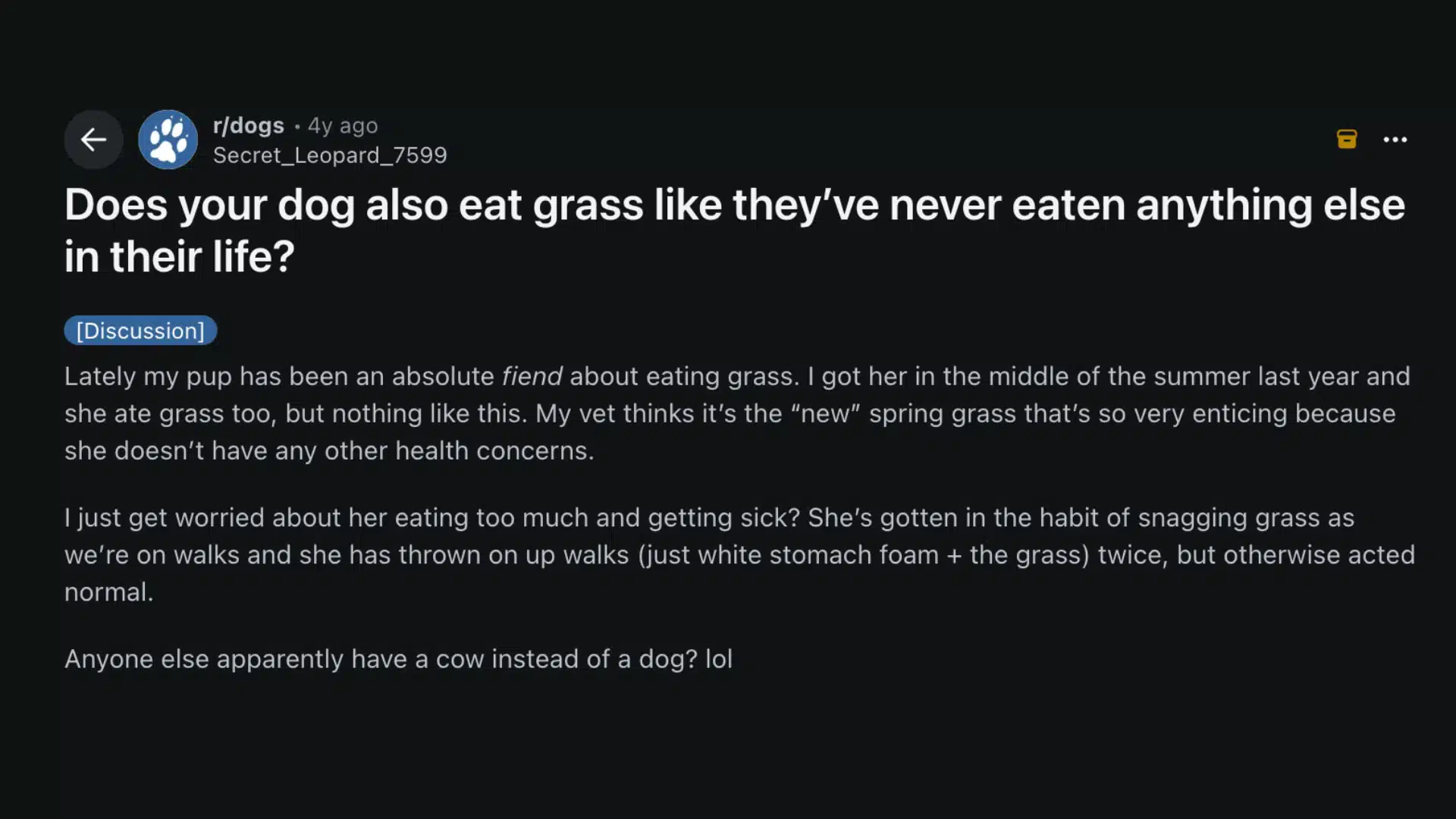
Reddit discussions show that many owners have noticed their dogs eating grass even when they appear perfectly healthy.
Several people described their dogs eagerly grazing on fresh grass during walks or in the backyard, comparing it to a favorite snack rather than a sign of illness.
Others mentioned that their dogs seem to prefer tender grass in spring or after rain.
A few owners reported that their dogs occasionally vomit after eating grass, while many said their dogs never vomit and continue playing as usual.
Some also noticed the behavior becoming more common when their dogs were bored or spent extra time outside.
Overall, the community agrees that occasional grass-eating is a normal habit.
Sudden, excessive grass-eating, paired with vomiting, diarrhea, loss of appetite, or low energy, is a good reason to contact a veterinarian.
When Should You Call a Veterinarian?
Occasional grass eating is usually not an emergency, especially when your dog eats, plays, and behaves normally afterward.
A vet visit becomes important when the behavior appears suddenly, gets excessive, or comes with clear signs of illness.
- Repeated vomiting after eating grass
- Refusing food or losing interest in meals
- Diarrhea, blood in stool, or belly pain
- Weakness, shaking, drooling, or signs of poisoning
You should also call your vet if your dog ate grass from a treated lawn or seems unable to settle after grazing. Quick advice can help rule out toxins, digestive trouble, or blockage.
Conclusion
Grass eating is often a normal dog habit, but the pattern matters.
Some dogs nibble grass because they enjoy the taste, feel bored, follow instinct, or need more stimulation.
Others may do it when their stomach feels unsettled. The safest approach is to watch what happens next. If your dog eats a little grass and acts normal, there is usually no reason to panic.
If the behavior becomes sudden or excessive, or is accompanied by vomiting, diarrhea, loss of appetite, or weakness, a vet check is the right step.
Understanding why dogs eat grass helps owners respond calmly rather than guessing.
Has your dog ever treated the lawn like a snack bar? Share your experience in the comments.
Frequently Asked Questions
Why Does My Dog Eat Grass But Not Vomit?
Many dogs eat grass without vomiting because they are not trying to make themselves sick. Some enjoy the smell, taste, or texture, especially fresh grass. If your dog eats normally, stays active, and shows no discomfort afterward, occasional grass eating is usually not a concern.
Why Does My Dog Eat Grass After Eating Food?
Some dogs eat grass after meals because of habit, curiosity, fullness, or mild stomach discomfort. Watch what happens next. If your dog vomits often, seems bloated, paces, drools, or refuses later meals, contact a veterinarian to rule out digestive problems.
Can Eating Grass Cause Worms In Dogs?
Grass itself does not cause worms, but contaminated grass can expose dogs to parasites. Soil, feces, insects, or standing water near grass may carry worm eggs or harmful bacteria. Regular deworming, keeping outdoor areas clean, and vet-guided prevention help reduce this risk.