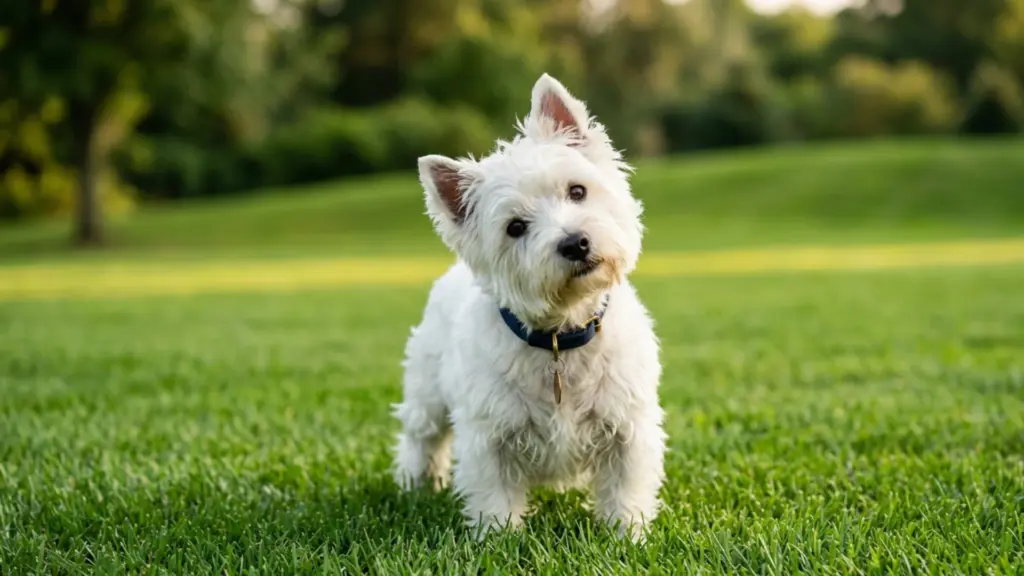
Some dogs ask for permission. Terriers usually ask for forgiveness. One minute, they are sitting proudly beside you.
Next, they are nose-first in a flower bed, convinced a squirrel has insulted the entire household. That mix of courage, mischief, and loyalty is exactly why terriers have such a loyal fan base.
Still, choosing one is not as simple as picking the cutest beard or brightest eyes.
Types of terriers can vary wildly in size, coat, energy, patience level, grooming needs, and household fit for many owners today.
This blog post helps you understand popular terrier breeds, spot scruffy terrier breeds, and choose a dog that truly fits your home.
What Defines a Terrier Dog?
The word “terrier” traces back to the Latin terra, meaning “earth,” and the Old French chien terrier, meaning “earth dog.”
These breeds developed across the British Isles from the 1700s onward, originally bred to hunt rats, foxes, and badgers, often underground.
Terriers are bold, tenacious, and built for independent problem-solving. They act first, then check back with you, and honestly, that’s part of what makes them so entertaining to live with.
That same streak that once helped them face cornered vermin alone means modern owners need patience, structure, and a sense of humor.
These dogs also vary widely in appearance and temperament.
The Main Types of Terriers
Knowing which category a breed falls into tells you a lot about what life with that dog actually looks like day-to-day.
| Type | Example breeds | Size range | Best for |
|---|---|---|---|
| Small/working terriers | Cairn, Border, Norfolk, Norwich | 10 to 18 lbs | Active families, apartment-friendly, with exercise |
| Large/working terriers | Airedale, Kerry Blue, Irish | 35 to 70 lbs | Experienced owners, homes with yards |
| Bull-type terriers | Bull Terrier, Staffordshire, AmStaff | 24 to 70 lbs | Confident handlers, family homes with early training |
| Toy/companion terriers | Yorkshire Terrier, English Toy Terrier | 4 to 12 lbs | Apartment dwellers, owners wanting a smaller companion |
Most Popular Terrier Breeds
These are the popular terrier breeds most owners search for first when comparing size, coat, personality, and home fit. If you’re just starting to sort through the options, this is where to begin
1. Miniature Schnauzer
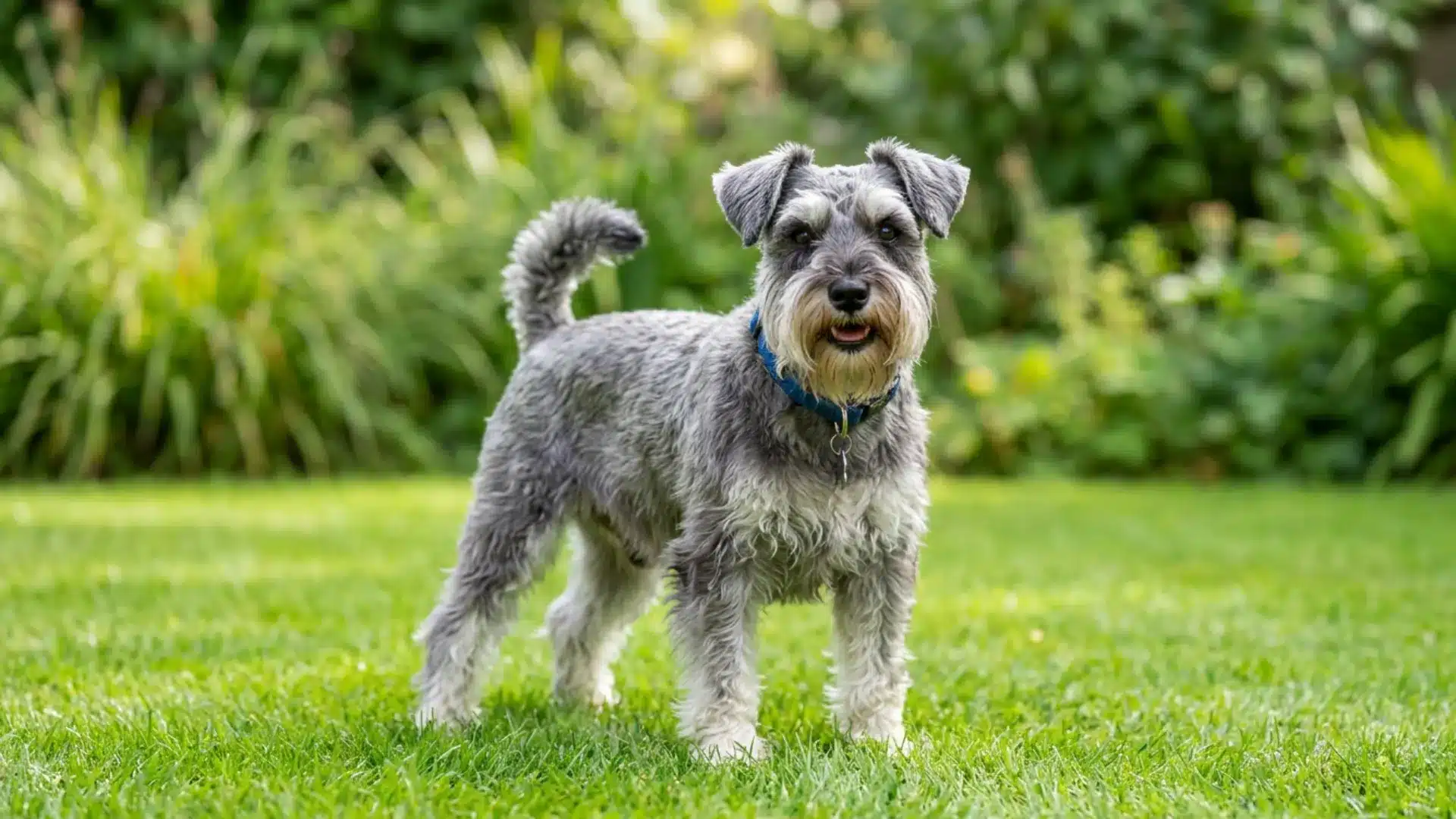
The Miniature Schnauzer is popular because it feels lively without being unmanageable.
This 11- to 20-pound German terrier has a wiry double coat, bold eyebrows, and a bearded face that gives it real character.
It suits apartments, families, and owners wanting a smart, low-shedding dog.
Expect alert barking, quick learning, and a confident personality that needs steady training, daily attention, and regular professional grooming appointments every few months.
2. Jack Russell
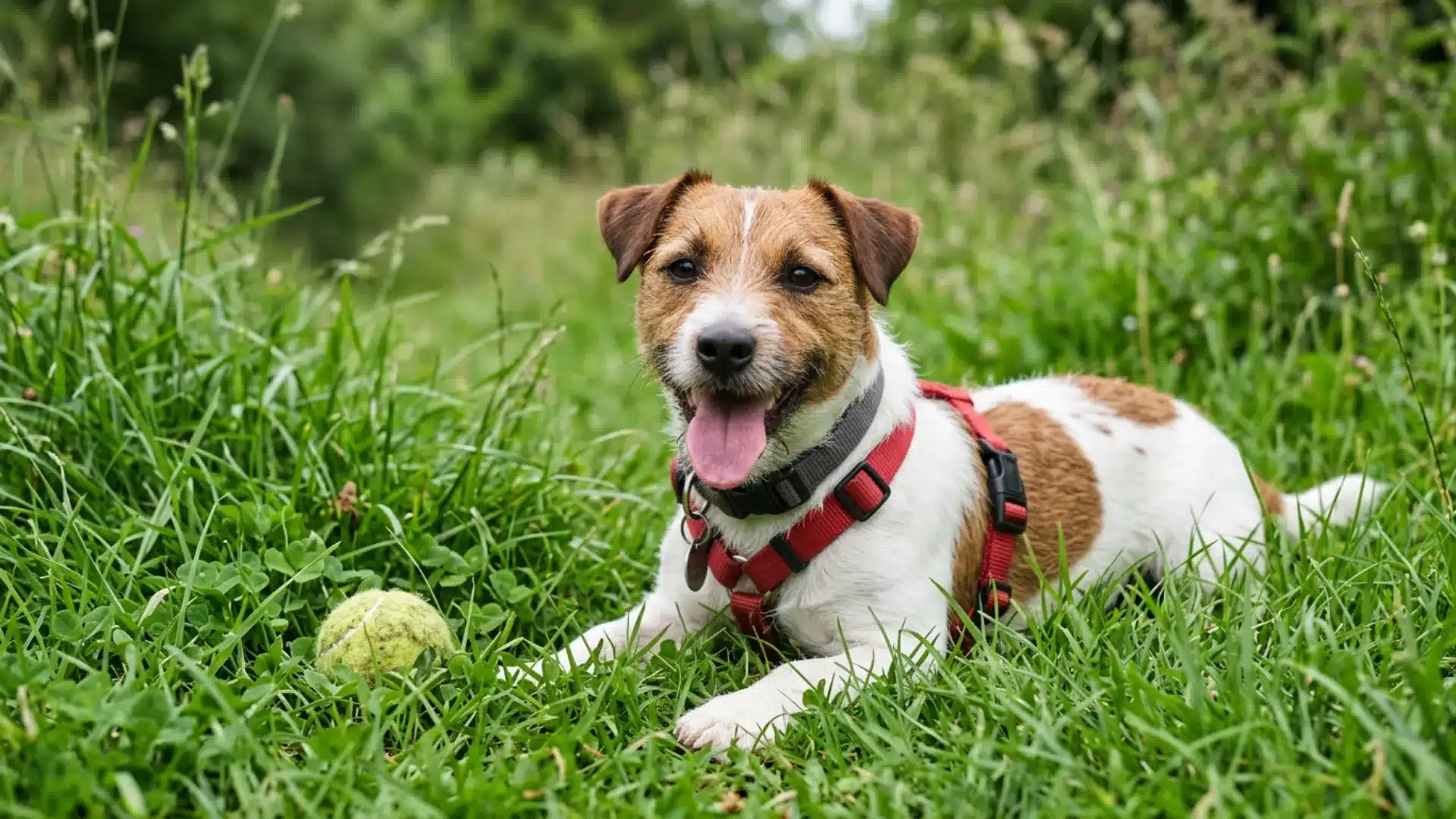
Jack Russell and Parson Russell Terriers are small dogs with enormous energy. Usually around13to 17 pounds, they were bred for fox hunting and still carry a serious chase drive.
They’re clever, athletic, funny, and not ideal for quiet homes.
Daily running, games, training, and puzzle work aren’t optional for this breed.
Without enough activity, they’ll bark, dig, escape, or invent trouble indoors before you’ve finished your morning coffee.
3. West Highland White Terrier
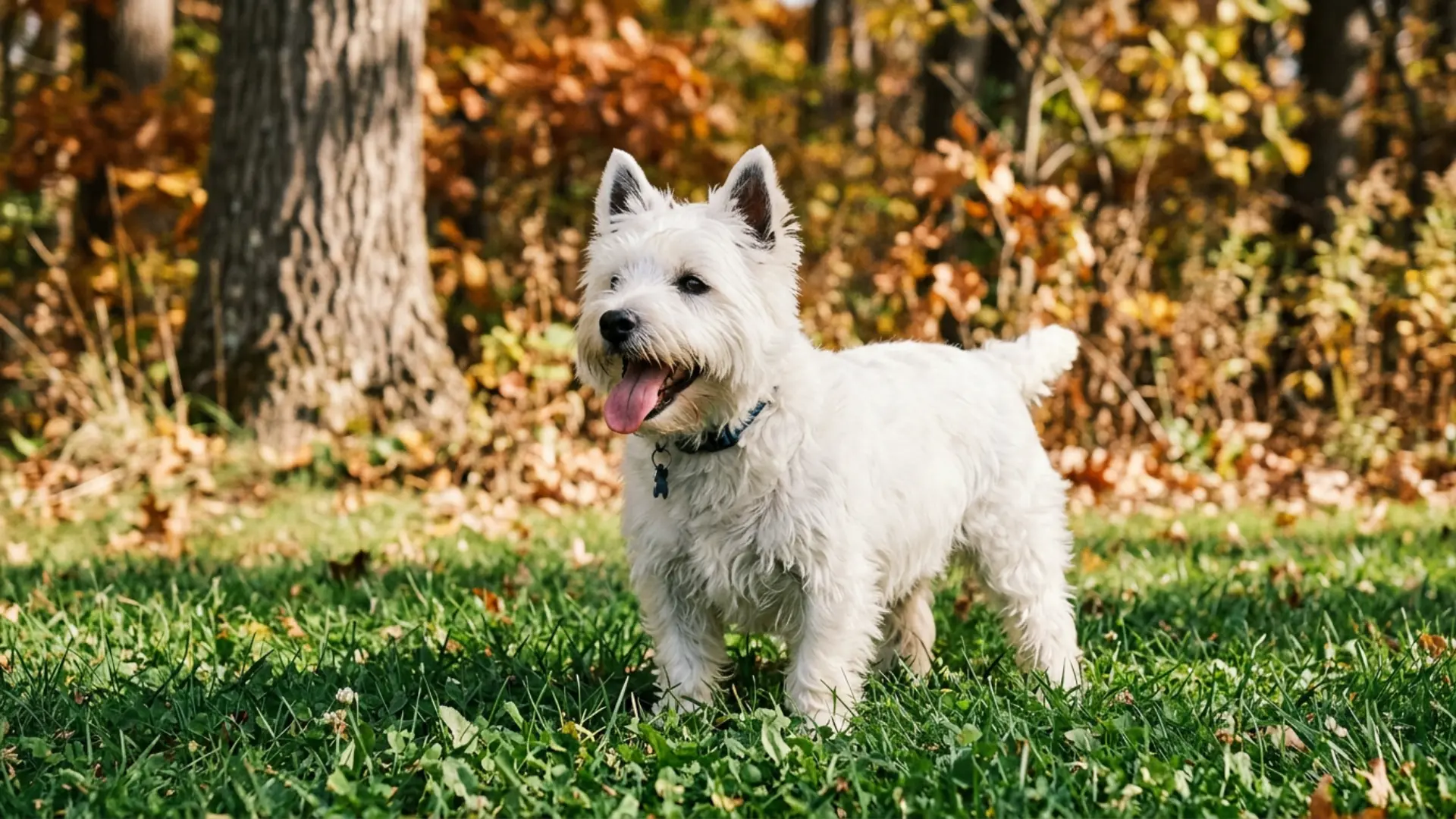
The West Highland White Terrier, often called the Westie, is one of the most recognizable terrier breeds thanks to its bright white coat and alert expression.
Originally bred in Scotland to hunt rodents, this sturdy little dog weighs about 15 to 20 pounds and carries plenty of confidence. Westies adapt well to both apartments and larger homes as long as they get daily exercise.
Their coat needs regular brushing and trimming, but their friendly personality and manageable size make them a popular choice for many first-time terrier owners.
4. Scottish Terrier
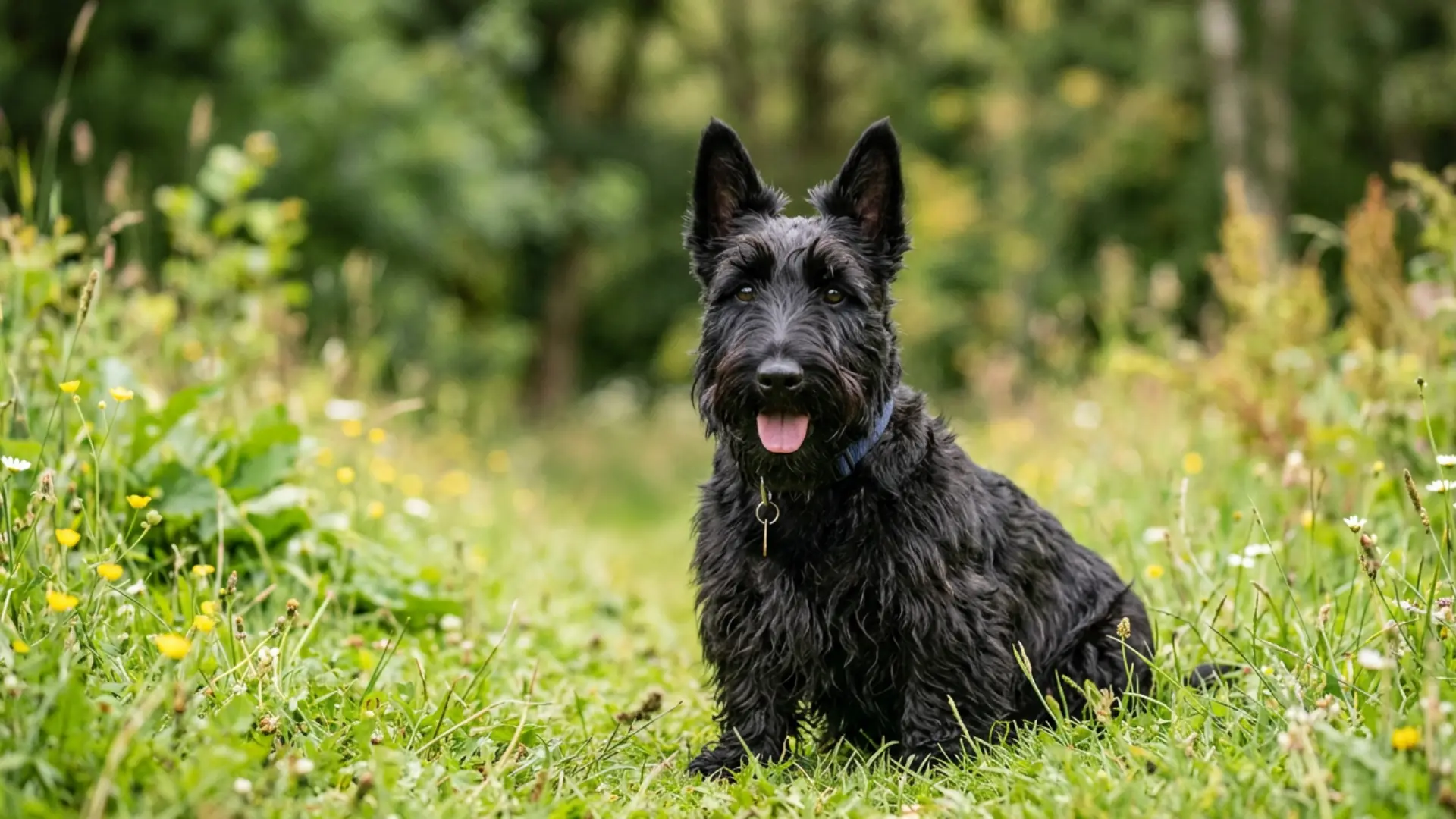
The Scottish Terrier has a low body, a wiry coat, a pointed beard, and a serious little expression.
Scotties are loyal, independent, and often reserved with strangers, which suits owners who like a calmer, dignified terrier.
They weigh about 18 to 22 pounds and shed lightly.
Because they prefer respectful handling, they may suit adult homes or families with older children who value predictable routines, boundaries, and a calmer daily life.
5. Cairn Terrier
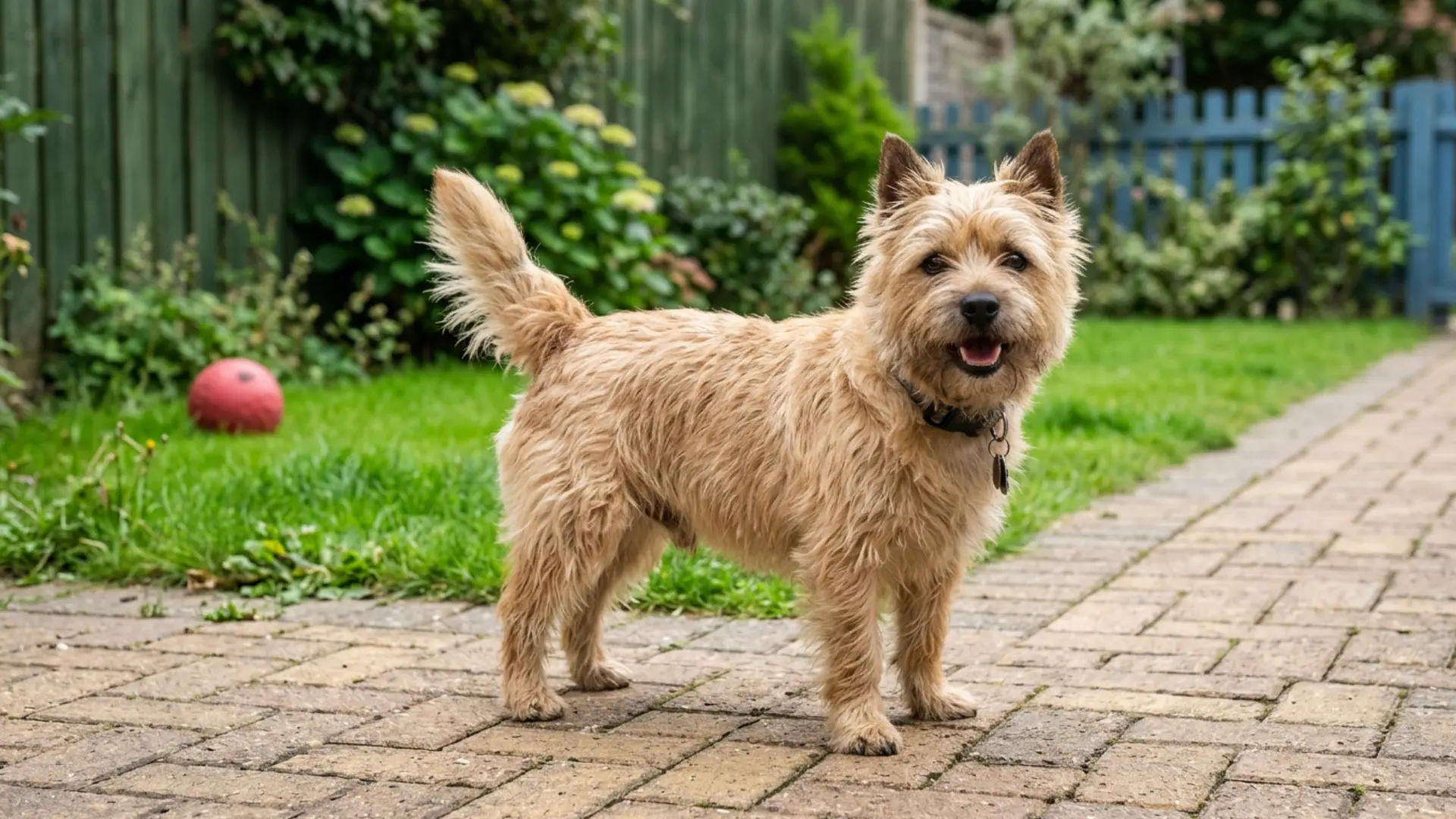
The Cairn Terrier is small, scruffy, and fearless, best known by many readers as Toto from The Wizard of Oz.
This Scottish breed weighs about 13 to 14 pounds and has worked as a vermin hunter for centuries. Cairns are playful, curious, and usually good with children when trained early.
Their rough coat is fairly practical, needing brushing several times weekly rather than constant salon care for most busy owners.
6. Airedale Terrier
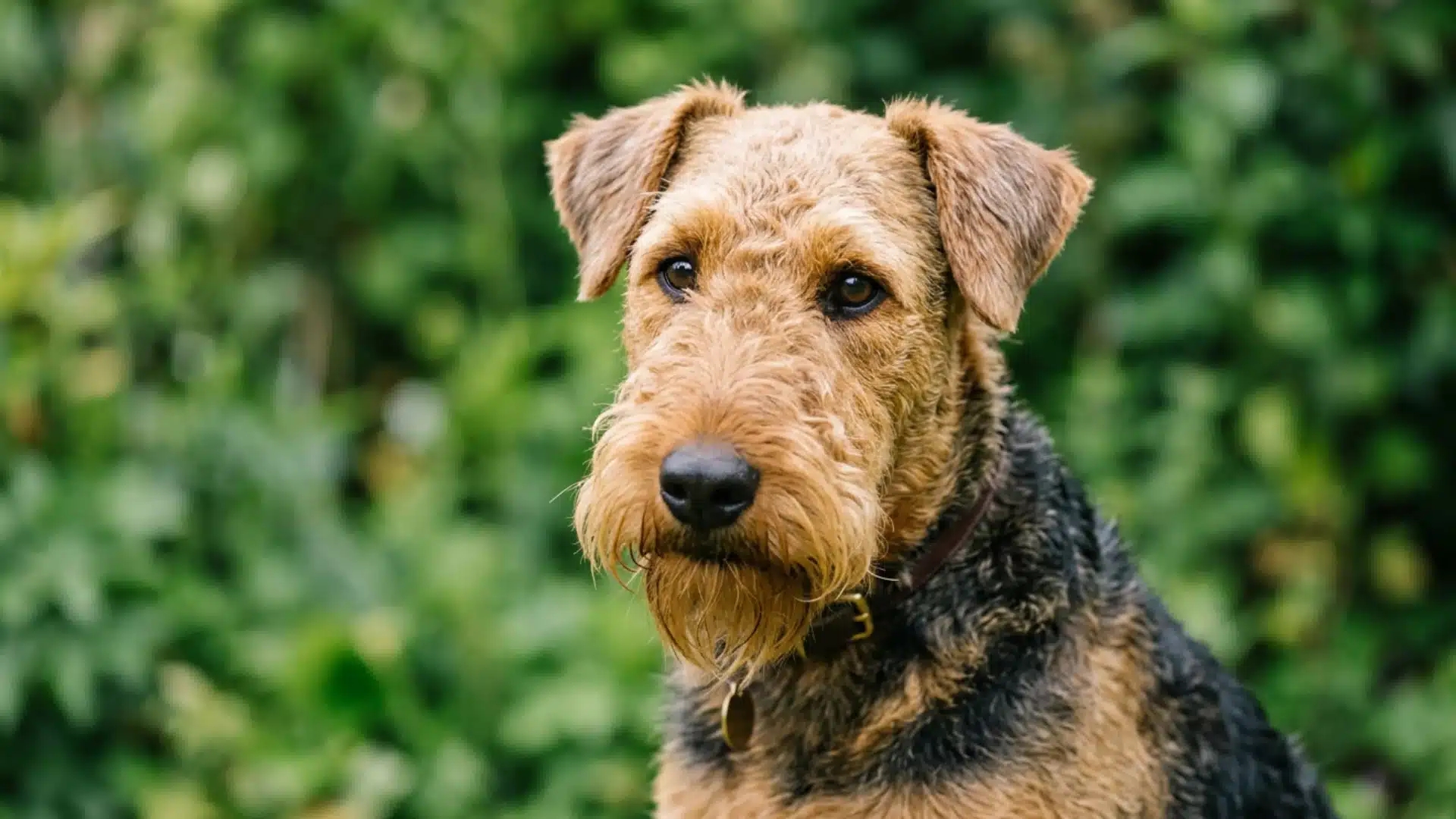
The Airedale Terrier is known as the King of Terriers because it is the largest breed in the group.
Standing around 23 inchesand weighing 50 to 70 pounds, it needs space, exercise, and confident handling.
Airedales are intelligent, athletic, protective, and often patient with children.
Their black-and-tan, wiry coat needs regular grooming, including hand stripping or professional coat care throughout the year, to preserve its rough texture.
7. Bull Terrier
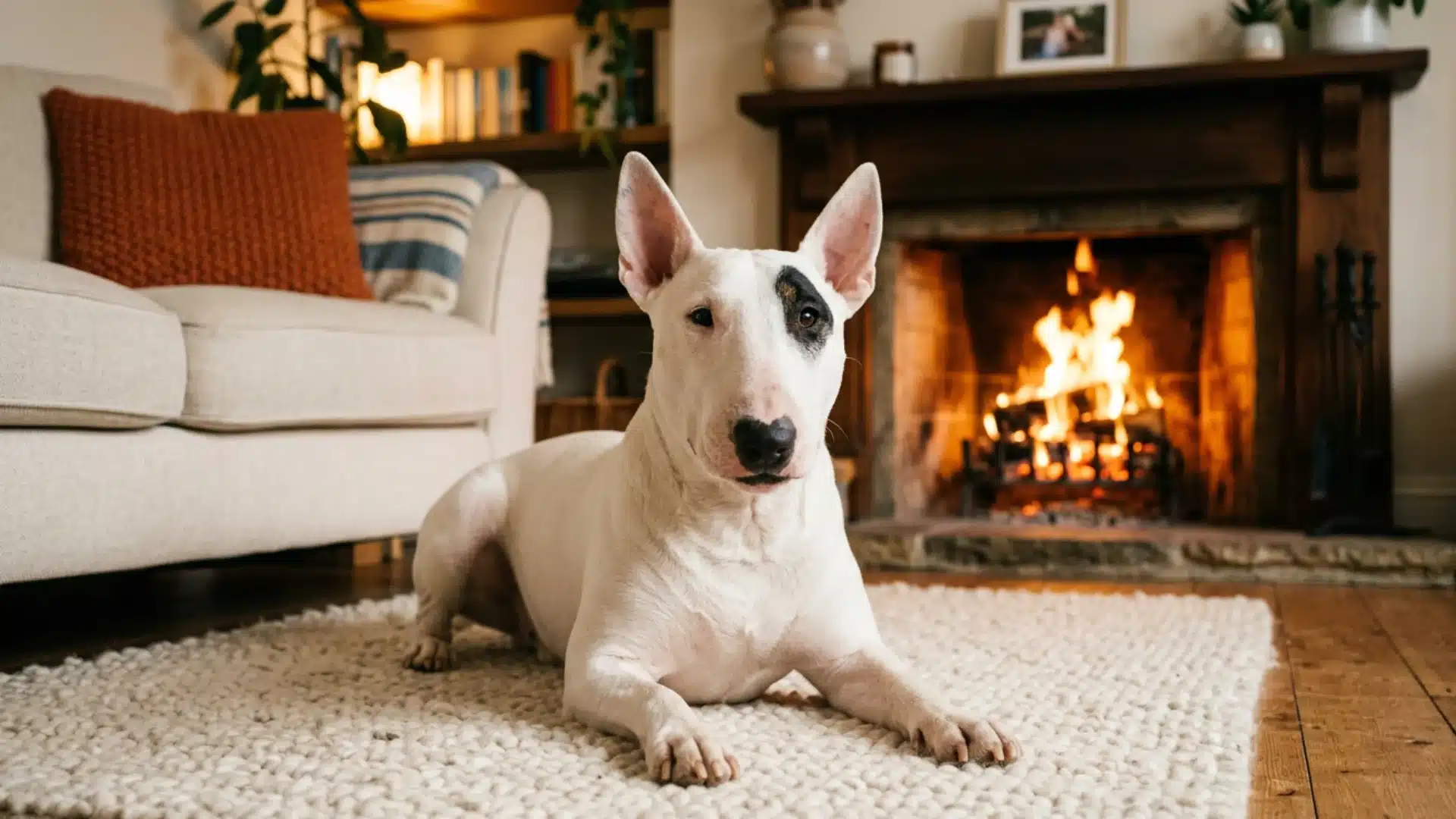
The Bull Terrier is easy to spot because of its egg-shaped head, triangular eyes, and strong body. Behind that bold look is a playful, affectionate dog with a silly side around family.
This breed usually weighs about 50 to 70 pounds and needs daily exercise, early socialization, and firm but kind training.
Bull Terriers do best with confident owners who can set clear rules. With enough structure and attention, they can be loyal, funny, and entertaining companions.
8. Staffordshire Bull Terrier
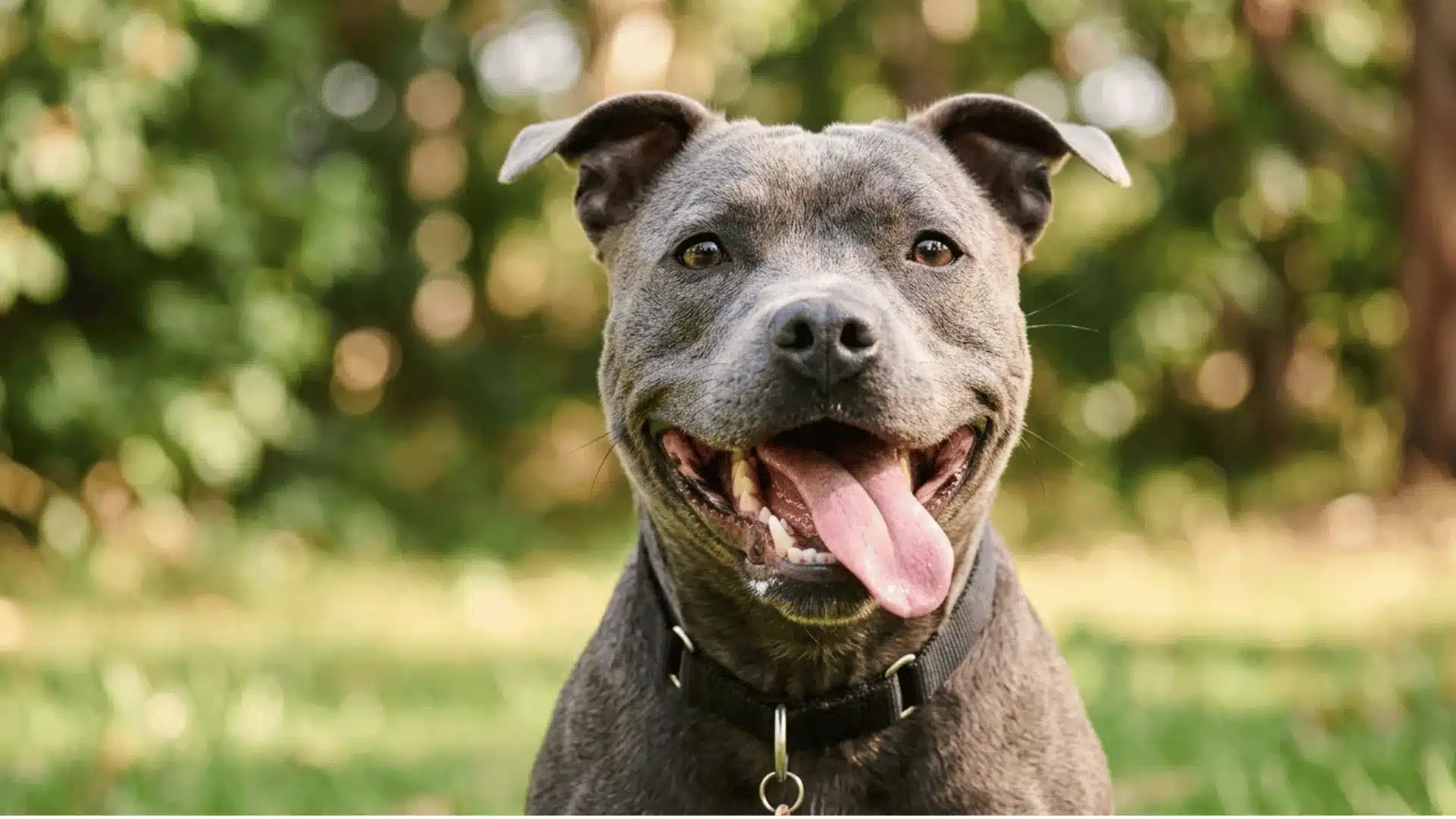
The Staffordshire Bull Terrier is strong, compact, and deeply people-focused.
Weighing about 24 to 38 pounds, Staffies have smooth coats, warm personalities, and a reputation for loving their families.
They can be gentle with children, but supervision and training still matter. Early socialization helps manage dog reactivity.
With structure, exercise, and positive guidance, Staffies become affectionate companions who want to be included in everything and have close daily human contact.
9. Yorkshire Terrier
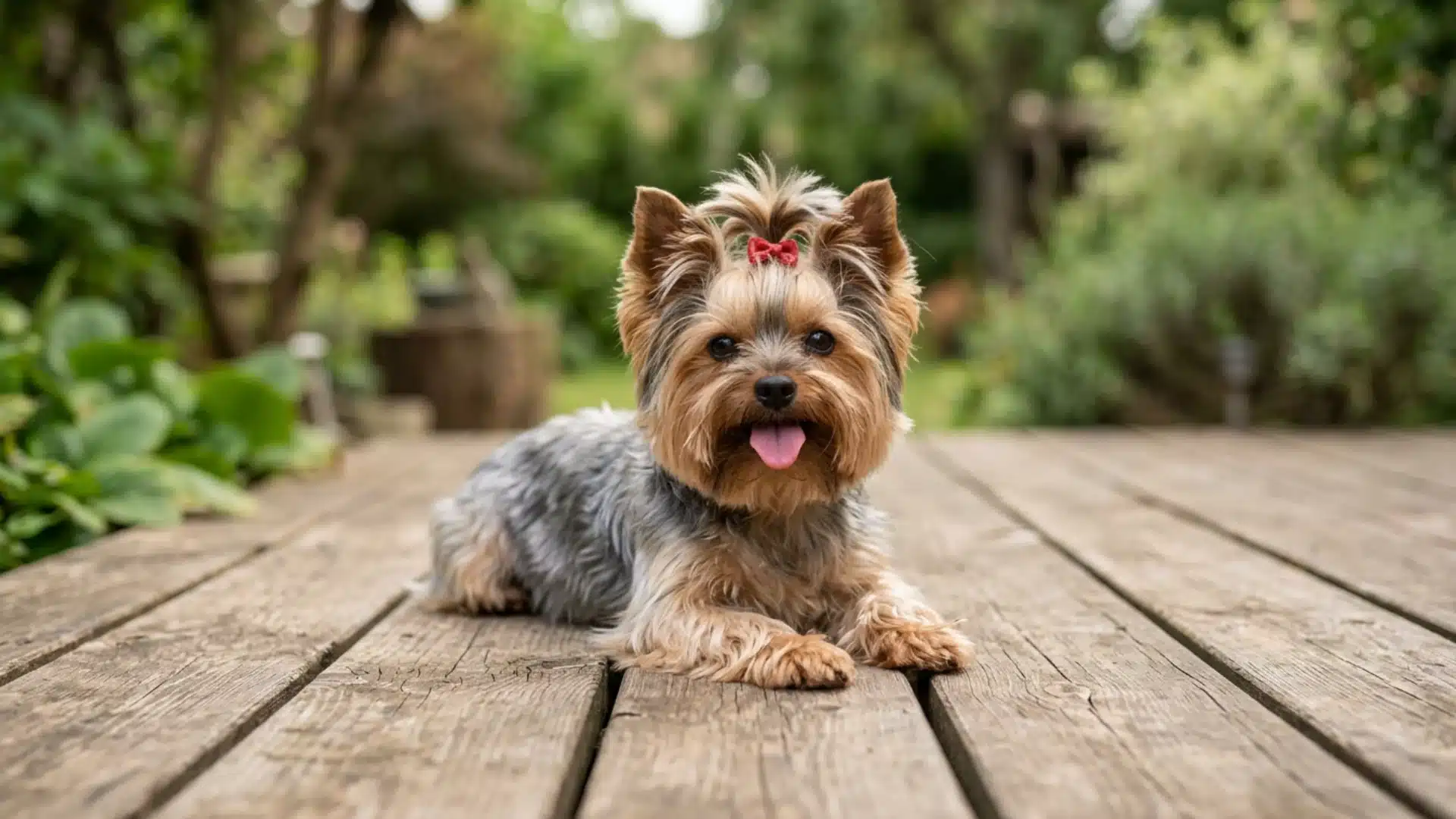
The Yorkshire Terrier sits in the Toy group today, but its terrier roots still show clearly. At4 to 7 pounds, the Yorkie is tiny, bold, affectionate, and quick to alert the house.
Its silky coat requires daily brushing or regular trims, so many owners opt for a puppy cut.
See Yorkie haircut options for ideas if you want easier upkeep and a neat companion look without losing its big attitude.
10. Border Terrier
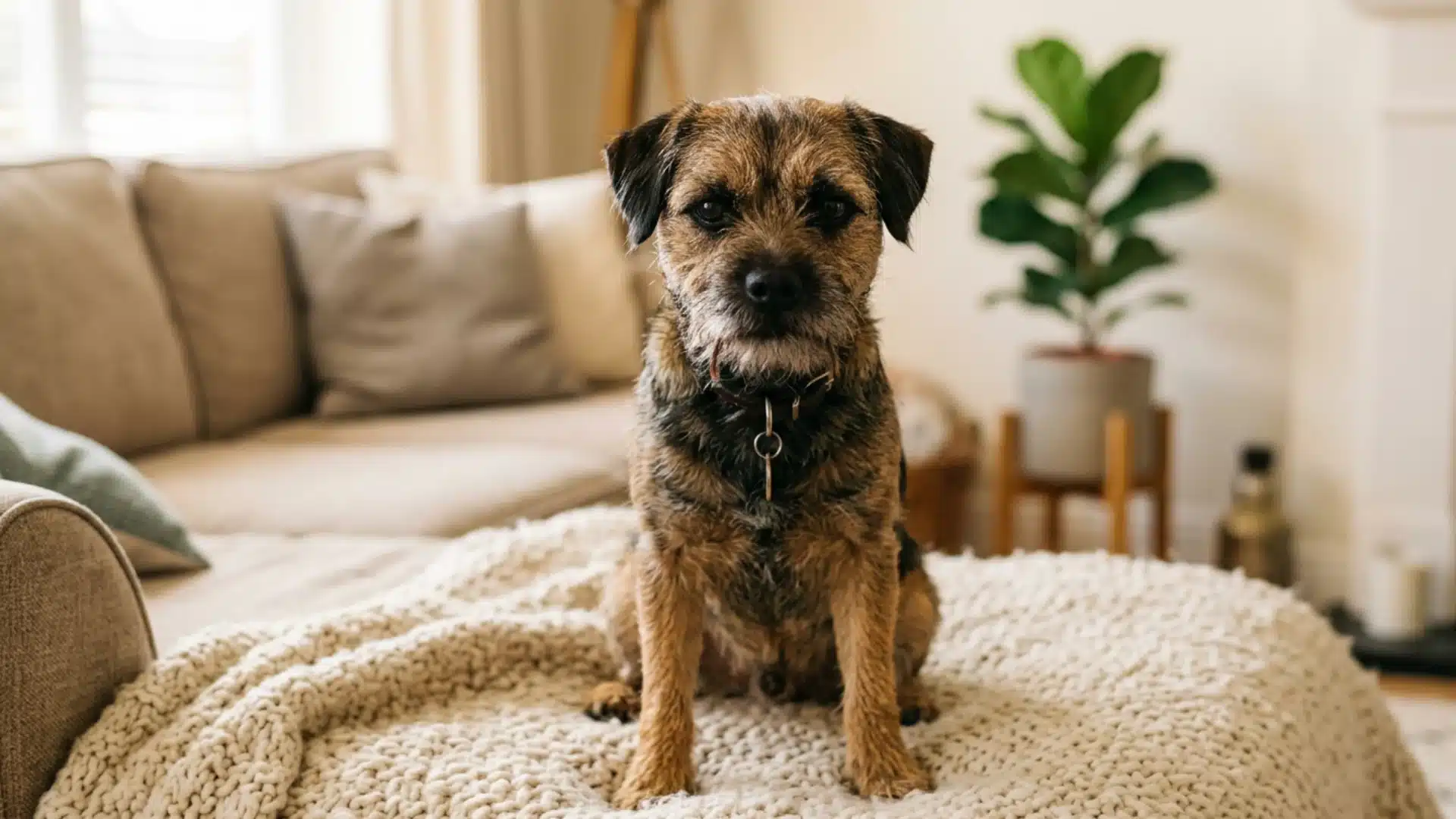
The Border Terrier is one of the easier terriers to live with, which makes it popular with families and first-time terrier owners.
Weighing 11 to 16 pounds, it has an otter-shaped head, rough coat, and practical working background.
Borders are trainable, friendly, and often good with other dogs. They still need daily walks, secure fencing, and outlets for their strong prey drive, even when they seem relaxed indoors.
11. Soft Coated Wheaten Terrier
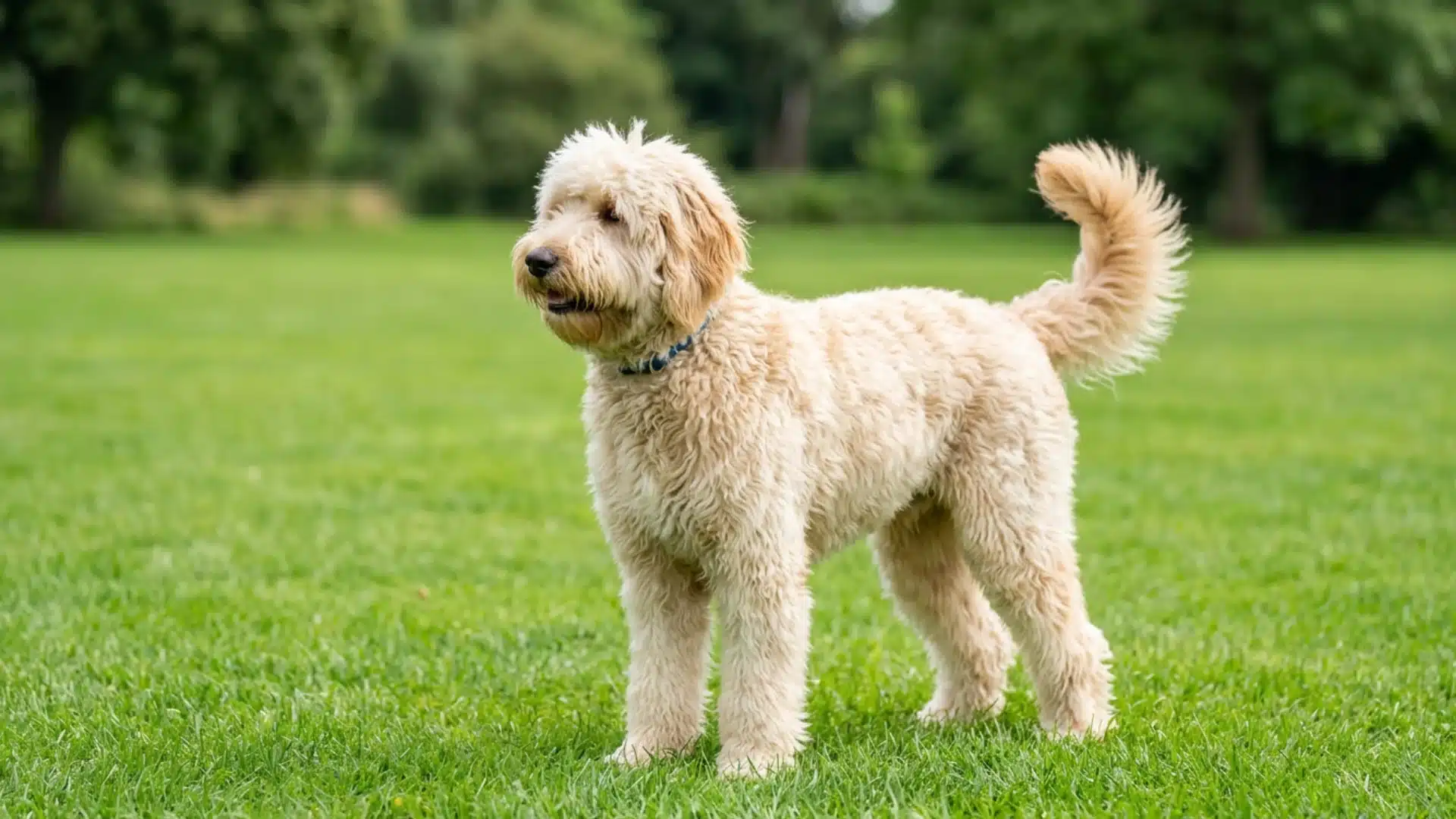
The Soft Coated Wheaten Terrier is a good choice for people who want terrier energy with a warmer, friendlier nature.
This Irish farm dog usually weighs around 30 to 40 poundsand has a silky, wavy, wheat colored coat. It sheds lightly, but the coat can mat without regular brushing.
Wheatens are cheerful, playful, and often good with children when trained early. Their excited greeting is cute, but jumping should be managed from puppyhood.
12. American Staffordshire Terrier
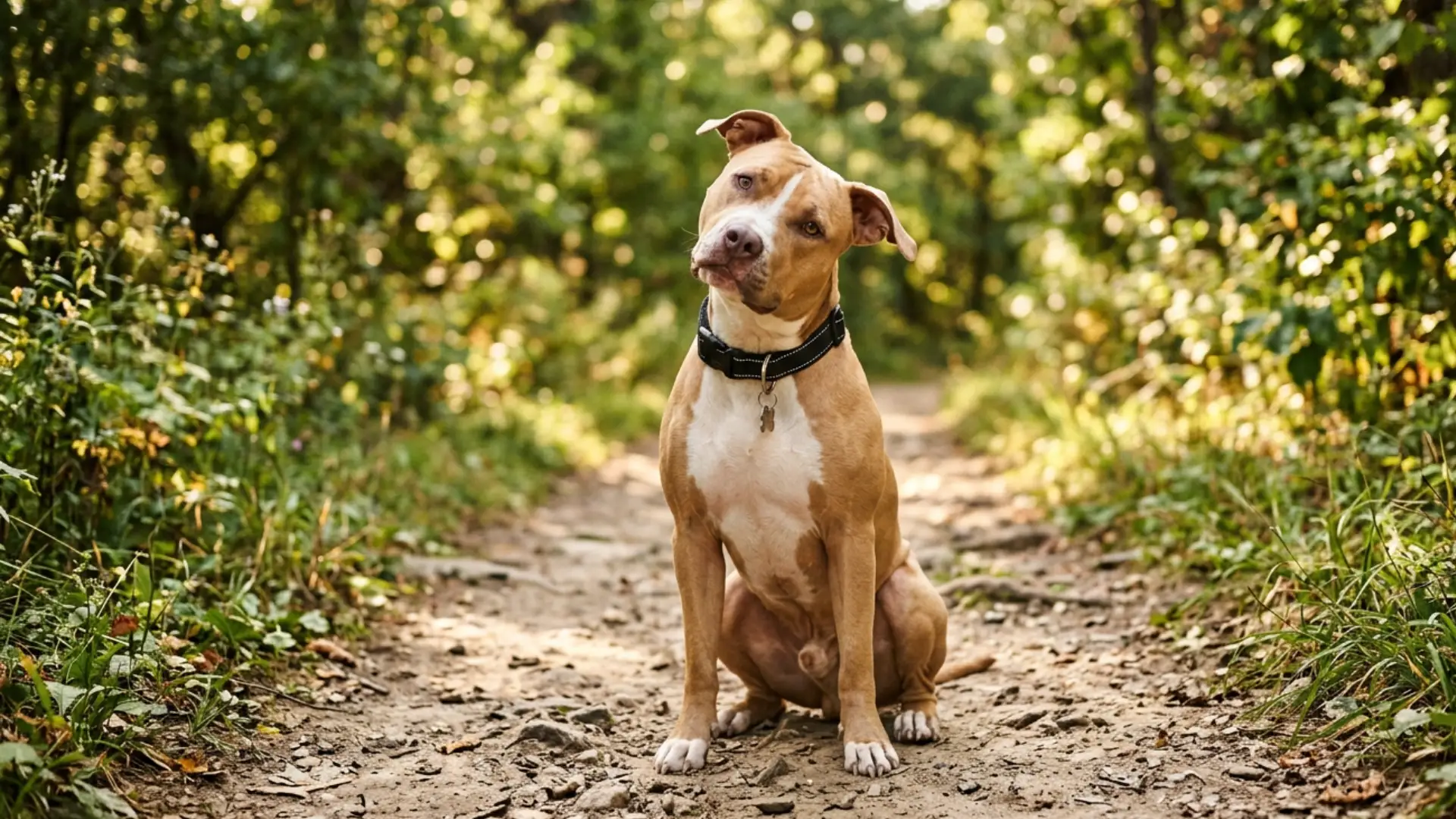
The American Staffordshire Terrier is muscular, loyal, and often misunderstood because of its powerful build.
Males can reach about 19 inches and weigh up to 70 pounds, with a short coat that is easy to maintain.
AmStaffs are affectionate with family and respond well to consistent, positive training. Early socialization is essential, especially around other dogs.
Experienced owners may find them devoted, steady, and deeply rewarding companions when their daily needs are respected.
Scruffy Terrier Breeds with Wiry Coats
Scruffy terrier breeds usually have wiry, rough coats built for outdoor work, harsh weather, and rough ground. Many shed less than softer-coated dogs, but coat care matters.
13. Wire Fox Terrier
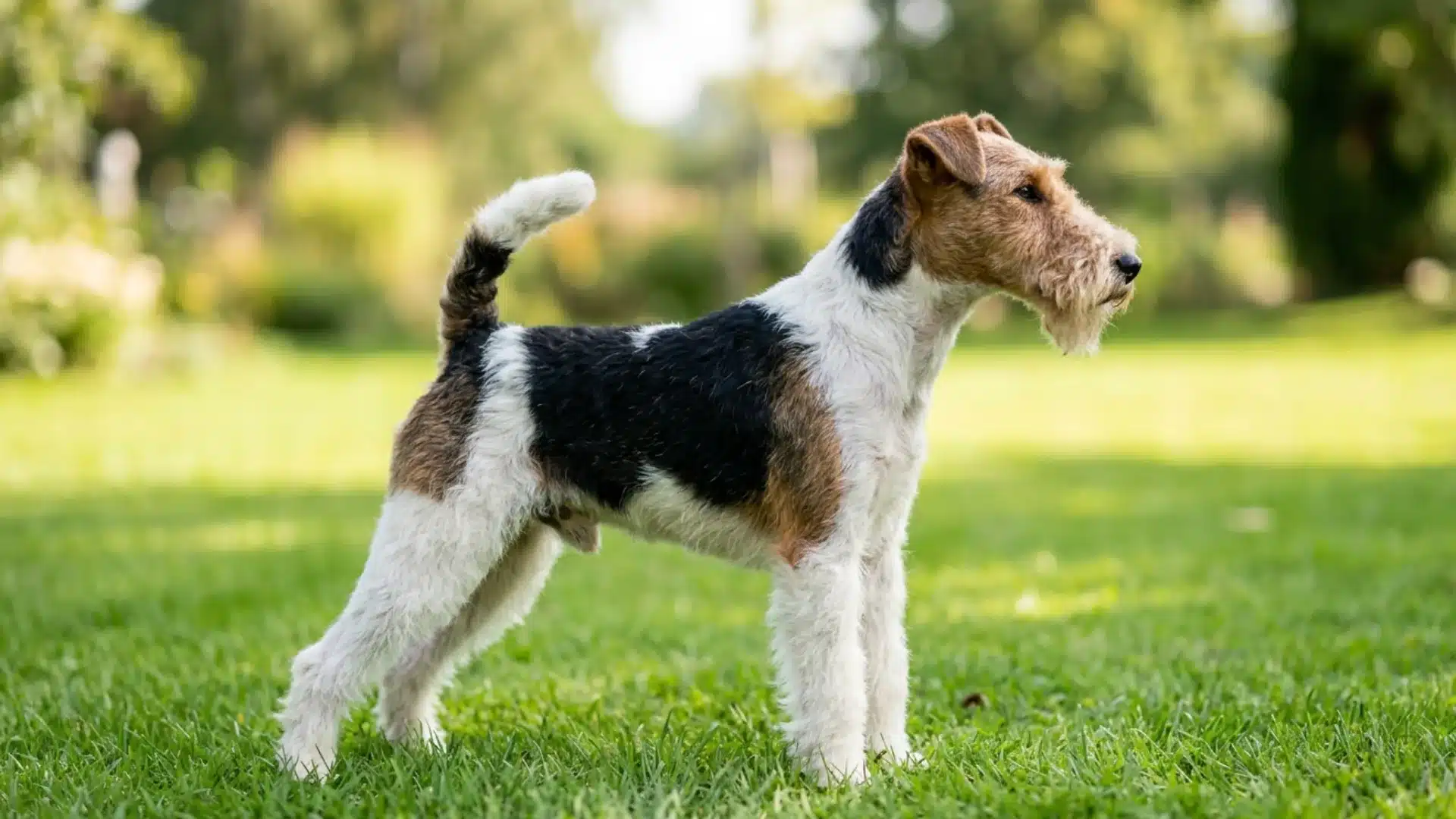
The Wire Fox Terrier is the classic scruffy showstopper, with a crisp white wiry coat, sharp expression, and restless working brain.
Bred to drive foxes from dens, it still loves chasing, problem-solving, and testing limits. This breed suits active owners who enjoy training, games, and daily structure.
Without enough mental work, a Wire Fox Terrier can quickly turn boredom into barking, digging, or household mischief inside the family home.
14. Irish Terrier
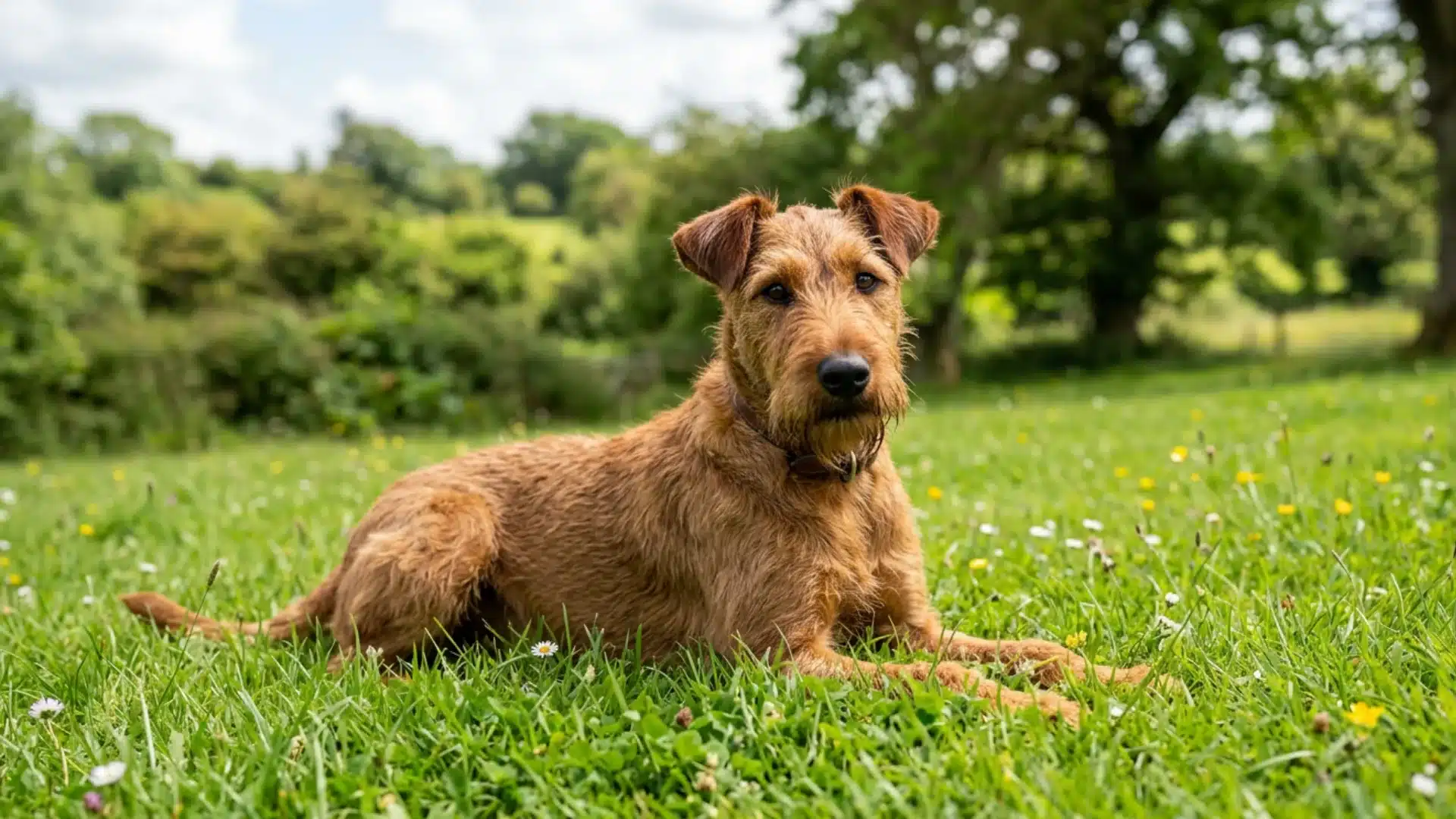
The Irish Terrier is one of the oldest terrier breeds, known for its fiery red, wiry coat and brave, loyal nature.
At about 25 to 27 pounds, it sits in the medium range and bonds closely with its favorite people.
This breed has a strong prey drive, so secure fencing and recall training matter.
Regular brushing plus hand stripping once or twice yearly helps keep the coat neat and healthy in the long term.
15. Welsh Terrier
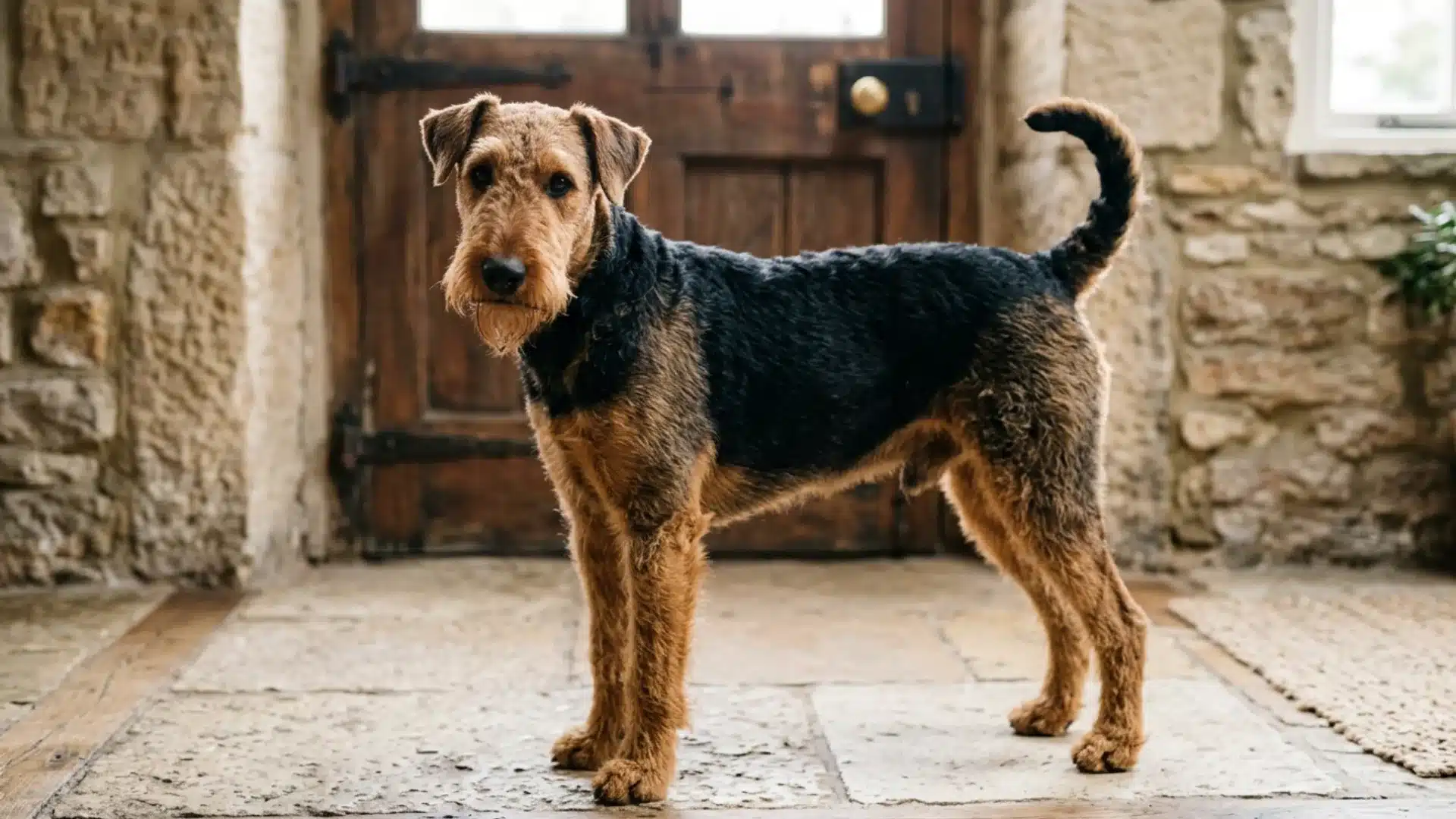
The Welsh Terrier looks like a smaller Airedale, with a black-and-tan wiry coat, a square frame, and a confident expression.
At around 20 pounds, it gives active owners a sturdy yet manageable terrier. Welsh Terriers are lively, smart, and often easier to train than more intense terrier breeds.
They enjoy walks, games, and dog sports. Hand stripping twice yearly helps preserve the coat’s rough texture and natural color beautifully over time.
16. Lakeland Terrier
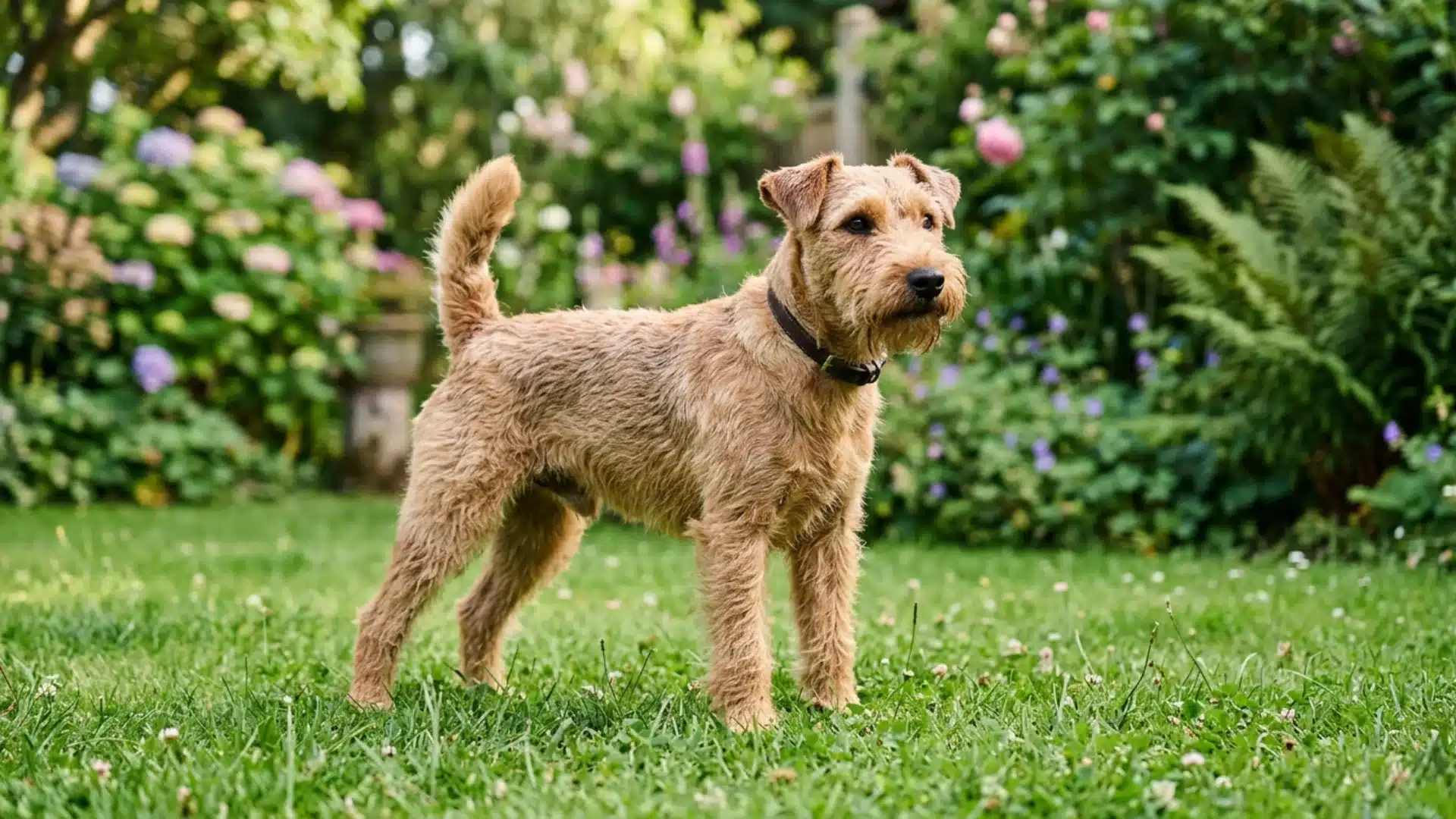
The Lakeland Terrier comes from England’s Lake District, where it helped protect sheep by chasing foxes away from lambs.
This 17-pound breed is sturdy, cheerful, and bold, with a dense, wiry coat in colors like red, wheaten, black, and tan.
Lakelands usually do well with children and active households.
They still need daily exercise, clear rules, and regular coat care to stay happy and manageable outdoors every single day.
17. Norfolk Terrier
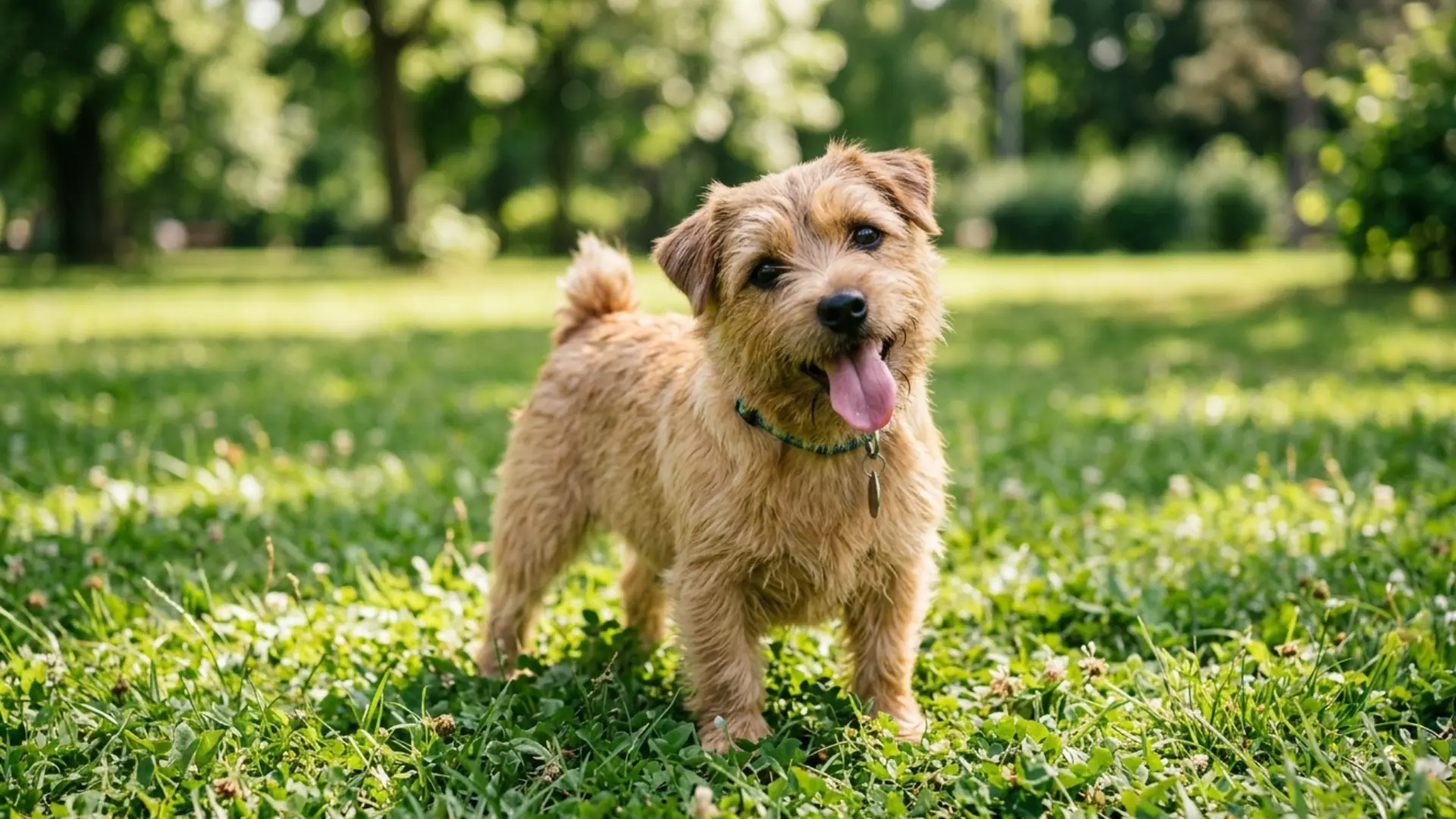
The Norfolk Terrier is one of the smallest scruffy terrier breeds, usually weighing around 12 pounds.
Its folded ears, short, wiry coat, and friendly face make it easy to love. Norfolk Terriers are social, adaptable, and often get along better with other pets than many terriers.
They still need walks, play, and attention. Weekly brushing and occasional hand stripping usually keep the coat looking tidy and practical at home year-round, too
18. Norwich Terrier
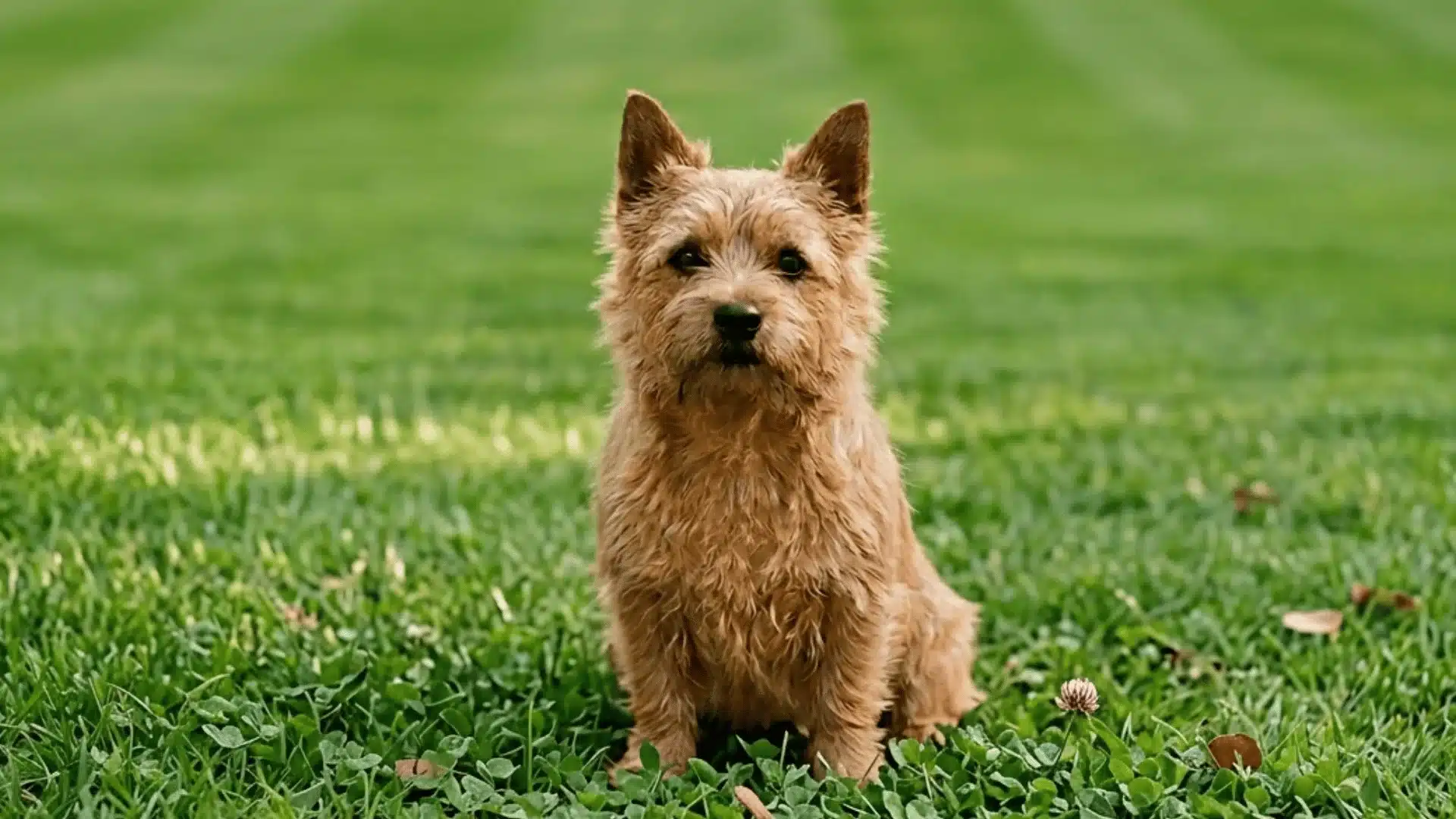
The Norwich Terrier looks very similar to the Norfolk, but its upright ears give it a fox-like expression. Small, sturdy, and cheerful, this scruffy terrier keeps the classic terrier spark without feeling too sharp for many homes.
Norwich Terriers are outgoing, playful, and usually social with people.
They need daily activity, early training, and routine coat care to keep their wiry jackets neat through every season and in daily life.
19. Bedlington Terrier
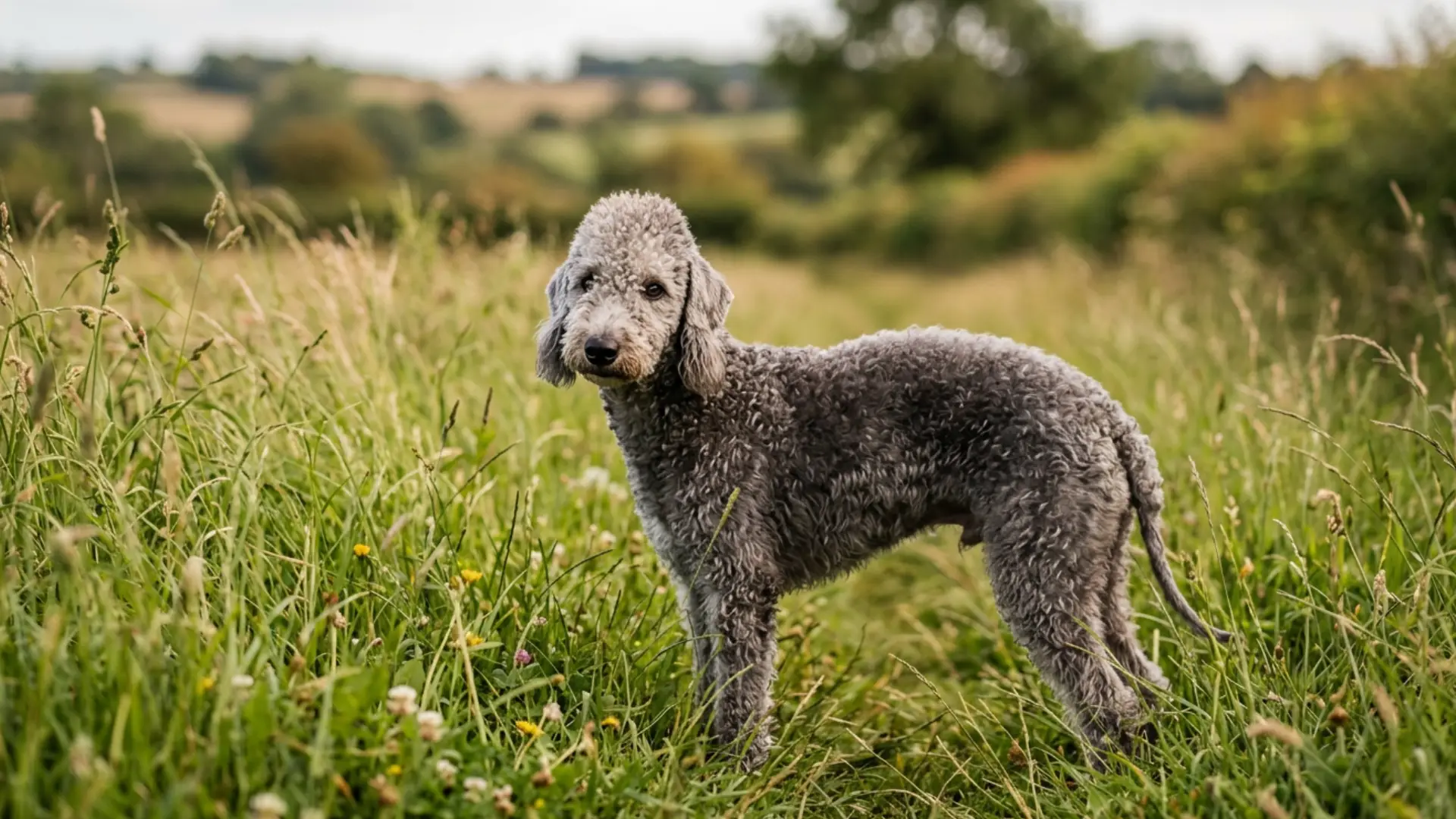
The Bedlington Terrier looks gentle, almost lamb-like, but beneath that soft outline lies real speed, athleticism, and prey drive.
Weighing around 17 to 23 pounds, Bedlington Terriers are affectionate with family and lively outdoors.
Their curly coat needs regular professional grooming to keep its rounded shape. They suit owners who want a unique, scruffy terrier with elegance, energy, and personality, both in daily life and at home.
20. Kerry Blue Terrier
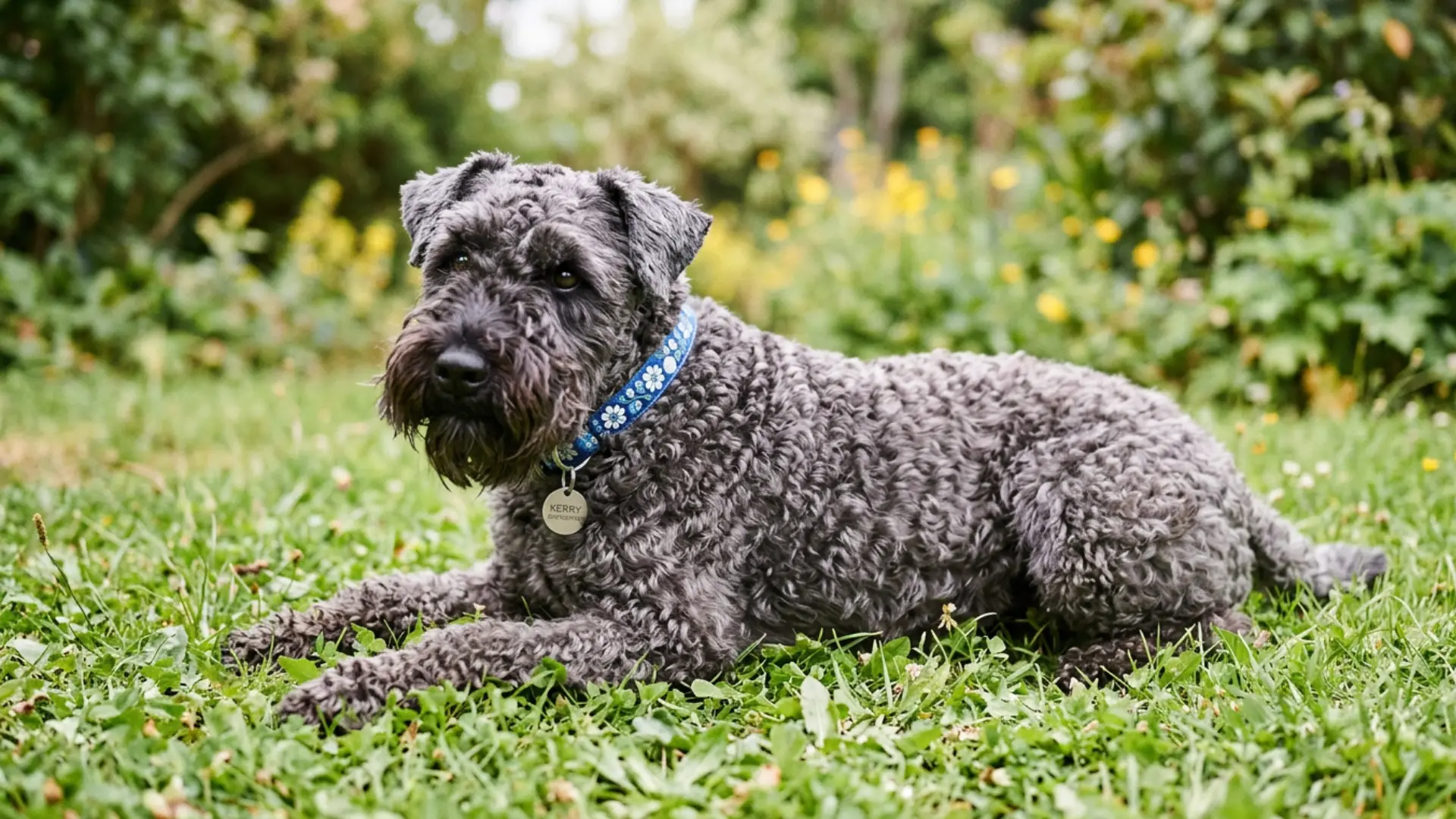
The Kerry Blue Terrier is born black and gradually develops its famous blue-gray coat as it matures.
This Irish breed was used for hunting, guarding, and farm work, so it is strong, smart, and very loyal. Kerry Blues need regular professional grooming because their wavy coat grows continuously.
They suit experienced owners best, especially those ready to manage confidence, energy, and possible dog selectivity with careful training from puppyhood.
21. Glen of Imaal Terrier
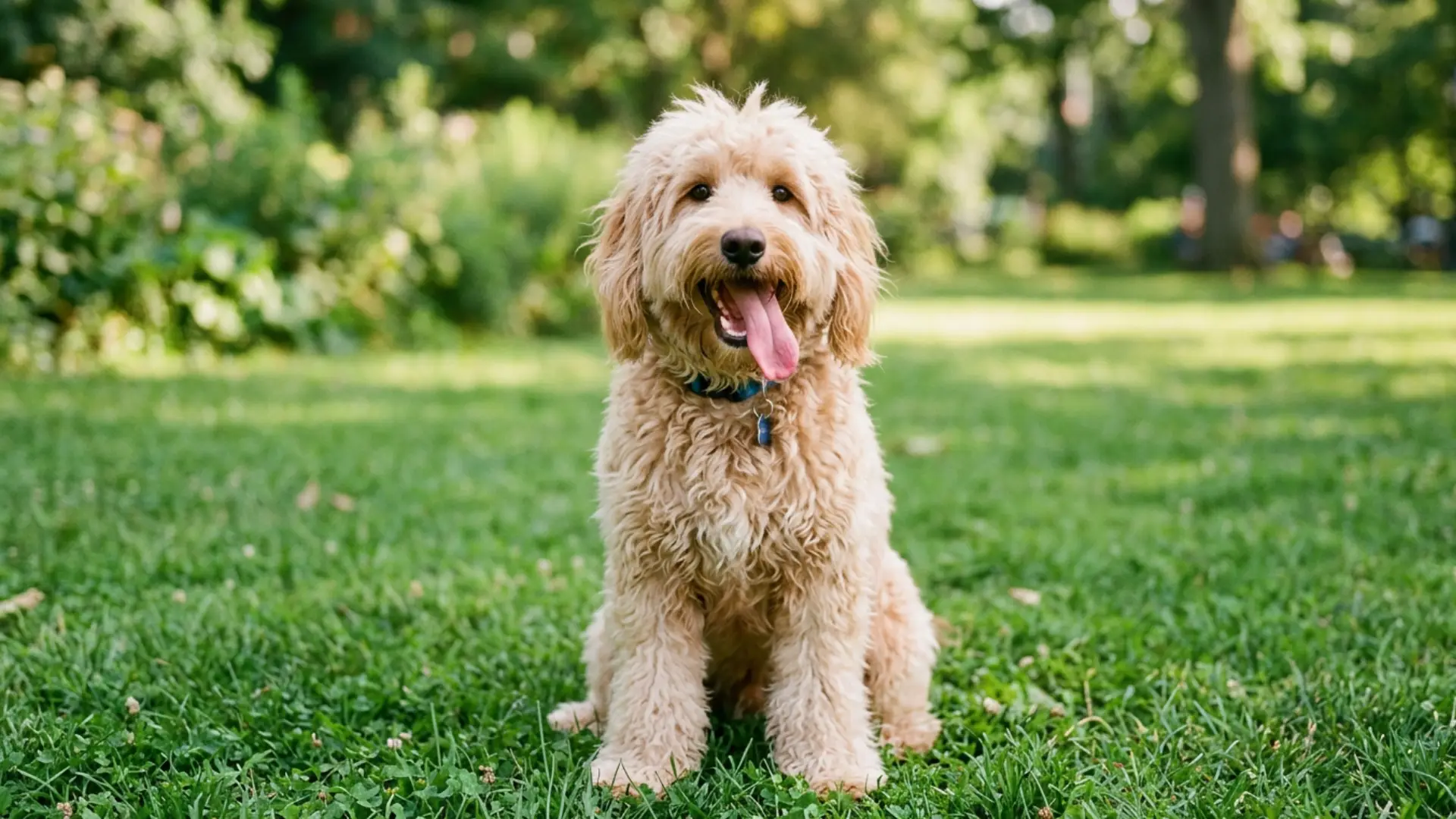
The Glen of Imaal Terrier is a quieter, scruffy Irish terrier with a long body, strong chest, and rough, medium-length coat.
Originally bred for tough work, it is powerful for its size but usually calmer than many terriers.
Glens still need structured walks, training, and mental challenges. They suit experienced owners who want a terrier character in a sturdier, less frantic, more unusual dog for daily home life and routine.
22. Dandie Dinmont Terrier
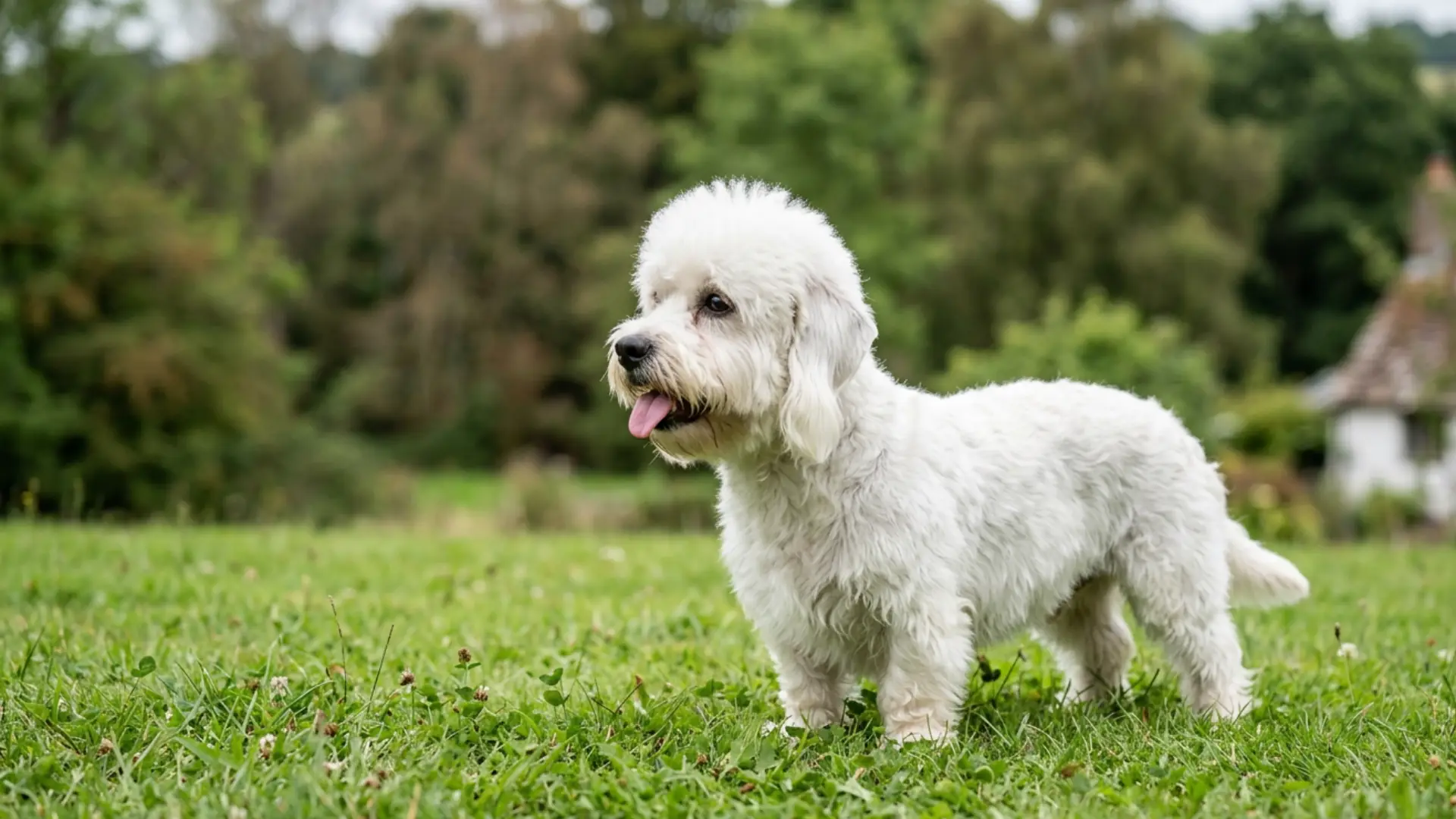
The Dandie Dinmont Terrier has a long, low body, a silky topknot, and a wiry coat in pepper or mustard shades.
This rare breed is dignified, loyal, and less frantic than many terriers, though still independent. Dandies weigh about 18 to 24 pounds and often suit calmer homes.
Their coat needs regular care, and their deep bark can sound surprisingly big for such a small dog at home every day.
23. Sealyham Terrier
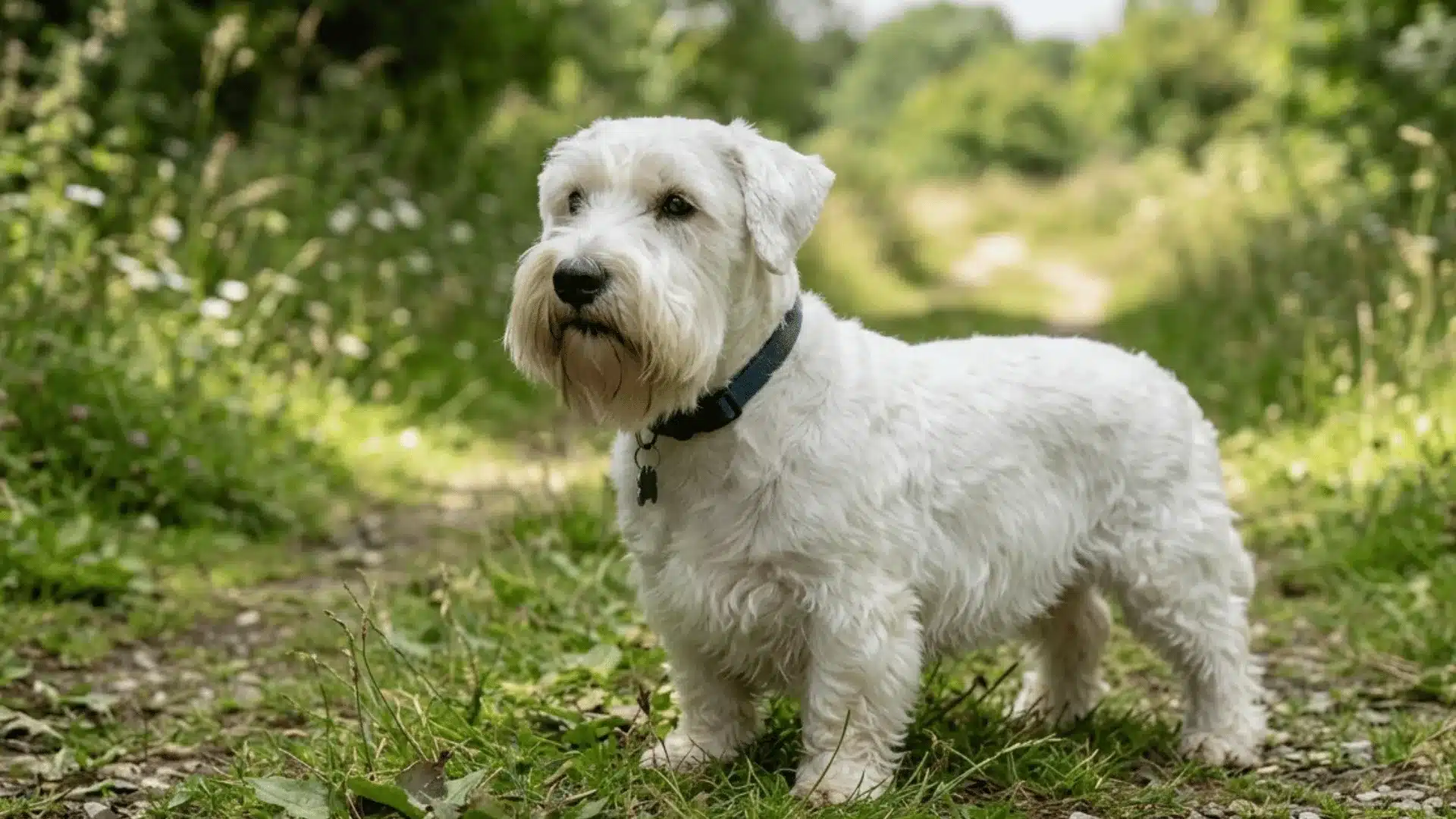
The Sealyham Terrier is rare today, but it remains one of the calmer scruffy terrier breeds. This sturdy little dog usually weighs around 23 to 24 pounds and has a thick, white, wiry coat, bushy eyebrows, and a strong body.
Sealyhams bond closely with their owners and can adjust well to apartment life.
They still need grooming, short daily walks, and clear boundaries, but they are often less intense than many other terriers.
How to Choose the Right Terrier for Your Lifestyle
Choosing the right terrier starts with lifestyle. Match size, energy, grooming, noise level, and prey drive to your home before falling for looks alone.
| Your lifestyle | Recommended breed | Why it works |
|---|---|---|
| Apartment, moderate activity | Miniature Schnauzer | Adapts to smaller spaces, low-shedding, trainable |
| Active family with a yard | Cairn Terrier or Border Terrier | Robust, good with children, manageable size |
| Experienced owner, no small pets | Airedale Terrier or Kerry Blue | Athletic, intelligent, needs experienced handling |
| First-time terrier owner | Welsh Terrier or Cesky Terrier | More trainable than most terriers, calmer temperament |
| Allergy-sensitive household | American Hairless Terrier or Rat Terrier | Minimal shedding, low dander output |
| Quieter home, less-active owner | Sealyham or Dandie Dinmont | Calmer terrier temperament, still loyal and alert |
| Looking for a companion lap dog | Yorkshire Terrier | Small, affectionate, and bonds tightly with one person |
Common Health Considerations by Terrier Type
Different types of terriers carry different health tendencies, and knowing what to watch for before you bring one home saves a lot of surprises later.
- Small working terriers: Cairn, Border, and Norfolk Terriers are usually hardy, but watch for kneecap and eye issues.
- Large working terriers: Airedale, Kerry Blue, and Irish Terriers may need screening for hip dysplasia and bloat risk.
- Bull-type terriers: Bull Terriers, AmStaffs, and Staffies can have skin allergies. White Bull Terriers may be at risk of deafness.
- Toy terriers: Yorkshire Terriers need dental care and may be prone to tracheal collapse or low blood sugar.
- Soft Coated Wheaten Terriers: Wheatens can carry PLN risk, so breeder health screening is important.
Note: This section is for general informational purposes only. Always consult a licensed veterinarian for health guidance specific to your dog.
Conclusion
Choosing a terrier is easier when personality, size, grooming, and energy level are matched with the right home. Some terriers suit apartments, while others need more space, longer walks, and experienced handling.
Coat care also matters, especially with wiry or long-haired breeds that need brushing and regular trims. Families should also think about barking, prey drive, children, other pets, and health needs before deciding.
The best types of terriers are not always the most popular ones, but the ones that fit daily life without constant stress.
Take time to compare breeds carefully, meet the dog when possible, and speak with a trusted breeder or rescue. Which terrier would fit your home best? Share your pick in the comment section.
Frequently Asked Questions
Which Type of Terrier is Best for Families with Kids?
Cairn Terriers, Border Terriers, and Soft Coated Wheaten Terriers are generally considered good choices for families with children
Are Terriers Hypoallergenic?
No dog is truly hypoallergenic, but low-shedding terriers may suit some allergy sufferers. Meet the dog first to test your reaction.
Which is the Calmest Type of Terrier?
The Sealyham Terrier and Dandie Dinmont Terrier are among the calmest terrier types available. The Glen of Imaal Terrier is also notably quieter than most breeds in the group.