Some dogs are more than pets. They are living pieces of history. Long before modern homes, dog shows, or breed clubs, certain dogs were already helping humans hunt, guard, travel, and survive.
These ancient dog breeds show how deep the bond between people and dogs really goes. As a lifelong dog enthusiast and breed researcher, I’ve always found it fascinating how some breeds still carry the looks, instincts, and working habits of their earliest ancestors.
In this blog post, you’ll learn which dog breeds are considered among the oldest in the world, where they came from, and what made them so important.
We’ll also answer a question many curious dog lovers ask: what was the first dog on earth?
What Was the First Dog on Earth?
No one knows the exact first dog on Earth. The oldest genetically confirmed domesticated dog is a 14,200-year-old specimen from Kesslerloch Cave in Switzerland.
Dogs evolved from ancient wolves, and people started domesticating them many thousands of years ago during the Ice Age. This happened long before farming or settled villages existed.
Early dogs lived with hunter-gatherer groups and became important helpers for hunting and everyday life. As time passed, these dogs spread across different regions, including Europe and parts of Asia.
They formed a close bond with humans that grew stronger over generations. Some older-looking remains once thought to be dogs are now understood to be wolves.
This early connection helped shape the loyal companions we know today. Dogs truly were among humanity’s very first animal partners.
How Scientists Identify Ancient Dog Breeds
Calling a breed “ancient” takes more than old folklore. Researchers combine archaeology, genetics, and historical records to confirm a lineage. The main markers they look for:
- Archaeological evidence: ancient bones, fossils, and burial sites
- Historical records: artwork, carvings, tomb paintings, and written accounts
- DNA analysis: genetic comparisons with ancient remains and wolf ancestors
- Continuous lineage: breeds that stayed relatively unchanged over long periods
- Geographic isolation: remote regions often preserve older genetic traits
When all three lines of evidence point in the same direction, researchers can confidently place a breed among the world’s oldest surviving canine lineages.
Ancient Dog Breeds that Have Been Around the Longest
These ancient dog breeds have archaeological, genetic, or historical records confirming their existence across many thousands of years. A few hold official world records.
Others have only recently been confirmed through DNA studies. All of them are still very much alive today, which is part of what makes them so worth knowing about.
1. Saluki
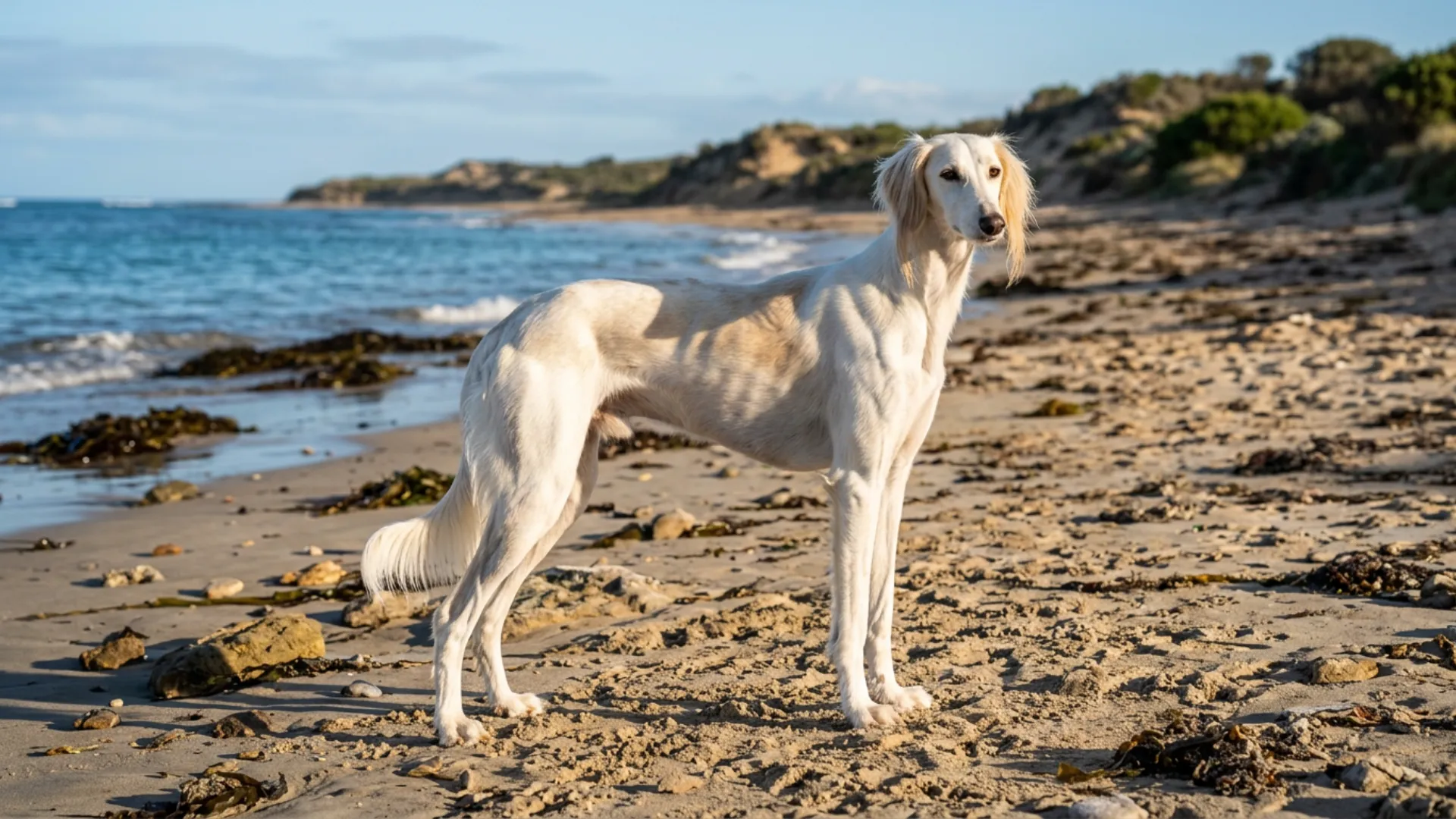
The Saluki is widely regarded as one of the oldest known dog breeds in the world. Archaeological discoveries and ancient artwork suggest it has existed for more than 5,000 years.
Its graceful appearance and hunting abilities made it highly valued across the Middle East and North Africa.
- Historical Roots: Hunted alongside Egyptian pharaohs and Bedouins.
- Defining Trait: Built for speed with a lean, aerodynamic body.
- Behavior Insight: Naturally inclined to chase fast-moving animals.
2. Basenji
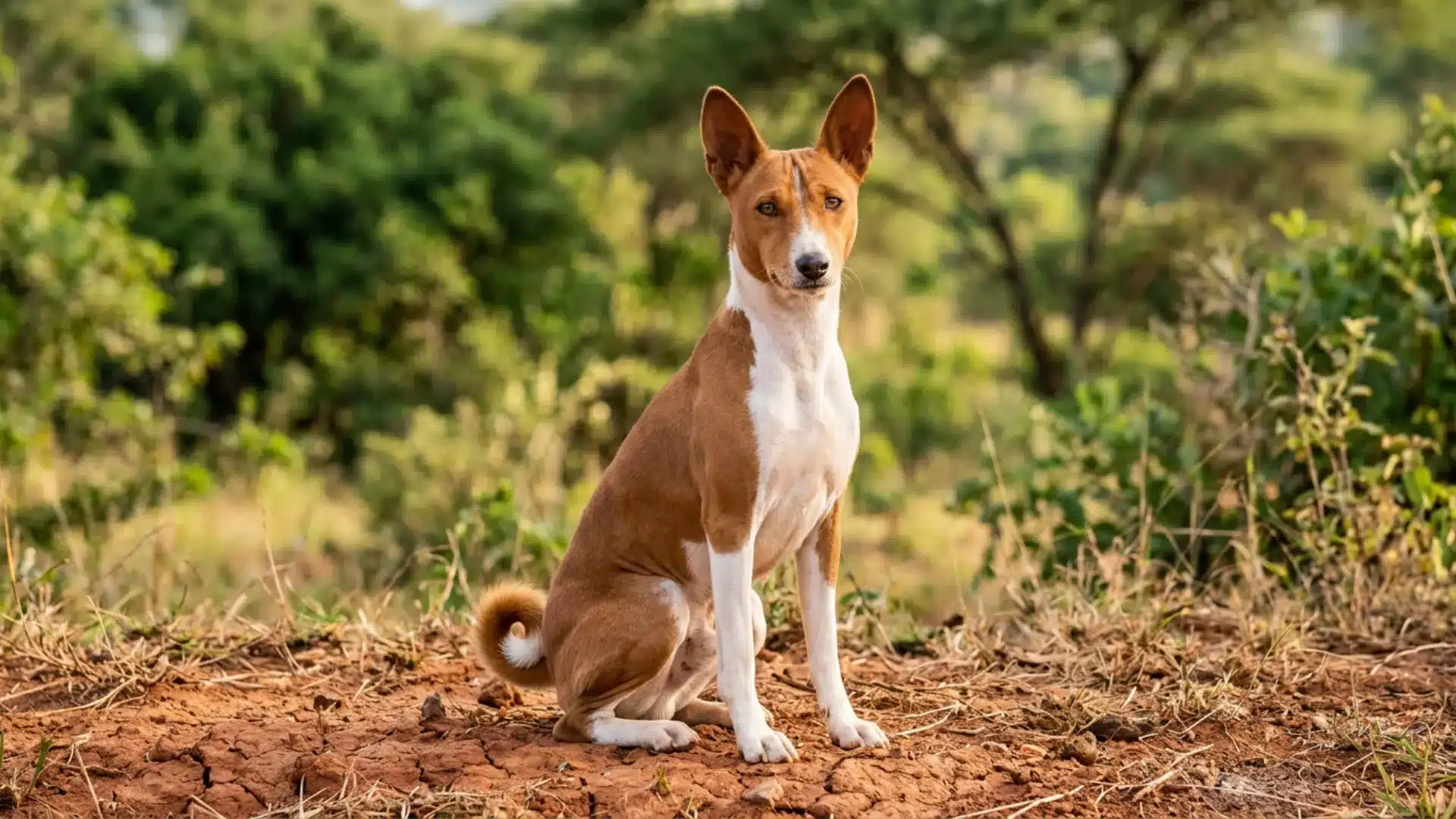
The Basenji is one of the most ancient and genetically distinctive dog breeds still in existence today.
Depictions of dogs resembling the Basenji appear in ancient African and Egyptian artifacts, suggesting a close relationship with humans that dates back thousands of years.
Unlike many modern breeds, it has preserved several primitive characteristics, including its unique vocalizations and independent nature. These enduring traits provide a fascinating glimpse into the early stages of canine domestication and evolution.
- Historical Roots: Assisted Central African hunters for centuries.
- Defining Trait: Produces a yodel-like “barroo” instead of barking.
- Behavior Insight: Independent thinkers who prefer doing things their own way.
3. Akita Inu
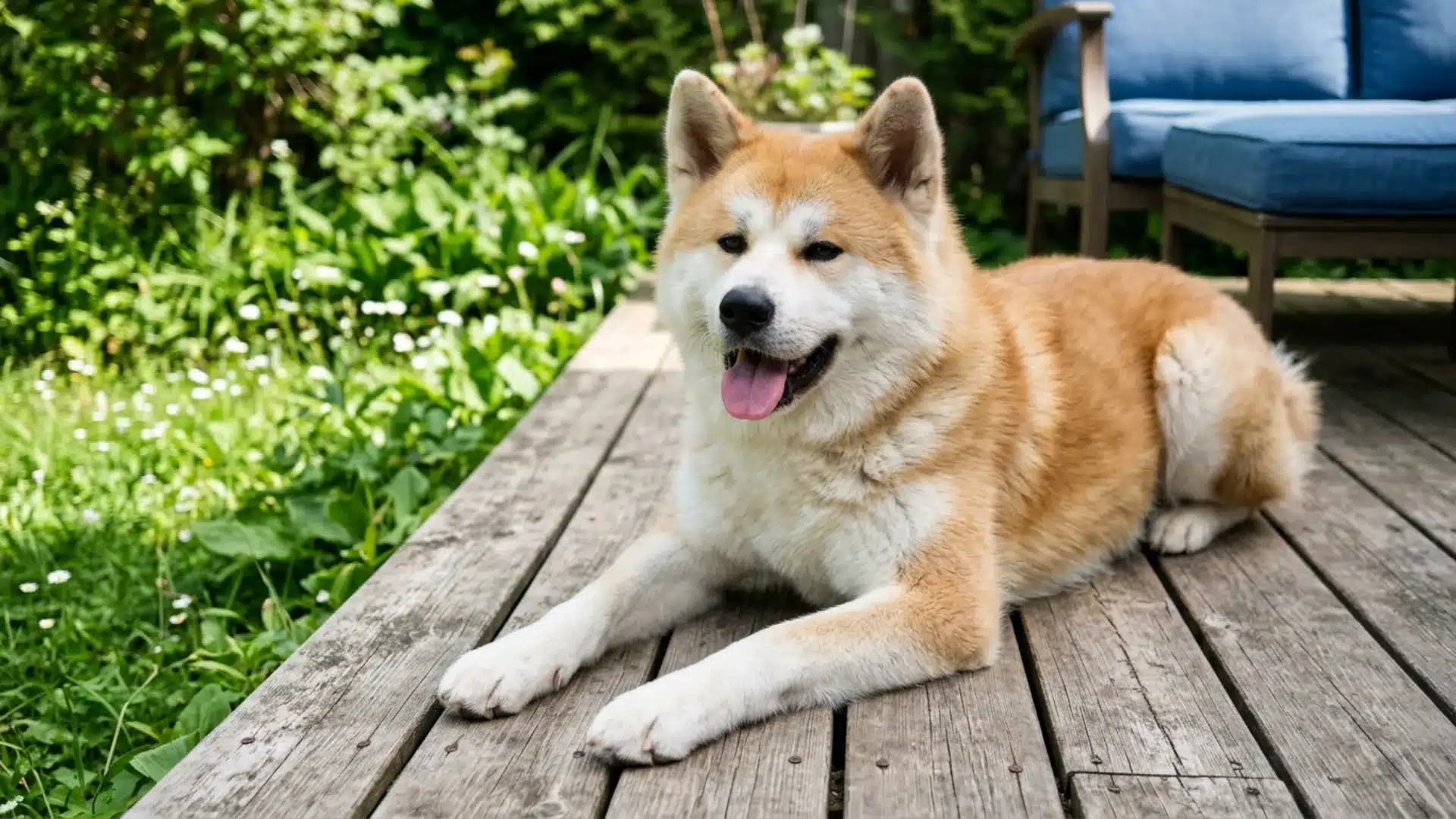
The Akita Inu traces its ancestry to some of Japan’s earliest canine populations and is considered one of the country’s most historically significant breeds.
Archaeological discoveries and historical records connect the Akita to dogs that inhabited the region thousands of years ago.
Originally bred for hunting large game, the breed developed remarkable strength, intelligence, and endurance. Over the centuries, it also became a powerful symbol of loyalty, courage, and protection, qualities that continue to define the Akita Inu today.
- Historical Roots: Served hunters and Japan’s samurai class.
- Defining Trait: Powerful build paired with unwavering loyalty.
- Behavior Insight: Loyal and protective, but selective with strangers.
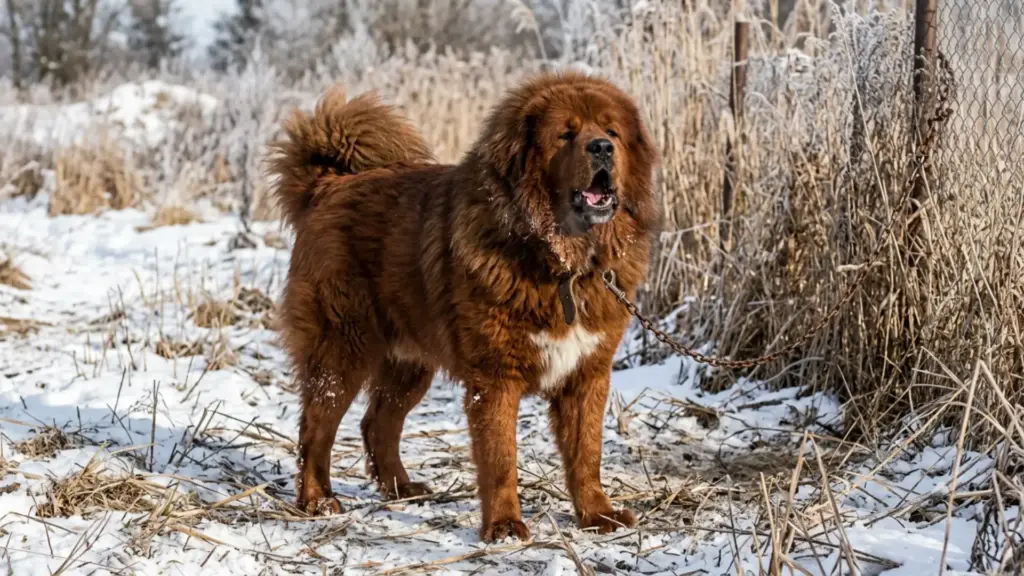
4. Tibetan Mastiff
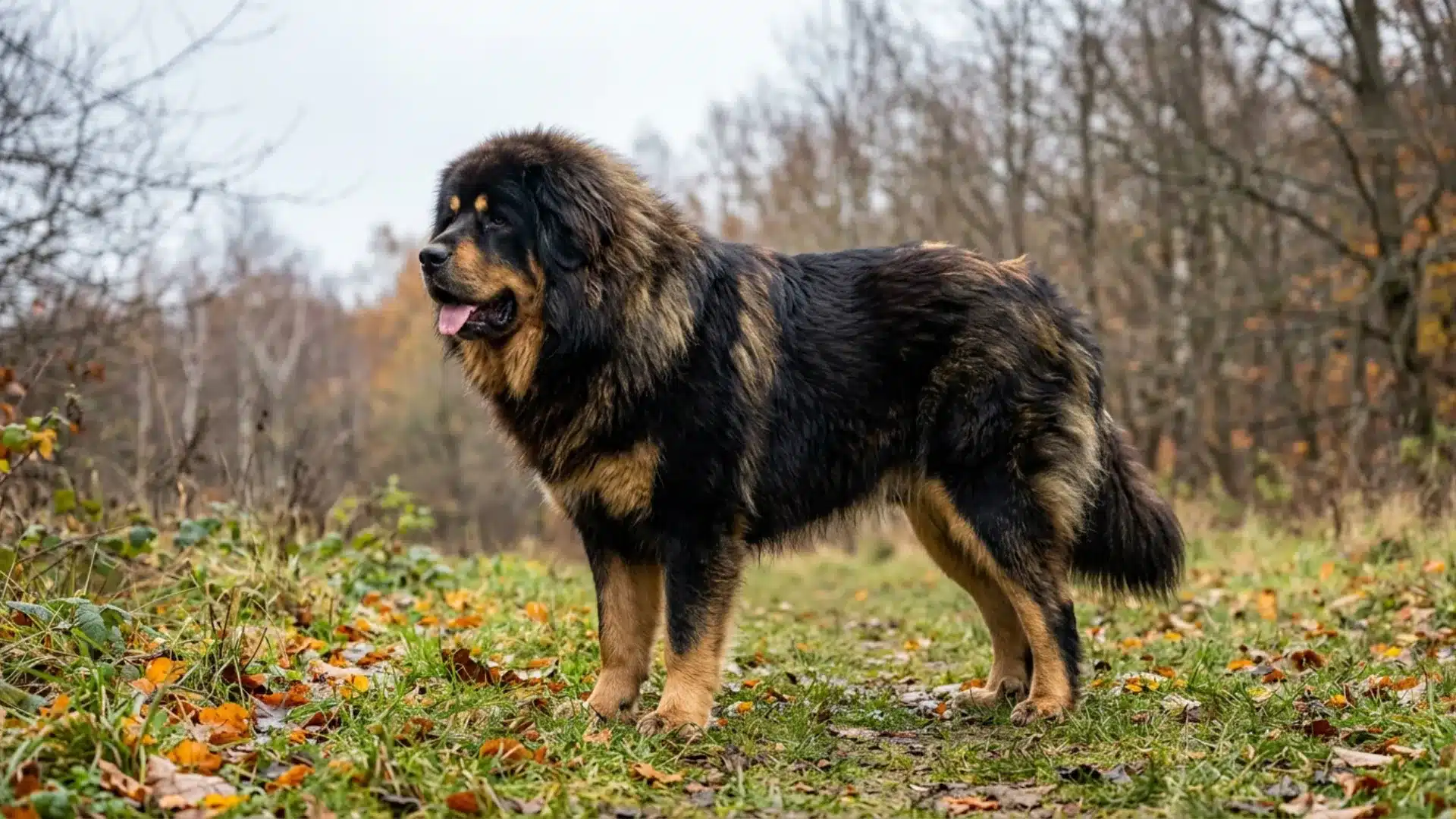
The Tibetan Mastiff originated in the remote Himalayan mountains, where harsh conditions demanded exceptional strength, endurance, and resilience.
Many researchers believe its lineage separated from wolves earlier than that of numerous modern breeds, making it one of the most ancient canine bloodlines.
Bred primarily to guard livestock and settlements, it developed powerful protective instincts and a commanding presence. Even today, its imposing appearance, independence, and guardian nature remain remarkably similar to those of its distant ancestors.
- Historical Roots: Guarded monasteries and livestock in Tibet.
- Defining Trait: Massive frame with a thick protective coat.
- Behavior Insight: Strong guardian instincts remain deeply ingrained.
5. Chow Chow
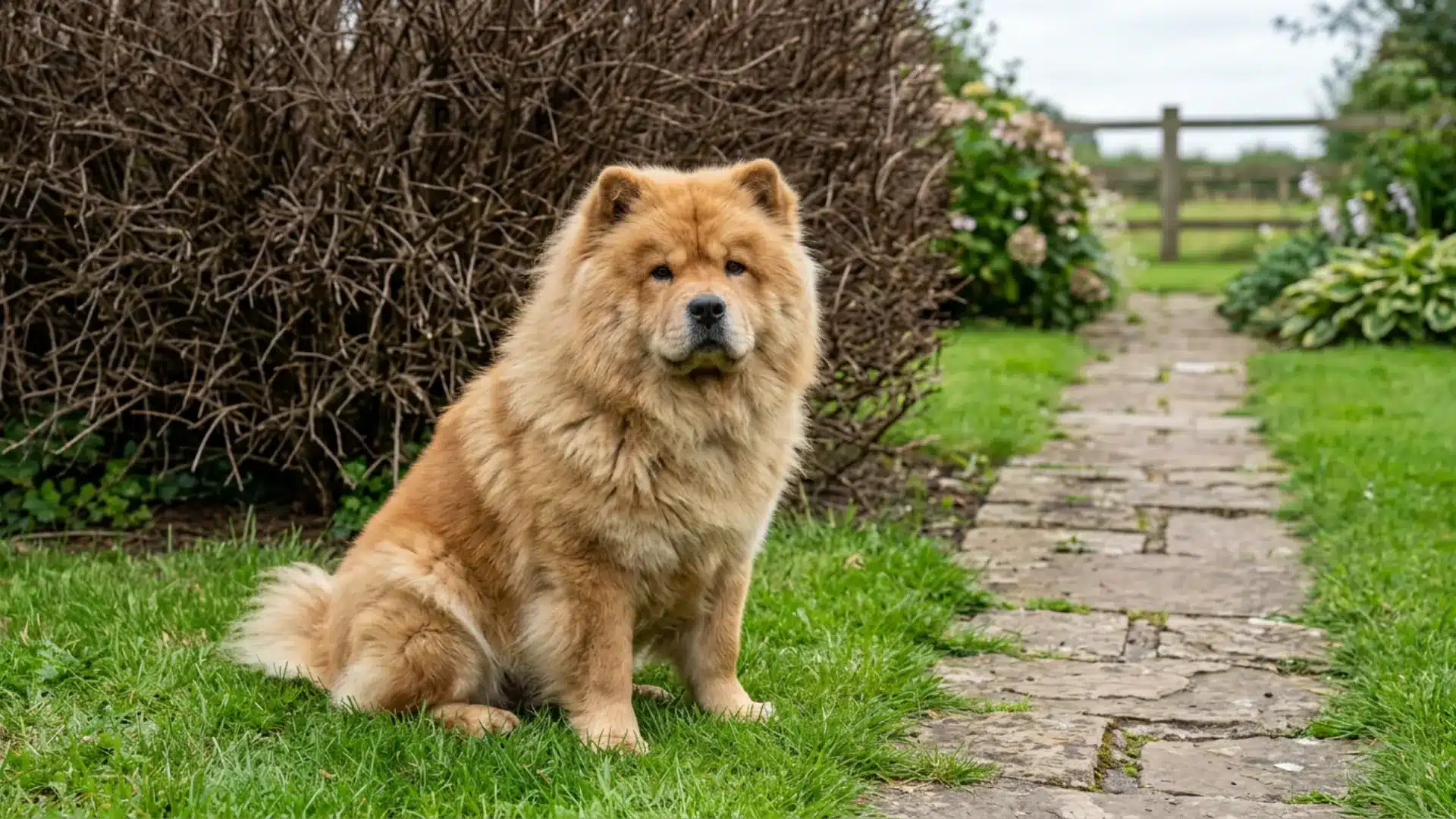
The Chow Chow is one of China’s oldest and most distinctive dog breeds, with a history that spans several thousand years.
Ancient Chinese artwork, sculptures, and historical records depict dogs resembling the modern Chow Chow, highlighting its long-standing presence in the region.
Genetic research also identifies the breed as one of the most ancient and primitive canine lineages, closely connected to early domesticated dogs. Its unique appearance and enduring ancestry have helped preserve its place as a living link to China’s rich canine history.
- Historical Roots: Worked as hunters, guards, and companions.
- Defining Trait: Distinctive blue-black tongue and lion-like mane.
- Behavior Insight: Dignified and reserved around unfamiliar people.
6. Chinese Shar-Pei
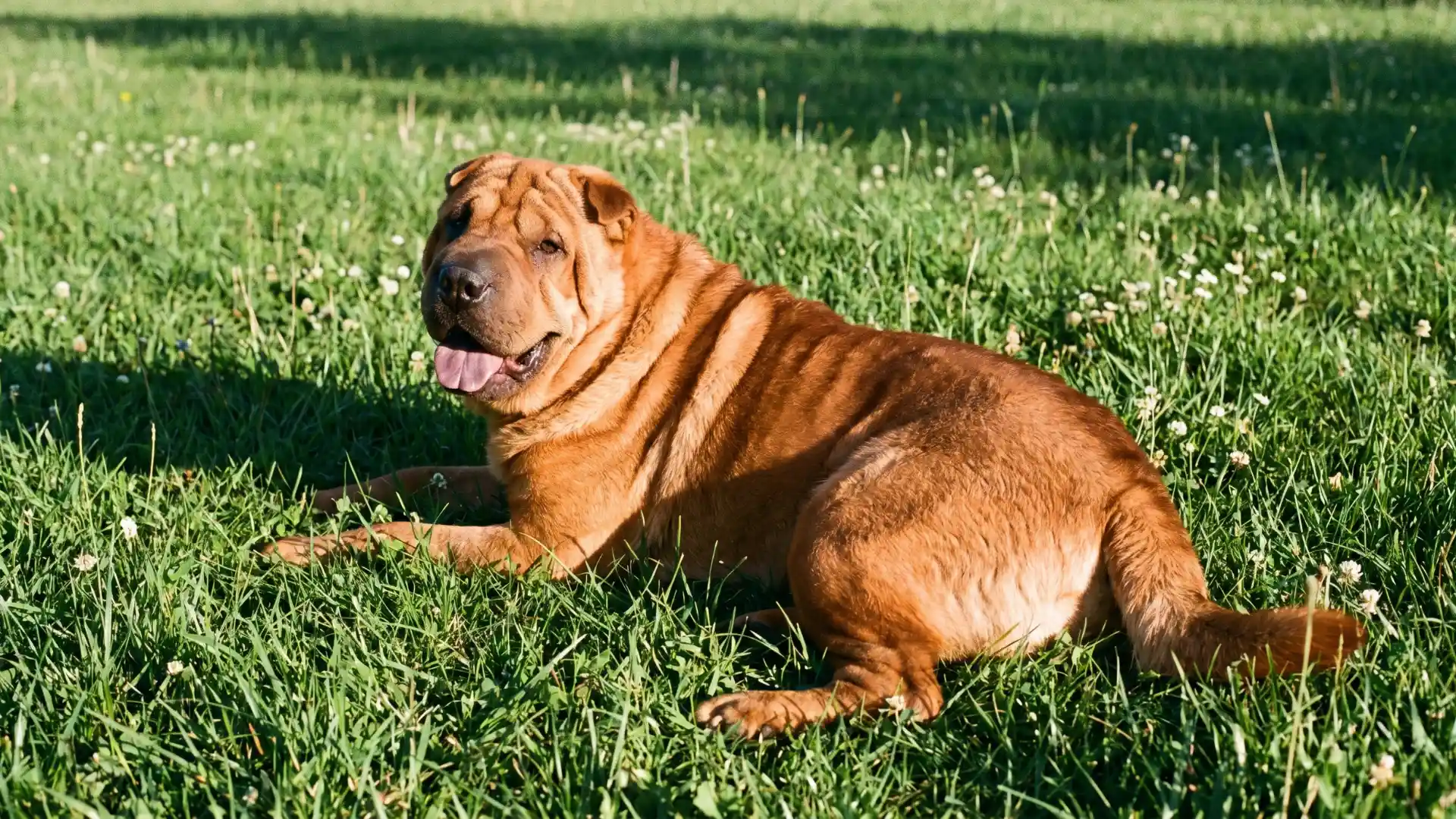
The Chinese Shar-Pei has documented roots in ancient China, with statues and figurines resembling the breed found from the Han Dynasty period. Farmers used them for guarding, herding, and hunting.
Farmers relied on these dogs for guarding property, hunting, and herding livestock. If you’re interested in distinctive-looking companions, you might also enjoy reading about large black dog breeds with similarly bold appearances.
- Historical Roots: Bred for herding, hunting, and guarding.
- Defining Trait: Loose wrinkles and a rough “sand skin” coat.
- Behavior Insight: Naturally watchful and devoted to their family.
7. Afghan Hound
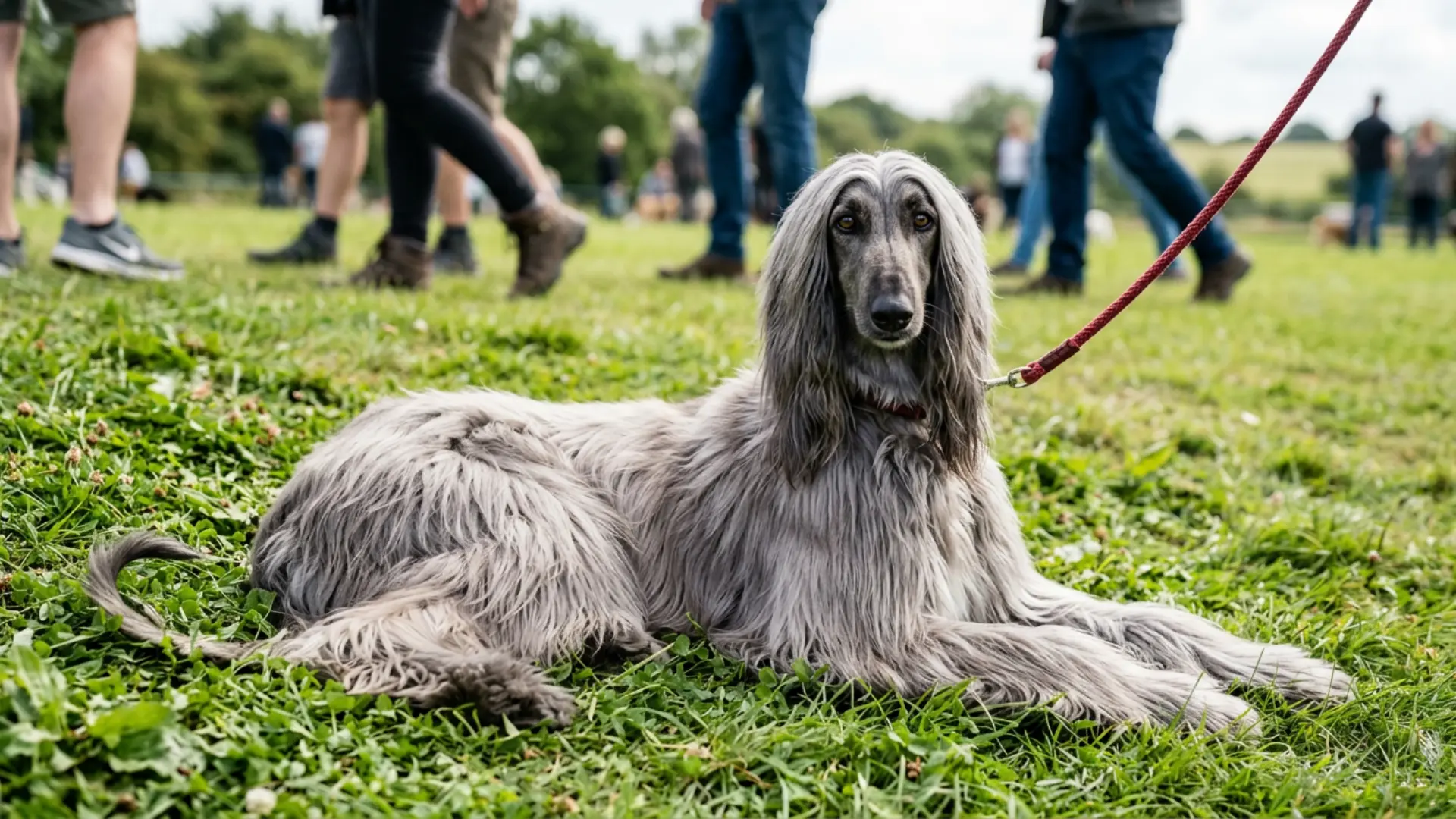
The Afghan Hound is among the oldest sighthound breeds, with origins stretching back thousands of years.
It was developed in the rugged mountains and deserts of Afghanistan, where speed and agility were essential for survival. Its elegant appearance has remained remarkably consistent throughout history.
- Historical Roots: Used to hunt gazelles and other swift prey.
- Defining Trait: Long, silky coat and exceptional agility.
- Behavior Insight: Independent by nature and not always eager to please.
8. Greyhound
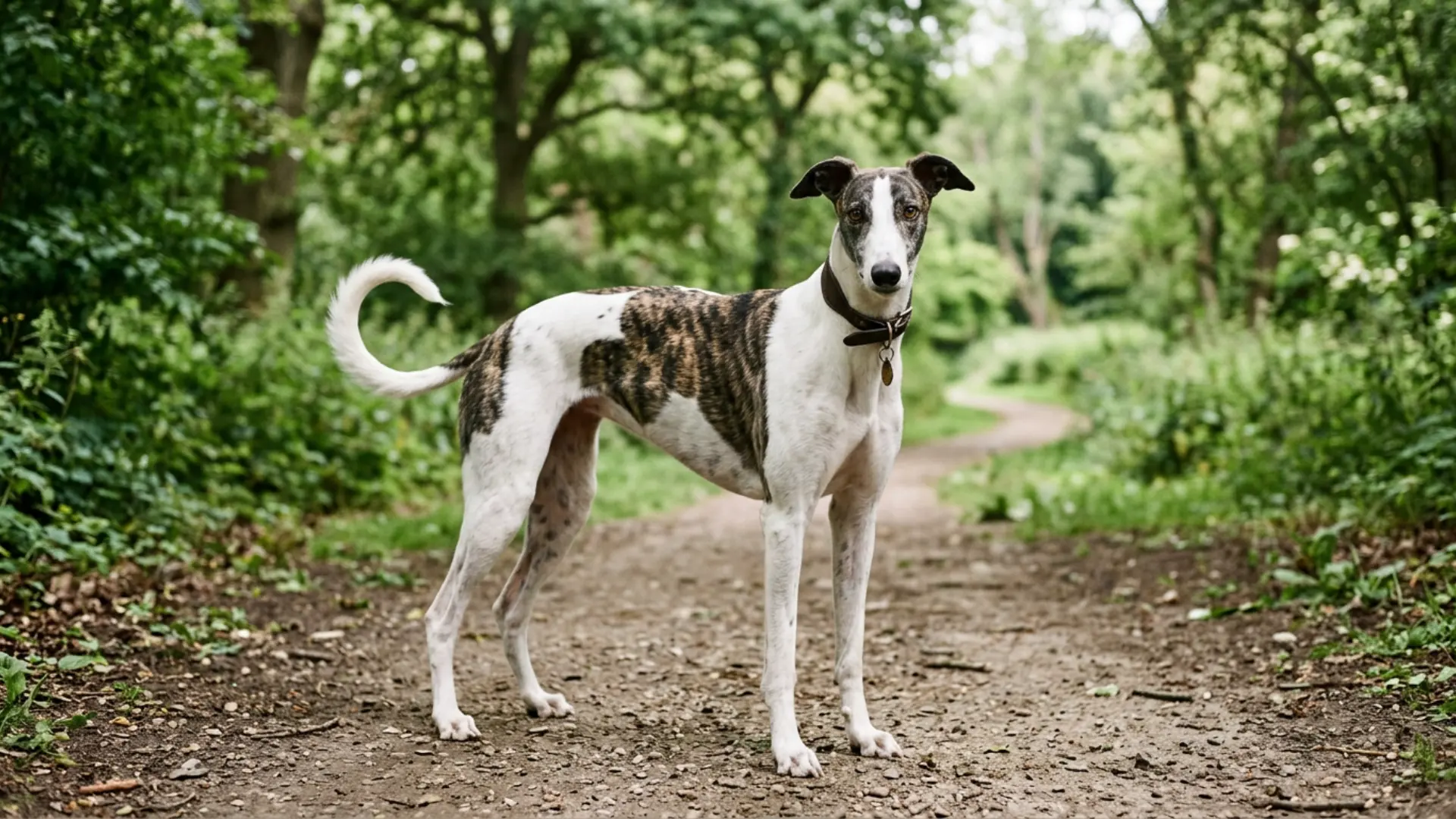
Dogs resembling the Greyhound appear in Egyptian tomb paintings dating back roughly 8,000 years. The breed is widely considered the oldest purebred sighthound, and many modern sighthounds are believed to descend from its ancient lineage.
Its cultural significance stretches back to antiquity, including references in Homer’s Odyssey.
- Historical Roots: Celebrated by Egyptian pharaohs and ancient nobles.
- Defining Trait: Fastest dog breed, reaching about 45 mph.
- Behavior Insight: Gentle and laid-back despite their racing background.
9. Greenland Sled Dog
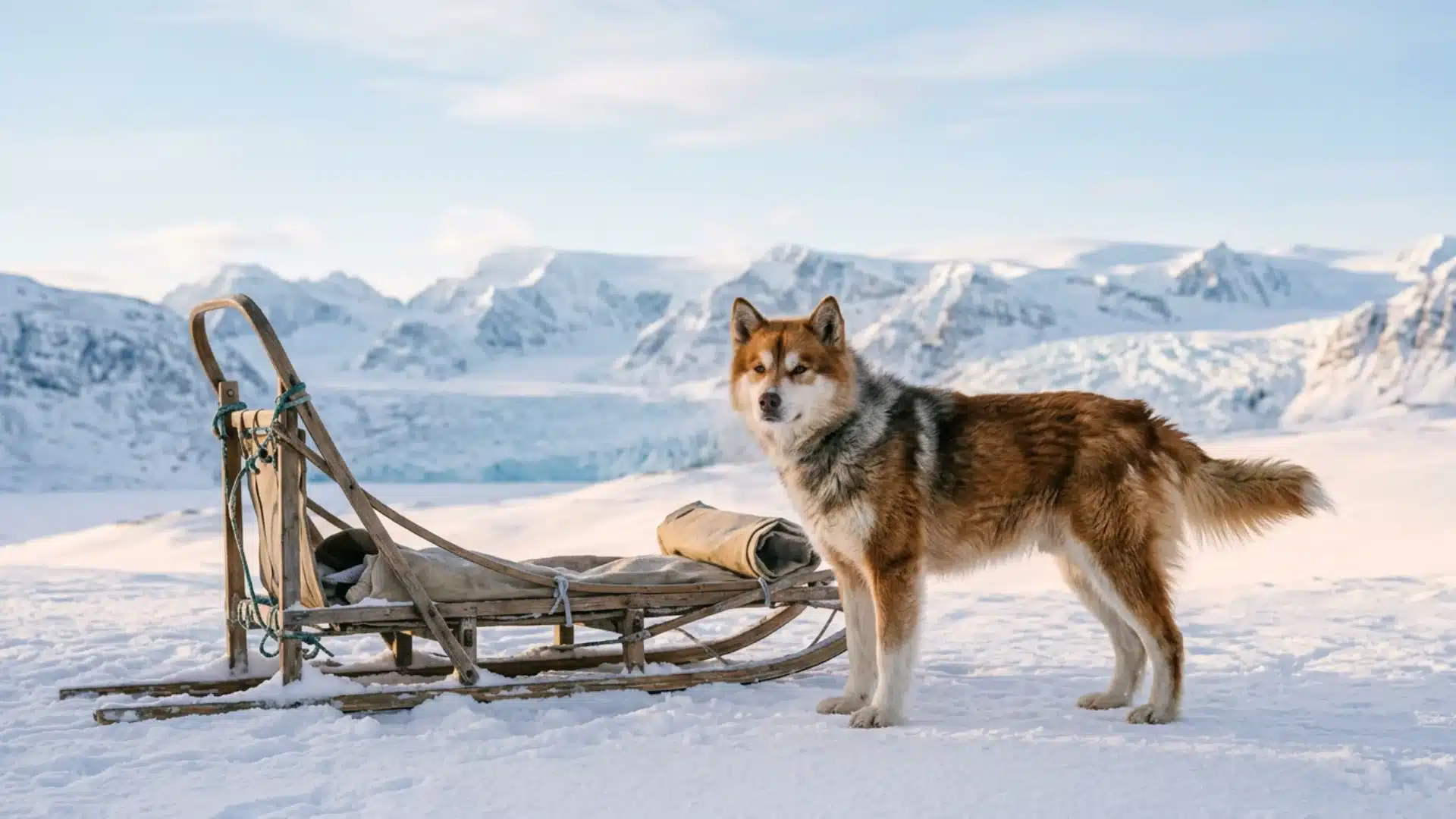
The Greenland Sled Dog is one of the oldest working dog breeds still around today. Its story is closely connected to Arctic life, where people depended on strong, hardy dogs to pull sleds across ice and snow.
Ancient remains found near wooden sled pieces suggest these dogs were bred for travel and transport thousands of years before written history began.
- Historical Roots: Linked to 9,500-year-old sled dogs from Siberia.
- Defining Trait: Adapted for Arctic work and efficient fat metabolism.
- Behavior Insight: Thrives when given work and a sense of purpose.
10. Shiba Inu
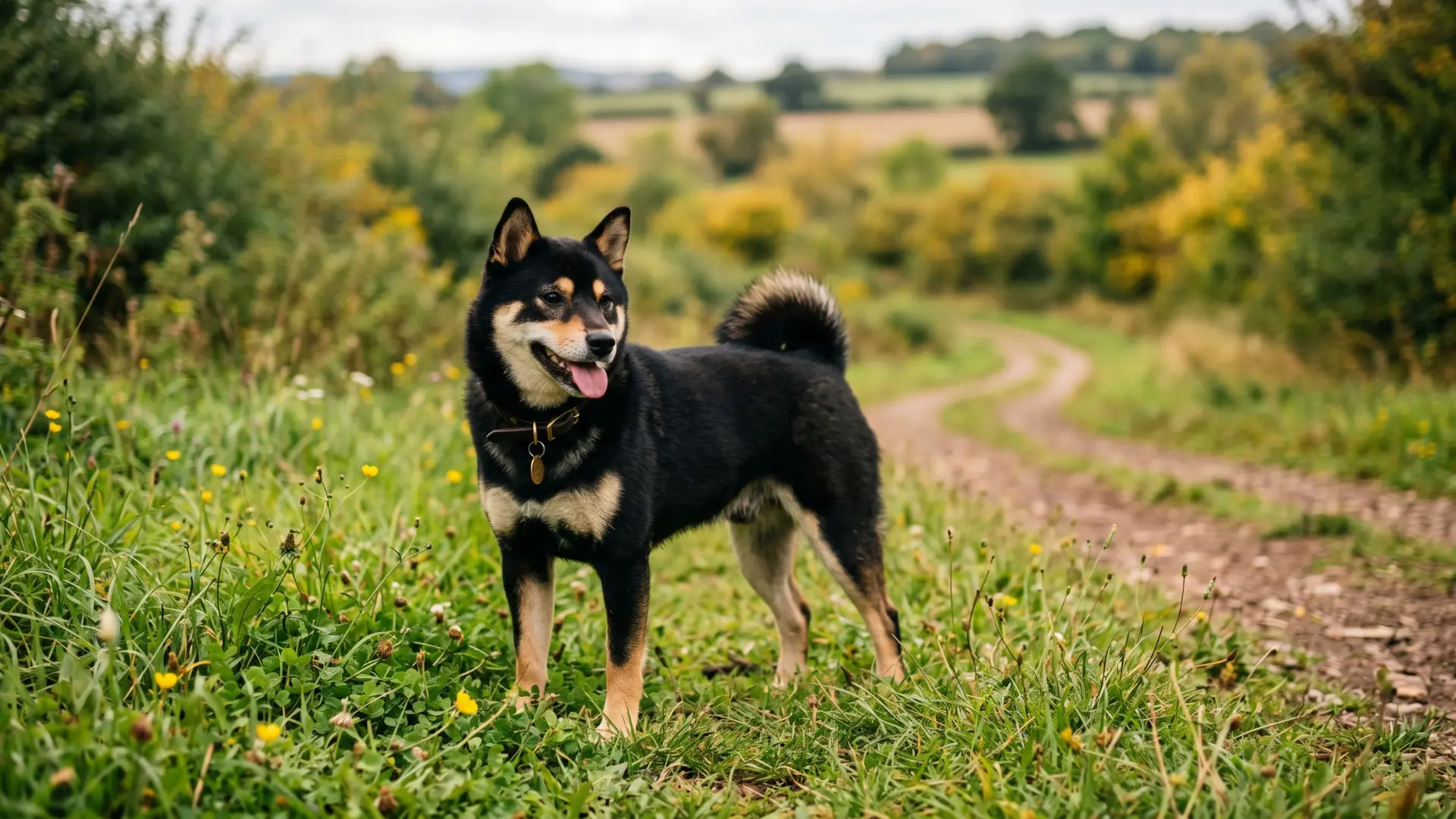
The Shiba Inu is one of Japan’s oldest native breeds, with a history that stretches back thousands of years. Archaeological evidence suggests that dogs resembling the modern Shiba lived in Japan long before recorded history.
Despite its compact size, the breed was originally developed as a skilled hunting companion, valued for its agility, alertness, and ability to navigate rugged mountainous terrain.
- Historical Roots: Flushed birds and small game from brush.
- Defining Trait: Fox-like appearance and confident personality.
- Behavior Insight: Confident, clever, and famously stubborn.
11. Alaskan Malamute
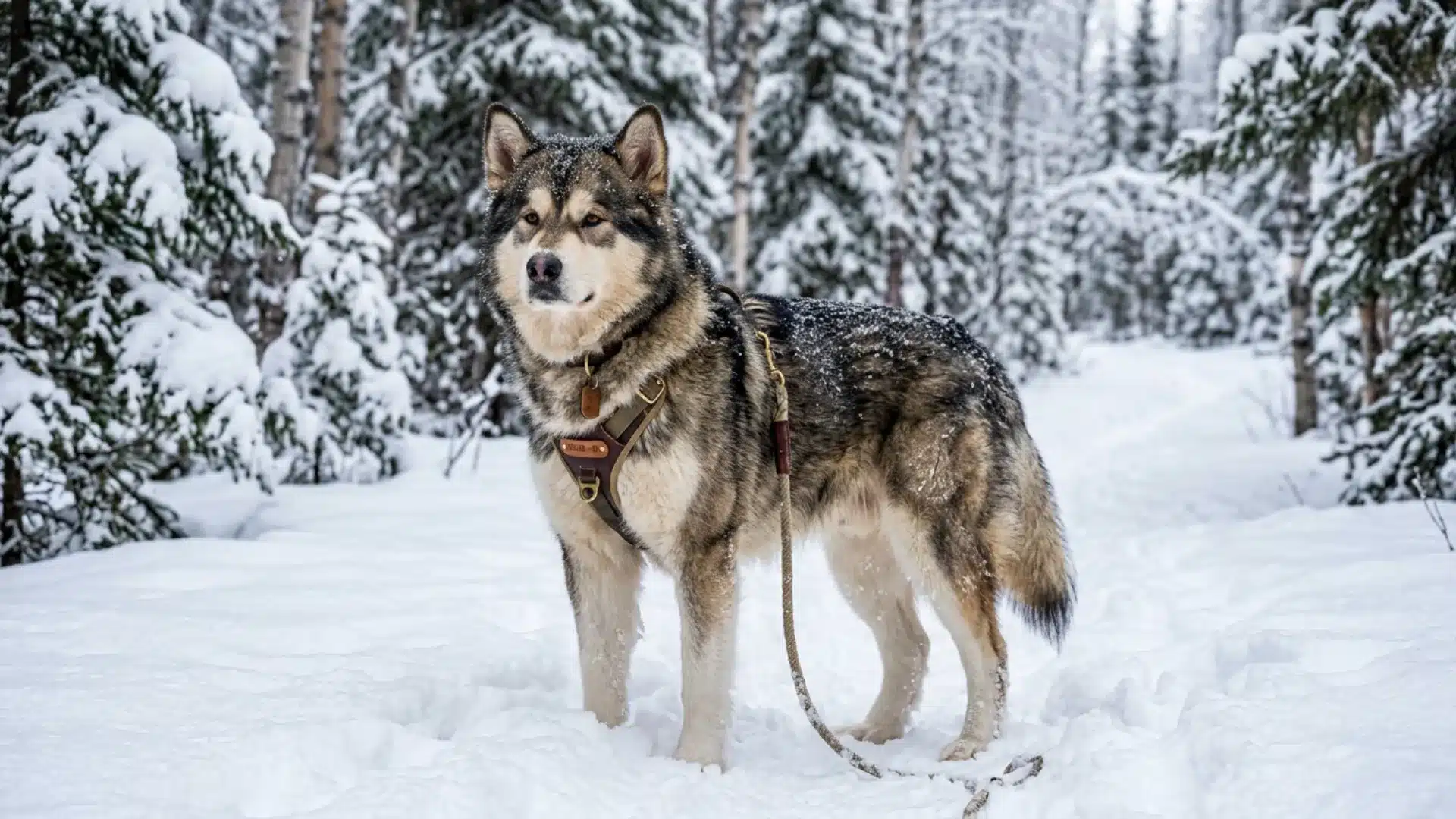
The Alaskan Malamute’s lineage dates back at least 4,000 years and is closely tied to Alaska’s indigenous Malemiut people.
Unlike racing sled dogs, Malamutes were bred to haul heavy loads across harsh Arctic terrain, making them invaluable for their strength and endurance.
- Historical Roots: Developed by the Malemiut people for heavy hauling.
- Defining Trait: Built for strength and endurance, not speed.
- Behavior Insight: Social, energetic, and happiest.
12. Samoyed
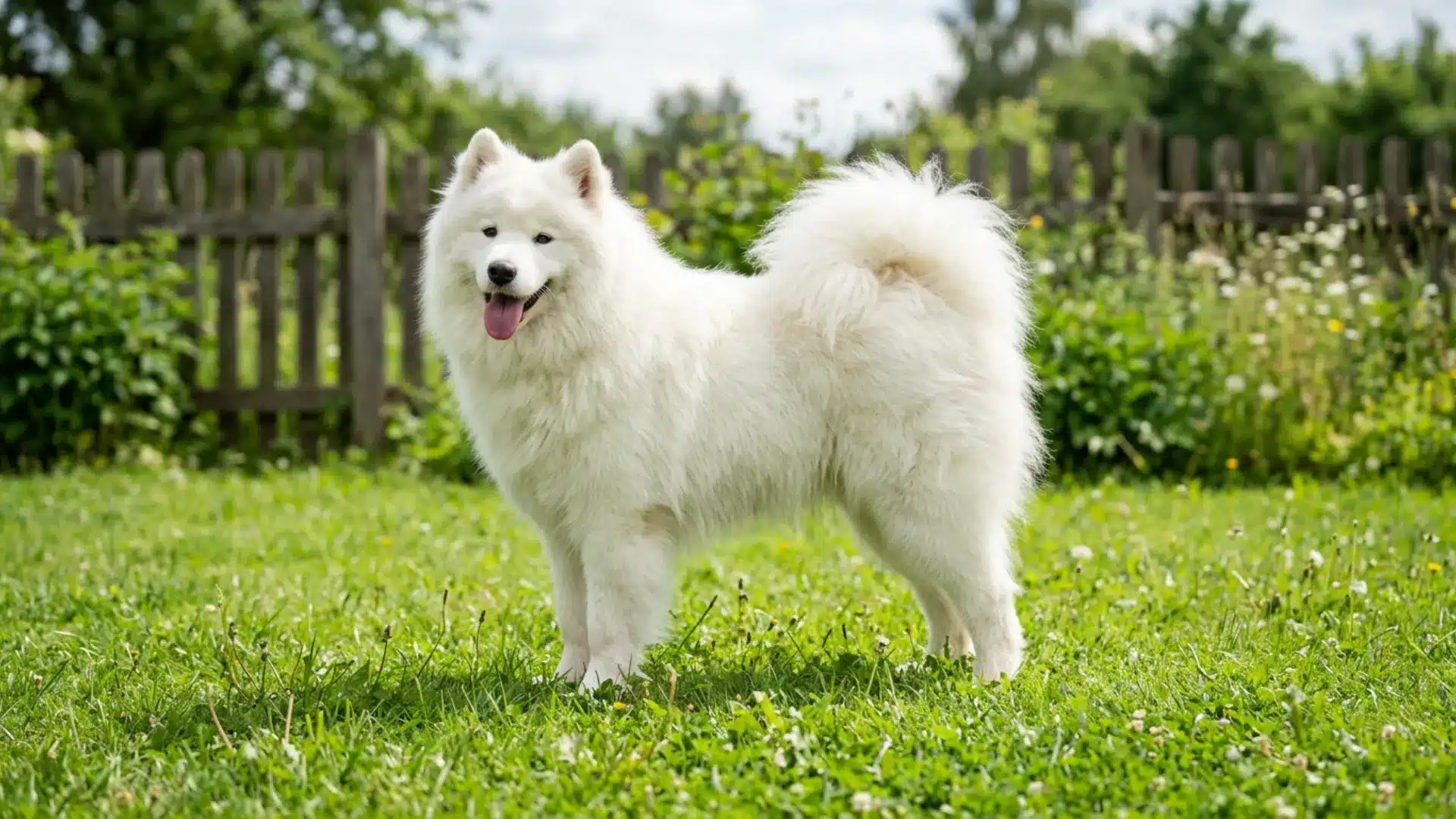
The Samoyed originated in Siberia around 1,000 BC and was developed by the nomadic Samoyede people of northern Russia.
These versatile dogs helped herd reindeer, hunt, and pull sleds across frozen landscapes. Their isolated development helped preserve both their appearance and working abilities for thousands of years.
- Historical Roots: Bred by the Samoyede people for herding and sled work.
- Defining Trait: A signature smile helps prevent drool from freezing.
- Behavior Insight: Friendly, outgoing, and thrives on human companionship.
13. Xoloitzcuintli
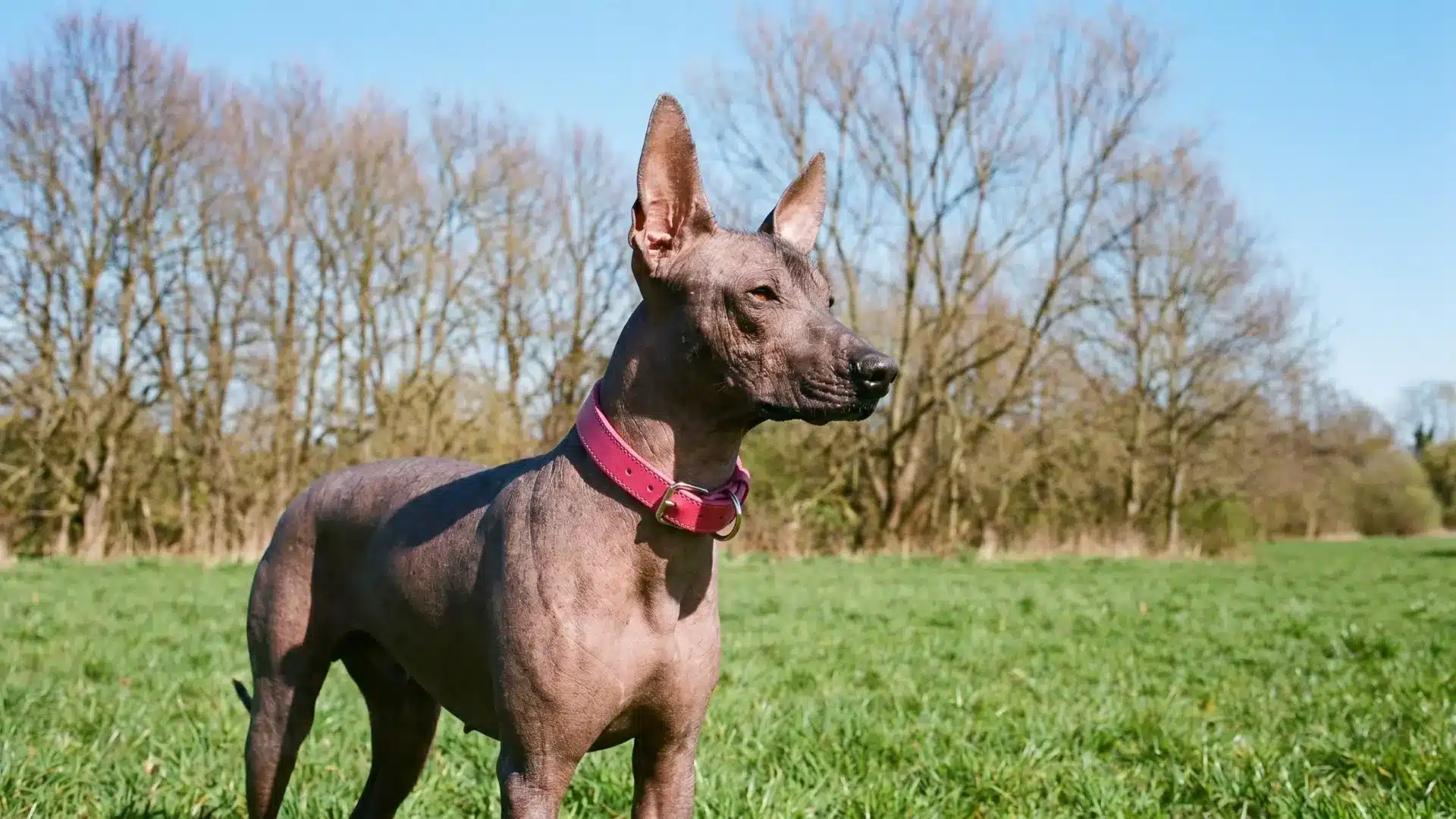
The Xoloitzcuintli, often called the Xolo, is one of Mexico’s oldest and most meaningful dog breeds. Its history goes back more than 3,000 years, with archaeological evidence connecting it to the Aztec, Maya, and Toltec civilizations.
These dogs were valued not only as companions but also for their spiritual role in ancient culture, making the Xolo a rare breed with deep historical and cultural importance
- Historical Roots: Revered by the Aztecs, Maya, and Toltecs.
- Defining Trait: The hairless gene produces both hairless and coated pups.
- Behavior Insight: Calm, attentive, and deeply bonded to its people.
Why Ancient Dog Breeds Behave Differently
Most breeds we recognize today were developed within the last 200 years, shaped for appearance, size, or companionship. Ancient dog breeds were shaped for survival. That difference shows up in their genetics, and more noticeably, in their behavior.
Many are more independent, instinct-driven, and less eager to please than modern breeds. They weren’t bred to follow commands for praise.
They were bred to hunt, guard, and make smart decisions on their own. They respond best to positive reinforcement, consistent structure, and owners who respect what they were built to do.
If one of these breeds caught your eye but you’re a first-time owner, it’s worth reading about easier-to-train dog breeds to understand what baseline obedience training looks like before committing to an independent ancient breed
Conclusion
Ancient dog breeds offer a fascinating connection to the earliest chapters of canine history. While many modern breeds were developed relatively recently, these dogs have preserved traits, instincts, and characteristics that trace back thousands of years.
From the swift Saluki and vocal Basenji to the loyal Akita and hardworking Greenland Sled Dog, each breed reflects a unique part of humanity’s long relationship with dogs.
What makes these breeds especially remarkable is that many still display the behaviors and abilities that once helped them hunt, guard, herd, and survive in challenging environments.
If you’re considering one of these ancient breeds, understanding its original purpose can provide valuable insight into its temperament, training needs, and lifestyle requirements today.
Which ancient dog breed surprised you the most? Share your thoughts in the comments below.
Frequently Asked Questions
Which is the Rarest Ancient Dog Breed?
The Xoloitzcuintli (Xolo) is widely considered one of the rarest ancient dog breeds. The breed nearly disappeared after European colonization and survived thanks to conservation efforts in Mexico. While its population is growing, it remains uncommon worldwide.
Do Ancient Dog Breeds Have Fewer Health Problems?
Some ancient breeds have fewer inherited health issues because they were not heavily altered through modern breeding. However, they are not immune to health concerns. Each breed has its own risks, such as hip dysplasia in Chow Chows or skin issues in Shar-Peis.
Can Ancient Dog Breeds Live in Apartments?
Some can, while others cannot. Greyhounds and Salukis often adapt well to apartment living with regular exercise. High-energy working breeds like the Greenland Sled Dog and Alaskan Malamute generally need more space and activity.
Are Ancient Dog Breeds Harder to Train?
Not necessarily. Many ancient breeds were bred to think independently rather than follow constant commands. They respond best to positive reinforcement, consistency, and training that keeps them engaged.