

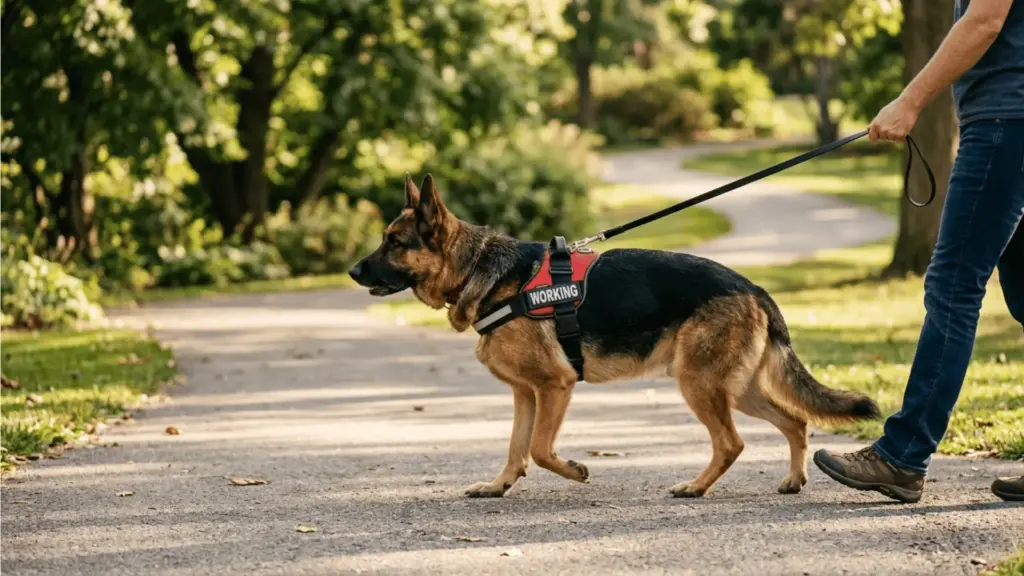
A service dog can change daily life, but the right match starts with the right breed traits. A cute face is not enough when a dog must guide movement, alert to medical changes, support psychiatric tasks, or stay calm in crowded public places.
The most reliable service dog breeds usually share a steady temperament, strong focus, easy training response, and a close bond with the handler.
Size, coat care, energy level, and health also matter because each role asks for different strengths.
This blog post breaks down the most common breeds used for service work, including Labradors, Golden Retrievers, Poodles, German Shepherds, and smaller alert dogs.
By the end, choosing a breed based on real tasks will feel clearer, safer, and more practical.
What Traits Make a Dog Suitable for Service Work?
Not every smart Dog is suited for service work. A Siberian Husky can learn quickly yet still prefer independent choices, which may be risky when a handler needs a fast, reliable response.
Service work needs more than intelligence.
- Trainability: The Dog must learn complex tasks and repeat them reliably in public.
- Calm Temperament: The Dog should stay steady in hospitals, airports, stores, and crowds.
- Handler Attunement: The Dog must notice the handler’s physical or emotional changes.
- Social Stability: The Dog should accept people and animals without losing focus.
- Physical Suitability: Size, strength, and build should match the job.
Even purpose-bred dogs often fail training, so breed helps, but temperament decides success in real service roles.
Best Service Dog Breeds for Every Role
This section compares popular service dog breeds by size, temperament, roles, and care needs, helping match each breed to specific support tasks.
1. Labrador Retriever
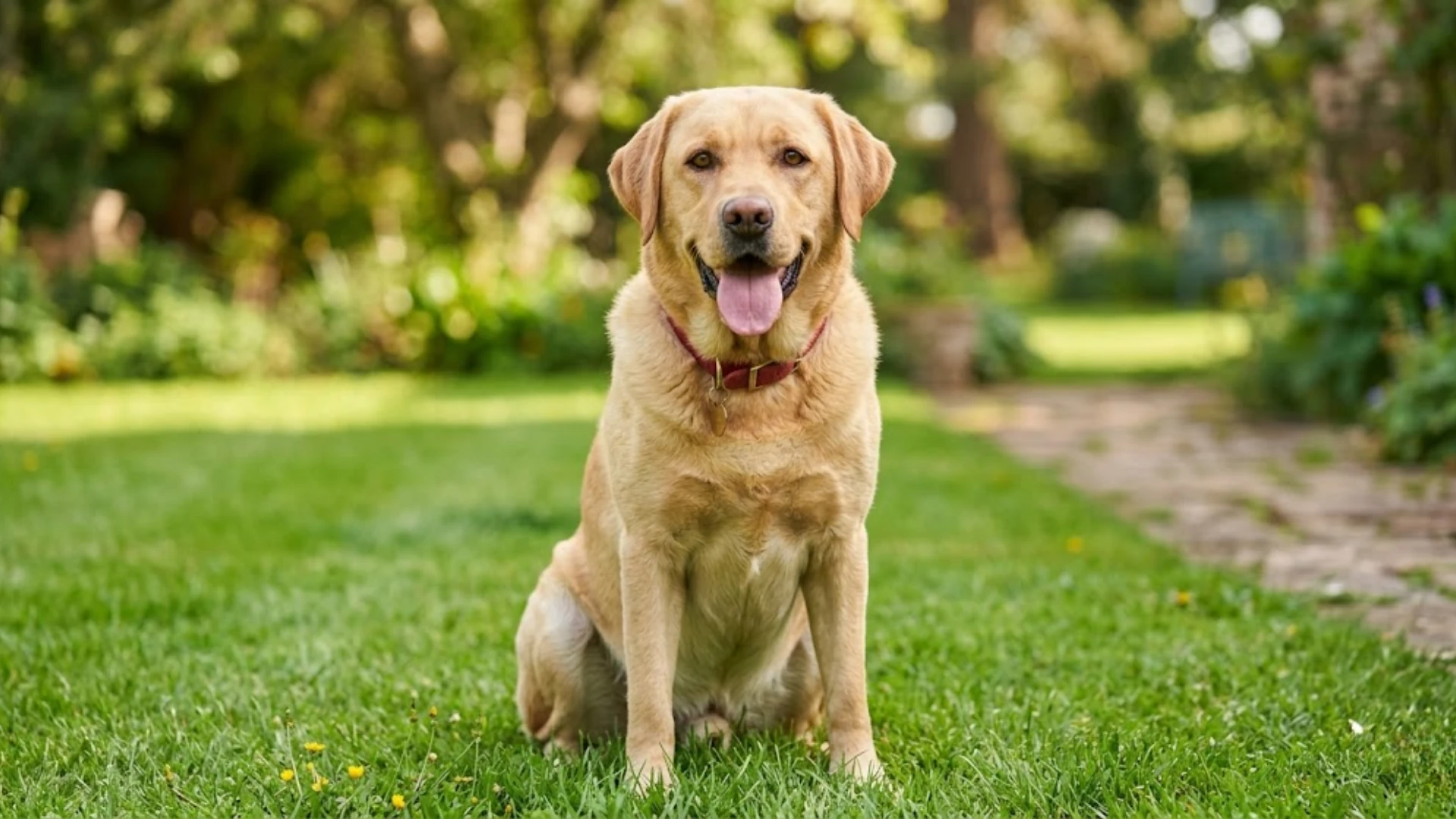
Labrador Retrievers are among the most dependable service dog breeds because they are calm, eager to learn, and responsive to handler cues.
Adult males usually weigh 65 to 80 pounds, giving enough size for guided movement, item retrieval, door opening, and light mobility support.
Their steady temperament helps them stay focused in stores, hospitals, airports, and on public transport when properly trained.
- Roles: guide work, diabetic alert, seizure response, psychiatric service, mobility assistance.
- Care: moderate shedding, weekly brushing, measured meals, and routine vet checks.
2. Golden Retriever
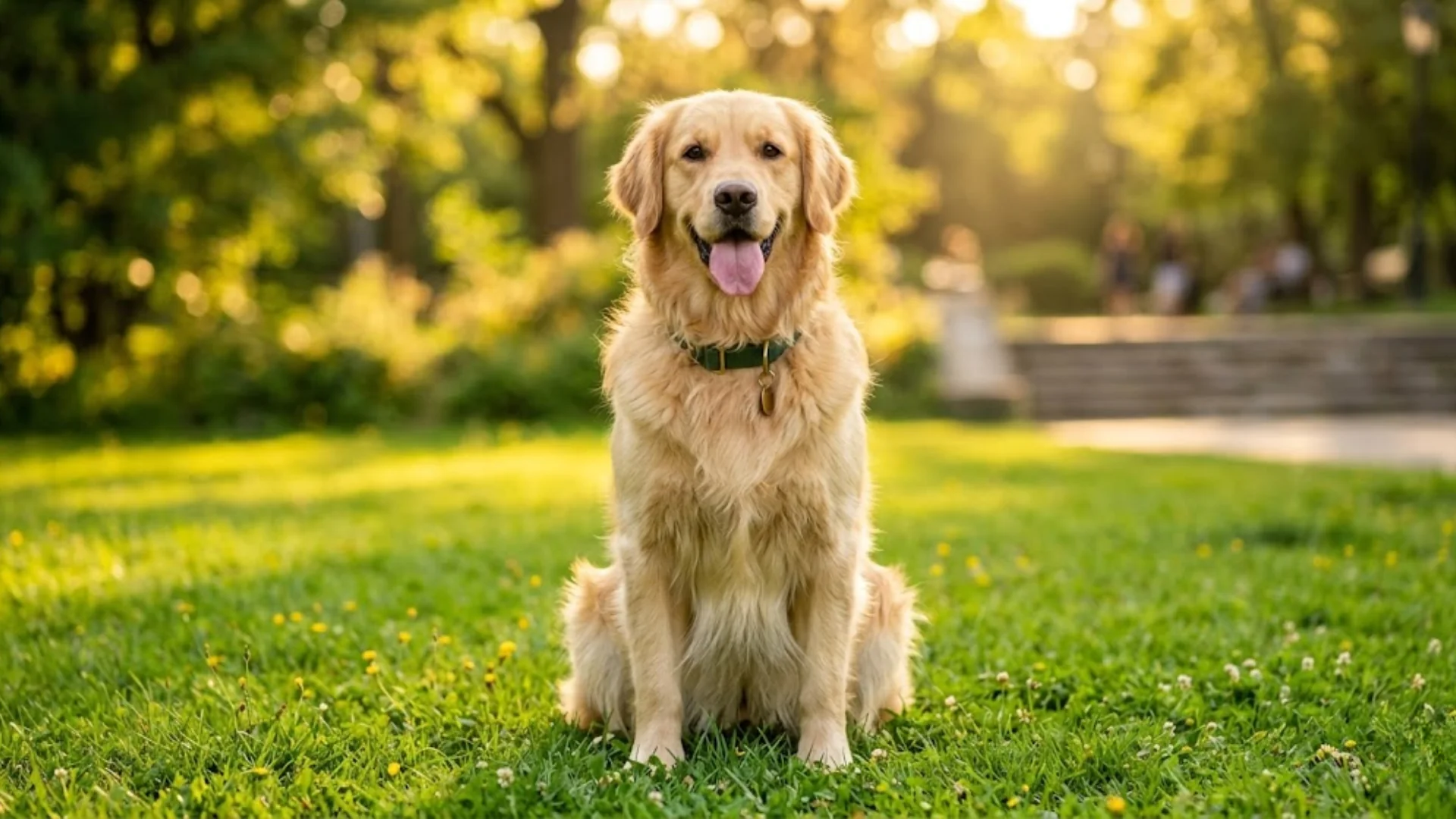
Golden Retrievers are trusted service dog breeds because they are gentle, patient, and highly responsive to people.
Adult males usually weigh 65 to 75 pounds, which supports item retrieval, guided movement, and light mobility work.
Their calm nature helps them stay focused in public places when trained properly. They are often useful for psychiatric service tasks, but they are not the best choice for heavy bracing.
- Roles: PTSD tasks, anxiety alerts, grounding support, item retrieval, light mobility assistance.
- Care: heavy shedding, regular brushing, measured meals, and extra coat care during shedding seasons.
3. German Shepherd
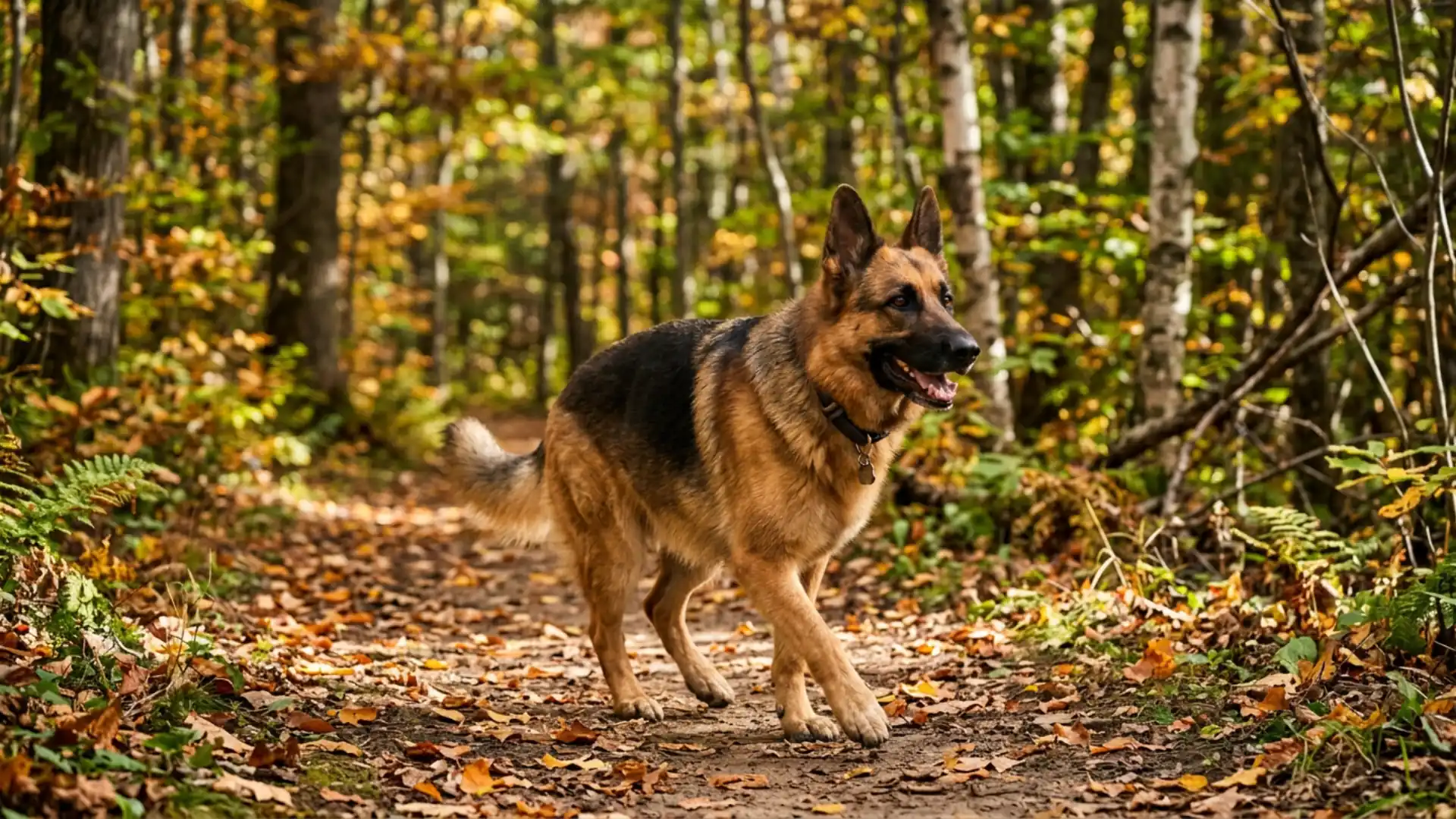
German Shepherds have a strong service dog history because of their intelligence, loyalty, strength, and working focus.
Their size can support balance help, bracing, physical guidance, and space-creating tasks in public. They often bond deeply with one handler, which can help task work but also requires experienced handling.
Early socialization matters because they may react faster to stress than Labradors or Golden Retrievers.
If you’re drawn to this breed for its intelligence, our guide to the smartest dog breeds covers what makes German Shepherds stand out in terms of cognitive abilities.
- Roles: mobility assistance, physical bracing, psychiatric service, PTSD blocking tasks.
- Care: consistent grooming, structured training, routine vet checks, and hip health planning.
4. Standard Poodle
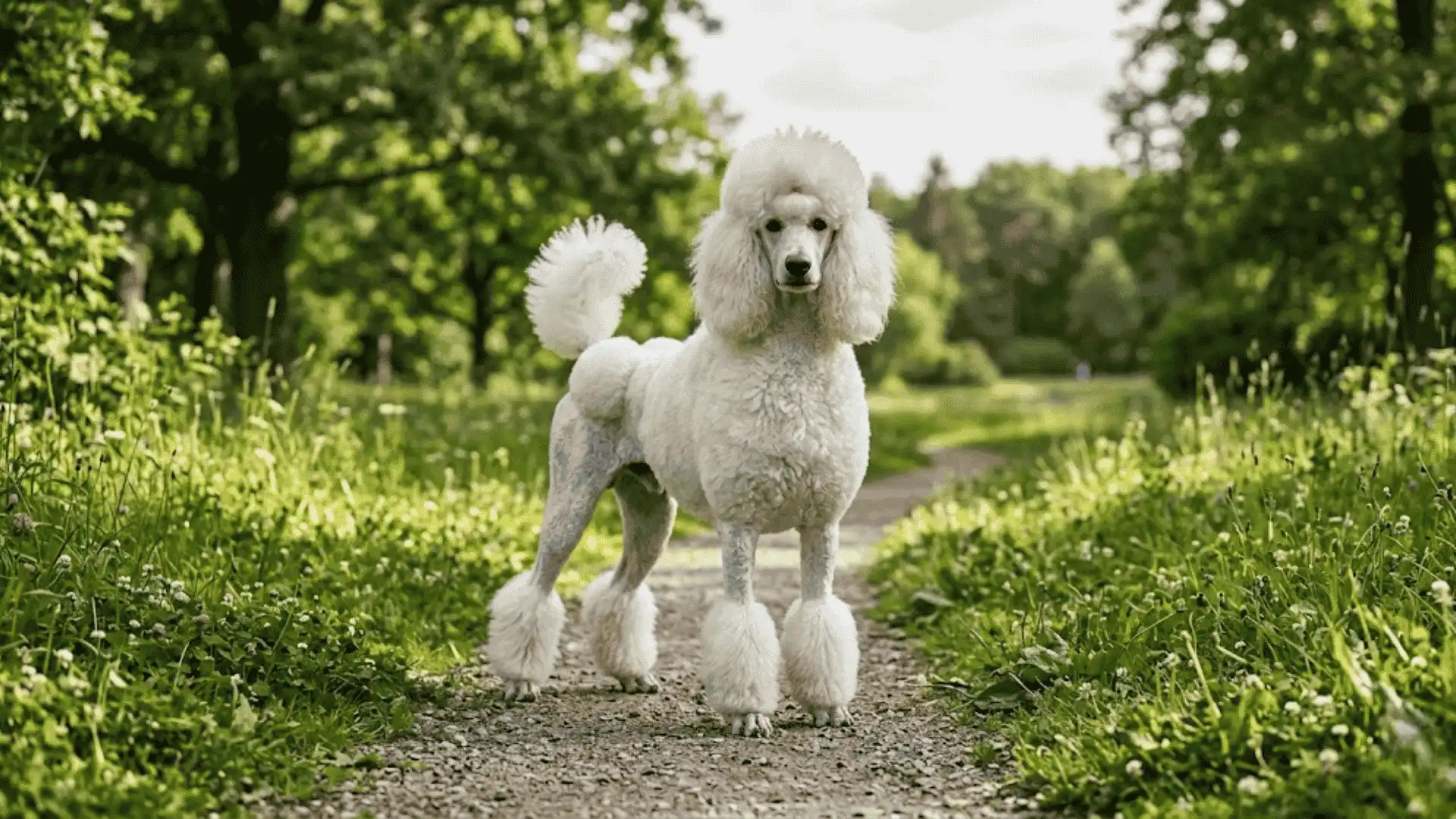
Standard Poodles are smart service dog breeds that learn quickly and respond well to clear handler cues.
Adults usually weigh 45 to 70 pounds, giving enough size for medical alerts, close handler monitoring, item retrieval, and light mobility work. Their low-shedding coat can suit handlers with allergies, but it needs regular professional grooming.
Their focus makes them useful for detailed tasks in public settings.
- Roles: medical alert, psychiatric service, handler monitoring, allergy-sensitive homes, mobility assistance.
- Care: professional grooming every 6 to 8 weeks, measured meals, and regular training practice.
5. Great Dane
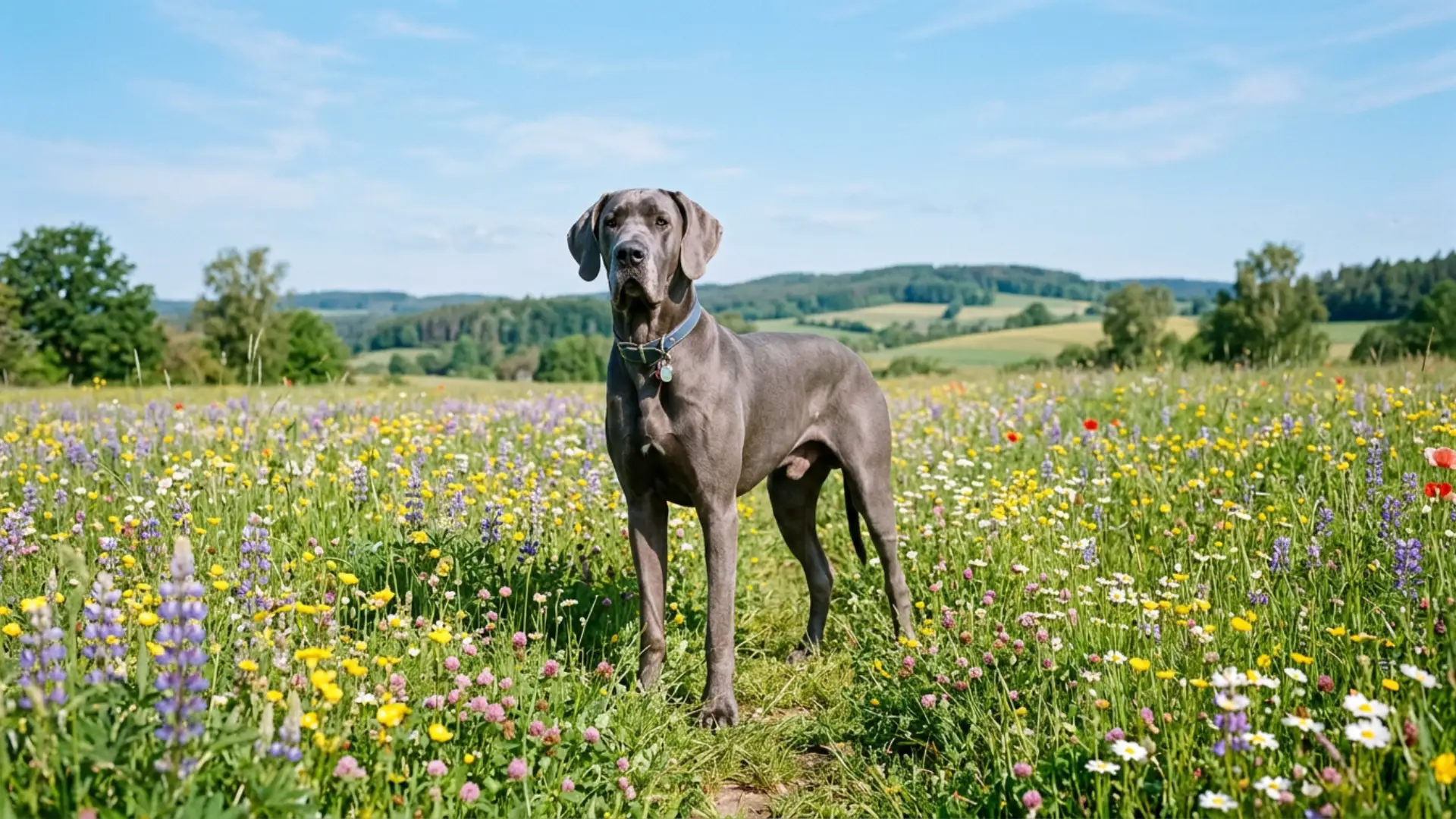
Great Danes can work well as service dogs for handlers who need height, strength, and a calm public presence.
Adults usually weigh 110 to 175 pounds, making them suitable for balance support, guided movement, and mobility-related tasks.
Their height can help handlers who have trouble bending or reaching down. Their large size also means they need enough space, strong obedience training, and careful public handling.
- Roles: mobility assistance, balance support, psychiatric service, item retrieval, handler monitoring.
- Care: weekly brushing, joint support, measured meals, routine vet checks, and spacious living areas.
6. Boxer
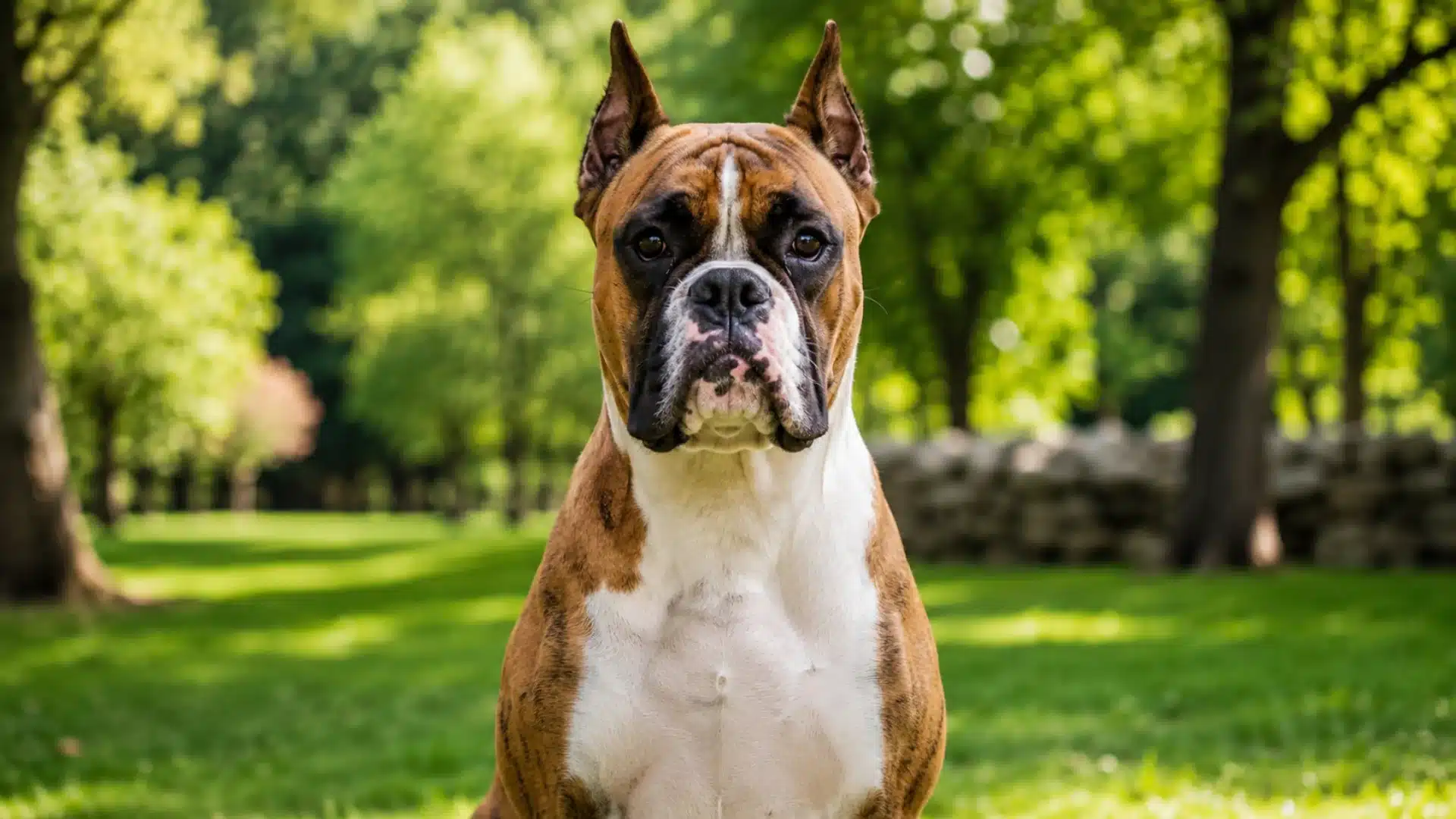
Boxers can be useful service dogs for handlers who need an alert, loyal, and people focused partner.
Adults usually weigh 50 to 80 pounds, giving enough size for item retrieval, guided movement, and light mobility help.
Their quick response can support psychiatric tasks, medical alert work, and close handler assistance. They have high energy, so calm public manners must be built through daily training.
- Roles: psychiatric service, medical alert, item retrieval, handler monitoring, light mobility assistance.
- Care: weekly brushing, daily exercise, measured meals, heat awareness, and routine vet checks.
7. Collie
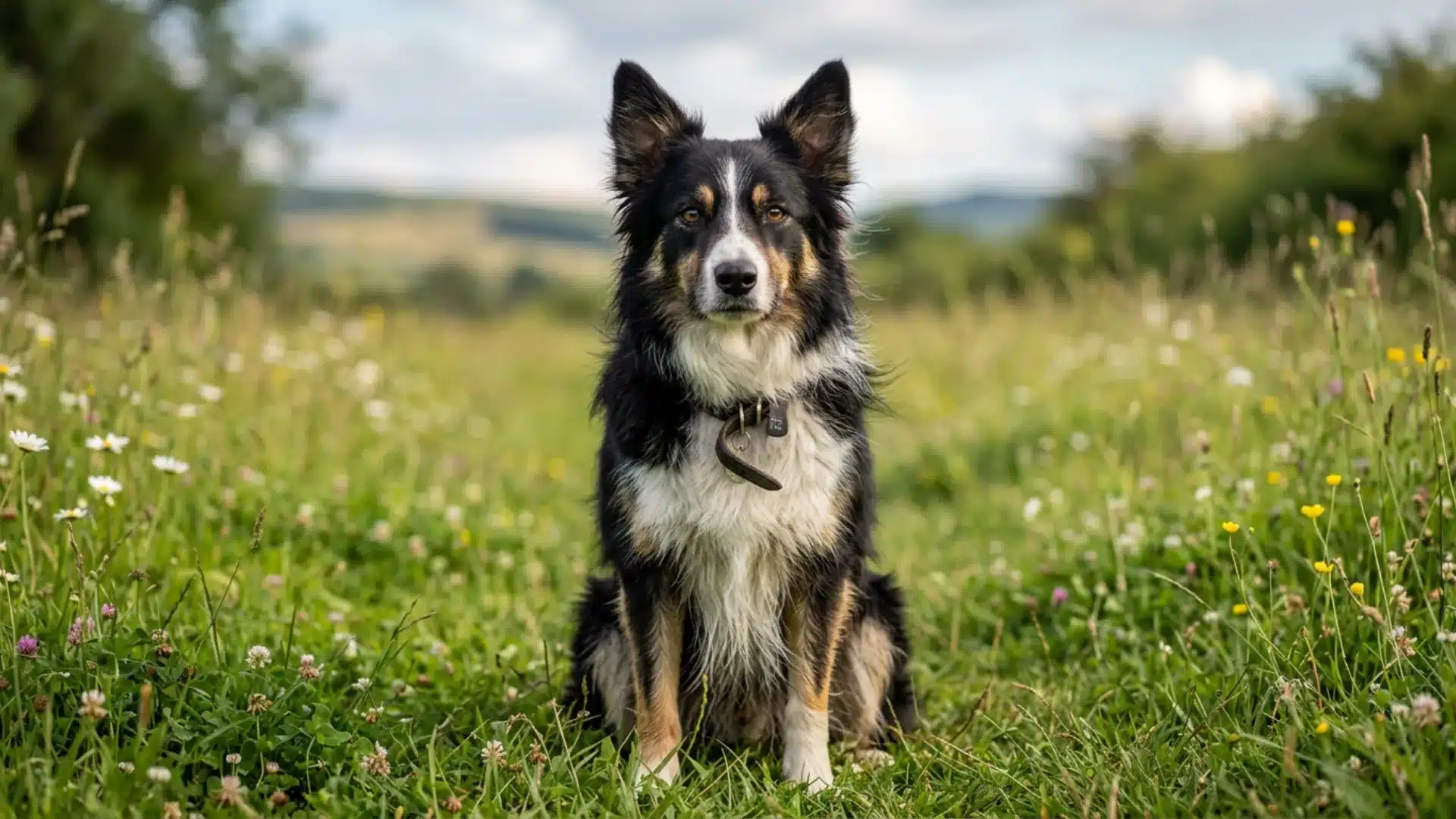
Collies are sensitive service dog breeds that often stay closely connected to their handlers. Their calm and watchful nature can support seizure response, psychiatric service work, PTSD tasks, and grounding support.
Many Collies are gentle around children, which can help families needing a steady service partner.
Rough-coated Collies need more grooming, while Smooth Collies offer similar working traits with easier coat care.
- Roles: seizure response, epilepsy service, psychiatric support, PTSD assistance, grounding tasks.
- Care: coat-specific grooming, regular brushing, confidence-building, and routine vet checks.
8. Bernese Mountain Dog
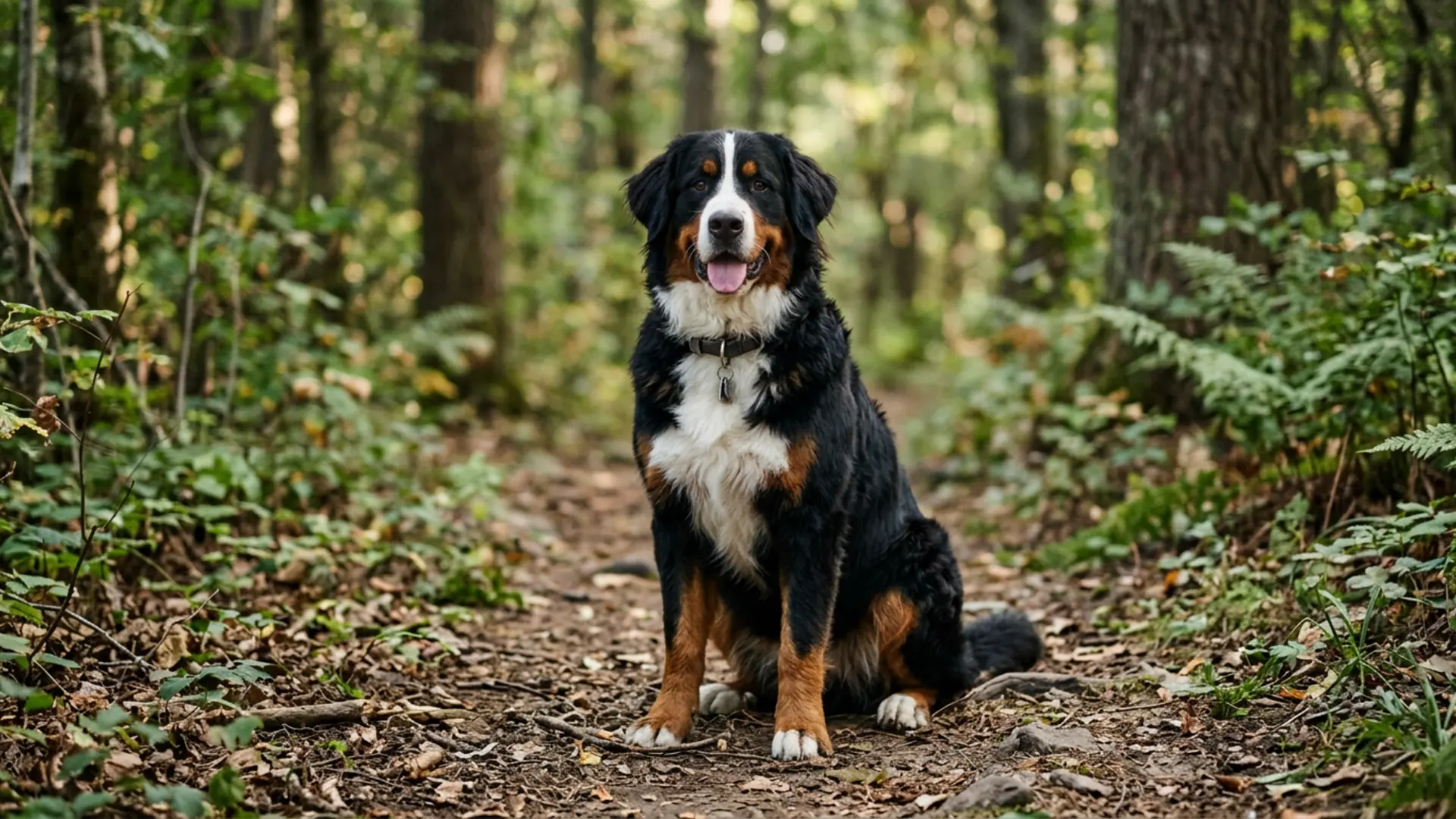
Bernese Mountain Dogs can suit handlers who need a large, calm, and affectionate service dog.
Adults usually weigh 70 to 115 pounds, giving enough strength for bracing, balance help, guided movement, and weight-bearing support. Their gentle nature can also help children or handlers who need a steady psychiatric service partner.
Their shorter lifespan and risk of joint problems or cancer should be considered before choosing this breed.
- Roles: mobility assistance, weight-bearing support, balance help, psychiatric service, child support.
- Care: heavy shedding, regular brushing, joint monitoring, measured meals, and routine vet checks.
9. Pomeranian
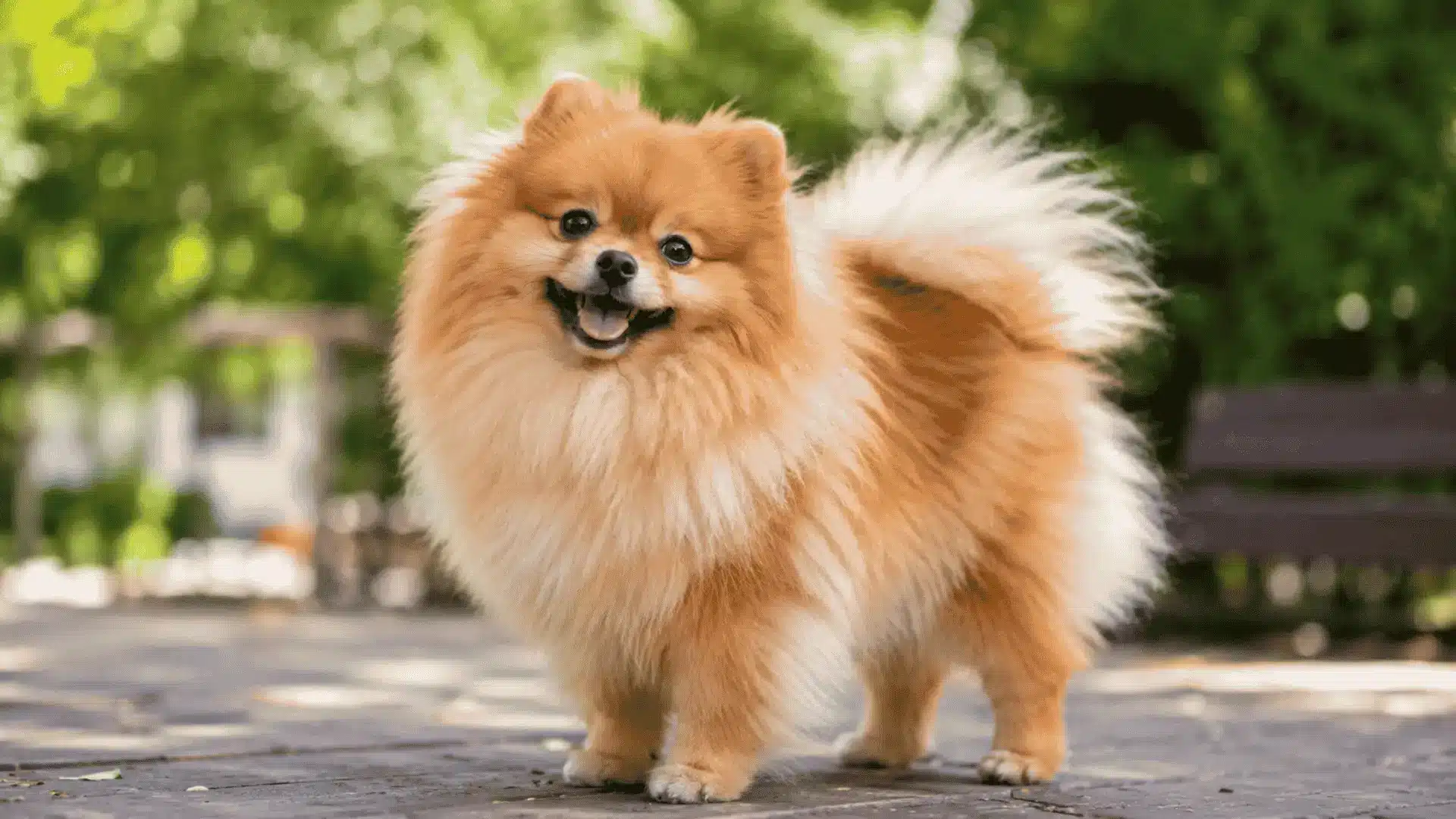
Pomeranians can be useful service dogs when the handler needs alert-based support instead of physical strength.
Adults usually weigh 3 to 7 pounds, making them easy to manage in apartments, airports, public transport, and narrow spaces.
Their alert nature can support sound alerts, certain medical alerts, and psychiatric service tasks. Since service dogs are not limited by breed or size, task fit matters most.
- Roles: hearing alert, medical alert, psychiatric service, grounding tasks, handler awareness.
- Care: regular brushing, dental care, measured meals, moderate grooming, and routine vet checks.
How to Choose the Right Service Dog Breed for Your Needs
Before making a final choice, consider how the service dog breed should match the handler’s tasks, living space, health needs, training plan, budget, and daily support requirements.
- Tasks: Define the exact work first, such as guide work, balance support, seizure response, hearing alerts, medication reminders, or psychiatric service tasks.
- Lifestyle: Match the dog’s size and energy level to the handler’s home space, daily routine, travel needs, and physical ability.
- Allergies: Choose lower-shedding options, such as Standard Poodles or planned Poodle crosses, when loose hair or dander causes problems.
- Training: Work with an accredited service dog program or qualified trainer that tests temperament, health, public behavior, and task performance.
- Budget: Plan for training fees, vet care, grooming, food, gear, and wait time before committing to a specific breed.
Conclusion
Service dogs aren’t one-size-fits-all, and neither are the breeds that do this work best. Labrador Retrievers and Golden Retrievers lead the list for good reason: they’re calm, trainable, emotionally attuned, and remarkably consistent.
But a German Shepherd’s strength, a Standard Poodle’s precision, or a Bernese Mountain Dog’s size might be exactly what a specific handler needs.
The best match comes from understanding both the dog’s natural strengths and the real demands of the role it’s being asked to fill.
If you’re considering a service dog for yourself or someone you love, start with the tasks, work with an accredited organization, and trust the process.
The right partnership genuinely changes lives. Have a service dog breed that surprised you or a story worth sharing? Drop it in the comments below.
Frequently Asked Questions
How Long Does Service Dog Training Take?
Service dog training often takes 18 to 24 months because the dog must learn task work, public manners, confidence, and handler-specific cues reliably daily.
Can a Service Dog Live with Other Pets?
Yes, a service dog can live with other pets if the home stays calm and the working dog still receives clear training, space, and rest.
What Age Should Service Dog Training Start?
Basic socialization can start in puppyhood, but formal task training usually begins later when the dog shows stable behavior, focus, and good health for work.