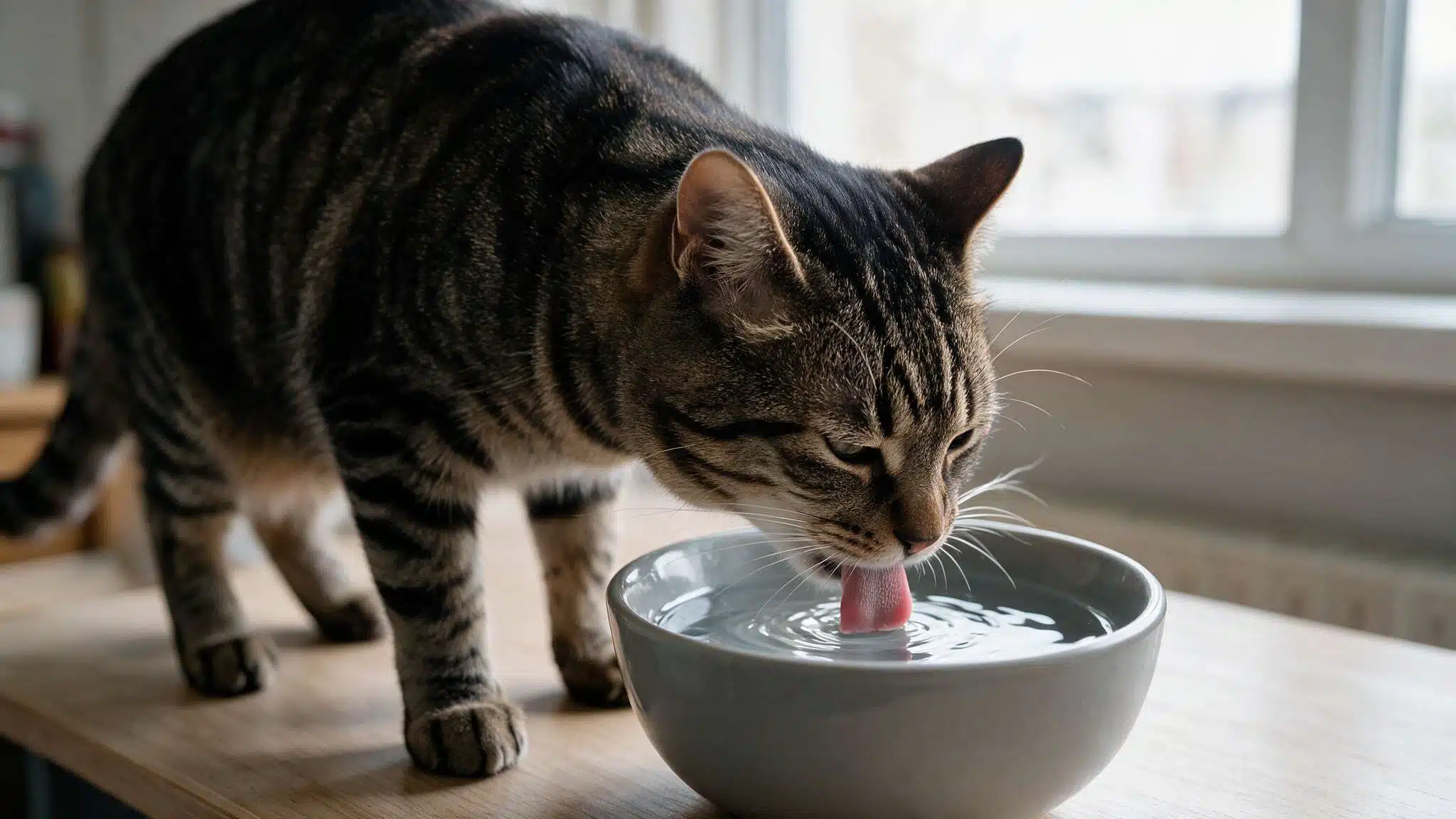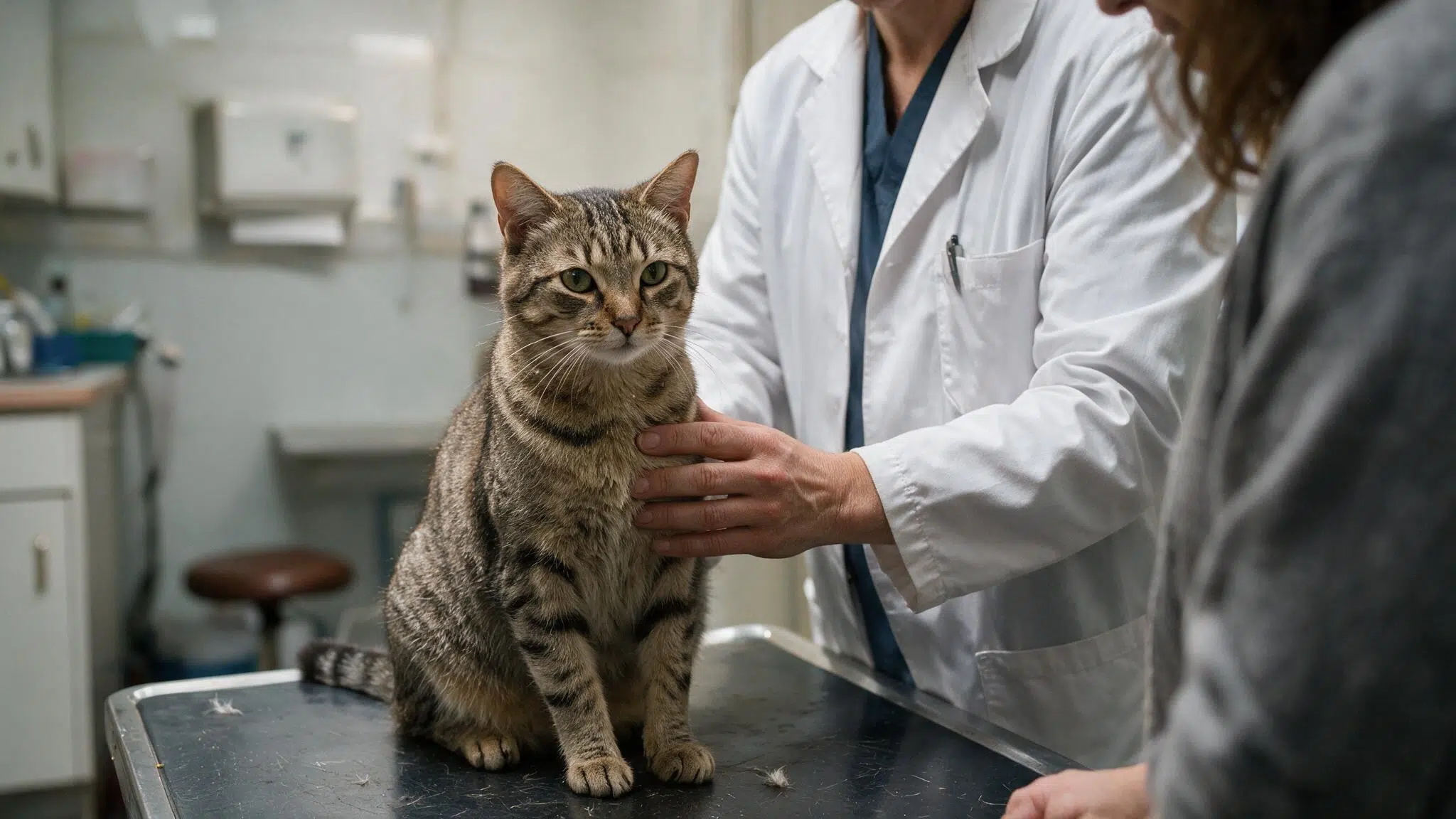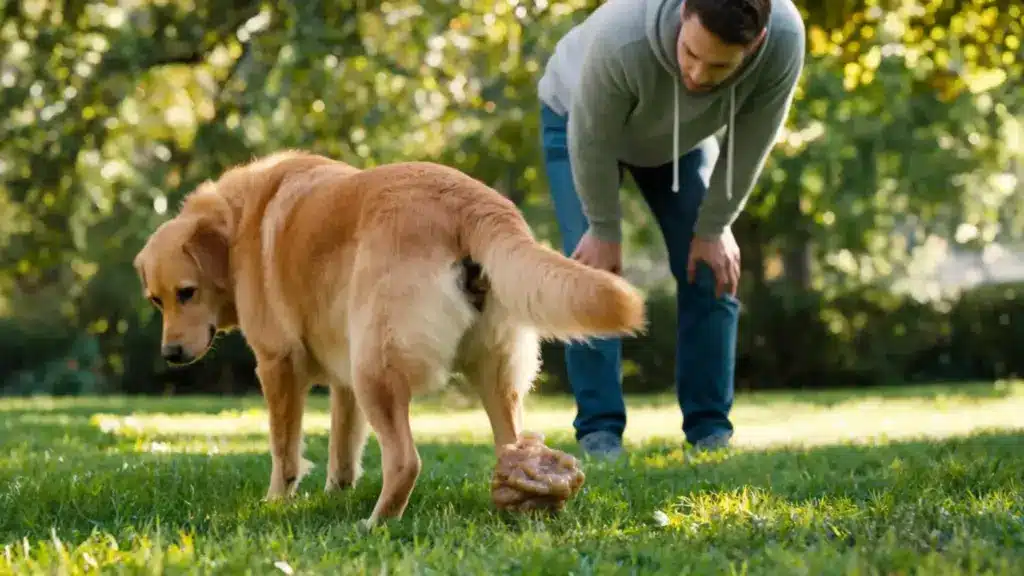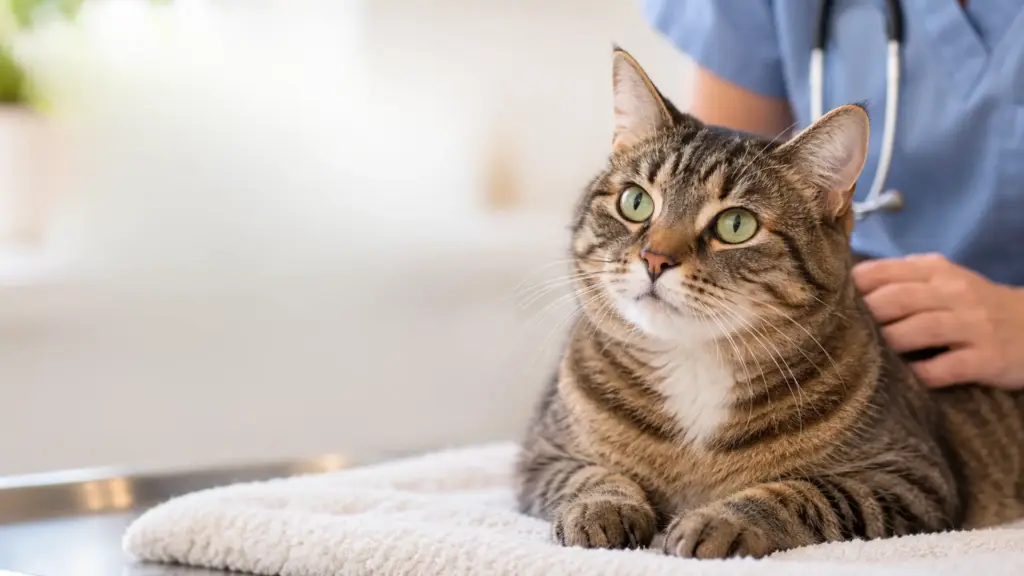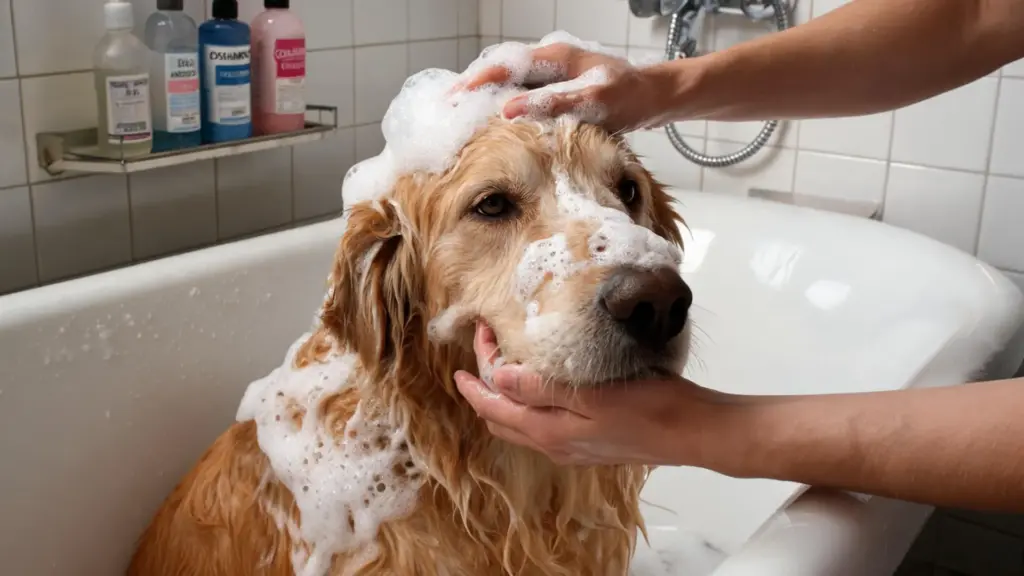
Most dogs should be bathed often, but the right schedule depends on your dog’s breed, coat type, lifestyle, and skin health.
Some dogs stay clean for months, while others need more frequent baths because they swim, hike, shed heavily, or have oily skin.
Knowing how often to bathe a dog helps you keep them fresh without overdoing it. Too few baths can lead to odor, dirt buildup, allergens, and skin irritation.
Too many baths can strip natural oils and cause dryness or itching. The best routine is one that keeps your dog clean, comfortable, and healthy while matching their coat and daily habits.
How Often to Bathe a Dog?
For most healthy dogs, a good baseline is every 4–8 weeks. However, your dog’s coat and breed category can shift that schedule.
In my practice, I find that most owners either bathe too rarely and notice chronic skin odor, or they bathe too often and come in wondering why their dog’s coat looks dull and feels dry.
Getting the frequency right is genuinely one of the easier wins in at-home pet care.
Use the table below as a starting point, then adjust based on odor, dirt, shedding, and skin comfort.
| Coat/breed type | Examples | Recommended frequency |
|---|---|---|
| Short-coated | Beagle, Boxer, Dalmatian | Every 8–12 weeks |
| Long or medium-coated | Golden Retriever, Cocker Spaniel, Border Collie | Every 4–6 weeks |
| Double-coated | Husky, Labrador, German Shepherd | Every 6–8 weeks |
| Hairless or oily-coated | Xoloitzcuintli, Chinese Crested | Weekly or per vet guidance |
Pairing a consistent bath schedule with the right coat conditioner after bathing can make a real difference in how your dog’s skin and fur feel between washes.
What Factors Affect How Often You Should Bathe Your Dog?
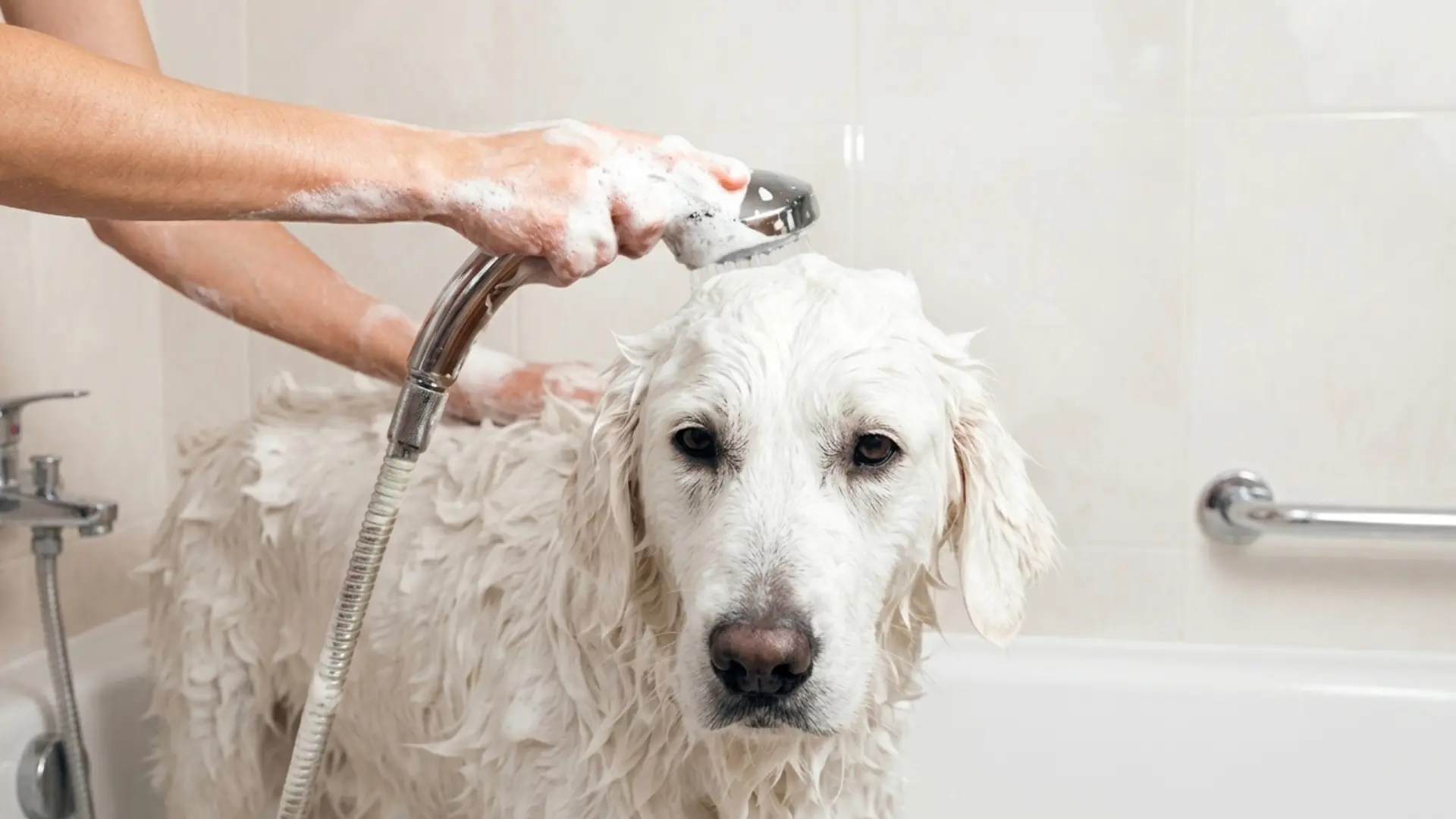
Many owners ask how often you should bathe your dog, but the answer varies from dog to dog. A clean indoor dog may only need occasional baths, while an active outdoor dog may need them more often. Coat type, breed, season, skin health, and lifestyle all affect the right schedule.
1. Activity Level and Lifestyle
Lifestyle can quickly change your dog’s bathing schedule. Outdoor dogs, working dogs, hiking companions, and beach-loving dogs usually need more cleaning than indoor pets.
Muddy hikes, pond swims, rolling in strong smells, or playing in rain are immediate triggers for a rinse or bath. If your dog swims often, rinse them afterward, even when you do not use shampoo.
2. Skin and Health Conditions
This is for informational purposes only. Consult your vet before changing your dog’s bathing routine if they have a diagnosed skin condition.
Dogs with allergies, dermatitis, parasites, yeast, bacterial infections, or chronic itching may need a vet-approved bathing routine.
VCA Animal Hospitals notes that research shows allergens are absorbed through a dog’s skin, and that frequent bathing under vet guidance can help reduce that allergen load for sensitive dogs.
In my clinical experience, the most common bathing mistake I see with skin-condition dogs is owners increasing the frequency when they notice irritation.
3. Season and Environment
Season and environment also matter. Dogs may need more baths during summer, rainy months, or muddy seasons because they collect sweat, pollen, dust, and dirt.
In dry winter months, frequent bathing can worsen dryness and irritation.
City dogs may pick up sidewalk grime or road salt, while rural dogs may collect burrs, mud, manure, or plant debris.
How Often Should You Bathe a Dog with Skin Allergies?
Dogs with skin allergies should not follow a random bathing routine. The right schedule depends on what causes the allergy, how sensitive the skin is, and what shampoo the vet recommends.
Some dogs with mild allergies may only need a bath every few weeks, while dogs with stronger itching, redness, or yeast problems may need baths once or twice a week for a short time.
Always use a gentle dog shampoo or medicated shampoo given by a vet.
Regular shampoo, strong fragrance, or frequent washing with the wrong product can make dryness and itching worse.
After outdoor walks, wiping the paws, belly, and face can also help remove pollen and dust without giving a full bath.
If the dog smells bad, scratches nonstop, loses hair, or has red patches, ask a vet before changing the bath schedule. Skin allergy baths should calm the skin, not strip away natural oils.
Signs Your Dog Needs a Bath
A dog does not always need a bath on a fixed date. The best sign is often the coat itself.
When dirt, odor, grease, or itchiness starts to show, a bath can help your dog feel cleaner and more comfortable. Still, sudden changes in smell or skin should not be ignored:
- Strong dog smell that does not go away after brushing
- Visible dirt, mud, or dust on the coat
- Greasy or sticky fur
- Itching after outdoor play
- Pollen, grass, or debris stuck in the coat
- Dirty paws, belly, or face after walks
- Dull coat with buildup
These signs usually mean your dog has picked up dirt, oil, pollen, or something sticky from daily activity.
A normal bath with a mild dog shampoo is fine when the coat looks dirty or smells unpleasant.
But if the odor is strong, the skin looks red, or your dog scratches nonstop, speak with a vet before bathing more often.
Can You Bathe a Dog Too Often?
Yes, and it’s a more common problem than most owners realize.
A dog’s skin produces natural oils (called sebum) that protect the coat, maintain the skin barrier, and keep moisture in.
Bathing too frequently depletes those oils faster than the skin can replenish them.
Signs that you may be bathing too often include:
- Dry, flaky, or itchy skin between baths
- A dull coat that looks lifeless rather than shiny
- Excessive scratching that started after increasing bath frequency
- A coat that feels rough or brittle rather than soft
Key Benefits of Bathing Your Dog
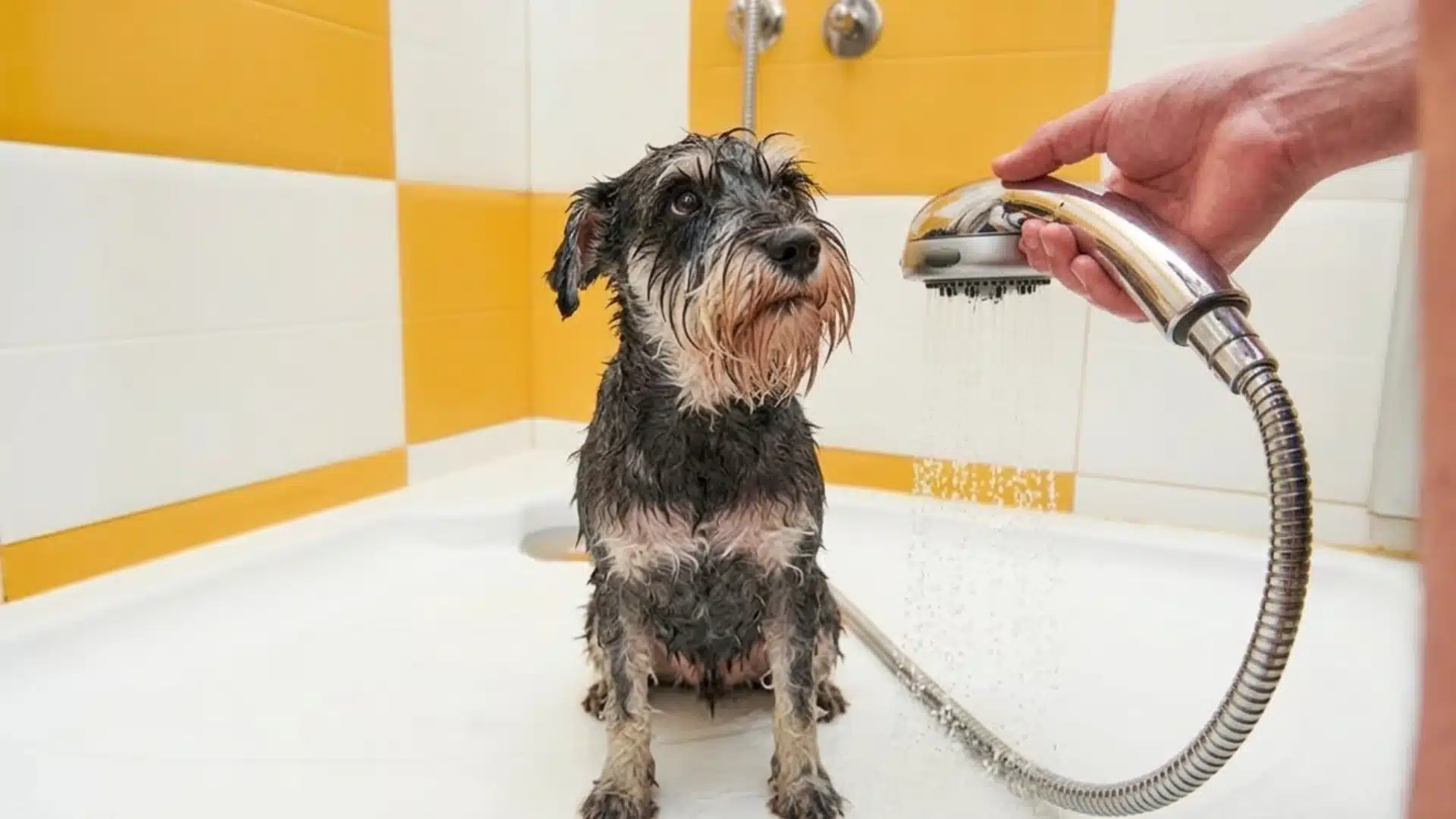
Bathing does more than keep your dog smelling fresh. It supports skin and coat health, removes buildup, and helps you spot potential health concerns early.
- Controls odor: Bathing helps remove dirt, oil, and buildup that cause strong dog smells. This keeps the coat fresher and makes your dog more pleasant to cuddle, especially if they spend time outdoors or sleep inside the home.
- Supports healthier skin and coat: A proper bath routine can reduce greasy, flaky, or dirty buildup on the skin. When combined with brushing, it helps the coat look cleaner, feel softer, and stay more comfortable.
- Removes allergens and irritants: Baths can wash away pollen, dust, flea dirt, loose hair, and grass particles. This can be helpful for dogs that roll outside, visit parks, or deal with seasonal skin sensitivity.
- Helps spot skin changes early: Bath time gives you a close look at your dog’s body. You may notice ticks, lumps, cuts, rashes, swelling, or sore areas that need extra care or a vet check.
- Reduces buildup that may cause irritation: Dirt, oil, moisture, and debris can sit on the skin and create discomfort. Regular bathing helps keep the coat cleaner and may lower the chance of skin irritation linked to buildup.
How to Bathe Your Dog: Step-by-Step Process
Bathing your dog is easier when you prepare first. Proper technique matters just as much as knowing how often you should bathe your dog.
1. Preparation
Brush your dog before bathing to remove loose hair, dirt, and tangles. This is especially important for long-haired and double-coated breeds because water can tighten mats.
Gather dog-safe shampoo, towels, a non-slip mat, a cup or sprayer, treats, and a brush. Use lukewarm water, not hot or cold water, to keep your dog comfortable.
Placing a cotton ball in each ear before wetting your dog protects the ear canal during the bath.
2. Bathing
Wet the coat fully before applying shampoo. Thick coats may take extra time because water can roll off the outer layer.
Apply shampoo from the neck down, avoiding the eyes, ears, nose, and mouth. For the face, use a damp cloth. Massage gently into dirty areas such as paws, belly, legs, tail, and under the collar.
If you’re unsure what product to use, our guide to dog-safe shampoo options covers what works and what to avoid in a pinch.
3. Rinsing
Rinse thoroughly until the water runs clear and the coat no longer feels slippery or soapy. Shampoo residue can cause itching, dryness, and irritation.
Pay extra attention to the armpits, belly, chest, tail, and between the toes. Long, thick, and double coats usually need more rinsing time than short coats.
4. Drying
Towel-dry your dog thoroughly after the bath. Short-coated dogs may only need towel-drying, while long-haired or double-coated dogs may need a low-heat blow-dryer or a pet dryer.
Never use high heat or hold the dryer too close. Keep your dog warm until fully dry to prevent discomfort and skin irritation.
When Should You Take Your Dog to a Professional Groomer?
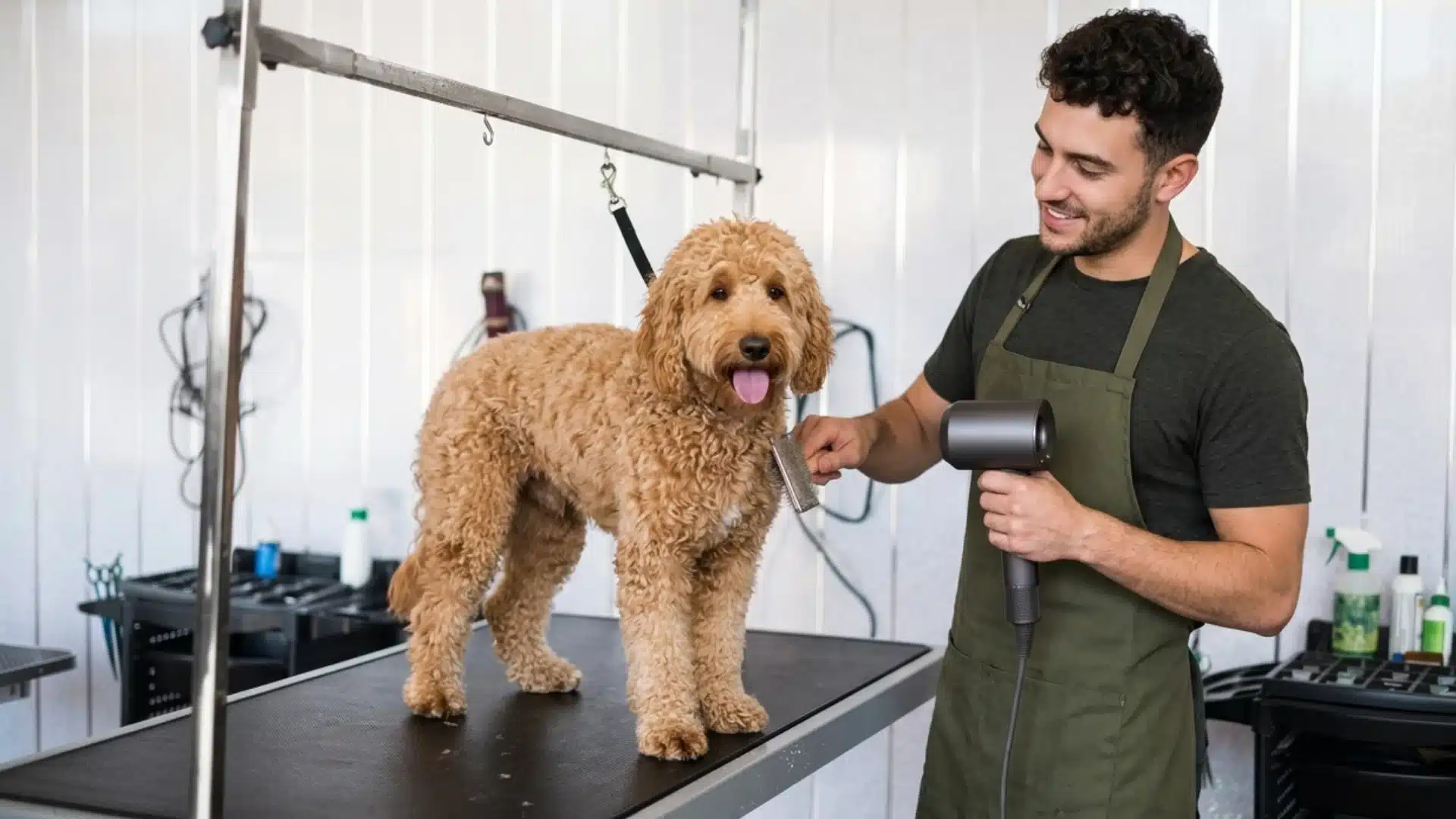
At-home bathing works for many dogs, but some coats and behaviors need professional help.
A groomer can manage matted fur, heavy shedding, thick undercoats, breed-specific trims, anxious dogs, and coats that are difficult to dry properly.
Professional grooming is especially useful for Poodles, Shih Tzus, Maltese, doodle mixes, double-coated breeds, and dogs needing sanitary trims or de-shedding.
Many long or continuously growing coats need grooming every 4–8 weeks. Double-coated dogs may benefit from seasonal de-shedding.
You should also see a groomer if your dog has severe mats, because bathing matted fur can tighten it and pull painfully on the skin. For medicated grooming, follow your vet’s instructions.
If you’ve wondered exactly what professional groomers do beyond a basic bath, that guide breaks down their full process and the tools they use.
Best Bathing Tips for Dogs
Bathing a dog becomes easier when the process is calm, safe, and planned. The goal is to clean the coat without drying the skin or making your dog feel stressed. A few simple habits can make every bath smoother for both you and your dog.
- Brush first: Remove loose hair, dirt, and tangles before the bath. Wet mats can become tighter and harder to remove, especially in long-haired or curly-coated dogs.
- Use lukewarm water: Keep the water warm, not hot. Hot water can dry the skin, while cold water can make your dog uncomfortable and nervous.
- Choose dog-safe shampoo: Use shampoo made for dogs, not human shampoo. Dog skin has different needs, and harsh products can cause dryness, itching, or irritation.
- Protect the ears and eyes: Avoid getting water or shampoo in your dog’s ears and eyes. Use a damp cloth to clean the face gently instead of spraying water directly.
- Massage the coat gently: Work the shampoo into the coat with your fingers. Do not scrub too hard, especially if your dog has sensitive skin or allergies.
- Rinse very well: Leftover shampoo can make the skin itchy and uncomfortable. Rinse until the water runs clear and the coat feels clean.
- Dry properly: Towel dry your dog after the bath. For thick or double-coated dogs, make sure the undercoat dries well so moisture does not stay trapped near the skin.
- Reward calm behavior: Give praise, treats, or a favorite toy after the bath. This helps your dog connect bath time with something positive.
Conclusion
Bathing frequency is never one-size-fits-all. When deciding how often to bathe dog companions, consider odor, dirt, itching, coat texture, lifestyle, and your vet’s advice.
A clean dog should smell fresh and feel comfortable, but overbathing can dry the skin and create new problems.
For more pet care guidance, explore related grooming, nutrition, and wellness content on the site.
If your dog has allergies, dermatitis, parasites, chronic odor, or recurring skin irritation, consult your veterinarian for a personalized bathing schedule.
How often do you bathe your dog? Share your dog’s breed, coat type, and bath routine in the comments to help other pet owners compare what works best.
Frequently Asked Questions
Can I Bathe My Dog with Human Shampoo If I Run out of Dog Shampoo?
It is best not to use human shampoo on dogs. Human shampoo is made for human skin, not canine skin, and it can disrupt your dog’s natural skin balance.
If your dog urgently needs cleaning, rinse with plain lukewarm water and use dog-safe shampoo as soon as possible. For emergencies, ask your vet what substitute is safest for your dog.
How Soon after Bringing a New Puppy Home Should I Give Them Their First Bath?
If your puppy is healthy and only mildly dirty, give them a few days to settle into their new home before bathing. Moving is stressful, and an immediate bath may make the transition harder.
Does Bathing My Dog Reduce Shedding?
Bathing can help reduce loose hair, especially when combined with brushing before and after the bath. It does not stop shedding completely because shedding is a natural process.
Should I Bathe My Dog Before or After a Flea Treatment?
Follow the instructions on the flea treatment label or your veterinarian’s advice. Some topical flea treatments should not be applied immediately before or after a bath because water and shampoo can reduce their effectiveness.