Noticing your dog’s ear swelling can make your stomach drop, especially when your pup keeps shaking their head, scratching, or tilting to one side.
A swollen ear flap can look scary because it often appears suddenly, and dogs cannot tell us what happened.
That is why it helps to look at the full picture instead of guessing from swelling alone.
Your dog needs comfort, and you need calm, clear guidance before the problem gets worse.
In this blog, you will learn what a swollen ear can look like, the most common causes behind it, signs that may mean the problem is serious, and the treatment options vets may suggest.
You will also get to know how to treat a dog’s swollen ear flap and prevention steps that can help keep your dog more comfortable.
What Does a Dog’s Swollen Ear Look Like?
A swollen ear in dogs can show up in a few ways. The ear flap may look puffy, thick, red, warm, or uneven compared to the other ear.
Some dogs may keep tilting their head, rubbing the ear on the floor, or scratching more than usual.
Mild swelling may appear small and affect only one spot, especially after a bite, scratch, or irritation. Severe swelling can make the whole ear flap look balloon-like, heavy, or painful to touch.
It may also come with a bad smell, dark wax, discharge, bleeding, crusty skin, or constant head shaking.
Some dogs may act restless, avoid being touched, or lose interest in food if the pain is severe. Any swelling that grows quickly or looks painful should be checked by a vet.
Common Causes of Dog Ear Swelling Problems
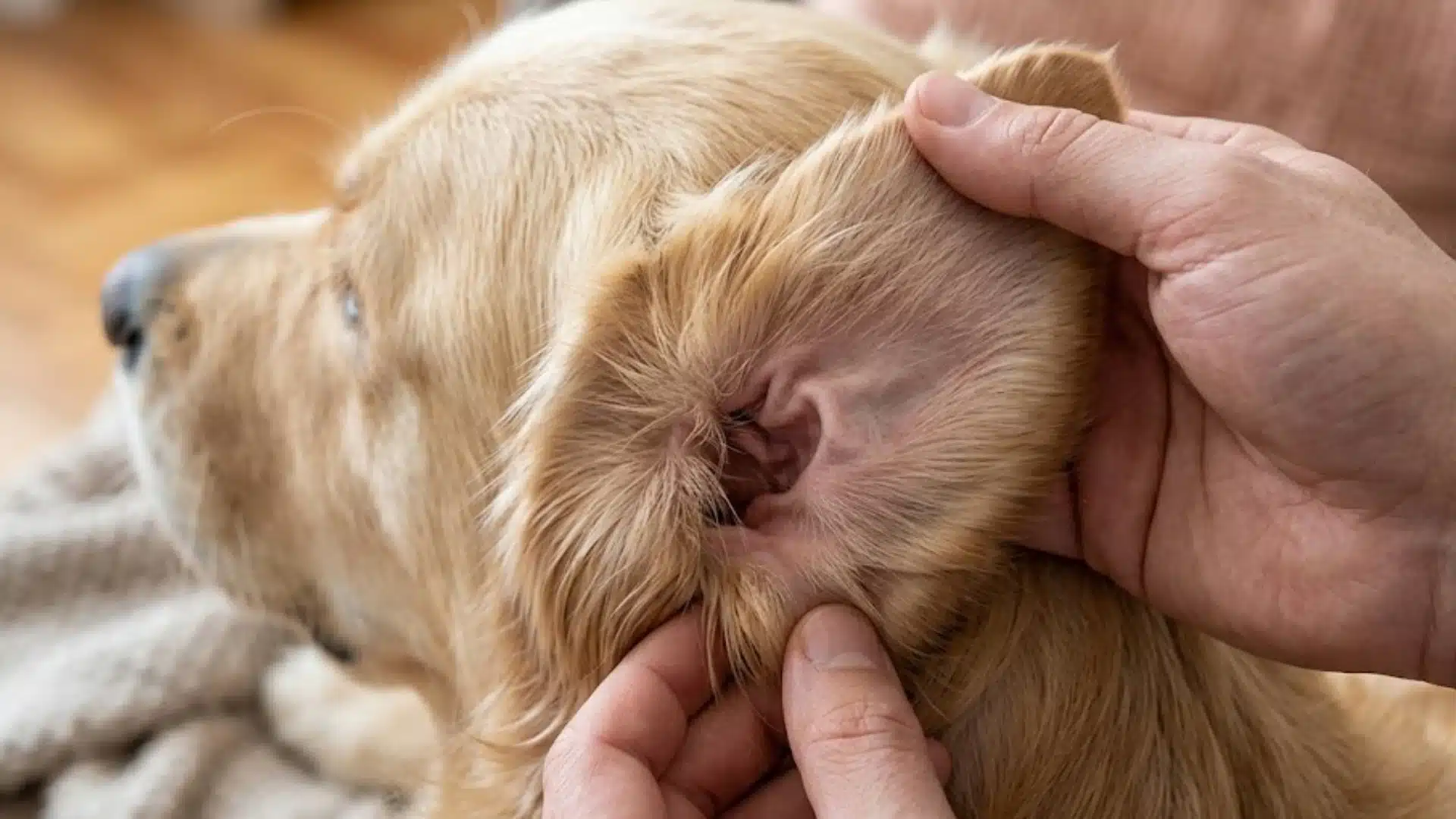
Ear swelling can happen for several reasons. Some causes are mild and clear up quickly, while others need medical treatment. Understanding the most common triggers can help identify what may be affecting the ear.
1. Ear Infections
Ear infections are one of the most common reasons for swelling in dogs. Bacteria, yeast, or ear mites can irritate the ear canal and lead to inflammation.
The ear may become red, warm, and painful. Many dogs with an ear infection also shake their heads often or scratch at the affected side.
A foul odor, dark discharge, or wax buildup may also be present. If left untreated, the infection can worsen and cause more discomfort.
2. Ear Hematoma
An ear hematoma happens when blood collects between the skin and cartilage of the ear flap. It usually develops after excessive head shaking or scratching.
The swollen area often feels soft or puffy and may resemble a balloon filled with fluid. Ear hematomas are commonly linked to underlying issues such as infections or allergies.
While some small hematomas may shrink over time, larger ones often require veterinary treatment to prevent permanent changes to the ear’s shape.
3. Allergies
Allergies can cause irritation that leads to swelling in and around the ears. Dogs may react to food ingredients, pollen, dust, mold, or environmental triggers.
Constant itching and scratching can make the ear inflamed and sore. Other allergy symptoms may appear at the same time, including red skin, licking of the paws, or frequent rubbing of the face.
Managing the allergy source is often an important part of reducing ear problems and preventing future flare-ups.
4. Insect Bites and Stings
A bite or sting from an insect can cause sudden swelling, especially on the outer ear flap. Mosquitoes, bees, wasps, spiders, and ants are common culprits.
The affected area may appear red, raised, and warm to the touch. Some dogs experience only mild irritation, while others develop a stronger reaction with noticeable swelling.
Symptoms usually appear quickly after contact. Monitoring the area is important, especially if swelling continues to spread or causes significant discomfort.
5. Injuries and Scratches
Dogs can injure their ears while playing, running through bushes, or scratching too hard. Small cuts, scratches, or blunt impacts may trigger inflammation and swelling.
The ear might look red or slightly enlarged, and some injuries can cause bleeding or scabbing. Even minor wounds can become irritated if a dog continues scratching the area.
Keeping the ear clean and checking for signs of infection can help prevent additional problems while the injury heals.
6. Foreign Objects in the Ear
Grass seeds, dirt, plant material, and other small objects can become trapped inside the ear canal.
When this happens, the ear often becomes irritated and swollen as the body reacts to the object. Dogs may shake their heads repeatedly, paw at the ears, or hold their head to one side.
In some cases, discharge and pain may develop. A foreign object should be removed promptly, as prolonged irritation can lead to infection and further swelling.
Signs that the Swelling May Be Serious
Some signs can mean the ear problem is more than mild irritation. These symptoms should not be ignored, especially if they appear together.
- Head shaking: Frequent head shaking may mean the ear feels itchy, painful, blocked, or irritated by infection, mites, or trapped debris.
- Constant scratching: Scratching again and again can make swelling worse and may point to allergies, infection, or strong discomfort inside the ear.
- Bad odor from the ear: A strong or unpleasant smell often suggests infection, wax buildup, or discharge that needs proper treatment.
- Discharge or bleeding: Fluid, pus, dark wax, or blood can signal infection, injury, or deeper irritation inside the ear canal.
- Loss of balance: Balance problems may mean the issue has reached deeper parts of the ear and should be checked quickly.
- Pain when touched: If the dog pulls away, whines, or snaps when the ear is touched, the swelling may be painful or serious.
- Deep red or purple discoloration: This can indicate rapid internal bleeding within the ear flap and requires same-day veterinary care.
How Vets Diagnose a Dog’s Ear Swollen Condition?
Finding the exact cause of ear swelling is important because different problems require different treatments.
A vet will usually begin with a close examination of the affected ear and look for visible signs of irritation, infection, or injury.
- Physical examination: The vet checks the outer ear and ear canal for redness, swelling, pain, discharge, unusual growths, or changes in the ear’s shape.
- Ear swab testing: A sample from the ear may be collected and examined under a microscope to look for bacteria, yeast, or other issues.
- Looking for mites or infections: The ear canal is inspected for ear mites, infections, inflammation, and other conditions that can trigger swelling.
- Checking for injuries and hematomas: The vet looks for scratches, bite wounds, trauma, or blood-filled swellings that may have formed inside the ear flap.
How to Treat a Dog’s Swollen Ear Flap?
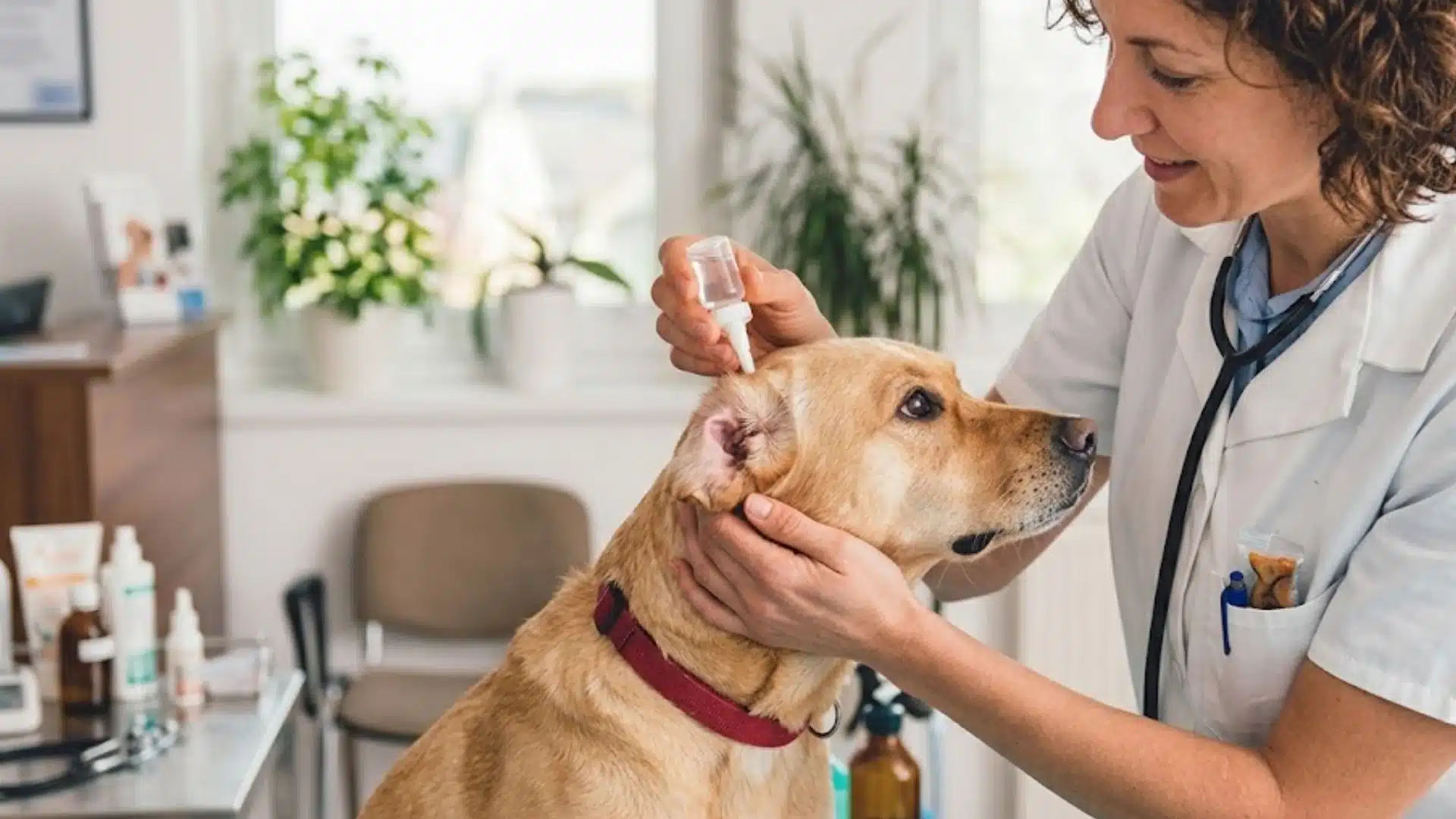
Treatment depends on the cause of the swelling. Some dogs need medicine, while others may need cleaning, drainage, or allergy control. Once the cause is identified, an appropriate treatment plan can be recommended.
1. Medications
Medications are often used when swelling is linked to infection, pain, or inflammation.
A vet may prescribe ear drops, antibiotics, antifungal medicine, or anti-inflammatory drugs based on what is found during testing. These medicines should be used exactly as directed.
Stopping early can allow the problem to return. Human medicines should never be given unless a vet approves them, as some can be unsafe for dogs.
2. Ear Cleaning
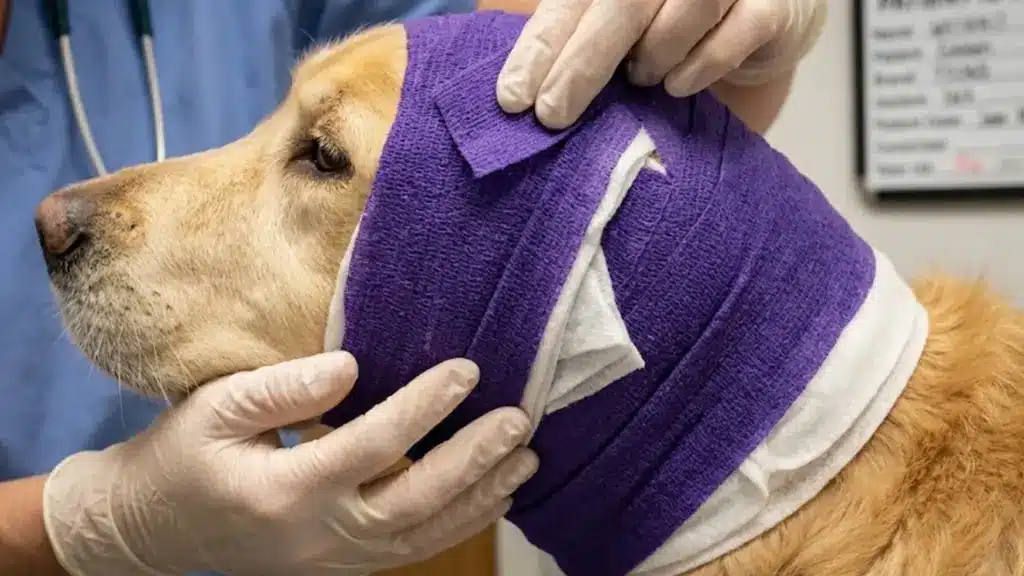
Ear cleaning can help remove wax, discharge, and debris, but it must be done carefully. A vet may clean the ear in the clinic if it is painful, infected, or blocked.
For home care, only use a dog-safe ear cleaner recommended by a vet.
Avoid cotton swabs deep inside the ear canal because they can push debris farther in or cause injury. Cleaning too often can also irritate the ear.
For proven techniques, check out our blog on home remedies for dog ear infections that vets consider safe.
3. Hematoma Drainage
If the ear flap is swollen because of a hematoma, the vet may need to drain the trapped blood. In some cases, surgery may be recommended to stop the swelling from coming back.
Treatment also focuses on the reason the dog was shaking or scratching in the first place, such as infection or allergies.
Without treating the trigger, the hematoma may return, and the ear shape may change over time.
4. Allergy Management
Allergy management may be needed when swelling keeps coming back. Dogs can react to food, pollen, dust, mold, or other triggers.
A vet may suggest allergy testing, diet changes, medicine, or regular skin and ear care. The goal is to reduce itching so the dog does not keep scratching and irritating the ear.
Long-term control often works better than treating each flare-up after it becomes painful.
5. Keeping the Ear Clean and Dry
Keeping the ear clean and dry can support healing and help prevent new irritation. Moisture can make infections worse, especially in dogs with floppy ears or dogs that swim often.
After baths or swimming, the outer ear should be dried gently with a soft towel.
Do not pour water into the ear. If the ear already looks red, swollen, or painful, cleaning should wait until a vet gives guidance.
6. Preventing Scratching
Preventing scratching helps stop the swelling from getting worse. A dog may need an e-collar or a soft recovery cone while the ear heals.
This keeps nails from breaking the skin or making an infection worse. Trimming the nails can also reduce damage from scratching.
If the dog keeps pawing at the ear, the underlying cause is still bothering them and should be treated rather than only blocking the scratching.
This section covers general treatment information only. Always follow your vet’s specific instructions for your dog’s condition.
Can a Swollen Ear Be Prevented?
Not every swollen ear can be prevented, but regular care can lower the risk. Many ear problems start small, then become painful when irritation is missed for too long.
Simple habits like checking the ears, keeping them dry, and managing itching early can make a big difference.
Prevention is also helpful for dogs that often get allergies, infections, or ear irritation after swimming.
- Regular ear checks: Look for redness, swelling, wax buildup, odor, scratches, or signs of discomfort during grooming or petting.
- Routine cleaning: Clean the ears only when needed, using a vet-approved cleaner. Too much cleaning can irritate the skin.
- Managing allergies: If allergies trigger itching, work with a vet on food changes, medicine, or skin care to reduce flare-ups.
- Preventing injuries: Trim nails, watch rough play, and check the ears after outdoor walks or contact with bushes.
- Keeping ears dry after swimming: Gently dry the outer ear after baths or swimming, especially in dogs with floppy ears.
Good prevention is mostly about staying consistent. A quick ear check during brushing, bathing, or cuddle time can help spot changes before they get worse.
If the ear looks red, sore, swollen, or smells bad, it is better to act early instead of waiting for the problem to settle on its own.
Conclusion
A dog’s swollen ear can come from many causes, including infections, allergies, insect bites, scratches, trapped debris, or an ear hematoma.
Some cases may look mild at first, but swelling can get worse when the dog keeps shaking its head or scratching the area.
Home care can help with comfort, but it should not replace a vet visit when the ear looks painful, smells bad, leaks fluid, or changes quickly.
Watching symptoms early can make treatment easier and help prevent more discomfort.
Has your dog ever had a swollen ear or signs like head shaking and scratching? Share your experience in the comments below.
Frequently Asked Questions
Can Food Cause Ear Swelling in Dogs?
Yes, food sensitivity can sometimes lead to ear irritation, itching, and swelling. This usually happens with repeated flare-ups rather than one sudden swollen ear. A vet may suggest a food trial to find the trigger.
Is One Swollen Ear More Concerning than Both Ears?
One swollen ear often points to a local issue, such as a bite, scratch, hematoma, or trapped object. Both ears may suggest allergies or a wider skin problem. Either way, pain, odor, or discharge should be checked.
Can Stress Make a Dog Scratch its Ears More?
Stress can make some dogs lick, chew, or scratch more than usual. If the ear is already itchy or irritated, this can make swelling worse. The real cause still needs to be found and treated.
How Long Does a Dog Ear Hematoma Take to Heal?
With surgery or drainage, most ear hematomas heal within two to four weeks. Without treatment, the blood may reabsorb on its own over several months, but this often leads to scarring and permanent changes to the ear’s shape.