A newborn puppy’s first days are quiet, warm, and almost hidden from the world.
Their eyes stay closed, their movements are tiny, and their whole life depends on scent, touch, milk, and their mother’s body heat.
Then, somewhere around the second week, everything begins to shift. A small crease appears. A sealed eyelid loosens. One cloudy little eye starts to open.
That moment feels sweet, but it can also make owners nervous. Some puppies open their eyes early, some take longer, and their first vision is far from clear.
Knowing what is normal during this stage helps protect delicate eyes, ease worry, and understand when a puppy may need veterinary care before a small eye problem becomes painful or harder to treat later.
Why are Puppies Born with Their Eyes Closed?
Puppies are born with closed eyes because their bodies are still developing.
Dogs have a short pregnancy, typically 58 to 63 days, so the eyes, optic nerves, retina, and related brain pathways are not fully developed at delivery.
Closed eyelids protect these fragile tissues as they continue to form in the dark.
The sealed lids also guard against dust, bedding debris, bacteria, and irritation in the whelping area. Even a clean nesting space can expose newborn eyes to particles or germs.
Opening too early can increase the risk of injury, infection, swelling, and lasting vision problems. This is why the eyelids should never be forced open.
They will open naturally when the puppy’s eye development reaches the right stage.
How Old are Puppies when They Open Their Eyes?

Most puppies open their eyes between 10 and 14 days after birth. The process usually starts as a tiny slit along one eyelid and widens over several days.
One eye can open a day or two before the other, which is completely normal.
Timing varies by breed and individual development. Toy and miniature breeds tend to open their eyes closer to day 10, while large and giant breeds may take 14 to 21 days.
Littermates don’t always develop on the same schedule, either. As long as the eyes are open for around three weeks and there’s no swelling, discharge, or obvious pain, slower timing alone isn’t a red flag.
What Happens When a Puppy’s Eyes Start Opening?
Around days 10 to 12, a thin seam may appear along one or both eyelids. Over the next two to four days, the opening widens little by little.
- Newly opened eyes often look cloudy or blue-gray because the eye tissue is still immature.
- That cloudiness usually clears over the following weeks as vision develops.
- A small amount of discharge in the corner of the eye is common during this stage.
- Never pull or pry the eyelids open, since this can damage fragile tissue underneath.
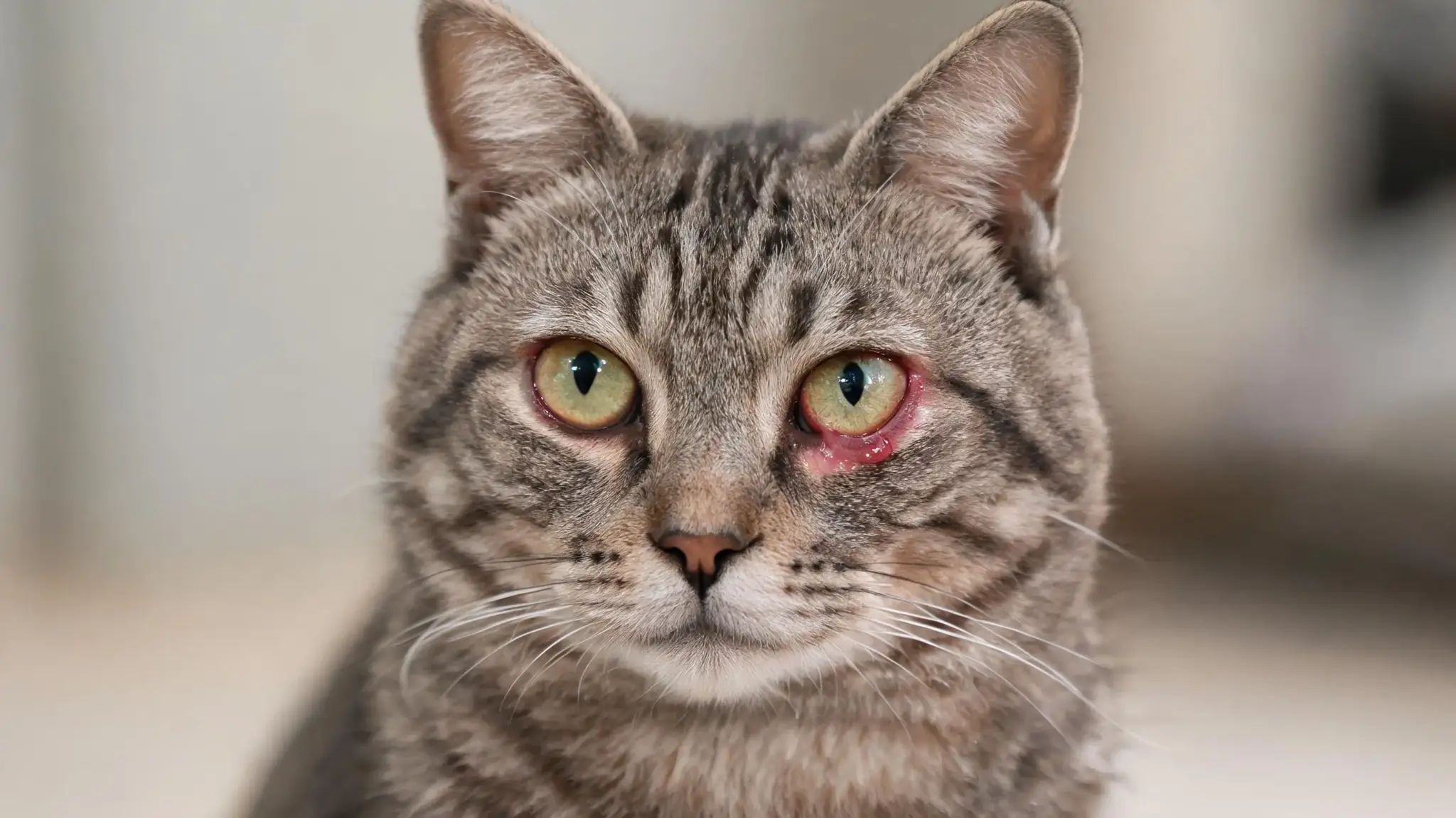
If you notice swelling, heavy discharge, redness, or a puppy keeping one eye shut, call your vet rather than waiting.
Keep the whelping area in soft, indirect light and avoid bright overhead lighting, direct sunlight, or camera flash while the eyes adjust. Light sensitivity is common in the first week after opening, so a calm, dim space helps more than you’d think.
Puppy Development Timeline After Eyes Open

Puppy eye opening is part of a larger newborn development timeline, from sealed eyes and ears at birth to walking, weaning, teething, and early socialization before rehoming.
Week 1: Eyes and Ears Stay Closed
During the first week, puppies are fully dependent on their mother. Their eyes and ears stay sealed, but they can feel warmth, taste milk, and use their sense of smell to find the nipple.
Most of their time is spent sleeping and nursing, which supports early brain and body development.
Steady weight gain matters during this stage, and many healthy puppies roughly double their birth weight by day seven with proper care and feeding.
Week 2: Eyes Begin to Open
During week two, puppies start changing quickly. Their eyes usually open near the end of this period, and the ears may begin to unseal around the same time or shortly after.
Vision is still blurry, and hearing is limited at first. Puppies remain wobbly and slow, but they begin to react more to light, touch, scent, movement, and the sounds around their nesting area as their senses gradually develop each day.
Week 3: Standing, Walking, and Early Teething
Week three is the transitional stage. By now, the eyes and ears are usually open, and puppies begin to notice the world more clearly.
They start to stand, take unsteady steps, and interact with littermates more intentionally. Baby teeth may begin to break through the gums, which is a good time to watch for early teething
This is also a good time to start watching for early teething signs and prepare for gentle handling and brief, supervised contact with people each day.
Weeks 4 to 5: Weaning, Play, and Personality
During weeks four and five, puppies become more active and social.
Weaning often begins, so they start tasting soft food while still nursing. Their walking improves, play becomes more energetic, and individual personalities begin to show.
Biting and mouthing also become common as puppies use their mouths to learn.
This stage is normal, but gentle redirection helps build early bite control and safer play habits with people and littermates daily.
Weeks 6 to 8: Socialization and New Home Readiness
By weeks six to eight, puppies are usually eating solid food and becoming more coordinated.
Baby teeth are sharp and fully in, even though adult teeth will not arrive for several more weeks. Socialization is now important, including gentle handling, household sounds, and safe contact with people.
Many puppies are ready for new homes around eight to ten weeks, depending on health, breed, breeder guidance, and local rehoming rules.
When to Worry About Puppy Eye Development
If a puppy’s eyes haven’t opened by three weeks, contact a vet. Don’t try to open them at home. Call sooner if the eyelids look swollen, the eye area bulges, or discharge is building up along a still-sealed eyelid.
Bacteria can become trapped behind sealed lids and cause an infection that damages the eye without prompt treatment.
Warning signs to watch after the eyes open
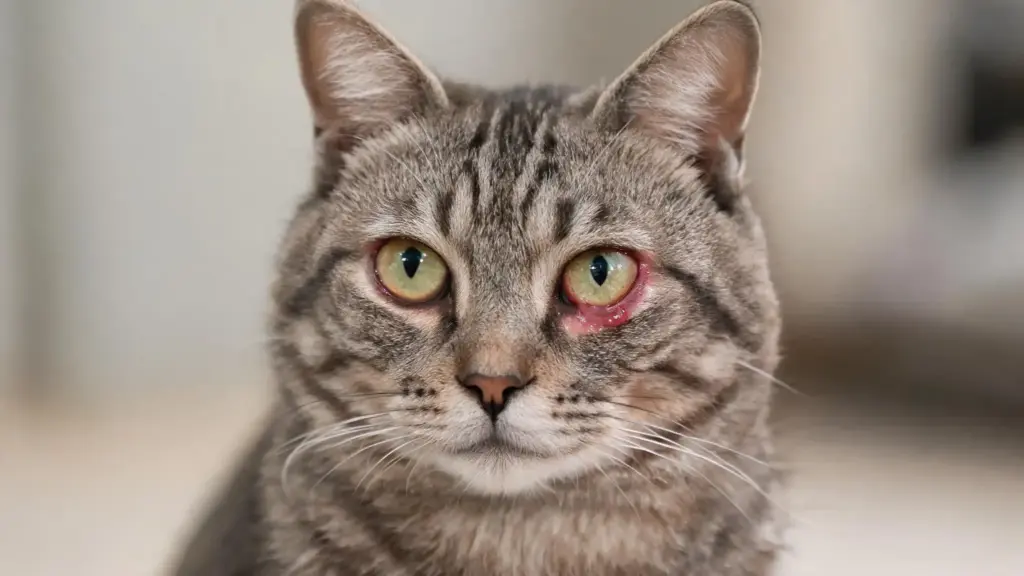
- Heavy tearing or thick discharge (especially yellow or green)
- Lasting cloudiness after the first week or two of opening
- Redness in or around the eye
- A puppy keeping one eye shut or squinting frequently
- Swelling around the eye area at any point
Any of these is worth a same-day call to your vet rather than a wait-and-see approach.
How to Care for a Newborn Puppy’s Eyes

A puppy’s eyes are delicate during the first few weeks, so proper care helps support healthy development and reduces the risk of irritation or infection.
- Keep the Area Clean: Maintain a clean whelping box with fresh, dry bedding to limit exposure to dirt, moisture, and bacteria.
- Use Gentle Lighting: Provide soft, indirect light after the eyes open and avoid direct sunlight, bright overhead lights, and camera flashes.
- Clean Eyes Carefully: If moisture collects near the eyes, gently wipe it away with a clean damp cloth or cotton pad, using a separate one for each eye.
- Support a Healthy Environment: Good airflow, clean surroundings, and proper care of the mother help create a safer environment for newborn puppies.
- Avoid Unapproved Treatments: Do not use eye drops, ointments, or other products unless advised by a veterinarian, and never try to force the eyelids open.
Conclusion
A puppy’s eyes opening is the kind of milestone that makes the whole litter feel new. One day they are tiny, sealed, and searching by scent.
Then a cloudy little blink appears, and suddenly those pups seem closer to the world around them. That moment is worth enjoying, but it is also worth protecting.
Keep the space clean, the light soft, and the handling gentle. Let each puppy open their eyes on their own schedule, and call a vet if swelling, discharge, pain, or delayed opening shows up.
These first weeks pass fast, so keep the space calm, skip the flash, and enjoy each tiny milestone. Comment below when your puppy first opened their eyes.
Frequently Asked Questions
Do All Puppies in a Litter Open Their Eyes at the Same Time?
No. Puppies in the same litter may open their eyes on different days. One puppy may start a day or two earlier, and one eye may open before the other. As long as all eyes are open by about 21 days and there is no swelling or discharge, this is usually normal.
Can Puppies Open Their Eyes Before 10 Days?
Some puppies may open their eyes slightly before 10 days, but it is less common. Never force the eyelids open, even if they seem partly loose.
Should Newborn Puppies Be Kept in the Dark?
Newborn puppies do not need complete darkness. A calm space with soft, indirect light is best, especially after their eyes begin opening.