Brought home a fluffy little chaos machine? And now you’re searching things like “Is it normal for my puppy to sleep this much?” You’re not alone.
Puppies grow fast, and every week can bring a new habit, a new fear, a new burst of energy, or a fresh pile of chewed stuff.
One day, they nap like tiny bears. Next, they race through the house as if it were their own.
This blog breaks down puppy growth stages month by month, so you know what is normal, what might need attention, and how to support each stage with simple care.
From steady routines, patience, and small daily wins, every new puppy owner needs along the way.
What Do Puppy Growth Stages Cover?
Puppy growth stages show how a young dog changes physically, mentally, and socially from birth to adulthood.
Each stage affects growth, sleep, appetite, teething, behavior, training readiness, and confidence.
- Physical growth includes weight, height, muscles, bones, and coat changes.
- Brain development shapes fear response, confidence, and learning.
- Teething, chewing, sleep, and appetite shift with age.
- Social skills grow through people, dogs, sounds, handling, and new places.
Since every puppy develops at a different pace, knowing the current stage helps you support normal changes and spot concerns early.
Puppy Growth Stages Month by Month
Knowing which stage you are in helps you set realistic expectations, not just for your puppy, but for yourself.
Stage 1: The Neonatal Stage (Birth to 2 Weeks)
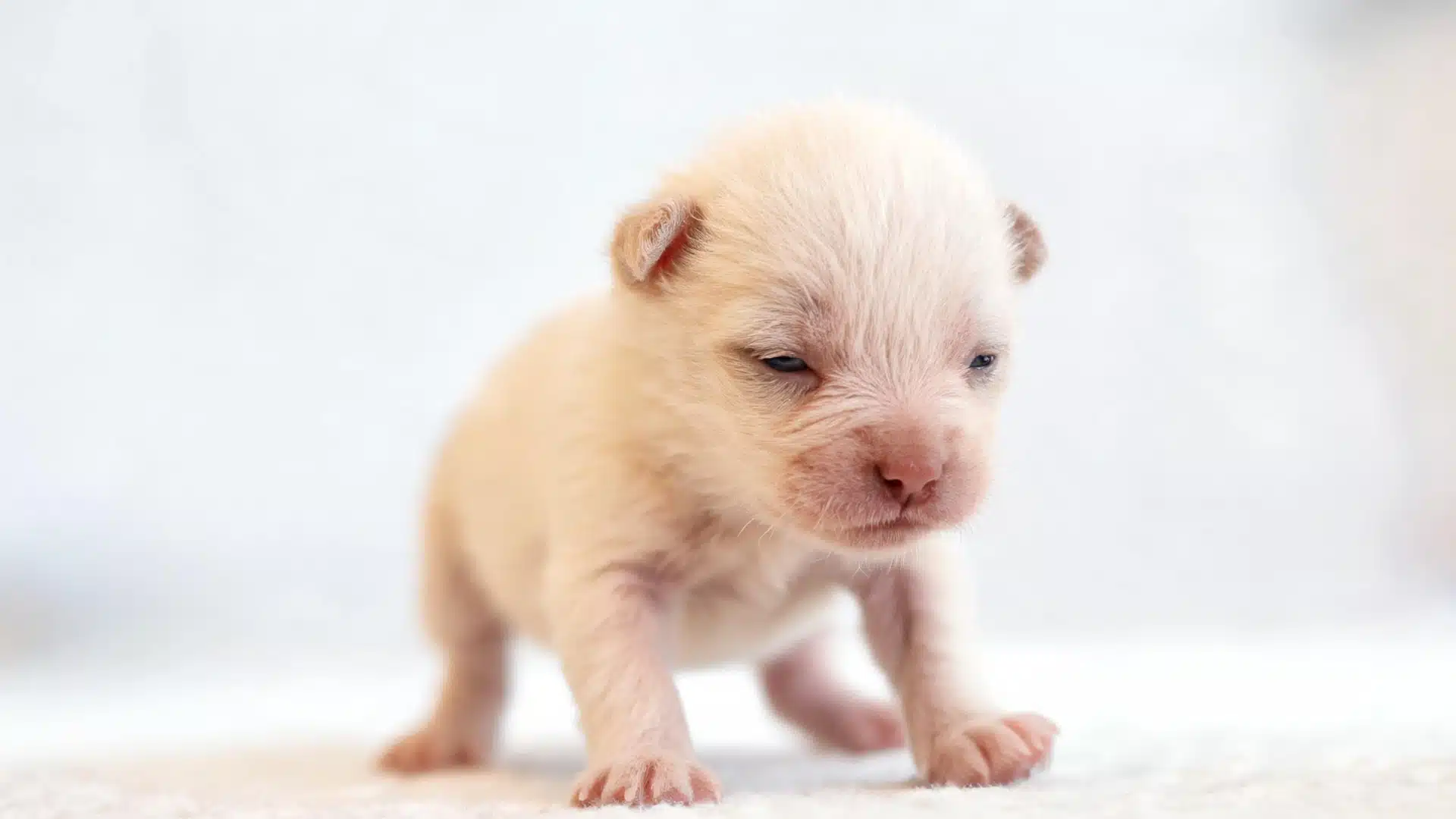
A newborn puppy is almost entirely helpless. Its eyes and ears stay sealed, so touch and taste guide it toward warmth and nursing.
At this stage, puppies sleep about most of the time while their mother feeds them and helps with elimination.
The mother’s first milk, called Colostrum, is especially important because it gives puppies early immune protection, so nursing soon after birth matters.
Care note: Keep newborn puppies warm, confirm each one nurses within the first two hours, and check weight daily.
Stage 2: The Transitional Stage (2 to 4 Weeks)
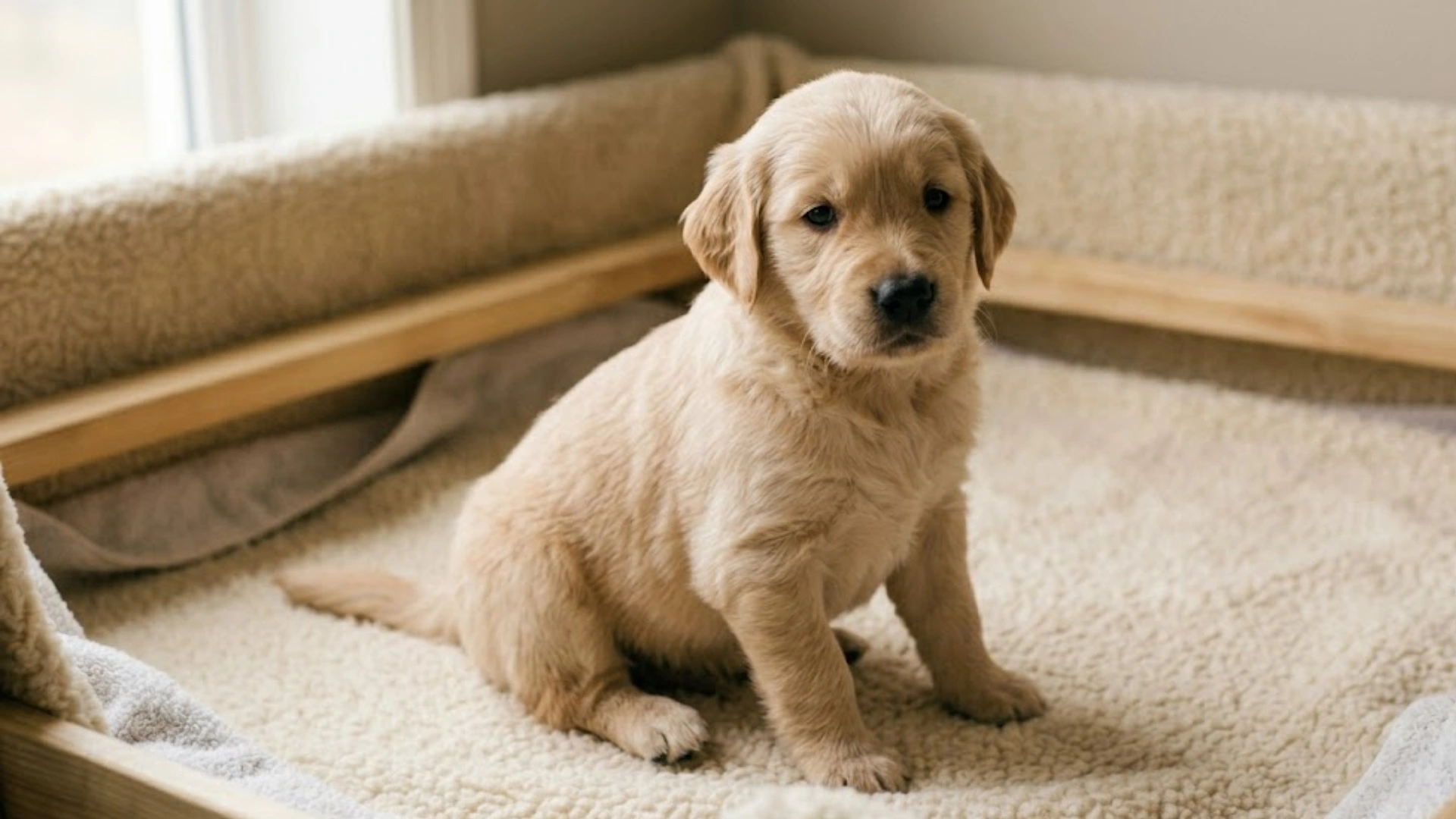
This is the “waking up” phase, and it moves fast. Around two weeks, puppies begin to open their eyes and ears, start reacting to sounds, and move from crawling to wobbly walking.
First barks, tail wags, early play, and baby teeth also begin during this stage.
Littermate contact becomes important because puppies start learning social rules, bite pressure, and early confidence while their mother begins weaning them.
Gentle touch around the paws, ears, and muzzle can also help puppies get used to future grooming and vet handling.
Stage 3: Socialization Period (3 to 12 Weeks)
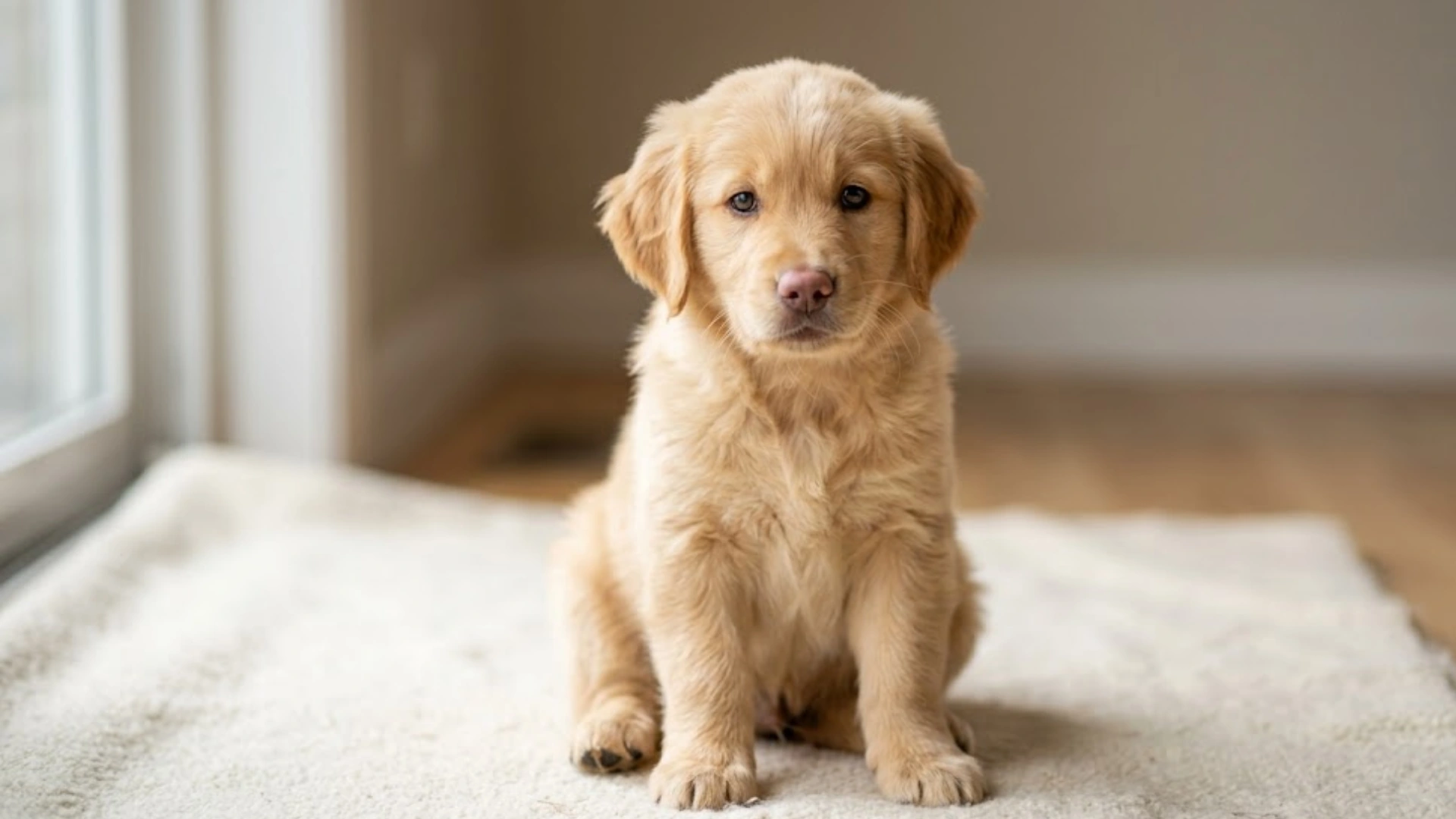
This is the key socialization window in a puppy’s life, typically between 3 and 14 weeks.
Most puppies come home around 8 weeks, which may overlap with the first fear period, so keep new experiences calm, short, and positive.
Gradually introduce people, everyday sounds, different surfaces, crate time, short car rides, grooming touch, and gentle vet-style handling.
Never force a frightened puppy forward. Ask your veterinarian before any public exposure or contact with unfamiliar dogs.
Crate training your puppy during this stage builds a sense of security rather than confinement
Stage 4: The Juvenile Stage (3 to 6 Months)
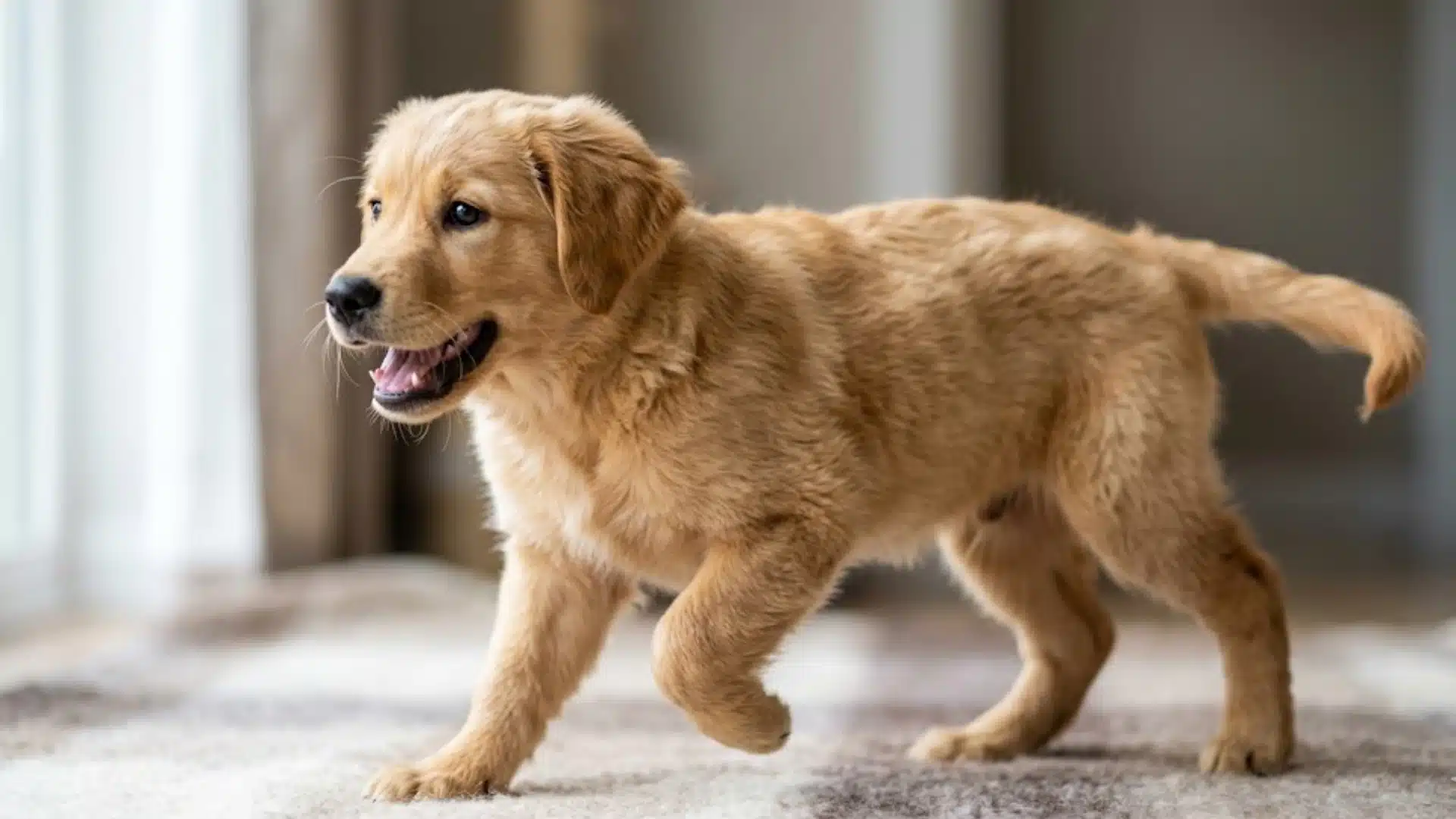
Your puppy starts looking more like a dog during this stage.
Baby fuzz gives way to an adult coat, coordination improves, and attention span becomes strong enough for short training sessions.
Teething also begins around 3 to 4 months as baby teeth fall out, with adult teeth usually coming in by 6 to 7 months.
Chewing often becomes intense, so offer safe chew toys and keep training brief. Avoid forced running, jumping, or rough play on hard surfaces, especially for large breeds.
Stay consistent with training and follow the puppy vaccination schedule during this active stage.
Stage 5: Adolescence (6 to 18 Months)
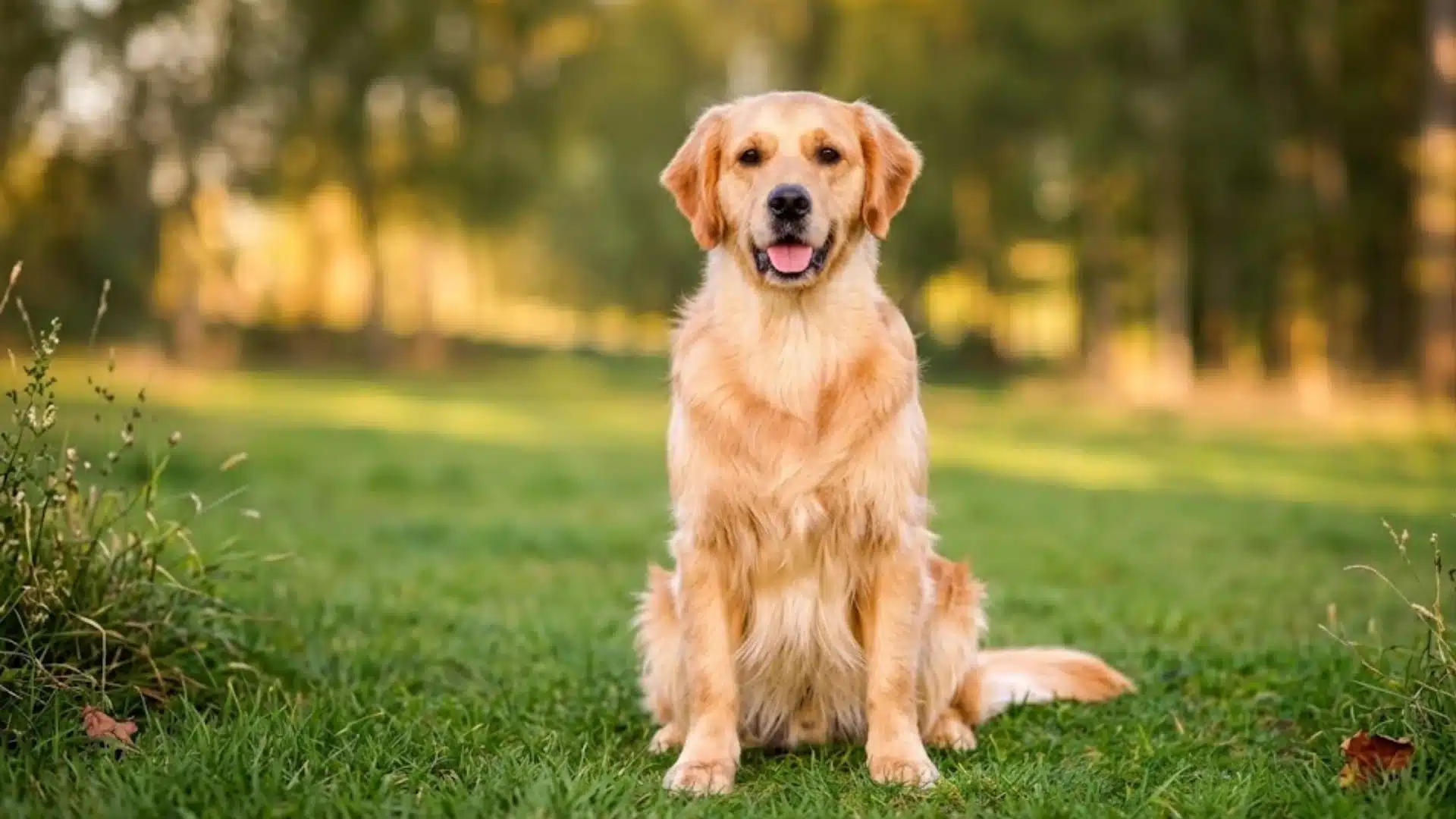
Nobody warns owners enough about the teenage phase. Between six and eighteen months, a puppy may feel like a different dog.
Sexual maturity often starts around six months, bringing hormones, selective hearing, distraction, and some fear-based behavior.
A second fear period may appear around five to seven months, so keep experiences familiar and calm.
Small breeds often mature by nine to twelve months. Large breeds may grow until eighteen to twenty-four months.
Feeding a vet-approved puppy food through this period supports proper bone and muscle development without rushing the process.
Puppy Growth Milestones at a Glance
Puppies change fast in the first year. This table maps common physical and behavioral changes by age so you always know what to expect next.
| Age | Physical Changes | Behavioral Milestones |
|---|---|---|
| 0-2 weeks | Rapid growth, eyes/ears sealed, only crawls | Nursing, sleeping most of the time, touch/taste senses only |
| 2-4 weeks | Eyes and ears open, baby teeth erupt, and the baby begins walking | First barks, tail wags, and littermate interaction start |
| 4-8 weeks | Coordination is improving, baby coat present | Socialization window open, play begins, mother starts weaning |
| 8-12 weeks | Senses fully developed | Fear period (8-10 weeks), ideal time for new-home adjustment |
| 3-4 months | Baby teeth falling out, adult coat developing | Increased chewing, boundary testing, and training receptive |
| 4-6 months | Adult teeth fully emerging, height increasing | Social hierarchy forming with other pets, teething peaks |
| 6-9 months | Most height/muscle growth in large breeds here | Sexual maturity begins, and adolescent behaviors appear |
| 9-12 months | Small breeds near full size, large breeds still growing | Second fear period may resurface, confidence rebuilding |
Understanding Fear Stages in Puppies
A puppy’s fear period is a normal stage in which a puppy suddenly fears things that once felt safe.
It is not a training failure or permanent anxiety. It usually happens as the brain learns what is safe and what is not.
There are two common fear periods, each lasting about two to three weeks:
- Fear period 1 (8 to 11 weeks): This often happens when puppies move into a new home. A puppy may freeze, hide, tuck the tail, tremble, startle at sounds, or avoid people and objects it accepted before.
- Fear period 2 (6 to 14 months): This can appear when a dog looks grown but feels unsure again. Signs include barking, hesitation, clinginess, hiding, weak recall, and lower confidence.
Managing puppy separation anxiety carefully during this first fear window prevents short-term stress from becoming a long-term trigger.
Puppy Growth Timeline by Breed Size
The five growth stages apply to every dog. What changes is how long each stage lasts and when full maturity arrives.
| Breed size | Adult weight range | Typical maturity age | Growth notes |
|---|---|---|---|
| Toy | Under 10 lbs | 6-9 months | Fastest developers may reach adult weight before fear periods fully resolve |
| Small | 10–25 lbs | 9-12 months | Growth slows significantly after six months; the adult food transition is appropriate around ten to twelve months |
| Medium | 25–60 lbs | 12-15 months | Adolescent behaviors persist well past the one-year mark; training consistency is critical |
| Large | 60–100 lbs | 15-18 months | Growth plates close later; avoid high-impact exercise until cleared by a vet |
| Giant | Over 100 lbs | 18-24 months | Still mentally and physically a puppy at one year, nutritional support and patience are both needed |
How to Track Your Puppy’s Growth at Home?
You don’t need a growth chart to stay on top of how your puppy is developing. A few simple habits give you a clear picture and make vet visits more productive.
- Weigh weekly: Use a kitchen or baby scale for small breeds, or weigh yourself holding the puppy and subtract your weight for larger ones. Consistent gains week over week are a good sign.
- Keep a simple log: Note weight, appetite, sleep patterns, and any behavior changes once a week. When something shifts, you’ll have a baseline to compare against.
- Photo documentation: Monthly photos from the same angle help you see coat changes, body proportion shifts, and overall condition in ways that daily observation often misses.
- Track milestone timing: Note when adult teeth come in, when the first heat cycle occurs in females, or when adolescent behaviors appear. These milestones help confirm your puppy is developing on a typical timeline for their breed and size.
If any measurement or behavior change concerns you, the log makes it far easier to describe the issue clearly to your vet.
When to Call a Vet About Your Puppy’s Growth
Most puppy changes are normal, but some signs need quick attention. This section is for information only and is not medical advice, so always speak with a licensed veterinarian about your puppy’s health.
Call your vet if you notice:
- Poor weight gain, steady weight loss, or no clear growth
- No appetite for more than 24 hours
- Repeated vomiting, diarrhea, or bloody stool
- Limping, pain, weakness, or refusal to bear weight
- Sudden behavior changes, extreme fear, or fear lasting more than three weeks
Conclusion
Every puppy grows at its own pace. A Chihuahua and a Great Dane follow the same stage order, but on very different timelines.
The goal is not to rush growth, but to support the stage your puppy is in right now.
Early work, especially during socialization, can shape behavior for years. Patience during adolescence protects the bond you have built.
Tracking changes month by month also helps you spot concerns early, notice real progress, and feel more confident during each new phase.
If something feels off, call your vet first. Write down what changed and when it started, because those details help.
Which stage is your puppy in right now? Share your puppy’s milestones and changes in the comments below.
Frequently Asked Questions
What Age is the Hardest Puppy Stage?
Adolescence, around six to twelve months, is often hardest because hormones, fear, recall problems, and training setbacks can appear together.
When Should a Puppy Switch to Adult Food?
Most puppies switch to adult food once they reach their mature size. Small breeds may switch sooner, while large breeds often need puppy food longer.
Does Spaying or Neutering Affect Puppy Growth?
It can affect the timing of growth in some dogs. The best age depends on breed, size, health, and your vet’s advice.