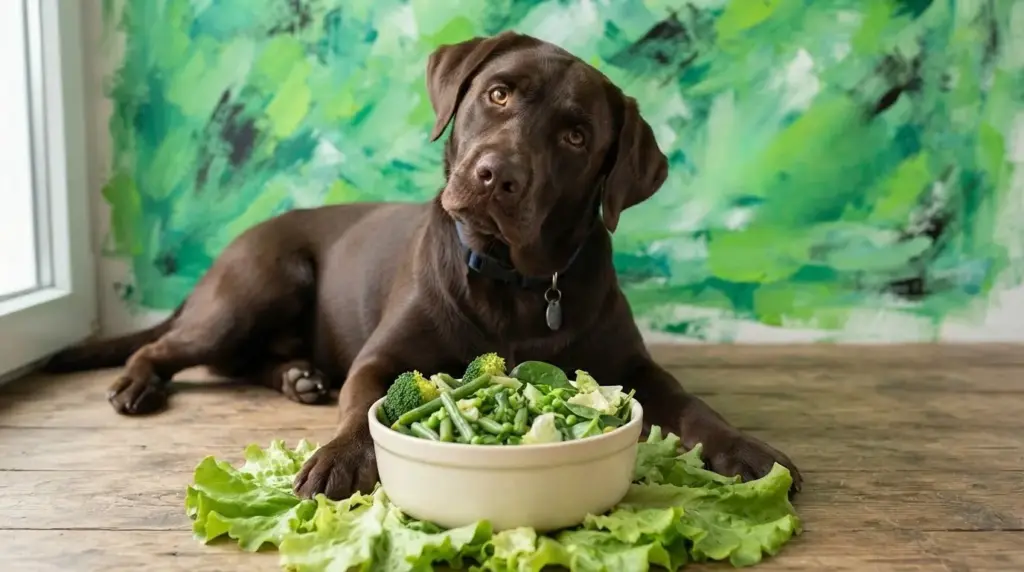
That eager apple-watching stare can make any pet parent second-guess a simple snack. The good news is that apples can be safe, refreshing, and useful when served with care.
If you have wondered whether apples are good for dogs, the real answer depends on portion size, prep, and your dog’s health needs.
Apples offer fiber, gentle crunch, natural sweetness, and small amounts of helpful nutrients, but seeds, stems, and cores should stay out of the bowl.
As a pet nutritionist, I look at every treat through safety, value, and everyday practicality.
This guide will show what apples can offer, what risks to avoid, and how to serve them in a way that keeps treat time simple and safe at home.
Are Apples Good for Dogs?
Yes, apples are generally considered safe for dogs when served in small, plain pieces. They can be given as an occasional treat, not as a replacement for regular dog food.
Before feeding apples, wash them well and cut them into small slices so they are easier for a dog to chew. It is best to remove the core and seeds before offering them.
Dogs may enjoy the sweet taste and crunchy texture, especially when apples are served fresh.
Like any new food, apples should be introduced slowly to see how the dog responds. Some dogs may like them, while others may not be interested.
Keep the serving size small and simple, without sugar, seasoning, peanut butter, caramel, or other toppings.
What’s Actually in an Apple that Benefits Your Dog?

Apples aren’t just filler. The flesh of an apple carries a real nutritional profile that your dog can genuinely benefit from as an occasional treat.
1. Vitamin A
Vitamin A is one of the nutrients dogs can’t produce in sufficient quantities on their own, which means it has to come from their diet.
Apples offer a modest but real contribution. In practical terms, adequate vitamin A supports healthy skin, a shinier coat, and sharper vision.
For dogs eating a well-rounded diet, the apple isn’t the main source, but it adds up as a consistent small boost alongside their regular meals.
2. Vitamin C
Vitamin C works as an antioxidant in your dog’s body, helping reduce cellular inflammation and supporting immune function over time.
Dogs do synthesize some vitamin C naturally through their liver, but that production can dip during periods of stress, illness, or heavy physical activity.
Getting a little extra from whole food sources like apple flesh is a gentle, natural way to fill that gap without supplements or powders.
3. Dietary fiber
The fiber in apple flesh, and especially in the peel, does some real work in your dog’s digestive system.
It helps regulate bowel movements, supports a healthy gut environment, and slows digestion just enough to keep your dog feeling full between meals.
If you have a dog who hoovers their food and immediately starts campaigning for more, the satiety effect of fiber-rich snacks like apple slices is genuinely useful for managing those between-meal moments.
4. Antioxidants
Beyond vitamin C, apples contain plant compounds like quercetin that help neutralize free radicals and reduce oxidative stress at the cellular level.
This is one of the quieter benefits of apples, the kind that doesn’t show up obviously day to day but contributes to long-term cellular health with consistent small servings.
Think of it as the background work your dog’s body does every time they crunch through a slice.
5. Low fat content
Most commercial dog treats carry more fat than pet parents realize, which adds up fast for dogs on a weight management plan or those with conditions like pancreatitis.
Apples are nearly fat-free, which makes them a genuinely smart swap. Your dog still gets something sweet, crunchy, and satisfying, without the fat load that comes with biscuits or chews.
For dogs who need to watch their intake, that distinction matters more than it might seem.
Can Dogs Eat Apples for Weight Control?
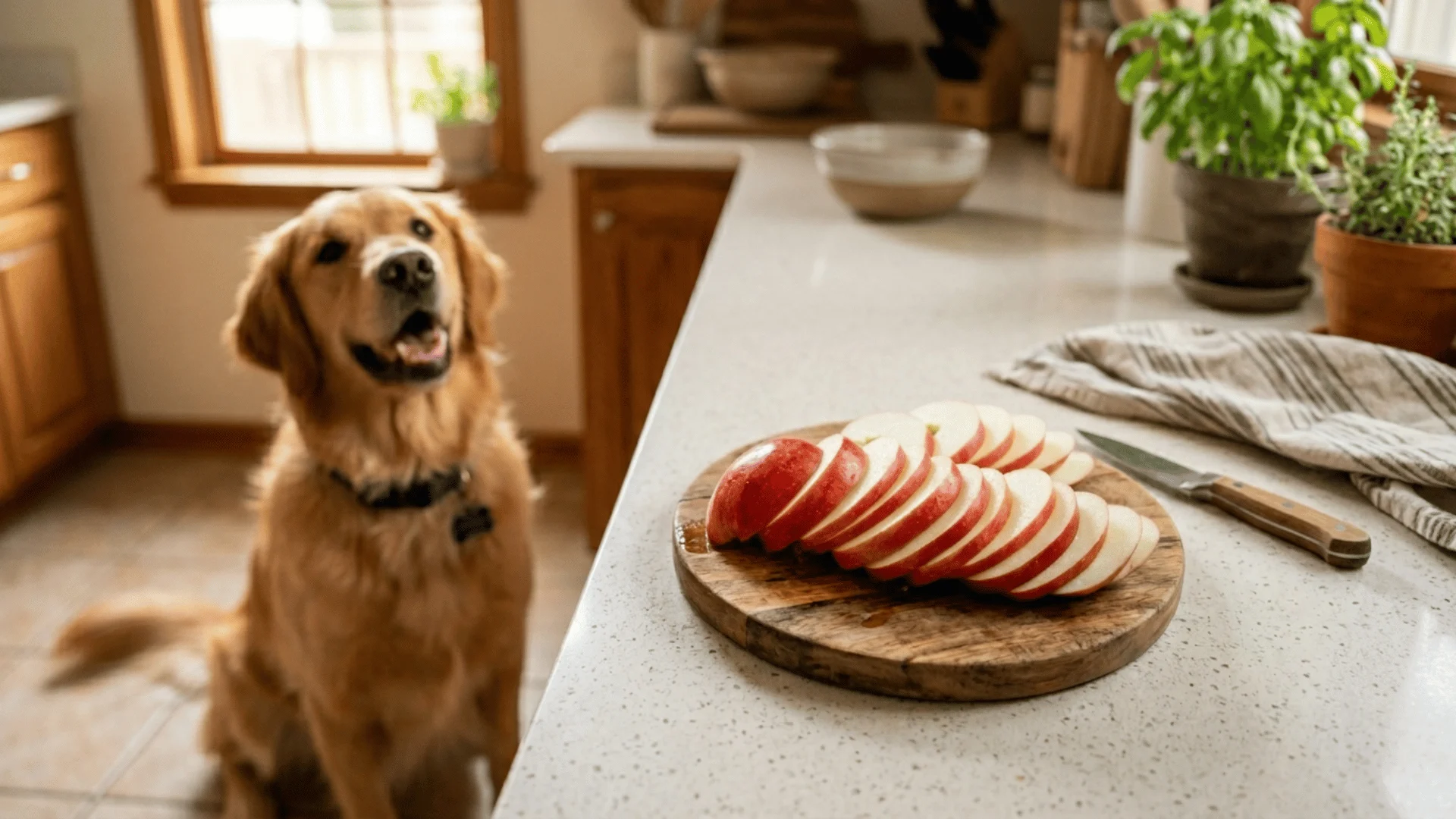
Apples can be a smart treat choice for dogs on a weight management plan when served in small amounts. Many packaged dog treats contain extra fat, salt, or sugar, which can add up quickly over time.
Plain apple slices are naturally low in fat and calories, so they can help reduce treat calories without making snack time feel boring.
The fiber in apples can also help your dog feel fuller between meals. That may reduce extra begging, especially for dogs that always seem ready for one more bite.
Still, apples should stay as a treat, not a meal replacement. A few small slices can fit well into a balanced diet, as long as all treats together stay within a small part of your dog’s daily calories.
For dogs prone to weight gain, apples can be a simple swap for heavier treats while still giving them something sweet and crunchy to enjoy.
Can Dogs Eat Apple Seeds, Cores, and Stems Safely?
No, dogs should not eat apple seeds, cores, or stems on purpose. A stray seed is unlikely to cause panic, but these parts are still best removed before serving.
Apple seeds contain amygdalin, a natural compound that can release cyanide when crushed and digested.
The core is also a bigger everyday concern because it can become a choking hazard, especially for small dogs, and may be hard to pass safely.
Stems and leaves do not add any benefit either, so skip them too. The safest habit is simple: slice the apple, remove the core, seeds, and stem, then serve only plain apple flesh.
If your dog eats a large amount or seems unwell, call your vet.
Can Dogs Eat Apple Skin?

The short answer is yes. Apple skin is not toxic, and it actually adds to the fiber content, which supports digestion.
If you leave the peel on, just wash the apple thoroughly to remove any surface pesticide residue before slicing.
For dogs that already eat plenty of safe vegetables for dogs and have no digestive sensitivities, leaving the peel on is completely fine.
The one caveat: apple peels can get stuck between teeth. That’s a minor annoyance rather than a health risk, but if your dog has any dental issues or you’ve noticed food getting trapped, peeling the apple first is the easier solution.
Some dogs with sensitive digestion also handle peeled apple better, so it’s worth peeling for a new introduction and then adjusting from there.
How to Safely Serve Apples to Your Dog?
Prep matters more than most people realize. The right portions and textures make apples genuinely safe and enjoyable for dogs of all sizes.
- Small dogs (under 10 kg): Cut pieces to roughly the size of a pea. One or two slices per serving is plenty. Their smaller esophagus means choking risk goes up with larger chunks.
- Medium dogs (10-25 kg): Marble-sized pieces or thin slices. A few pieces make a reasonable treat without tipping the calorie balance.
- Large dogs (over 25 kg): Larger chunks are fine, up to a half apple occasionally. Even then, watch that they’re chewing rather than swallowing whole.
A few prep rules worth keeping consistent:
- Always remove the core, seeds, and stem before serving
- Serve fresh, plain apple only, no applesauce (most commercial versions contain xylitol or added sugars that are harmful to dogs)
- No apple juice, which strips the fiber and concentrates the sugar
- Introduce apples gradually the first time, especially for dogs with sensitive stomachs
If your pup isn’t wild about raw fruit, some dogs prefer apple mixed into plain food or lightly frozen for a cool summer snack.
Signs Your Dog Ate Too Much Apple
Too much of any fruit can upset a dog’s stomach, and apples are no exception. The sugar and fiber content that make apples beneficial in moderate amounts can tip into digestive trouble when overdone. Watch for:
- Loose stools or diarrhea: Usually the first sign that the fiber or sugar was too much too fast.
- Gas or bloating: A stomach that’s gurgling or a dog who seems uncomfortable after eating.
- Vomiting: Less common, but possible if a dog ate a large amount quickly or if the apple was combined with other rich foods.
- Lethargy: If your dog seems unusually low-energy after eating fruit, check in with your vet.
Most cases of apple overconsumption are mild and self-resolving. Reduce the portion next time and reintroduce more slowly.
Conclusion
When served with care, apples can be a useful treat that fits into many dogs’ routines without adding heavy calories.
The key is to keep portions small, watch how your dog reacts, and treat fruit as an occasional snack rather than a daily habit.
Every dog is different, so dogs with diabetes, sensitive stomachs, dental trouble, or special diets may need extra caution before trying new foods.
For most healthy dogs, plain apple slices can bring a little crunch, sweetness, and variety to treat time. Start small, keep it simple, and choose fresh pieces over sugary Apple products.
Have you tried giving apples to your dog? Drop a comment and share whether your pup loved them or left them behind
Frequently Asked Questions
Can Puppies Eat Apples?
Yes, puppies can eat apples in very small amounts once they’re fully weaned and eating solid food.
Can Dogs Eat Applesauce?
Plain, unsweetened applesauce without added ingredients is generally safe in very small amounts. The issue is that most commercial applesauces contain added sugars, preservatives, or xylitol, which is toxic to dogs.
Are There Dog Breeds That Shouldn’t Eat Apples?
Apples are safe for all breeds when served correctly. The main consideration is size-appropriate portioning, since small breeds need smaller pieces to avoid choking.