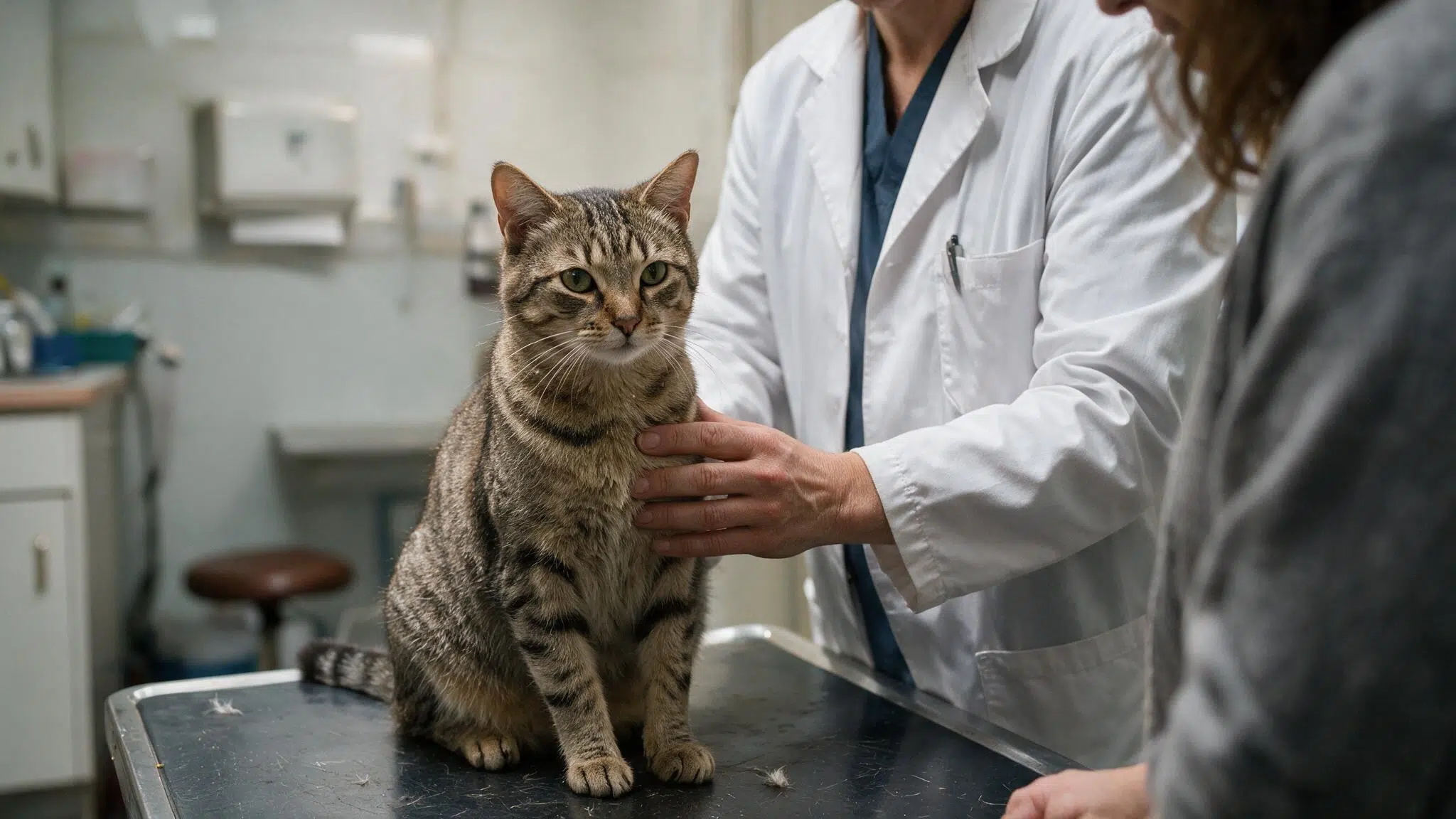
I found out my cat had fleas the unglamorous way. I wiped her back with a damp white cloth and watched dark specks turn rust-colored on the fabric.
That flea dirt meant the problem had been quietly building for weeks, probably longer.
What followed was a spiral of product pages, Reddit threads, and vet visits. I made a few mistakes, but eventually I also found what actually works.
This blog covers the best flea treatments for cats, with real notes on who each product suits, what to avoid, and how to treat your home alongside your cat.
Because treating just the cat is only half the job, and most product roundups skip that part entirely.
How to Spot a Flea Problem Before It Gets Worse?
Fleas are sneaky. By the time scratching starts, the infestation has often been growing quietly in your cat’s coat, bedding, carpets, and favorite resting spots for days or even weeks.
Watch for these signs:
- Repeated Scratching or Biting: Your cat may scratch, chew, or bite often, especially around the neck, belly, or base of the tail.
- Flea Dirt: Tiny black or brown specks in the coat may turn reddish brown when wet because they contain digested blood.
- Restlessness or Sudden Discomfort: A cat may seem unsettled, jumpy, or irritated even when there is no clear visible cause.
- Thin Patches or Hair Loss: Sensitive cats may lose hair from constant scratching, licking, or reacting to flea saliva.
- Small Red Bumps on the Skin: Flea bites can leave tiny red bumps, especially on the belly, neck, or lower back.
- Pale Gums in Kittens or Very Small Cats: Pale gums may signal anemia from heavy flea feeding and need quick veterinary care.
To check for flea dirt, comb your cat’s coat over white paper or a damp white cloth.
Regular grooming sessions help detect issues early and support overall coat health. Severe symptoms, especially in kittens, need prompt veterinary attention.
Best Flea Treatments for Cats
These are the products that come up most consistently in vet reviews and real pet owner accounts. Each one has a clear safety profile for cats and a track record worth considering.
Disclaimer: Always consult a licensed veterinarian before starting any flea treatment, particularly for kittens, pregnant cats, nursing cats, or cats with existing health conditions.
1. Revolution Plus
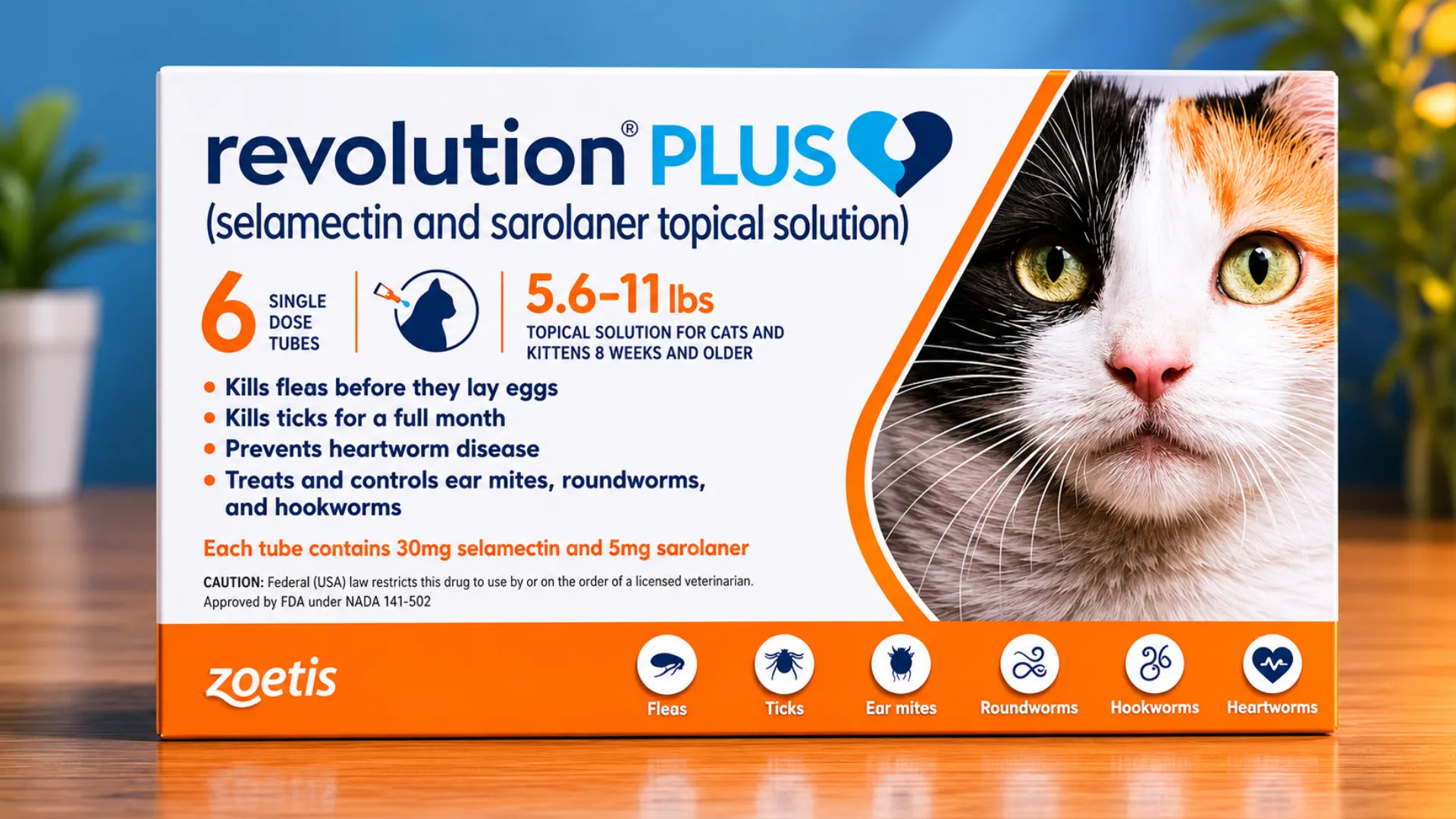
Revolution Plus is a monthly topical treatment for cats that helps protect against fleas, ticks, ear mites, roundworms, hookworms, and heartworm disease.
It contains selamectin and sarolaner and is applied to the skin at the base of the neck.
It is meant for cats and kittens at least 8 weeks old and weighing at least 2.8 pounds.
Some cats may have side effects, such as low energy, poor appetite, shaking, or coordination problems, so professional pet care guidance is important before use.
2. NexGard COMBO
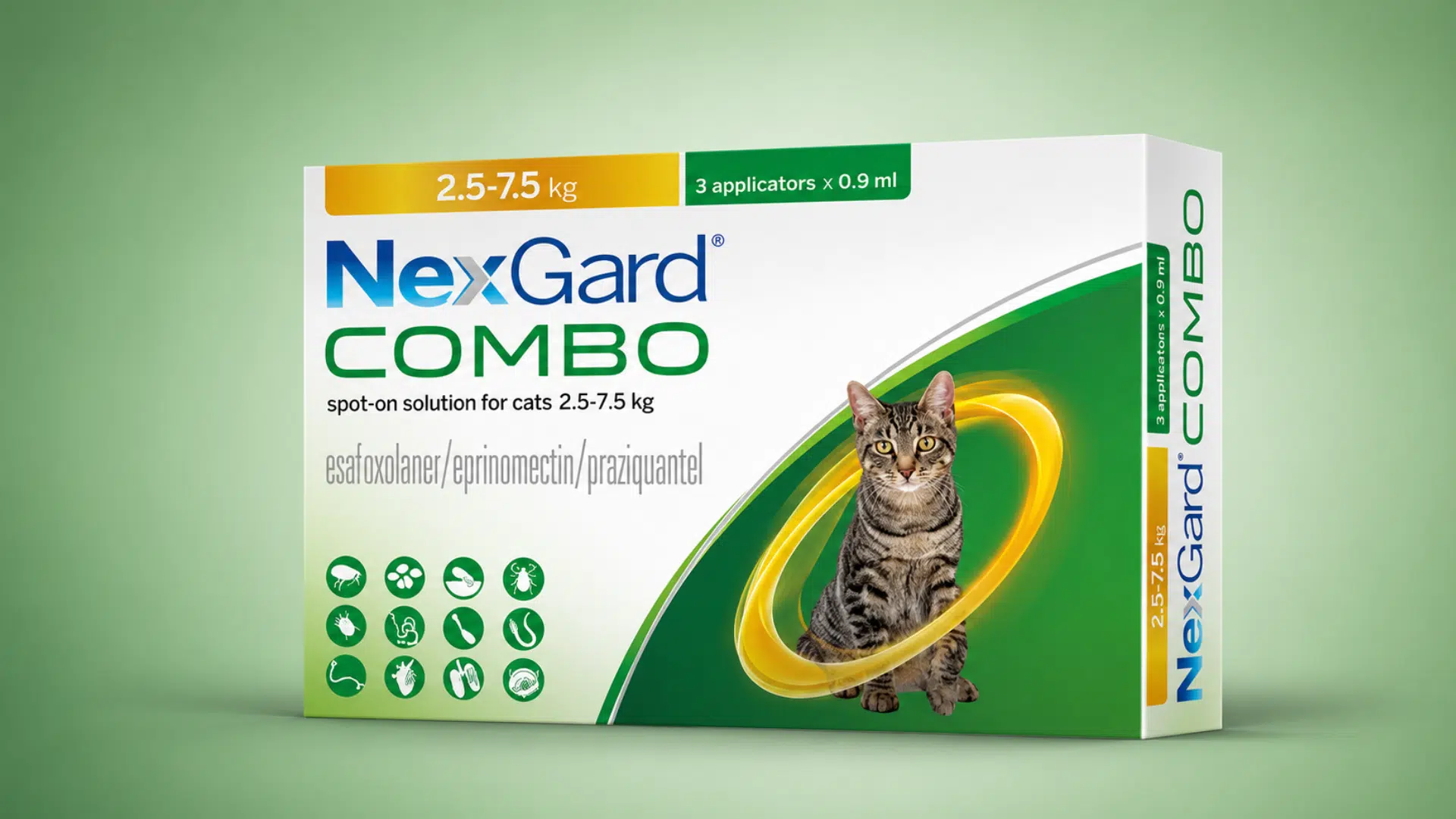
NexGard COMBO is a monthly topical treatment for cats that need broad-spectrum parasite protection. It helps kill fleas and ticks while treating ear mites, roundworms, hookworms, and tapeworms.
The liquid formula is applied directly to the skin, which can be easier for cats that refuse tablets or chews.
Pet owners often choose it because one dose targets several common parasites.
When used according to the label directions, NexGard COMBO may help cats stay comfortable, protected, and less exposed to parasite-related health risks.
3. Advantage II
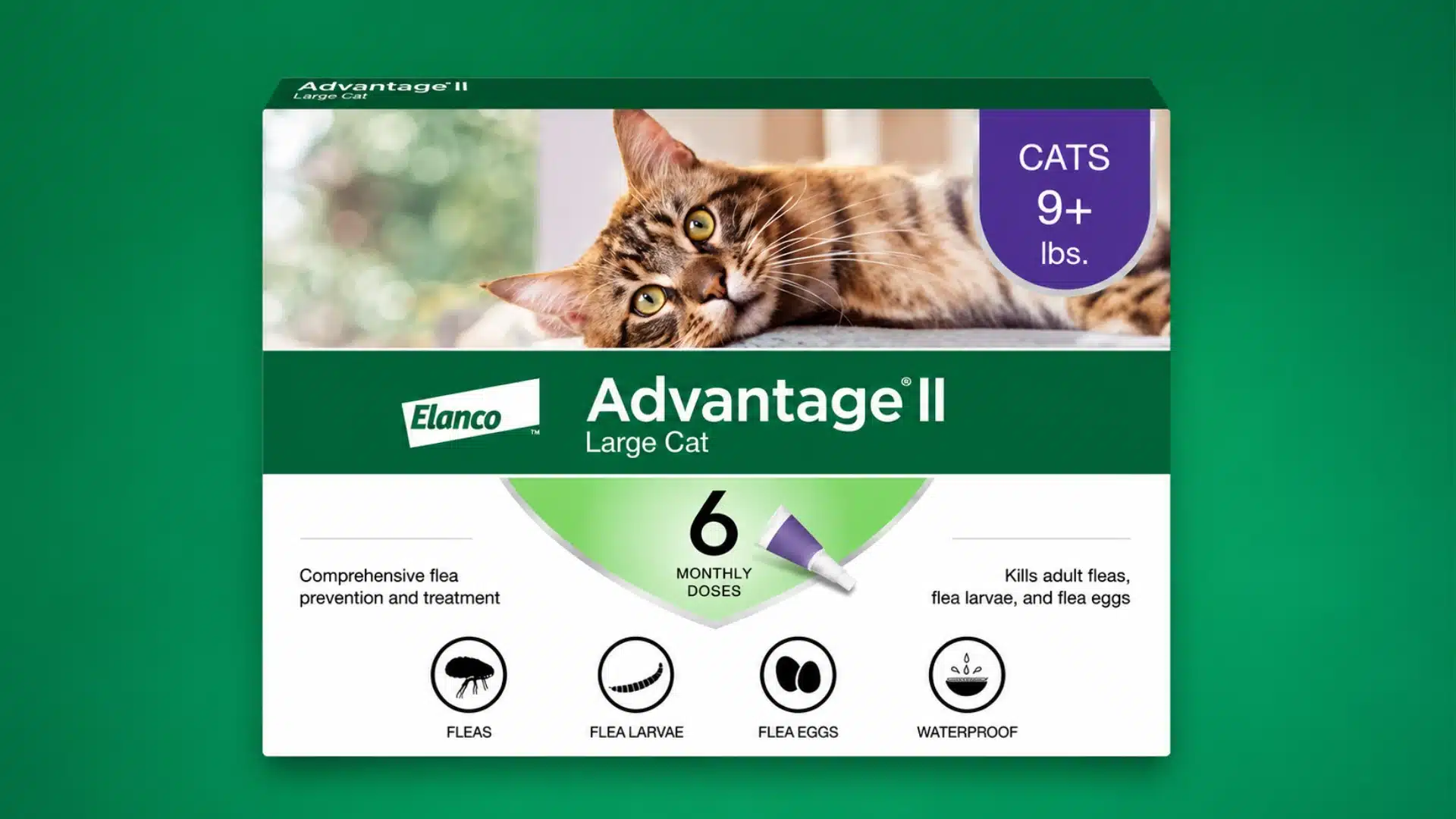
Advantage II is a monthly topical flea treatment made for cats and dogs that need quick protection from fleas.
It kills adult fleas, flea eggs, and larvae, helping break the flea life cycle before an infestation spreads indoors.
The formula is applied to the skin and starts working soon after use. Many pet owners prefer it because it is simple to use and available without a prescription.
When used as directed, Advantage II can help keep pets more comfortable, cleaner, and protected from fleas.
4. Seresto Collar
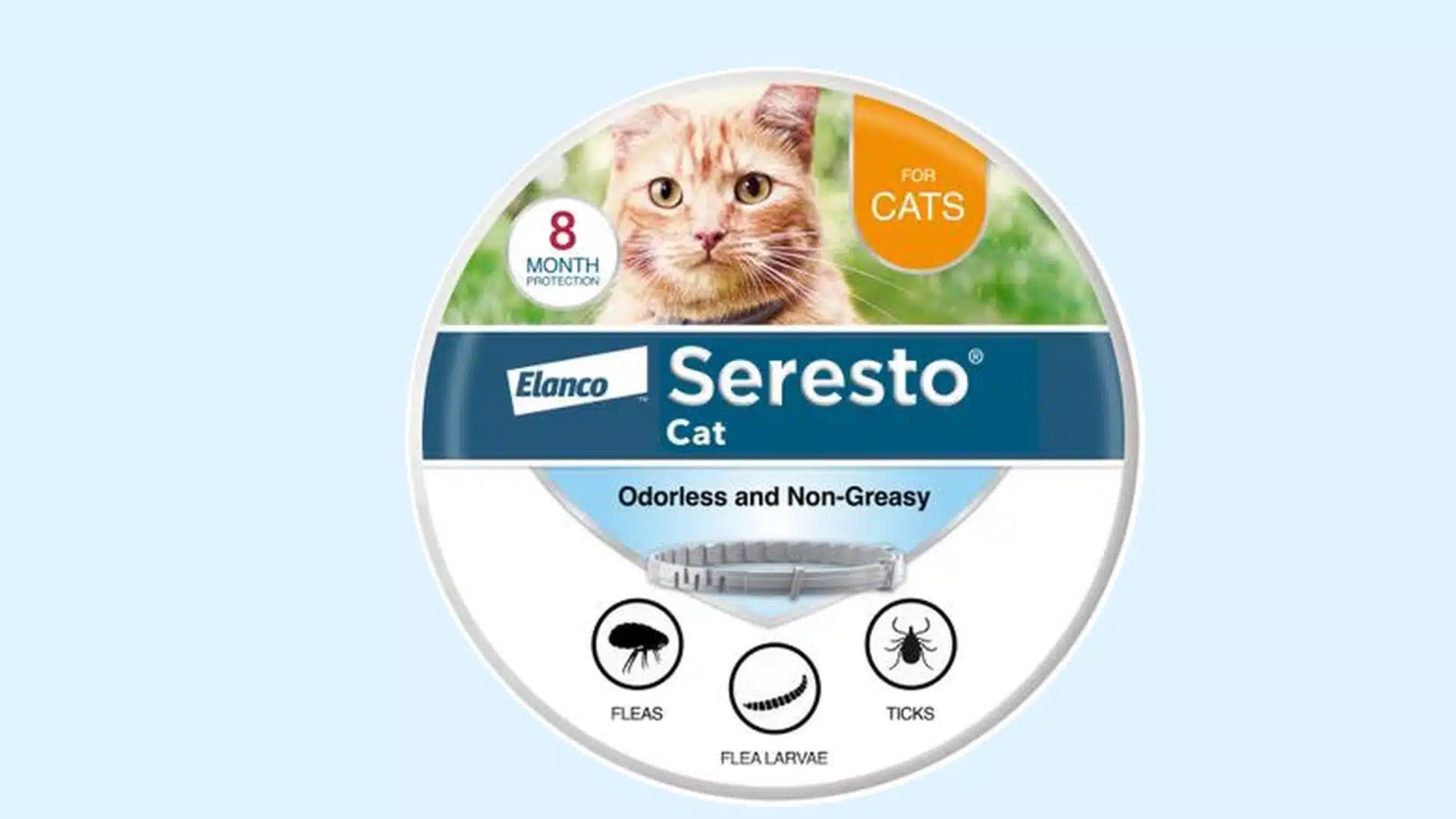
Seresto is a flea and tick collar designed to give cats long-lasting protection without monthly applications.
It works by slowly releasing low levels of active ingredients over time, helping repel and kill fleas and ticks.
When fitted and used correctly, it can protect for up to eight months. This makes it useful for pet owners who forget monthly treatments.
Comfort and fit are important because some cats may dislike wearing collars or feel stressed when wearing them, so check sizing and safety features before buying.
5. Capstar (nitenpyram)
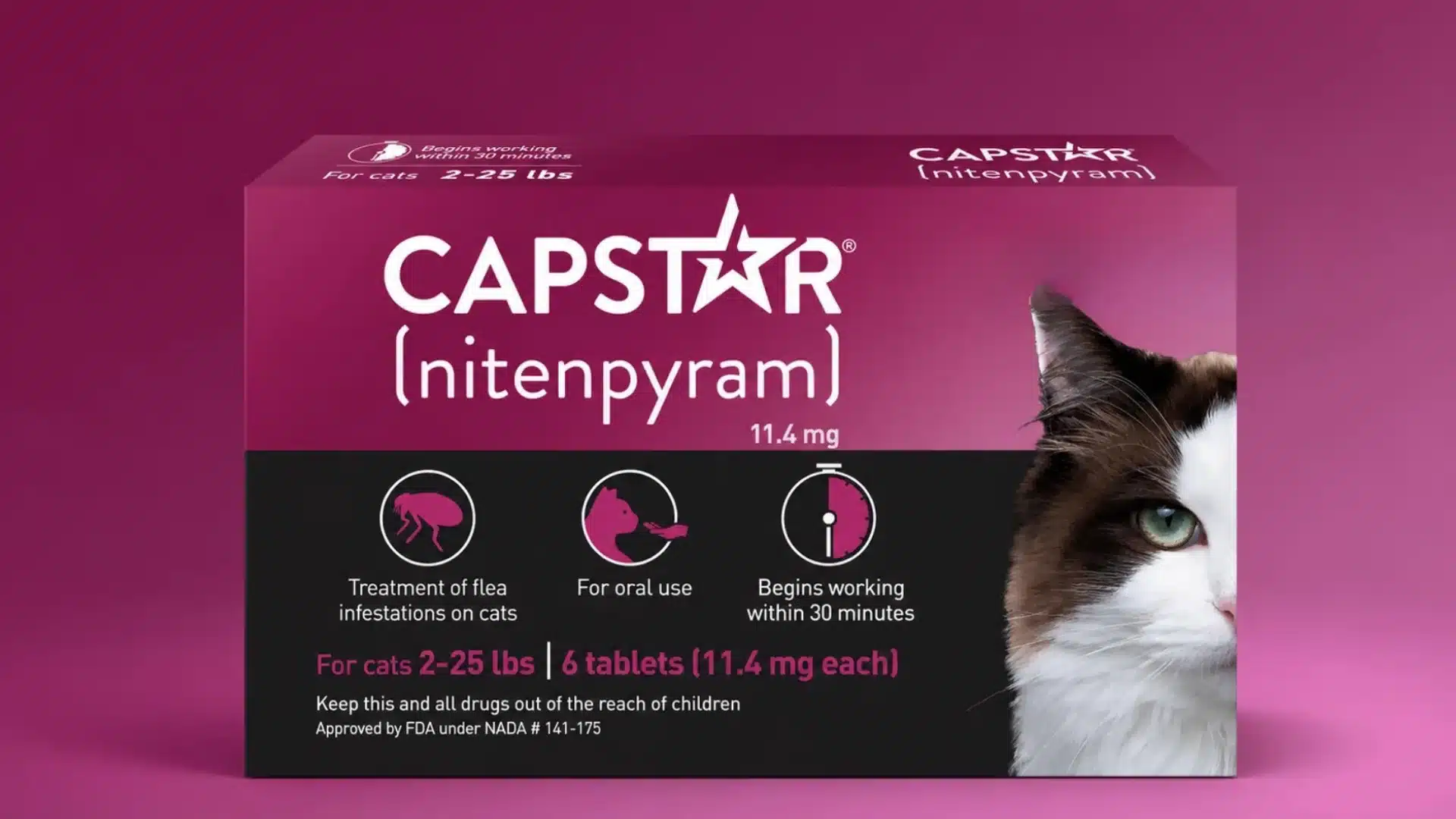
Capstar, also known as nitenpyram, is an oral flea tablet used for fast relief when adult fleas are already on a cat.
It begins killing fleas within 30 minutes, which makes it helpful during heavy infestations or before starting a longer-term flea prevention plan.
Capstar does not provide continuous protection for a full month, so it should not be treated as ongoing prevention.
It is available without a prescription for cats over 2 pounds. For kittens, sick cats, or repeated flea problems, ask a vet before using it for safe dosing.
6. Bravecto Plus
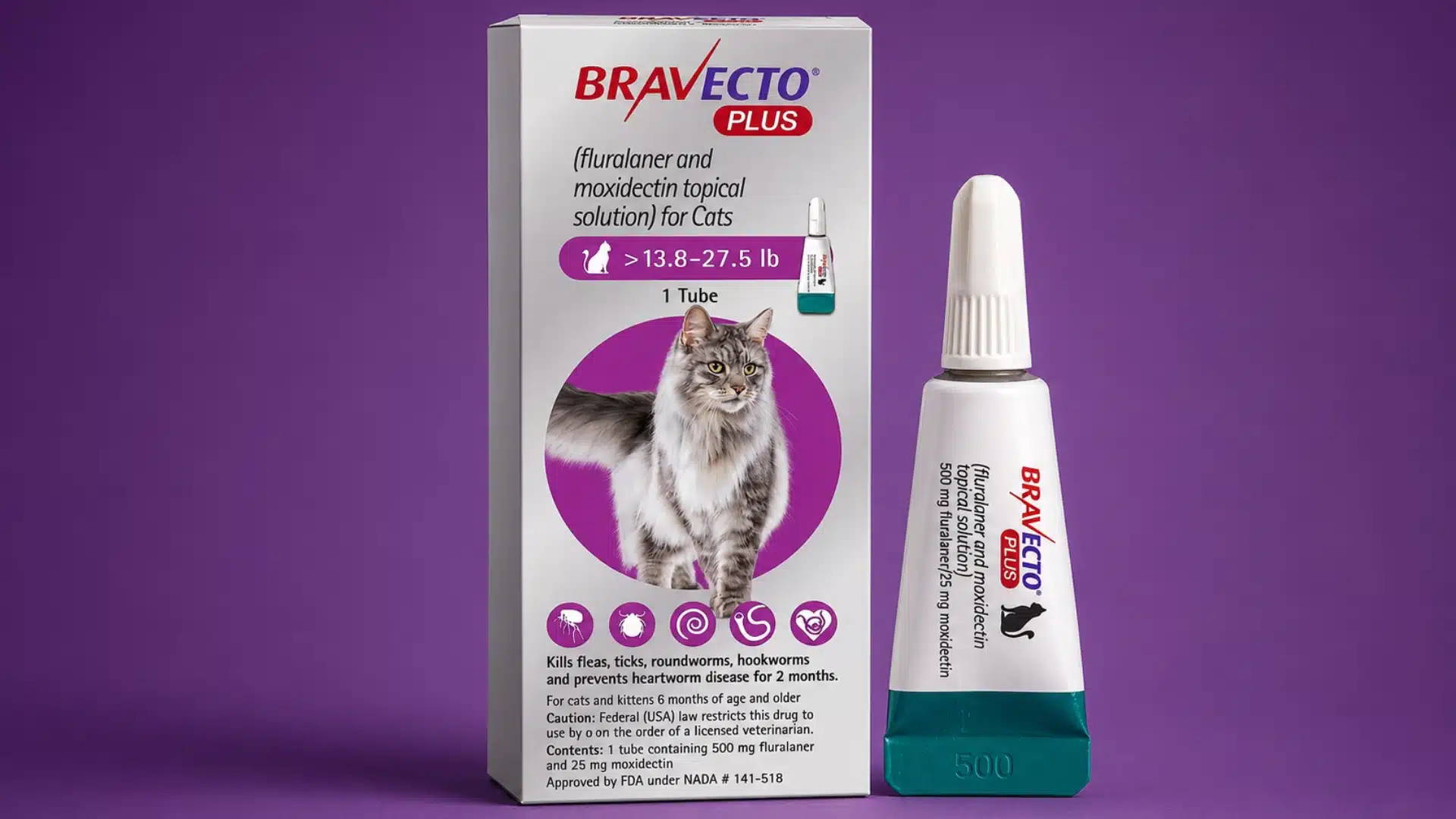
Bravecto Plus is a prescription topical treatment for cats that offers broad parasite protection with fewer doses than many monthly options.
One application can protect against fleas and ticks for up to 12 weeks.
It also helps prevent heartworm disease and treats roundworms, hookworms, and ear mites. This longer dosing schedule may suit cats that dislike frequent handling.
Since it is a prescription product, a pet health professional should confirm that it is appropriate for the cat’s age, weight, and overall health before use.
7. Bravecto Topical Solution for Cats
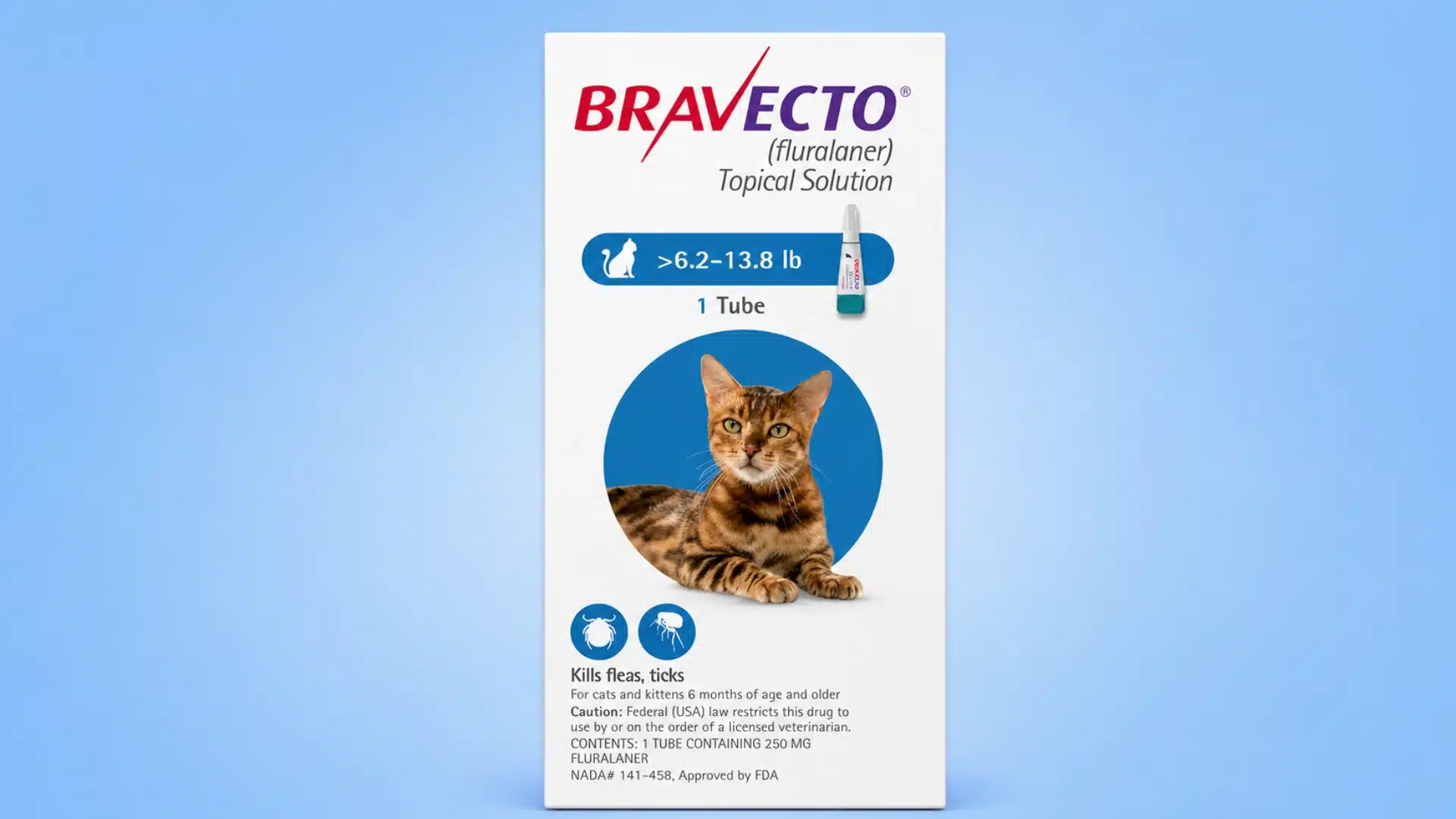
Bravecto Plus is a prescription topical treatment for cats that offers broad parasite protection with fewer doses than many monthly options.
One application can protect against fleas and ticks for up to 12 weeks. It also helps prevent heartworm disease and treats roundworms, hookworms, and ear mites.
This longer dosing schedule may suit cats that dislike frequent handling.
Since it is a prescription product, a pet health professional should confirm that it is appropriate for the cat’s age, weight, and overall health before use.
8. Cheristin
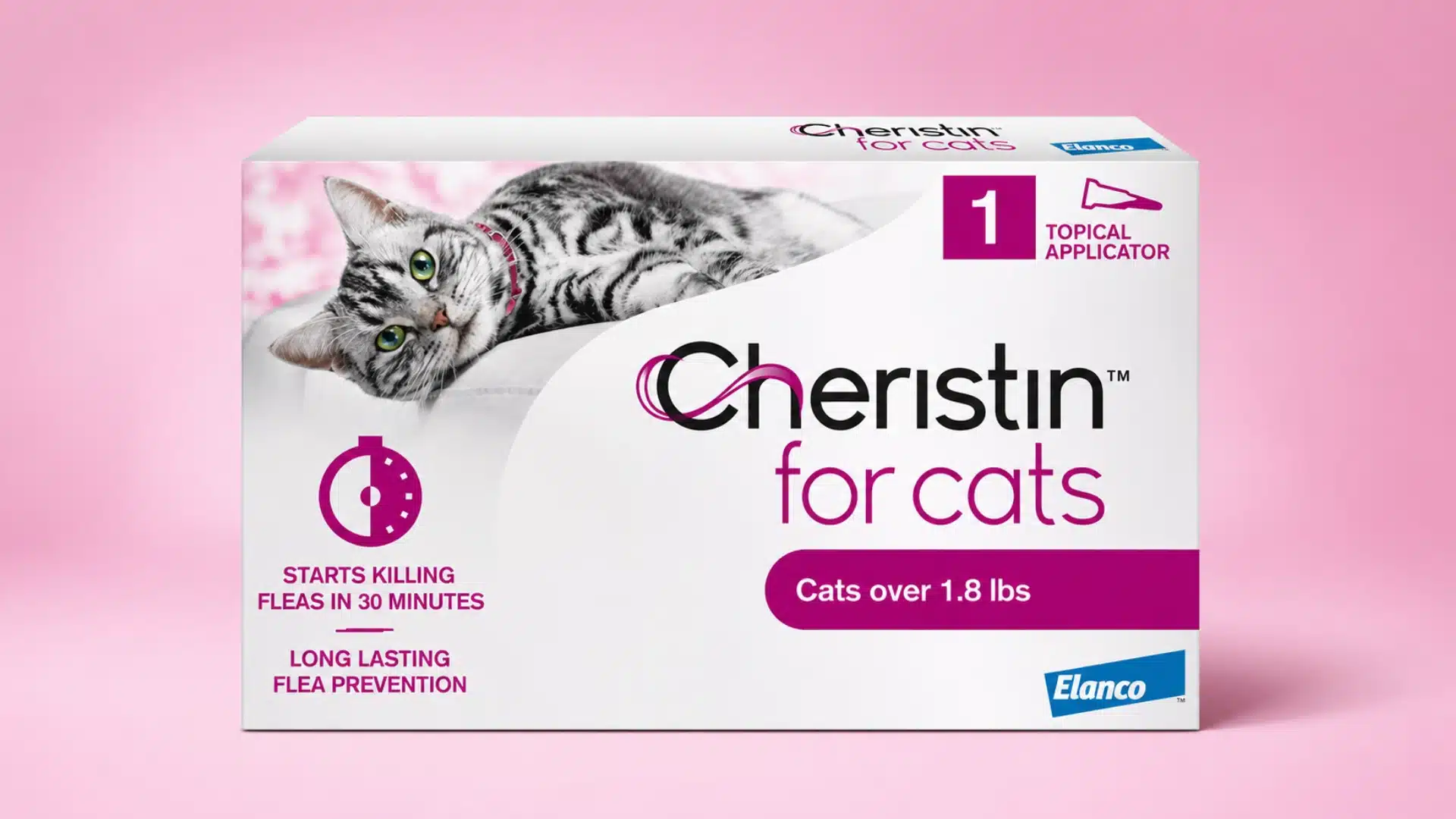
Cheristin for cats is a topical flea treatment made only for cats. It kills fleas fast, starting within 30 minutes, but does not protect against ticks, worms, ear mites, or heartworm disease.
This makes it useful when a cat needs quick relief from visible fleas. Cheristin may suit indoor cats with occasional exposure to fleas.
For kittens, elderly cats, severe infestations, or health concerns, professional pet care advice is important.
9. Frontline Plus for Cats
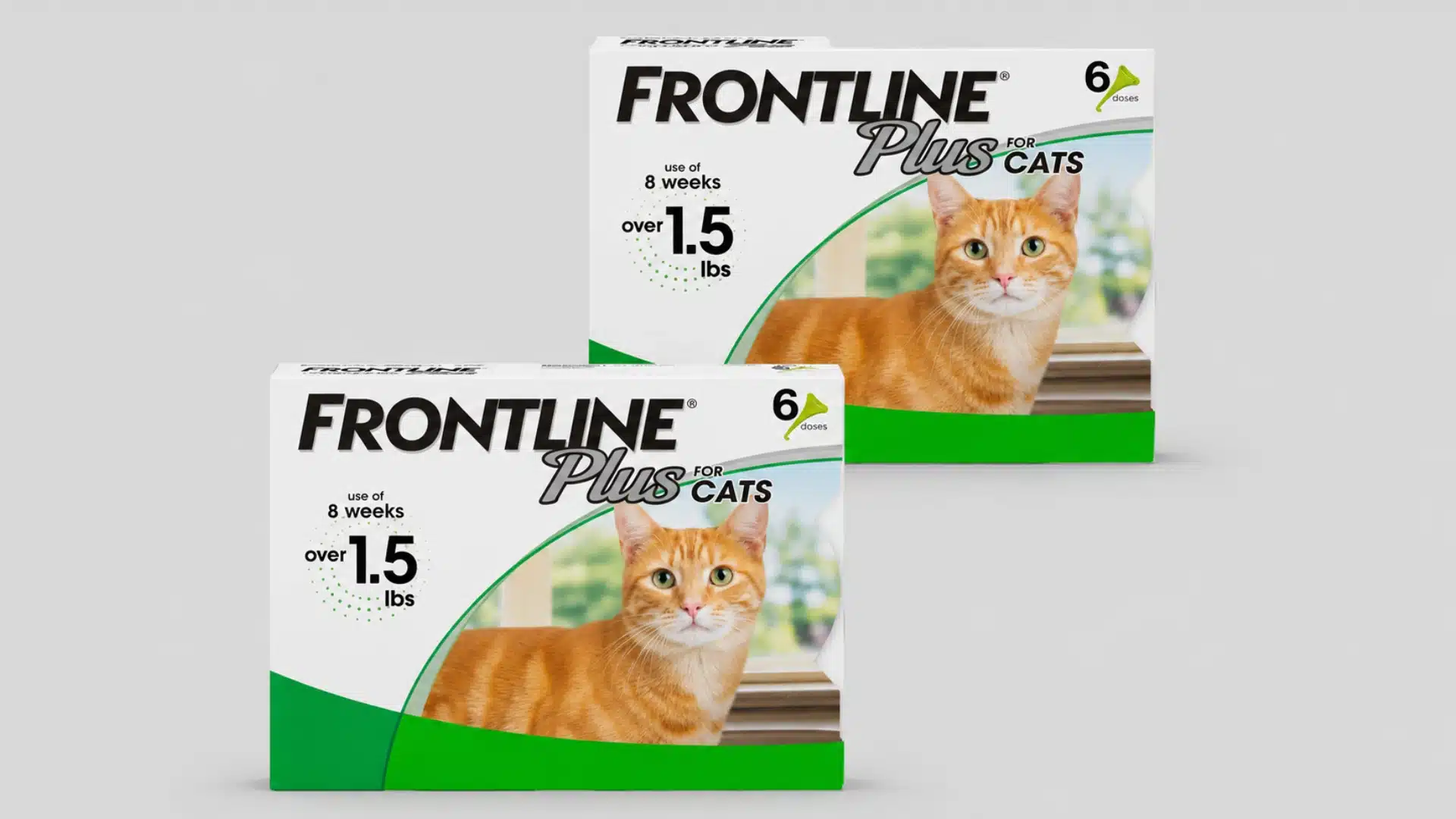
Frontline Plus for Cats is a non-prescription topical treatment that helps protect cats from fleas, flea eggs, flea larvae, ticks, and chewing lice.
It is a common monthly option for cat owners who want external parasite control without a prescription.
Because it targets several flea life stages, regular use may help reduce reinfestation, especially with proper home cleaning.
It does not protect against heartworms or intestinal worms. Cats with outdoor access, heavy tick exposure, or repeated parasite problems may need professional pet care guidance.
10. Credelio CAT
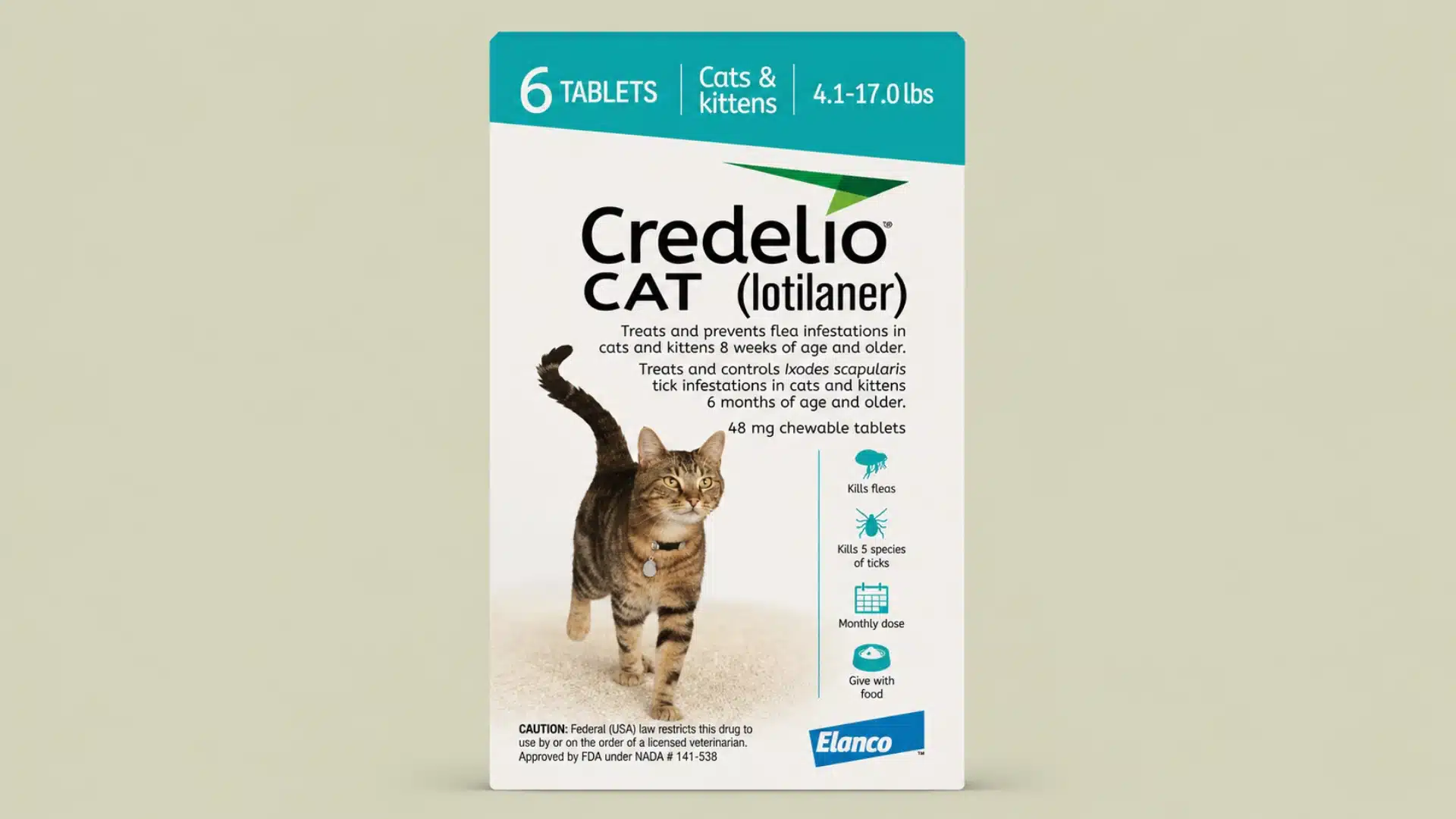
Credelio CAT is a prescription oral tablet for cats that treats fleas and ticks with monthly dosing.
It can be a useful choice for owners who prefer not to apply topical products or worry about liquid residue on fur.
The tablet should be given with food or shortly after feeding, so it works best for cats that take oral medicine reasonably well.
Credelio CAT does not cover worms, ear mites, or heartworm prevention, which limits its range. A vet should confirm whether it fits your cat’s weight, age, health, and exposure risk before first use.
11. Hartz UltraGuard Plus Flea & Tick Spray
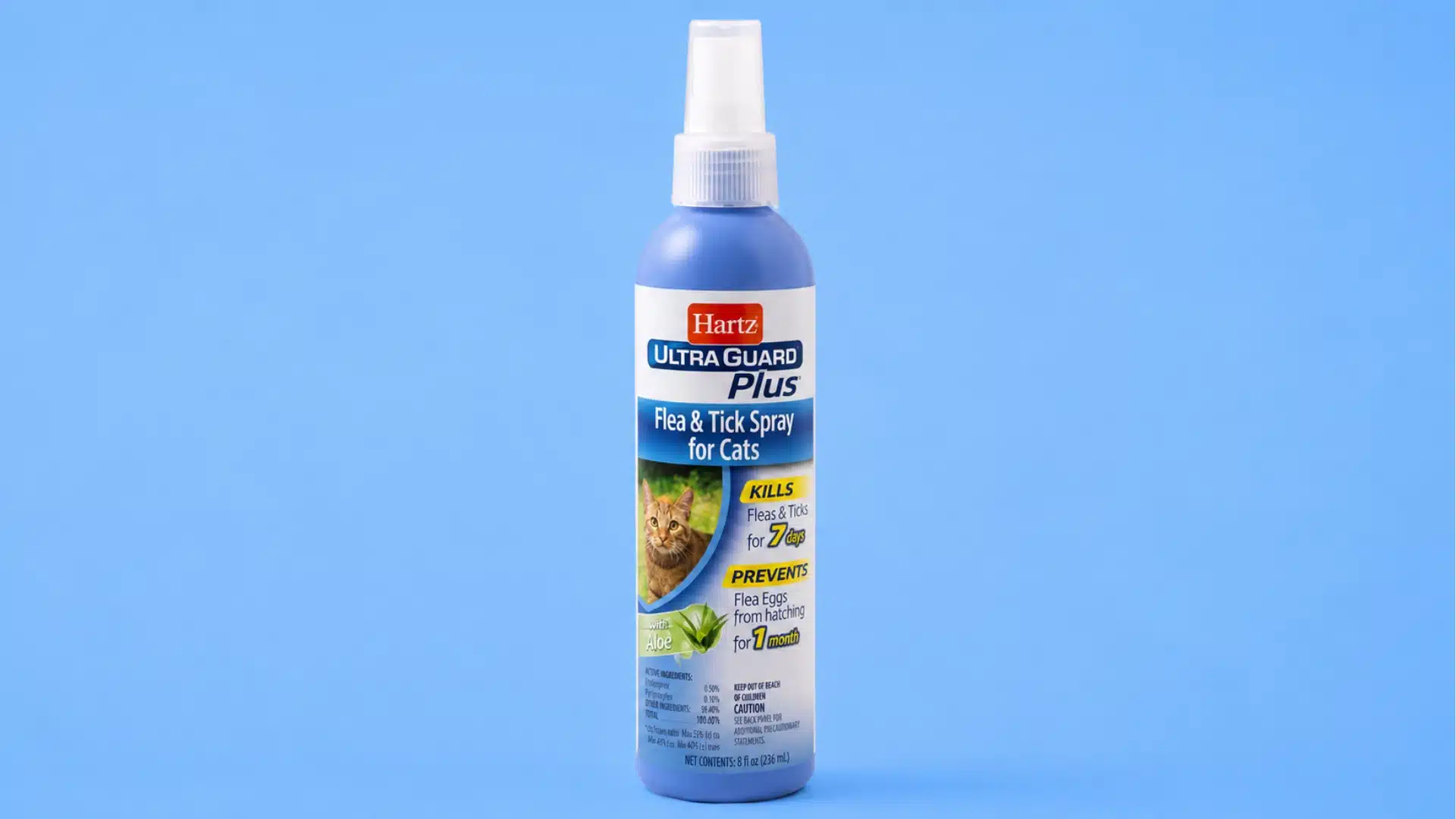
Hartz UltraGuard Plus Flea & Tick Spray for Cats is a fast-acting spray that helps kill fleas, flea eggs, ticks, and mosquitoes on contact.
It can be applied directly to the cat and also used on bedding or resting areas during active infestations. Many pet owners use it alongside monthly flea prevention products for added control.
Since sprays require direct application, some cats may feel stressed or sensitive during use. Always follow the label directions carefully for safe application.
12. Comfortis
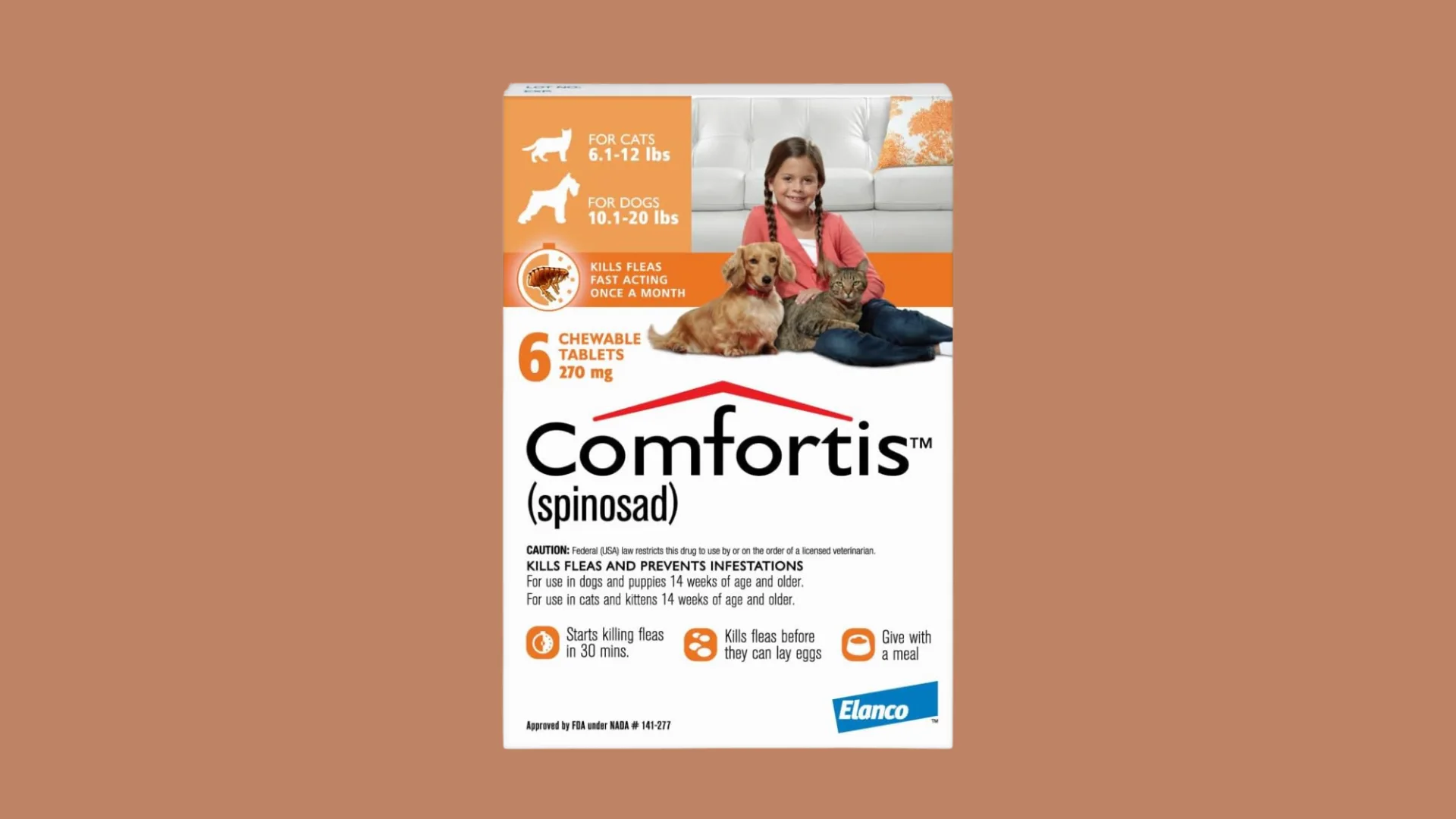
Comfortis (spinosad) is an oral flea treatment for cats and dogs that helps kill adult fleas and prevent new infestations for about one month.
This option is designed for cats within the 6.1 to 12 lb weight range, so checking weight before use is important. Comfortis can be a good option for pets that dislike topical treatments or frequent bathing, since it is given by mouth.
It should be given with food and used only according to the correct weight range.
Common side effects may include vomiting, diarrhea, reduced appetite, or tiredness.
13. Catego for Cats
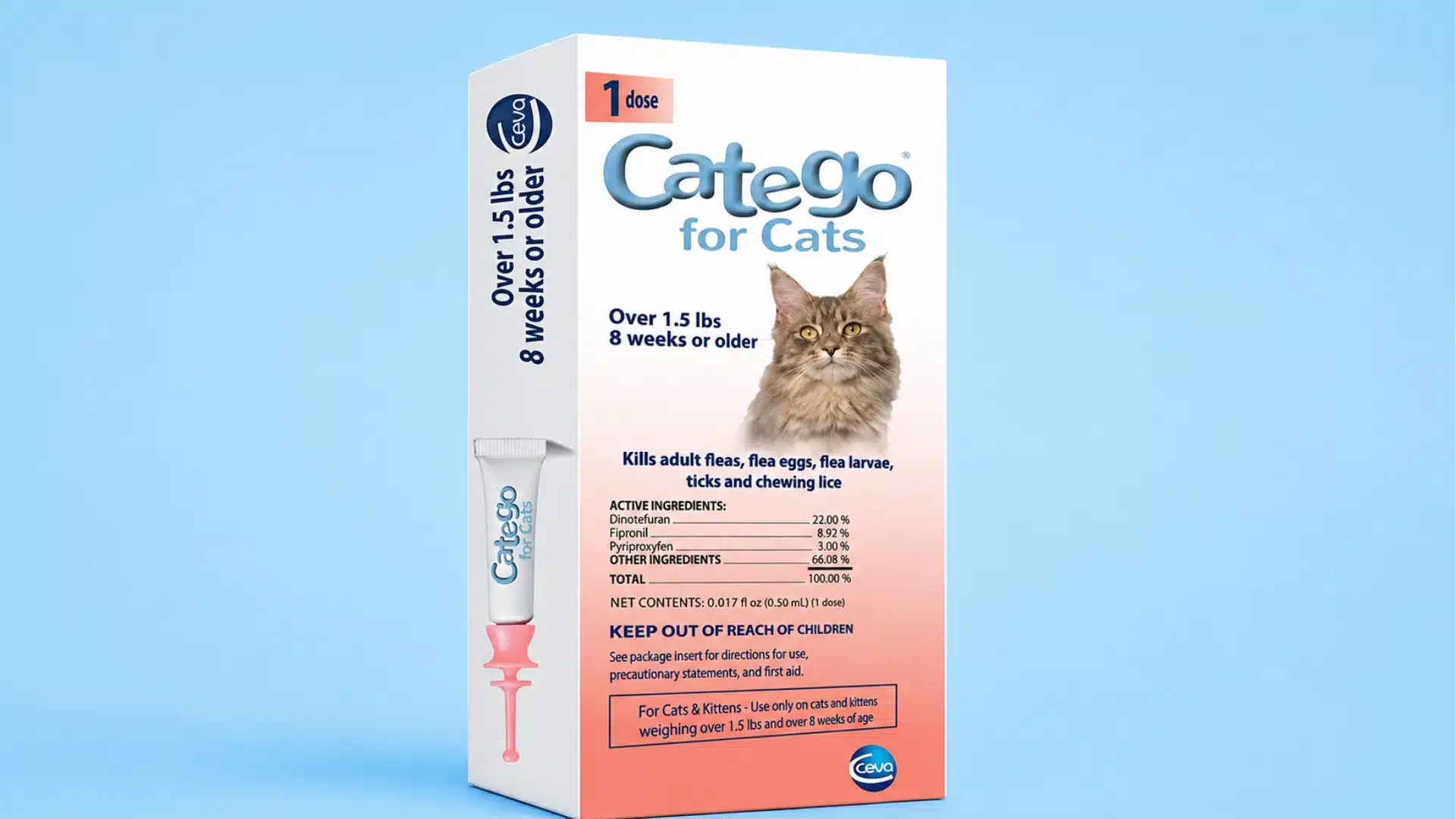
Catego for Cats is an over-the-counter topical treatment made for cats and kittens.
It targets fleas at different life stages, including adults, eggs, and larvae, while also helping control ticks and chewing lice.
This broader external parasite coverage can be useful for cats that spend time outdoors or for homes facing a stubborn flea problem.
It is applied to the skin, usually between the shoulder blades, so the medicine spreads across the coat. It does not protect against heartworms or intestinal worms, though.
The Main Types of Flea Treatment for Cats
There is no single format that works best for every cat. The right choice depends on your cat’s temperament, health history, and how consistently you can manage a routine. Here is how the main options compare:
| Type | How it works | Parasite coverage | Best for | Duration |
|---|---|---|---|---|
| Topical spot-on | Applied to the skin at the back of the neck | Fleas, ticks, and more, depending on the product | Most adult cats; easy monthly routine | 30 days |
| Oral medication | Tablet or chewable; kills fleas from inside | Fleas; some products include ticks | Cats who tolerate pills; fast-acting for active infestations | 30 days to 12 weeks |
| Flea collar | Releases low-dose insecticide via contact | Fleas and ticks | Low-maintenance prevention for collar-tolerant cats | Up to 8 months |
| Flea shampoo | Kills fleas on contact during bathing | Adult fleas only | Fast knockdown of visible infestation | Short-term only |
| Flea spray | Applied directly to the coat | Adult fleas; some products add ticks | Between treatment cycles or surface contact | Short-term |
Shampoos and sprays clear active fleas fast, but protection fades within days. For ongoing prevention, use a spot-on, oral treatment, or collar.
Flea Treatments that Aren’t Safe for Cats
Some of the most common flea treatment mistakes come from good intentions. These are the ones worth knowing before you buy.
- Dog flea products: Any product labeled for dogs only, especially those containing permethrin or pyrethrin, is dangerous for cats. Cats process these compounds differently from dogs, and even a small exposure can cause tremors, seizures, and, in serious cases, death. This is the most important safety distinction in cat flea care.
- Wrong dosing by weight: Using a product designed for a larger cat on a smaller one, or splitting a dog dose to save money, is not a safe workaround. Flea product dosing is set by species and weight for a reason.
- Combining multiple products: Using a topical spot-on at the same time as a flea collar can result in an overdose. Unless a vet has specifically recommended combining products, don’t do it.
- Essential oils: Tea tree, peppermint, lavender, eucalyptus, and many others are toxic to cats. Marketing something as plant-based does not make it safe for felines.
- Unregistered or unknown products: If a flea product doesn’t carry an EPA registration number or disclose its active ingredients clearly, skip it. There are products sold online that have never been evaluated for feline safety.
How to Choose the Right Flea Treatment for Your Cat?
The right flea treatment depends on your cat’s age, weight, lifestyle, health, and tolerance. A product that works well for one cat may not be safe or practical for another.
Before buying, read the label carefully and think about how easily the treatment can fit into your normal routine.
- Age and weight: Kittens under 8 weeks old cannot use most flea products safely. Some treatments also require a minimum age or weight, so always check the label first.
- Indoor vs outdoor lifestyle: Indoor cats may only need standard flea prevention, while outdoor cats may need broader protection that also covers ticks.
- Existing health conditions: Cats with neurological problems, liver disease, kidney issues, or a history of reactions may need special care. Ask your vet before using stronger active ingredients.
- Budget: Prescription treatments often cost more but may cover more parasites. OTC options can work well for simple flea-only cases.
- Ease of use: Pick a treatment you can apply consistently. Some cats handle spot-ons well, while others may do better with collars or oral options.
The best flea treatment for cats is the one that suits your specific cat, not just the one with the strongest claims.
Start with safety, then consider coverage, cost, and ease of use. When in doubt, ask your vet, especially for kittens, senior cats, pregnant cats, or cats with health issues.
How to Treat Your Home Alongside Your Cat?
Treating your home alongside your cat is important because fleas do not only live on the pet.
Eggs, larvae, and pupae often hide in carpets, furniture, bedding, baseboards, and favorite resting spots, which can cause re-infestation even after the cat has been treated.
Start by washing your cat’s bedding, blankets, and any fabric they sleep on in a hot cycle, including your own bedding if needed.
Vacuum carpets, rugs, upholstery, and corners carefully, then empty the canister or throw the bag away outside.
Clean every place your cat rests, scratches, or naps, using washable covers where possible.
Repeat this routine weekly for at least a month because new fleas can hatch later.
For heavier flea problems, use a cat-safe household flea spray on carpets and furniture, always following the label and keeping pets away until the area is safe again.
If you’re building out a full cat setup, here are the cat essentials every owner needs, for what it’s worth, to have on hand.
Conclusion
The best flea treatment for your cat is the one that fits her actual life.
Check age and weight requirements, factor in her lifestyle and health history, and run your choice past a vet if anything feels unclear.
A simple plan that’s followed consistently will outperform a comprehensive one that isn’t, especially during flea season, when missed doses can quickly restart the problem.
Start with what fits, treat your home with as much attention as your cat, and adjust if it isn’t working. Flea control works best when the cat, bedding, carpets, and furniture are all handled together.
If you’ve found a flea treatment that works well for your cat, share it in the comments.
Frequently Asked Questions
Can Indoor Cats Get Fleas Even if They Never Go Outside?
Yes. Fleas can enter on shoes, clothing, bags, visitors, or other pets, so indoor cats still need regular flea prevention and home checks.
How Long Does It Take for Flea Treatment to Start Working?
Timing depends on the product. Some oral treatments start within 30 minutes, while topical treatments and flea collars may take several hours or days.
Is It Safe to Use Flea Treatment on a Pregnant or Nursing Cat?
Not always. Safety depends on the product, dose, and active ingredient, so ask your vet before treating a pregnant or nursing cat.