A noisy dog’s belly can make you pause, especially when your dog suddenly seems off. Most stomach sounds are just part of normal digestion.
Gas, hunger, or food moving through the gut can all cause soft rumbling sounds. But sometimes, why is my dog’s stomach gurgling becomes a bigger worry when it comes with signs like vomiting, diarrhea, bloating, pain, low energy, or not eating.
That is when the noise may point to an upset stomach, infection, blockage, or another problem that needs a vet.
In this blog, you will learn the common reasons behind stomach gurgling, when it is usually harmless, which symptoms can mean an emergency, what to do at home, and when it is safer to call your vet.
Is Dog Stomach Gurgling Normal or a Warning Sign?
A dog’s stomach gurgling is often normal. The sound usually comes from gas, fluid, and food moving through the gut during digestion.
It may be louder after meals, after drinking water, or when the stomach is empty. Hunger can also cause rumbling because the gut keeps moving even when there is no food inside.
Gas can make the sound sharper or more bubbly, especially after eating too fast or switching foods. It becomes more concerning when the noise comes with other signs.
Vomiting, diarrhea, bloating, belly pain, weakness, drooling, or refusing food can point to a bigger issue.
A dog that seems restless, keeps stretching, or has a tight belly should be checked quickly. The sound alone is usually not the problem. The symptoms around it matter most.
Common Reasons a Dog’s Stomach Gurgles
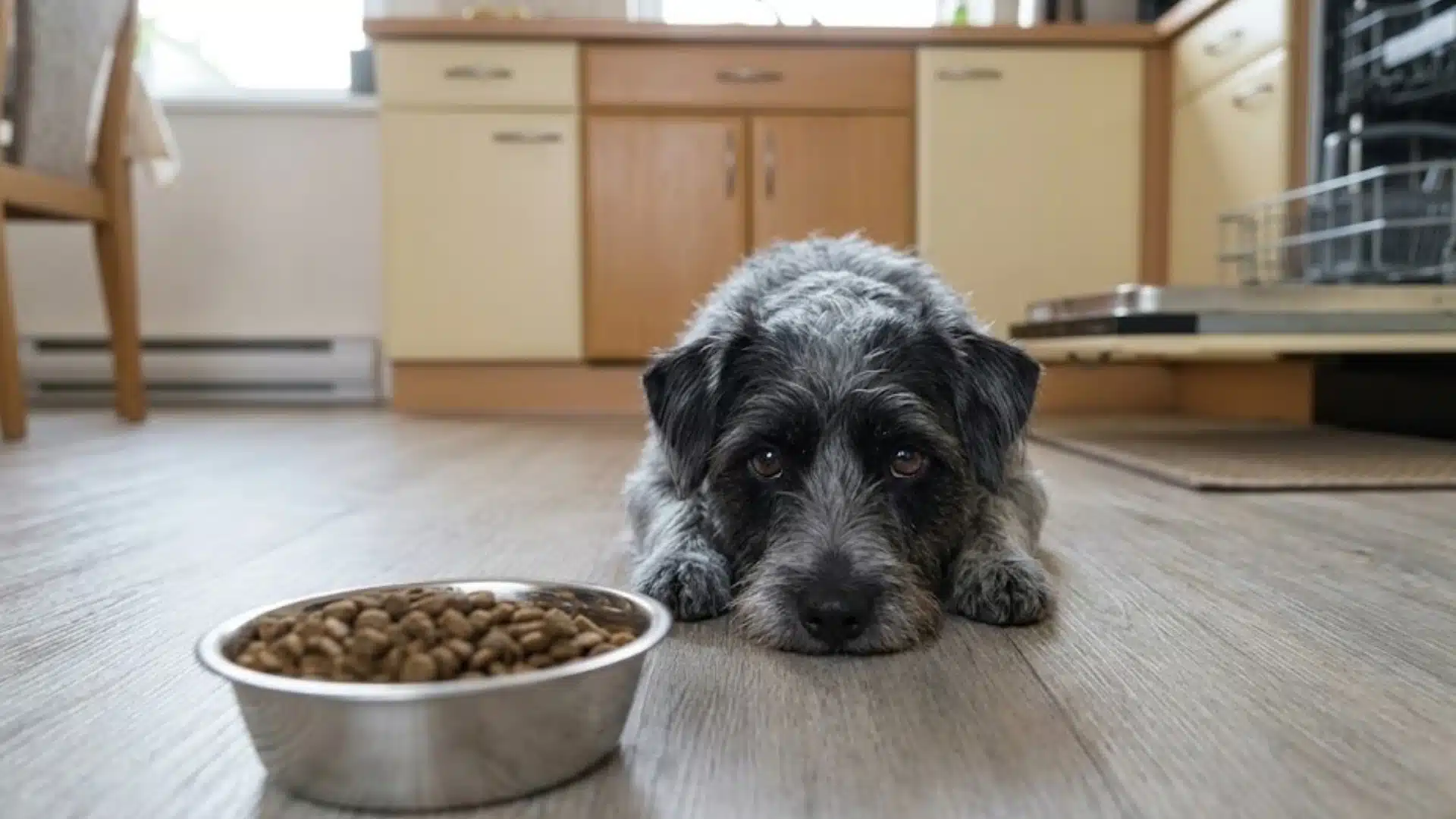
Stomach noises can happen for many simple reasons. Some are harmless and pass quickly, while others may need a closer look if symptoms continue.
1. Empty Stomach
An empty stomach is one of the most common reasons behind loud gurgling sounds. The digestive system keeps moving even when there is no food inside.
This movement pushes air and fluid around, which creates rumbling noises. The sound may be stronger early in the morning or before mealtime.
Some dogs also throw up yellow foam when the stomach stays empty for too long. In many cases, the noise settles after eating a normal meal.
If the dog stays active, eats well, and acts normally, hunger is usually not a serious concern.
2. Eating Too Fast
Dogs that eat too fast often swallow extra air with their food. That trapped air can move through the stomach and create loud bubbling or rumbling sounds later.
Fast eating may also lead to burping, gas, or mild discomfort after meals. Some dogs become restless or pace around because the stomach feels too full.
Large meals eaten quickly can make the noise worse. Slow-feeder bowls can help reduce this problem by making dogs eat at a calmer pace.
Smaller portions spread through the day may also help lower stomach noise and gas buildup.
3. Gas
Gas is another common reason for stomach gurgling. Certain foods can create extra gas during digestion, especially rich treats, dairy, table scraps, or sudden snacks.
Some dogs naturally have more sensitive stomachs and react faster to food changes. Gas may cause bloating, passing wind, or mild belly discomfort along with the noise.
In many cases, the sound fades once the gas moves through the digestive system. Regular meals and avoiding problem foods can help reduce these episodes.
Ongoing gas with diarrhea or vomiting may point to a deeper stomach issue that needs attention.
4. Sudden Food Change
Switching dog food too quickly can upset the digestive system. The stomach and intestines need time to adjust to new ingredients, protein sources, or different fat levels.
A sudden change may lead to gurgling, loose stool, gas, or mild stomach pain. Some dogs react within hours after eating the new food.
Slowly mixing the new food with the old one over several days usually helps prevent these problems.
Sensitive dogs may need even more time during the transition. If the symptoms continue or become severe, the new food may not be a good fit.
5. Eating Something Unusual
Dogs often chew or swallow things they should not eat. Trash, grass, spoiled food, bones, toys, or random objects can upset the stomach and create loud digestive noises.
Some items only cause mild irritation, while others can become dangerous if they block the intestines. Gurgling with vomiting, bloating, pain, or refusal to eat should not be ignored.
The stomach may react strongly while trying to digest or push out the object.
Watching what the dog eats is important because some foods and objects can quickly turn into a medical emergency if left untreated.
6. Stress
Stress can affect a dog’s stomach more than many owners realize. Anxiety, loud environments, travel, changes at home, or separation can upset digestion and increase stomach movement.
This may lead to gurgling sounds, loose stools, drooling, or a short-term refusal of food. Nervous dogs sometimes swallow more air while panting, which can also add to the noise.
The symptoms often improve once the dog feels calm again.
Creating a steady routine, giving enough exercise, and reducing stressful triggers may help settle the stomach. Long-lasting symptoms should still be checked by a vet.
7. Inflammatory Bowel Disease (IBD)
Dogs can develop IBD, a condition where the intestinal lining becomes chronically inflamed.
Stomach gurgling is one of the symptoms, alongside weight loss, loose stools, and inconsistent appetite. IBD does not resolve on its own; it needs veterinary diagnosis and management.
If gurgling is a repeated pattern rather than an occasional event, IBD is worth raising with your vet.
Dog’s Stomach Gurgling and Not Eating: What It Means
Loud stomach gurgling with no appetite is more concerning than gurgling on its own. Loss of appetite can mean the dog feels sick, painful, or too uncomfortable to eat.
Watch closely for signs like:
- Nausea: Drooling, licking lips, or swallowing often
- Pain: Restlessness, whining, stretching, or a tucked belly
- Blockage: Vomiting, bloating, or trying to poop with little result
- Pancreatitis: Belly pain, vomiting, low energy, or refusal to eat
- Infection: Diarrhea, fever, weakness, or sudden behavior changes
- Toxin exposure: Shaking, vomiting, drooling, or acting confused
Not eating with loud gurgling should be watched closely, especially if it lasts more than a few hours. If vomiting, bloating, pain, or weakness appear, a vet should be called quickly.
Symptoms that Mean it Could Be an Emergency
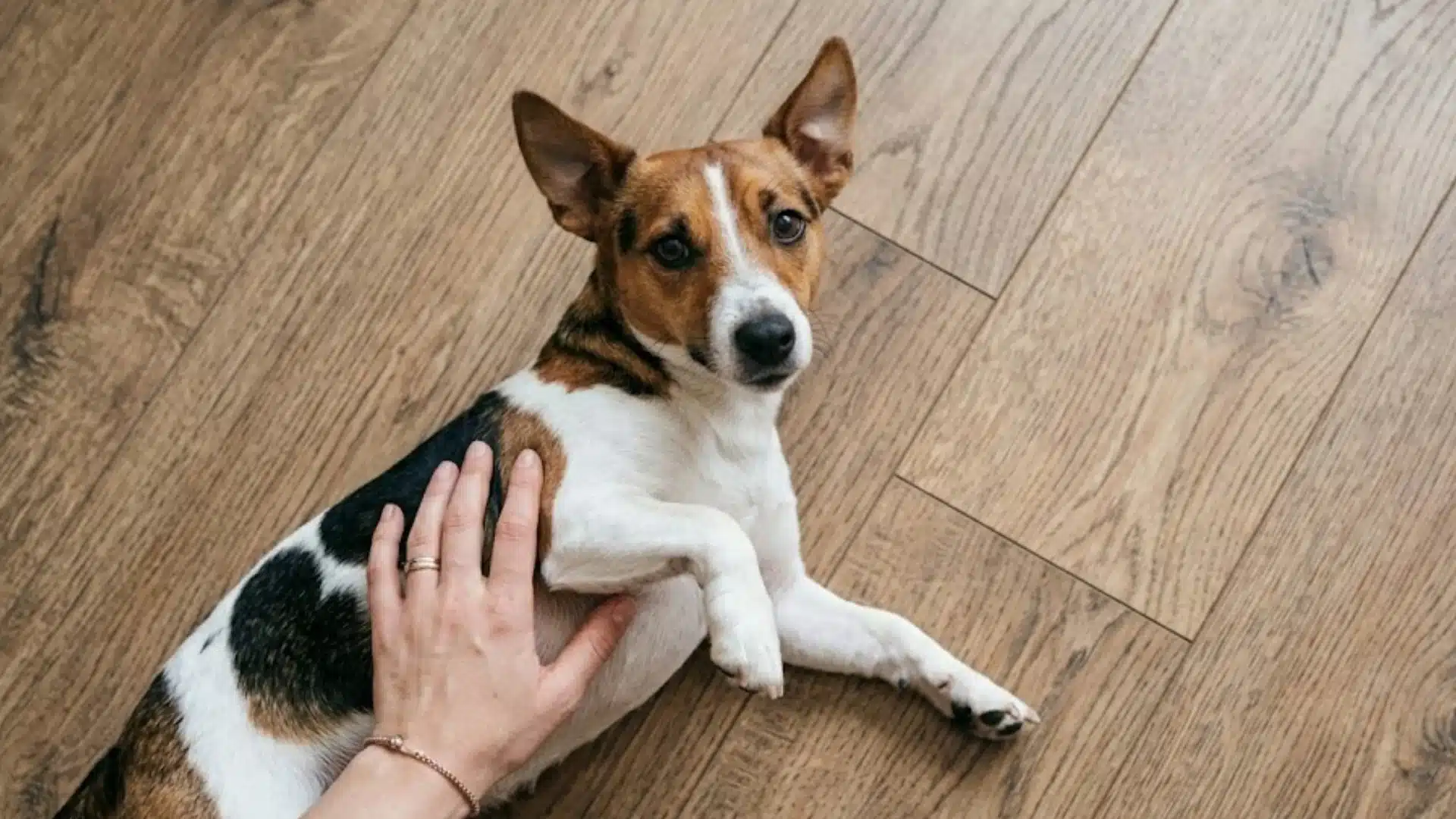
Some stomach noises are harmless, but certain symptoms can point to a serious problem that needs quick medical attention from a vet.
- Bloated or hard belly: A swollen or tight stomach can be a sign of dangerous gas buildup, twisting of the stomach, or blockage. Learn the signs of bloat in dogs so you can recognize it fast.
- Repeated vomiting: Vomiting again and again can quickly lead to dehydration and may point to infection, poisoning, or stomach blockage.
- Retching without vomiting: Trying to vomit but nothing comes out is a major warning sign, especially in large dog breeds.
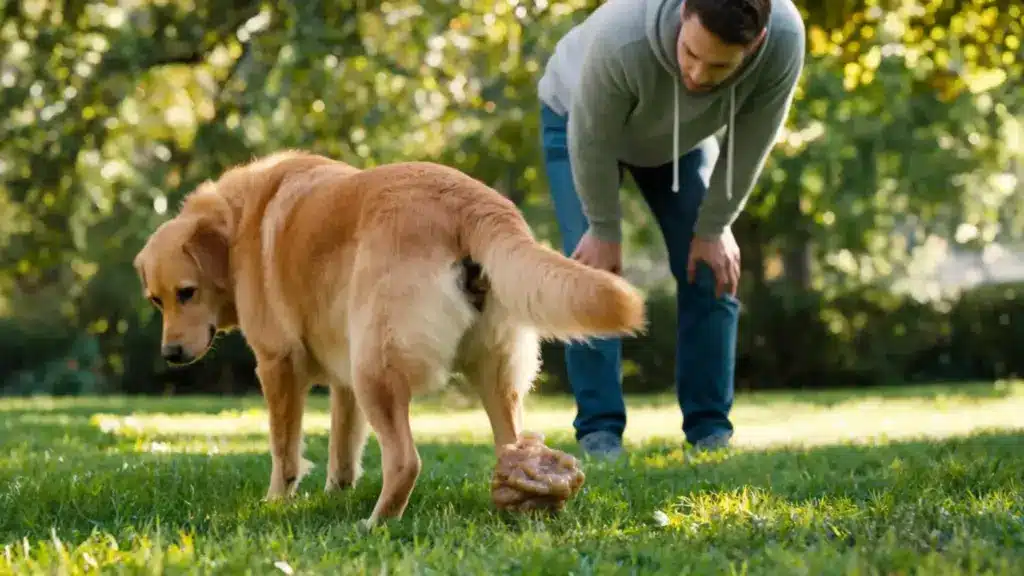
- Severe diarrhea: Frequent watery stools can cause dehydration quickly and may be linked to infection, parasites, or toxin exposure.
- Blood in stool or vomit: Red or dark blood may point to bleeding inside the digestive system and should never be ignored.
- Weakness or collapse: Sudden weakness, shaking, or fainting can happen when the body is under serious stress or pain.
- Pale gums: White or pale gums may mean poor blood flow, internal bleeding, or shock, and need urgent vet care.
What to Do at Home if Your Dog Seems Fine?
If the stomach gurgling is mild and the dog still acts normally, it is usually safe to monitor things at home for a short time. Pay attention to behavior and watch for any changes throughout the day.
Keep an eye on:
- Energy levels and activity
- Appetite and eating habits
- Stool changes or diarrhea
- Vomiting or signs of nausea
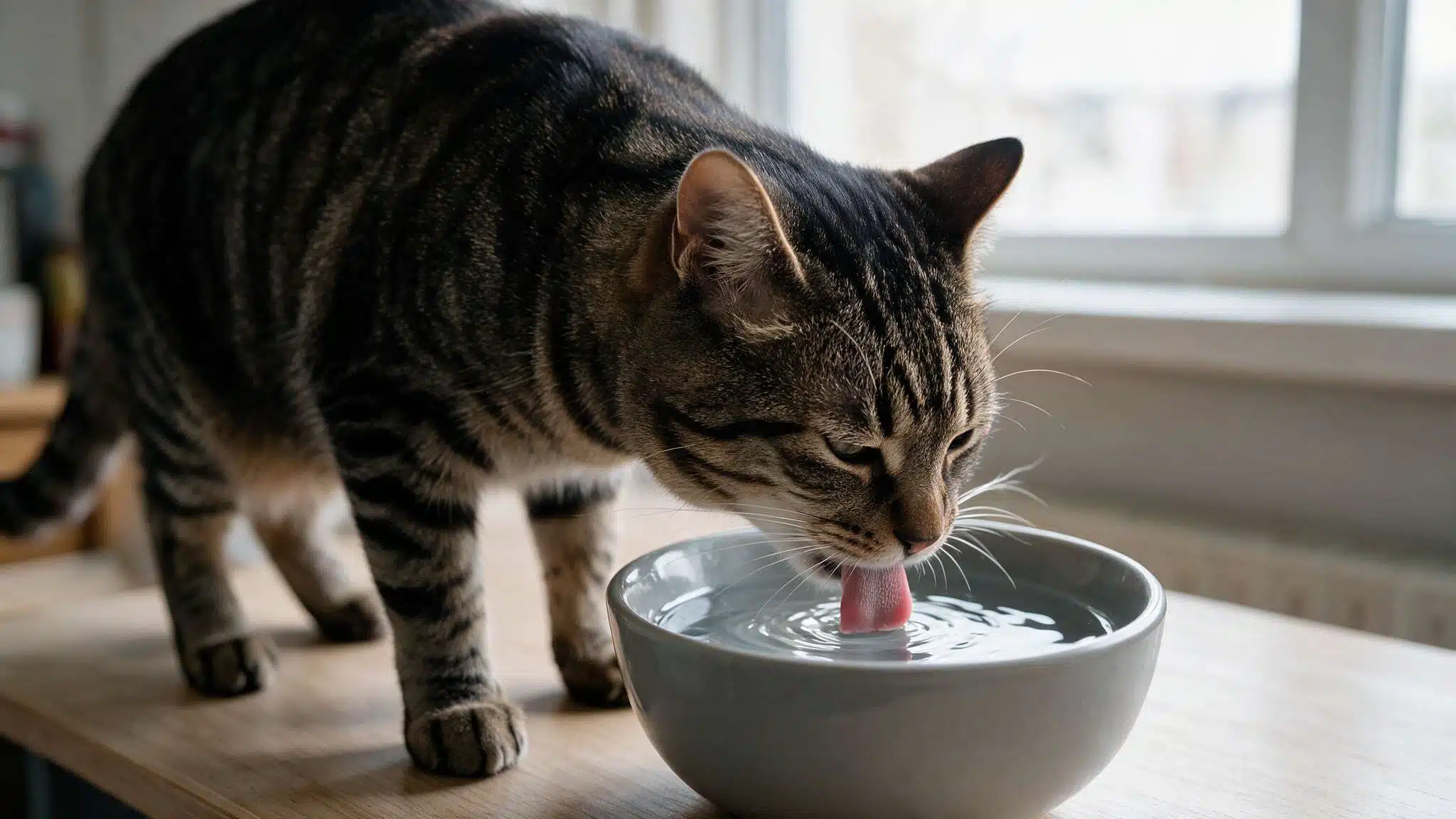
Fresh water should always be available because stomach problems can sometimes lead to dehydration. Avoid rich treats, greasy foods, or table scraps since they can make the stomach more irritated.
Simple meals may help, but only if the dog seems otherwise normal and comfortable. Plain foods are often easier on the stomach for a short period.
Human medicine should never be given without vet advice because some common medications can be dangerous or toxic for dogs.
When Should I Call a Vet About Stomach Gurgling?
A vet should be called when stomach gurgling does not improve or starts coming with other symptoms.
Loud noises that continue for hours, along with vomiting, diarrhea, bloating, pain, or low energy, should not be ignored.
Refusing food is another warning sign, especially when the dog normally eats well.
Dogs that may have eaten trash, bones, toys, spoiled food, or something toxic should be checked quickly because blockages and poisoning can become dangerous fast.
Even if the symptoms seem mild at first, they can get worse within hours.
Repeated stomach problems that keep coming back also need medical attention because they may point to food intolerance, parasites, infections, or a deeper digestive issue.
Getting early advice from a vet is often safer than waiting too long to see if the problem passes on its own.
How to Help Prevent Stomach Gurgling?
Simple daily habits can help lower stomach problems in dogs and reduce the chances of loud gurgling caused by digestion or irritation.
- Slow feeder bowl: Slow feeder bowls help dogs eat at a calmer pace, which reduces swallowed air, gas, and stomach discomfort after meals.
- Regular meal times: Feeding at the same times each day helps keep digestion steady and may prevent loud hunger-related stomach noises.
- Gradual food changes: New food should be introduced slowly over several days to avoid upsetting the stomach and causing gas or diarrhea.
- Keep trash and unsafe foods away: Dogs that eat spoiled food, bones, or random objects have a higher risk of stomach irritation and dangerous blockages.
- Deworming and routine vet checks: Regular vet visits and parasite control can help catch digestive problems early before symptoms become more serious.
- Lower stress where possible: A calm routine, enough exercise, and less anxiety can help sensitive dogs maintain better digestion and fewer stomach issues.
Conclusion
Most dog stomach noises are not serious and often come from hunger, gas, food changes, or normal digestion. Still, the symptoms around the noise matter more than the sound itself.
If a dog is active, eating, drinking, and passing normal stool, the gurgling may settle with simple care at home.
But why does my dog’s stomach gurgling become a bigger concern when it comes with not eating, vomiting, bloating, belly pain, weakness, pale gums, or repeated diarrhea?
Those signs can point to something that needs fast vet help. The safest step is to watch the whole picture, avoid risky home treatments, and call a vet when the symptoms feel unusual or keep coming back.
Has your dog had stomach gurgling with any other symptoms? Share your experience in the comments below.
Frequently Asked Questions
Can a Dog’s Stomach Gurgle After Drinking Water?
Yes, it can happen after drinking water, especially if the dog drinks too fast. The water can move through the stomach and mix with air, which may cause soft rumbling or bubbling sounds.
Can Worms Cause Stomach Noises in Dogs?
Yes, worms can sometimes cause stomach noises, along with weight loss, diarrhea, vomiting, or a dull coat. A vet can check a stool sample and suggest the right deworming treatment.
Should a Dog Eat Grass when Their Stomach is Gurgling?
Some dogs eat grass when their stomachs feel off, but it is not always helpful. If grass eating leads to vomiting, choking, or repeated stomach upset, it is better to call a vet.