Kidney problems in dogs can feel scary at first, especially when the signs show up fast or seem confusing.
Some dogs deal with a slow, long-term problem, while others can get sick suddenly and need urgent care.
The right plan depends on what caused the issue, how far it has gone, what symptoms are showing, and what the vet finds through blood and urine tests.
With kidney failure in dogs, treatment is not the same for every pet, so guessing at home can make things harder.
In this blog post, you will learn how vets treat chronic and acute cases, what home care can look like, which food and fluid changes may help, how to track daily signs, and what lifestyle steps can support your dog’s comfort.
Why Kidney Failure in Dogs Can Be Hard To Spot Early?
Kidney failure in dogs can be difficult to notice early because the kidneys have a strong ability to keep working even after some damage has already happened.
Many dogs may still eat, play, and act normally while kidney function slowly declines.
Early symptoms, such as drinking more water, peeing more often, mild weight loss, or lower energy, can also look like normal aging changes.
Because these signs appear gradually, many owners may not realize there is a serious problem developing.
In chronic cases, symptoms often become more obvious only after significant kidney damage has already occurred, which is why regular veterinary checkups and blood tests are important for early detection.
Chronic vs Acute Kidney Failure in Dogs
Kidney problems can be chronic or acute. The difference matters because each type needs a different care plan and level of urgency.
Chronic Kidney Failure
Chronic kidney failure develops slowly over months or years. It is more common in older dogs, though younger dogs can still be affected.
In many cases, the damage cannot be reversed because kidney tissue does not heal the same way as other body tissues do.
The main goal is to slow further damage, control symptoms, and keep the dog as comfortable as possible.
Vets may suggest diet changes, fluid support, medicines, and regular testing to track how the kidneys are coping.
Acute Kidney Failure
Acute kidney failure comes on suddenly and can get serious fast. It may happen after toxin exposure, infection, dehydration, heat stress, blocked urine flow, or a reaction to some medicines.
This type needs urgent vet care because waste can build up in the blood quickly.
Treatment often starts with finding and treating the cause, then supporting the dog with fluids, nausea control, and close monitoring.
Some dogs can recover if treatment starts early, but delays can make the damage harder to manage.
Common Causes of Kidney Problems in Dogs
Kidney problems can come from aging, toxins, infections, fluid loss, blockages, or other health conditions that slowly strain the kidneys.
1. Age-Related Kidney Damage
Older dogs face a higher risk because the kidneys can wear down over time. Chronic kidney disease often builds slowly over months or years, so early signs may be easy to miss.
A dog may still eat, drink, and act almost normally while kidney function is dropping.
Clear signs often appear only after the kidneys have already lost a lot of working ability. This is why senior dogs need regular blood and urine checks.
2. Toxins and Poisoning
Toxins can cause sudden kidney damage, and in some cases, it moves fast. Antifreeze is one of the most dangerous risks because even a small amount can be harmful.
Grapes and raisins can also trigger kidney injury in some dogs. Certain human medicines, cleaning products, lawn chemicals, and toxic plants may add risk too.
Any suspected poisoning should be treated as an emergency, even if the dog still looks fine at first.
Learn which dog poisoning symptoms to watch for so you can act before serious damage sets in.
3. Infections
Infections can reach the kidneys and cause serious damage if they are not treated early. A urinary tract infection may move upward and lead to a kidney infection.
Leptospirosis is another major concern because it can cause sudden kidney injury in dogs. It spreads through infected urine, soil, or water.
Signs may include vomiting, low appetite, tiredness, fever, dehydration, and changes in urination. Fast vet care can make a big difference.
4. Dehydration or Heat Stress
Dehydration reduces blood flow to the kidneys, which makes it harder for them to filter waste. This can happen during vomiting, diarrhea, fever, heat stress, or poor water intake.
The risk is higher in puppies, senior dogs, and dogs with other health issues. Hot weather can make the problem worse, especially after heavy exercise.
If a dog seems weak, dry-mouthed, restless, or stops peeing normally, vet care should not be delayed.
5. Urinary Blockages
A blockage can stop urine from leaving the body, which puts pressure on the kidneys and bladder. Stones, tumors, swelling, or other urinary problems may cause this.
A dog may strain to pee, pass only small amounts, cry while trying, or stop peeing completely.
This can turn into an emergency because waste and toxins can build up quickly. Any dog that cannot pass urine needs urgent vet care, not home treatment.
6. Other Health Issues
Some health problems can place extra stress on the kidneys over time. High blood pressure can damage small blood vessels in the kidneys.
Heart disease may affect blood flow. Diabetes can also raise the risk of kidney trouble. In some dogs, Lyme-related kidney disease may play a role.
Certain breeds may inherit kidney problems as well. These cases often need regular checks because treating the main condition can help protect kidney function for longer.
Early Signs You Should Not Ignore
Kidney problems can start with small changes at home, so these signs should be tracked and shared with the vet.
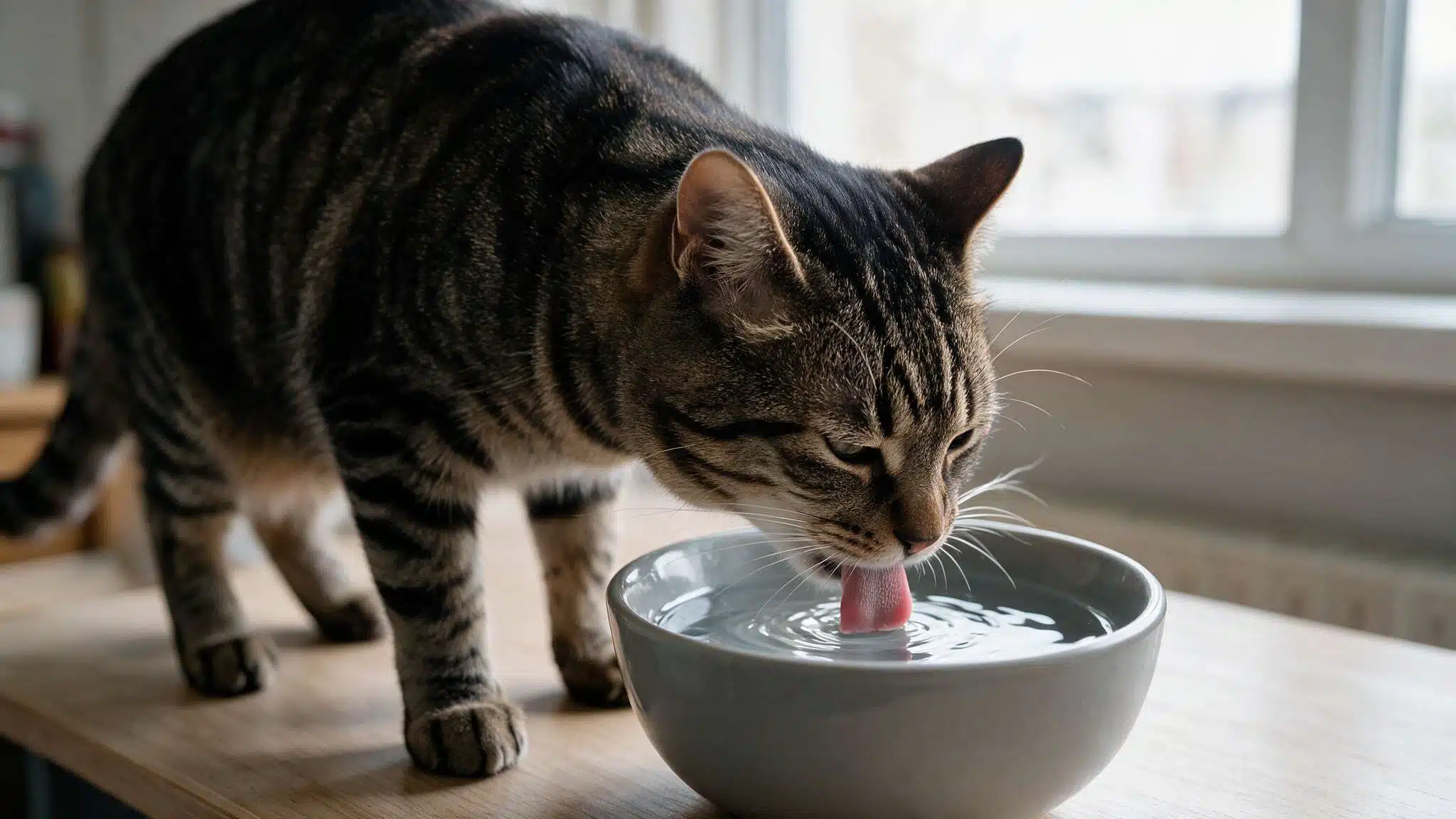
- Drinking more water: A dog may drink more because the kidneys are struggling to manage fluid balance and remove waste properly.
- Peeing more or less than usual: More pee can happen in chronic cases, while very little pee can be a serious warning sign.
- Low appetite: Waste buildup, nausea, and mouth discomfort can make food less appealing, even if the dog usually eats well. If your dog is eating treats but skipping meals, that pattern is worth noting.
- Vomiting: Nausea can happen when waste collects in the blood, and repeated vomiting can also make dehydration worse.
- Weight loss: Poor appetite, muscle loss, and long-term illness can slowly lower body weight, especially in chronic kidney disease.
- Bad breath: A strong chemical-like smell can happen when waste products build up and affect the mouth and stomach.
- Tiredness: Dogs may sleep more, move less, or seem dull because the body is working harder to handle the illness.
- Mouth sores: Waste buildup can irritate the mouth, causing ulcers, drooling, bad breath, or pain while eating.
- Weakness: Weak legs, shaking, or trouble standing can happen when the dog is dehydrated, nauseous, or dealing with mineral changes.
How Vets Diagnose Kidney Failure in Dogs?
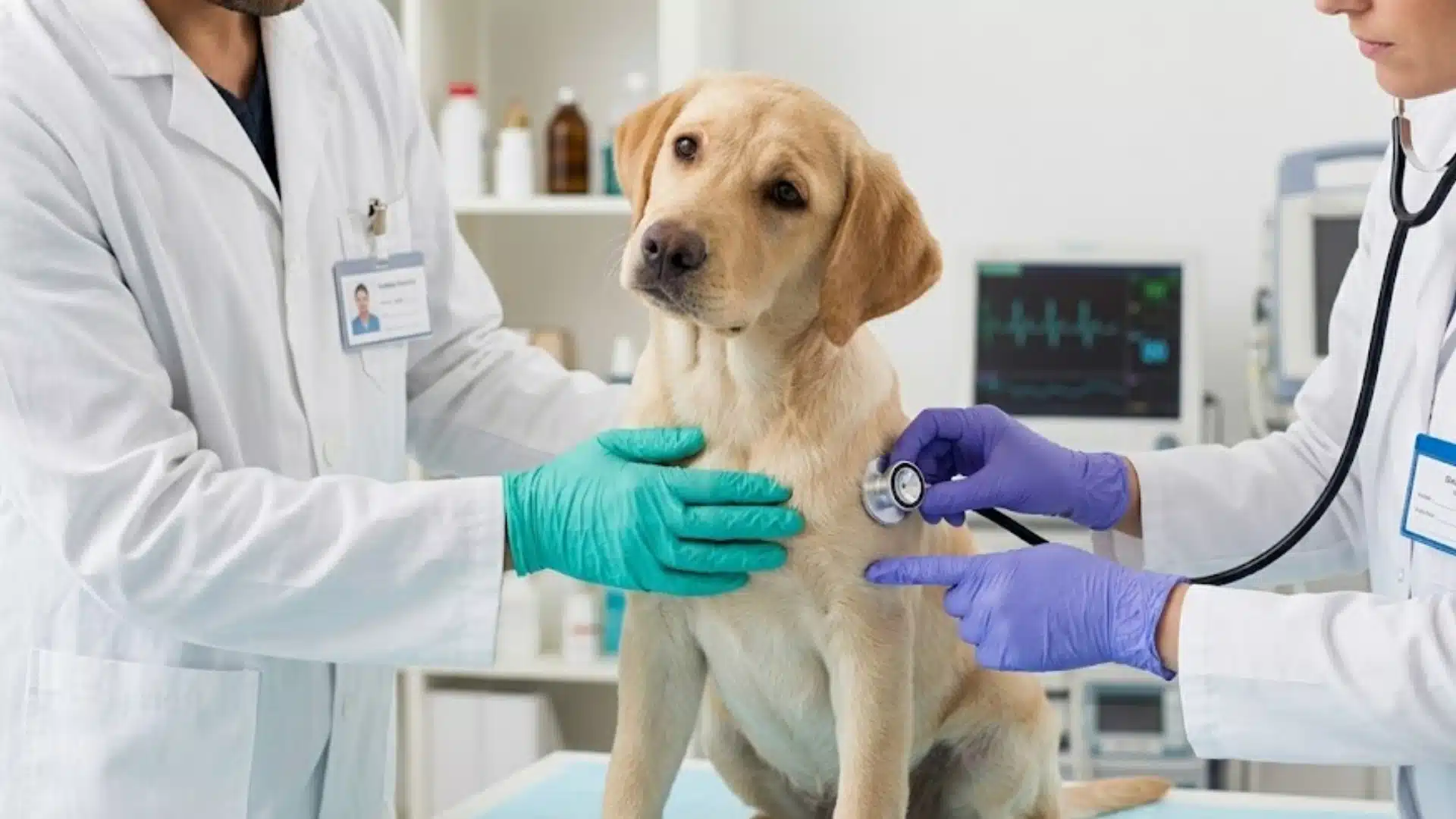
Vets usually start with a physical exam to check weight, hydration, gum color, pain, body condition, and any signs of weakness.
Blood tests are then used to measure waste levels, minerals, and kidney values. A urine test helps show how well the kidneys are concentrating urine and whether protein, blood, or infection is present.
Blood pressure is also checked because high blood pressure can damage the kidneys and may occur with kidney disease. If infection is suspected, a urine culture can find the bacteria and guide the right antibiotic.
X-rays or ultrasound may be used to look for stones, blockages, tumors, or changes in kidney size. An SDMA test can help spot kidney trouble earlier in some cases.
For chronic kidney disease, vets may stage the condition to plan treatment and monitor changes over time.
Treatment for Acute Kidney Failure
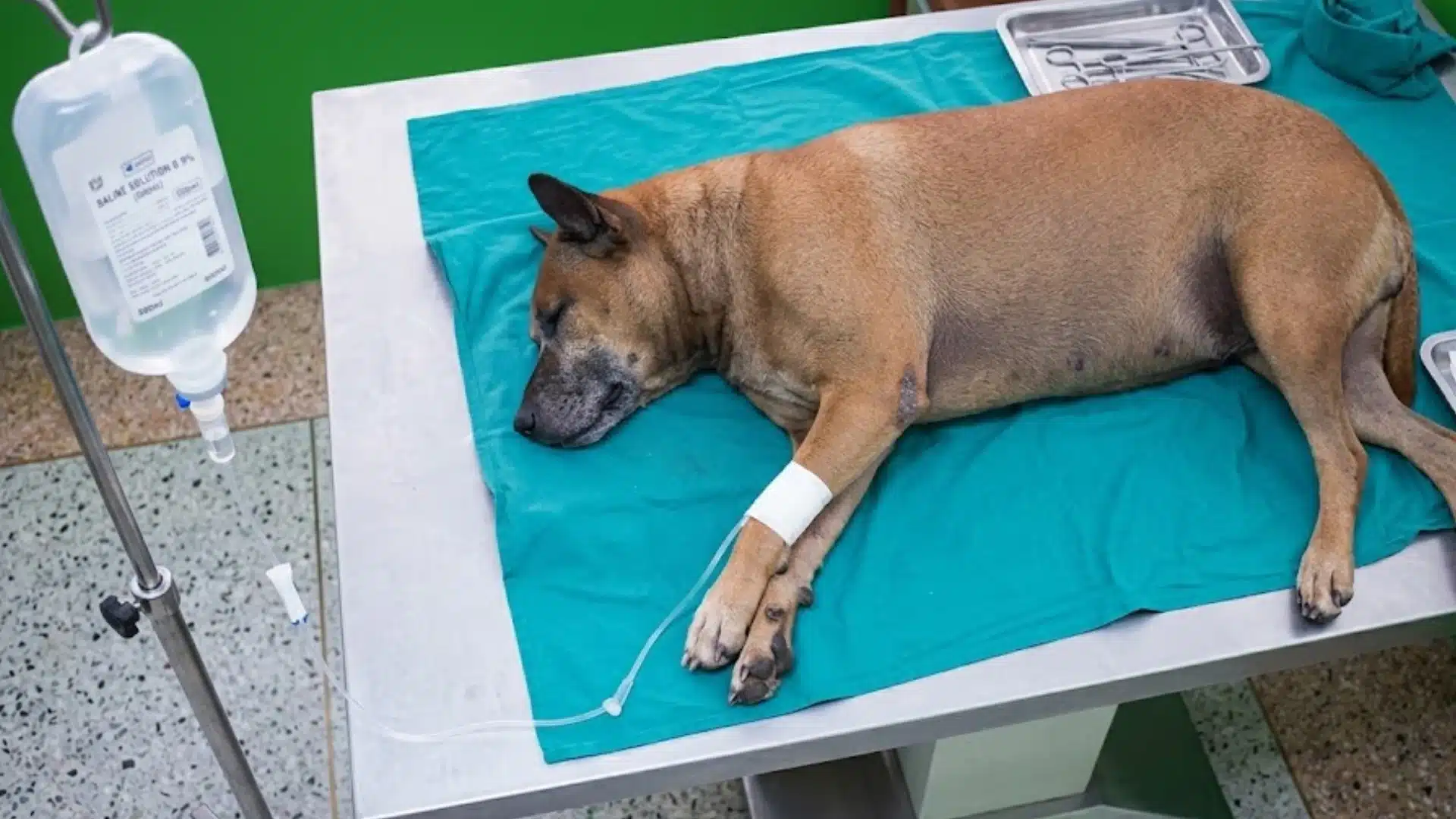
Acute kidney failure needs fast vet care because waste can build up quickly in the blood. Treatment often starts with IV fluids. These fluids help correct dehydration, support blood flow to the kidneys, and flush out harmful waste.
- Emergency fluids: IV fluids help restore hydration and support kidney function.
- Main cause: Vets may treat poisoning, give antibiotics for infection, remove a blockage, or use medicine for vomiting and pain.
- Hospital monitoring: The care team checks urine output, blood values, electrolytes, and blood pressure.
- Advanced care: Severe cases may need dialysis or referral to a specialty clinic.
The goal is to stabilize the dog and treat the reason behind the kidney injury. Some dogs recover well if care starts early, but serious cases can need several days in the hospital. Vet follow-up is also needed after discharge.
Managing Chronic Kidney Failure in Dogs
Managing chronic kidney failure in dogs usually means slowing the damage, easing symptoms, and helping the dog feel steady day to day.
A vet-approved diet is often the first step. It may include lower phosphorus, controlled protein, and enough calories to prevent weight loss.
- Kidney-friendly diet: Lower phosphorus, controlled protein, proper calories, and a plan approved by the vet.
- Fluids at home: Subcutaneous fluids may be given if the vet recommends them. They help support hydration.
- Medicines and supplements: These may include blood pressure medicine, phosphorus binders, anti-nausea medicine, appetite support, potassium support, or anemia care.
- Regular vet checks: Blood work, urine tests, blood pressure checks, and weight tracking help guide care.
The plan may change as the disease changes. Regular testing helps the vet adjust food, fluids, and medicine before symptoms get worse.
Can a Dog Recover From Kidney Failure?
Recovery depends on whether the kidney problem is sudden or long-term, and how much kidney damage has already happened.
Recovery From Acute Cases
Some dogs can improve after acute kidney injury if treatment starts fast. This often depends on what caused the problem, such as poisoning, infection, dehydration, or a blockage.
The amount of kidney damage also matters. A dog with mild injury may respond better than one with severe damage.
Quick fluids, medicine, and hospital care can help, but recovery is never guaranteed. Some dogs may still have lasting kidney weakness after the crisis passes.
Living With Chronic Disease
Chronic kidney disease is usually managed, not cured, because damaged kidney tissue does not fully return to normal.
Still, many dogs can feel better with the right plan. Food changes, fluids, medicine, and regular testing can help control symptoms and support quality of life.
The care plan may change over time as blood work, urine results, weight, appetite, and energy levels shift. The goal is comfort, steady care, and fewer bad days.
Can Kidney Failure in Dogs Be Prevented?
Chronic kidney disease in older dogs is largely tied to genetics and aging, which makes it hard to prevent altogether. But there are still plenty of things owners can do to reduce risk and catch problems earlier.
- Vaccinate against leptospirosis: This bacterial infection is one of the more preventable causes of sudden kidney failure. Talk to your vet about whether the lepto vaccine is recommended for your dog’s lifestyle and area.
- Remove household toxins: Antifreeze, grapes, raisins, and many human medications are dangerous. Keep them locked away or out of reach entirely.
- Keep up with senior wellness checks: Blood and urine testing in older dogs can catch early kidney changes before symptoms appear, which gives you a bigger window for intervention.
- Manage underlying conditions: High blood pressure, diabetes, and dental disease can all contribute to kidney strain over time. Treating those conditions directly protects the kidneys.
- Keep your dog hydrated: Chronic mild dehydration strains the kidneys. Fresh water available at all times is one of the simplest things you can do.
Daily Care Tips for Dogs with Kidney Disease
Small daily changes can help dogs with kidney disease feel more comfortable, stay hydrated, and avoid extra strain between vet visits.
- Make water easy to reach: Keep fresh water in more than one spot, especially near resting areas. Some dogs drink better when water is clean and easy to access.
- Keep meals gentle and consistent: Avoid sudden food changes, salty snacks, or rich treats. Stick to vet-approved food and treats that match the kidney care plan.
- Reduce stress: Keep the routine calm and simple. Easy bathroom access, quiet spaces, and soft bedding can help the dog rest better.
- Track daily changes: Watch appetite, drinking, peeing, weight, energy, vomiting, and diarrhea. Small changes can help the vet adjust care early.
- Keep activity light and safe: Short, gentle walks are usually better than hard play. Avoid heat, long exercise, and anything that may cause dehydration.
Conclusion
Kidney problems in dogs can look small at first, but early action can make a real difference.
This blog post covered the common causes, warning signs, diagnosis, treatment for sudden cases, and daily care for long-term disease.
Some dogs need emergency fluids, medicine, or hospital care. Others need steady home support through diet, hydration, vet checks, and small lifestyle changes.
In the middle of all this, kidney failure in dogs is not something to guess about or manage alone.
A vet can check blood work, urine, blood pressure, and symptoms to build the right plan. Fast care matters most when signs appear suddenly or get worse.
Is your dog showing changes in drinking, peeing, appetite, weight, or energy? Share your questions or experiences in the comments below.
Frequently Asked Questions
Are Some Dog Breeds More Likely to Have Kidney Disease?
Yes, some breeds can have a higher risk because of inherited kidney problems. Breeds like Bull Terriers, Cocker Spaniels, German Shepherds, and Shar Peis may be more prone to certain kidney conditions. This does not mean every dog from these breeds will get sick. It only means owners should stay alert and keep up with regular vet checks.
Can Puppies Have Kidney Problems Too?
Yes, puppies can have kidney problems, but it is less common than in older dogs. Some puppies are born with kidney defects, while others may develop kidney injury from infection, toxins, dehydration, or serious illness. Signs like poor growth, vomiting, low appetite, or too much drinking should be checked by a vet.
Is Kidney Disease in Dogs Painful?
Kidney disease itself may not always cause clear pain, but it can make a dog feel very unwell. Nausea, weakness, mouth ulcers, dehydration, and poor appetite can affect comfort. Pain may also happen if there is a blockage, infection, or stones. A vet can help manage discomfort and improve daily quality of life.