

One second, your dog is sniffing the garden like a tiny detective, and the next second, they yelp like something went wrong.
A dog stung by a bee can scare you fast, especially when your pup starts pawing at their face, limping, or acting confused.
I know that panic, because you want to help quickly without doing something that makes the sting worse.
Most bee stings are not dangerous, but some reactions can turn serious when swelling, vomiting, weakness, or breathing trouble start.
We will be telling you about the immediate steps to take if your dog is stung by a bee, including first aid measures.
This guide covers the immediate steps to take if your dog is stung by a bee, including first aid measures, when to head to the vet, and what recovery looks like.
Before anything else, let us check the clear signs of a dog that got stung by a bee.
Is a Bee Sting on a Dog a Medical Emergency?
Most of the time, a dog stung by a bee is not an emergency and will recover without any major problem, especially after a single sting on the paw, leg, or face.
Your dog may cry, limp, swell a little, and act extra dramatic for some time, but that alone usually does not mean danger.
A healthy dog with mild swelling and normal breathing can often stay home with close watching and proper first aid. Things change fast when symptoms start spreading beyond the sting area.
Trouble breathing, repeated vomiting, pale gums, sudden weakness, or heavy swelling around the throat are serious warning signs that need a vet immediately. A sting inside the mouth is one I always take seriously.
I have treated dogs in a clinic where a mouth sting looked manageable at first, but then deteriorated within 20 minutes as the swelling quietly closed in on the airway.
Multiple stings are a separate problem entirely. If your dog ran into a hive or got attacked by several bees at once, the venom load becomes much more dangerous, even for large dogs.
Small dogs face a higher venom-to-body-weight ratio, which means even a handful of stings can push them toward systemic shock faster than a larger breed.
Signs Your Dog Was Stung by a Bee
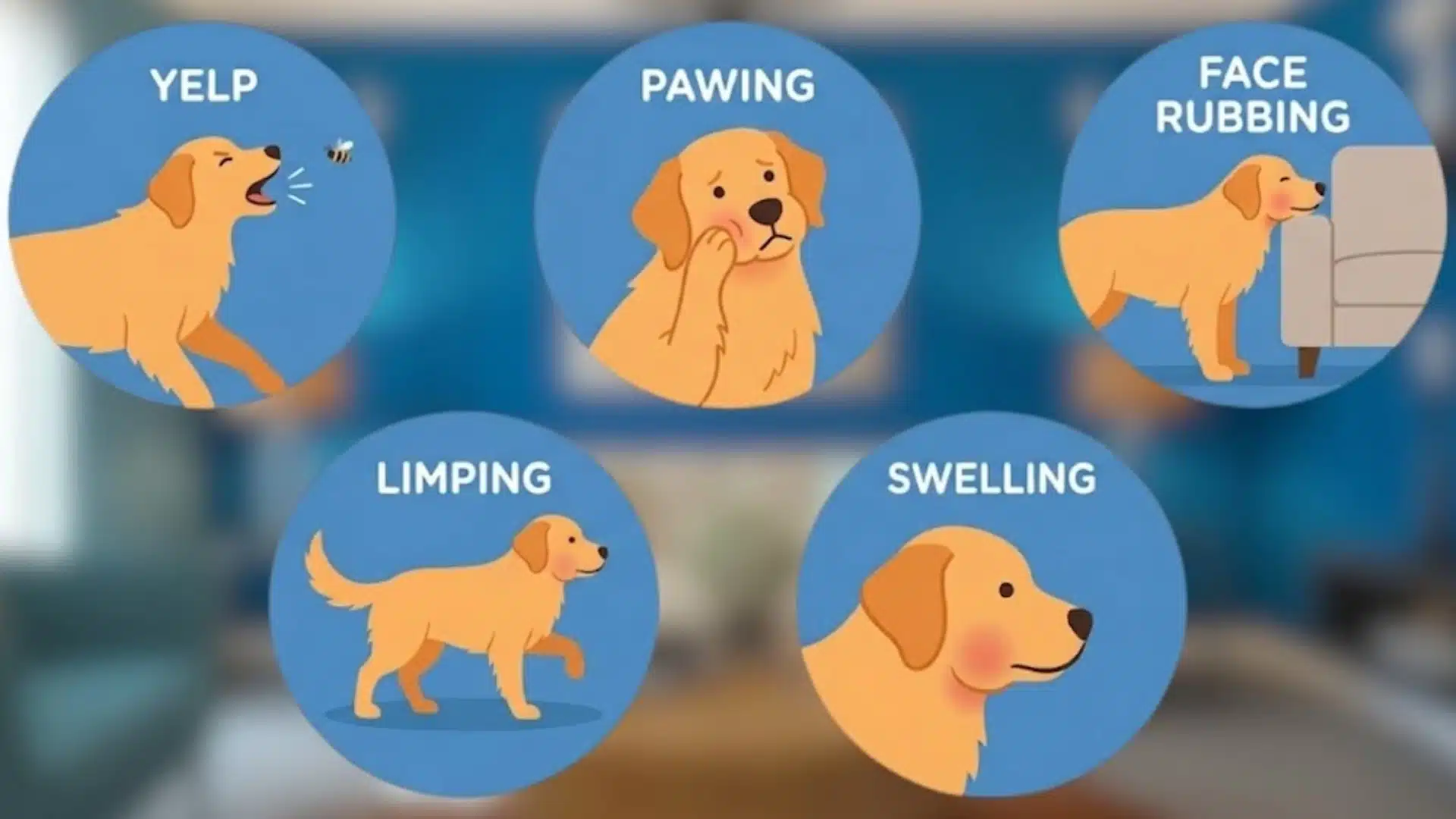
A dog that got stung by a bee may suddenly start acting uncomfortable, dramatic, or straight-up confused within just a few minutes outside.
- Sudden yelp: Many dogs cry out loudly right after stepping near grass, flowers, bushes, or buzzing insects.
- Pawing: Your dog may repeatedly scratch one side of the face, mouth, or nose because the sting burns badly.
- Face rubbing on everything: Carpet, sofa edges, grass, your jeans, literally anything nearby can become their emergency scratching station.
- Limping: A sting on the paw often makes dogs walk awkwardly or avoid putting pressure on one leg.
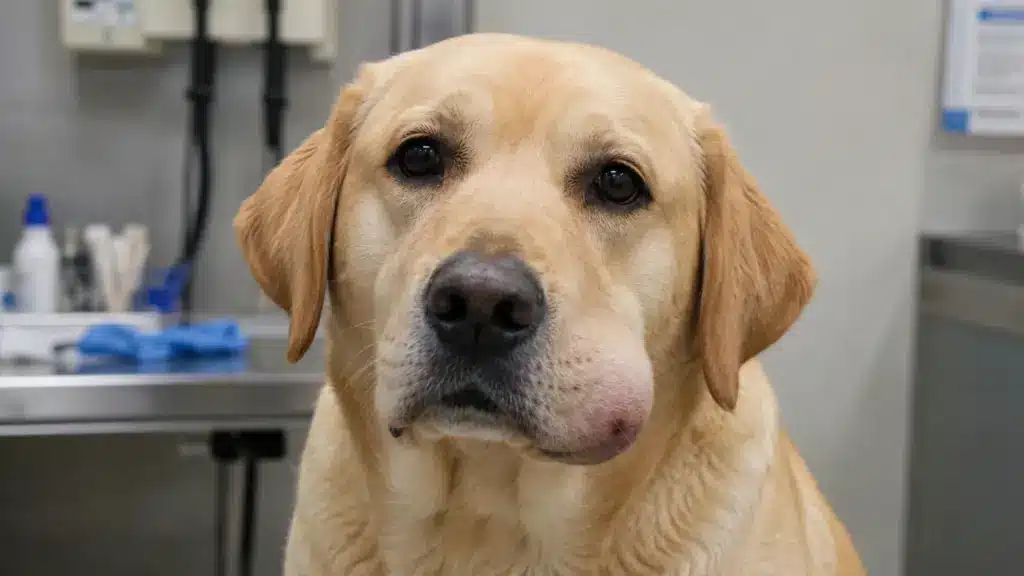
- Swelling around the face: Lips, cheeks, eyelids, or the nose may start looking puffy pretty fast.
- Redness: The sting area usually looks irritated and feels warm when touched.
- Tiny bumps under the fur: Hives can appear suddenly, especially around the neck, chest, or back.
- Stinger left behind: Honeybees leave a tiny dark stinger in the skin. Wasps and hornets do not, so a missing stinger does not rule out a sting entirely.
How Long Do You Have Before it Becomes Dangerous?
With a dog that got stung by a bee, the first hour matters the most. Mild swelling, redness, limping, or face rubbing often appear within 20 to 30 minutes after the sting.
If your dog is breathing normally, staying alert, and the swelling is not spreading, you can watch closely while giving basic first aid.
A serious allergic reaction can start much faster, sometimes within 5 to 10 minutes. That is when you may see vomiting, pale gums, weakness, collapse, or breathing trouble.
Do not wait around like it is a Netflix cliffhanger. Some reactions can also show up later, even after your dog seems okay.
Some reactions can also show up later, even after your dog seems fine at first. Keep checking them for at least 24 hours, especially if the sting was near the mouth, face, or throat.
In rare cases, delayed reactions can develop several hours after the initial sting, which is why keeping watch through the full day matters.
First Aid for a Dog Stung by a Bee
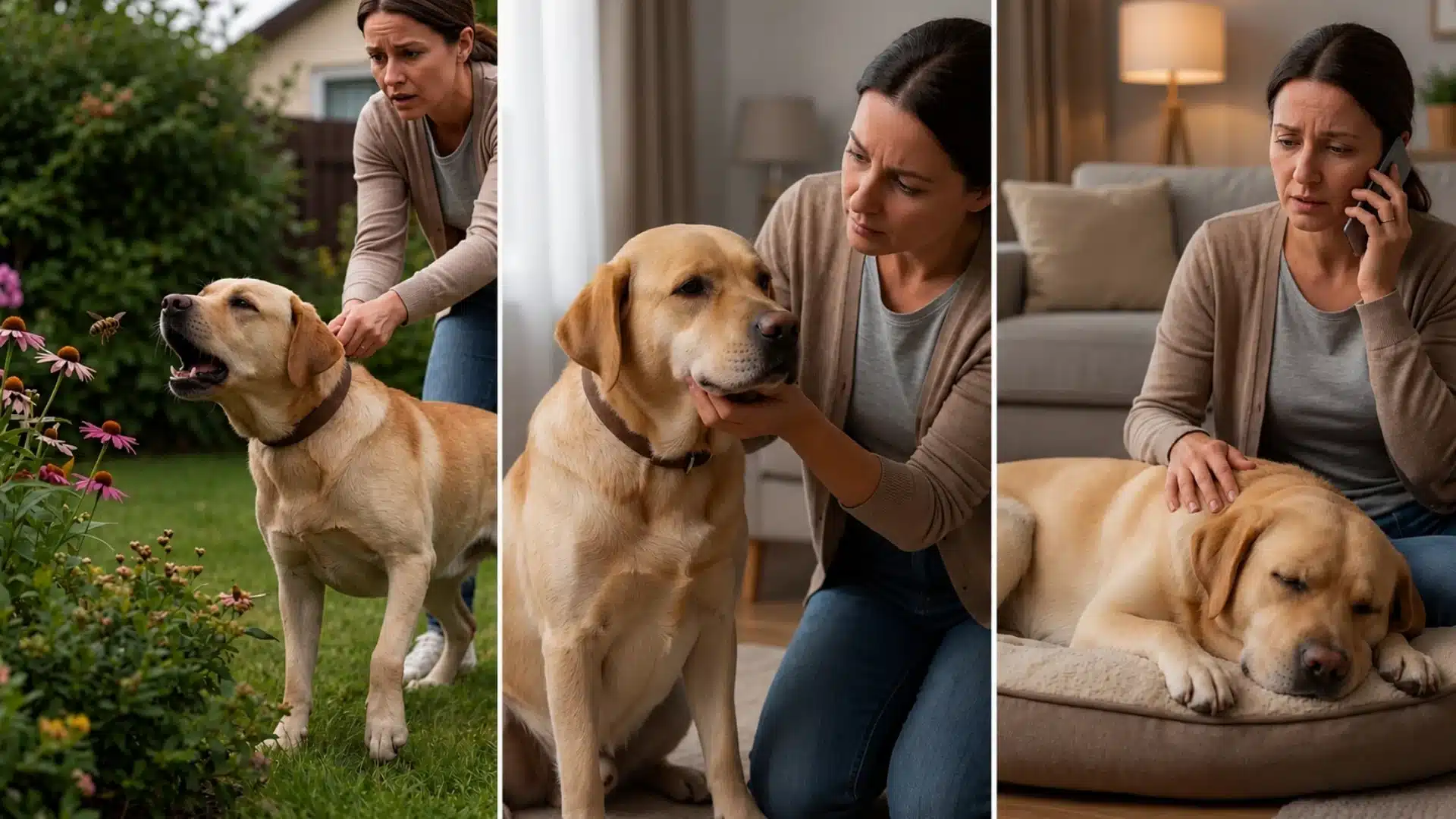
Seeing your dog panic after a sting can honestly mess with your nerves, but quick, calm actions usually make a huge difference.
- Move your dog away first: Bees release an alarm pheromone after stinging that can attract other bees, especially near gardens, bushes, or hidden nests.
- Stay relaxed yourself: Dogs pick up human panic ridiculously fast, and that stress can make them harder to handle.
- Look closely for a stinger: Honeybees leave one behind sometimes, while wasps usually do not.
- Remove it gently: Use a card edge or your fingernail instead of sharp tools.
- Avoid tweezers completely: Squeezing the stinger can push venom deeper into the skin.
- Apply a baking soda paste: Mix baking soda with water into a thick paste, then apply it directly to the sting site for about 15 minutes. Bee venom is acidic, and the baking soda helps neutralize it and reduce local irritation.
- Apply something cold after: A wrapped ice pack, frozen spoon, or chilled cloth can help calm swelling and irritation.
- Give your dog a quiet place to rest: Stress and too much movement can make the reaction feel worse.
- Watch the swelling closely: Pay attention over the next 30 to 60 minutes, as symptoms can change quickly.
- Call your vet before taking medications: Random internet dosage advice leads to way too many dangerous mix-ups for pet owners.
Bee sting sites can occasionally become infected if your dog repeatedly scratches or licks them over the following days.
It is worth knowing the infected dog wound signs so you can catch any developing infection early and loop your vet in before it worsens.
What if Your Dog Swallowed a Bee?
Dogs that snap at bees mid-air sometimes swallow the insect before it stings externally.
The stomach’s acid environment tends to neutralize bee venom fairly well, so swallowing a bee is generally less dangerous than a sting inside the mouth or throat.
That said, the bee can still sting the lining of the mouth or esophagus on the way down. Monitor for vomiting, drooling, pawing at the mouth, or any change in breathing.
Anaphylaxis in Dogs: The Reaction that Cannot Wait
Anaphylaxis is the most dangerous reaction a dog that gets stung by a bee can have, and it can start shockingly fast. Instead of reacting normally to the venom, the immune system basically goes into full panic mode.
Blood pressure can drop quickly, breathing may become difficult, and swelling can spread through the body within minutes.
The scary part is that some dogs look fine at first before symptoms suddenly hit hard.
Warning signs include vomiting, pale gums, heavy drooling, weakness, collapse, or fast swelling around the face and throat.
Some dogs also become confused, shaky, or extremely restless during the reaction. This is not the moment for home remedies or waiting another 20 minutes.
If breathing changes or your dog suddenly becomes weak, get to a vet immediately. Every minute matters once anaphylaxis begins.
Dogs that have had a significant sting reaction in the past may be candidates for a prescribed EpiPen, so ask your vet about that option after any notable sting event.
When to Go to the Vet and How to Get There Safely?
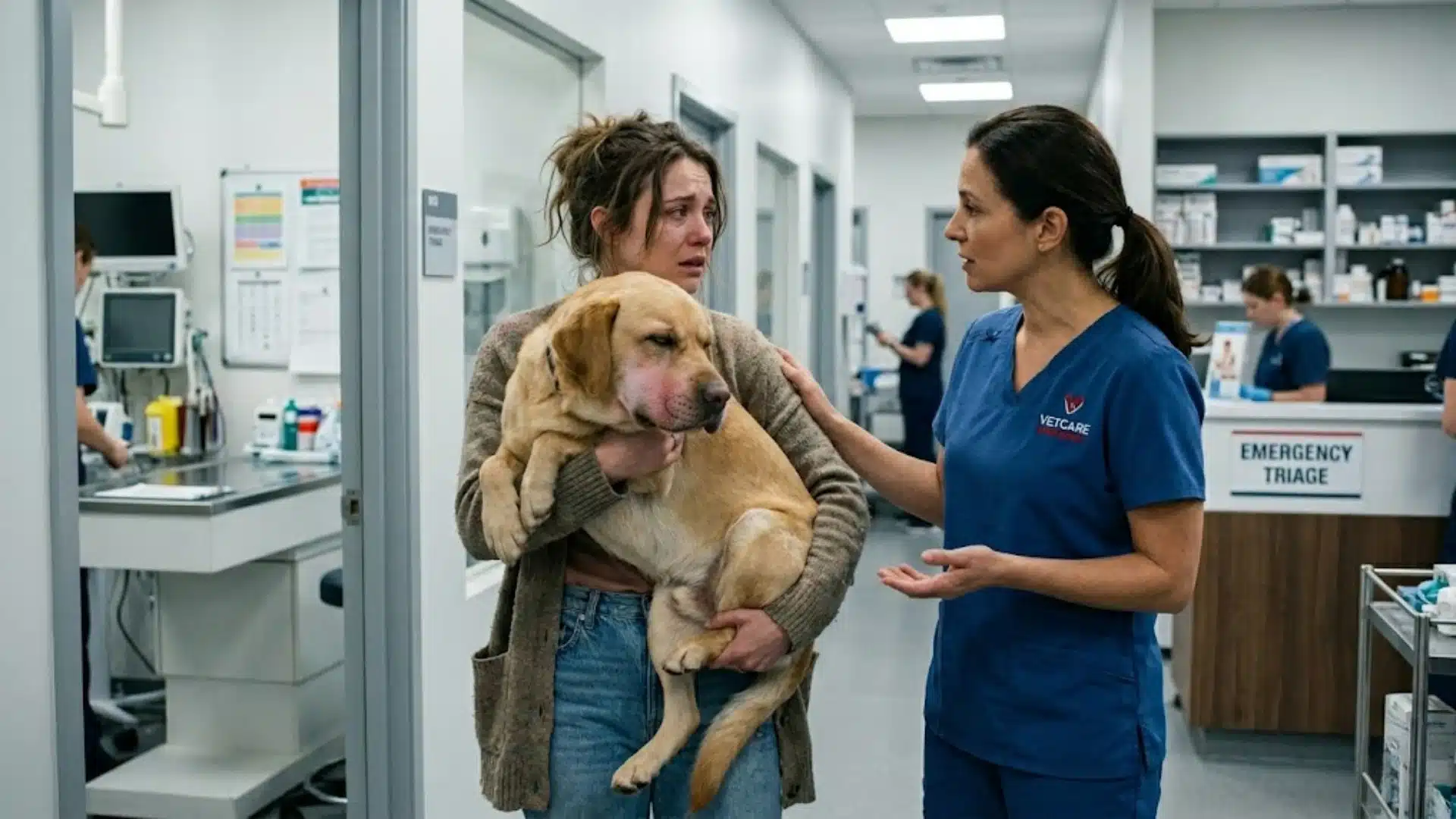
Some bee stings stay mild, while others turn serious faster than most owners expect. If your dog starts showing any of the signs below, skip the waiting and head to the vet.
Allergic reactions in dogs can escalate quickly across multiple body systems, and it helps to understand the full picture of what anaphylaxis looks like so you can act without hesitation.
- Trouble breathing: Wheezing, loud breathing, gasping, or visible chest struggle should never be treated like a minor reaction.
- Fast swelling around the throat: A puffy face may look manageable at first, but throat swelling can quietly become dangerous within minutes.
- Vomiting right after the sting: This is one of the biggest red flags vets watch for during allergic reactions.
- Pale or white gums: Healthy gums should stay pink, so dull color changes are a pretty serious warning sign.
- Weakness or collapse: If your dog suddenly looks dizzy, shaky, confused, or cannot stay standing properly, leave immediately.
- Mouth stings: Dogs that snap at bees mid-air can get stung inside the mouth, and that swelling gets risky fast.
- Multiple stings at once: One sting is very different from several bees attacking together near a nest or hive.
- Carry your dog to the car: Too much movement increases circulation, which can spread venom and swelling faster through the body.
- Call the clinic while traveling: Giving the vet a heads-up helps them prepare medication and emergency support before you even arrive.
What Will the Vet Do for a Dog that Got Stung by a Bee?
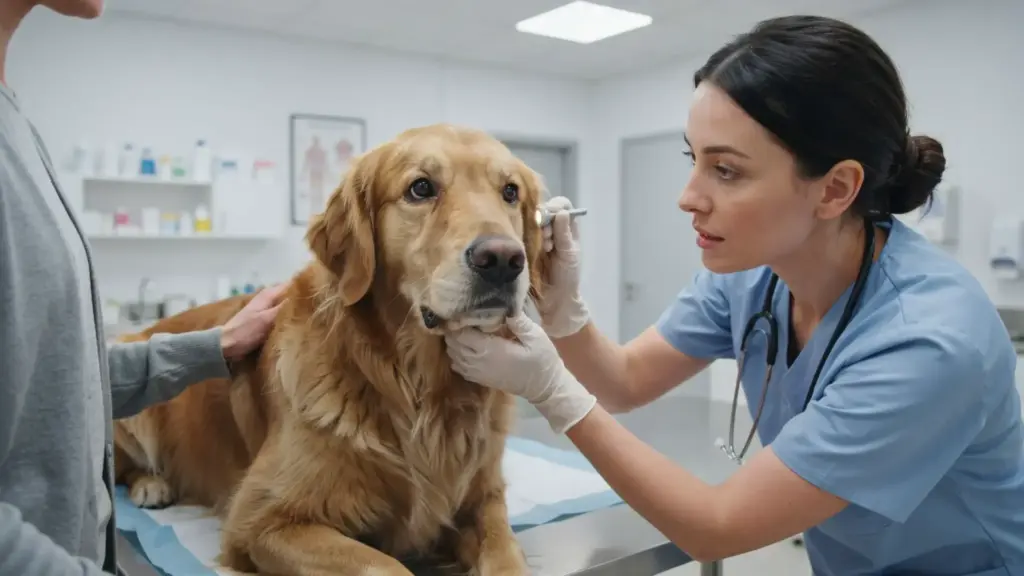
Once your dog reaches the clinic, the vet will quickly check breathing, swelling, heart rate, and gum color before starting treatment.
Mild reactions usually improve quickly with medication, while severe allergic reactions require immediate emergency support.
Most clinics move very quickly during sting cases because breathing problems can become dangerous without much warning.
- Antihistamine injections: These calm the allergic reaction and reduce itching, redness, swelling, and irritation around the sting area.
- Anti-inflammatory steroids: These are often used when swelling affects the face, lips, throat, or area around the eyes.
- Oxygen support: This may be given if your dog struggles to breathe, pants heavily, or shows signs of airway swelling.
- IV fluids: These help support blood pressure and stabilize dogs with vomiting, weakness, collapse, or early signs of shock.
- Emergency epinephrine: Used during severe allergic reactions, it works quickly to improve breathing and circulation.
- Blood and urine tests: In severe cases, these may be needed to rule out organ damage caused by prolonged low blood pressure or venom exposure.
After treatment, the vet will usually monitor your dog for some time before sending them home safely.
Mild cases may resolve within hours, while serious reactions may require overnight observation to ensure symptoms do not return.
You will also get medication instructions, warning signs to watch for, and advice about keeping your dog calm during recovery.
After Recovery: What to Expect as Your Dog Heals?

Most dogs start acting much better within 1 day after a bee sting, especially when the reaction stays mild, and treatment is quick.
Some swelling, tenderness, or tired behavior can still stick around for a little while, so do not panic if your dog seems extra lazy or clingy.
Honestly, many dogs milk the sympathy phase like full-time professionals.
Keep the sting area clean and check it daily for worsening redness, heat, or discharge. Mild puffiness is normal, but increasing swelling or any signs of infection are not to be ignored.
Dogs stung near the mouth may also avoid crunchy food for a short time because chewing feels uncomfortable.
Follow every medication instruction your vet gives, even if your dog suddenly acts completely normal again. Stopping steroids or antihistamines too early can allow inflammation to flare back up.
Most dogs recover fully within 24 to 48 hours and return to their usual zoomies, barking, and snack-hunting behavior pretty fast.
Conclusion
A bee sting can scare you fast, especially when your dog yelps suddenly and starts pawing at their face like crazy.
But now you know which signs are normal and which ones mean your dog needs help from a vet right away. A dog stung by a bee may only need calm care, a cold compress, fresh water, and close watching at home.
Still, vomiting, pale gums, breathing trouble, weakness, or throat swelling should never be treated like regular sting pain.
I would also recommend keeping your vet’s number, your emergency clinic’s number, and a small sting kit ready before the next yard visit.
Most dogs bounce back within a day or two, then return to begging, barking, and stealing couch space again.
Have you ever helped a dog that got stung by a bee? Tell us, share with us in the comments below.
Frequently Asked Questions
Can Dogs Be Tested for Bee Venom Allergy Before a Reaction Ever Happens?
Yes, testing exists, but it is not always useful for predicting a serious bee sting reaction. Skin tests and blood panels are more common for food or outdoor allergies. If your dog seems bee-sensitive, the smarter move is to ask your vet for an emergency plan before the next sting happens.
Do Certain Dog Breeds React Worse to Bee Stings than Others?
No, one breed is not clearly proven to be more allergic to bee venom than another. Size matters more here because small dogs get more venom for their body weight. Flat-faced dogs like Bulldogs and Pugs may also struggle more if swelling or breathing trouble starts.
What Should I Keep in a Dog First-Aid Kit for Bee Stings?
Keep a flat card for scraping out a stinger, a cold pack, baking soda, a soft cloth, and fresh water nearby. Add your vet number and nearest emergency clinic number too. If your vet allows antihistamines, write the exact dose down so you are not guessing during panic mode.
Can a Dog Suddenly Develop a Bee Sting Allergy After Years without Problems?
Yes, a dog can react badly later, even after past stings seemed totally fine. Allergies can build over time as the immune system changes its response. That is why every sting still needs watching, especially during the first hour and again through the next full day.