

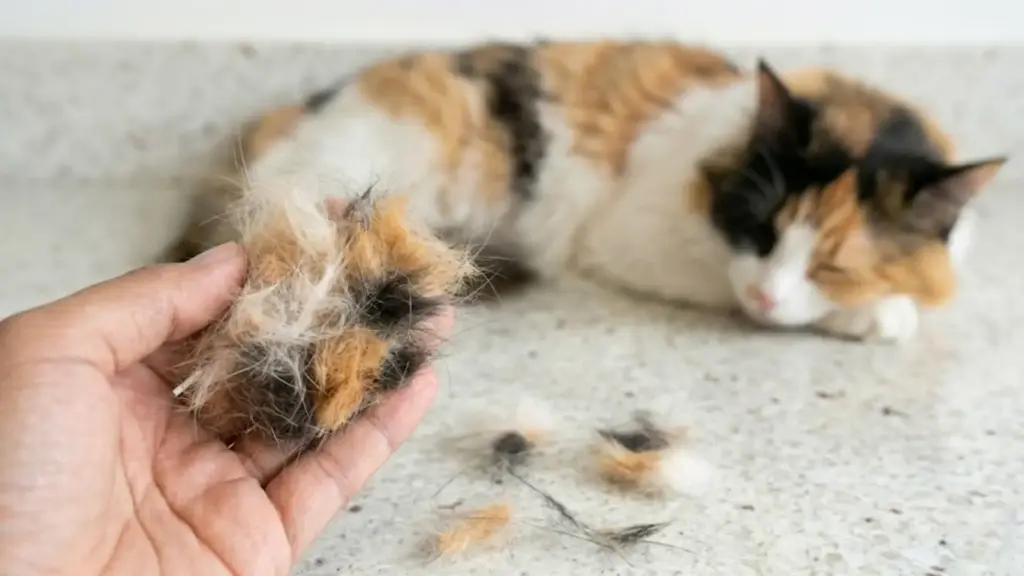
You’re gently petting your cat when you suddenly notice it, a patch of missing fur. Maybe it’s on the back legs, near the tail, or along the belly.
Your mind starts racing: why is my cat losing hair? It’s a small detail, but it can feel like a big worry.
Cats are known for their soft, full coats, so even a little hair loss can seem alarming. You might wonder if it’s just normal shedding or something more serious.
In my experience as a veterinarian, hair loss is one of the more common reasons pet owners bring their cats in, and the good news is that most causes are very treatable once we figure out what’s driving it.
The key is knowing what to look for before you get to the exam table. Understanding cat hair issues doesn’t have to be overwhelming.
With the right information, you can figure out what’s going on and take the next step to help your furry friend feel comfortable again.
What is Alopecia in Cats?
Alopecia in cats simply means hair loss. It is not a disease on its own but a sign that something else is going on with your cat’s health or behavior.
Some hair loss is normal because cats shed regularly, but alopecia is different; it usually shows up as thinning fur, patchy areas, or even completely bald spots where skin is visible.
This can happen anywhere on the body, including the belly, back legs, or near the tail.
In many cases, cats lose hair because of itching, overgrooming, or an underlying issue like parasites, allergies, stress, or illness.
Paying attention to how and where your cat is losing hair can help you understand whether it’s normal shedding or a problem that needs attention.
Symptoms of Hair Loss in Cats
Hair loss in cats rarely shows up on its own. These are the signs most commonly seen alongside it, and paying attention to the combination can help your vet narrow down the cause faster.
- Bald patches: Clearly visible areas of missing fur, often irregular in shape. Can appear anywhere on the body.
- Thinning coat: Fur appears less dense, uneven, or patchy, especially along the back, belly, or legs.
- Red or inflamed skin: Skin under fur looks reddish, swollen, or sensitive, indicating irritation, infection, or allergic reactions.
- Scabs or sores: Small crusts or lesions that develop from scratching, biting, or an underlying skin condition.
- Flaky or dry skin: Presence of dandruff-like flakes or rough texture, often linked to poor nutrition or skin disorders.
- Behavioral changes: Increased irritability, restlessness, or hiding behavior caused by discomfort, itching, or pain.
- Frequent scratching: Persistent scratching using paws or rubbing against objects, often a sign of parasites or allergies.
- Unusual odor: Foul smell from skin or coat, possibly due to infections or buildup of bacteria or yeast.
Why is My Cat Losing Hair?
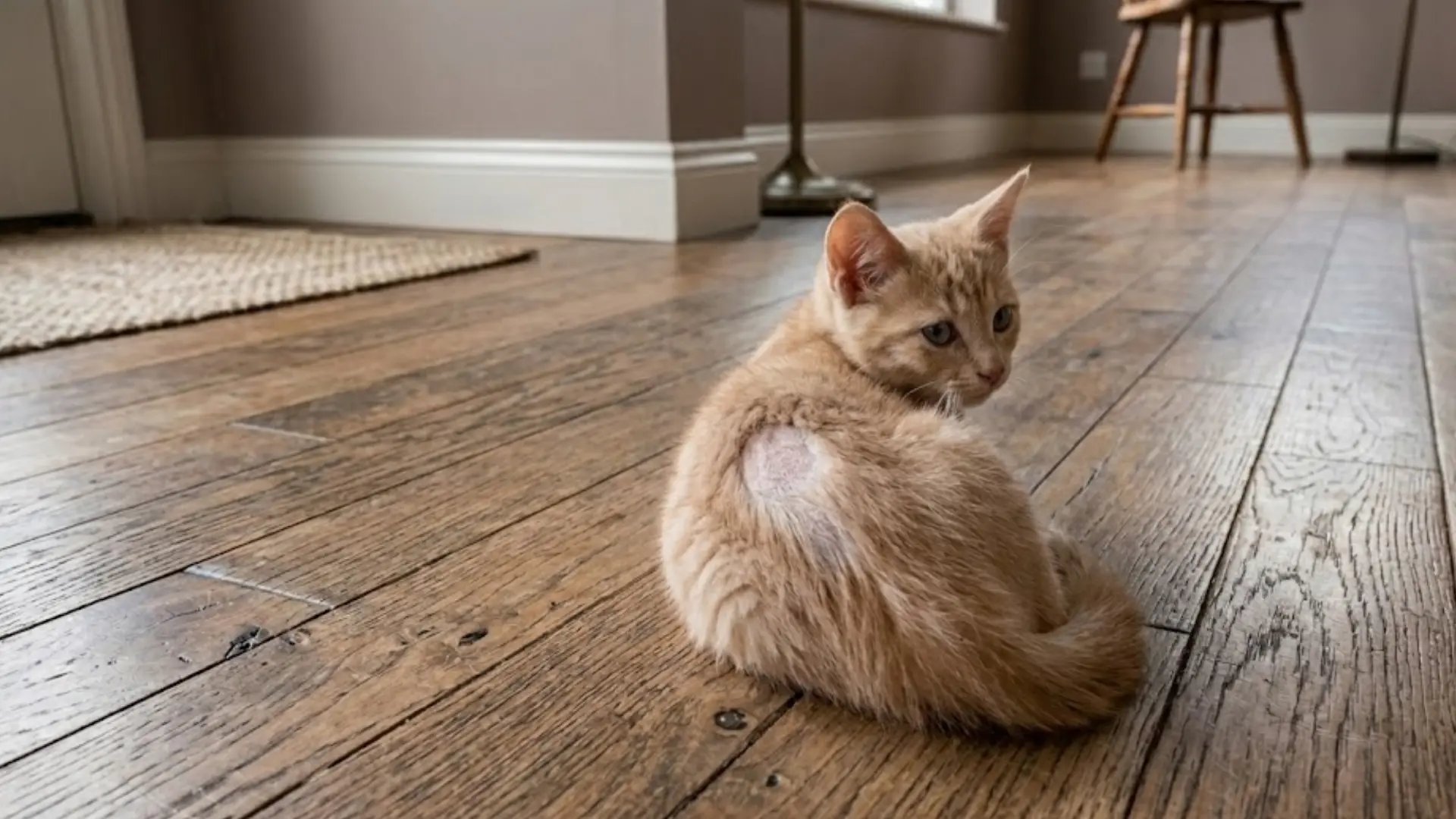
Hair loss in cats can happen for many reasons, and it’s often a sign that something isn’t quite right. While some shedding is normal, noticeable thinning or bald patches usually point to an underlying issue.
1. Fleas, Mites, and Parasites
Parasites are the first thing I check for when a cat comes in with patchy fur loss.
Flea allergy dermatitis is probably the most common skin condition I see in cats, and it only takes a handful of fleas to set it off in a sensitive animal.
Even a few fleas can trigger this reaction. You may notice your cat scratching a lot or biting at its skin. Hair loss often appears near the base of the tail or on the back legs.
Look closely for tiny black specks called flea dirt. Mites can cause similar symptoms, leading to patchy fur loss, redness, and discomfort if not treated promptly.
2. Allergies (Food & Environmental)
Food allergies are often linked to certain proteins and may require an elimination diet lasting 8 to 12 weeks to identify the trigger.
During this time, your cat eats a limited-ingredient diet to see if symptoms improve. Environmental allergies, such as pollen, dust, or mold, can also affect your cat’s skin.
These allergies often lead to itching, licking, and scratching. Skin reactions from allergies in cats can range from mild redness to serious coat damage.
Over time, this behavior causes thinning fur or bald spots, especially around sensitive areas like the belly or legs.
3. Fungal Infections (Ringworm)
Ringworm is a fungal infection that commonly causes hair loss in cats. It usually appears as circular bald patches with scaly or flaky skin.
The affected areas may look dry or slightly red. Despite its name, ringworm is not caused by a worm but by a fungus that spreads easily.
It is highly contagious and can pass to other pets and even humans. If you suspect ringworm, it’s important to limit contact and seek treatment quickly.
4. Stress & Anxiety (Psychogenic Alopecia)
Stress and anxiety can lead to a condition called psychogenic alopecia, where cats groom themselves excessively. This overgrooming often results in noticeable hair loss.
Common triggers include moving to a new home, introducing a new pet, or changes in routine. Some cats may also react to the loss of an owner or companion.
Hair loss usually appears on the belly, inner thighs, or legs. The skin often looks normal, but the fur is missing due to constant licking.
It’s worth noting that psychogenic alopecia is sometimes overdiagnosed. Before assuming it’s behavioral, a vet should rule out physical causes first, especially allergies and parasites, which can look nearly identical.
5. Hormonal Imbalances
Hormonal issues can disrupt your cat’s natural hair growth cycle, leading to hair loss. Conditions like hyperthyroidism or Cushing’s disease affect hormone levels in the body.
These hormones play a key role in maintaining healthy skin and fur.
When they are out of balance, you may notice thinning hair, slow regrowth, or symmetrical hair loss on both sides of the body. Unlike other causes, itching may not always be present.
A vet can diagnose hormonal problems through blood tests and recommend proper treatment to restore balance and improve coat health.
6. Pain or Underlying Injury
Cats often lick or groom areas of their body that feel painful. This behavior can lead to hair loss over time.
For example, a cat with joint pain may repeatedly lick its legs, while a cat with bladder discomfort may focus on its lower belly. The constant licking removes fur and may even irritate the skin.
Unlike itching, this type of grooming is linked to discomfort rather than parasites or allergies.
If you notice hair loss in a specific area along with unusual behavior, it’s important to check for underlying pain or injury.
7. Skin Infections (Bacterial/Yeast)
Bacterial and yeast infections can develop on your cat’s skin, often as a result of excessive scratching or an existing condition.
These infections can cause redness, swelling, and an unpleasant odor. You may also notice scabs, sores, or greasy-looking fur. As the infection worsens, hair may start to fall out in affected areas.
These infections usually require medical treatment, such as medicated shampoos or antibiotics.
Keeping your cat’s skin clean and addressing the root cause early can help prevent these infections from becoming severe.
8. Nutritional Deficiencies
A poor diet can affect your cat’s overall health, including its skin and coat. Cats need high-quality protein, essential fatty acids, and key vitamins to maintain healthy fur.
If their diet lacks these nutrients, their coat may become dull, dry, and prone to hair loss. You might also notice brittle fur or increased shedding.
Feeding a balanced, high-quality cat food can make a big difference.
In some cases, supplements like omega-3 fatty acids can help improve coat condition and support healthy hair growth over time.
9. Genetic or Congenital Conditions
Some cats are naturally prone to hair loss due to their genetics. Certain breeds, like hairless cats, have little to no fur by design.
Others may inherit conditions that cause thinning hair or patchy coats. In these cases, hair loss is not caused by illness or irritation but is part of the cat’s genetic makeup.
While this type of alopecia is usually harmless, it’s still important to monitor your cat’s skin for any changes. Regular check-ups can help ensure there are no additional health concerns developing.
10. Serious Medical Conditions
In some cases, hair loss can be linked to more serious health issues. Conditions like diabetes, autoimmune diseases, or even cancer can affect your cat’s skin and coat.
These problems often come with other symptoms, such as weight loss, low energy, or changes in appetite.
Hair loss alone may not seem alarming, but when combined with these signs, it should not be ignored. Although these causes are less common, they are important to consider.
Where is Your Cat Losing Hair? Location Clues
The location of hair loss on your cat’s body often points toward the cause before any testing is done. Here’s what different areas can suggest:
| Location on Body | Possible Causes | What It May Indicate |
|---|---|---|
| Back legs / hind legs | Fleas, stress, grooming, and joint pain | Often linked to flea allergy or overgrooming due to anxiety or discomfort |
| Base of tail | Fleas, parasites | Classic sign of flea infestation, especially flea allergy dermatitis |
| Belly (abdomen) | Stress, allergies, pain | Common area for overgrooming caused by anxiety or internal discomfort |
| Face/ears | Ringworm, mites | May indicate fungal infection or ear mites, especially with redness or scaling |
| Full body (general thinning) | Hormonal disorders, poor nutrition | Could suggest systemic issues like thyroid problems or dietary deficiencies |
How Vets Diagnose Cat Hair Loss?
When a cat is losing hair, vets follow a step-by-step process to find the exact cause.
It usually starts with a physical exam, where the vet looks at your cat’s skin, coat, and overall health.
They will also ask questions about your cat’s diet, grooming habits, behavior, and when the hair loss started. This helps narrow down possible causes.
Next, the vet may use simple tests like a flea comb to check for parasites or take a skin scraping to look for mites or infections.
In some cases, they may recommend blood tests to check for hormonal issues or diseases.
If allergies are suspected, a special elimination diet might be suggested. These tests help rule out different conditions so the vet can choose the right treatment and help your cat recover faster.
Treatment Options for Cat Hair Loss
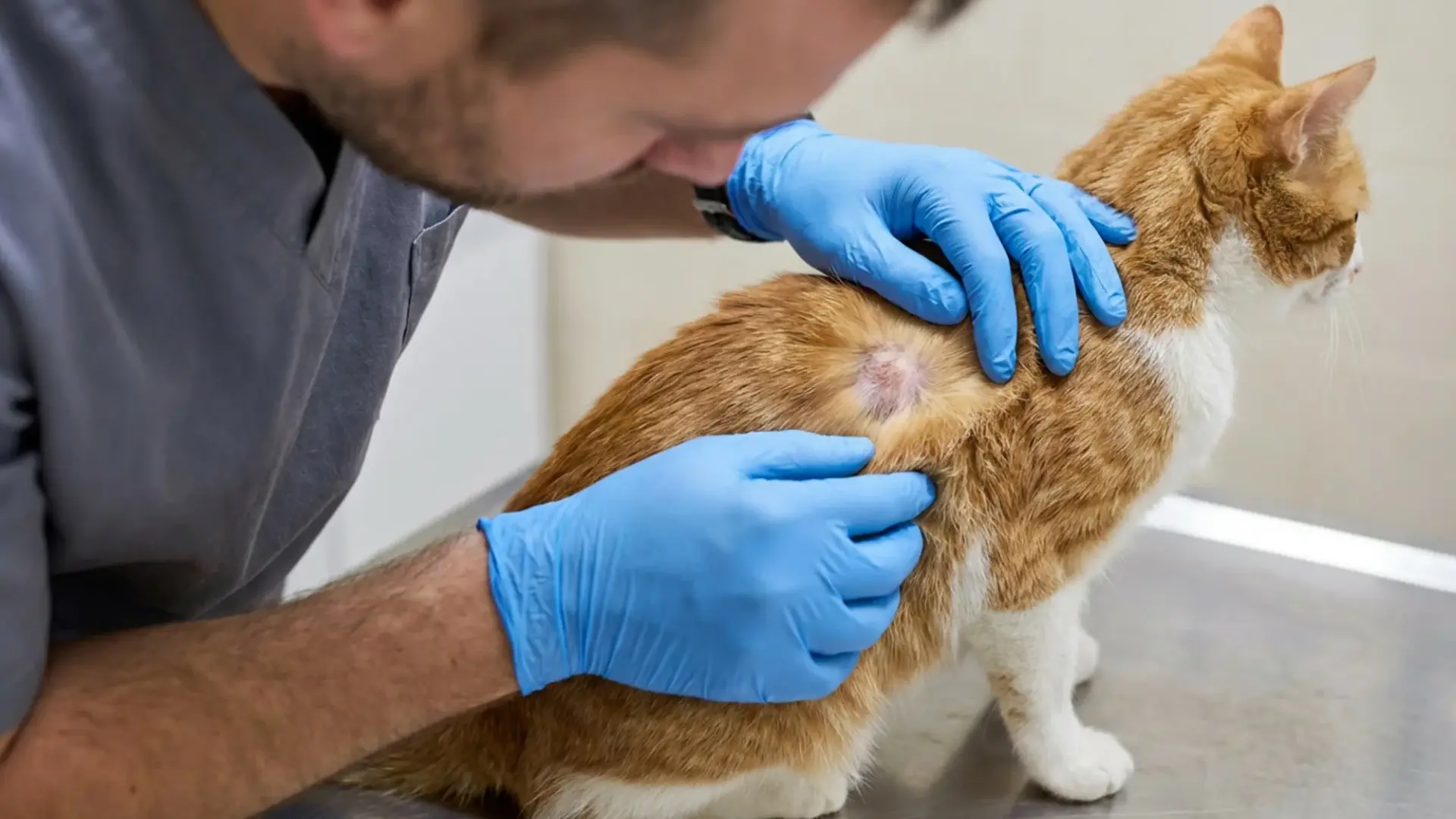
Treating hair loss in cats depends on the underlying cause, so there is no one-size-fits-all solution. Once the reason is identified, treatment can be simple and effective.
1. Parasite Treatments
Vets often recommend topical or oral flea preventatives that kill parasites quickly and prevent future infestations. It’s important to treat all pets in the home and clean the environment as well.
You may notice less scratching within a few days, but hair regrowth takes more time.
In most cases, fur begins to grow back within one to two months once the parasites are fully controlled and the skin starts to heal properly.
2. Allergy Management
Managing allergies in cats takes time and careful observation. If a food allergy is suspected, your vet may suggest a hypoallergenic or limited-ingredient diet.
This helps identify and remove the trigger causing skin irritation. Environmental allergies, such as pollen or dust, may require reducing exposure and keeping your home clean.
In some cases, vets may recommend medications to control itching. With consistent care, symptoms can improve gradually.
3. Stress Reduction Strategies
Stress-related hair loss often improves when your cat feels safe and relaxed. Start by maintaining a stable daily routine, including feeding and playtime at the same hours each day.
Cats feel more secure with consistency. Adding enrichment like toys, climbing trees, or scratching posts can keep your cat mentally engaged and reduce boredom.
In more serious cases, behavioral therapy or calming products may be helpful. Identifying and removing stress triggers is key.
4. Medications & Medical Treatments
Some causes of hair loss require medical treatment prescribed by a vet. For fungal infections like ringworm, antifungal medications are commonly used.
Bacterial infections may need antibiotics to clear the skin and stop further damage.
Hormonal conditions, such as thyroid issues, often require long-term treatment to restore balance in the body.
Tips to Prevent Hair Loss in Cats
Preventing hair loss in cats starts with good daily care and early attention to changes in their skin and coat. While not all causes are avoidable, simple habits can reduce the risk and keep your cat healthy.
- Regular flea prevention: Use vet-recommended flea treatments consistently to protect your cat from parasites that commonly cause itching and hair loss.
- Balanced diet: Feed high-quality cat food rich in protein and essential nutrients to support healthy skin and strong fur growth.
- Routine grooming: Ensure regular grooming, like brushing your cat regularly to remove loose fur, improve circulation, and detect early signs of skin problems.
- Stress management: Maintain a calm environment and consistent routine to reduce anxiety that can lead to excessive grooming and hair loss.
- Clean living space: Keep bedding, litter areas, and surroundings clean to minimize exposure to allergens like dust and mold.
- Regular vet checkups: Annual wellness exams are often where I catch early coat and skin changes before owners have noticed anything at home. Getting ahead of a problem is always easier than treating one.
- Monitor behavior: Watch for changes like excessive licking or scratching, which may signal underlying problems needing attention.
- Provide enrichment: Offer toys, scratching posts, and playtime to keep your cat mentally stimulated and prevent stress-related grooming habits.
Conclusion
Hair loss in cats can feel worrying, especially when you keep asking yourself, why is my cat losing hair. The key takeaway is that hair loss is usually a symptom, not the actual problem.
It can be caused by parasites, allergies, stress, diet, or even underlying health conditions.
Paying attention to where the hair loss occurs and any changes in behavior can help you act early. The good news is that most causes are treatable once identified.
With proper care, a healthy diet, and guidance from your vet, your cat’s coat can recover.
If you’re unsure whether what you’re seeing is normal shedding or something worth investigating, trust your instincts. You know your cat. When something looks off, it’s usually worth a call.
Have you noticed hair loss in your cat or figured out what caused it? Share your experience, tips, or questions in the comments below.
Frequently Asked Questions
How Long Does it Take for Cat Hair to Grow Back?
Cat hair usually grows back within 1 to 3 months once the underlying cause is treated. Recovery time depends on your cat’s health, age, and severity of hair loss.
Do Cats Lose Hair When They Are Dying?
Hair loss is not a direct sign of dying in cats. However, serious illnesses may cause poor coat condition, thinning fur, or shedding due to overall health decline.
What is the 3-3-3 Rule Of Cats?
The 3-3-3 rule describes adjustment periods for cats: 3 days to decompress, 3 weeks to settle in, and 3 months to fully feel comfortable in a new environment.