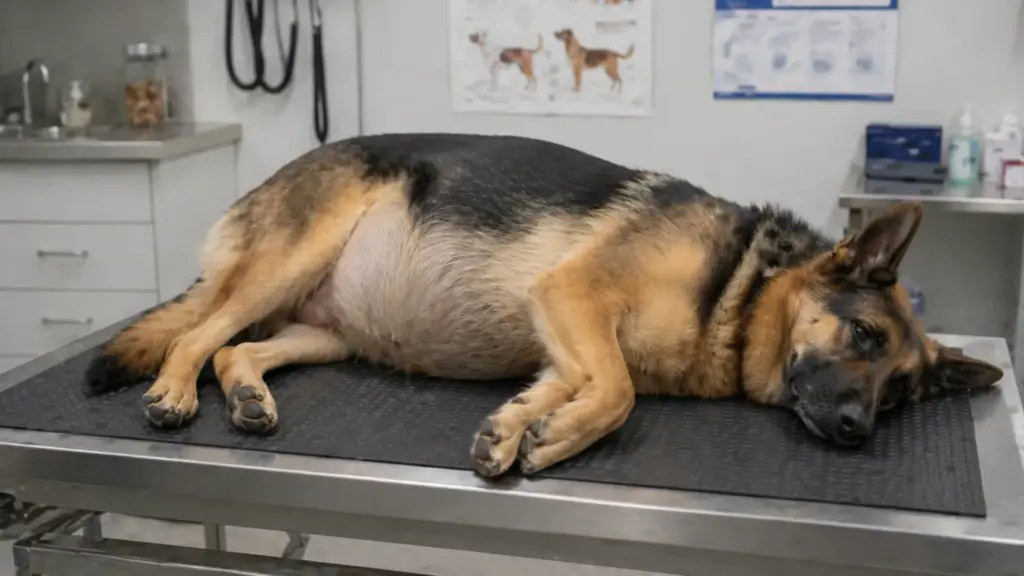
It often starts with something small, a dog that will not sit still, a strange look of discomfort, or a swollen belly that was not there before.
In that moment, confusion quickly turns into worry. Many dog owners are not aware of the signs of bloat in dogs until it becomes urgent, and that delay can make all the difference.
This condition moves fast and does not always give clear warnings at first. That is what makes it so dangerous.
In my years of practice, bloat is one of those conditions I never take lightly, no matter how experienced the pet owner in front of me is. The dogs I see come in at very different stages.
Understanding these signs in dogs is not just helpful; it is something every dog owner should know.
When a normal day suddenly feels off, recognizing these changes early can mean acting in time, staying calm under pressure, and protecting a life that depends completely on you.
What is Bloat in Dogs?
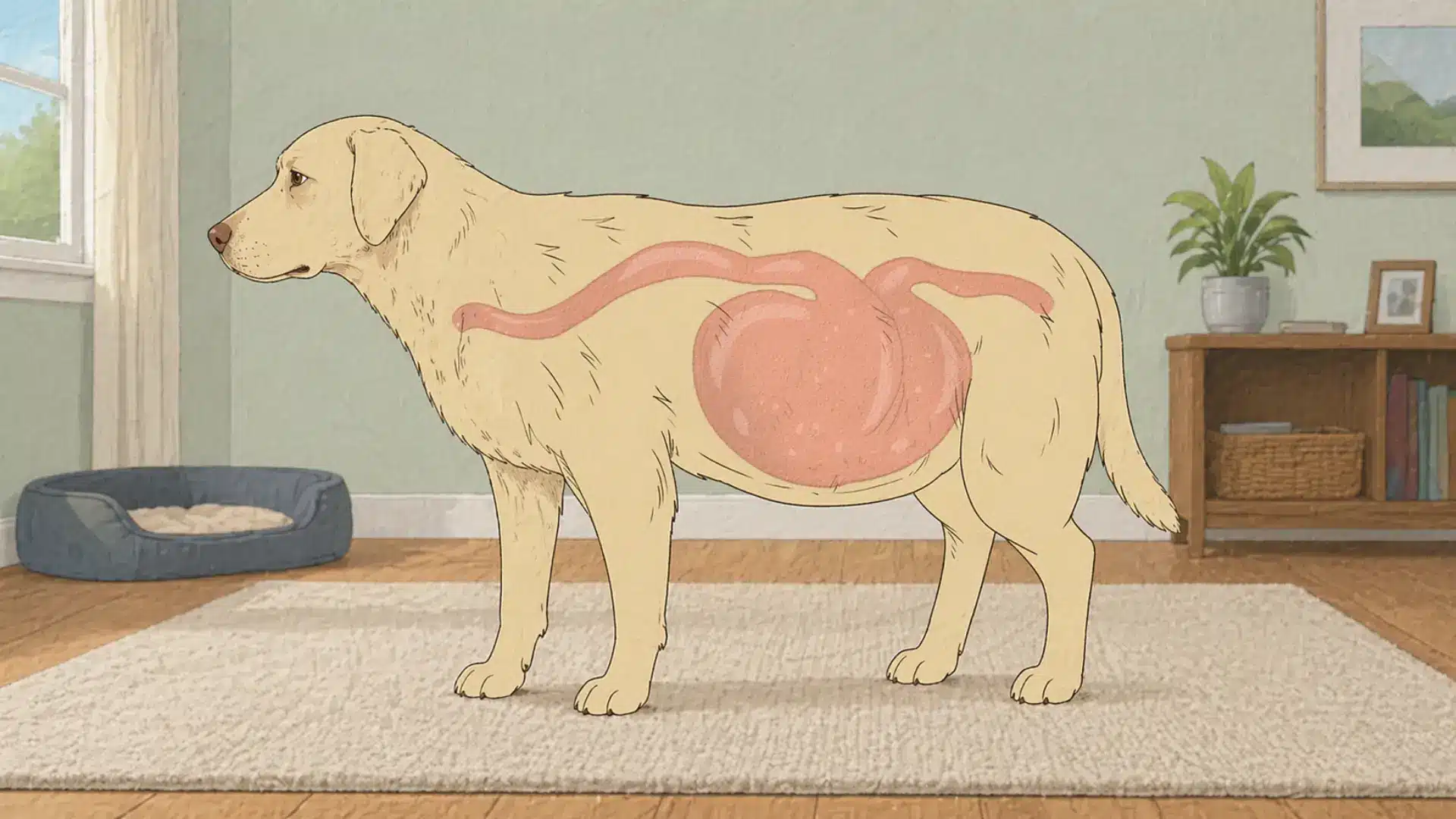
Bloat in dogs is a serious and fast-moving condition where the stomach fills with gas, food, or fluid and expands beyond its normal size.
In more severe cases, the stomach can twist on itself, cutting off blood flow and trapping the contents inside, which is known as gastric dilatation volvulus.
The pace of bloat varies, but GDV can become life-threatening in as little as 1 to 2 hours after the stomach twists.
Many pet owners first notice signs of bloat in dogs when the belly suddenly looks swollen, or the dog becomes restless and uncomfortable.
Unlike simple stomach upset, this condition does not resolve on its own and requires immediate medical attention.
According to the American Kennel Club, GDV is one of the leading causes of death in large breed dogs, second only to cancer.
Understanding how bloat starts and how quickly it can worsen helps dog owners stay alert and act without delay.
Signs of Bloat in Dogs You Should Never Ignore
Bloat is not something that gives you a long warning window. It can start quietly and then turn serious very fast. That is why recognizing the signs of bloat early can make a real difference.
1. Behavioral Changes
One of the earliest signs of bloat in dogs is a clear shift in behavior. A normally calm dog may become restless, pacing around the room or yard without settling down.
You might notice signs of anxiety, such as whining, panting, or constant movement. Some dogs try to lie down but quickly get back up, unable to find comfort.
This repeated cycle of lying down and getting up is one of the most consistent behavioral patterns I see in dogs presenting with bloat.
2. Subtle Physical Indicators
Early physical signs can be easy to miss if you are not looking closely. Dogs may start drooling more than usual or produce thick saliva.
Light panting without exercise is another common clue. Some dogs will turn their head to look at their stomach or lick the area often.
Watching for these subtle changes helps you react before the condition becomes severe.
3. Appetite and Posture Changes
A sudden change in eating habits is another warning sign. A dog that usually eats eagerly may refuse food or walk away from the bowl.
You may also notice unusual body positions, such as stretching forward with the front legs down and rear raised. This posture can indicate discomfort in the stomach area.
Some dogs stand with a wide stance or keep shifting their weight.
These changes, combined with other signs of bloat in dogs, often suggest that something is wrong internally and needs quick attention.
4. Unproductive Retching
This is one of the most important signs to recognize. A dog may try to vomit, but nothing comes out, or only a small amount of foam appears.
It happens because the stomach is blocked, preventing normal vomiting. If you see your dog making repeated attempts to throw up without success, do not wait.
Dogs that show repeated retching alongside other stomach distress may also be experiencing vomiting and diarrhea triggered by separate digestive conditions, so knowing the difference matters.
5. Distended or Hard Belly
A swollen abdomen is one of the more visible signs of bloat in dogs. The belly may look larger than normal and feel tight when touched, often described as drum-like.
This swelling can appear quickly and may be more noticeable on one side. Dogs may react with pain if you touch their stomach or try to move away.
This is not normal bloating from food. A firm, expanded belly combined with discomfort is a serious sign that requires immediate attention.
6. Collapse or Inability to Stand
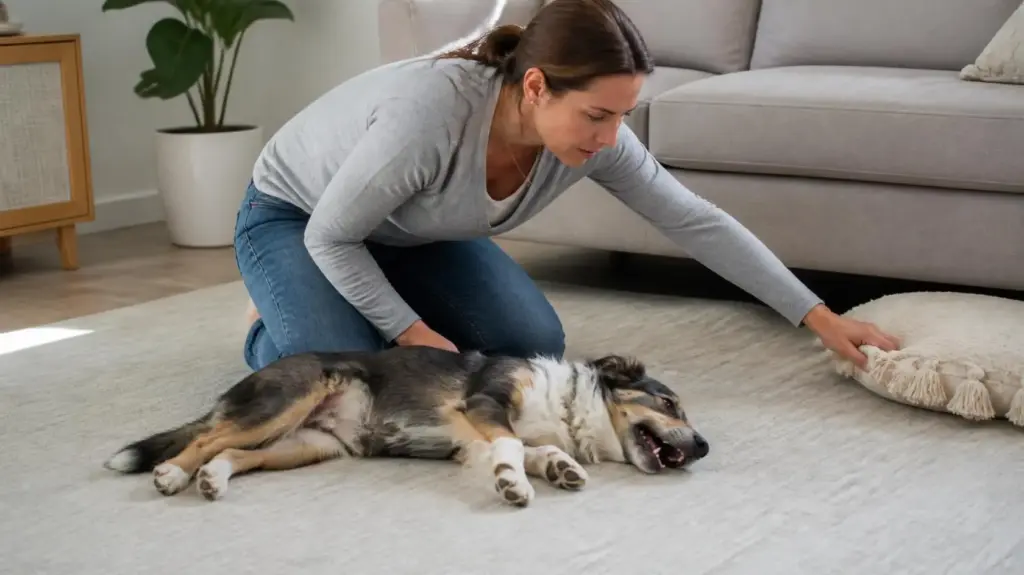
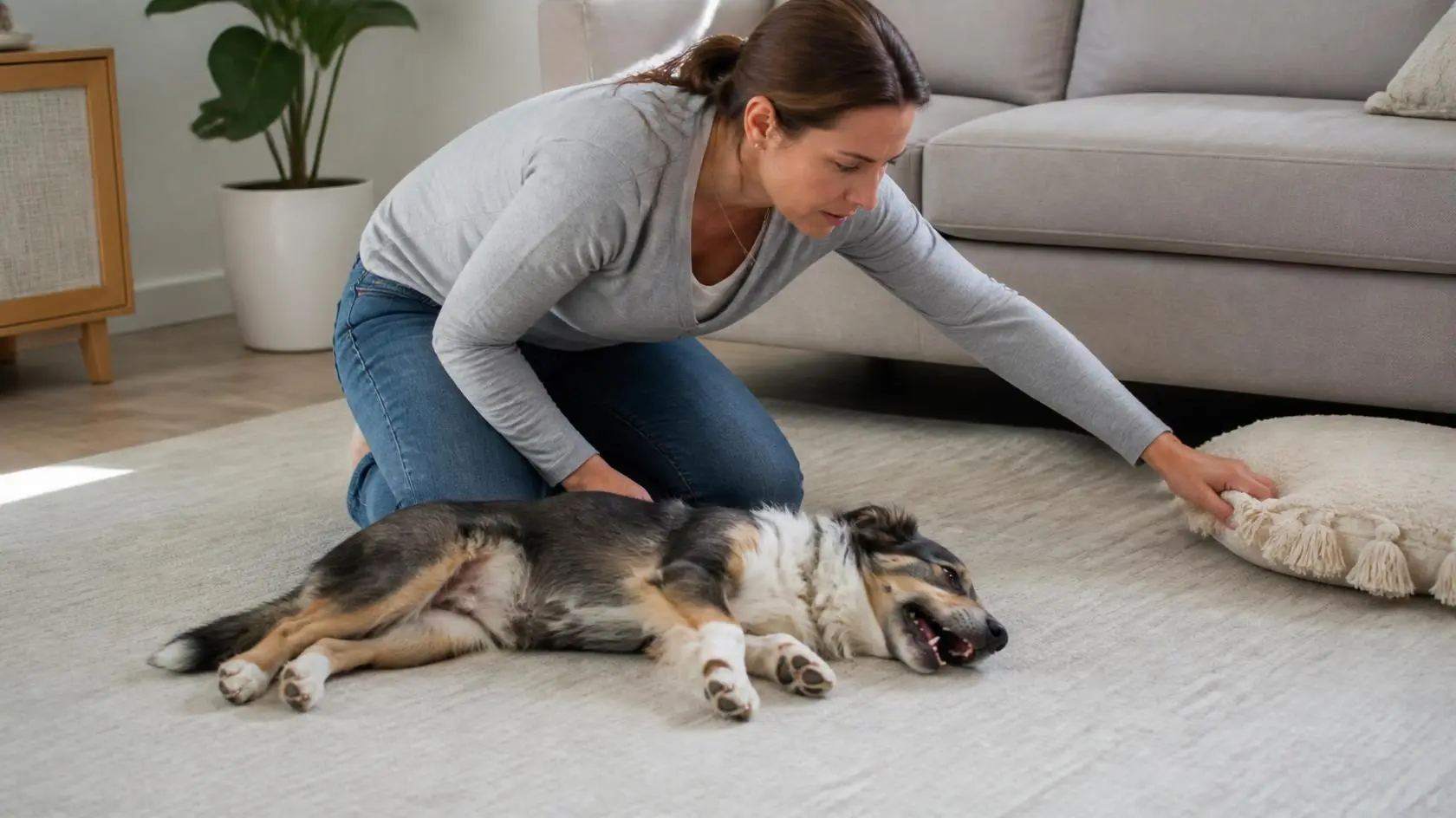
In advanced stages, dogs may become too weak to stand or may suddenly collapse. This is one of the most severe signs in dogs and indicates that the body is shutting down.
The dog may appear disoriented, lose balance, or lie on the ground without getting up. Breathing may become shallow or irregular.
This is a life-threatening situation that needs immediate emergency care. Any delay at this stage can be dangerous, so a fast response is essential.
7. Circulatory Shock Symptoms
As the condition worsens, it can affect blood flow and lead to shock. One of the key signs in dogs at this stage is pale or white gums instead of healthy pink gums.
Checking gum color takes two seconds and can tell you a great deal. Press a finger lightly against your dog’s gum, release, and count how long it takes for the pink color to return; this is called capillary refill time.
In a healthy dog, color returns in under 2 seconds. Anything longer, or gums that are pale to begin with, needs emergency attention immediately.
Pale gums, sudden weakness, and loss of coordination can also be signs of internal bleeding in dogs, which carries a similarly urgent need for emergency care.
Causes of Bloat in Dogs
Bloat in dogs does not happen without reason. Several factors can increase the risk, especially in certain breeds and lifestyles. Knowing these causes helps spot early warning signs and reduce the risk of this dangerous condition.
- Eating too quickly: Dogs that gulp their food swallow excess air, which can lead to pressure buildup and early signs of bloat.
- Large meals at once: Feeding one heavy meal instead of smaller portions can overload the stomach.
- Excessive water intake after eating: Drinking large amounts of water right after meals may expand the stomach rapidly.
- Exercise after meals: Running or playing immediately after eating can disturb digestion and increase the risk.
- Deep chested body structure: Breeds with narrow, deep chests are more prone to developing signs in dogs.
- Stress or anxiety: Nervous behavior can affect digestion and lead to air swallowing.
Which Dogs Are Most at Risk of Bloat?
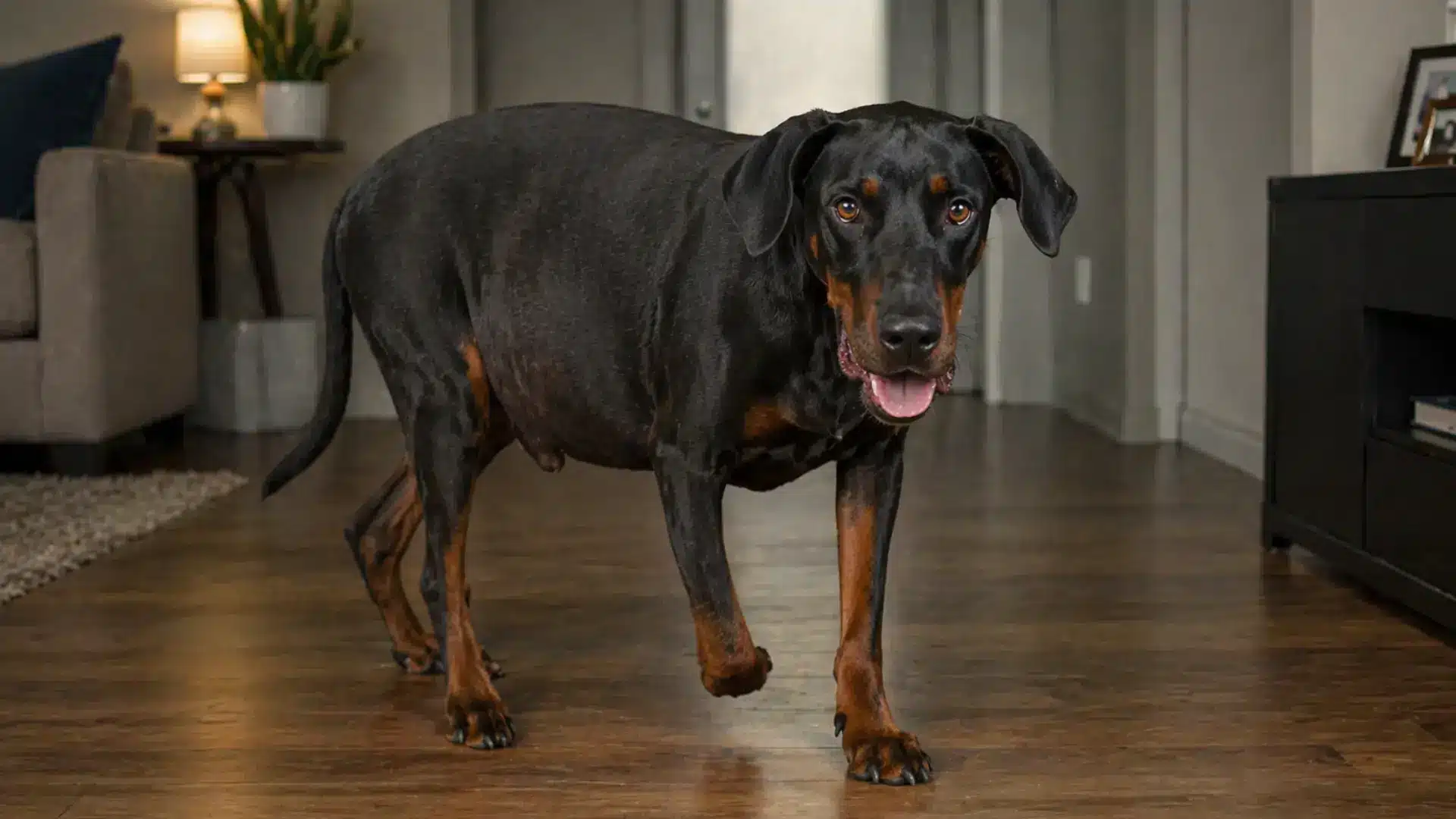
Some dogs have a much higher chance of developing this condition due to their body type, age, and daily habits.
According to the American College of Veterinary Surgeons, large and giant breeds are the most at risk, especially those with deep chests like Great Danes, German Shepherds, Dobermans, and Boxers.
Their body shape allows the stomach more space to move and twist, which increases the likelihood of serious issues.
Older dogs, usually above 7 years, are also more vulnerable because the stomach support weakens over time.
Fast eaters, anxious dogs, and those that exercise right after meals show early signs of bloat in dogs more often than calm, slow eaters.
Dogs with a family history of this condition are also at higher risk.
What to Do Immediately if You Notice Signs of Bloat?
If you notice the signs of bloat in dogs, act immediately without waiting to see if the condition improves.
This is a medical emergency that can worsen within minutes, so take your dog to the nearest veterinary clinic right away and call ahead so the team is prepared.
Do not try home remedies or give food or water, and avoid any medication, as these can make the situation worse.
Many owners delay thinking it might pass, but these signs require urgent care every time.
At the clinic, the vet will work quickly to release the trapped gas using a needle or tube, provide IV fluids to stabilize your dog, and monitor vital signs closely.
In severe cases, emergency surgery may be needed to untwist the stomach and prevent further damage, so fast action can save your dog’s life.
Tips to Prevent Bloat in Dogs
Preventing this condition starts with small daily habits that reduce stress on your dog’s stomach. While no method guarantees complete safety, these practical steps can lower the risk of bloat.
- Feed smaller, more frequent meals: Divide daily food into two or three portions to reduce the risk of stomach pressure buildup.
- Slow down eating speed: Use slow-feeder bowls to prevent gulping air and reduce these signs in dogs.
- Limit water intake after meals: Avoid large water consumption immediately after eating to prevent rapid stomach expansion issues.
- Restrict exercise post-meals: Keep dogs calm for at least one hour after eating to support proper digestion.
- Reduce stress during feeding: Create a calm environment to minimize anxiety-related air swallowing and digestive disturbance.
- Choose proper food type: Avoid highly fermentable foods that may increase gas production inside the stomach over time.
- Regular vet checkups: Routine health monitoring helps detect early signs of bloat in dogs and underlying risks.
Conclusion
Bloat can escalate faster than most pet owners expect, which is why awareness and quick action matter so much.
Even small symptoms like pacing, drooling, or a firm belly can signal something serious. Paying attention and trusting those early signs can make a real difference in protecting a dog’s health.
The signs of bloat in dogs are often the only warning before the condition becomes critical, so staying informed is key.
Every experience, whether a scare or a real case, can help others stay prepared.
Have you ever noticed unusual symptoms in your dog or dealt with bloat before? Share your experience in the comments below and help other dog owners stay alert and informed.
Frequently Asked Questions
Can a Dog Survive Bloat Without Surgery?
Simple bloat without twisting may respond to decompression, but true GDV requires surgery. Without surgery, survival chances drop significantly, and delay can become life-threatening quickly.
Is There a Home Test to Check for Bloat?
No reliable home test exists for confirming bloat. Only an X-ray can diagnose it. If symptoms appear, immediate veterinary care is the safest and correct step.
What Can Be Mistaken for Dog Bloat?
Conditions like overeating, gas buildup, fluid accumulation, or tumors can mimic bloat. However, rapid swelling with distress and retching strongly points toward serious bloat.