Some cats just don’t put on weight easily, and it can feel confusing when they keep eating but still look thin. There can be a few reasons behind it.
Health issues like worms or infections can affect weight. A low appetite can also slow things down. Sometimes, the food itself does not provide enough calories or the right nutrients.
This is where homemade cat food to gain weight can make a difference, especially when you control what goes into each meal.
As a pet nutritionist, I see this more than people expect. The good news is that homemade cat food to gain weight gives you real control over what goes into every meal, which is something commercial options rarely offer for cats with specific calorie needs.
In this blog, you will find simple recipes, clear feeding tips, and safety points to follow so your cat gains weight at a pace that’s actually good for them.
Why Your Cat May Be Underweight
An underweight cat may needhomemade cat food to gain weight when regular meals are not providing enough calories, protein, or healthy fats to support steady weight gain.
In many cases, cats lose weight due to stress, picky eating, recovery from illness, dental discomfort, or age-related changes in appetite.
This matters because weight gain in cats should come from muscle support and proper nourishment, not just extra filler.
Veterinary nutrition guidelines indicate that underweight cats require approximately 50–60 calories per kilogram of body weight daily, roughly 20%–30% more than a healthy adult cat at maintenance.
A standard 5-lb underweight cat may need 280-340 calories per day to begin gaining weight safely.
When planned correctly, homemade cat food to gain weight can be a practical way to support a healthy body condition and improve daily eating habits.
One thing I always tell pet owners: if your cat has been losing weight for more than a few weeks, get a vet check before changing the diet.
Weight loss can be a symptom, not just a feeding problem. Once you have a clean bill of health, homemade food becomes a genuinely useful tool.
What Makes Cat Food Good for Weight Gain
The right food helps a cat gain weight in a steady way by focusing on calories, nutrition, and digestion without putting extra strain on the body.
- High calorie density: Foods with more calories in small portions help cats eat less but still gain weight over time
- Protein-rich ingredients: Meat-based protein supports muscle growth and keeps the body strong during weight gain
- Healthy fats: Fats like fish oil or chicken fat add extra calories and improve coat and skin health
- Easy to digest foods: Simple, soft foods help the body absorb nutrients better without causing stomach issues
- Balanced nutrients: A proper mix of vitamins, minerals, protein, and fat ensures weight gain stays healthy and not harmful
Homemade Cat Food Recipes
Always be careful when preparing homemade cat food to help your cat gain weight. It should be balanced, not just high in calories. Avoid feeding fatty meats or treats, as improper nutrition can harm your cat’s health.
1. Chicken and Egg High-Calorie Food Recipe
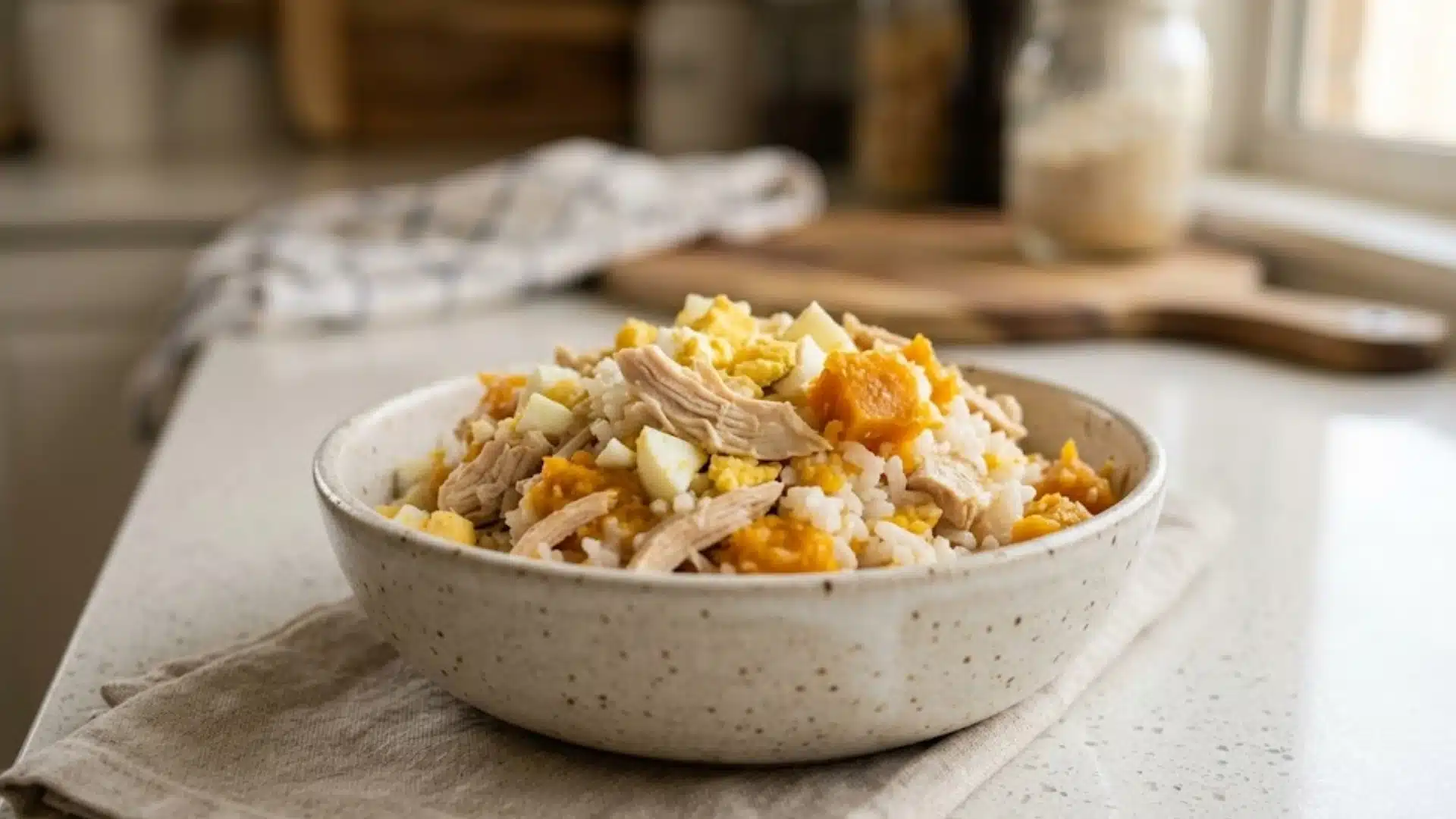
This recipe combines rich animal protein from chicken with the nutrient density of eggs, making it an energy-dense option for cats that need to rebuild body weight.
The natural fats from fish oil or chicken fat provide concentrated calories without relying on low-quality fillers. Taurine and calcium supplementation ensure the meal is nutritionally complete for long-term use.
Ingredients: Cooked chicken (1 cup, shredded), boiled egg (1, chopped), fish oil or chicken fat (1–2 tsp), cooked white rice (2–3 tbsp, optional), plain pumpkin (1–2 tbsp, optional), taurine supplement, calcium source (eggshell powder or supplement)
How to make:
- Cook the chicken fully and shred it into small pieces.
- Boil the egg and chop it into fine bits.
- Add rice and pumpkin if using, then combine everything in a bowl.
- Mix in fish oil or chicken fat to increase calories.
- Let it cool down fully before serving.
2. Turkey and Pumpkin Soft Meal for Underweight Cats
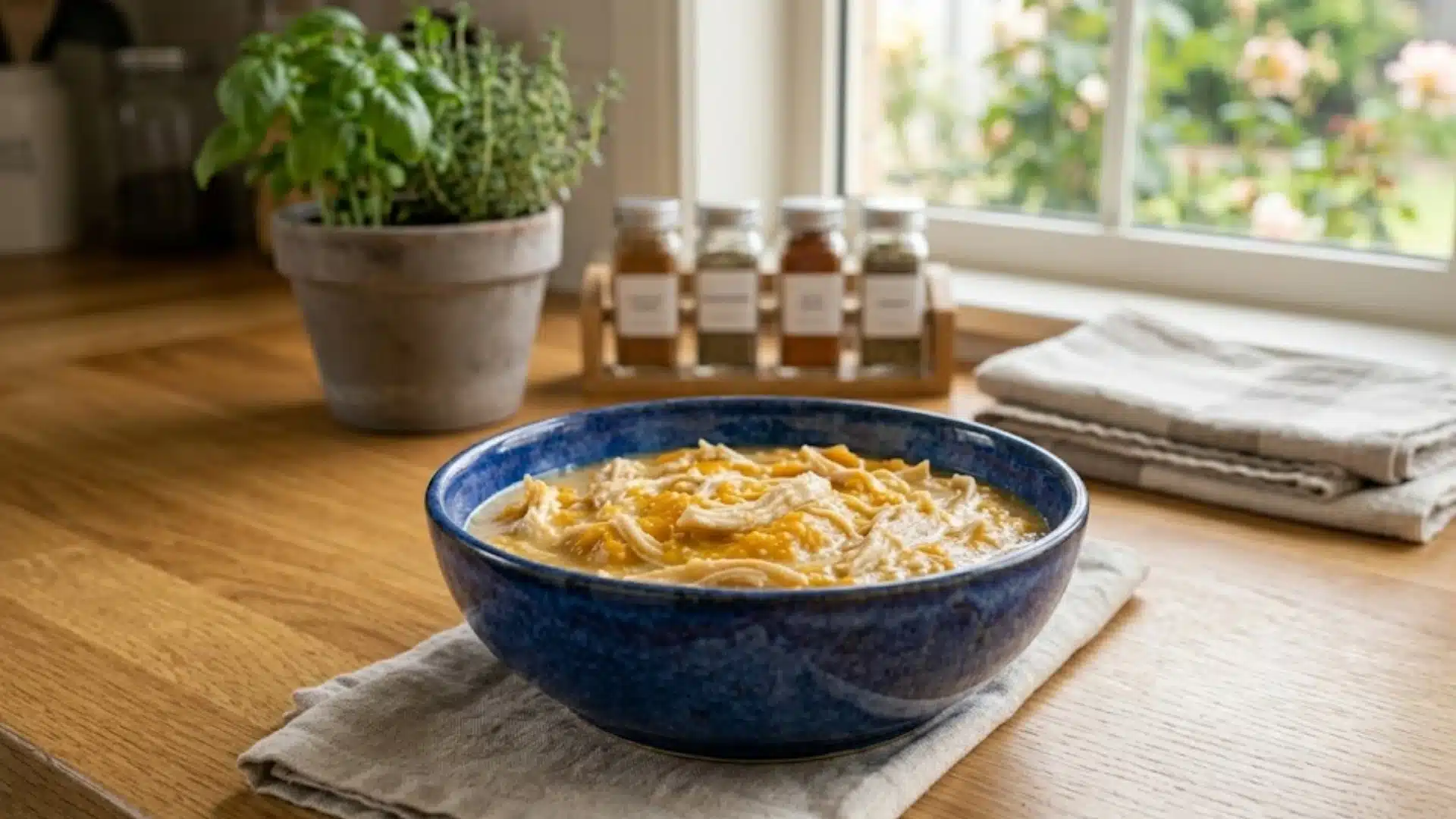
Turkey provides lean, highly digestible protein that supports muscle rebuilding without overwhelming a sensitive stomach.
This soft meal is particularly well-suited for cats recovering from illness or those with a history of digestive sensitivity.
The addition of plain pumpkin actively supports gut health, while warm broth or water improves hydration and palatability.
Ingredients: Cooked turkey (1 cup, shredded), plain canned pumpkin (2–3 tbsp, unsweetened), fish oil or turkey fat (1–2 tsp), cooked white rice (2 tbsp, optional), taurine supplement, calcium source, warm water or low-sodium broth (2–3 tbsp)
How to make:
- Cook the turkey well and break it into soft shreds.
- Add plain pumpkin and mix until smooth.
- Stir in rice if you want extra calories.
- Pour in a little warm water or broth with added fat.
- Mix well and cool before feeding.
3. Salmon and Eggs Recipe
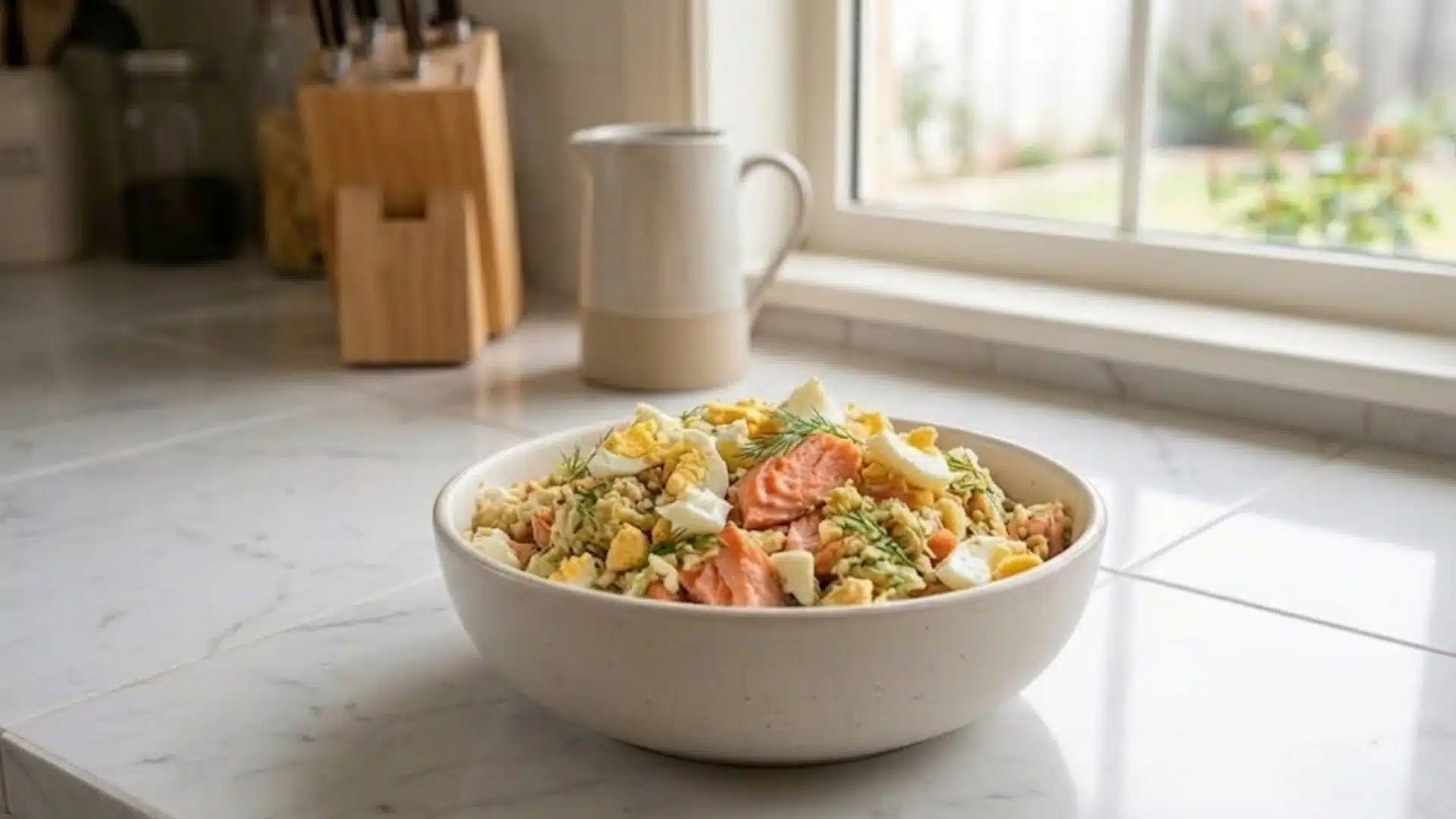
Salmon is rich in omega-3 fatty acids that support coat health, reduce inflammation, and deliver concentrated energy for weight gain.
Combined with egg protein, this recipe helps underweight cats build muscle mass while improving their overall body condition.
Optional rice or mashed sweet potato adds digestible carbohydrates for additional calories, while low-sodium broth keeps the mixture moist and appetizing. Careful bone removal is essential before serving to ensure safety.
Ingredients: Cooked salmon (1 cup, boneless, skinless), boiled egg (1, chopped), fish oil (1–2 tsp, optional), cooked rice or mashed sweet potato (2 tbsp, optional), taurine supplement, calcium source, warm water or low-sodium broth (2–3 tbsp)
How to make:
- Cook the salmon and remove all bones carefully.
- Flake the fish into very small pieces.
- Boil the egg and mix it with the salmon.
- Add rice or sweet potato along with oil and a bit of broth.
- Let the mixture cool before serving.
4. Tuna Topper Recipe to Encourage Appetite
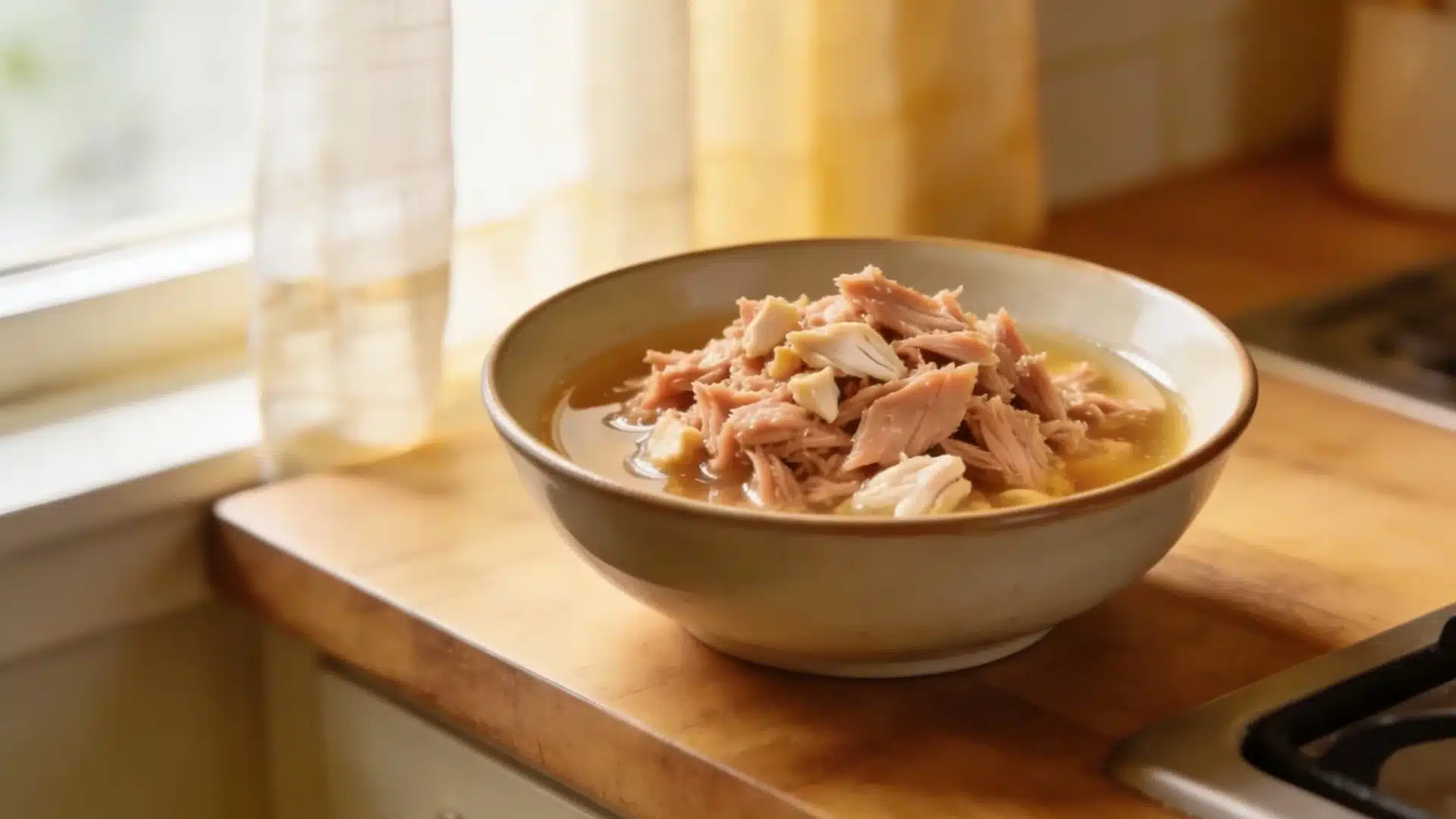
The strong, naturally pungent smell of tuna is highly effective at stimulating appetite in picky eaters or cats recovering from illness.
Used as a topper rather than a full meal, it makes existing food more enticing without disrupting a balanced feeding routine.
Low-sodium tuna in water is the safest choice, as oil-packed varieties add excess fat and salt-packed versions pose kidney risks. A small amount goes a long way in motivating hesitant cats to eat more consistently.
Ingredients: Canned tuna in water (2–3 tbsp, low-sodium), plain cooked chicken (1–2 tbsp, shredded, optional), warm water or low-sodium chicken broth (1–2 tbsp), fish oil (1 tsp, optional)
How to make:
- Drain the tuna well to remove excess salt.
- Break it into soft flakes in a bowl.
- Add shredded chicken if needed for extra protein.
- Mix in warm water or broth for moisture.
- Spoon a small amount over regular food.
5. Duck and Egg Yolk Recipe for More Calories
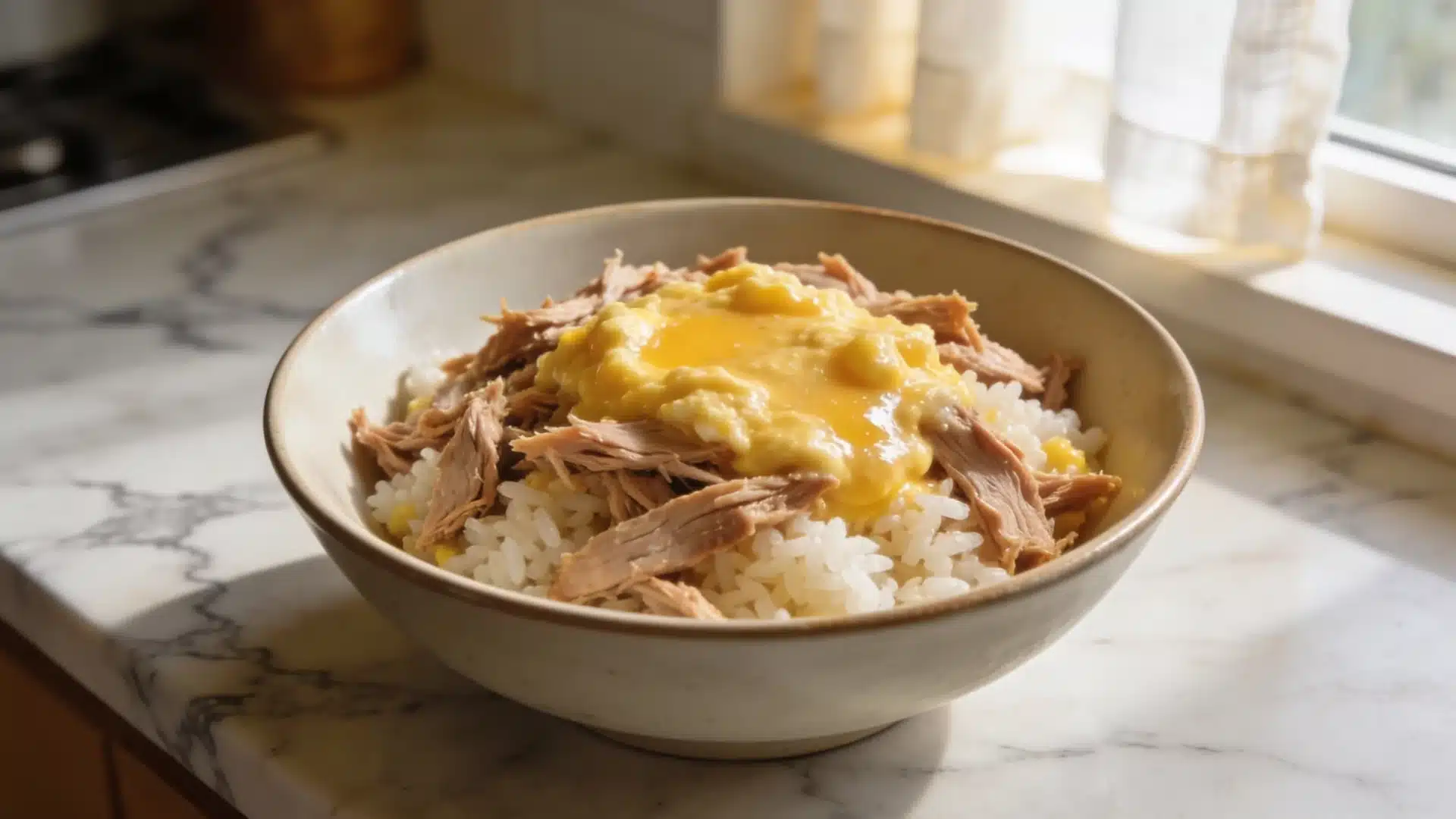
Duck is naturally higher in fat than chicken or turkey, making it one of the most calorie-dense poultry options for supporting weight gain in underweight cats.
The richness of duck fat, combined with nutrient-packed egg yolk, promotes improved body condition and a stronger appetite.
Egg yolk should be used in moderation due to its high fat content, but its vitamins and healthy lipids make it a valuable addition to this recipe.
Ingredients: Cooked duck (1 cup, boneless, shredded), egg yolk (1, lightly cooked or boiled), duck fat or fish oil (1–2 tsp), cooked white rice (2 tbsp, optional), taurine supplement, calcium source, warm water or low-sodium broth (2–3 tbsp)
How to make:
- Cook the duck fully and shred it into fine pieces.
- Lightly cook the egg yolk and mash it.
- Combine duck, egg yolk, and rice if using.
- Add duck fat or fish oil with a bit of liquid.
- Mix well and cool before serving.
6. Beef and Liver Recipe for Calorie-Dense Feeding
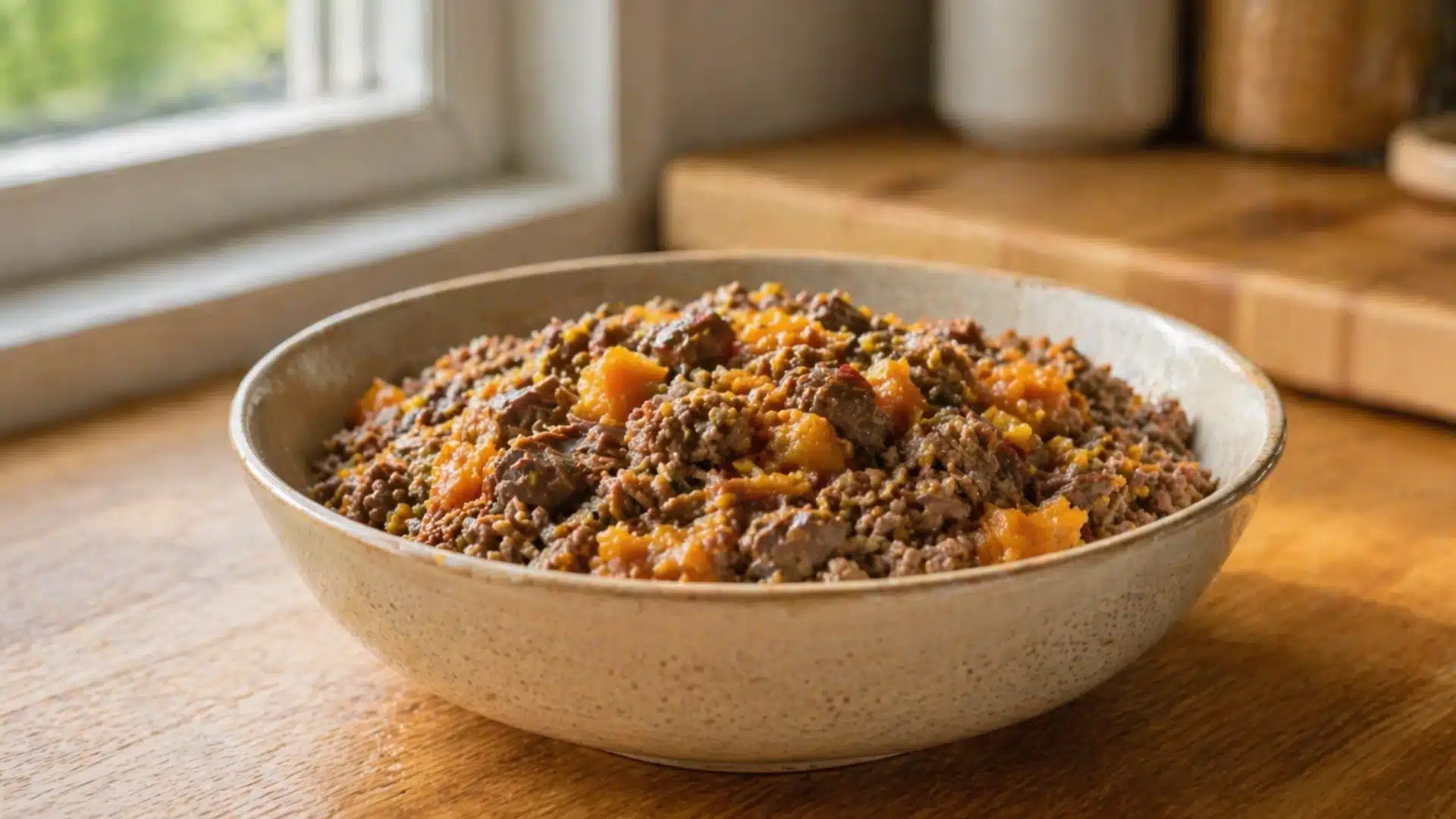
Ground beef provides substantial protein and fat for steady calorie intake, while chicken or beef liver adds a concentrated boost of vitamins, iron, and amino acids.
Together, they create a nutrient-dense meal that supports meaningful weight gain over time.
Rice or pumpkin aids digestion and adds extra calories, and bone broth softens the texture, making it easier for a weak or picky cat to eat.
Ingredients: Cooked ground beef (1 cup, lean), cooked chicken or beef liver (½ cup, finely chopped), cooked white rice or mashed pumpkin (¼ cup), fish oil or chicken fat (1 tbsp), unsalted bone broth or water (2–3 tbsp)
How to make:
- Cook ground beef and liver separately until fully done.
- Chop the liver into very small pieces.
- Mix the beef and liver together in a bowl.
- Add rice or pumpkin along with fat and broth.
- Stir well and allow it to cool before feeding.
7. Beef and Carrot Mix Recipe
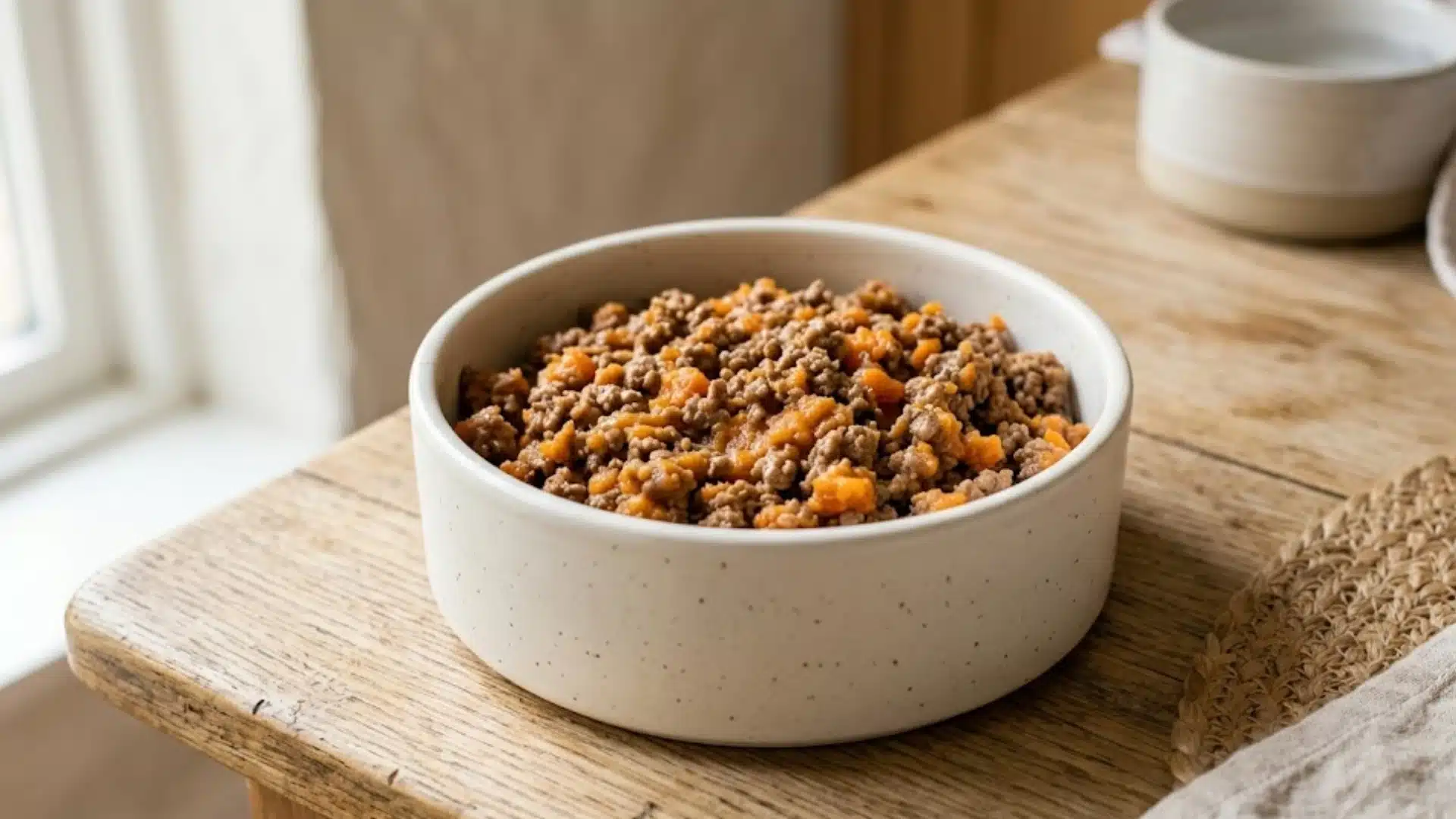
This recipe pairs the protein and calorie density of ground beef with the fiber and digestive benefits of well-cooked carrots, creating a more varied diet for cats on a weight-gain plan.
A slightly fattier cut of beef is recommended here to boost the meal’s energy content. Carrots should be cooked until very soft and kept to a small quantity, so they support digestion without filling the cat up too quickly.
Fish oil or olive oil increases calorie density, and beef broth adds moisture that improves palatability for less enthusiastic eaters.
Ingredients: Cooked ground beef (1 cup, slightly fatty), finely chopped carrots (2 tbsp, well-cooked and soft), unsalted beef broth or warm water (1 tbsp), fish oil or olive oil (1 tsp), cooked white rice (1–2 tbsp, optional)
How to make:
- Cook the beef fully and set it aside.
- Boil or steam carrots until very soft.
- Mash or finely chop the carrots.
- Combine beef, carrots, oil, and a bit of broth.
- Mix evenly and let it cool slightly.
8. Sardine Weight Gain Mix for Cats
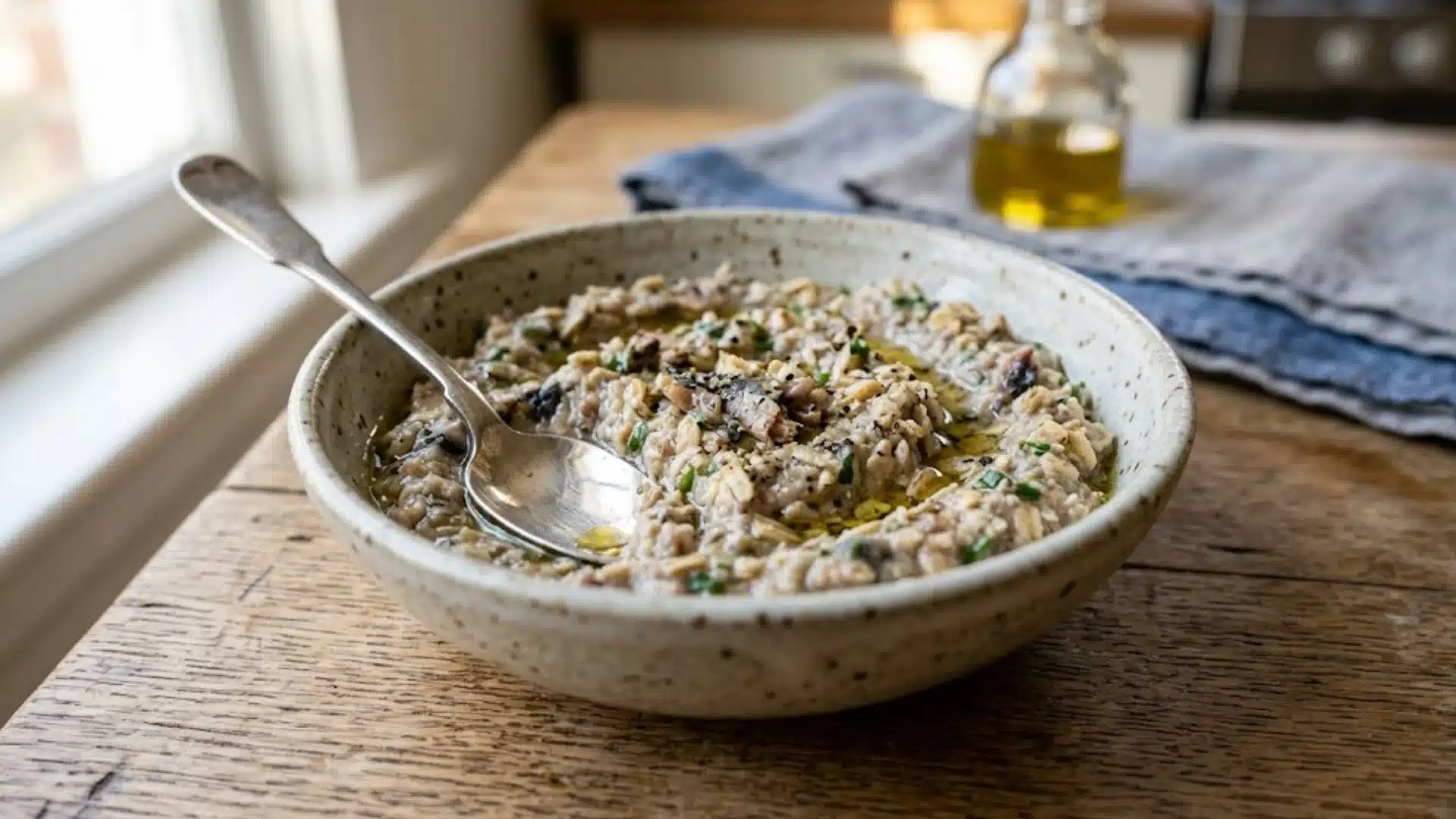
Sardines are rich in protein, healthy fats, and omega-3 fatty acids, making them a compact and highly effective ingredient for supporting weight gain and overall vitality.
Their strong aroma also helps stimulate appetite in cats that are reluctant to eat.
Oats or rice add extra calories and help bind the mixture to a pleasant texture, while oil and broth increase the energy density of each serving.
Ingredients: Sardines in water (2, boneless and unsalted), cooked oats or white rice (1 tbsp), olive oil or fish oil (1 tsp), warm water or unsalted broth (1–2 tbsp)
How to make:
- Mash the sardines well and check for any bones.
- Add cooked oats or rice for texture.
- Mix in oil to increase calorie content.
- Add a small amount of warm liquid.
- Stir until smooth and cool before serving.
9. Creamy Egg and Chicken Weight Gain Mix
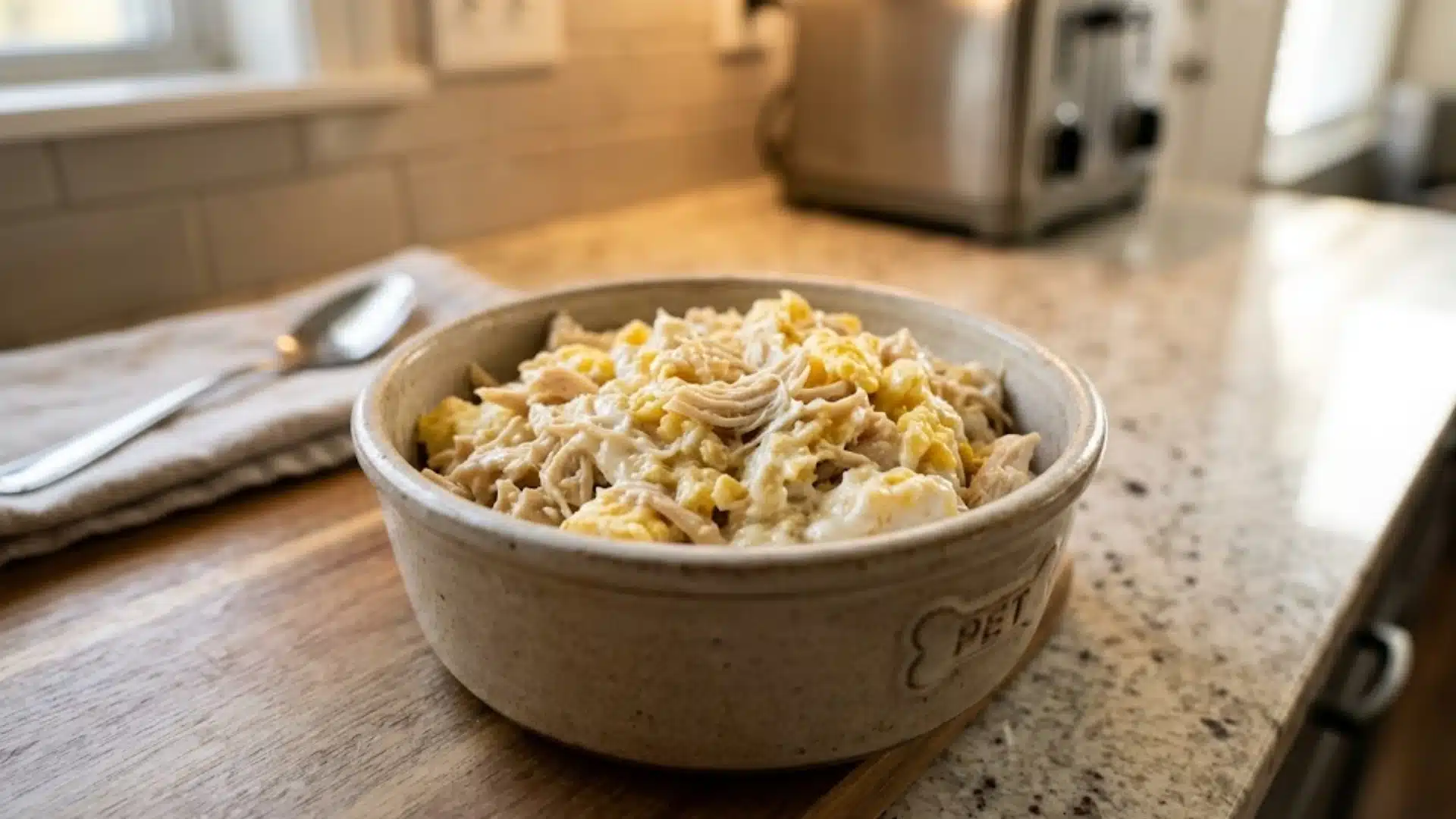
This creamy blend combines the lean protein of shredded chicken with the richness of scrambled egg and full-fat yogurt, creating a soft, calorie-dense meal that is easy for underweight cats to consume.
The texture is particularly appealing to cats with a reduced appetite or difficulty chewing.
Full-fat plain yogurt adds a small probiotic benefit alongside extra calories, but should be used in limited quantities to avoid digestive upset.
Ingredients: Cooked chicken (½ cup, finely shredded), egg (1, lightly scrambled and fully cooked), plain full-fat yogurt (1 tbsp, unsweetened), fish oil or chicken fat (1 tsp), warm water or unsalted chicken broth (1–2 tbsp)
How to make:
- Cook and shred the chicken into very fine pieces.
- Lightly scramble the egg without seasoning.
- Combine chicken and egg in a bowl.
- Add yogurt, fat, and a little broth for texture.
- Mix well and let it cool before serving.
Feeding Tips to Help Your Cat Gain Weight
Small changes in feeding habits can make a big difference, helping cats eat better, digest properly, and gain weight in a steady and safe way.
- Feed smaller meals more often: Giving 3 to 4 small meals a day can improve appetite and make it easier for your cat to consume more calories
- Warm food slightly to boost smell: Slightly warm food smells stronger, which can encourage picky or low appetite cats to eat more
- Stick to a routine: Feeding at the same time each day helps build a habit and keeps your cat comfortable and relaxed
- Monitor portion sizes: Building a consistent cat feeding schedule helps regulate appetite, signals the body to expect food at set times, and makes it easier to track how much your cat is actually eating each day.
- Keep fresh water available: Clean water supports digestion and overall health, which is important during weight gain.
Mistakes to Avoid When Trying to Gain Weight
Trying to help a cat gain weight can go wrong if feeding habits are not handled properly, leading to health issues instead of steady and safe progress.
- Overfeeding suddenly: Giving too much food at once can upset the stomach and may lead to vomiting or refusal to eat later
- Ignoring nutrition balance: Focusing only on calories without proper nutrients can cause weakness and poor overall health
- Feeding only treats: Treats are not complete meals and can lead to nutrient gaps if used as the main food source
- Skipping vet advice: Not checking with a vet can be risky, especially if weight loss is linked to an underlying health issue
- Not tracking progress: Without monitoring weight and eating habits, it becomes hard to know if the diet is actually working or needs changes
When Should a Vet Visit Come Before Changing the Diet?
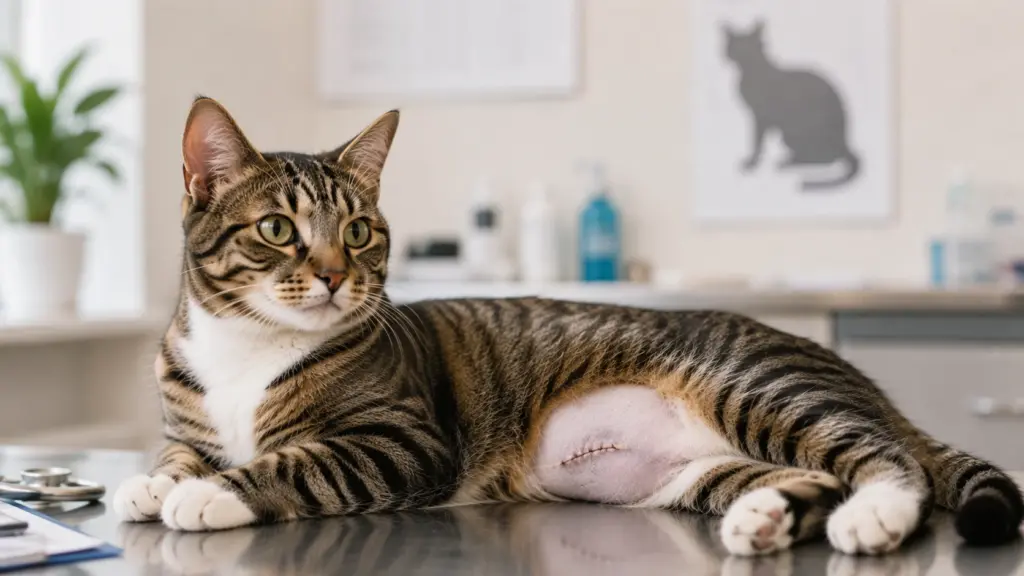
Before switching to homemade cat food to gain weight, consider whether a vet visit is necessary, especially if the cat is showing sudden weight loss or struggling to maintain body condition.
One of the cases I think about most came from a pet owner I consulted with whose senior cat had been steadily losing weight for three months. She had already switched to homemade high-calorie meals.
It turned out to be hyperthyroidism, and once her vet prescribed the appropriate medication, the weight came back within six weeks. The lesson wasn’t that homemade food failed.
When there are signs of kidney disease, diabetes, or dental pain, a vet should always be consulted first.
Cats on medication or prescription diets also need professional guidance before any dietary changes.
A proper diagnosis ensures that homemade cat food for weight gain is safe, effective, and tailored to the cat’s specific health needs rather than masking a deeper issue.
Conclusion
Helping a cat gain weight is not about rushing the process. It takes time, patience, and the right mix of food and habits.
Small changes in diet, along with steady feeding routines, can lead to better results over time. Watching how your cat eats, behaves, and responds to meals matters just as much as the food itself.
Using homemade cat food to gain weight can give better control over ingredients and portion sizes, which helps in building a more suitable diet.
Along with that, keeping track of progress and making slow adjustments can support healthy weight gain without causing stress.
Stick to what works, stay consistent, and keep an eye on any changes that feel off.
What has worked best for your cat so far? Drop your thoughts or questions in the comments below.
Frequently Asked Questions
How Long Does it Take for a Cat to Gain Weight on Homemade Food?
Weight gain usually takes a few weeks with consistent feeding and proper nutrition. Gradual progress is ideal for healthy results.
Can Homemade Cat Food Be Fed Every Day for Weight Gain?
Yes, but it must be nutritionally balanced with essential vitamins and minerals. Long-term feeding should follow vet guidance.
What is the Fastest Way to Increase a Cat’s Calorie Intake?
Adding healthy fats like fish oil or chicken fat increases calories without large portions. Small, frequent meals also help.