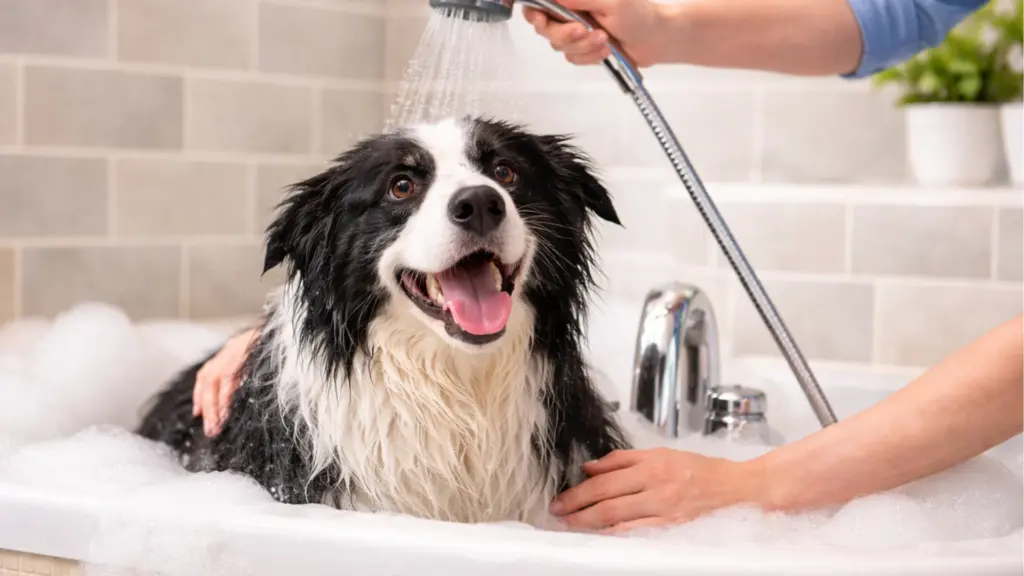
Bath time can feel like a complete mess if you are not ready for it. The dog resists, water splashes everywhere, and somehow you still run out of towels.
By the end, it feels like both of you lost. The good part is, it does not have to be this chaotic. Most of the struggle comes from not having a clear plan.
Once you know what to do and when to do it, things start to feel under control. Even dogs that usually hate water can stay calm if you handle them the right way.
Right in the middle of all this, a proper dog bath routine makes all the difference. It turns a stressful situation into something predictable and easier to manage.
This guide keeps things simple. No fancy tricks, no expensive setup. Just a clear method that actually works at home and helps make bath time smoother for both you and your dog.
Do Dogs Really Need Regular Baths?
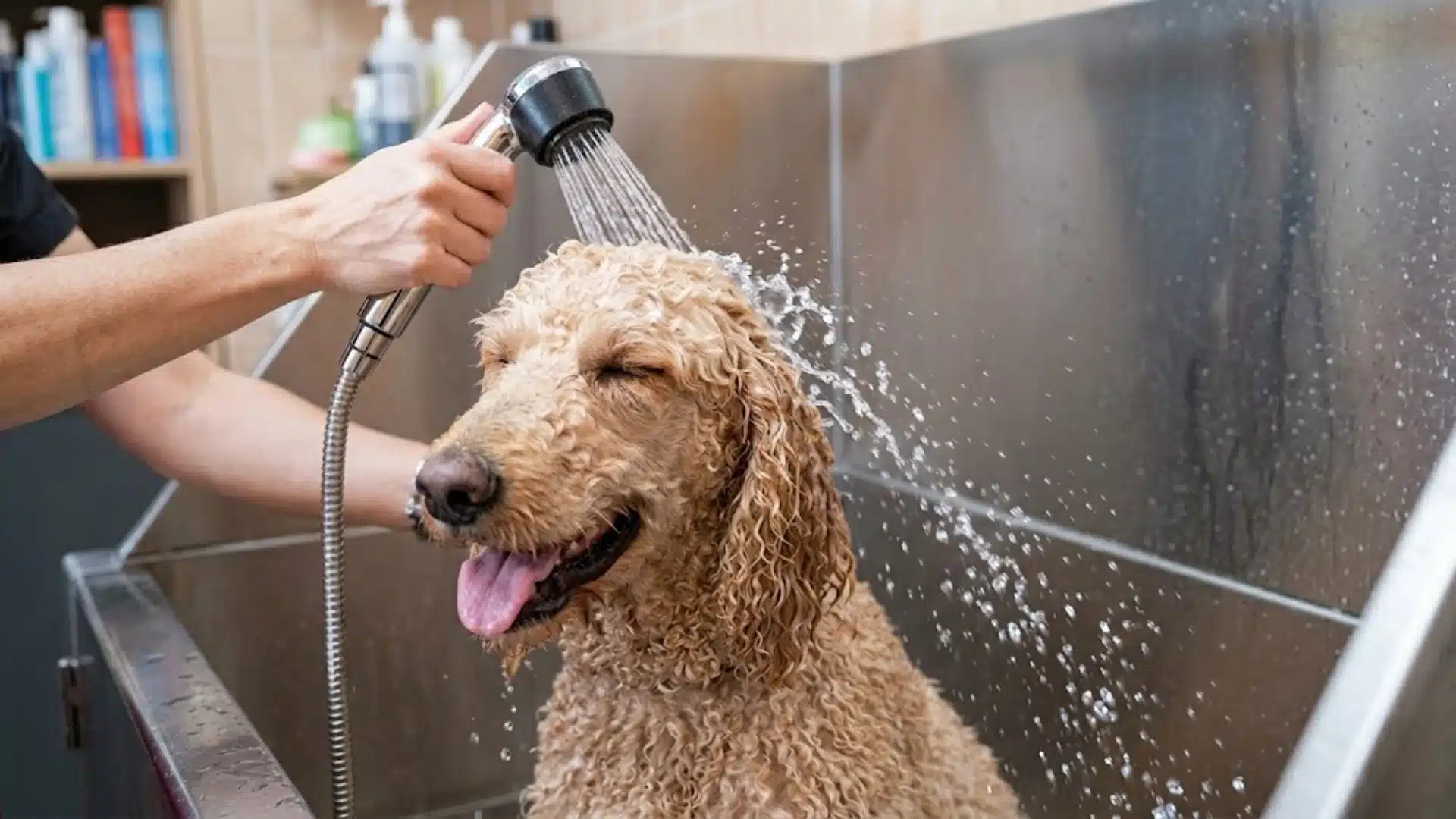
Most dogs do not need frequent baths. For a healthy dog, once every four to six weeks works well. The schedule depends on a few things. Lifestyle, coat type, and how messy your dog gets all matter.
Give your dog a bath when it smells bad, looks greasy, or feels rough. A normal smell is mild and familiar. A dirty smell is sharper or musty. Once you notice it, the timing becomes clear.
Coat type plays a big role. Short-haired dogs stay cleaner for longer and dry quickly. They usually need fewer baths.
Long-haired or double-coated dogs trap more dirt and take longer to dry. They may need more frequent baths. Lifestyle matters too.
Dogs that spend more time outdoors get dirtier faster. Indoor dogs stay cleaner and need fewer baths. The AKC bathing frequency guide notes that dogs with medium-to-large coats may need baths from weekly to every 4 to 6 weeks, as long as the coat is maintained between baths.
Too many baths strip natural oils from the skin. This can lead to dryness, flakes, and irritation. Keeping a balanced routine is more important than bathing too often.
Get Everything Ready Before You Bathe Your Dog
Getting everything ready before bath time saves you from stress later and helps keep the process smooth, controlled, and comfortable for your dog.
- Prepare everything in advance: This is where most people slip up. Once your dog is wet, stopping midway creates stress and confusion, so keep all items ready before you begin.
- Stick to the essentials: A dog shampoo, two towels, and a brush are must-haves. Adding a non-slip mat also makes a big difference during the bath. Not sure which shampoo to reach for if you run out? Check out these safe dog shampoo alternatives you likely already have at home.
- Use a non-slip surface: Dogs often get nervous on slippery floors. A rubber mat helps them stay steady, which keeps them calmer throughout the process.
- Keep helpful extras nearby: Treats are useful for rewarding calm behavior during the bath, while a cup or spray nozzle gives better control over water flow, especially near sensitive areas.
- Be ready for ear care and backups: For dogs with floppy ears, keep cotton balls and a gentle ear solution on hand to prevent moisture buildup. If shampoo runs out, having safe alternatives in mind also helps.
How to Bathe a Dog Properly at Home
1. Start with brushing
Before you even turn on the water, take a few minutes to brush your dog’s coat properly. Dry fur is much easier to work through, and this step helps remove loose hair, dirt, and small debris.
It also prevents mats from tightening once wet, which can become uncomfortable or even painful for your dog.
Regular brushing before a bath also improves shampoo distribution during the bath, making the cleaning process more effective and less stressful overall.
2. Use lukewarm water
Water temperature matters more than most people think. Always use lukewarm water, as anything too hot can irritate your dog’s skin, while cold water can make them anxious and uncomfortable.
A simple way to check is by testing it on your wrist. Keep the water pressure gentle and steady to avoid startling your dog.
A calm start sets the tone for the entire bath, helping your dog stay relaxed and cooperative throughout the process.
3. Wet the body slowly
Begin wetting your dog from the back and gradually move toward the front. This slow approach helps your dog adjust to the sensation of water without panic.
Rushing straight to the head or chest can make them uneasy. For dogs with thick or double coats, take your time to ensure the water reaches the skin and not just the surface.
Proper soaking at this stage makes shampooing easier and ensures a more thorough clean later.
4. Apply shampoo properly
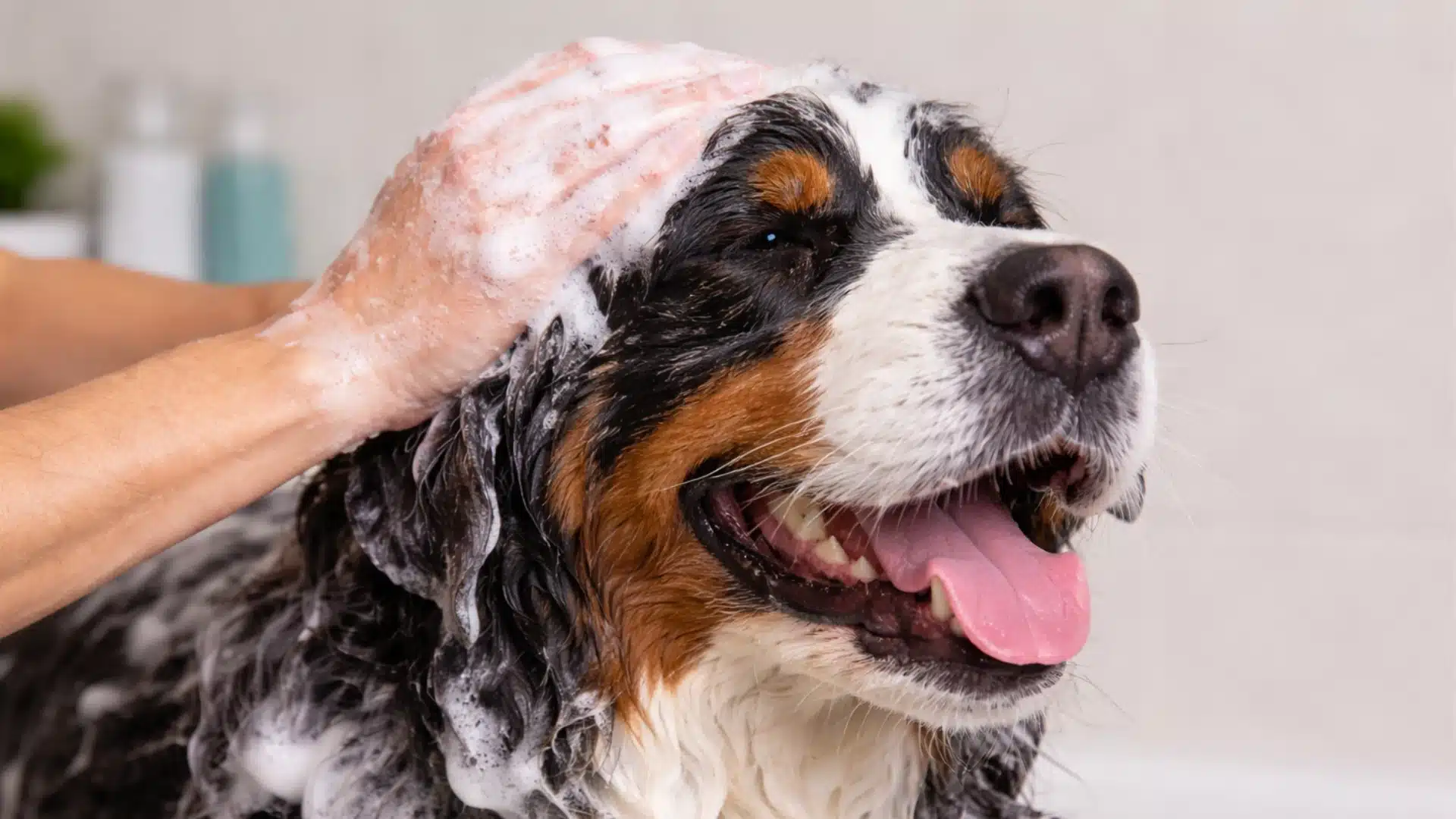
Start applying shampoo at the neck and work down toward the tail. This prevents dirt from moving back onto already cleaned areas.
Use gentle circular motions with your fingers instead of scrubbing harshly, as rough handling can irritate the skin.
Make sure the shampoo is suitable for dogs, not human products. Even coverage is key, so take your time to work through the coat evenly for the best results.
5. Clean sensitive areas carefully
When it comes to the face, avoid pouring water directly onto it. Instead, use a damp cloth to gently wipe around the eyes, nose, and mouth.
This reduces the risk of irritation and keeps your dog calm. Pay extra attention to paws and the tail area, as these tend to collect more dirt.
Keep water out of the ears at all times to prevent infections. Being careful here builds trust and keeps the experience safe for your dog.
6. Rinse thoroughly
Rinsing is one of the most important parts of the bath. Leftover shampoo can cause itching, dryness, and skin issues later.
Take more time than you think necessary and ensure all products are completely washed out. Use your fingers to part the coat and let water reach the skin, especially for thicker fur.
A proper rinse leaves the coat clean, soft, and free from any residue that could cause discomfort after the bath.
7. Dry the right way
After the bath, use a towel to gently press into the coat rather than rub aggressively. Rubbing can create tangles and damage the fur.
Absorb as much water as possible with steady pressure. If you use a dryer, keep it on low heat and continuously move it to avoid overheating any area.
Some dogs prefer air drying, which is fine as long as the environment is warm. Proper drying keeps your dog comfortable and prevents skin issues.
Dog Bathing Frequency Based on Coat Type
Coat type is one of the most important factors in setting the right bathing schedule. Here is a quick breakdown by coat type:
| Coat Type | Examples | Recommended Frequency |
|---|---|---|
| Short-haired/smooth | Beagle, Weimaraner, Dalmatian | Every 6 to 8 weeks, or as needed |
| Medium to long coat | Golden Retriever, Spaniel, Collie | Every 4 to 6 weeks |
| Double coat | Husky, German Shepherd | Every 6 to 12 weeks |
| Curly/woolly coat | Poodle, Bichon Frise | Every 3 to 4 weeks |
| Oily coat | Basset Hound | As often as once a week |
| Dogs with skin conditions | Any breed, vet-directed | As directed, may require medicated shampoo |
Mistakes That Make Bath Time Worse
Bath time can quickly turn stressful if a few common mistakes go unnoticed, and fixing them early makes the whole process smoother for both you and your dog.
- Skipping the pre-bath brush: Wet tangles tighten quickly and can turn into hard-to-fix mats, sometimes requiring cutting rather than simple brushing.
- Using human shampoo: Dog skin differs from human skin, and the wrong shampoo strips natural oils, leaving the coat dry, itchy, and irritated.
- Using “gentle” human products: Even natural or mild products made for people can still cause skin problems and discomfort in dogs.
- Rinsing in a hurry: Shampoo residue stays in the coat even after the lather is gone, leading to itching, flakes, and irritation over time.
- Not rinsing thoroughly: Taking an extra minute to rinse properly prevents long-term skin issues and keeps the coat clean and healthy.
- Letting water enter the ears: Trapped moisture in the ears increases the risk of infection and should be avoided whenever possible.
- Bathing too often: Frequent washing removes natural oils, weakens the skin barrier, and leads to dryness, dull fur, and sensitive skin.
How To Make Bath Time Easier
Small changes can make bath time feel much easier and calmer for both you and your dog. The key is to stay consistent, patient, and focused on simple habits that build comfort over time.
Keep baths short and avoid dragging the process, as quick and calm sessions help your dog feel less stressed and more cooperative next time.
Your behavior also matters a lot, so move slowly, speak softly, and avoid sudden actions that might create fear.
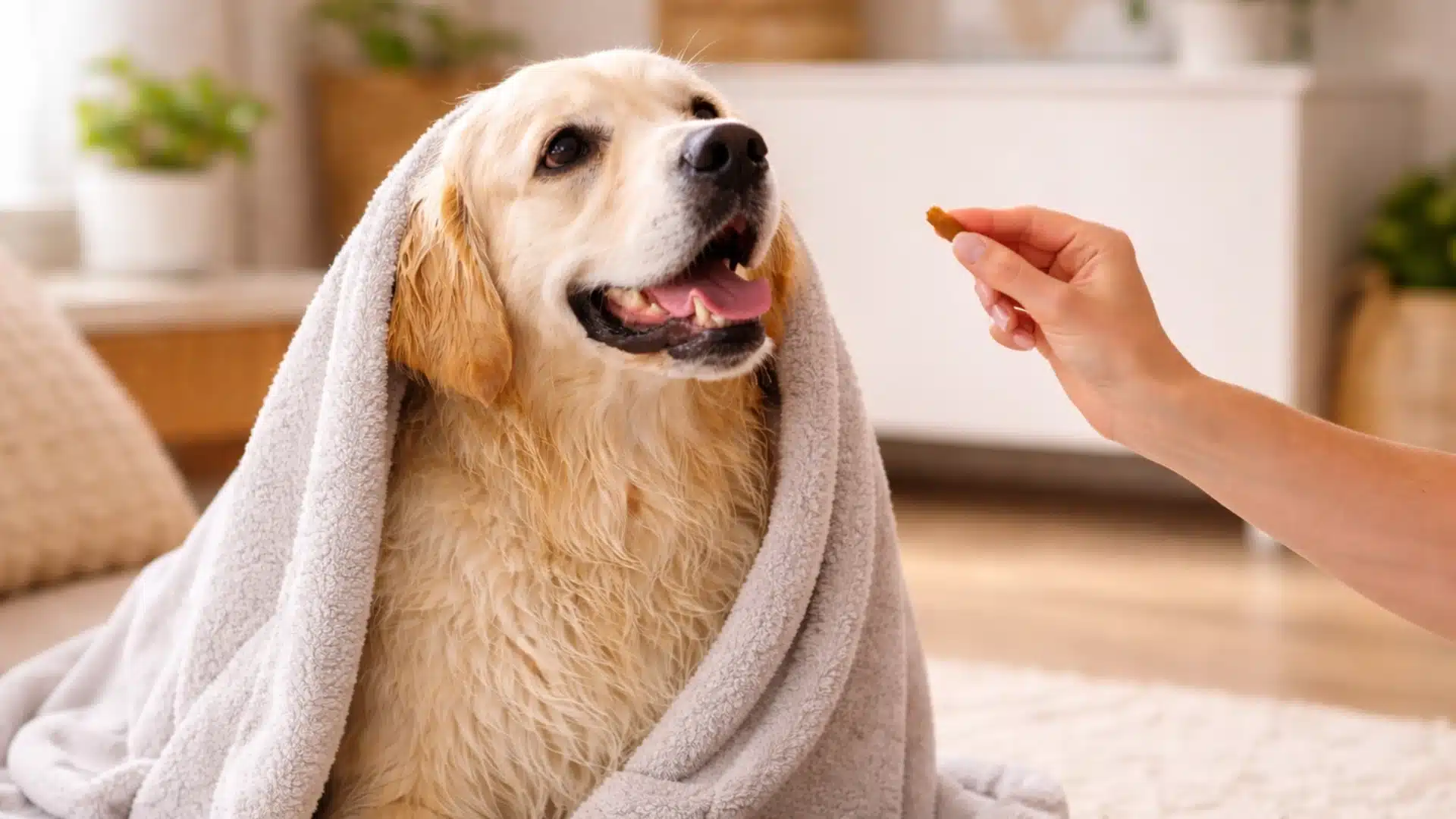
Reward your dog with treats when they stay calm during bathing, as this builds a positive association with bathing. Try to use the same spot each time so the environment feels familiar and safe.
If you are bathing a puppy, keep everything gentle and brief, use warm water, and focus on making those early experiences relaxed and stress-free so they grow up comfortable with baths.
What to Do After the Bath?
Once your dog is dry, take a few minutes for a quick check. Start with light brushing. It smooths the coat and removes any loose hair left behind.
It also helps you see the skin clearly. Look for redness, bumps, or any irritation. Next, check the ears. Even if you were careful, moisture can still get trapped.
If you notice redness or a strange smell, do not ignore it. Move to the paws and nails. Check nail length and look at the pads.
Watch for cracks, dryness, or anything stuck between the toes. These spots are often missed but matter a lot. Also glance under the tail area.
Small issues here can grow if ignored. Once done, let your dog rest. A calm, warm space helps them relax and end the experience on a good note.
Conclusion
A proper dog bath routine makes everything easier for both you and your dog. When you follow a clear process, bath time stops feeling stressful and starts becoming manageable.
From brushing before the bath to drying properly after, each step plays a role in keeping your dog clean and comfortable.
Pay attention to timing, use the right products, and avoid common mistakes like over-bathing or rushing the rinse. Small habits like staying calm, rewarding during the bath, and sticking to one spot can make a big difference over time.
With consistency, even dogs that dislike water can start to tolerate the process better. It is all about keeping things simple and predictable.
Have you noticed any change in your dog’s behavior during bath time after trying these steps?
Drop your experience or questions in the comments.
Frequently Asked Questions
Can I Bathe My Dog Without Water?
Yes, waterless dog shampoos or grooming wipes can be used for quick cleaning, especially in cold weather or for dogs that strongly resist water.
Can I Bathe My Dog After Meals?
It is best to wait at least one to two hours after feeding, as bathing right after meals can make some dogs uncomfortable.
How Do I Handle a Dog That Tries to Escape During a Bath?
Use a leash or bathing tether for control, keep one hand gently on your dog, and stay calm to avoid increasing their stress.