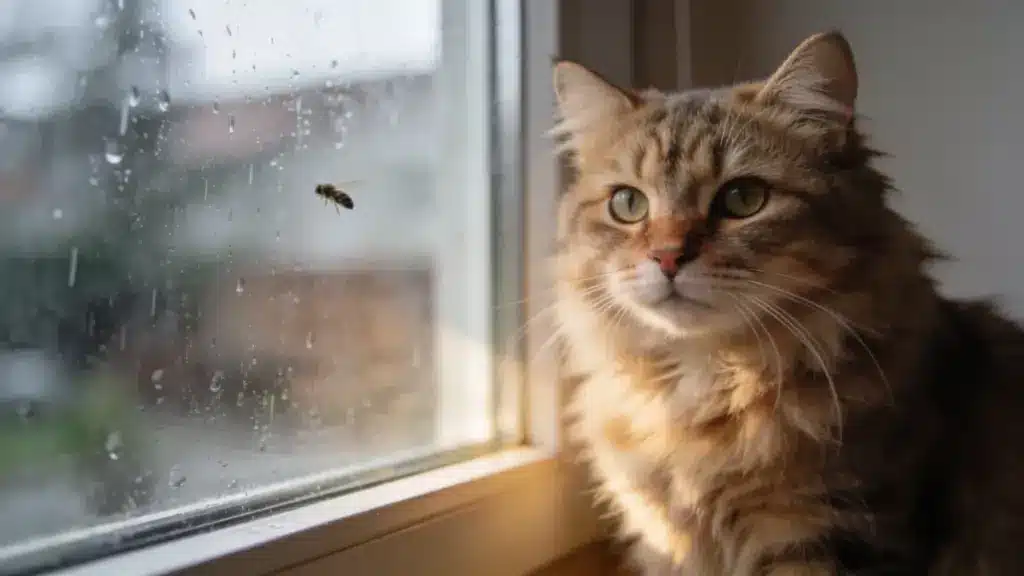
You’re sitting by the window. Rain tapping against the glass. Your cat is curled up, judging the outside world from a safe distance.
You’re thinking: my cat is indoors with no dirt, no street fights, none of that. Then they chase a fly like it’s a gourmet meal. Or chew the shoe that just walked through a park.
Now the question hits: can indoor cats get worms? You will find out here.
What makes it confusing is that nothing looks “risky” on the surface. Your home is clean. Your cat never steps outside. Yet somehow, things still find a way in.
So how does it actually happen? And more importantly, should you be worried? Well, this blog covers all your questions perfectly.
What are Cat Worms?
Cat worms are internal parasites that live inside your cat’s body, usually in the intestines, feeding off nutrients meant for your cat.
They sound worse than they usually are, but they’re more common than most pet parents think.
Even indoor cats can be exposed to different types of worms through contaminated soil, infected prey, or even household pests.
Some worms are visible to the naked eye, while others are microscopic and only detectable through a vet examination.
Left untreated, certain types can cause weight loss, nutritional deficiencies, and in kittens, more serious complications.
The good news is that with early detection, regular deworming, and the right treatment plan, worms are highly manageable and rarely life-threatening when caught in time
What Types of Worms Can Cats Get?
There are four main types, and indoor cats are susceptible to all of them, per the Cornell Feline Health Center.
- Roundworms (Toxocara cati): The most common. Look like spaghetti, live in the intestine, and eggs survive indoors for months.
- Tapeworms (Dipylidium caninum): Rice-like segments near the rear end. Almost always caused by swallowing one infected flea during grooming.
- Hookworms: Small but serious. It latches onto the intestinal lining, can cause anemia in severe cases, and can enter the body through the skin.
- Heartworm: Transmitted by mosquitoes, which do get indoors. Over 25% of cats with confirmed heartworm are kept exclusively inside. One adult worm in the heart can be fatal.
Can Indoor Cats Get Worms?
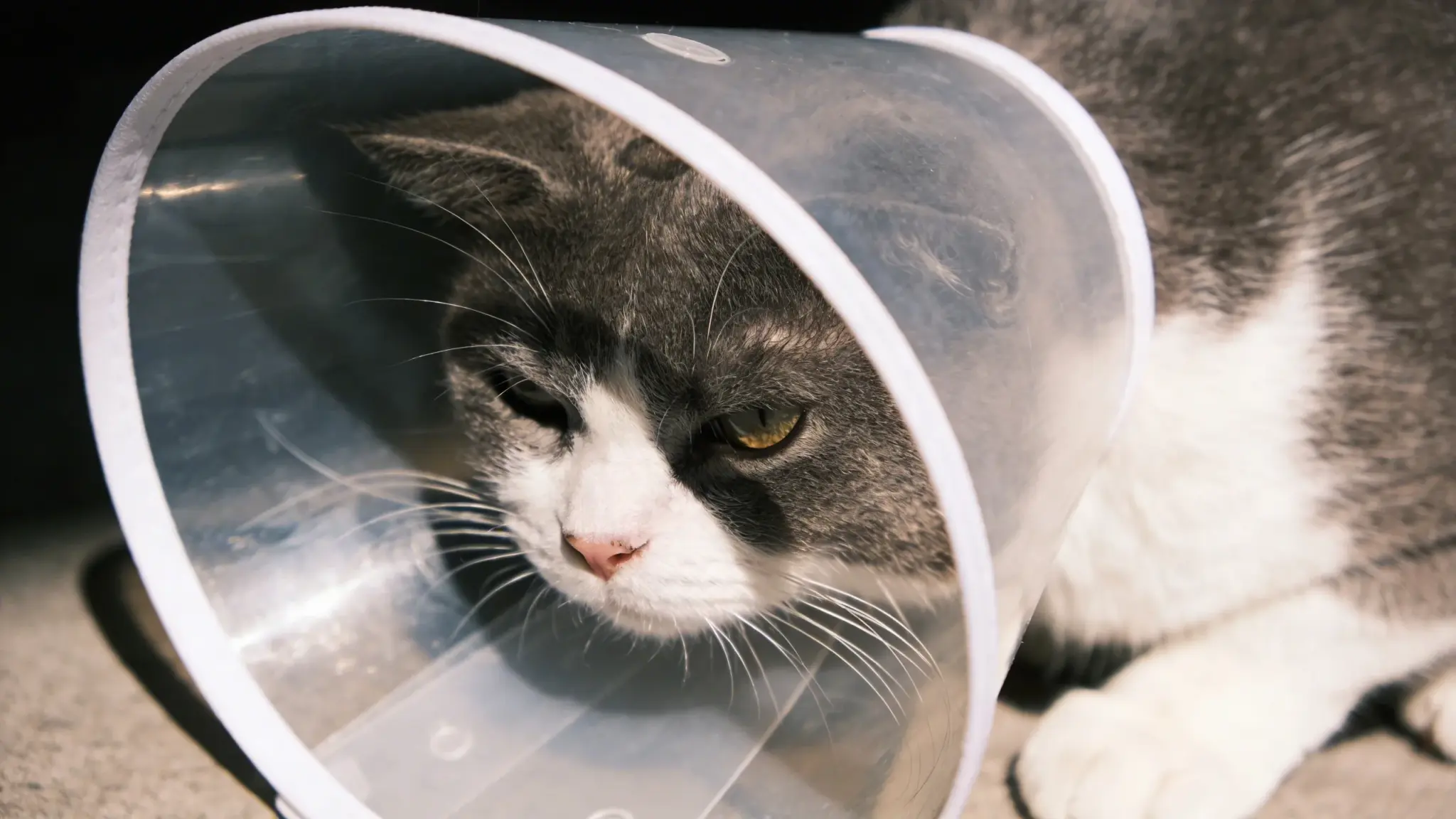
Yes, indoor cats can get worms, even if they never step outside.
Being indoors reduces the risk but does not eliminate it. Most pet parents assume indoor equals safe.
That’s why it’s so disorienting when it happens. If you’ve ever thought, “How is this even possible?” you’re not alone.
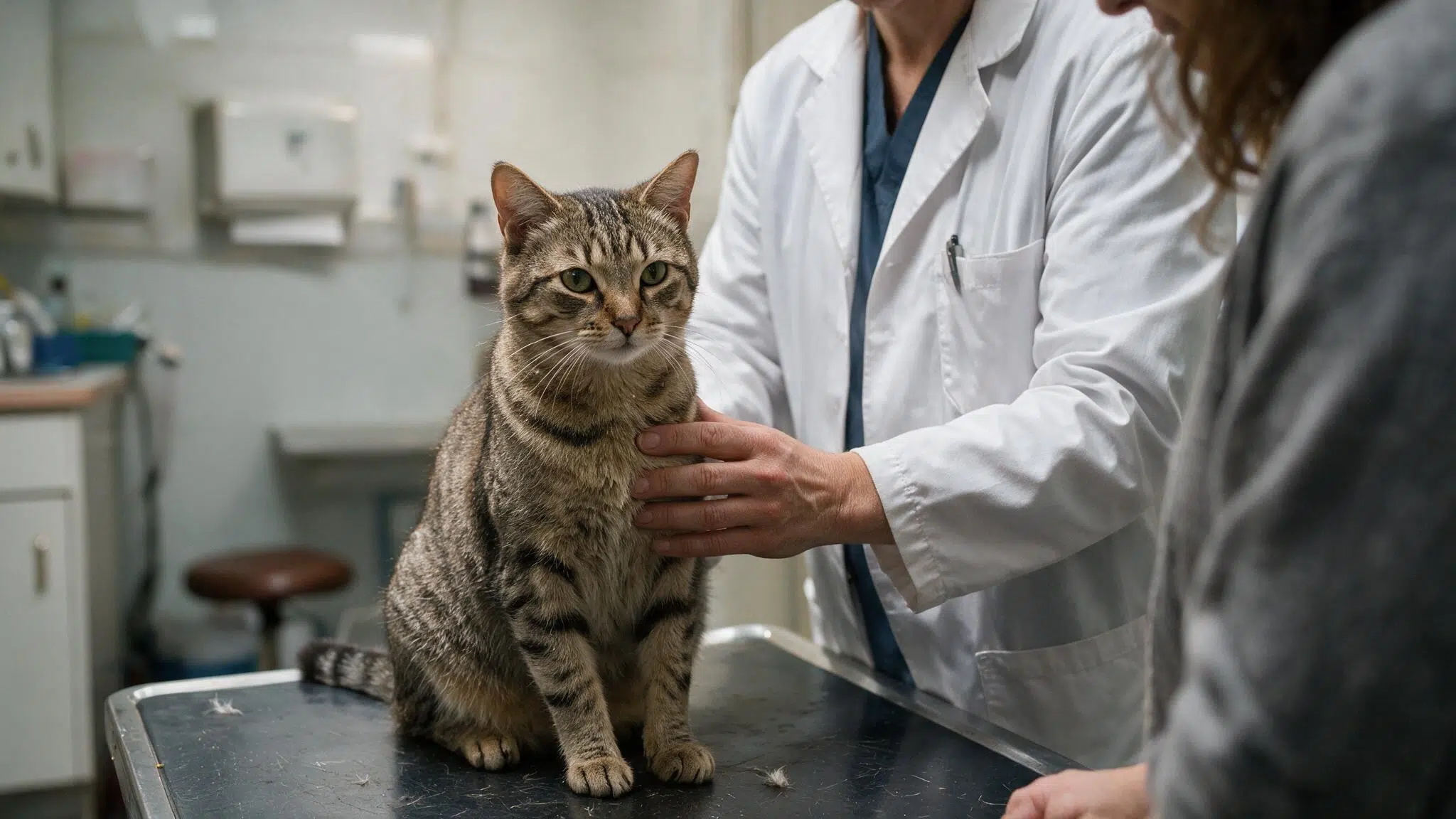
I see it all the time in my clinic. Someone brings in a cat that hasn’t set paw outside in 3 years, and the fecal test comes back positive for roundworms. The look on their face says it all.
No home is fully sealed off from the outside world, no matter how clean it is.
How Can Your Indoor Cat Get Bugs?
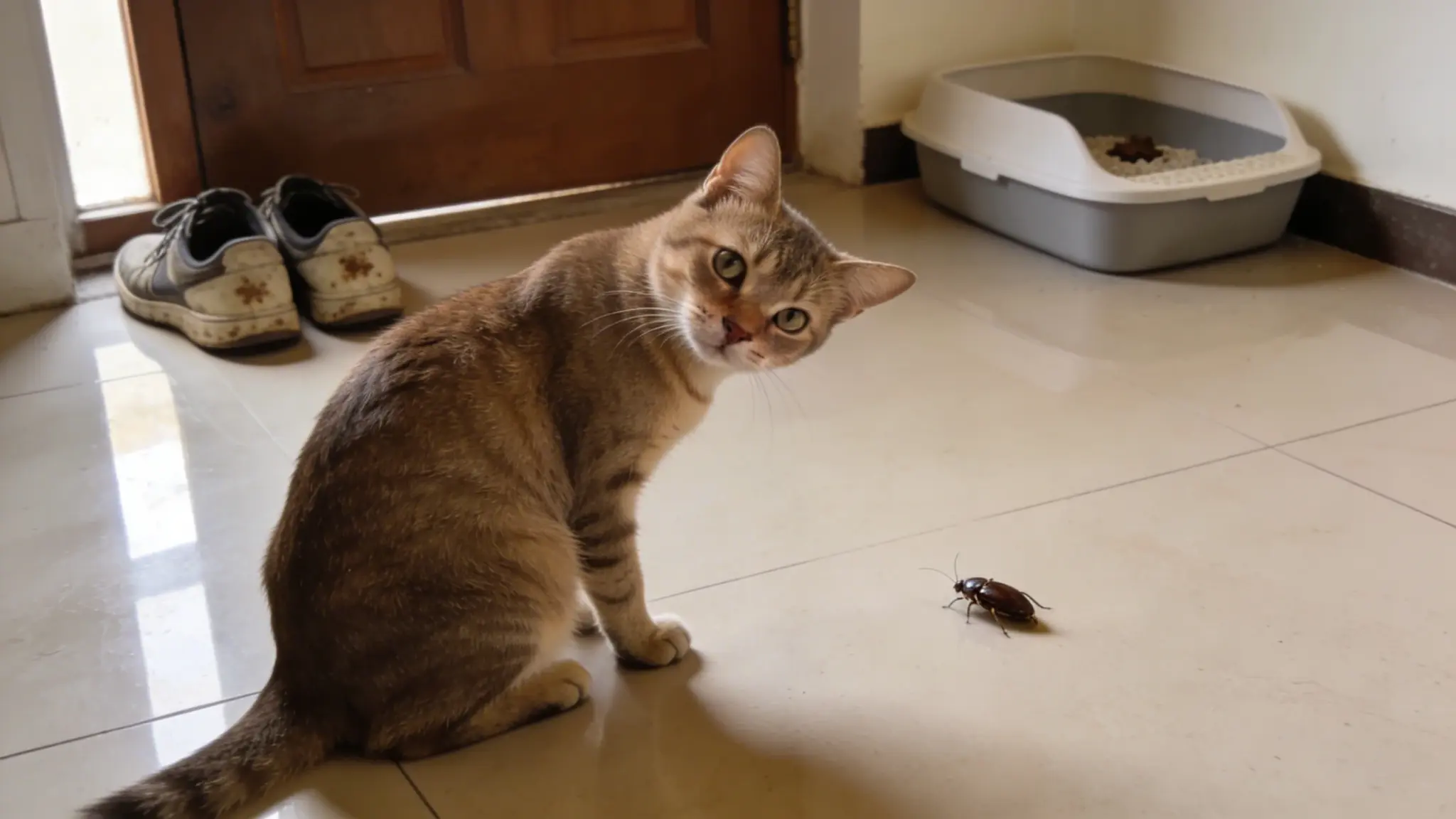
Your home feels clean, but it is not sealed off from the outside world. Here are the most common ways indoor cats get worms, and a few that tend to surprise people.
1. Shoes and Clothing
When you step outside on the streets, parks, and sidewalks, and walk back in, tiny worm eggs stick to the soles of your shoes, transfer to your floors and rugs.
Your cat walks over them, licks their paws, and the exposure is done. Roundworm eggs are especially tough; they can survive on indoor surfaces for months.
2. Fleas
Fleas are one of the main reasons cats get worms, especially tapeworms. A single flea carries tapeworm larvae. Your cat grooms, swallows it, and that’s all it takes.
Even indoor homes get the occasional flea; open windows, other pets, or your clothes can bring them in.
In my practice, this is the most common root cause I trace back in indoor cat tapeworm cases.
It’s also why flea-related skin issues and worm exposure often show up together, even in cats that never go outside.
3. Bugs and Insects
To you, it’s annoying, but to your cat, it’s premium entertainment. Flies, cockroaches, and other household insects can all carry roundworm eggs.
Your cat catches one, eats it, and an infection can follow.
Cockroaches are particularly efficient carriers, worth knowing if you live in an apartment building where pest control isn’t fully in your hands.
4. Other Pets and Litter Box Sharing
One pet brings something in, and the shared litter or grooming spreads it. Your indoor cat gets exposed without ever going near a door.
It is especially relevant when a newly adopted cat joins the household. Rescue and shelter cats carry a higher parasite load.
I recommend a fecal test for any new cat before they share a litter box with existing pets. It prevents many whole-household infections.
5. Mother’s Milk
Roundworm larvae can pass from a mother cat to her kittens through her milk.
Your kitten may have arrived home already carrying worms; no outdoor adventure is needed.
This is why a fecal test at the very first vet visit matters, and pairs well with getting their kitten vaccine schedule sorted at the same appointment.
Signs Your Indoor Cat Might Have Worms
You don’t need to be a vet to notice changes. Your cat will usually show at least one small sign. These symptoms often overlap with other common cat illnesses, so a vet check is always recommended if you spot more than one.
- Scooting: When you see an awkward drag across the floor.
- Poop changes: If the poop is loose, inconsistent, or just off, it’s a concern.
- Grooming: When you notice extra licking around the rear end.
- Visible signs: If there are tiny rice-like segments near their rear or bedding.
- Weight loss: You see a sudden drop without any diet change.
- Vomiting: When there are occasional or repeated episodes of vomiting.
- Belly shape: If there is a pot-bellied or bloated look, especially in kittens.
- Energy levels: They are having less playful or an unusually low mood.
- Coat condition: They have dull, rough fur with unusual shedding.
What to Do if You Think Your Cat Has Worms
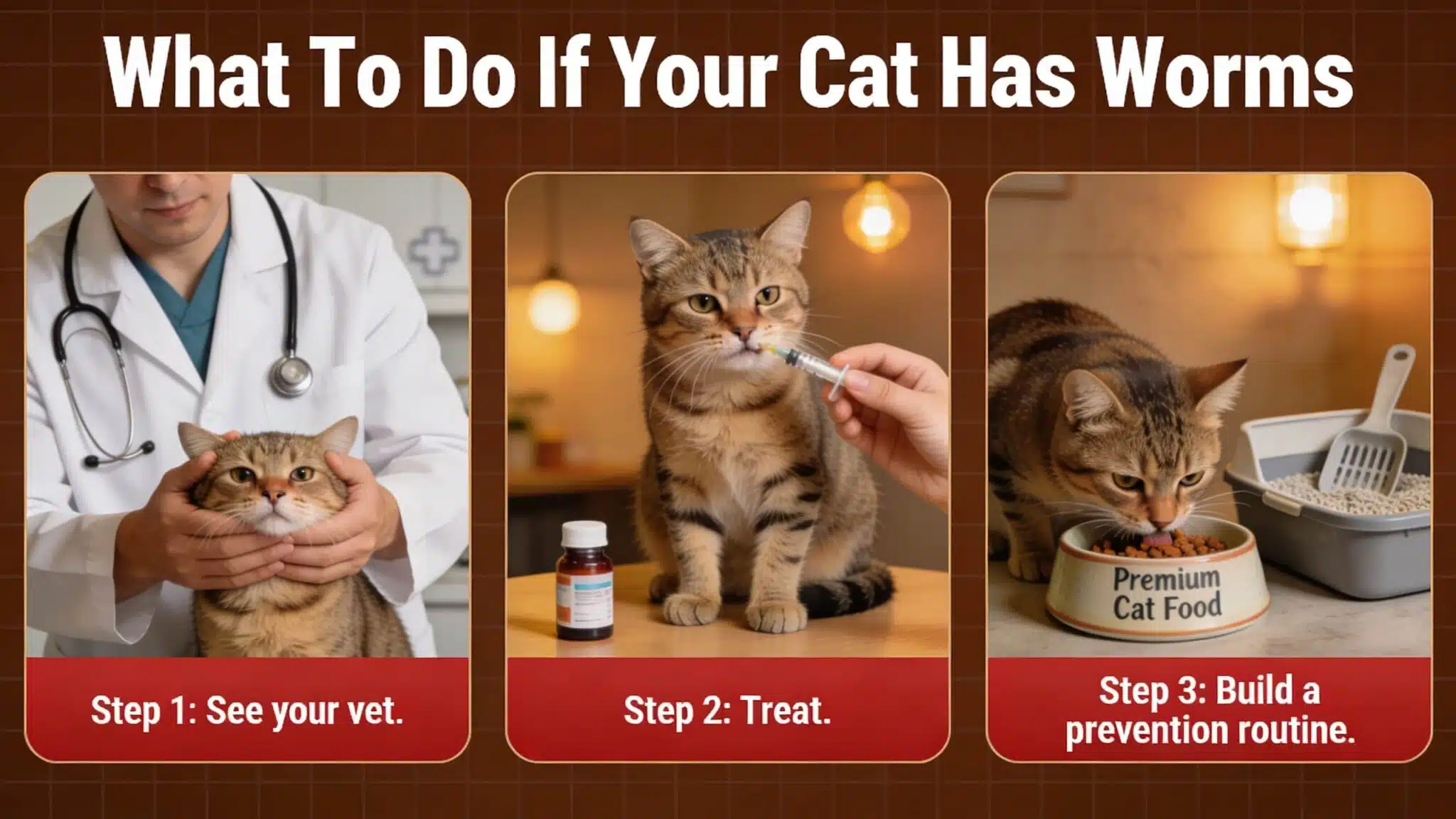
If you think your cat has worms, act fast and follow a clear plan. Quick testing, proper treatment, and regular prevention keep your cat safe.
- Step 1: See your vet. A fecal flotation test quickly confirms the worm type. It matters because different worms need different drugs; OTC dewormers often miss roundworms and hookworms entirely.
- Step 2: Treat. Prescription dewormers work far better than store-bought options. Most cases are clear in one course. Follow up with a fecal test 2-4 weeks later and treat all household pets at the same time.
- Step 3: Build a prevention routine. Fecal testing twice a year, deworming once or twice annually for indoor cats.
Simple Tips to Reduce Worm Risk in Indoor Cats
No lab-grade setup is needed to reduce the chances. Just some practical habits:
- Shoes: Remove shoes at the door because they can carry parasite eggs from outdoor surfaces into your home.
- Flea prevention: Keep flea prevention consistent throughout the year since fleas are a common carrier of tapeworms and can easily infect indoor cats.
- Litter hygiene: Clean the litter box frequently because parasites can spread through contaminated feces if hygiene is not maintained properly.
- Hand hygiene: Wash your hands after handling pets or cleaning the litter box to reduce the risk of re-infecting your cat.
- Testing: Schedule annual fecal tests with your vet to catch any hidden infections early before they become a bigger issue.
- Plant safety: Cover indoor plant pots or keep them out of reach, as soil can sometimes harbor parasite eggs that cats may come into contact with.
- New pets: Always get a fecal test done for any new cat before allowing them to share a litter box to prevent cross-contamination.
Conclusion
So, can indoor cats get worms? Yes. How do indoor cats get worms? Through everyday life, shoes, fleas, bugs, potting soil, and tiny things you cannot fully control.
But here is the important part: it is manageable. It is common. It is not a sign that you failed. I’ve never seen a worm case that couldn’t be resolved once it was caught and treated. The cats were fine. The owners felt better.
A deworming routine meant it didn’t keep happening. That’s really all this is, a small detour, not a big deal.
If your cat is due for a wellness visit, ask your vet to run a fecal screen while you’re there. It takes five minutes and tells you a lot.
If something feels off between visits, weight, stool, energy, or coat, trust that gut feeling and get it checked. We’re all figuring out this slightly chaotic, very real cat life together.
Frequently Asked Questions
My Cat Tested Positive but has No Symptoms. Do I Still Treat Them?
Yes. Asymptomatic doesn’t mean harmless. A positive Fecal Test is enough reason to treat.
Can My Cat Get Worms from a Window Screen or Balcony?
Yes. Mosquitoes pass through screens and carry heartworm. Flies on windowsills can carry roundworm eggs. Brief exposure counts.
Dewormed My Cat and Now See Worms in the Litter Box. Is that Normal?
Completely normal. It means the medication is working. Worms get expelled as they die. Should be resolved within a Day or two.
Can My Cat Reinfect Itself After Treatment?
Yes. Eggs left on floors, bedding, and the litter box can reinfect almost immediately. Vacuum, disinfect the litter box, and wash bedding right after treatment.