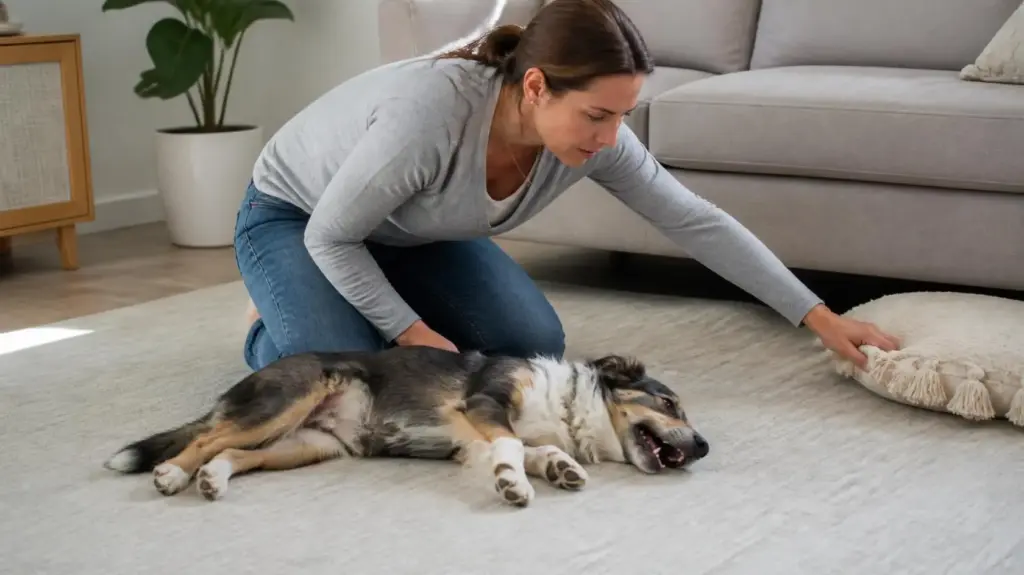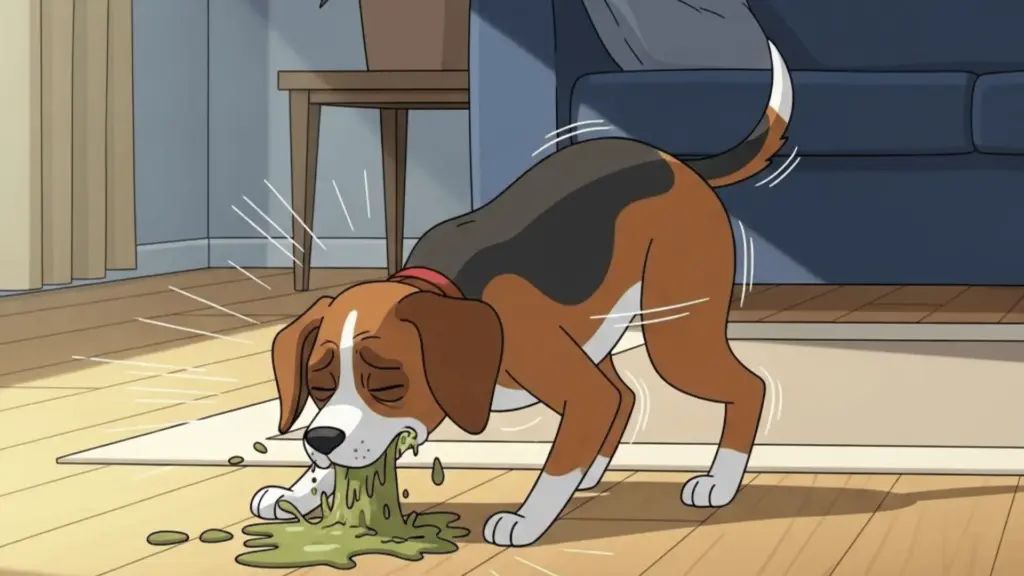
It can be alarming to see a dog suddenly throwing up and having loose stool on the same day.
Dog vomiting and diarrhea often happen together because the stomach and intestines respond at the same time to irritation, infection, or something unusual in the diet.
When inflammation affects the digestive tract, the body attempts to clear the problem quickly, leading to both symptoms appearing close together.
In many cases, this condition is associated with gastroenteritis in dogs, an inflammation of the stomach and intestines.
Some episodes are mild and resolve with simple care, while others may indicate infection, parasites, toxins, or a deeper medical issue.
Understanding vomiting and diarrhea in dogs means recognizing symptoms early, identifying possible causes, and knowing when veterinary treatment is necessary.
Understanding Vomiting And Diarrhea in Dogs
Vomiting and diarrhea in dogs often occur together because the stomach and intestines function as one connected digestive system.
When irritation or inflammation affects this system, the body reacts by quickly removing the source of the problem.
After a dog eats, food moves into the stomach for digestion and then into the intestines, where nutrients and fluids are absorbed.
If the stomach lining becomes irritated by infection, spoiled food, toxins, or sudden diet changes, vomiting may occur.
At the same time, inflamed intestines cannot properly absorb fluids, leading to diarrhea. This condition, commonly known as gastroenteritis in dogs, refers to inflammation of the stomach and intestines.
Signs and Symptoms to Watch Closely
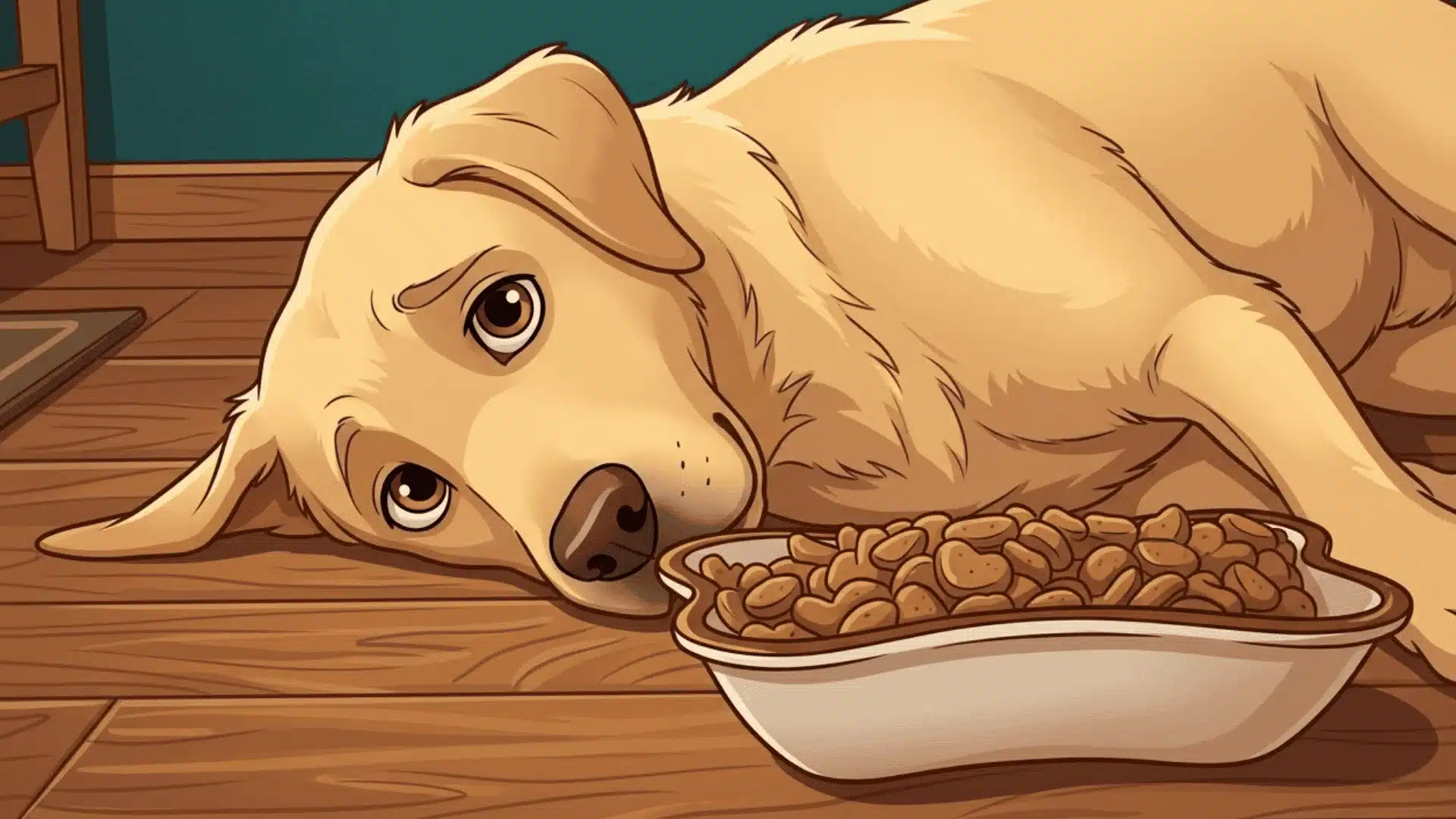
When a dog begins vomiting and diarrhea, close monitoring is essential. The pattern, intensity, and additional symptoms often indicate how serious the condition may be.
- Frequency and Severity of Vomiting: Occasional vomiting may be mild, but repeated or forceful episodes raise concern.
- Loose, Watery, or Bloody Stool: Persistent diarrhea or visible blood in the stool can signal inflammation or infection in the intestines.
- Lethargy Or Weakness: Low energy levels may suggest dehydration or a more serious underlying issue.
- Loss of Appetite: Refusal to eat for more than a day can indicate ongoing stomach irritation.
- Dehydration Signs: Dry gums, sunken eyes, or reduced skin elasticity point to fluid loss. To check at home, gently lift the skin between your dog’s shoulder blades and release it. In a well-hydrated dog, the skin snaps back immediately. If it stays lifted or returns slowly, dehydration is likely.
- Abdominal Discomfort: Whining, restlessness, or sensitivity when touched may indicate pain.
Recognizing these warning signs early helps determine when vomiting and diarrhea in dogs require veterinary care.
Common Causes of Dog Vomiting and Diarrhea
Dog vomiting and diarrhea can have many causes, ranging from mild stomach irritation to more serious health conditions. Identifying the cause helps determine the right treatment and level of care.
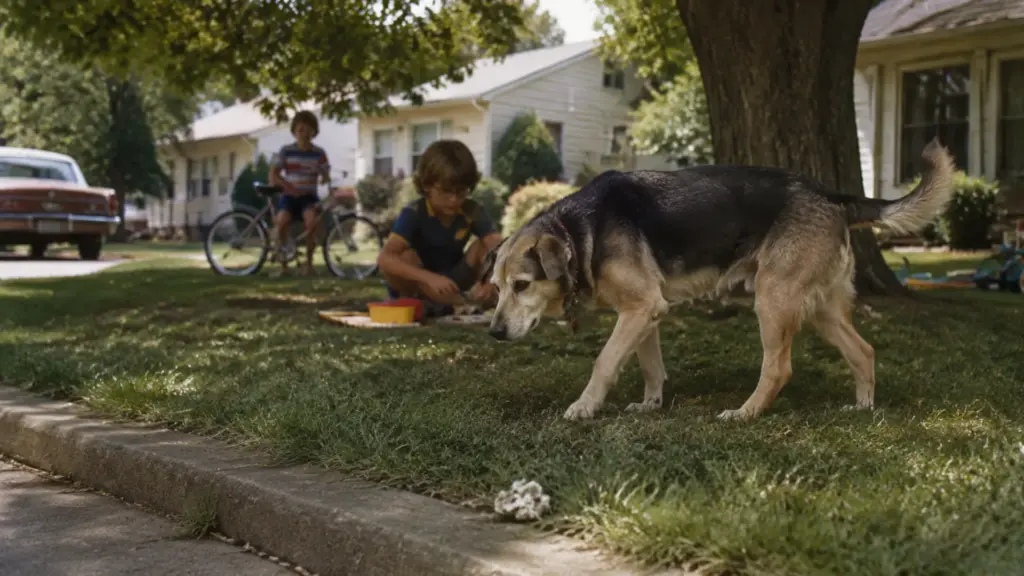
- Dietary Indiscretion: Eating spoiled food, garbage, table scraps, or unfamiliar items can quickly irritate the stomach and intestines.
- Sudden Food Changes: Switching dog food abruptly can disrupt the digestive balance and trigger vomiting and diarrhea in dogs.
- Food Intolerance or Allergies: Certain ingredients may cause inflammation in sensitive dogs.
- Viral or Bacterial Infections: Infections such as parvovirus or bacterial overgrowth can inflame the digestive tract.
- Parasites: Worms and intestinal parasites often cause loose stool, vomiting, and weight changes.
- Toxins or Household Hazards: Cleaning products, plants, medications, or certain human foods can irritate or poison the digestive system.
- Stress or Anxiety: Significant stressors such as travel, boarding, loud environments, or sudden routine changes can trigger digestive upset in dogs. Stress-related diarrhea is common and often resolves once the stressor is removed.
- Underlying Medical Conditions: Pancreatitis, liver disease, or kidney problems can also cause vomiting and diarrhea in dogs.
When Dog Vomiting and Diarrhea Become an Emergency
Dog vomiting and diarrhea may start as mild digestive upset, but certain situations require urgent veterinary care.
Persistent vomiting that prevents a dog from keeping water down can quickly lead to dangerous dehydration.
The presence of blood in vomit or stool may indicate severe inflammation, internal bleeding, or a condition called hemorrhagic gastroenteritis (HGE).
HGE is a more serious form of gastroenteritis that causes sudden, bloody diarrhea and requires prompt veterinary treatment.
The presence of blood in vomit or stool may indicate severe inflammation, internal bleeding, or infection.
Clear signs of severe dehydration, such as very dry gums, extreme weakness, sunken eyes, or collapse, should never be ignored.
Puppies, senior dogs, and dogs with existing health conditions are especially vulnerable and can decline rapidly.
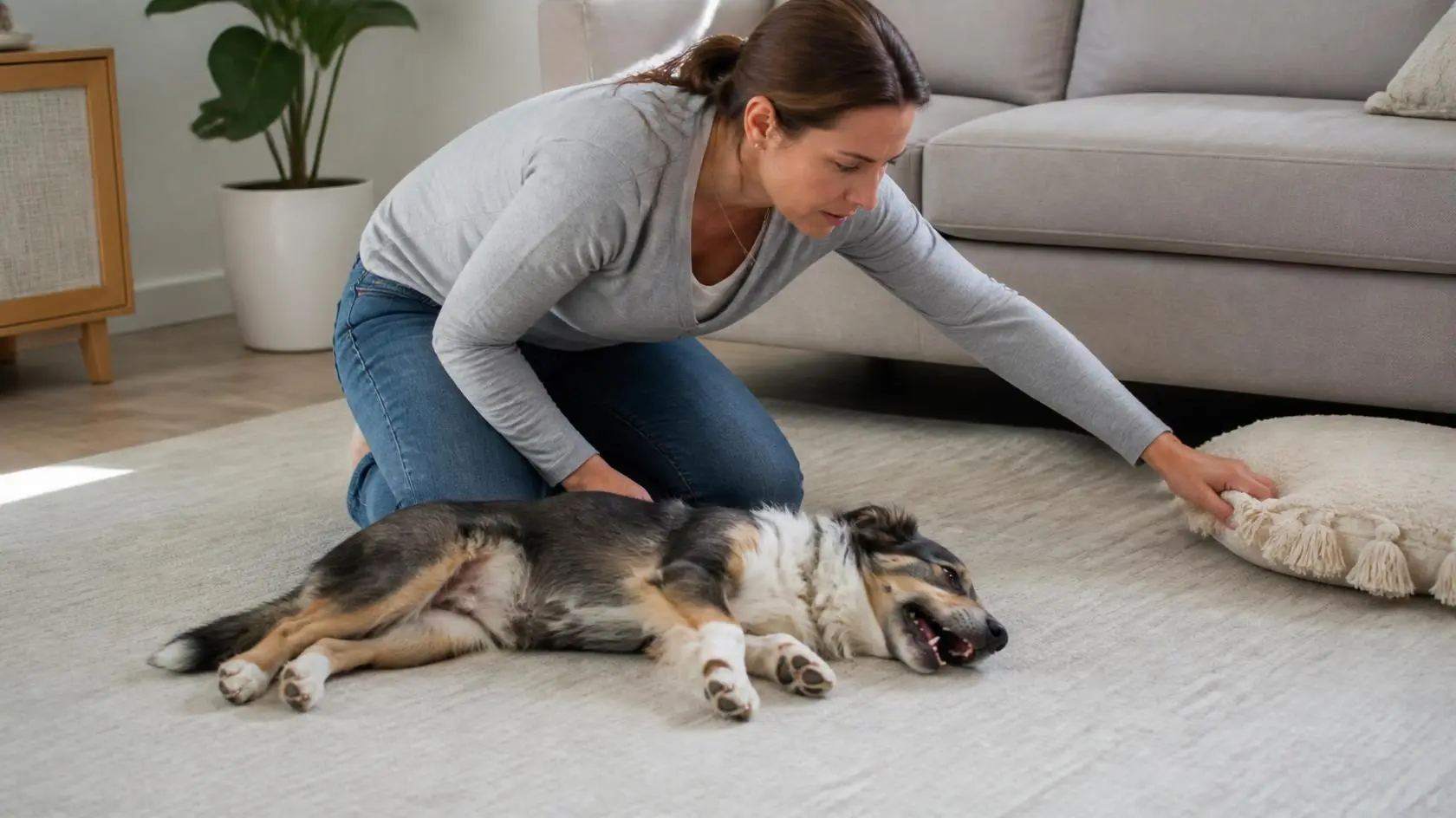
If a dog repeatedly attempts to vomit without producing anything, has a visibly swollen or distended abdomen, and deteriorates quickly, this may indicate bloat, also known as gastric dilatation-volvulus.
Bloat is a life-threatening emergency that requires immediate veterinary attention and should not be confused with a routine stomach upset.
If vomiting and diarrhea in dogs persist for 24 to 48 hours without improvement, a more serious condition, such as infection, obstruction, or organ dysfunction, may be involved.
Immediate medical attention in these cases can prevent complications and protect long-term health.
Diagnosing Gastroenteritis in Dogs
When dog vomiting and diarrhea continue for more than a short period or appear severe, veterinarians perform diagnostic tests to identify the cause.
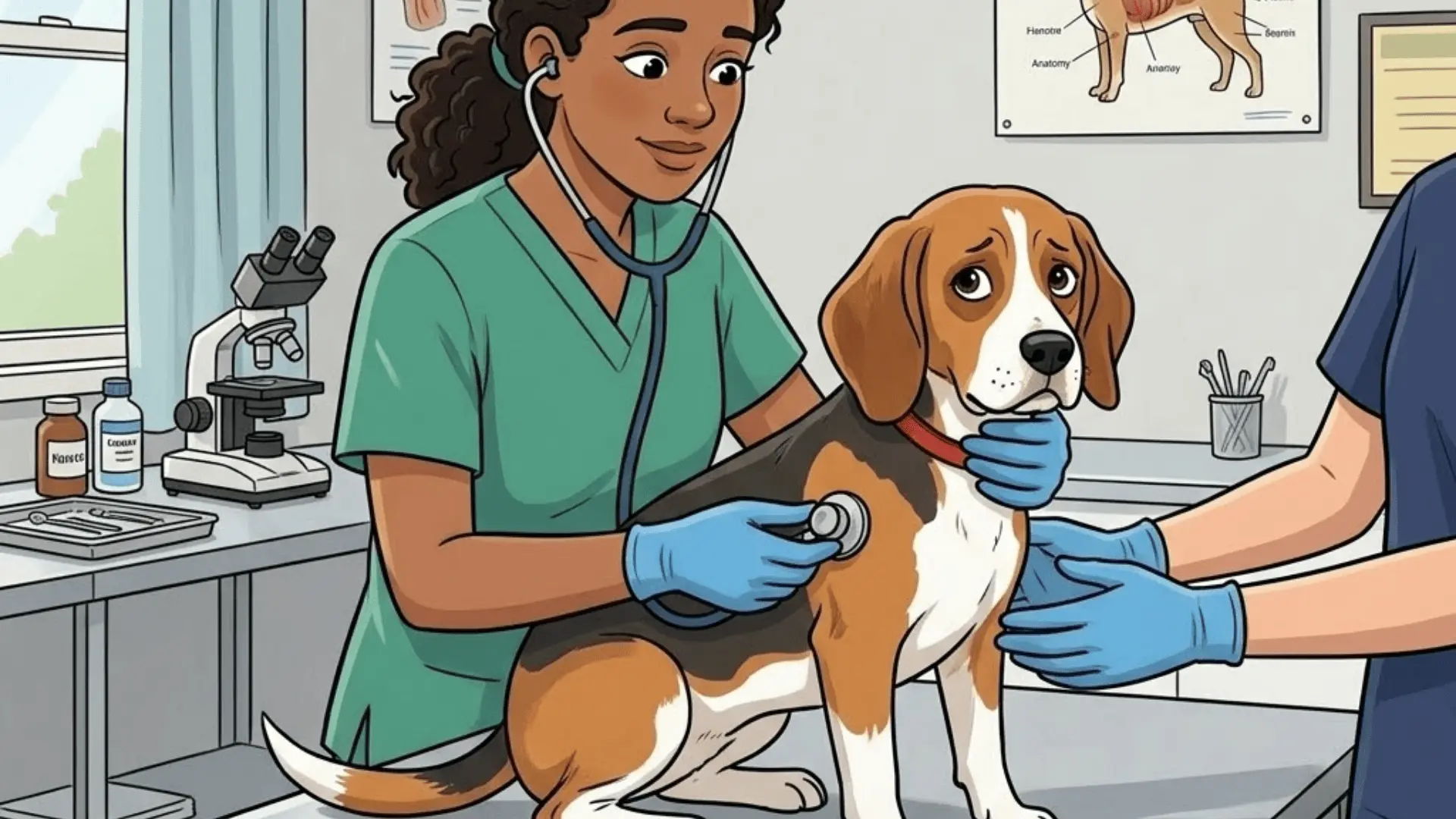
The process usually begins with a physical examination, where hydration levels, abdominal tenderness, body temperature, and overall condition are evaluated.
This first step helps determine how serious the digestive inflammation may be.
Fecal testing is often used to detect intestinal parasites, bacterial imbalance, or viral infections that may trigger vomiting and diarrhea in dogs.
Blood tests may also be performed to assess organ function, electrolyte balance, and signs of infection or inflammation.
In some cases, imaging such as X-rays or ultrasound helps rule out blockages, foreign objects, or structural abnormalities.
By combining exam findings, test results, and medical history, veterinarians can confirm a diagnosis of gastroenteritis in dogs and determine the most appropriate treatment plan.
Treatment Options for Vomiting and Diarrhea in Dogs
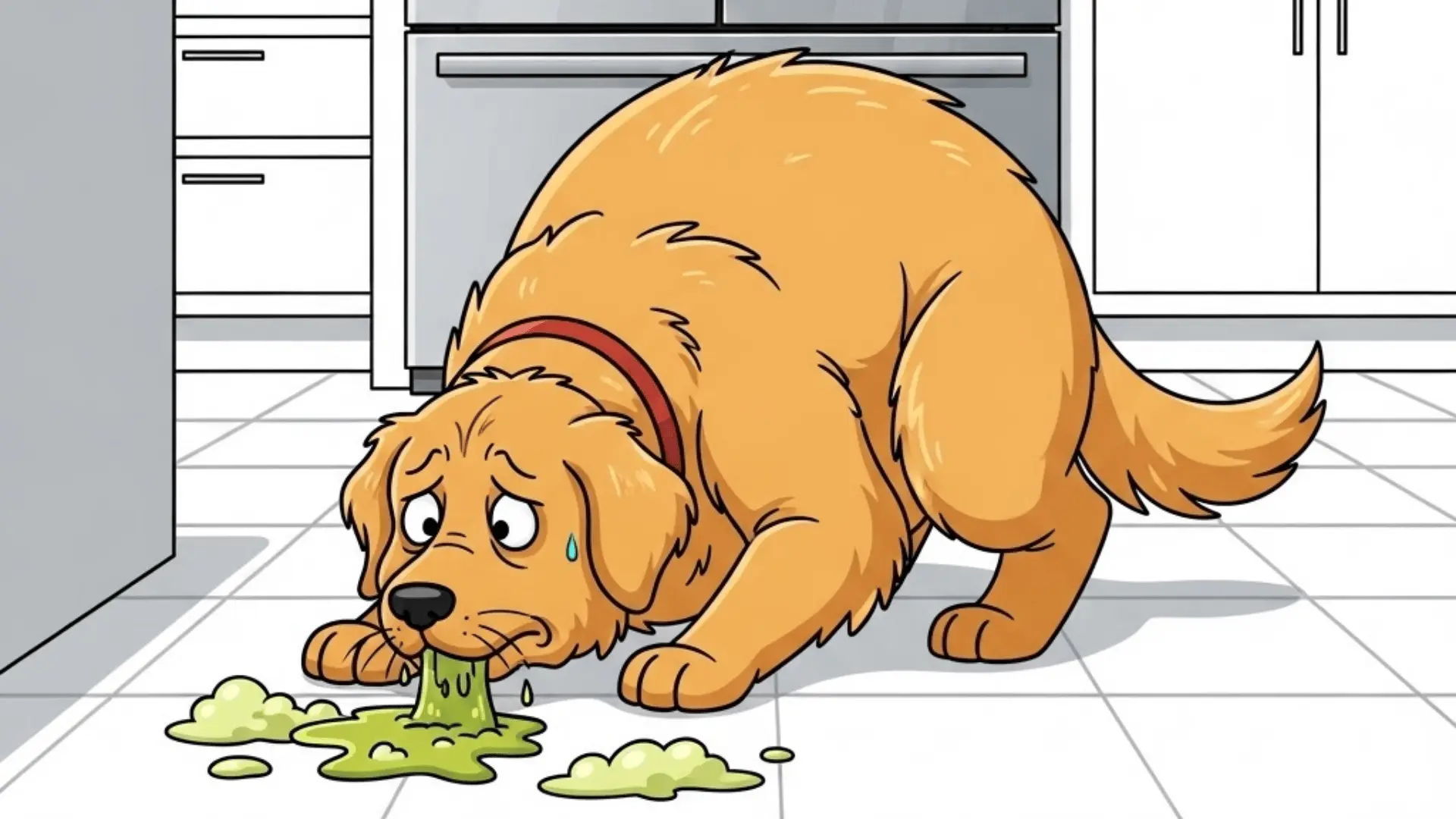
Treatment for dog vomiting and diarrhea depends on how severe the symptoms are and what is causing them.
In mild cases, veterinarians may recommend short-term fasting for several hours so the stomach can settle.
However, very small dogs and puppies should not be fasted without veterinary guidance, as they are at risk of developing dangerously low blood sugar.
Always consult a veterinarian before withholding food from a puppy or toy breed dog.
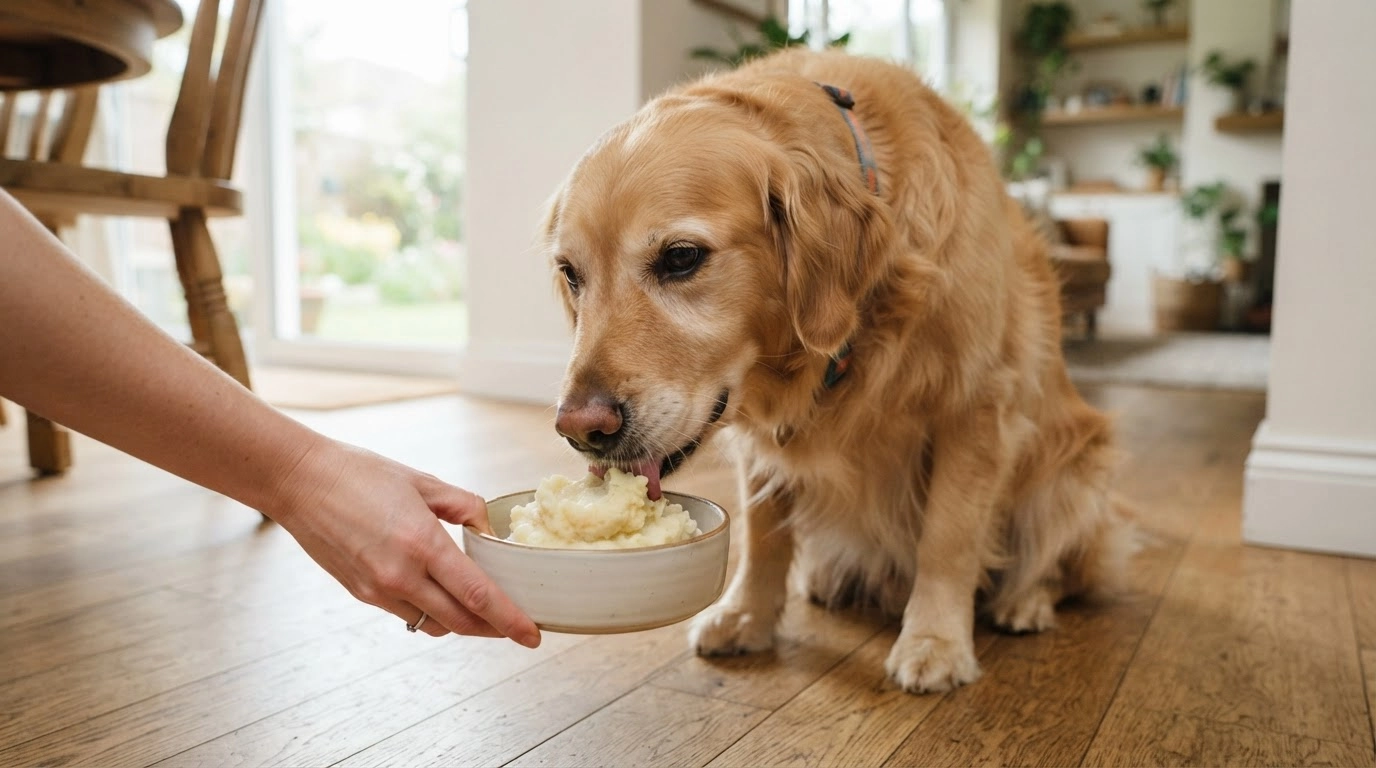
Once vomiting slows, a bland diet such as boiled chicken and plain rice is introduced in small portions to avoid further irritation.
Plain canned pumpkin (not pumpkin pie filling) is another gentle option that can help firm up loose stool and soothe the digestive tract.
Hydration is one of the most important parts of recovery because vomiting and diarrhea in dogs can quickly lead to fluid loss.
During active vomiting, offer small amounts of water every hour rather than allowing unrestricted access, which can trigger further vomiting. If your dog refuses water entirely, contact your veterinarian promptly.
Fresh water should always be available, and some dogs may require electrolyte support or intravenous fluids.
Veterinarians may prescribe medications to control nausea, protect the stomach lining, or reduce diarrhea.
Probiotics may also be recommended to help restore healthy gut bacteria after a bout of gastroenteritis, supporting a faster return to normal digestion.
If parasites or infections are found, treatment such as deworming medication or antibiotics may be necessary. Severe cases may require hospital care and close monitoring
Home Care Tips for Mild Cases
Mild dog vomiting and diarrhea can sometimes be managed at home with careful observation and supportive care. Close monitoring helps ensure the condition does not worsen.
- Monitor Hydration Levels: Check gum moisture and encourage regular water intake to prevent dehydration.
- Offer Small Frequent Meals: Feed small portions of a bland diet to reduce digestive strain.
- Provide a Quiet Resting Space: Limit activity and create a calm area for recovery.
- Track Symptom Changes: Note vomiting frequency, stool consistency, appetite, and energy levels.
- Avoid Giving Human Medications: Many over-the-counter drugs can worsen vomiting and diarrhea in dogs or cause serious harm.
If symptoms persist or intensify, veterinary evaluation is necessary.
Preventing Future Episodes
Preventing dog vomiting and diarrhea often depends on consistent care and a few simple daily habits. Gradual dietary changes are important, as sudden changes can upset the digestive system.
Keeping trash, spoiled food, and household toxins out of reach also reduces the risk of stomach irritation.
Regular deworming, as recommended by a veterinarian, helps control parasites that commonly cause vomiting and diarrhea in dogs.
Routine veterinary visits allow early detection of underlying health issues before symptoms become serious.
In addition, monitoring stress triggers such as travel, boarding, or sudden environmental changes can help protect digestive stability and reduce the chances of future episodes
Conclusion
Dog vomiting and diarrhea can range from mild digestive upset to a clear sign of gastroenteritis.
Paying close attention to symptom frequency, stool changes, energy levels, and hydration can make a major difference in outcomes.
Early recognition allows faster action, if that means simple home care for a brief stomach issue or prompt veterinary treatment for infection, parasites, or underlying disease.
Vomiting and diarrhea in dogs should never be ignored when symptoms persist, worsen, or involve blood or severe weakness.
Responsible monitoring, gradual diet management, and timely medical evaluation help protect long-term health and prevent complications.
Trust instincts, observe carefully, and seek professional guidance when needed.
Has a recent episode raised concerns or taught an important lesson? Share experiences, questions, or tips in the comments below and join the conversation.
Frequently Asked Questions
How Long Can Dog Vomiting & Diarrhea Last Before It Becomes Serious?
Mild episodes often resolve within 24 hours. If vomiting or diarrhea continues beyond 24 to 48 hours, worsens, or is accompanied by blood, weakness, or signs of dehydration, veterinary care is needed promptly.
Is It Safe to Withhold Food from a Dog that is Vomiting?
For most adult dogs, a short fast of 12 to 24 hours can help settle the stomach. However, puppies and very small dogs should not be fasted without veterinary guidance due to the risk of hypoglycemia. Always check with your veterinarian before withholding food.
How Can I Tell if My Dog is Dehydrated from Vomiting and Diarrhea?
Check your dog’s gums; they should feel moist. If they feel dry or sticky, dehydration is likely. You can also gently pinch the skin between the shoulder blades. In a well-hydrated dog, it snaps back immediately. If it stays lifted or returns slowly, your dog needs fluids and veterinary attention.
What Should I Feed My Dog After Vomiting and Diarrhea?
Start with a bland diet of boiled chicken and plain white rice in small, frequent portions. Plain canned pumpkin (not pie filling) can also help settle the digestive system. Gradually reintroduce your dog’s regular food over 2 to 3 days once symptoms have fully resolved. Always follow your veterinarian’s specific guidance for your dog’s condition.