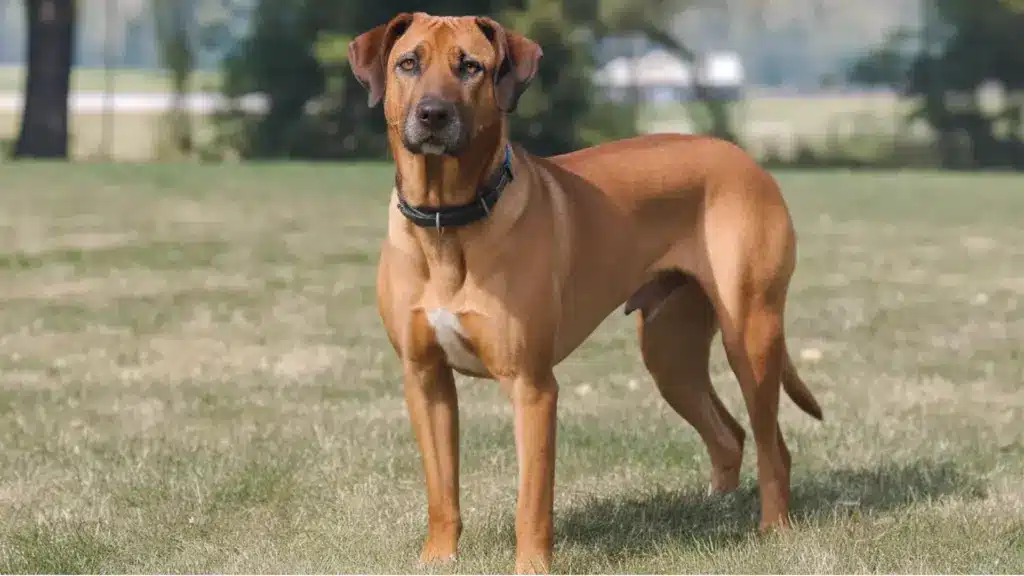
Many homeowners start looking for dogs when safety becomes a serious priority rather than just a passing thought, especially after moving into a new neighborhood.
With so many guard dog breeds available, it can be difficult to understand which ones truly offer reliable protection and which are simply popular names.
The goal is not just to own a large or intimidating dog, but to choose a breed that is naturally alert, loyal, and capable of protecting your property without creating unnecessary risk.
For parents, the search becomes even more specific because it must have trustworthy behavior around children and guests.
This blog lists the best guard dogs for families that provide reliable home protection, strong loyalty, stable temperaments, and dependable security for everyday life.
What Makes a Good Guard Dog Breed?
A good guard dog is not just big or loud; they have a natural instinct to protect their home and family without being aggressive for no reason.
They are alert, confident, and able to sense when something feels wrong.
Intelligence also matters because a guard dog must understand commands and respond quickly in serious situations.
Strong loyalty is another key trait, as the best guard dogs form deep bonds with their owners and stay committed to protecting them.
Physical presence helps too, since size and a firm bark can easily scare off intruders.
Most importantly, a good guard dog remains calm and gentle with family members, especially children, while still being brave enough to step in when real danger appears.
Best Guard Dogs for Families & Home Protection
A good family guard dog should bond closely with its owners, and when properly raised and socialized, these breeds can provide both strong security and dependable companionship.
1. German Shepherd
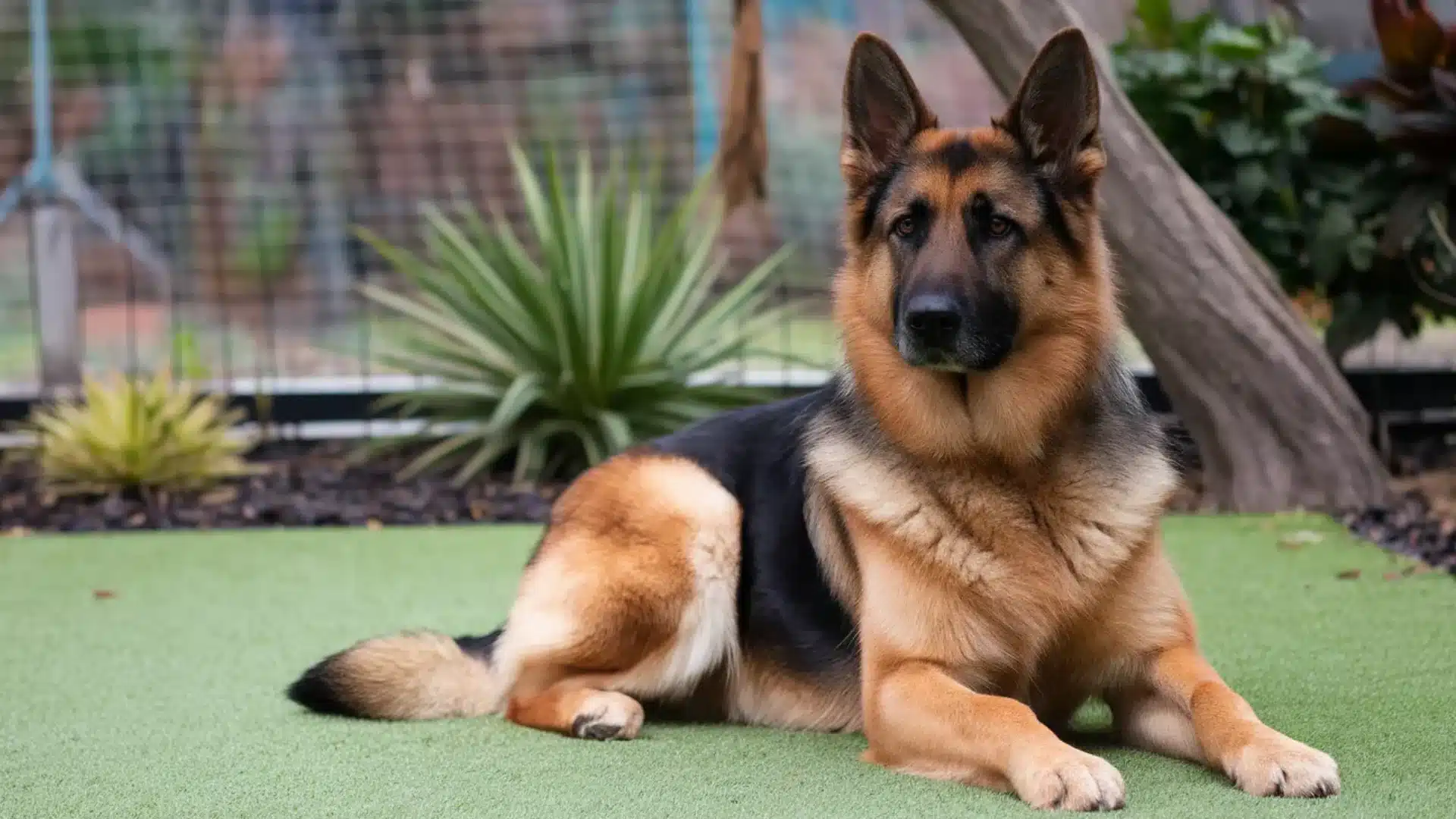
The German Shepherd was developed in Germany in 1899 as a herding and working dog. It is one of the best guard dogs due to its intelligence, loyalty, and strong protective instinct.
Males typically stand 24 to 26 inches tall and weigh 65 to 90 pounds, while females are slightly smaller. This breed is highly trainable and often used in police and military roles.
Their double coat is medium length and comes in black and tan, sable, solid black, and white.
Average lifespan: 9 to 13 years
2. Rottweiler
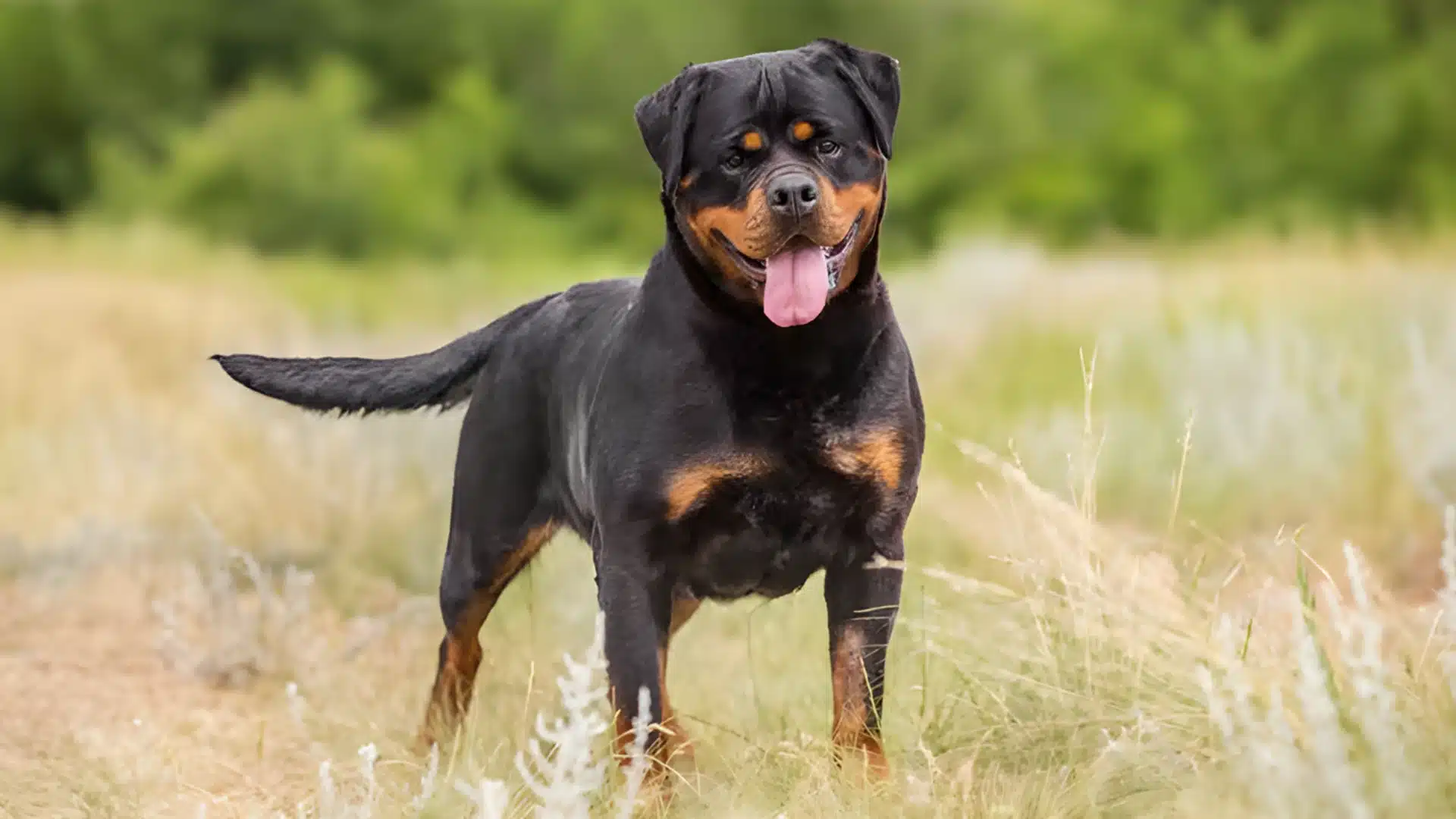
The Rottweiler was developed in Germany and traces back to Roman drover dogs used for herding and guarding cattle. Recognized as a guard dog breed in the early 20th century.
Males stand about 24 to 27 inches tall and weigh 95 to 135 pounds, while females are slightly smaller at 22 to 25 inches and 80 to 100 pounds.
The coat is short, dense, and straight, usually black with clearly defined rust markings. Rottweilers are calm, loyal, and protective of their families.
Average lifespan: 8 to 10 years
3. Doberman Pinscher
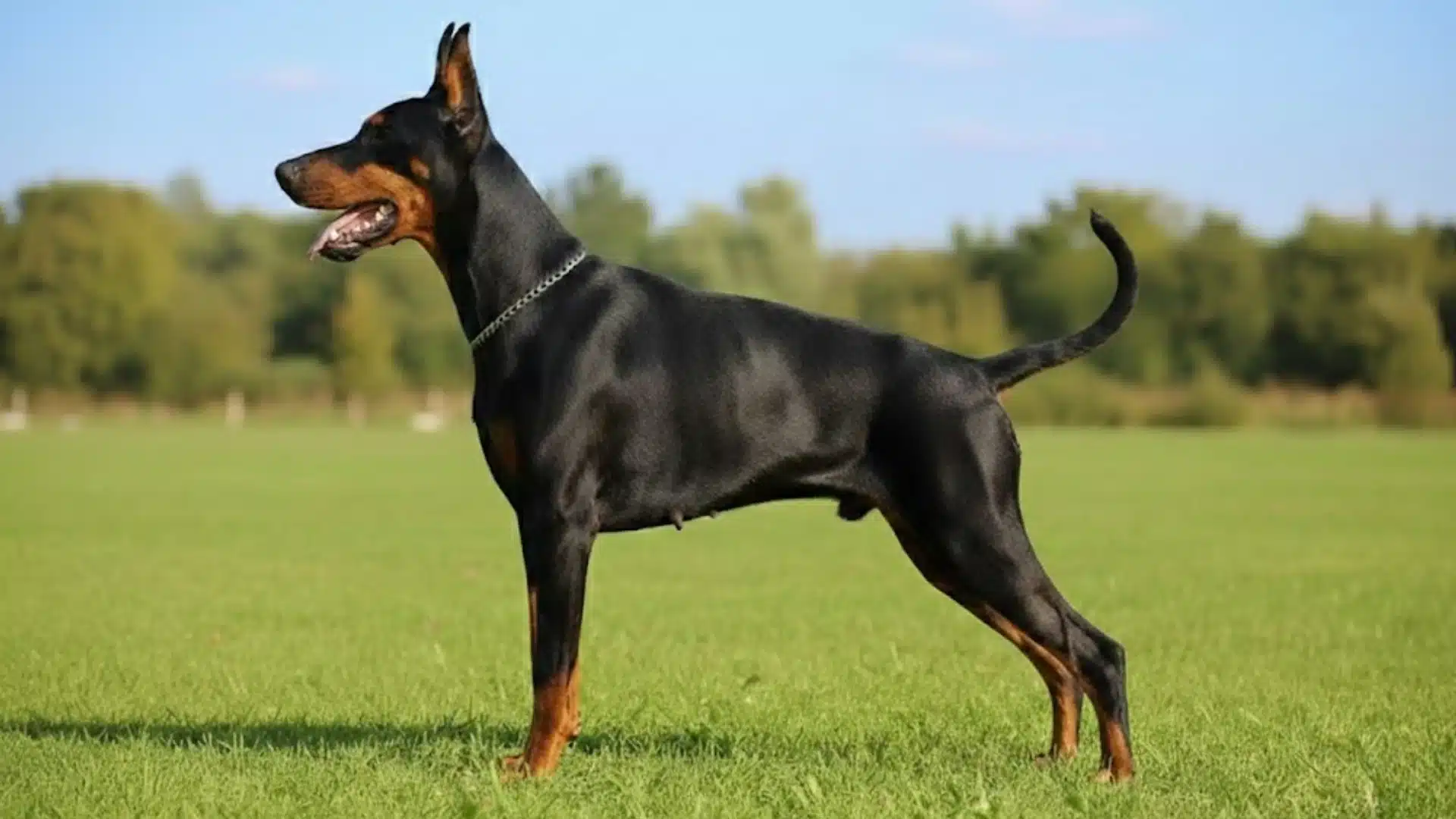
The Doberman Pinscher was developed in Germany in the late 1800s, and it quickly gained a reputation as one of the best guard dogs due to its speed, alert nature, and strong loyalty.
Males usually stand 26 to 28 inches tall and weigh 75 to 100 pounds, while females measure 24 to 26 inches and weigh 60 to 90 pounds.
The coat is short, smooth, and tight, commonly seen in black, red, blue, or fawn with rust markings. Dobermans are intelligent, fearless, and highly trainable.
Average lifespan: 10 to 12 years
4. Bullmastiff
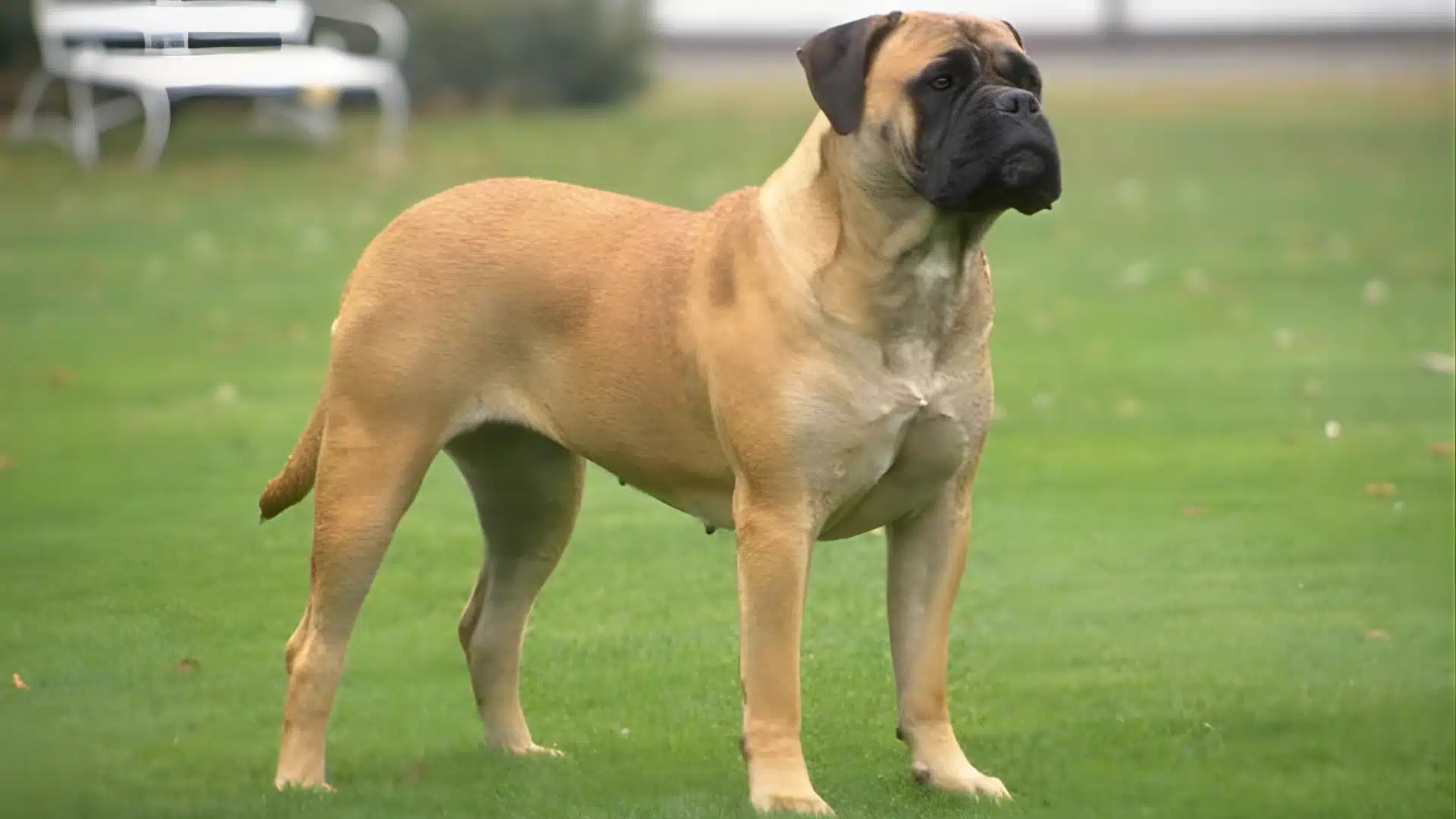
These guard dog breeds were developed in England in the mid 1800s by crossing Bulldogs with Mastiffs to guard large estates from poachers.
Males usually stand 25 to 27 inches tall and weigh 110 to 130 pounds, while females measure 24 to 26 inches and weigh 100 to 120 pounds.
The coat is short and dense, commonly seen in fawn, red, or brindle with a black mask. Bullmastiffs are calm, loyal, and confident with family.
Average lifespan: 7 to 10 years
5. Belgian Malinois
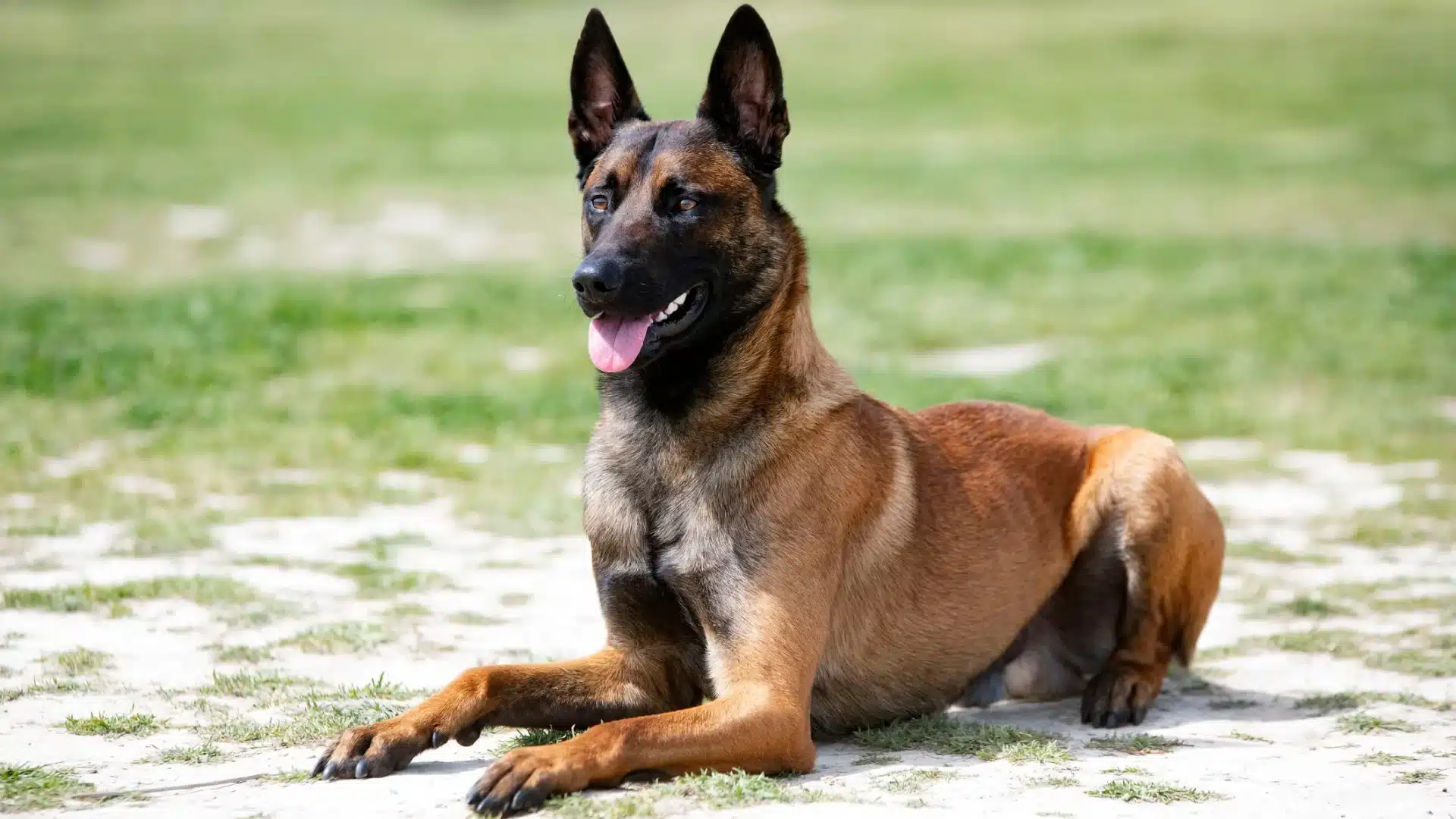
The Belgian Malinois was developed in Belgium in the late 1800s as a herding and working dog, later becoming popular in military and police roles and ranked among the best guard dogs
Males typically stand 24 to 26 inches tall and weigh 60 to 80 pounds, while females are 22 to 24 inches tall and weigh 40 to 60 pounds.
The coat is short, straight, and weather-resistant, usually fawn to mahogany with a black mask.
Average lifespan: 12 to 14 years
6. Boxer
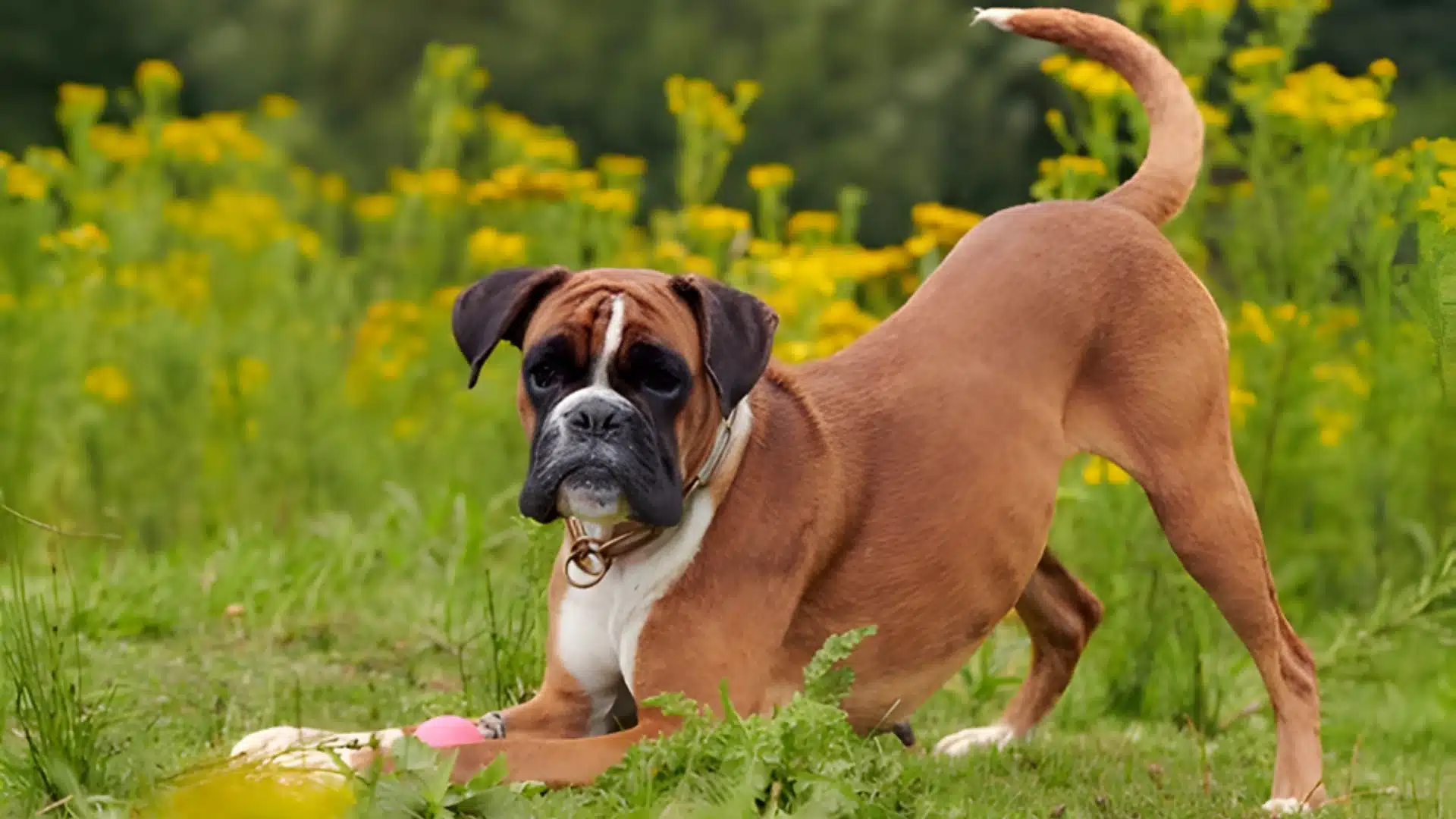
The Boxer guard dogs breeds were developed in Germany in the late 1800s from the Bullenbeisser and early Mastiff type dogs, originally used for hunting and guarding.
Males usually stand 23 to 25 inches tall and weigh 65 to 80 pounds, while females are 21 to 24 inches tall and weigh 50 to 65 pounds.
The coat is short, smooth, and tight, commonly found in fawn or brindle with white markings. Boxers are energetic, loyal, and alert.
Average lifespan: 10 to 12 years
7. Cane Corso
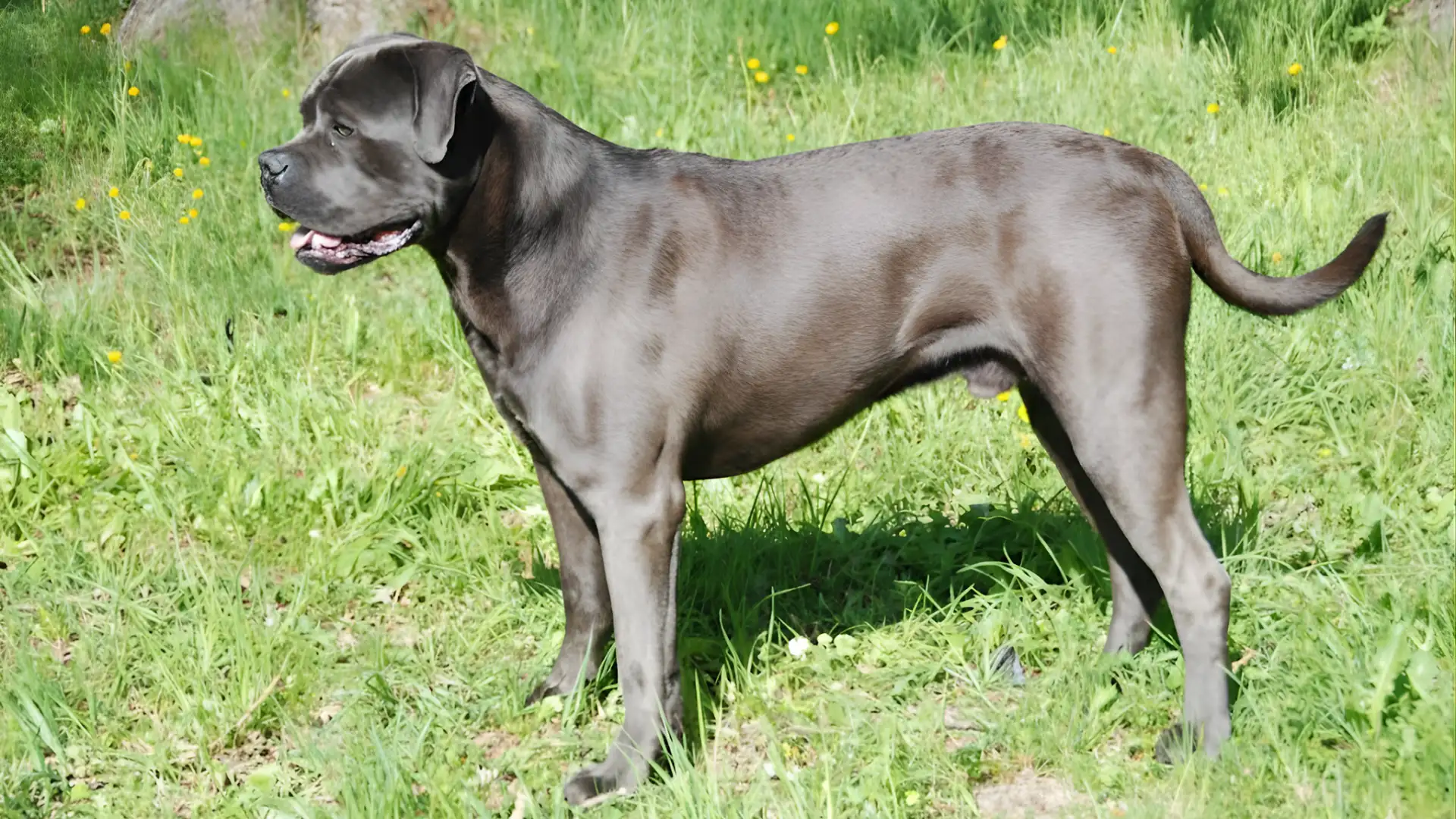
It is widely regarded as one of the best guard dogs and was developed in Italy and descends from ancient Roman war and farm dogs, later refined as a property guardian in rural areas.
Males typically stand 25 to 27.5 inches tall and weigh 100 to 120 pounds, while females measure 23.5 to 26 inches and weigh 85 to 105 pounds.
The coat is short, dense, and coarse, seen in black, gray, fawn, red, or brindle. Cane Corsos are loyal, assertive, and highly trainable.
Average lifespan: 9 to 12 years
8. Great Pyrenees
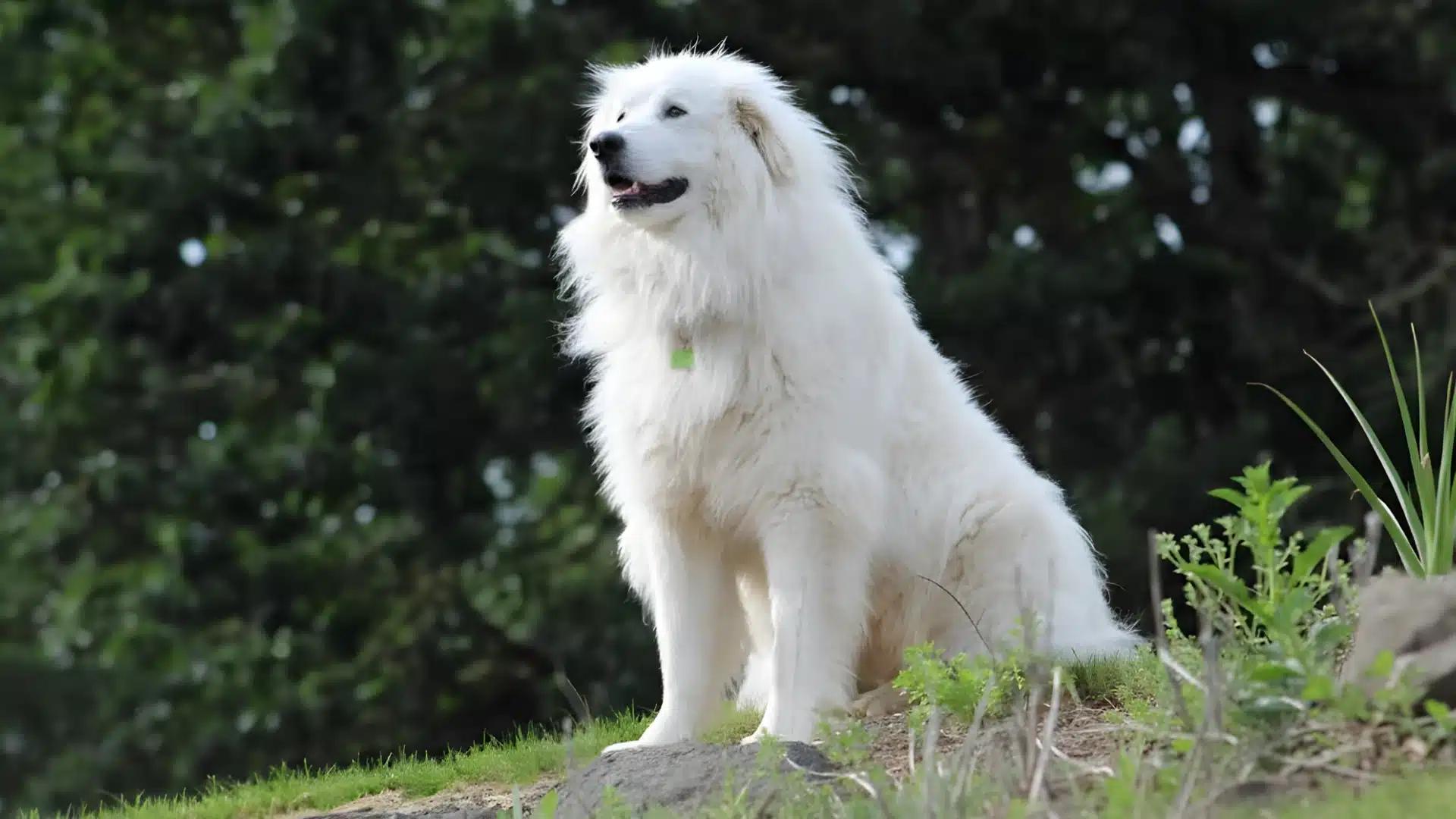
The Great Pyrenees was developed centuries ago in the Pyrenees Mountains between France and Spain to guard livestock from predators.
Males typically stand 27 to 32 inches tall and weigh 100 to 160 pounds, while females measure 25 to 29 inches and weigh 85 to 115 pounds.
The coats of these guard dog breeds are thick, double-layered, and weather-resistant, usually white or white with gray, tan, or reddish markings.
Average lifespan: 10 to 12 years
9. Chow Chow
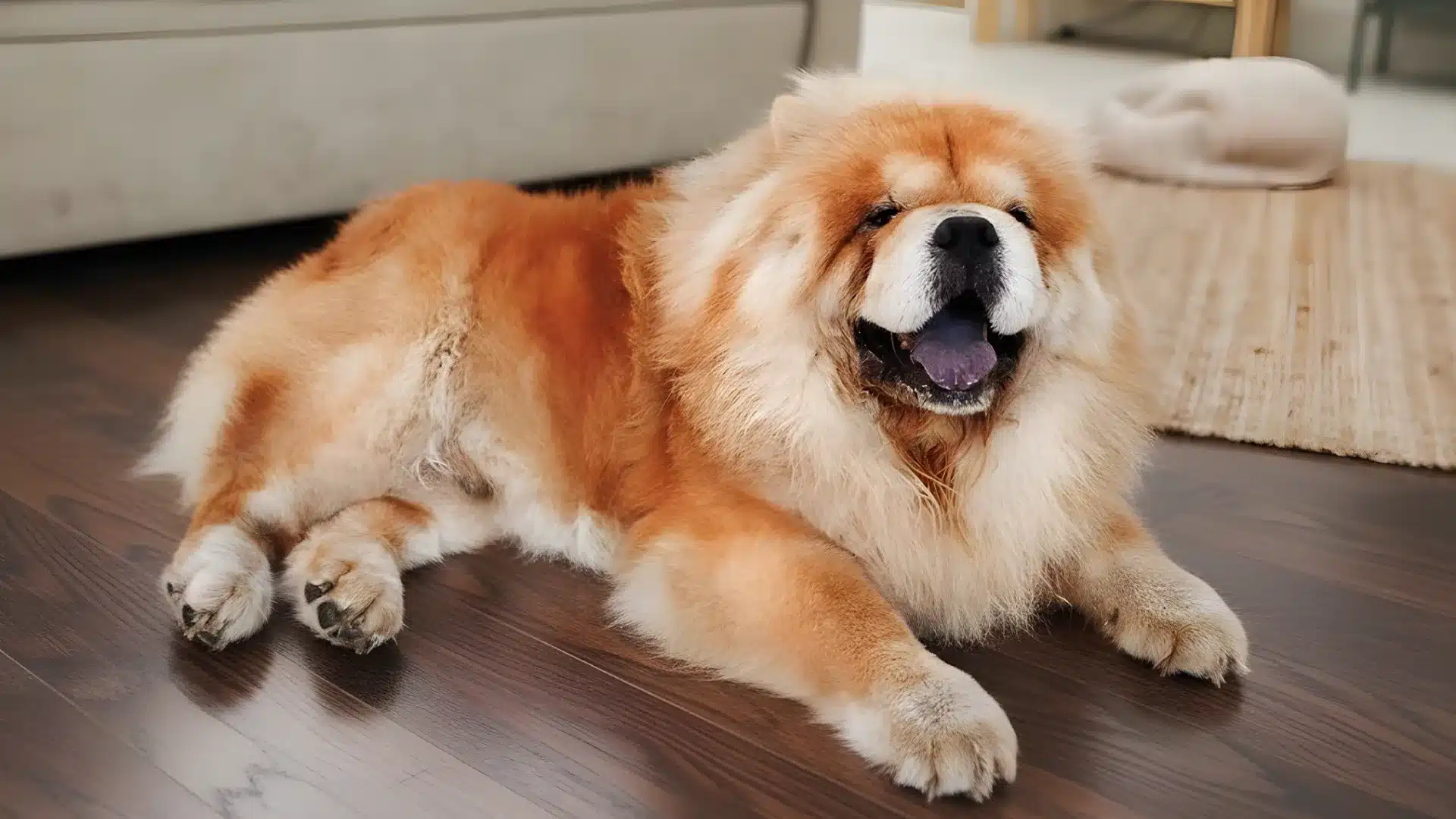
The Chow Chow is an ancient breed developed in northern China over 2,000 years ago, and is often included among the best guard dogs because of its strong territorial instinct.
Males typically stand 19 to 22 inches tall and weigh 55 to 70 pounds, while females are slightly smaller at 17 to 20 inches and 45 to 60 pounds.
The coat can be rough or smooth, dense and thick, seen in red, black, blue, cinnamon, or cream.
Average lifespan: 8 to 12 years
10. Shar Pei
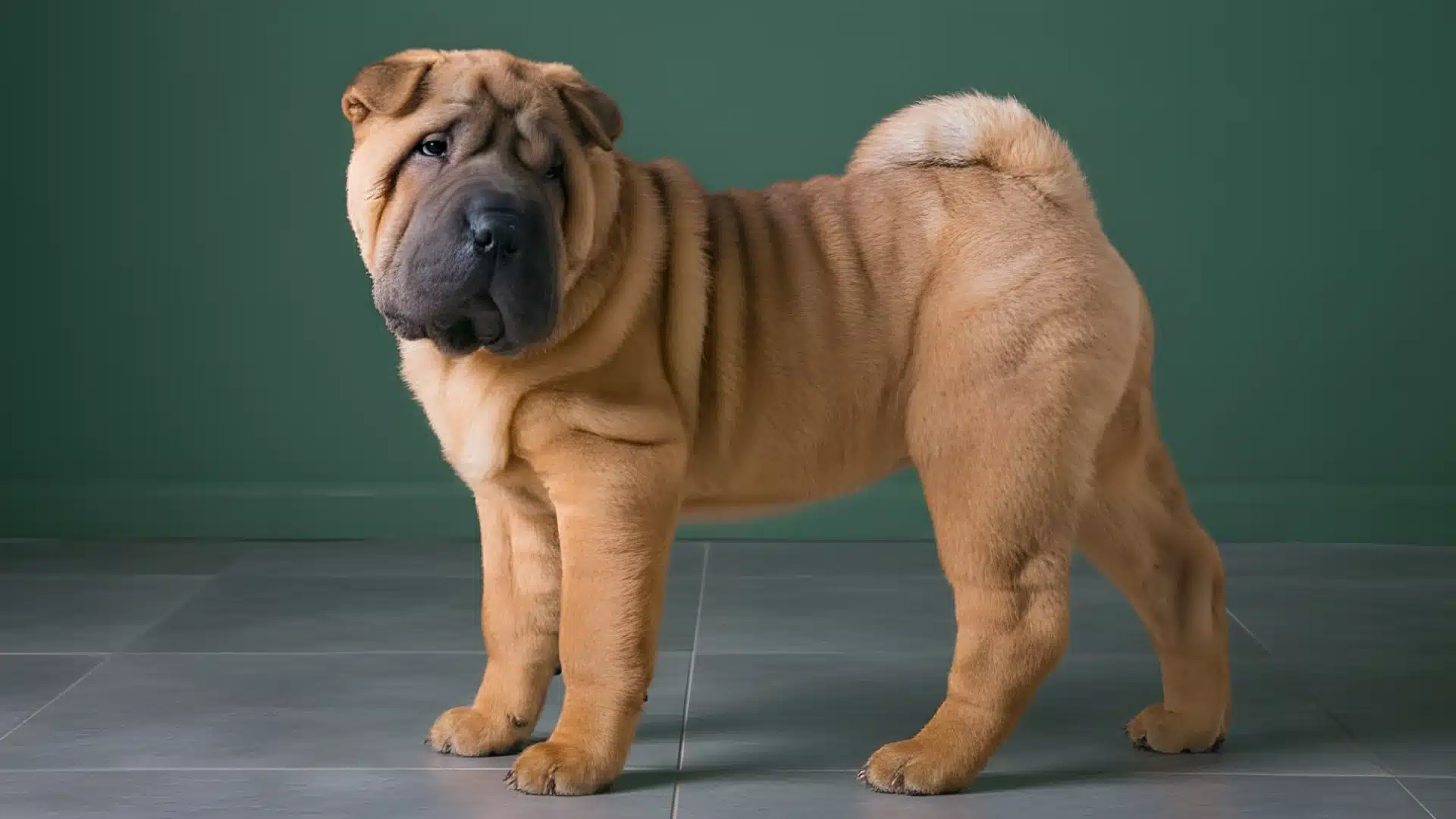
The Shar Pei was developed in southern China over 2,000 years ago, originally bred for guarding property and livestock.
Males typically stand 18 to 20 inches tall and weigh 55 to 60 pounds, while females are similar in height and slightly lighter in build.
The breed is known for its loose, wrinkled skin and small ears. Its short, harsh coat comes in solid colors such as black, cream, fawn, red, and blue.
Average lifespan: 8 to 12 years
11. Boerboel
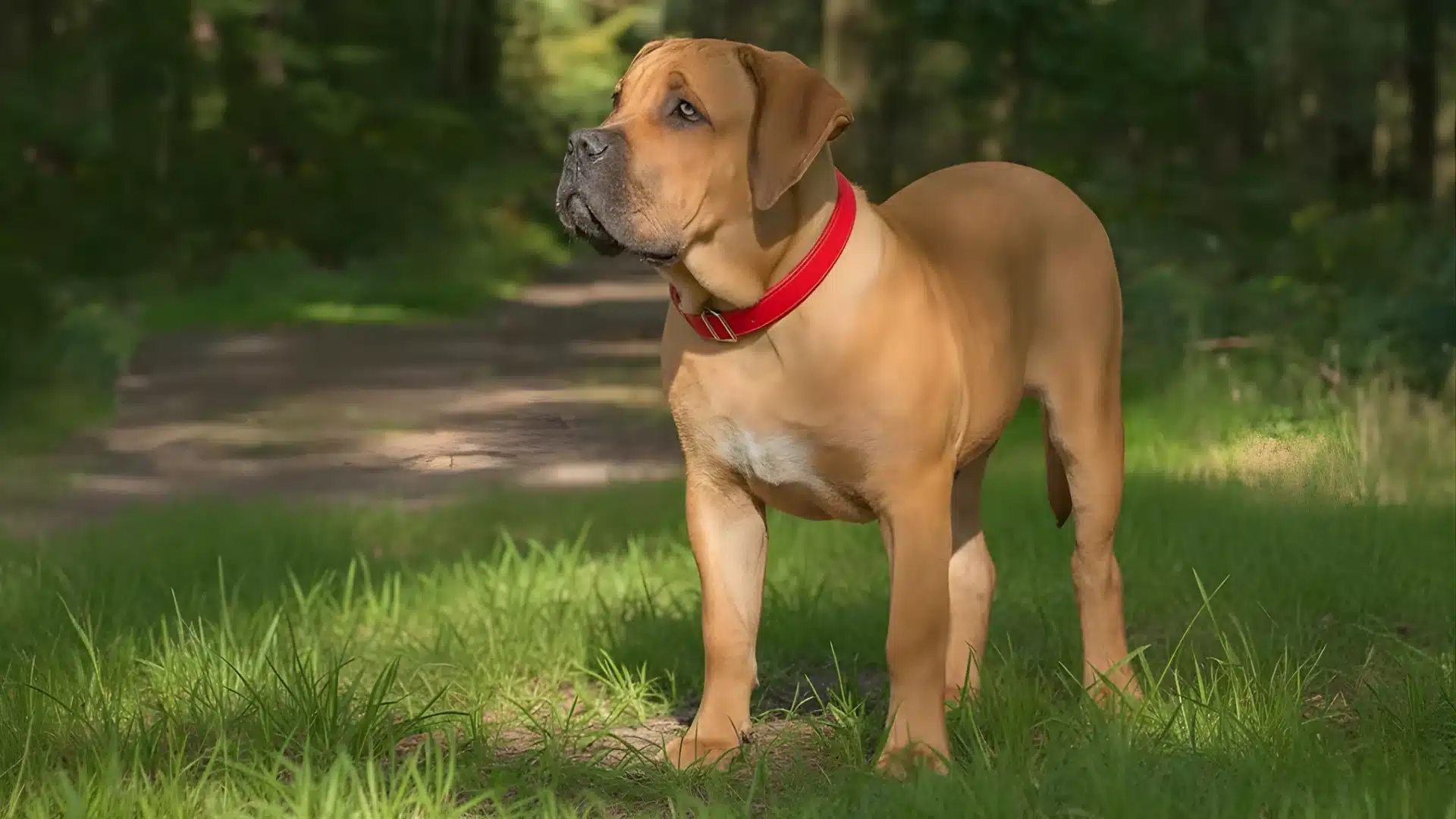
The Boerboel was developed in South Africa in the 1600s by settlers who bred large European dogs to guard farms against predators and intruders.
Males typically stand 24 to 28 inches tall and weigh 150 to 200 pounds, while females measure 22 to 25 inches and weigh 110 to 150 pounds.
The coat is short, dense, and smooth, commonly seen in fawn, red, brown, brindle, or cream. Boerboels are loyal, calm, and protective of their family.
Average lifespan: 9 to 11 years
Real User Experience on Guard Dog Breeds
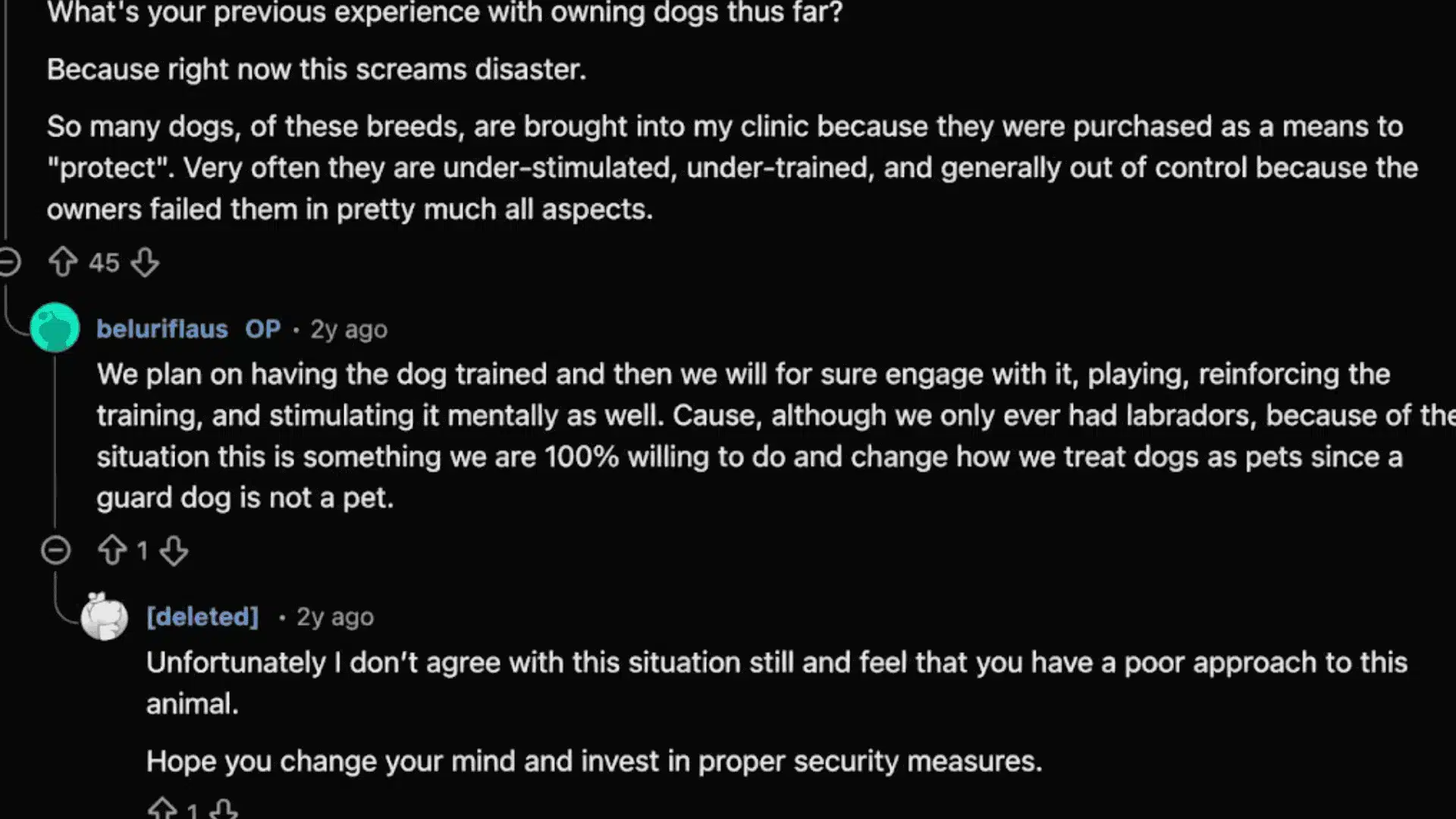
Reddit users discussed that while the original poster narrowed it down to Cane Corso, German Shepherd, and Belgian Malinois, most warned that choosing the best guard dogs is not simple.
Many stressed that these breeds demand serious daily training, mental stimulation, and hands-on involvement.
Several said that buying a powerful working dog out of fear can end badly if the owners lack experience or proper guidance.
Some users even suggested skipping protection breeds entirely and investing in cameras, alarms, and motion lights instead.
Others pointed out that a loud bark from almost any medium or large dog can scare off intruders. A few shared real stories where smaller dogs reacted faster than trained shepherds.
The clear takeaway from Reddit: a true protection dog requires years of effort, money, and responsible handling. For most families, deterrence works better than aggression.
How to Choose the Right Guard Dog for Your Home?
Choosing the right guard dog depends on your living space, experience, and daily routine.
Some of the best guard dogs, like German Shepherds and Rottweilers, need larger homes with yards, while breeds like Boxers can adapt better to smaller spaces if exercised properly.
For apartment living, high-energy and very large breeds may struggle.
First-time owners should avoid intense working breeds such as Belgian Malinois and instead consider more manageable options among the guard dogs that respond well to basic training.
Energy level matters because active breeds need daily physical and mental exercise.
Climate is also important; thick-coated dogs handle cold weather better, while short-coated breeds do well in warmer areas.
Matching these factors ensures your guard dog fits your home and lifestyle.
Conclusion
Finding the right protection for your home starts with understanding which of the best guard dogs for families truly fit your lifestyle.
Not all guard dog breeds are the same, and the best for families are those that combine loyalty, stability, and strong protective instincts without unnecessary aggression.
Size alone does not determine effectiveness; training, temperament, and compatibility with children matter just as much.
When carefully chosen and properly raised, the right guard dogs can offer dependable security while remaining loving companions.
Take time to evaluate your space, experience level, and daily routine before deciding.
Which breed do you think deserves the top spot among dog breeds? Drop your pick in the comments and tell us why.
Frequently Asked Questions
Can a Guard Dog be Trained Later in Life or Only as a Puppy?
Yes, guard dogs can be trained as adults, but early training is more effective. Adult dogs may take longer to adapt and require consistent guidance.
Do Guard Dogs Need Professional Training to be Effective?
Not always, but professional training can help shape proper behavior, improve control, and ensure the dog responds correctly in real situations.
Are Guard Dogs Suitable for Homes With Frequent Visitors?
They can be, but proper socialization is essential. Without it, some guard breeds may become overly protective or stressed around unfamiliar people.