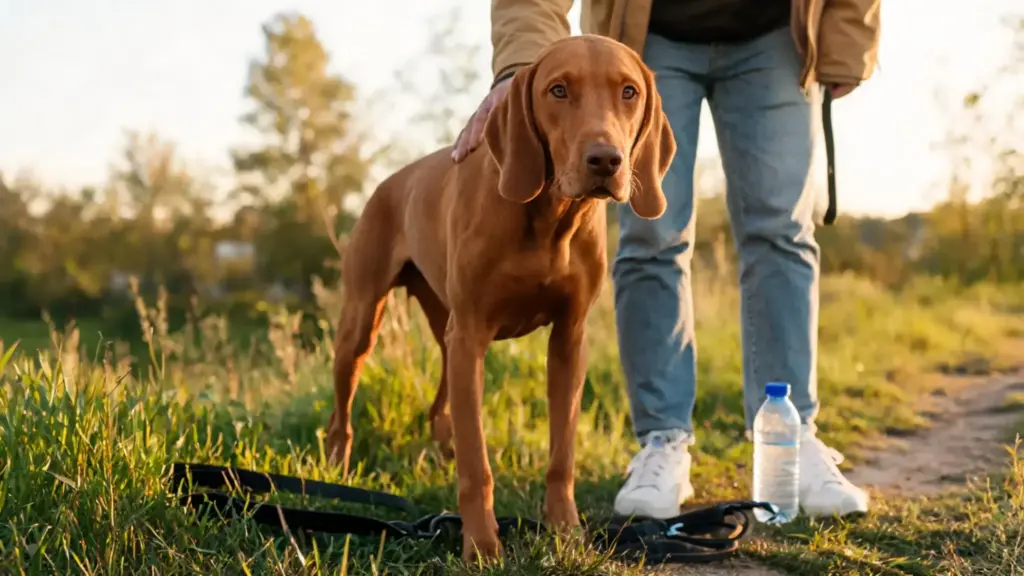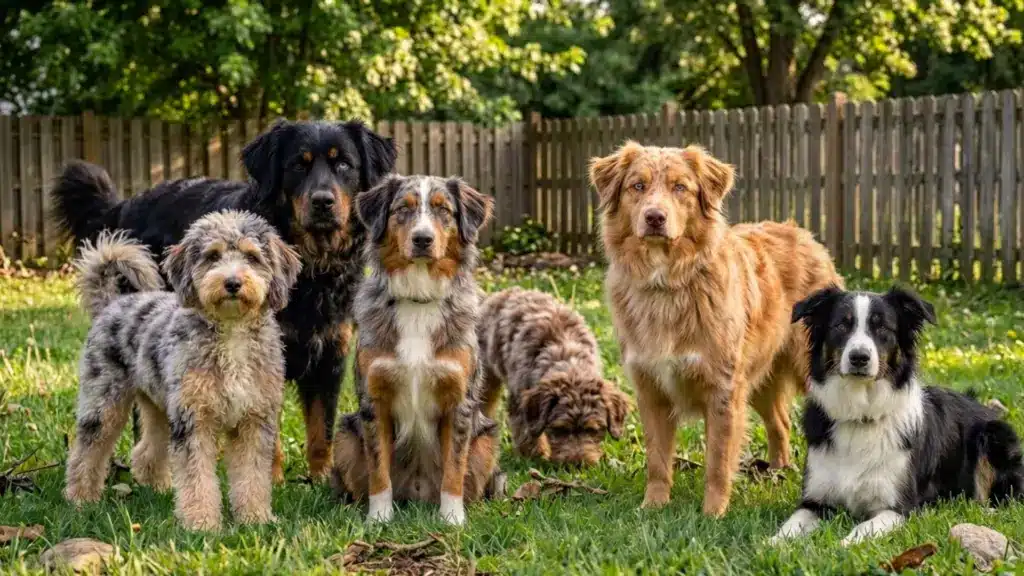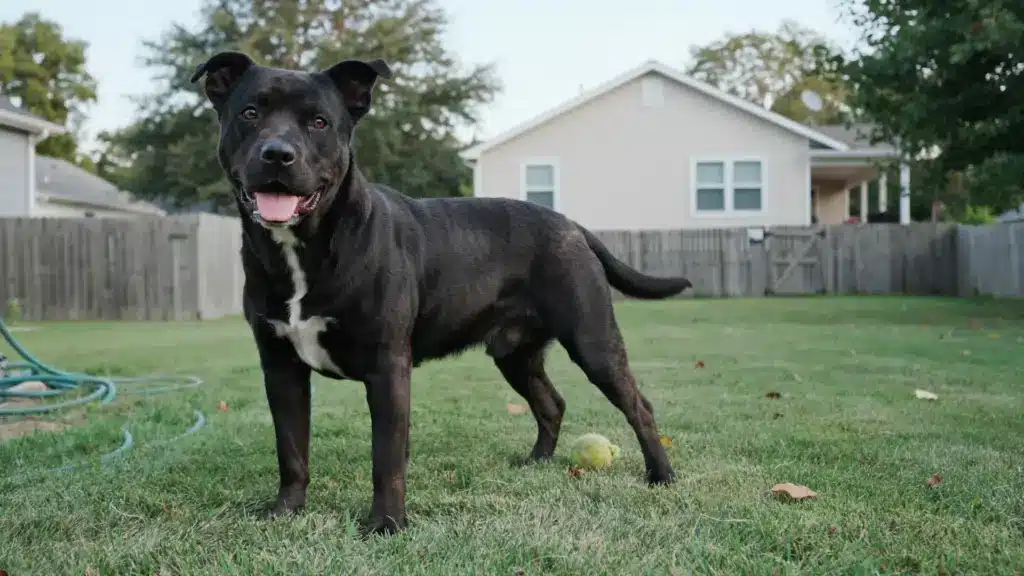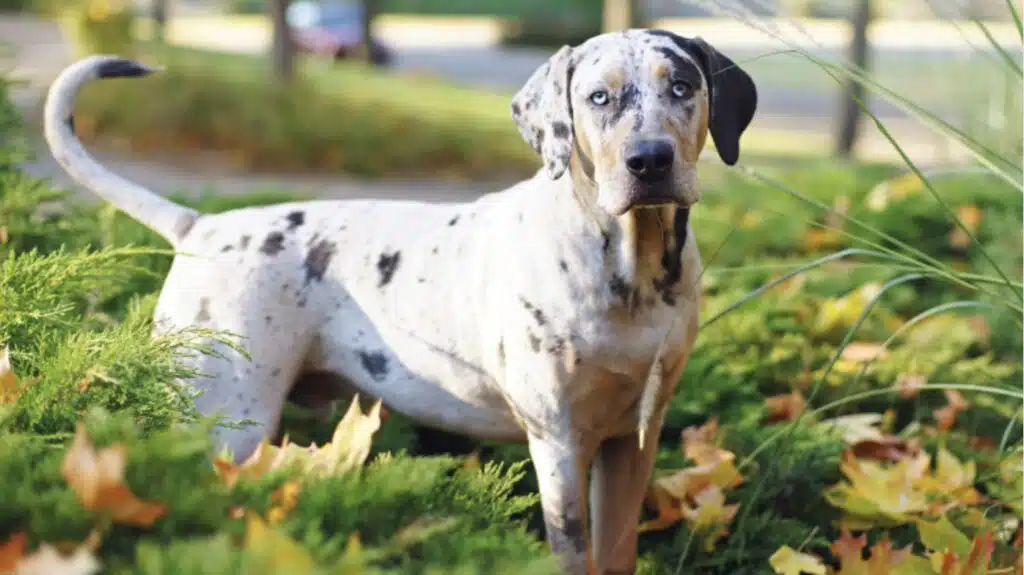
Have you ever seen a Catahoula Leopard Dog and wondered what makes it so striking and full of energy? With its colorful coat and piercing eyes, the Catahoula Dog easily stands out from other breeds.
I find it one of the most unique and attractive dogs to learn about, especially for active families who love loyalty.
Before bringing one home, it’s essential to understand their traits, care needs, and personality. These dogs need plenty of time and care to stay happy and healthy.
In this blog, I will tell you about the Catahoula Leopard Dog, its history, unique characteristics, and the essential breed information that every future pet owner should know.
It will help you decide whether this breed is suitable for you to own as a pet.
History and Origin of the Catahoula Leopard Dog
The Catahoula Leopard Dog began its story in Louisiana, where people needed dogs that were tough and smart to work in swamps and forests.
I find its background great because it connects both Native American and European history.
Early settlers bred local Native American dogs with Greyhounds, Bloodhounds, and Mastiffs brought by explorers like Hernando de Soto in the 1500s.
These crosses created a strong, quick, and brave dog that could herd cattle and hunt wild animals.
Over time, they developed their unique coat patterns and sharp instincts. The breed became a symbol of Louisiana’s culture and hardworking spirit.
On July 9, 1979, the Catahoula was named the official state dog.
It later gained recognition from the United Kennel Club in 1995 and was added to the AKC Foundation Stock Service in 1996.
What Makes the Catahoula Leopard Dog Special?
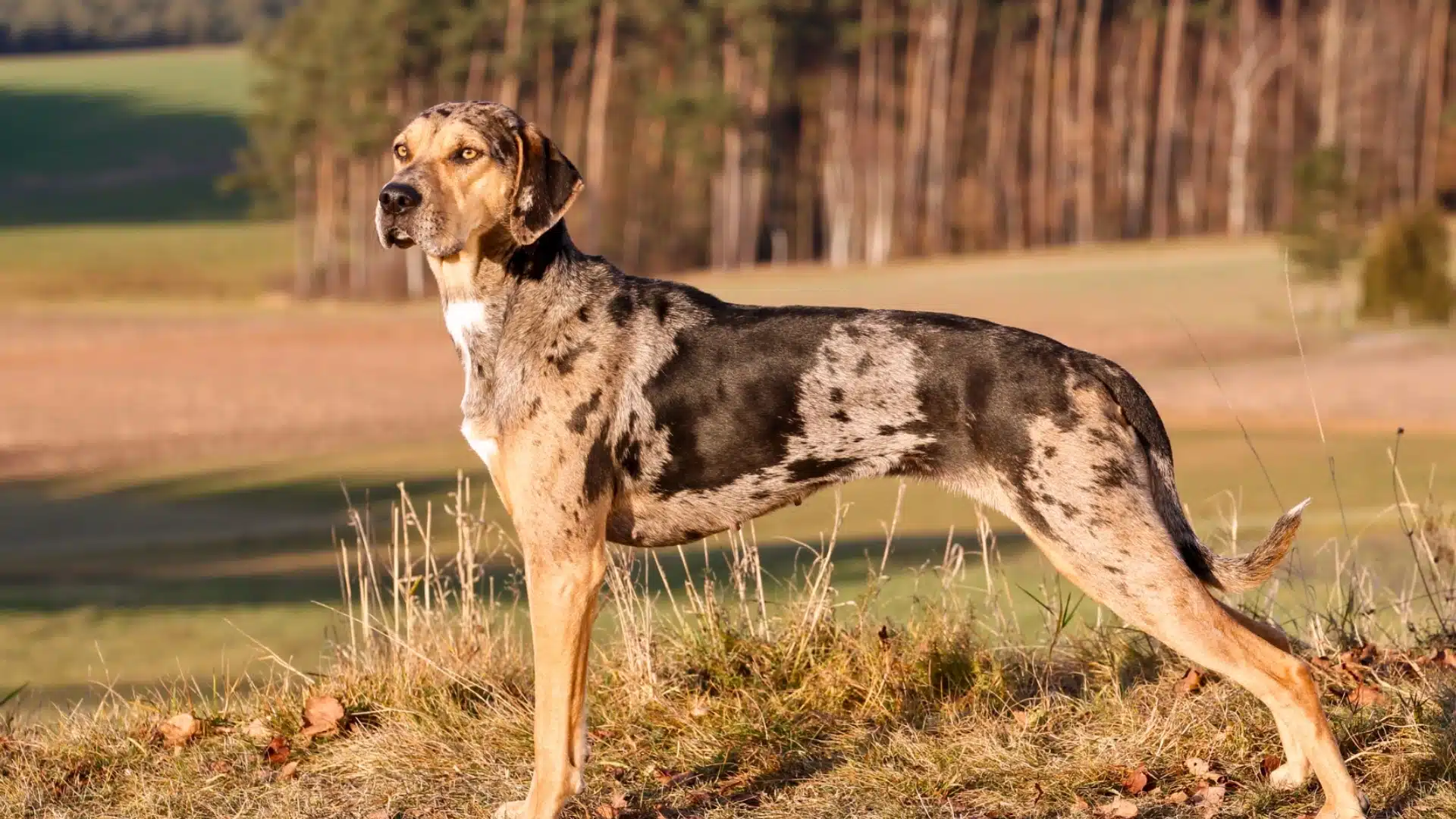
The Catahoula Leopard Dog is a medium to large-sized breed that comes from Louisiana, where it’s proudly known as the state dog.
I’ve always admired how this breed balances strength, intelligence, and loyalty.
You’ll notice right away that a Catahoula is built for activity, not laziness. The breed feels happiest and most balanced when given a task or routine.
If you’re someone who enjoys hiking, running, or working outdoors, this dog will easily match your energy. While they can be loving and gentle with family, they do need early training and socialization to stay balanced.
Catahoulas make great pets when given clear guidance and regular physical activity.
Working Roles, Instincts & Use Cases
Owner Testimonials & Case Studies
Owners on platforms like Reddit often share their personal experiences, which offer a better understanding of the dog’s temperament, challenges, and joys.
One owner shared how their Catahoula, although highly intelligent, can be stubborn and independent, requiring firm training. Despite this, they became a loyal companion to their family, especially around their kids.
Another owner discussed their dog’s protective instincts, making it an excellent guard dog.
A third owner mentioned that their Catahoula is a bundle of energy who loves to explore, and while they’re very affectionate, their stubbornness makes training a challenge.
Another shared that their Catahoula is fiercely loyal, but their strong prey drive means they need constant attention and exercise.
These real-life stories reveal that while Catahoulas are energetic and strong-willed, they can also be deeply affectionate and loyal members of the family when given the right care and training.
Physical Characteristics of the Catahoula Leopard Dog
The Catahoula Leopard Dog is built for endurance, balance, and hard work. Each feature reflects its strength and athleticism.
| Feature | Details |
|---|---|
| Size and Build | Males: 22–26 inches tall, 65–90 pounds; Females: 20–24 inches, 50–65 pounds |
| Body Shape | Rectangular, lean, and muscular frame designed for movement and agility |
| Head | Broad skull with defined cheekbones and a strong, slightly tapered muzzle |
| Ears | Medium-sized, set just below the head, hanging close to the cheeks in soft folds |
| Coat | Short to medium-length, smooth, dense, protecting against rough terrain |
| Color Patterns | Blue merle, red merle, brindle, and solid colors mixed with white spots or patches |
| Eyes and Tail | Eyes: blue, green, amber, or brown (sometimes mixed); Tail: long, tapering, carried high without docking |
Each trait highlights how the Catahoula’s design serves purpose and beauty, blending power, agility, and unmistakable personality.
Temperament and Personality of the Catahoula Leopard Dog
The Catahoula Leopard Dog is known for its strong loyalty and loving nature, making it an excellent family companion.
These dogs form deep bonds with their owners and often take on protective roles, especially around children.
They enjoy companionship, outdoor activities, and being an active part of daily life, making them a great fit for active homes.
Their energy is boundless, so it’s important to supervise them when they play with young kids to avoid accidental roughness.
With other pets, Catahoulas can show herding instincts or dominance, so early socialization is key.
Consistent training helps them adjust well to different animals and family members. Gradually introducing them to other pets and setting clear boundaries ensures a peaceful household.
When given the right structure, exercise, and attention, Catahoulas grow into well-mannered and loyal family members.
Care, Health, and Lifespan of the Catahoula Leopard Dog
The Catahoula Leopard Dog usually stays healthy and strong when properly cared for. I’ve found that consistent grooming, good food, and exercise make the biggest difference.
- Lifespan: Catahoulas typically live 10–14 years with proper care, regular check-ups, and an active lifestyle.
- Health Issues: Common problems include hip dysplasia, deafness in merle-coated dogs, and eye conditions such as cataracts or retinal atrophy.
- Grooming: Their short coat requires weekly brushing, with baths only when necessary due to dirt accumulation. Don’t forget to clean your ears and trim your nails on a monthly basis.
- Exercise and Play: They require at least an hour of daily physical activity, such as running, swimming, or participating in agility sports, to maintain their happiness.
- Diet and Vet Care: Feed a balanced diet in smaller meals, and visit the vet regularly for health checks and vaccinations.
Feeding Chart for Catahoula Leopard Dogs
The feeding chart below provides insight into the typical food amounts for a Catahoula Leopard Dog, depending on their age, weight, and activity level.
| Age/Life Stage | Typical Weight | Daily Food Amount (Dry Kibble) | Meals per Day | Key Notes |
|---|---|---|---|---|
| Puppy (2-3 Months) | 15-25 lbs | 2-3 cups (puppy formula) | 3-4 | Higher protein for growth; include animal proteins and omega fatty acids. |
| Puppy (4-6 Months) | 30-50 lbs | 3-4 cups | 3 | Gradually increase portions; monitor for overfeeding to avoid rapid growth. |
| Adolescent (7-12 Months) | 50-70 lbs | 3.5-4.5 cups (transition to adult) | 2-3 | Balance energy needs; active pups may need more. |
| Adult (1-7 Years, Active) | 50-95 lbs | 3-5 cups (adult formula) | 2 | Adjust for activity; working dogs may require higher fat/protein. |
| Adult (1-7 Years, Inactive) | 50-95 lbs | 2.5-4 cups | 2 | Lower calories to prevent weight gain; consult vet for specifics. |
| Senior (8+ Years) | 50-95 lbs | 2-4 cups (senior formula) | 2 | Reduced portions; focus on joint-supporting nutrients like glucosamine. |
Note: This is for an average Catahoula Leopard Dog; every dog is different, so their specific requirements may vary.
Feeding and Nutrition Tips
A healthy diet keeps your Catahoula Leopard Dog strong, energetic, and focused. These dogs are highly active, so they need meals that support muscle strength and endurance.
- Feed based on age and activity: Puppies need more calories for growth, while adults require a steady diet based on daily exercise levels.
- Portion control: Typically, 3–4 cups of dry food per day, divided into two meals, works well, but adjust as per your vet’s advice.
- Avoid overfeeding: Their energy can mask weight gain, so check body condition regularly to prevent obesity.
- Include healthy extras: Add lean meats, cooked veggies, or omega-rich fish for extra nutrients, if approved by your vet.
- Keep them hydrated: Always provide clean, fresh water, especially after outdoor activities.
- Watch for allergies: Some Catahoulas may react to grains or poultry; monitor for itching or digestive issues.
- Regular vet checkups: Discuss diet adjustments during visits to ensure their nutritional needs are met as they age.
Training and Living Conditions of the Catahoula Leopard Dog
Training a Catahoula Leopard Dog takes patience, confidence, and consistency. I’ve noticed they’re smart and eager to learn, but they also like testing boundaries.
You’ll need to stay calm and firm because they respond best to positive reinforcement, not harsh discipline.
Starting training and socialization early helps them grow into friendly, well-behaved dogs. Catahoulas love space to move and work.
They’re happiest in homes with large yards, farms, or active families who can keep them busy. Apartment life often frustrates them because they need daily challenges, exercise, and variety.
When given structure, tasks, and leadership, these dogs become amazing partners.
They stay focused, loyal, and confident. With time, training, and love, you’ll find that a Catahoula becomes not just obedient but truly devoted to you.
Conclusion
Owning a Catahoula Leopard Dog can be both exciting and challenging. I think they’re one of the most loyal breeds you’ll ever meet.
You’ll love how affectionate and protective they become, but you must also be ready for their strong will and high energy. They’re easy to train when guided patiently, yet difficult if handled without structure or consistency.
A Catahoula loves when given daily exercise and mental challenges. If you can match their spirit, they’ll reward you with infinite loyalty and companionship.
These dogs require more than just comfort; they need purpose and attention to remain happy.
Have you ever met or owned a Catahoula Leopard Dog before? Tell me about your experience or share your thoughts in the comments below.