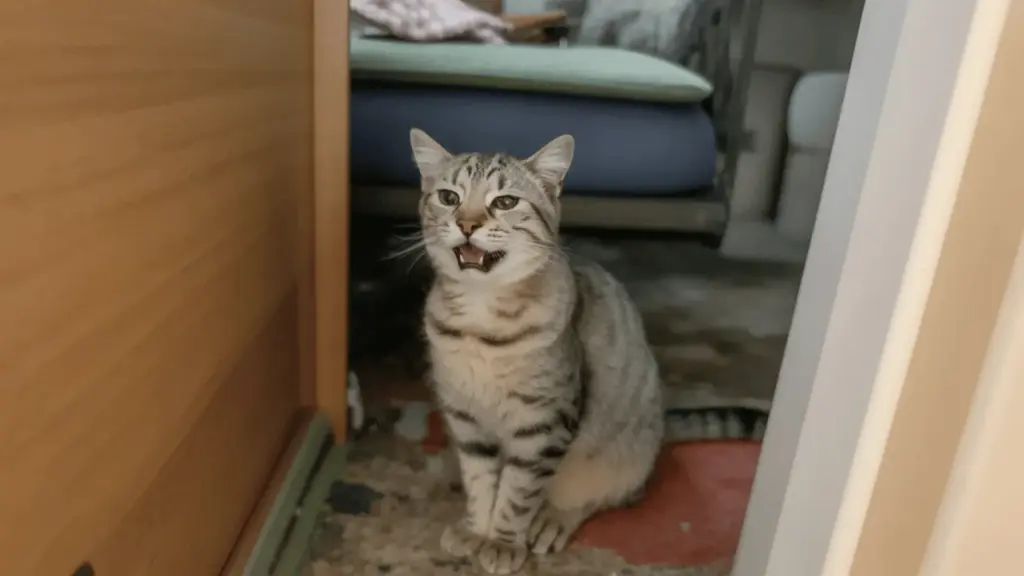
Those glowing copper eyes and that smooth black coat often leave a lasting impression on anyone who meets a Bombay cat.
Their calm confidence and affectionate nature make them easy to love from the very beginning.
Bringing a cat into your home means planning for years of care, shared routines, and quiet companionship.
You picture them curled beside you on the couch or following you from room to room each day. Naturally, you want those years to be as many and as healthy as possible.
Understanding what affects the Bombay cat’s lifespan helps you make better choices and feel more prepared. With the right care and attention, your time together can be long and steady.
About Bombay Cat
The Bombay cat is a sleek, all-black breed first developed in the United States during the 1950s.
The goal was to create a domestic cat that looked like a small black panther but had a friendly and affectionate personality.
Breeders achieved this by crossing a black American Shorthair with a sable Burmese cat.
The result was a cat with a shiny, jet-black coat, round, copper- or gold-colored eyes, and a muscular yet compact body.
The breed was carefully refined over several years to maintain its distinct look and temperament.
The Cat Fanciers’ Association officially recognized the Bombay in 1976, which helped establish its popularity. Today, the Bombay cat is known for its striking appearance and its bond with people.
Characteristics of a Bombay Cat

The Bombay cat is admired for its striking appearance and affectionate personality. Many people researching Bombay cat lifespan find that this breed offers both beauty and companionship.
1. Physical Attributes
The Bombay cat has a sleek, jet black coat that appears smooth and highly polished under light.
Its short fur lies close to the body, giving it a refined and stylish finish. The eyes are large, round, and typically copper or deep gold in color.
This bright eye color creates a dramatic contrast against the dark coat. The body is muscular, solid, and surprisingly heavy for its medium size.
2. Height & Weight
Bombay cats are considered medium-sized, but they feel heavier due to their dense muscle tone.
Adult males generally weigh between 8 and 12 pounds when properly maintained. Females are slightly smaller and usually weigh between 6 and 10 pounds.
Their height typically ranges from 9 to 13 inches at the shoulder. Maintaining a healthy weight is essential for protecting joints and heart health.
Excess weight can shorten the Bombay cat’s lifespan by increasing the risk of medical conditions.
3. Traits
Bombay cats are affectionate, loyal, and deeply connected to their human companions.
They enjoy being involved in daily activities and often follow their owners around the home. This breed is playful, curious, and intelligent, making it easy to train with patience.
They usually get along well with children and other pets when socialized early.
4. Grooming
Grooming a Bombay cat is simple compared to many long-haired breeds. Their short coat requires weekly brushing to remove loose hair and maintain shine.
Regular brushing also helps distribute natural oils evenly across the skin. Bathing is rarely necessary unless the coat becomes oily or dirty.
Nail trimming, ear checks, and dental care should be part of a consistent routine, and with good hygiene habits, can positively influence a Bombay cat’s lifespan.
Average Bombay Cat Lifespan
The average Bombay cat lifespan typically ranges between 12 and 16 years when the cat receives proper nutrition, regular veterinary care, and a safe indoor environment.
Many healthy Bombays live well into their mid-teens with consistent attention and preventive health support.
Some individuals can even surpass this range, reaching 18 to 20 years of age, especially when genetic factors are favorable and lifestyle risks are limited.
The International Cat Association recognizes the Bombay as a generally sturdy breed with a balanced structure and good overall health.
When compared to other domestic cats, the Bombay cat’s lifespan is similar and sometimes slightly longer with responsible ownership.
Life Stages of a Bombay Cat
Each life stage of a Bombay cat brings physical, emotional, and behavioral changes that influence overall health and the Bombay cat’s lifespan.
1. Kitten Years
During the first year, Bombay kittens grow rapidly and experience major developmental milestones.
Their bodies develop quickly, requiring nutrient-rich food to support bone and muscle formation. Socialization during this stage strongly shapes long-term temperament and behavior patterns.
Gentle handling, exposure to household sounds, and interactive play encourage confidence and adaptability.
2. Young Adult Years
Between 1 and 7 years, Bombay cats enter their most active and physically stable stage. Energy levels remain steady, and playful behavior continues in a more controlled manner.
This period is often the healthiest phase of the Bombay cat’s lifespan for most individuals.
Mental stimulation through toys and human interaction supports emotional well-being. Consistency in care during these years helps maintain strength, stability, and long-term wellness.
3. Mature and Senior Years
After 7 years, Bombay cats gradually transition into their mature and senior stage. Activity levels may decrease, and longer rest periods become part of daily routines.
Subtle changes in movement, appetite, or behavior may appear over time. Senior wellness exams become especially important during this phase of the Bombay cat’s lifespan.
Blood work and heart evaluations can detect early signs of age-related conditions.
Key Factors That Affect Lifespan
Several important factors directly influence the Bombay cat’s lifespan. While genetics play a role, daily care and environment often have a greater impact on long-term health.
- Genetics: Inherited traits from parent breeds can affect overall health, including heart and respiratory conditions.
- Nutrition: A balanced, protein-rich diet supports muscle tone, organ function, and healthy weight management throughout every stage of life.
- Veterinary Care: Routine checkups, vaccinations, dental cleanings, and early disease detection significantly improve overall health.
- Weight Management: Preventing obesity reduces strain on joints and the heart, helping protect long-term physical stability and comfort.
- Living Environment: Indoor living, mental stimulation, and a low-stress home environment greatly support a longer and healthier life.
Common Health Conditions in Bombay Cats
Bombay cats are generally known as a strong and healthy breed, but they can still develop certain medical conditions over time.
Some of these concerns are connected to their genetic background and inherited traits.
One condition seen in some cats is hypertrophic cardiomyopathy, a heart disease that thickens the heart muscle and affects normal blood flow.
A few individuals may also show respiratory sensitivity related to facial structural features inherited from related breeds.
Dental disease is another common issue, especially when brushing and professional cleanings are not regular.
In some cases, obesity may also contribute to diabetes, which requires careful dietary management and veterinary supervision to maintain stable blood sugar levels.
Bombay Cat Care and Grooming Tips
Proper care and grooming is important role in keeping a Bombay cat healthy throughout life. Although this breed has a short coat and low maintenance needs, consistent routines still matter.
- Weekly Brushing: Brush the short coat once a week to remove loose hair, reduce shedding, and maintain a smooth, shiny appearance.
- Balanced Nutrition: Provide high-quality, protein-rich food with proper portion control to prevent obesity and support steady energy levels.
- Regular Nail Trimming: Trim nails every few weeks to prevent overgrowth, discomfort, and accidental scratches inside the home.
- Dental Care Routine: Brush teeth regularly and schedule professional cleanings to reduce the risk of gum disease and tooth decay.
- Routine Vet Checkups: Schedule annual wellness exams and vaccinations to detect health concerns early and maintain overall stability.
Conclusion
Bombay cats are known for their striking appearance and solid overall health, which often leads many owners to ask about Bombay cat lifespan and how long Bombay cats live.
The lifespan depends on several important factors, including genetics, balanced nutrition, regular exercise, and routine veterinary visits.
Keeping them indoors, maintaining a healthy weight, and providing daily mental stimulation can greatly improve long-term wellness and stability.
Early health screenings and preventive care also reduce the risk of serious medical conditions.
When owners stay attentive to diet, grooming, and subtle behavioral changes, they create the best chance for extending their lifespan.
A well-cared-for Bombay can remain a loyal, loving companion for many healthy years.
What tips have worked best for your cat’s health and daily care? Share in the comments below.
Frequently Asked Questions
Are Bombay Cats Allergenic?
Bombay cats are not fully hypoallergenic, but their short coat may produce slightly less loose dander. Allergies are usually triggered by proteins in saliva and skin, not fur length alone.
Are Bombay Cats Rare?
Bombay cats are considered a relatively rare breed compared to common domestic cats. Limited breeding programs and strict breed standards contribute to lower availability in many regions.
How Much Does A Bombay Cat Cost?
The cost of a Bombay cat typically ranges between $800 and $1,500, depending on breeder reputation, lineage, and location. Adoption fees from shelters are usually lower ($100-$300) when available.