Every dog loves to chew, but are you sure the bones you’re giving are safe?
Chewing on bones is a natural behavior that helps dogs stay entertained, healthy, and mentally stimulated.
However, not all bones are created equal. Some can cause serious risks, such as choking, digestive blockages, or even internal injuries.
In this post, we’ll guide you through what bones are safe for dogs and explain why choosing the right ones is crucial for their well-being.
By the end, you’ll have a clear understanding of how to select safe, healthy treats that benefit your dog’s health and happiness.
But before we go into the details, let’s first look at why bones are important in your dog’s daily routine and how to pick the best options for them.
Why Bones Matter for Your Dog’s Health?
Bones can be a big deal for dogs because chewing feels natural, keeps them busy, and can help their bodies too.
- Natural chewing: Dogs love it because it matches their instincts and helps them stay relaxed, focused, and less cranky.
- Teeth support: Chewing can rub off plaque and tartar, which may help keep breath fresher and gums healthier over time.
- Boredom control: A good chew keeps dogs occupied longer, so they are less likely to chew on shoes, furniture, socks, or other random items.
- Jaw workout: Chewing works the jaw muscles, which help puppies during teething and support adult dogs that love chewing daily.
- Mental relief: Chewing can help dogs feel calmer by giving them a fun job instead of pacing, whining, or getting restless.
- Better routine: Many dogs settle faster after chewing, so it can become a simple habit after walks, playtime, or meals.
The Difference Between Safe and Unsafe Bones
Not all bones are equal, and some can seriously hurt your dog, so knowing the difference matters a lot, especially before you grab leftovers from your plate.
| Safety Rule | Safer Choice Looks Like | Unsafe Choice Looks Like |
|---|---|---|
| Cooked vs raw | Raw and flexible when chewed | Cooked and brittle, breaks into sharp pieces |
| Size check | Bigger than your dog’s mouth | Small enough to swallow fast |
| Hardness check | Chewable with a little “give.” | Rock-hard and tooth-breaking |
| Shape check | Smooth edges, no sharp corners | Cracked edges or splintery pieces |
| Plain vs flavored | Plain with no added seasoning | Smoked, seasoned, or flavored bones |
| Chewing style match | Fits your dog’s bite strength | Too tough for small dogs or too tiny for big dogs |
Recommended Safe Bones for Dogs
The American Kennel Club (AKC) says raw bones (which are bacteria-free) are usually safer than cooked bones, since cooked ones can splinter and hurt your dog.
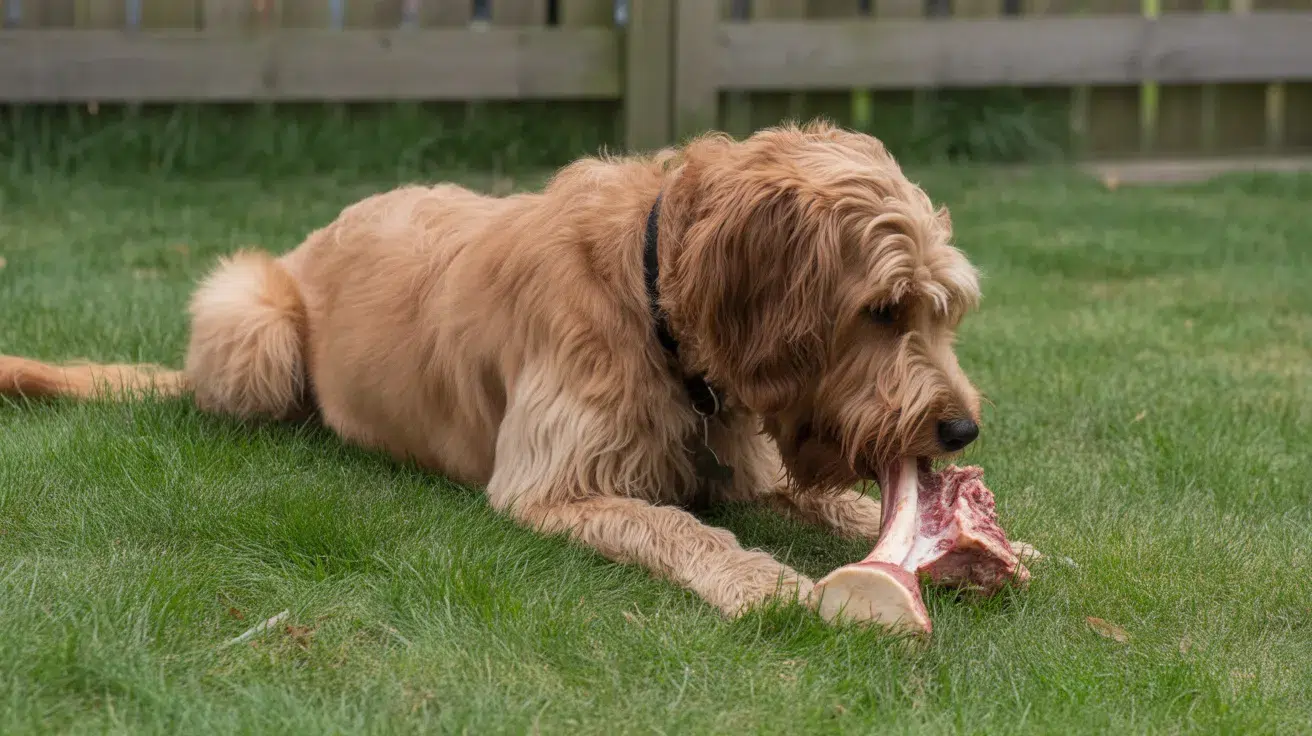
If you want to give your dog bones, pick ones that are raw, plain, and big enough that your dog cannot swallow them fast.
Raw beef knuckle bones are a popular choice because they are tough, long-lasting, and keep strong chewers busy. Raw lamb necks can be better for smaller dogs, as they are softer and easier for them to chew without struggling.
Some owners also give raw chicken necks to small dogs, but they must be fresh and watched closely to avoid choking. For dogs that chew too hard, rubber or nylon bones made for dogs can be a safer daily option.
Keep chewing time short, around 15 to 20 minutes, and always stay nearby while your dog chews.
Benefits of Giving Safe Bones and Best Practices
Safe bones can be great for dogs because they support health and behavior in simple ways, as long as your dog can handle chewing calmly.
- Cleaner teeth: Chewing can scrape plaque and tartar off teeth, which may help gums stay healthier, and breath smell better too.
- Stronger jaw muscles: Regular chewing works the jaw, which helps puppies during teething and keeps adult dogs active and strong.
- Less boredom chewing: A good bone keeps dogs busy, so they stop chewing shoes, pillows, socks, and other household stuff.
- Calmer behavior: Chewing can help dogs relax, since it gives them a steady activity instead of pacing or acting hyper.
- Mental stimulation: Bones give dogs something to focus on, which is helpful for smart breeds that get bored very fast.
- Better daily routine: Many dogs settle down after chewing, so it can fit nicely after walks, playtime, or training sessions.
Community Discussions and Personal Experiences
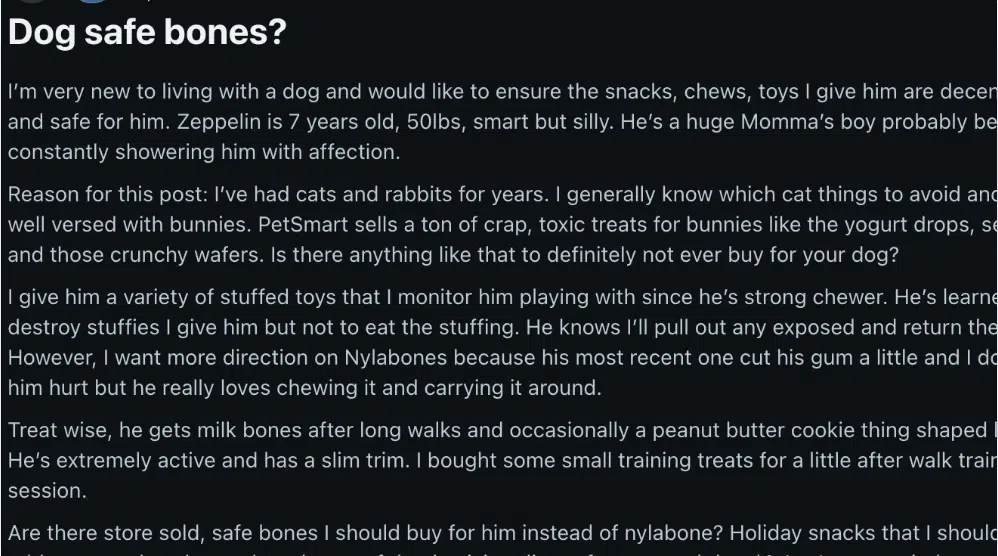
Many pet owners on Reddit talk about bones for dogs as if it were a normal thing, but they still share a lot of warnings too.
A lot of people straight up say things like: “raw bones are fine, cooked bones are the scary ones,” because cooked bones can splinter fast.
You will also see comments like “beef knuckles last forever,” and “my dog stays busy for an hour,” because bigger bones slow down gulping.
Some owners warn, “marrow messed up my dog’s stomach,” so they avoid super fatty bones or keep them rare.
There are also posts saying, “My dog cracked a tooth on a hard bone,” especially from aggressive chewers.
The most repeated thing is: “every dog is different,” so people suggest trying slowly and watching your dog’s chewing habits.
Common Unsafe Bones to Avoid and Why
Some bones look harmless, but they can turn dangerous fast, so it’s better to skip them and keep your dog safe.
- Cooked chicken bones: These splinter easily and can cut the mouth, throat, or stomach while your dog tries to swallow.
- Cooked ribs and chop bones: These break into sharp pieces and can cause choking or painful blockages in the gut.
- Smoked store-bought bones: These can crack and splinter, plus the added flavors and salts may upset your dog’s stomach.
- Small bones: These are risky because dogs can gulp them down fast and choke in seconds.
- Super hard weight-bearing bones: These are so dense that strong chewers can crack teeth, which hurts and costs a lot to fix.
- Seasoned or sauced bones: These can have spices, garlic, or onion flavors that are not safe for dogs to eat.
What to Do After Your Dog Has Finished Chewing?
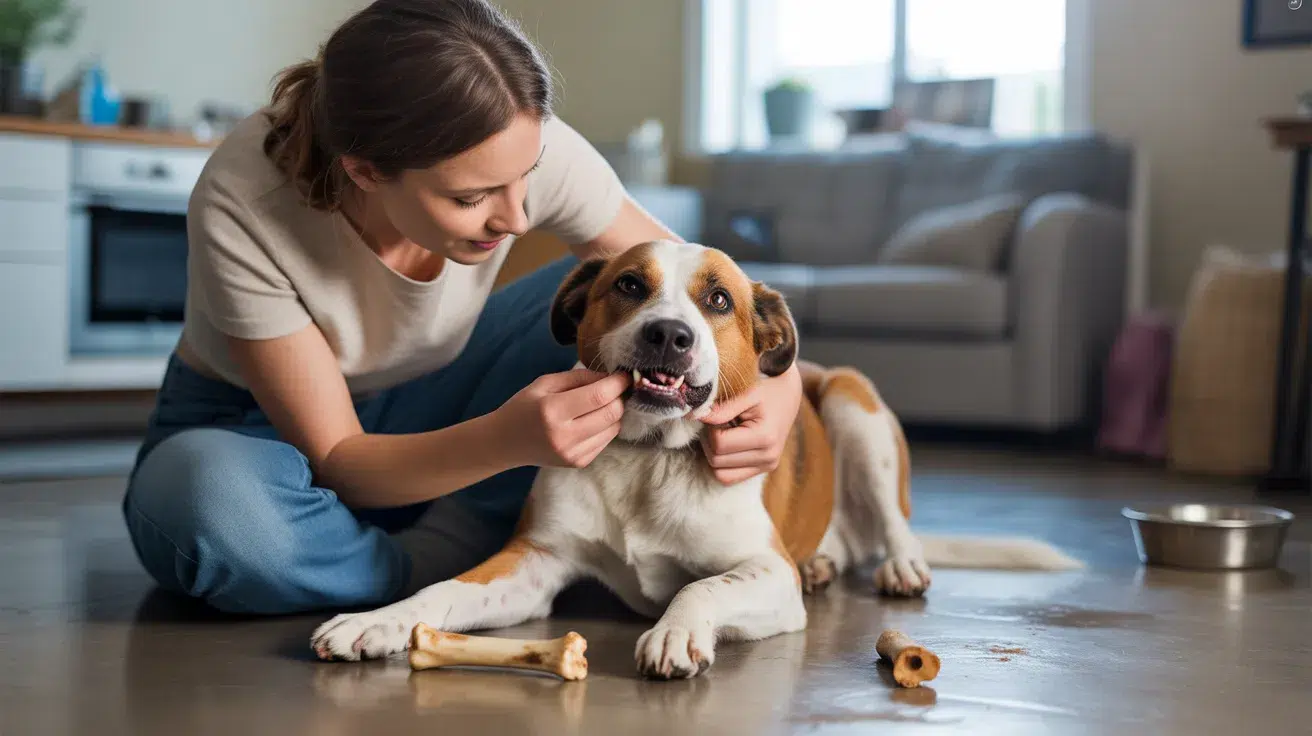
After giving your dog a bone, it’s important to take some extra steps to ensure everything stays safe and smooth.
- Check for fragments: Always take a quick look at the bone after chewing. If any sharp fragments are left, toss them out to prevent choking or injury.
- Watch digestion: Keep an eye on your dog’s poop for any changes like diarrhea or signs of stomach upset, especially after chewing marrow-heavy bones.
- Teeth inspection: After chewing, check your dog’s teeth for cracks or signs of damage. Hard bones can sometimes cause dental issues.
- Monitor behavior: See how your dog behaves after chewing. If they seem lethargic, bloated, or uncomfortable, call your vet for advice.
- Hydration: Make sure your dog drinks enough water after chewing, especially if they’ve eaten a lot of bone marrow, to help digestion and avoid constipation.
- Time management: If your dog didn’t finish the bone, clean it off and store it in the fridge for next time. Just make sure it’s not left out too long to avoid bacteria build-up.
By following these simple steps, you can ensure that bones stay a healthy and enjoyable part of your dog’s routine!
Conclusion
Choosing the right bones for your dog is all about making informed, safe decisions. To keep your dog’s health in mind, choose safe, appropriately sized bones and always monitor them while they chew.
While bones can offer great benefits like cleaner teeth and mental stimulation, it’s important to avoid risky ones that could cause harm.
If you’re ever unsure about a particular bone or treat, it’s always better to seek professional advice or opt for safer alternatives.
With the right approach, your dog will enjoy chewing as a natural, enriching part of their routine. What’s your dog’s favorite bone to chew on? Let us know in the comments below!
Frequently Asked Questions
How Often Should I Give My Dog a Bone?
Frequency depends on your dog’s size, age, and health, but generally is limited to 1-2 times per week to avoid digestive overload or nutritional imbalances. Monitor for any changes in stool or behavior.
What Size Bone is Appropriate for Different Dog Breeds?
For small breeds, choose bones no larger than their heads to prevent overwhelming them; large breeds can handle larger ones, such as beef femurs. Always ensure it’s too big to swallow whole.
What Should I Do If My Dog Starts Choking on a Bone?
Perform the Heimlich maneuver for dogs (thrusts between the ribs) or rush to an emergency vet. Prevention is key; never leave unsupervised.
Are There Bone Alternatives for Dogs with Allergies?
Yes, hypoallergenic options like vegetable-based chews (e.g., sweet potato sticks) or synthetic toys avoid animal proteins while providing similar benefits.
Can Puppies Have Bones, and at What Age?
Puppies can start with soft raw bones around 12 weeks old, but consult a vet first to ensure they match their teething needs without risking jaw problems.