

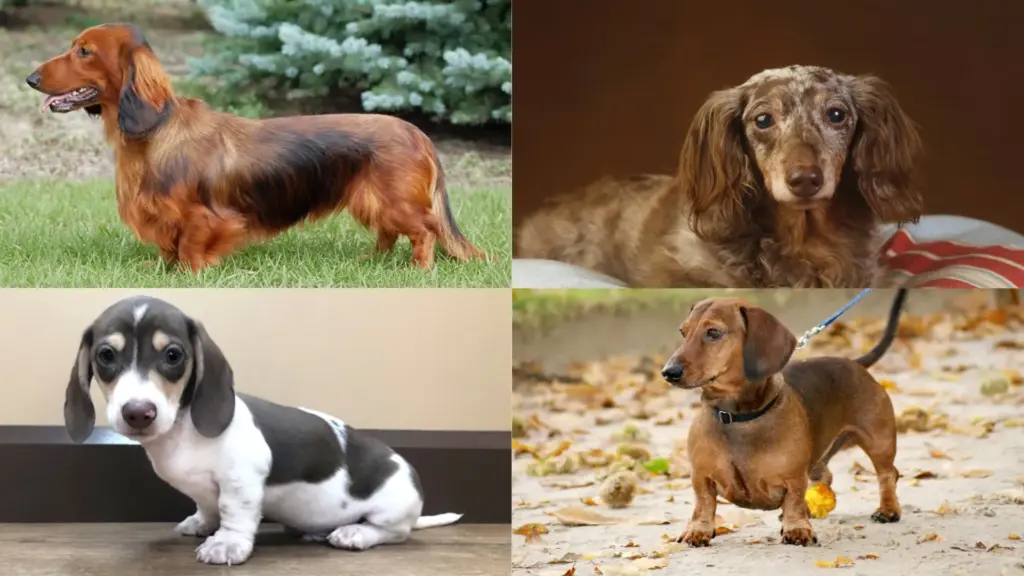
There is something instantly charming about a dachshund that draws people in. The long body, short legs, and confident movement create a look that feels playful.
Many people begin noticing small differences, such as coat texture, color, or pattern, and soon realize that this breed offers more variety than expected across different appearances.
Some coats appear smooth and polished, while others look soft, flowing, or textured, each adding a distinct visual personality.
Colors range from simple and classic to bold and eye-catching. These visual details create a deeper connection and a growing appreciation for the breed over time.
The blog mentions the types of dachshunds, which include various color combinations, markings, and different coat types such as smooth-haired, long-haired, and wire-haired varieties seen today.
What Makes Dachshunds Special?
Dachshunds are special because of their unique body shape, bold personality, and strong instincts seen across the different types of dachshunds.
The elongated body and low stance were originally designed for hunting. Beyond appearance, dachshunds are known for confidence, loyalty, and alert behavior.
Many show a strong attachment to family members and tend to be protective despite their small size. Intelligence plays a big role, which explains quick learning and a stubborn streak at times.
Vocal tendencies also make dachshunds excellent watchdogs. Coat variety adds to their appeal, offering different textures and visual styles within the same breed.
Energy levels stay balanced, making the breed suitable for active play and relaxed indoor time.
This mix of character, history, and visual charm is what continues to make dachshunds widely admired across households.
Types of Dachshunds Based on Coat Type
Dachshunds are officially grouped into three main types based on coat texture and length. Each coat type changes how the dog looks, feels, and is cared for on a daily basis.
1. Smooth Haired Dachshund
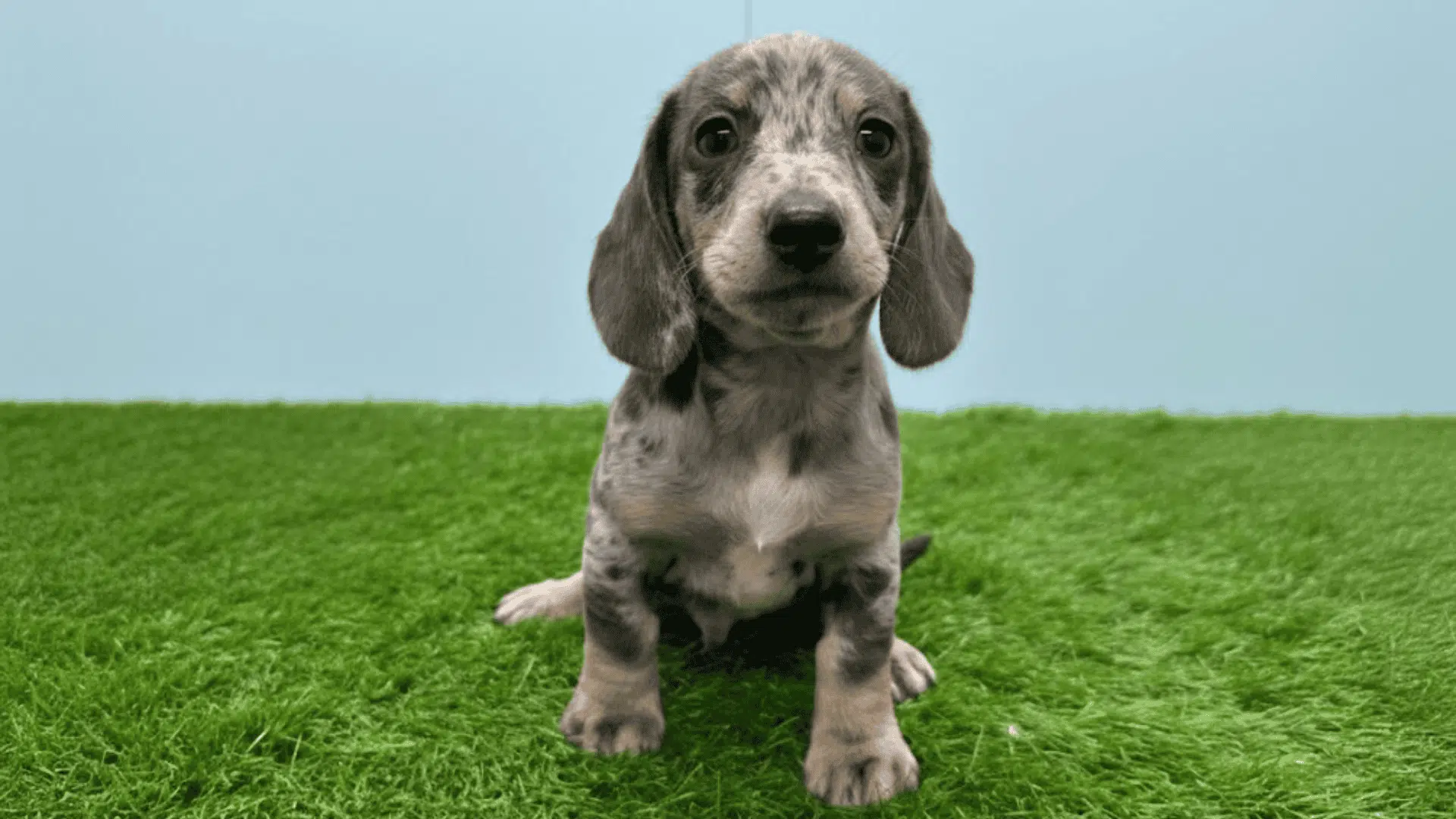
The smooth-haired dachshund has a short, sleek coat that lies close to the body, giving a clean and shiny appearance. This coat type often highlights the classic long body shape clearly.
Many owners notice confident, alert behavior, along with a playful yet focused attitude.
Grooming is simple since brushing is minimal, and shedding stays moderate year-round. Common colors include red, black, tan, and chocolate.
This coat suits warmer climates well and adapts easily to indoor living. Among all types of dachshunds, the smooth-haired variety is often chosen for low-maintenance care.
2. Long Haired Dachshund
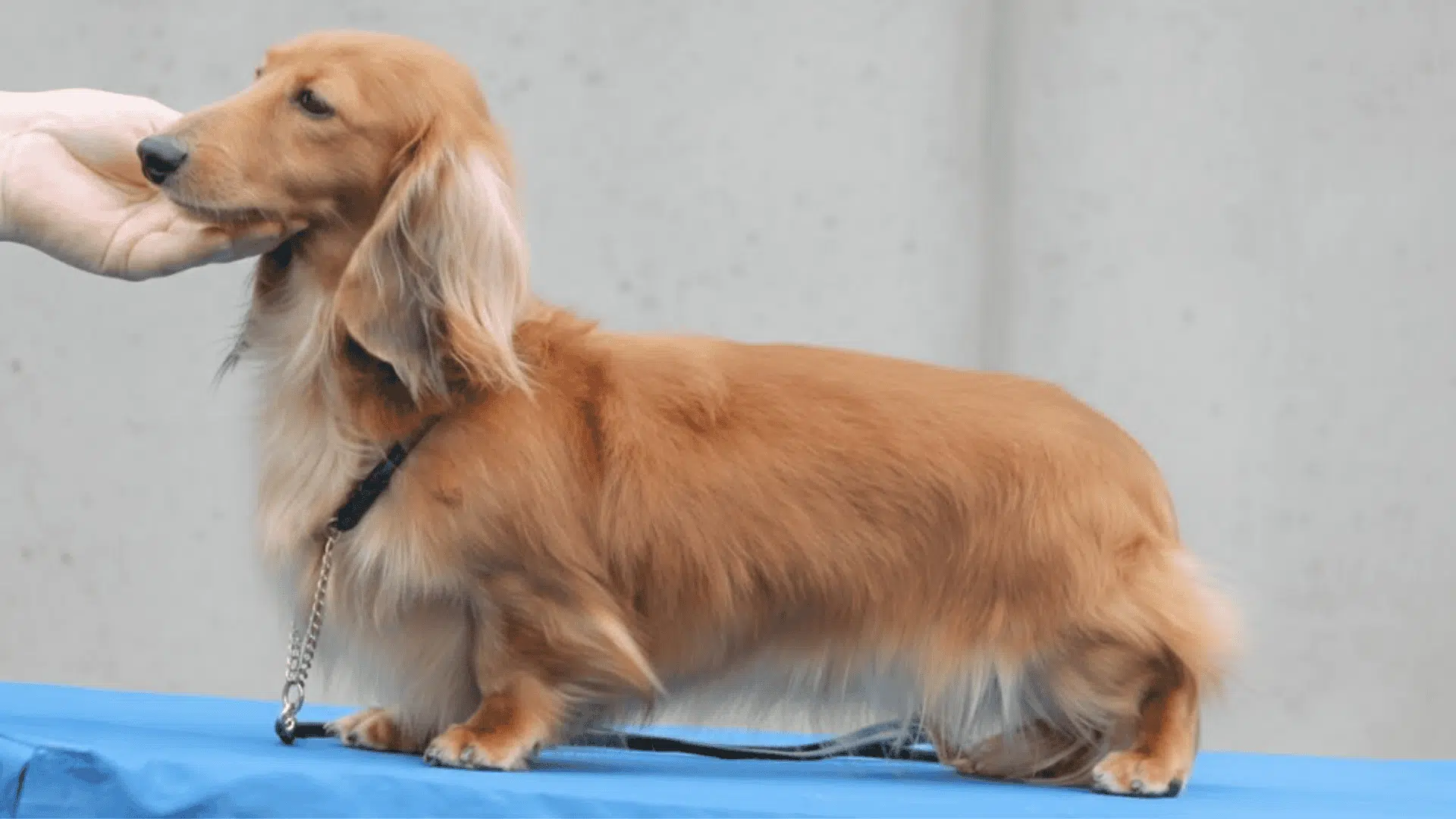
The long-haired dachshund stands out with a soft, flowing coat and feathering around the ears, chest, and tail. This gives a fuller, more elegant look than the smooth coat.
Regular brushing is needed to prevent tangles and keep the coat neat.
Many owners describe this type as calm, affectionate, and gentle, and popular colors include cream, red, and sable or dapple patterns.
The longer coat helps in cooler climates but still works well indoors. Within the types of dachshunds, this variety is often favored for its graceful appearance and softer coat texture.
3. Wire Haired Dachshund
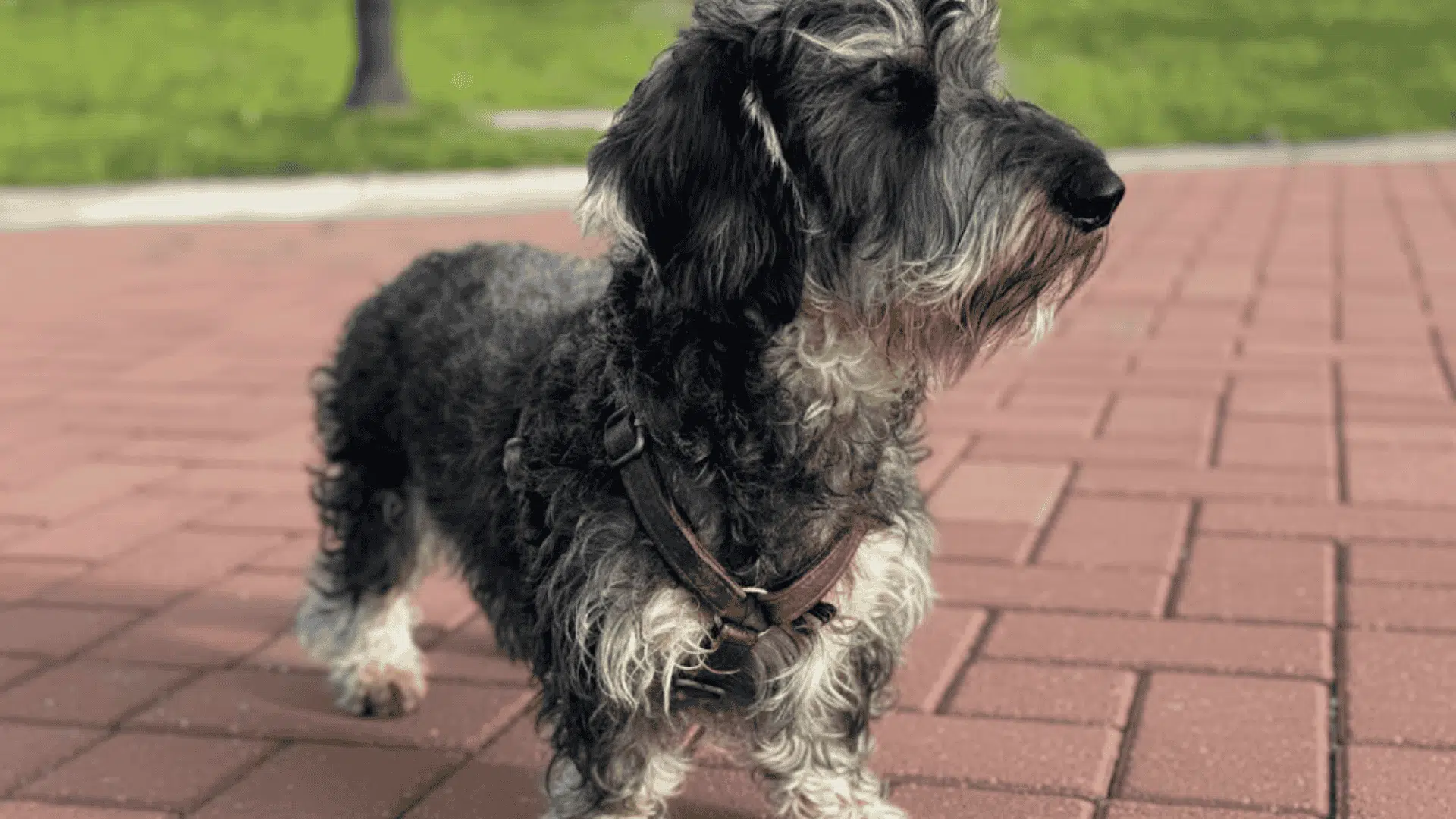
The wire-haired dachshund has a rough outer coat paired with a dense undercoat, creating a textured and sturdy look.
Distinct facial features, such as a beard and bushy eyebrows, give this type a unique expression. Grooming usually involves hand stripping or trimming to maintain coat health and shape.
Common colors include wild boar, black and tan, and chocolate. The coat provides good protection in cooler conditions.
Among the types of dachshunds, the wire-haired version is often recognized for its rugged appearance and lively personality.
Dachshund Patterns and Markings
Dachshund patterns and markings add variety to the breed and appear across all coat types and sizes, making them an important part of understanding the different types of dachshunds.
1. Dapple Dachshund
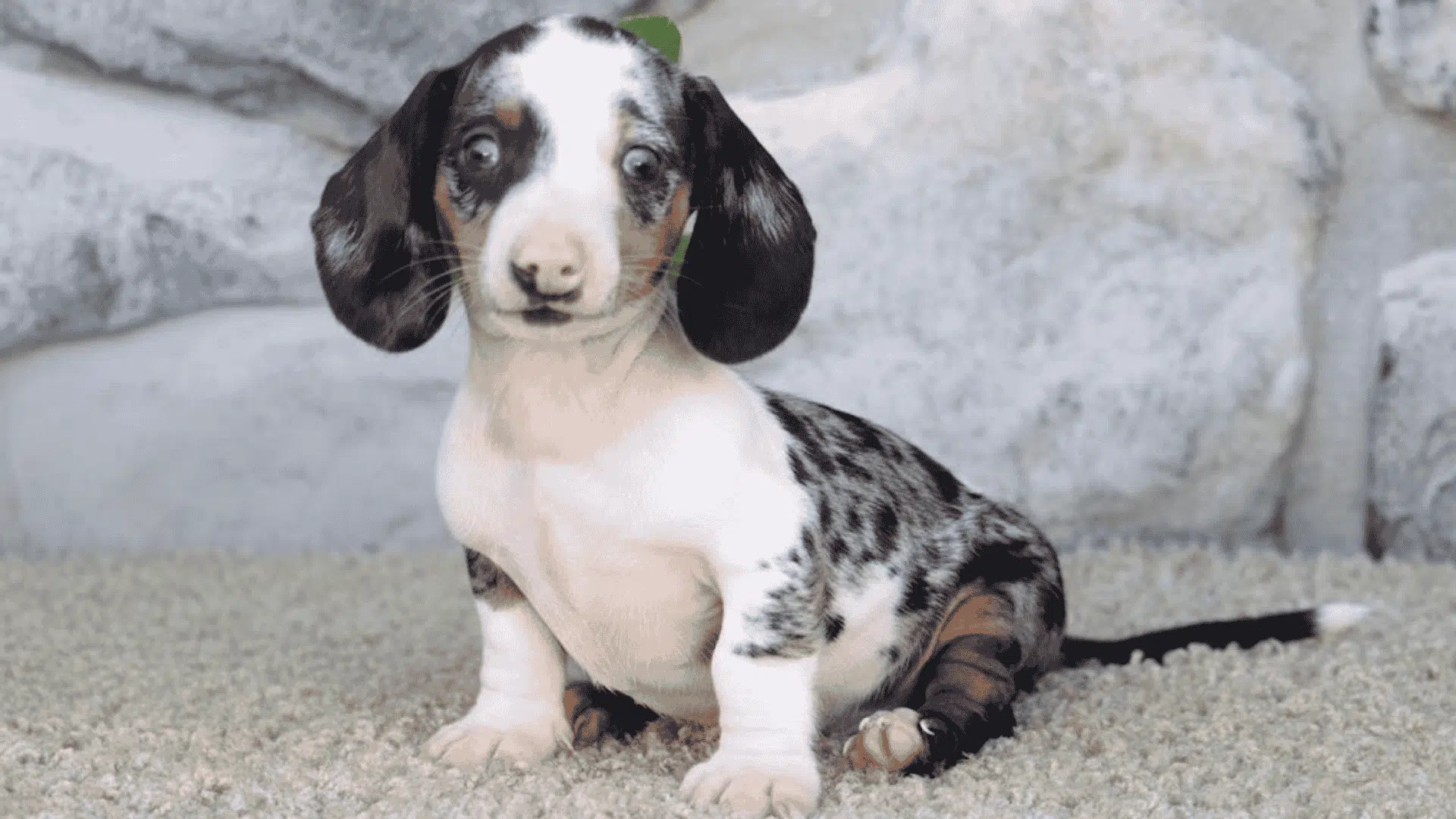
Dapple dachshunds have a mottled pattern where lighter and darker shades mix across the coat, creating a spotted or marbled effect.
This pattern often appears in color combinations such as black and gray, chocolate and tan, or red with lighter patches. The contrast can look dramatic, especially on smooth coats.
It is important to note that breeding two dapple dachshunds can lead to health concerns, making responsible breeding practices especially important.
2. Brindle Dachshund
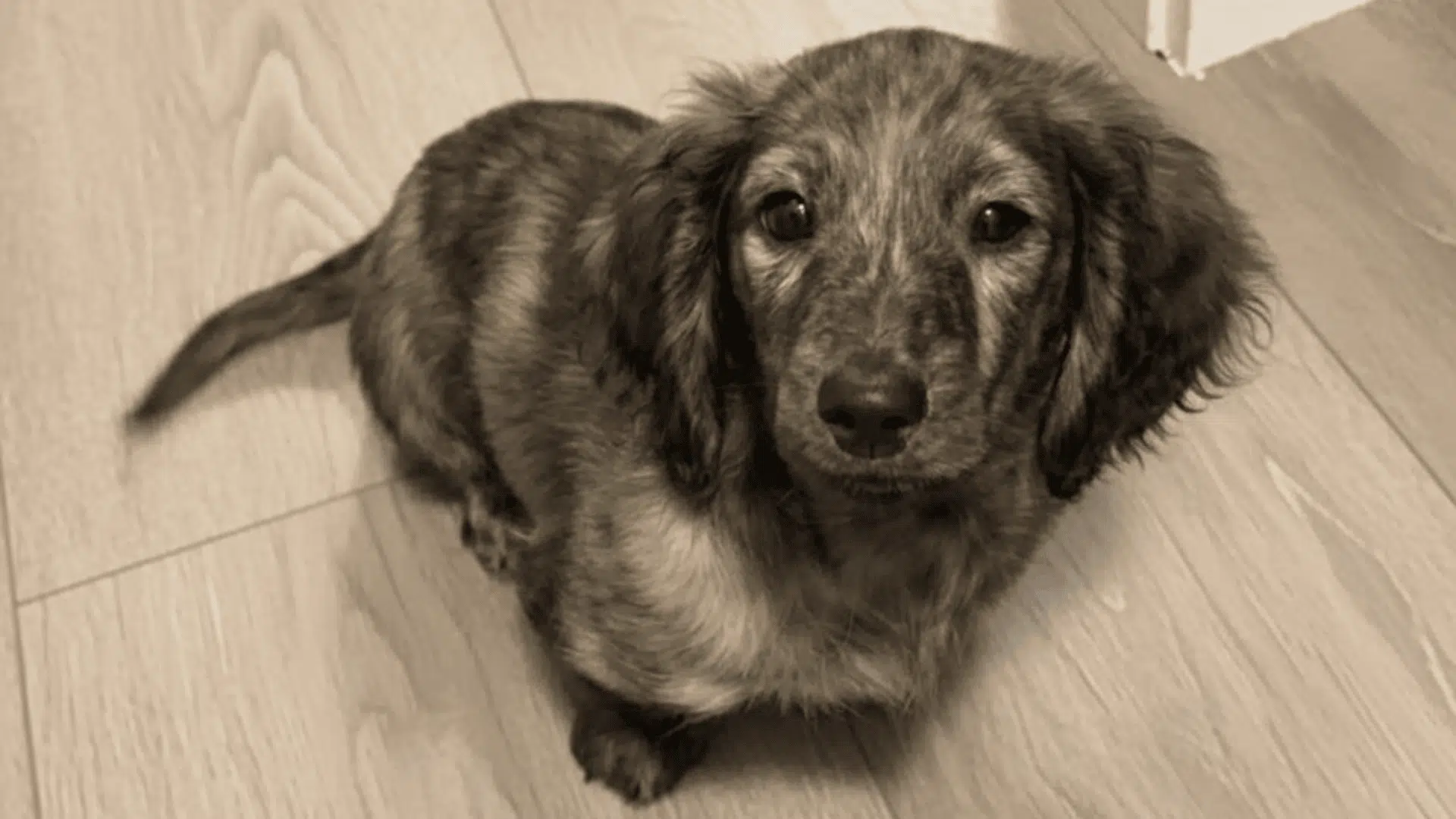
Brindle dachshunds, one of the visually distinct types of dachshunds, show a striped pattern where darker lines run over a lighter base color.
These stripes often appear uneven, giving the coat a textured appearance. Common base colors include red, tan, and cream with darker striping layered on top.
This pattern is most visible on smooth and wire coats, where the shorter or rougher hair makes the striping stand out more clearly.
3. Piebald Dachshund
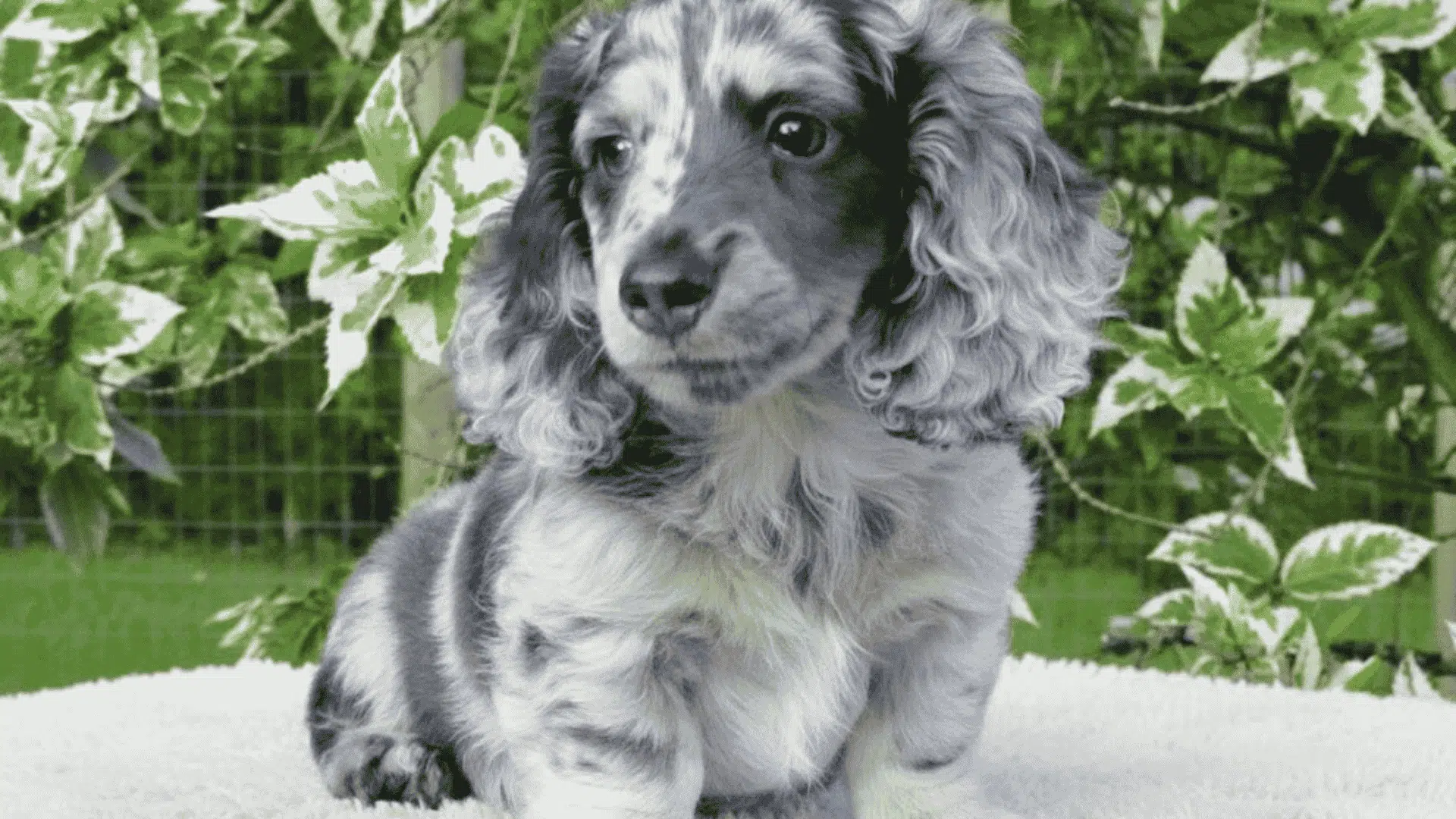
Piebald dachshunds have large white patches combined with one or more base colors.
The white areas are usually clean and well-defined rather than blended. This pattern differs from dapple in that the colors appear in solid sections rather than mixed spots.
A common misconception is that piebald and dapple look the same, but they are easy to tell apart once you understand the difference.
4. Sable Dachshund
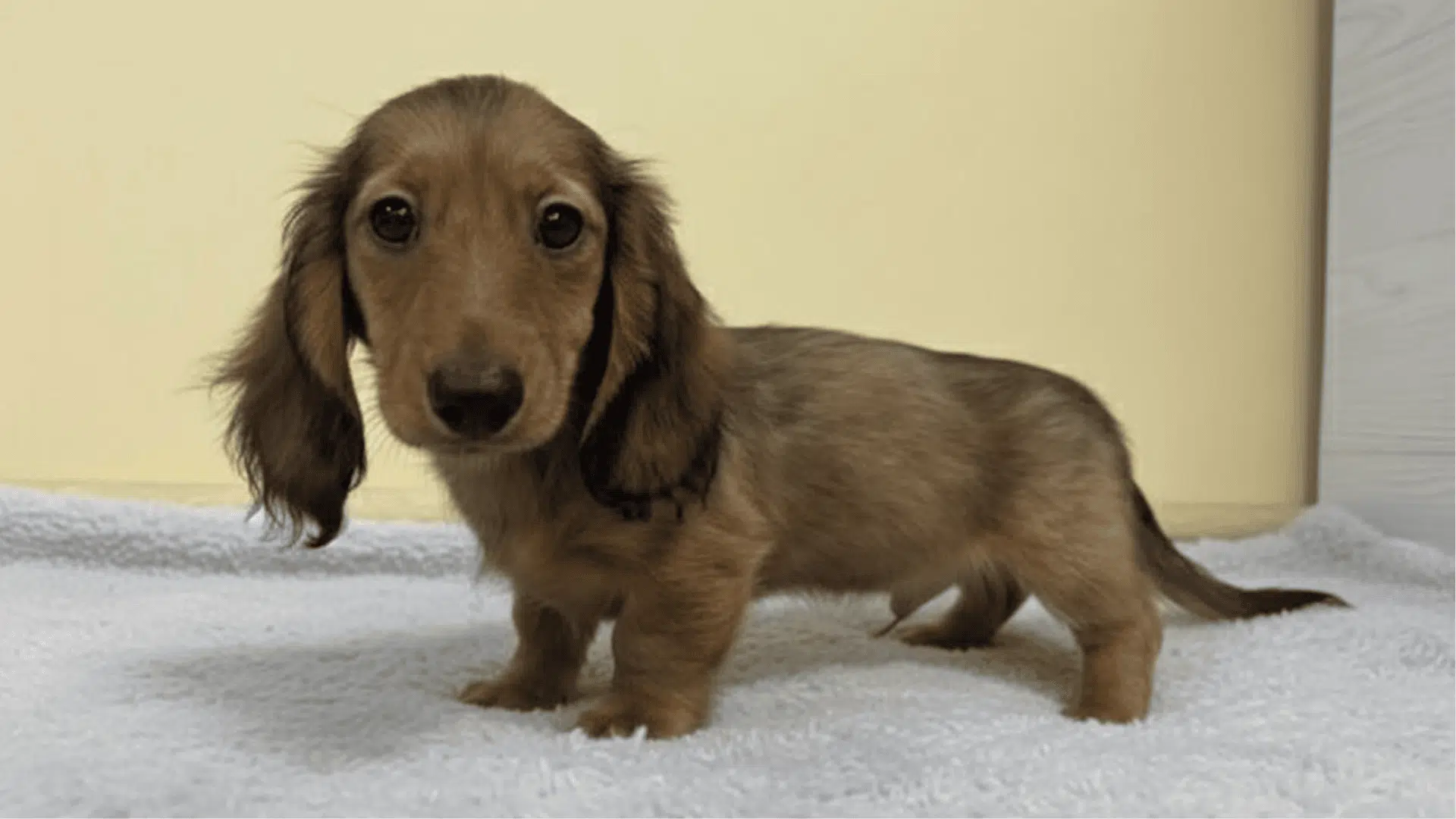
Sable dachshunds have dark-tipped hairs layered over a lighter base color, creating a shaded look rather than a solid tone seen in other types of dachshunds.
This pattern is most commonly seen in long-haired dachshunds, where the length of the coat makes the shading more noticeable.
Sable differs from solid or shaded coats because the color changes along each hair strand, giving the coat depth and movement that shift with lighting and grooming.
How Coat Type Affects Dachshund Color Appearance?
Coat type plays a major role in how dachshund colors and patterns look, and this applies across all types of dachshunds.
Smooth coats show colors clearly because the hair is short and lies close to the body, making patterns like dapple and brindle appear sharp and defined.
Long coats soften color contrast, which can make shades look lighter or blended, especially around the ears and tail as hair grows longer.
Wire coats add texture, often giving colors a muted or rougher look due to the dense, coarse hair.
The same color can appear darker or lighter depending on coat length and texture. Seasonal coat changes and grooming also affect shine and depth.
Understanding coat influence helps explain why two dachshunds with the same color may look very different at first glance.
How Big Do Dachshund Get?
The size of a dachshund is based on its breed size category, not its coat or coloring.
The breed comes in two recognized sizes, standard and miniature, and both appear across all types of dachshunds.
A standard dachshund usually weighs between 16 and 32 pounds and has a longer, sturdier body built for hunting and tracking small underground animals.
A miniature dachshund is much smaller, usually weighing under 11 pounds when fully grown.
Height stays low to the ground for both, often around 8 to 9 inches at the shoulder. Body length is what stands out most, giving dachshunds their signature shape.
Growth is typically complete by 12 months, though some fill out slightly later. Size does not affect personality, coat type, or color patterns.
Diet, exercise, and genetics also influence final size, but core size ranges remain consistent.
Are Dachshunds and Doxins the Same Thing?
Dachshunds and doxins refer to the same dog breed. Dachshund is the official and internationally recognized breed name, originating from Germany.
Doxin is a phonetic spelling commonly used in casual speech, regional slang, or informal writing.
Kennel clubs, veterinarians, breeders, and official records always use the term Dachshund. The doxin spelling does not represent a separate breed, size, or coat type.
Standard Dachshunds, Miniature Dachshunds, and different coat varieties of types of dachshunds all fall under the same breed name, regardless of wording.
In short, doxin is simply an alternate way of saying Dachshund. Any reference to doxins points back to the same long-bodied, short-legged breed known for a bold personality.
Tips for Choosing the Right Type of Dachshund
Choosing the right types of dachshunds starts with understanding how coat type and upkeep fit into daily routines. Each coat variety looks different and comes with its own level of care.
- Coat type and grooming needs: Smooth coats require minimal brushing, long coats need detangling, and wire coats demand grooming to maintain texture.
- Lifestyle compatibility: Daily schedules and available time play a key role in selecting among different coat types.
- Maintenance time commitment: Longer and wirier coats take more time for cleaning and upkeep compared to short coats.
- Climate suitability: Short coats suit warmer climates, while longer coats offer better insulation in cooler environments.
- Appearance versus upkeep: Some coat styles look appealing but need consistent grooming to stay neat and healthy.
Conclusion
Understanding the different coat types, colors, and patterns makes it easier to appreciate what sets this breed apart from others clearly.
The three coat types, smooth-haired, long-haired, and wire-haired, each offer a different look and grooming experience.
Along with coat texture, the visual appeal across the types of dachshunds expands through a wide range of colors and patterns, including solid shades and two color combinations.
These visual differences add personality on the outside, but they do not change the breed’s loyal, confident, and alert nature.
No matter the coat or pattern, the core traits remain the same across the breed.
Which dachshund coat or pattern do you find that stands out most? Share your experience in the comments and help others choose the right dachshund.