
A big heart does not always need big zoomies. For many people living in apartments or leading a laid-back routine, the challenge is finding a dog that fits the space and pace of everyday life.
High-energy pups can feel overwhelming in smaller homes, especially with limited outdoor access. That is where low-energy dog breeds make a real difference.
These calmer companions tend to be content with shorter walks, cozy naps, and relaxed evenings indoors.
They adapt well to quieter settings and are often easier to manage in compact living spaces.
This blog shares carefully chosen breeds that suit apartment life, along with practical lifestyle tips to help match the right dog to the right home.
What Causes a Dog to Have Low Energy?
Low energy does not mean inactive or uninterested. It simply refers to a dog with moderate activity needs and a calmer daily rhythm than high-drive breeds.
Low-energy dog breeds are usually content with shorter walks, light play sessions, and plenty of rest throughout the day.
They are less likely to demand constant stimulation or become restless in smaller living spaces.
It is important to separate calm temperament from minimal care. Even many lazy dog breeds still need routine exercise, social interaction, and structured training.
The laziest dog breeds may enjoy long naps, but they still benefit from mental stimulation such as puzzle toys, gentle games, and regular bonding time.
Indoors, these dogs tend to settle easily, remain quieter, and adapt well to apartment living when their basic physical and emotional needs are met consistently.
Low Energy Dog Breeds for Apartments
These breeds are known for adapting well to smaller living spaces and relaxed daily routines without demanding constant activity.
1. French Bulldog

French Bulldogs are affectionate, easygoing, and people-focused. They form strong bonds with their owners and usually prefer to lounge nearby rather than run for hours.
Daily exercise needs are modest and are often met with short walks and light indoor play. Their compact size and generally quiet nature make them ideal for apartment living.
As one of the most popular low-energy dog breeds, French Bulldogs are content in smaller homes and handle limited outdoor space better than many active breeds.
2. Cavalier King Charles Spaniel

This breed is gentle, friendly, and highly adaptable. Cavaliers enjoy companionship and tend to match the energy level of their household.
A couple of short walks and some playtime usually meet their exercise needs. They are small, quiet, and comfortable in apartments as long as they receive attention.
Often grouped with lazy dog breeds, they prefer cuddling on the couch to constant activity, placing them firmly among low-energy dogs suited to calm homes.
3. English Bulldog
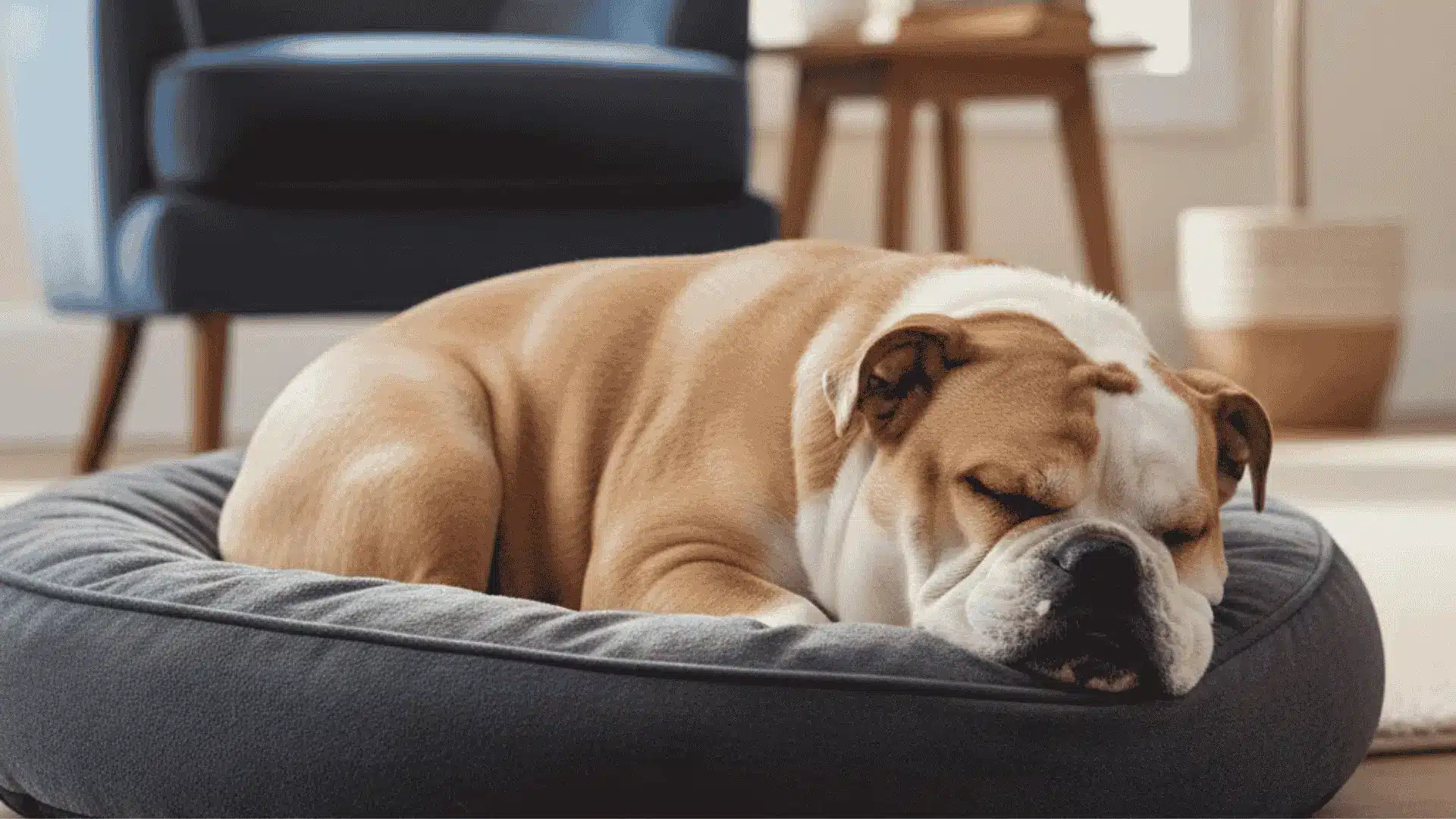
English Bulldogs are calm, loyal, and famously relaxed. They are known for slow movements and a love for naps.
Exercise requirements are minimal, usually limited to brief daily walks. Because of their stocky build and low stamina, they do not require large yards.
They adapt well to apartment life and are often considered among the laziest dog breeds.
Their steady temperament and low activity needs make them a strong choice for those seeking low-energy dog breeds.
4. Basset Hound
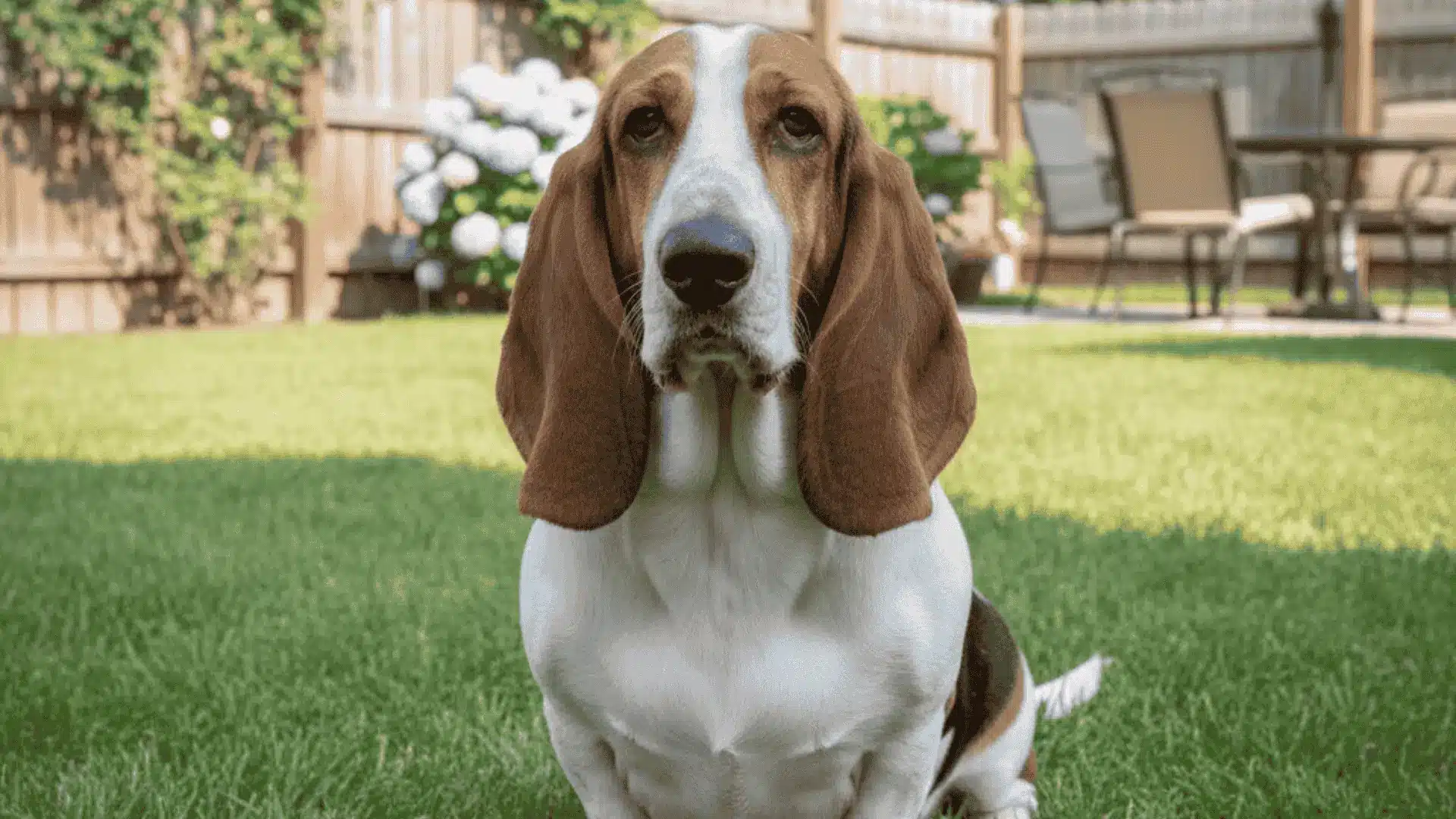
Basset Hounds are laid back, affectionate, and slightly stubborn. While they enjoy sniffing during walks, their energy level is generally moderate to low.
A steady daily walk and indoor companionship are usually enough. Their calm indoor behavior makes them suitable for apartment living, though having space to stretch out is helpful.
Despite their hunting background, they are often listed among lazy dog breeds because they enjoy relaxing for long periods once their basic exercise needs are met.
5. Shih Tzu

Shih Tzus are affectionate lap dogs with a calm and friendly temperament. They were bred for companionship rather than physical work.
Short daily walks and gentle indoor play usually meet their activity needs. Their small size and adaptability make them well-suited for apartments.
Often considered one of the low-energy dog breeds, Shih Tzus are content staying indoors and spending time with their owners rather than seeking constant outdoor stimulation.
6. Pug
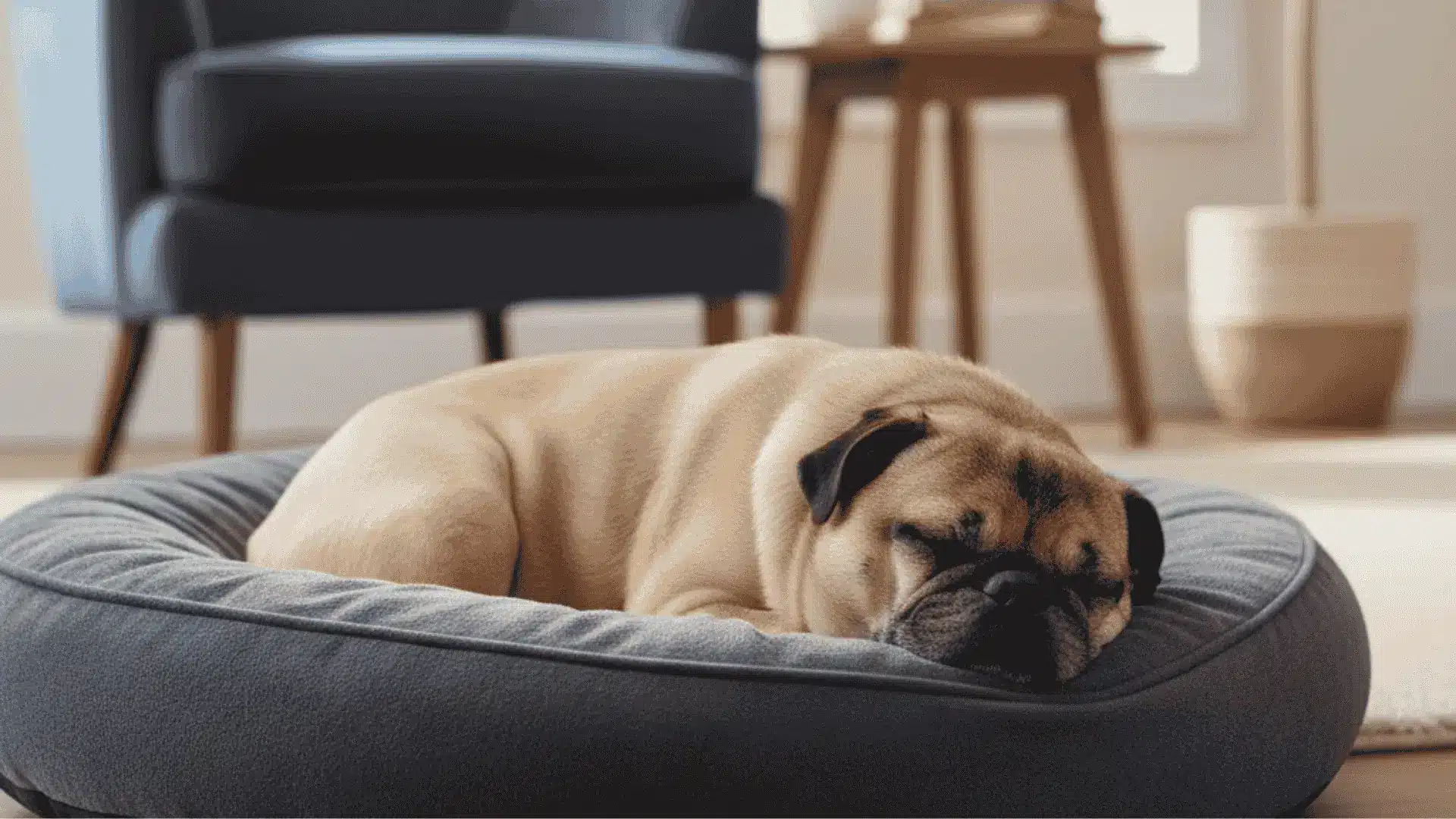
Pugs are charming, playful in short bursts, and generally relaxed. They enjoy attention and can be quite entertaining, but they tire quickly.
Moderate walks and light play are typically enough to keep them healthy. Their small build and adaptable personality suit apartment environments well.
Often mentioned among lazy dog breeds, Pugs are happiest when close to their people and resting comfortably, making them popular low-energy dog breeds for smaller homes.
7. Greyhound
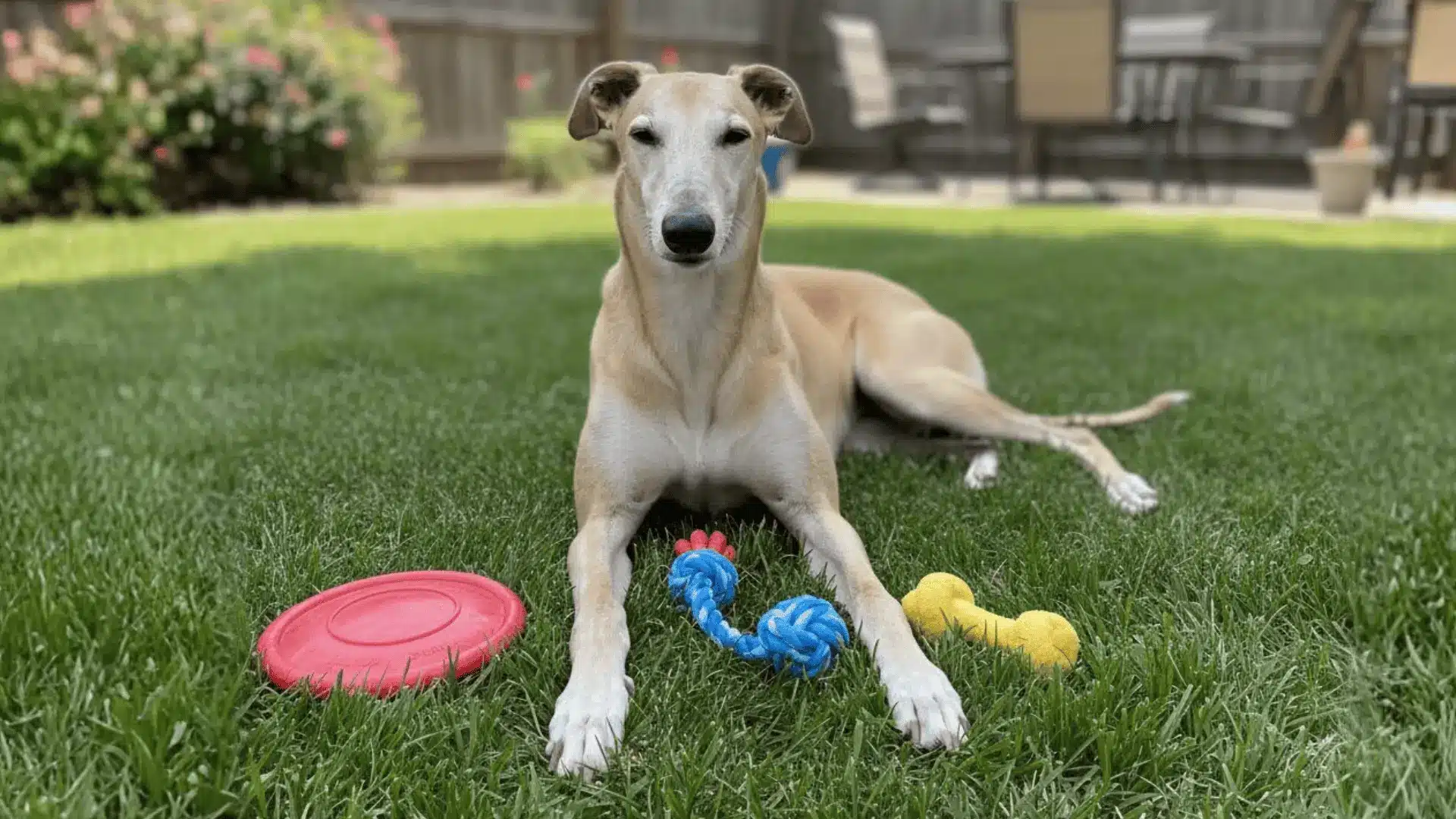
Although known for speed, Greyhounds are surprisingly calm indoors. They enjoy short bursts of activity but spend much of their time resting.
A daily walk and occasional run in a safe area are usually sufficient. Indoors, they are quiet and gentle, adapting well to apartment life.
Many are considered among the laziest dog breeds once off the track, making them unexpected yet excellent choices for relaxed households.
8. Great Dane
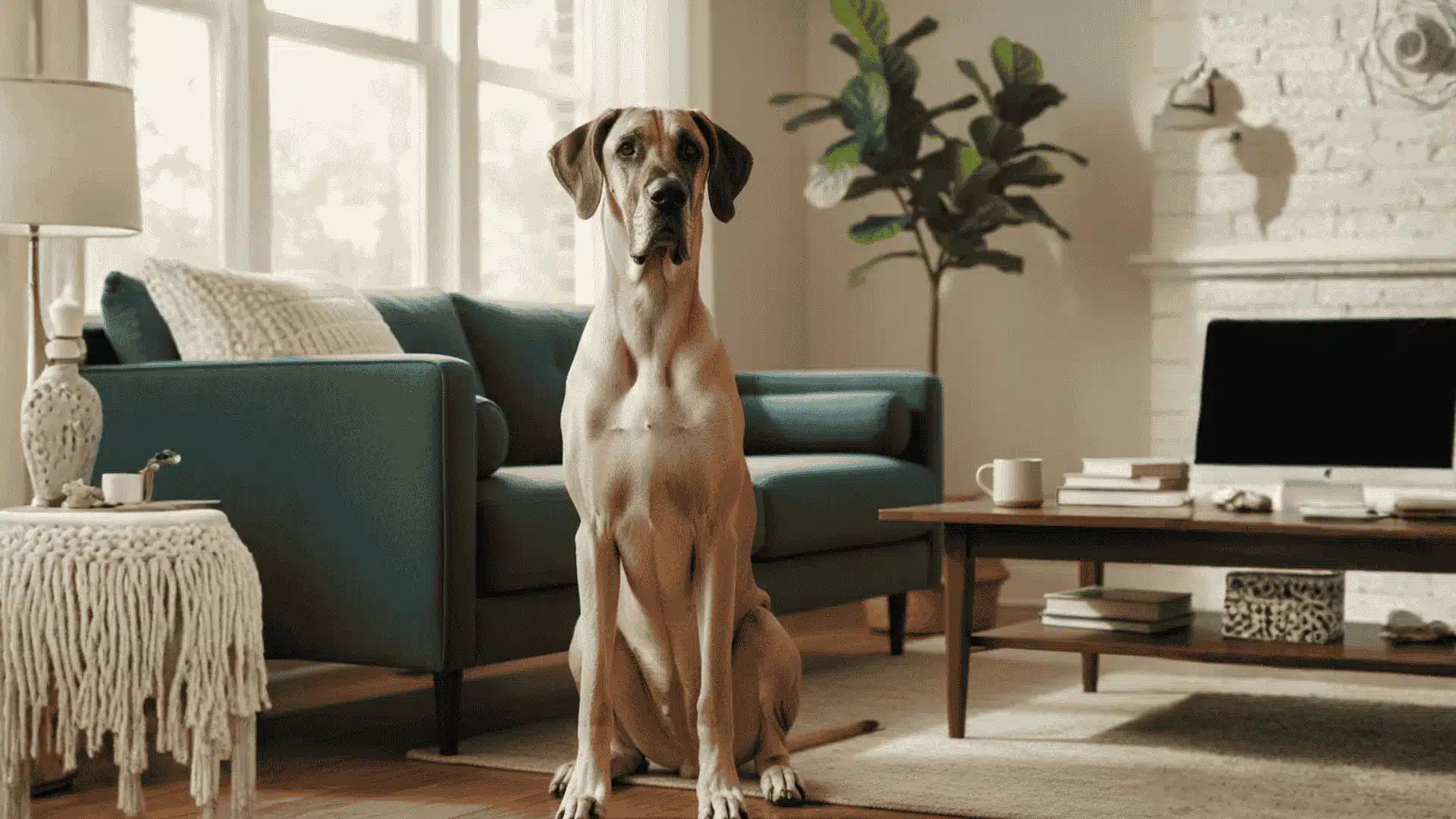
Great Danes are large but notably calm and affectionate. Despite their size, they do not require excessive exercise.
A couple of steady walks and space to stretch are usually enough. They can live in apartments if the layout allows comfortable movement.
Their relaxed indoor demeanor earns them a place among low-energy dog breeds. While not small, their quiet and gentle nature makes them suitable for laid-back owners.
9. Chihuahua
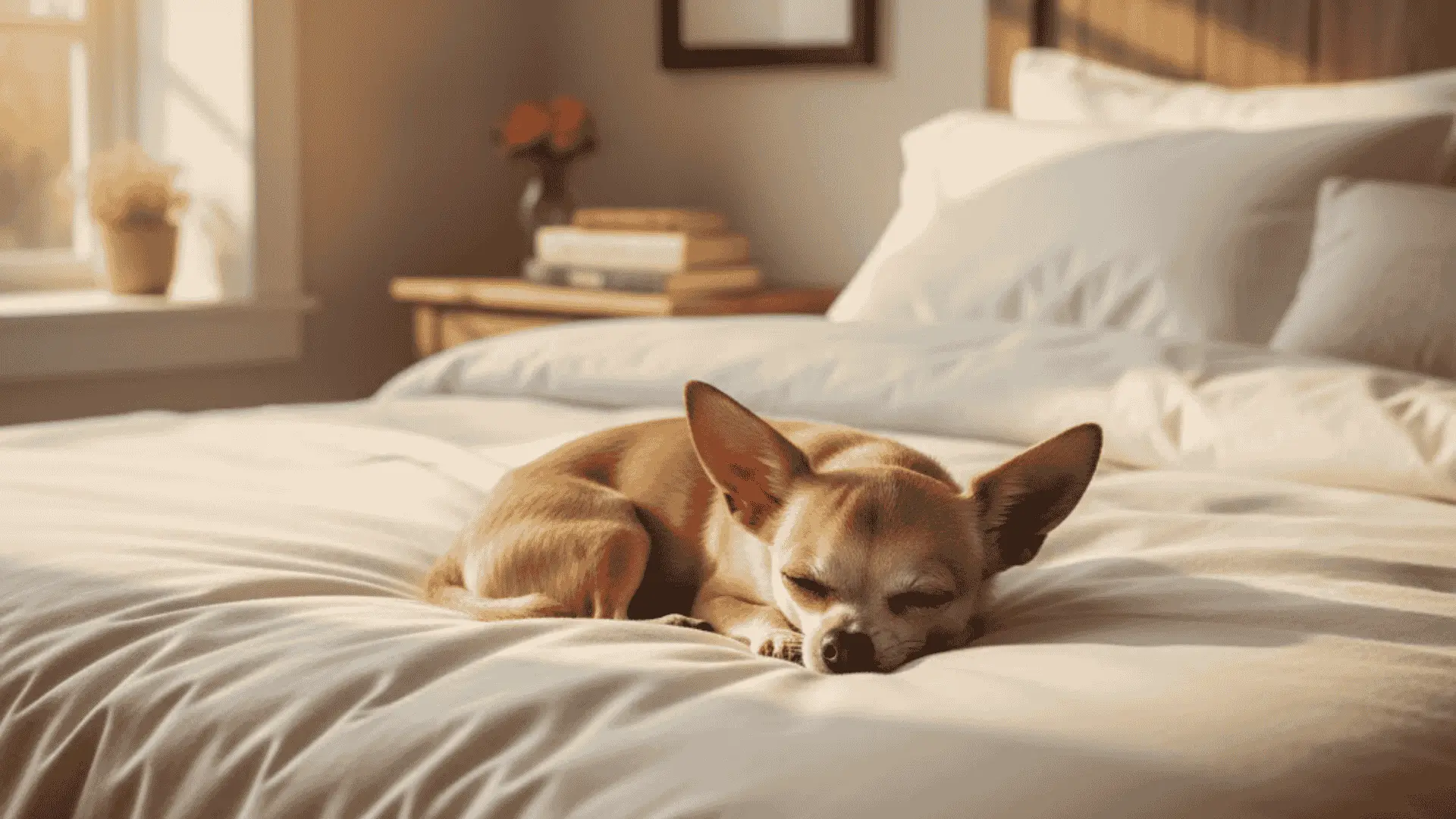
Chihuahuas are alert, loyal, and often bond closely with one person. While they can be lively, their tiny size means their energy needs are easy to manage.
Short walks and indoor play sessions are typically sufficient. They fit well in apartments due to their size and adaptability.
Some are considered lazy dog breeds because they enjoy burrowing into blankets and resting for long stretches, making them manageable, low-energy dog breeds for compact spaces.
10. Maltese
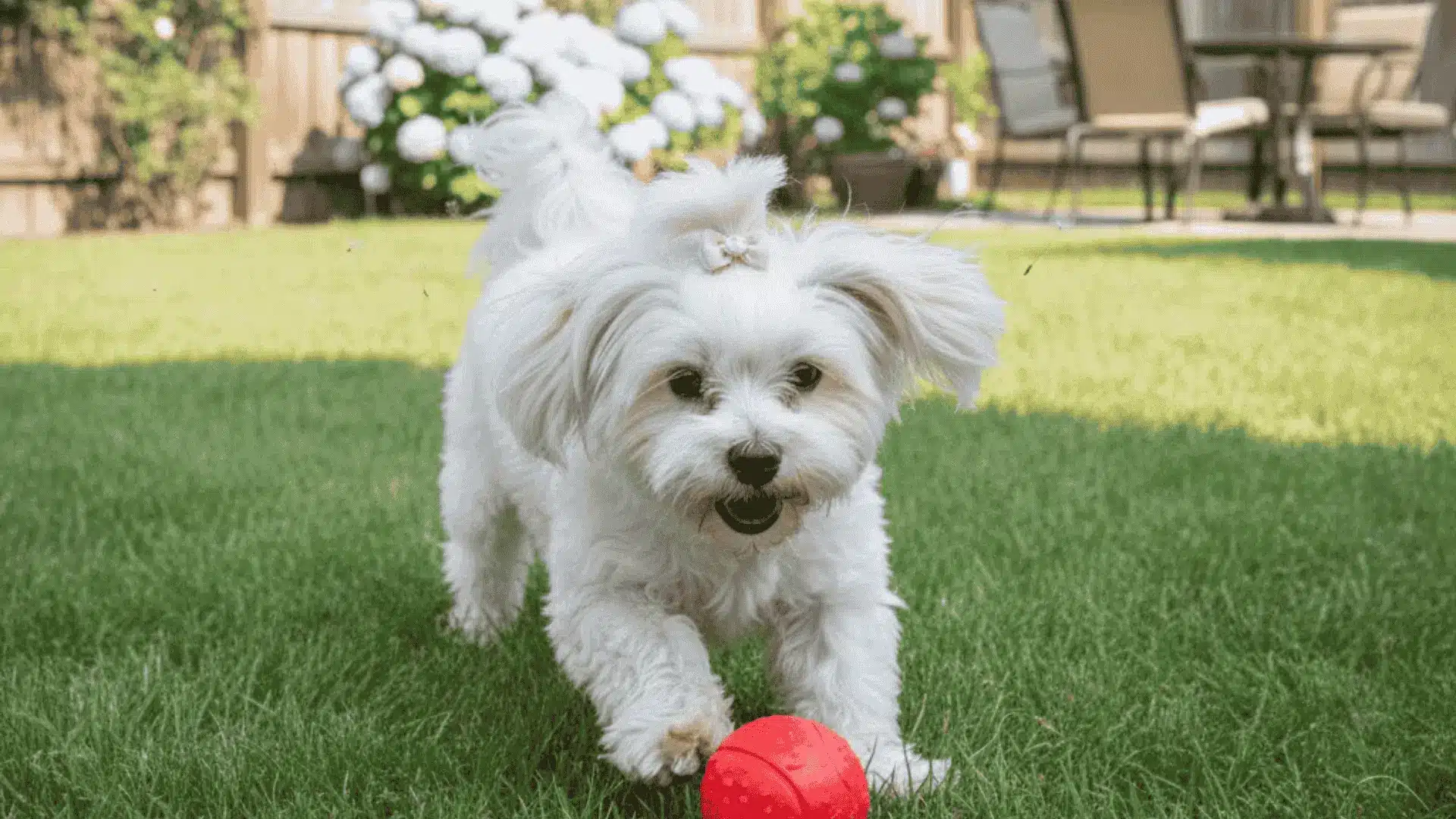
Maltese dogs are affectionate, gentle, and people-oriented. They enjoy companionship more than strenuous activity.
Daily exercise usually consists of short walks and light play indoors. Their small frame and adaptable personality make them ideal for apartment living.
Often considered low-energy dog breeds, Maltese dogs are comfortable in quieter environments and do not require large outdoor areas to stay content.
11. Boston Terrier

Boston Terriers are friendly, intelligent, and moderately active in short bursts. They enjoy playtime but also appreciate downtime.
Regular walks and brief interactive games typically meet their needs. Their compact size and generally quiet behavior make them suitable for apartments.
While not the laziest dog breeds, they are low-energy breeds due to their manageable activity levels and ability to settle in easily indoors.
12. Pekingese

Pekingese dogs are independent, calm, and devoted to their owners.
They prefer relaxed indoor environments and are not built for intense activity. Short daily walks are usually enough.
Their small size and low stamina make apartment living comfortable for them.
Often described as lazy, Pekingese enjoy resting and observing their surroundings, which makes them dependable, low-energy dog breeds for quiet homes.
13. Havanese

Havanese dogs are social, affectionate, and adaptable. While playful, they do not require excessive exercise.
A few short walks and indoor games typically satisfy them. Their small size makes them practical for apartment life.
Though not the laziest dog breeds, they still rank among low-energy dog breeds because they balance moderate play with long periods of calm companionship.
14. Cocker Spaniel

Cocker Spaniels are gentle and affectionate with moderate energy levels. They enjoy walks and light play but do not require constant activity. With proper routine, they adapt well to apartment settings.
While slightly more active than some breeds on this list, they are still considered low-energy dog breeds compared to high-drive working dogs.
Their calm indoor behavior and desire for companionship make them manageable for relaxed households.
15. Japanese Chin
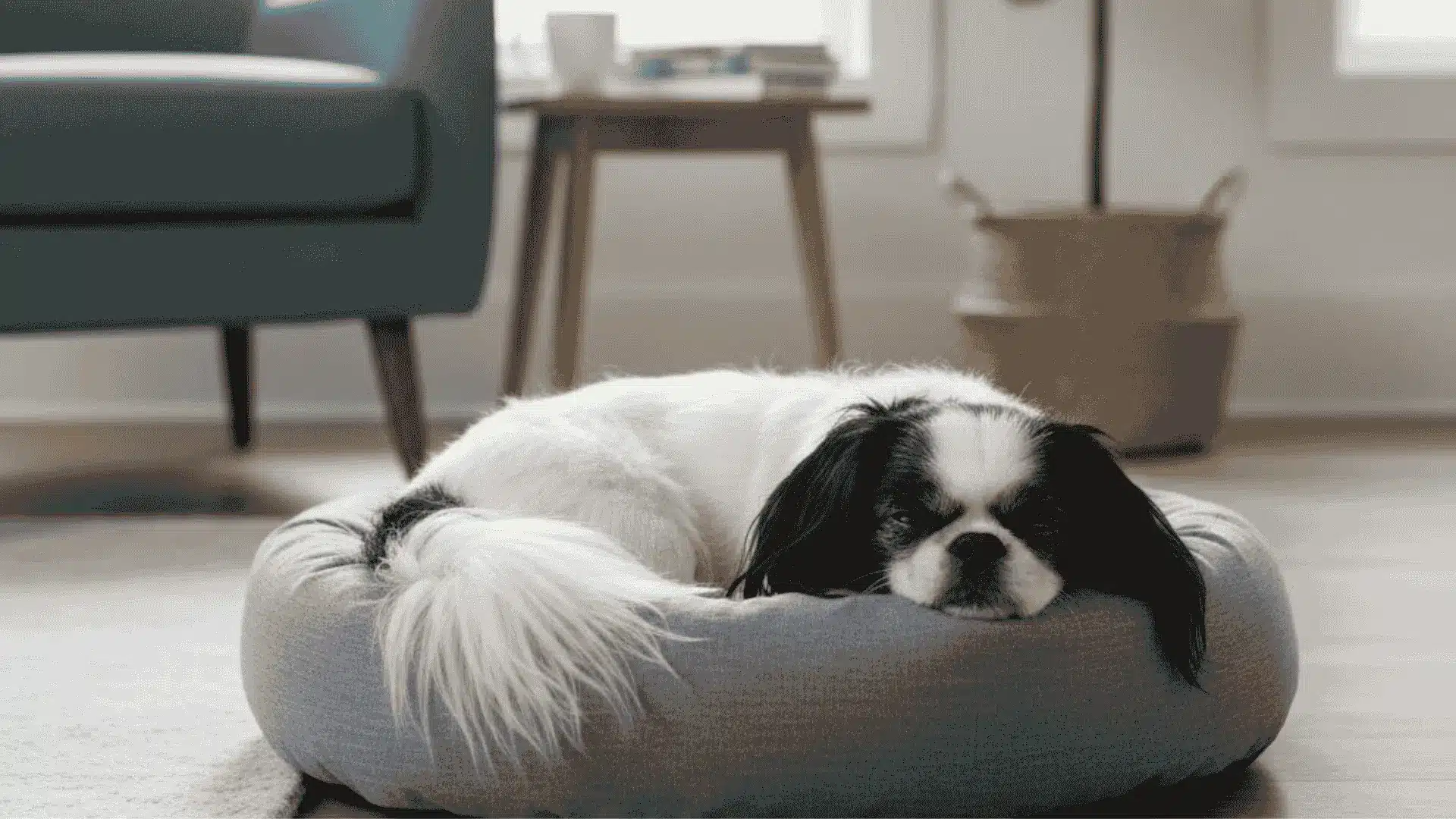
Japanese Chin is quiet, graceful, and strongly attached to its family. They enjoy short play sessions but are generally content indoors.
Minimal daily walks and interactive time are enough for them. Their small size and calm demeanor suit apartment living perfectly.
Often viewed as one of the laziest dog breeds in the toy category, they spend much of their day resting, placing them firmly among low-energy dog breeds for laid-back owners.
16. Lhasa Apso

Lhasa Apsos are calm, independent, and well-suited to indoor living. Originally bred as companion dogs, they are comfortable spending long hours inside with their families.
Their exercise needs are moderate, usually met with short daily walks and light play. While they enjoy attention, they are not overly demanding of constant activity.
Their compact size makes them practical for apartments.
Often considered lazy, Lhasa Apsos are content to relax at home, making them reliable, low-energy dogs for smaller spaces.
17. Italian Greyhound
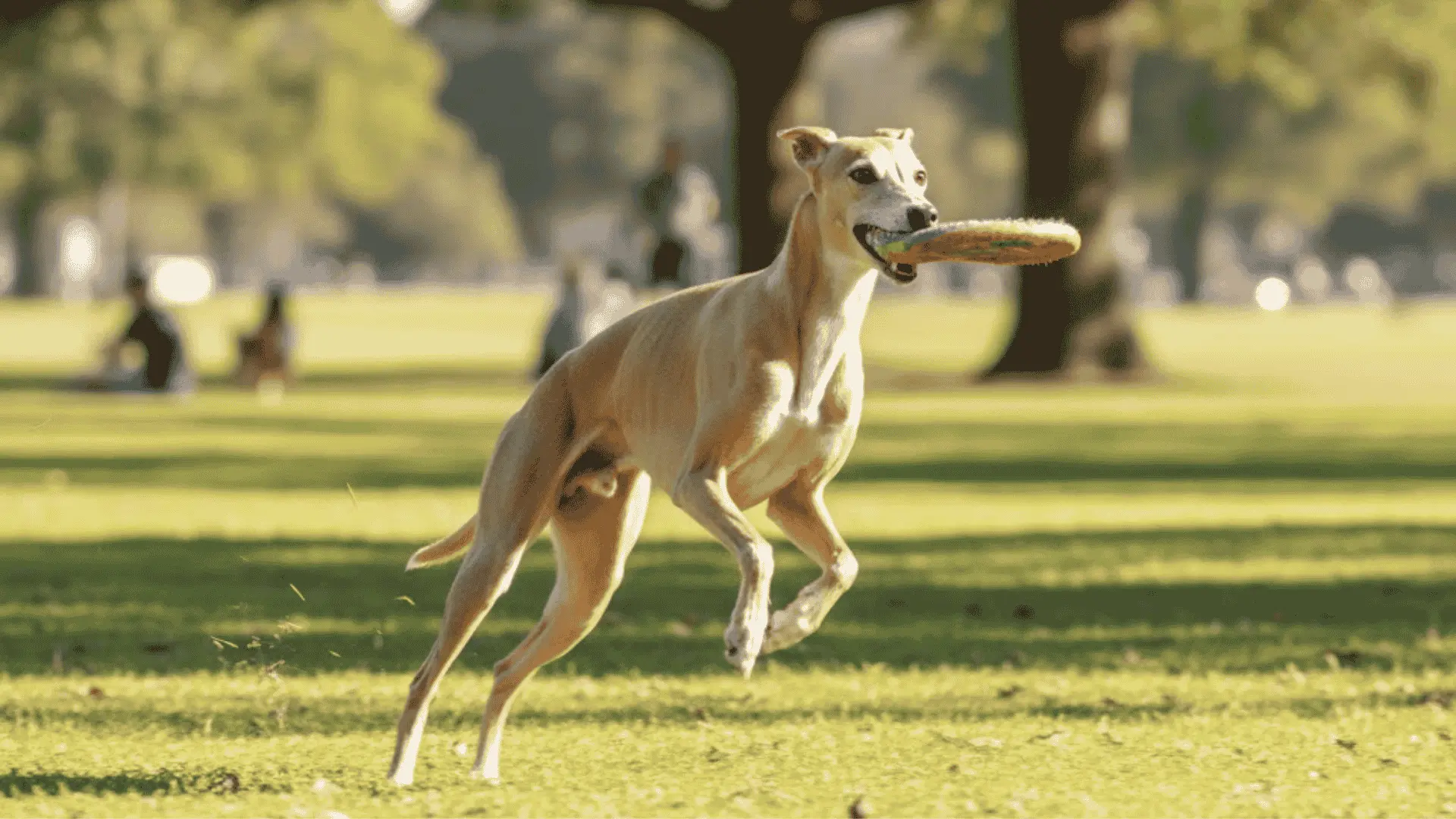
Italian Greyhounds are gentle, affectionate, and surprisingly relaxed indoors. Although they can sprint in short bursts, they tire quickly and enjoy curling up in warm spots.
A brief daily walk and some indoor play usually satisfy their needs. Their slim build and quiet nature make them suitable for apartment living.
Frequently mentioned alongside the laziest dog breeds in toy categories, they settle easily indoors, making them a solid choice among low-energy dog breeds.
Are Lazy Dog Breeds Easy to Care For?
Lazy dog breeds are often seen as simple pets, but lower activity levels do not mean lower responsibility.
While many of the laziest dog breeds require less exercise, they still need consistent grooming, regular vet visits, and daily attention.
Some breeds, such as Shih Tzus and Maltese, need frequent coat maintenance. Others, like Bulldogs and Pugs, may have breathing or skin concerns that require ongoing care.
Low-energy dog breeds also crave companionship. Many become deeply attached to their owners and do not do well when left alone for long hours.
Calm behavior indoors does not remove the need for mental stimulation, affection, and structure. A relaxed dog still depends on steady care and committed ownership.
Things to Consider Before Choosing a Low-Energy Dog
Choosing the right low-energy dog breeds requires honest planning about time, budget, living space, and long-term responsibility.
- Daily Schedule and Time at Home: Consider how many hours the home is empty and whether consistent walks, feeding, and interaction can be maintained.
- Budget for Grooming and Health Care: Some lazy dog breeds require regular grooming or have breed-specific health concerns. Ongoing costs for vet visits, quality food, and preventive care should be planned in advance.
- Noise Tolerance in Apartments: Shared walls can make barking an issue. Choose breeds known for calmer indoor behavior and manageable vocal tendencies.
- Family Members And Other Pets: Temperament matters. Ensure the dog’s personality aligns with children, seniors, or existing pets in the household.
- Long-term commitment: Many low-energy dog breeds live well over a decade. Ownership requires steady care, patience, and responsibility for years to come.
Conclusion
Calm homes deserve calm companions. Low-energy dog breeds can be a natural fit for apartments and relaxed lifestyles because they adapt well to smaller spaces and steady routines.
Many lazy dog breeds are content with moderate walks, quiet evenings, and close companionship rather than constant activity.
That balance makes daily life easier, especially in shared buildings or compact homes. Still, the right match depends on an honest evaluation of space, schedule, and long-term commitment.
Size, temperament, grooming needs, and health factors all play a role in responsible ownership.
Choosing thoughtfully helps create a peaceful environment for both dog and owner.
Which of these low-energy dog breeds would fit best in your home? Share your experience, favorite breed, or apartment living tips in the comments below!